Munkhkhairkhan
Munkhkhairkhan, Mongolia
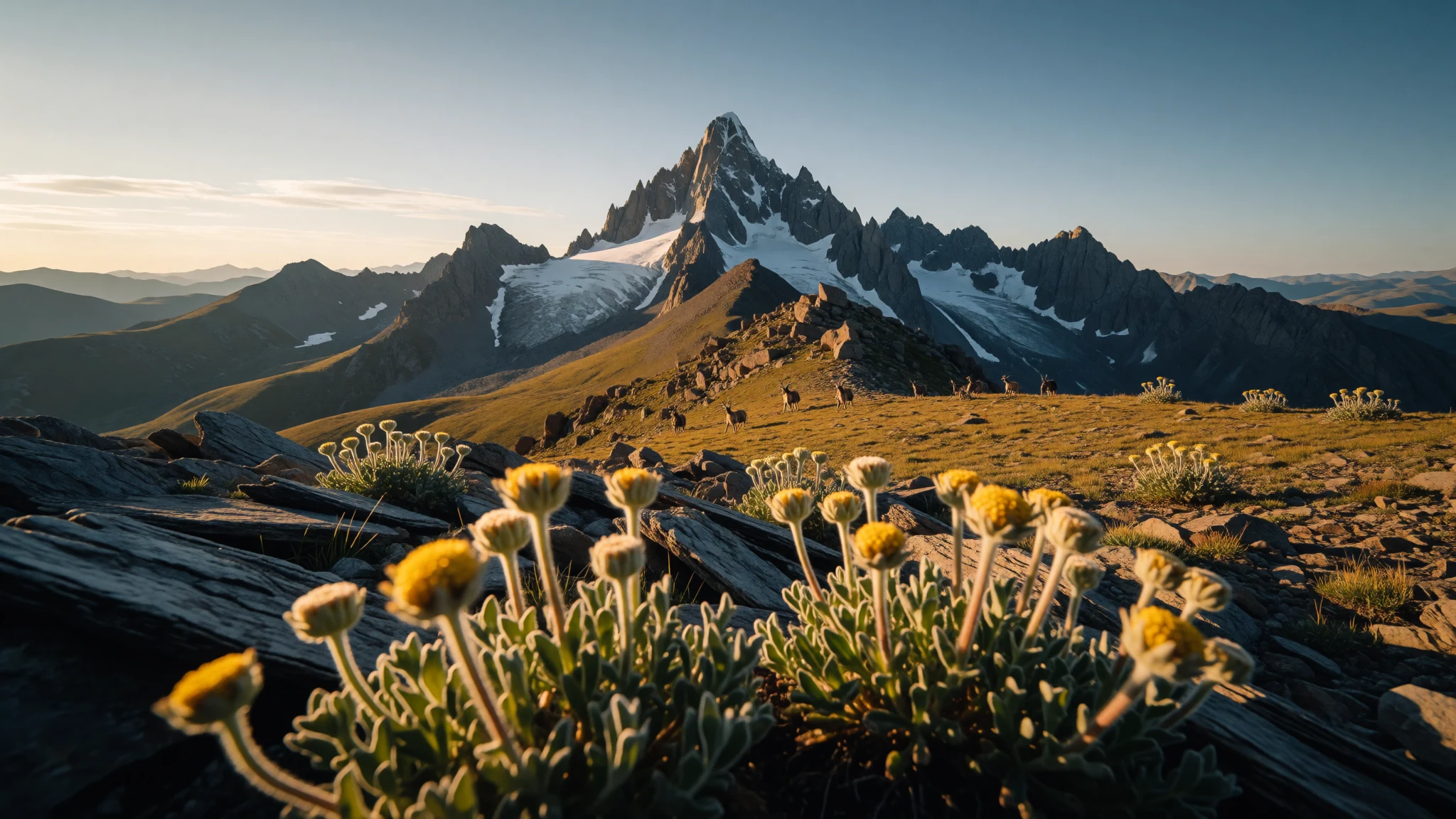
Munkhkhairkhan National Park centres on Mongolia's second-highest peak, in a remote stretch of the Altai where steppe meets rock and silence.
The place
Munkhkhairkhan National Park sits in the Mongol-Altai range of far western Mongolia, with its centre on Mönkhkhairkhan Mountain, which the sources describe as the second highest in the country. The park was established in 2011 and straddles two provinces, Bayan-Ölgii and Khovd, so its edges are reached from different towns. It lies about 15 km from the Chinese border, which explains much of the remoteness: this is a frontier landscape, thinly settled, with long distances between anything resembling a service.
The climate is cold semi-arid, the steppe type that sits between desert and humid country. At least one month a year averages below freezing, and precipitation is low, so the ground is open grassland and bare stone rather than forest. Winters are long and properly cold, summers are short and the light is hard and clear. Weather can change within an hour at altitude, and snow is possible outside the warm months.
For a visitor this is not a park of polished visitor infrastructure. It is a place of valleys, ridgelines, grazing herds and old stone monuments, best understood as a region to cross slowly with a local driver or guide rather than a single viewpoint to tick off. Wildlife and herders share the slopes, and the scale is large enough that a day can pass without meeting another vehicle. Anyone planning a visit should expect to organise logistics well ahead and to carry most of what they need.
Its story
Munkhkhairkhan National Park is a recent protected area laid over a very old landscape. The park was established in 2011, but people have used these valleys for far longer, and the balbal stones near the mountain are one trace of that. Balbal are upright stones, sometimes crudely carved, raised on the steppe by early nomadic peoples as markers and memorials; they turn up across Mongolia and Central Asia.
The name carries part of the story too. Khairkhan is a Mongolian word for a beloved or sacred mountain, and the full name (Мөнххайрхан) points to something lasting. Peaks like this are treated as presences rather than scenery, with offerings left at stone cairns and restraint in hunting and cutting. Herding families from Bayan-Ölgii and Khovd have long moved livestock between seasonal pastures, so the park boundary was drawn over a working landscape, not empty ground.
That shapes how the park works. In western Mongolia a national park is not a fenced reserve but a patchwork of protected terrain, grazing and frontier zone, with the Chinese border close by. Anyone curious about the area's history is best served by local guides in Ölgii or Khovd, who know the monuments, the seasonal camps and the family stories that no guidebook records. The mountain's rank as the second highest in Mongolia draws the occasional mountaineer, but the quieter story is of herders, stone and weather.
What to see
- Mönkhkhairkhan Mountain — Centre of the park, Mongol-Altai
Mönkhkhairkhan Mountain is the reason the park exists and the second highest peak in Mongolia. Most visitors will admire it from the approaches rather than climb it, since the terrain is remote and cold, and conditions change quickly. Go with an experienced local guide, bring serious cold-weather kit even in summer, and check the weather before committing.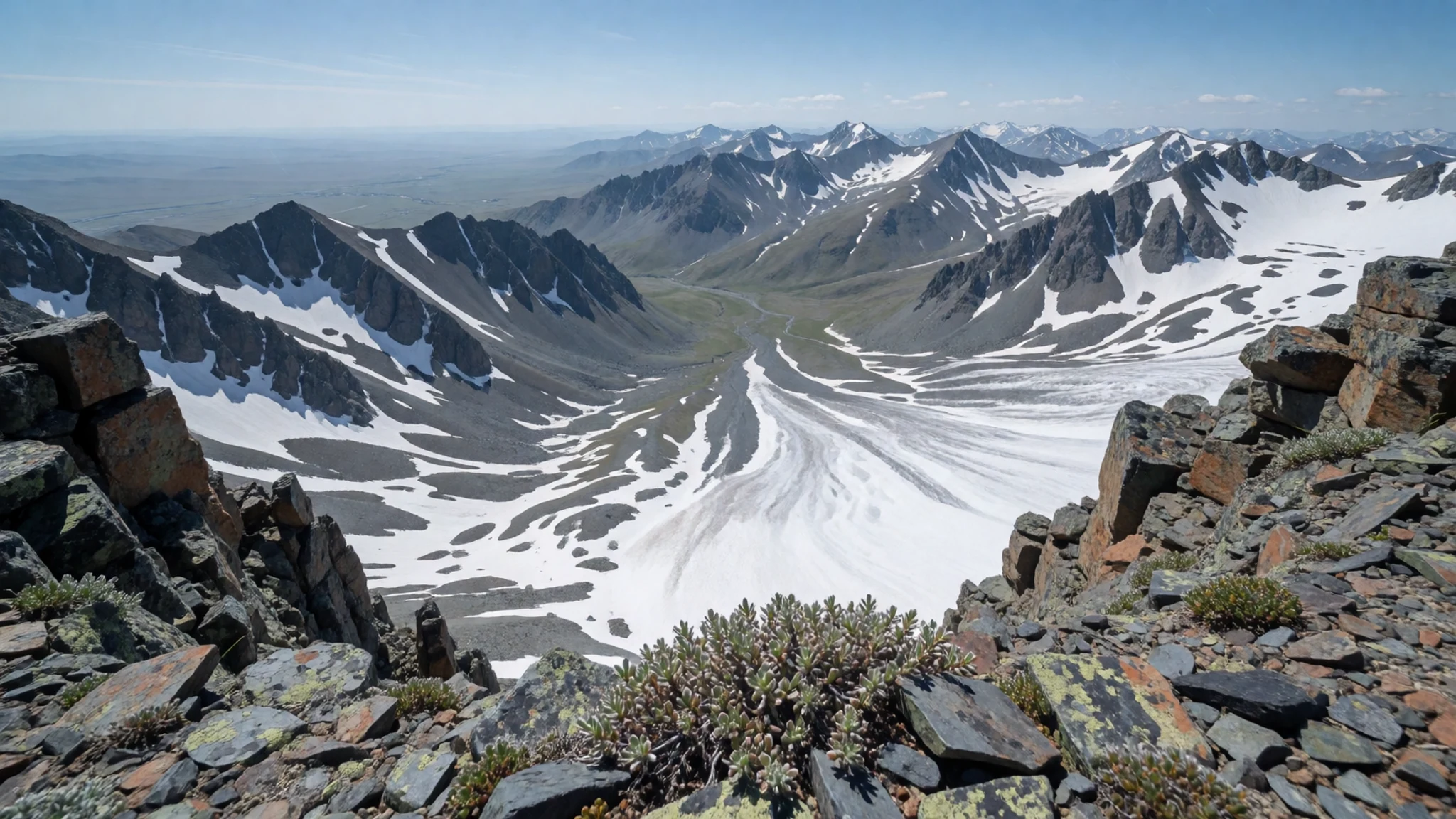
- Balbal stones — Slopes of Mönkhkhairkhan Mountain
The balbal stones on the mountain's flank are weathered upright figures left by early nomads on the steppe. They are easy to miss against the grey rock and dry grass, so ask a guide to point them out. Look at the carving, take photographs from a respectful distance and never climb on or move a stone.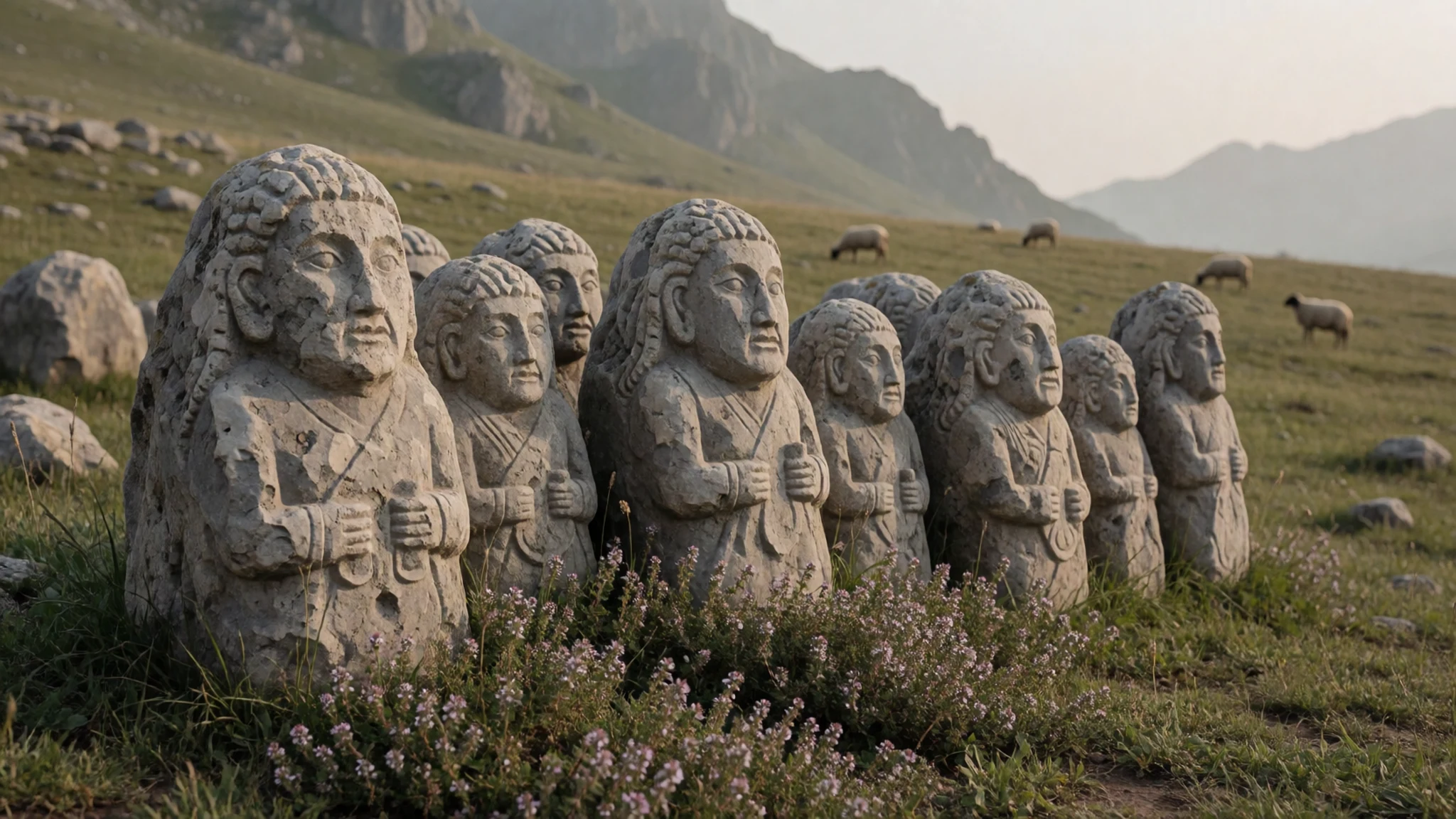
- Steppe valleys and herder camps — Valleys around the park
The open valleys around the mountain are classic Altai steppe: wide grassland, bare slopes and few trees, with herders' animals dotted across them. The light is best early and late in the day. Stop for tea if a family invites you; hospitality to travellers is a strong tradition in rural Mongolia, and a short visit tells you more than a viewpoint.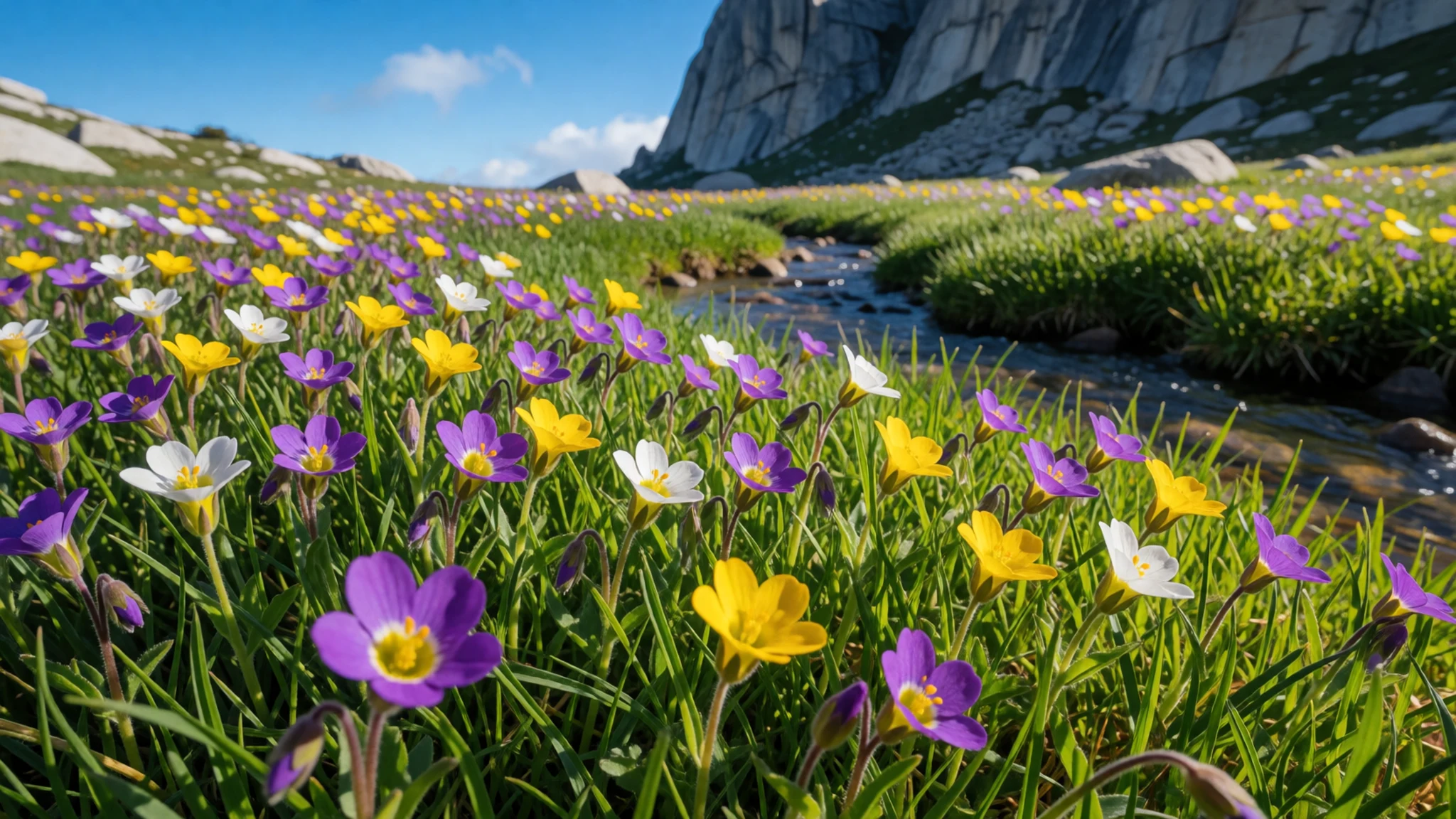
- Khovd — Khovd Province
Khovd is the main town of its province and a practical base for supplies, fuel, drivers and permits. Its market and streets give a sense of western Mongolia before the road empties. Allow a day to organise a vehicle and food, and confirm the route with the park office or a local agency.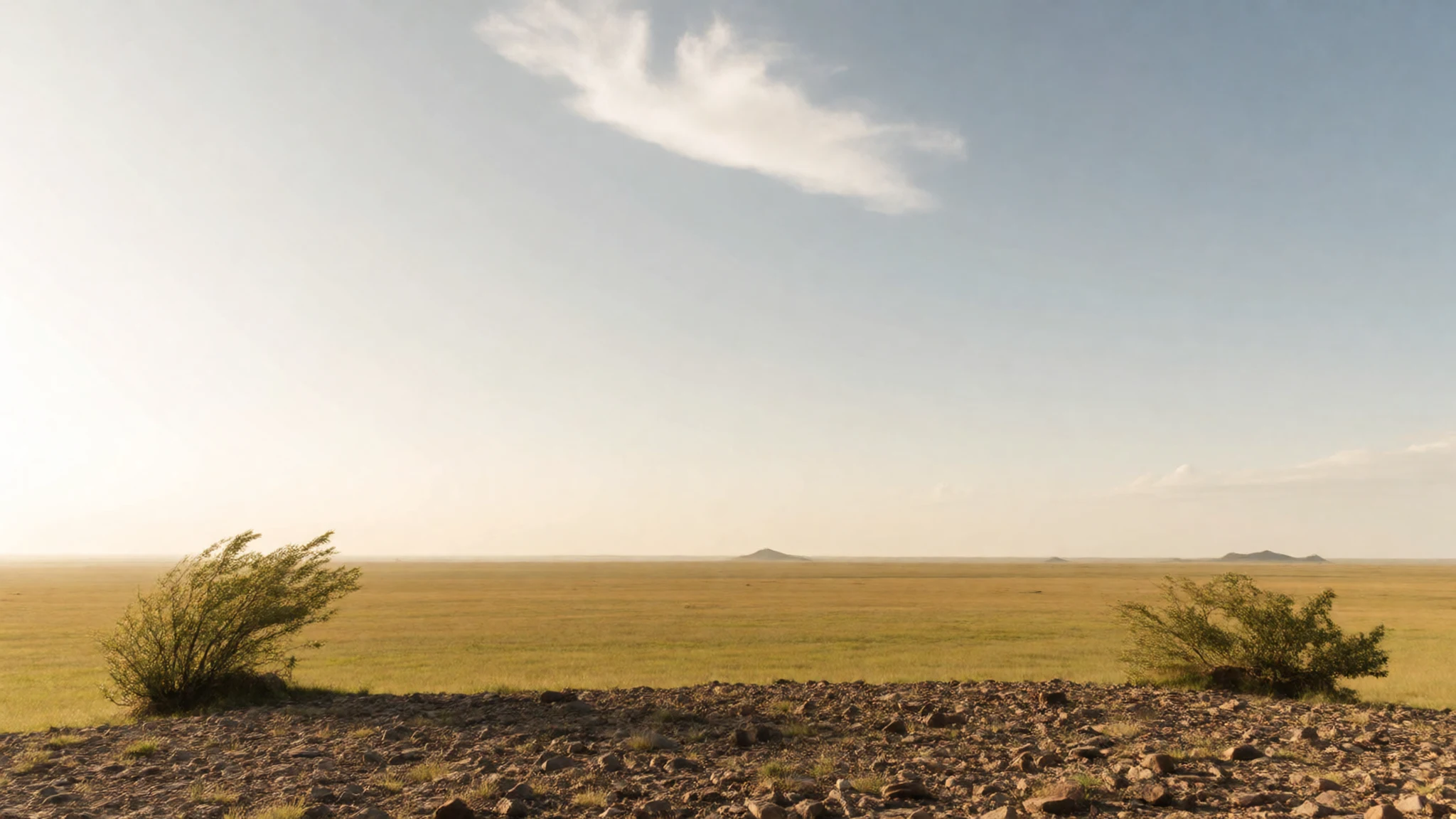
- Ölgii — Bayan-Ölgii Province
Ölgii is the capital of Bayan-Ölgii Province and another gateway to the Altai. The population is largely Kazakh, so the bazaar, mosque and home cooking differ from the rest of Mongolia. Visit for supplies, a local guide and a feel for the region's culture before heading toward the park.
Culture
Munkhkhairkhan National Park lies where Mongol and Kazakh herding traditions meet in the Altai. The mountain's name marks it as a revered peak, and local custom treats such places with restraint: stone cairns called ovoo are walked round clockwise, offerings are left rather than taken, and loud behaviour or littering is frowned on. Livestock is the economy and the daily rhythm, so horses, goats and sheep share the land with visitors and have right of way.
Hospitality is a strong tradition. A family may invite a passing traveller into a ger, the round felt tent, for salty milk tea and dairy snacks, and accepting is how many travellers get their best conversations. Take the cup with the right hand or both hands, and a small gift of sweets or tea for the household is welcome. In Bayan-Ölgii the Kazakh community adds its own customs, including eagle-hunting heritage, felt-making and Islamic observance, so dress and behaviour should be a little more conservative in towns and villages.
Older monuments, including the balbal stones, are part of this living landscape, not an open-air museum. Local guides can explain what is respected and what is not, and listening to them is good preparation for a visit.
When you enter a ger, step over the threshold without touching it, move clockwise around the stove, and take only what is offered.
What to wear
Munkhkhairkhan National Park sits in a region where Mongol and Kazakh dress traditions overlap. The Mongolian deel is a long wrap-over robe, traditionally of wool, cotton or silk depending on season and occasion, fastened at the side and tied with a long sash; it goes with tall leather boots and a felt or fur hat. Kazakh families in Bayan-Ölgii favour embroidered coats, fur-trimmed hats and, for hunters, heavy fur and leather for winter riding. Fine versions appear at festivals, weddings and the lunar new year; plainer ones are everyday herding wear.
What people wear now is practical and mixed. In towns such as Khovd and Ölgii, expect jeans, fleeces, down jackets and trainers, with a deel for celebrations. Herders often wear a deel over modern layers, with rubber or leather boots and a scarf against dust and wind.
For a visitor, the climate decides. Pack layers: thermal base, fleece, windproof and waterproof shell, warm hat, gloves and sunglasses, because nights are cold even when days are sunny, and the sun is strong at altitude. Sturdy, broken-in boots suit rough ground and river crossings. In towns and villages, covered shoulders and knees are polite, and women should carry a scarf for visiting a mosque. Quiet, plain clothing also makes it easier to be welcome in a family's ger.
What to eat
- Suutei tsai — A herder's ger or any ger camp
Suutei tsai is Mongolian tea boiled with milk and salt, often with a little millet or butter added. It is the first thing offered in most homes and ger camps, and it warms the hands on a cold morning. Accept a cup even if the taste is unfamiliar.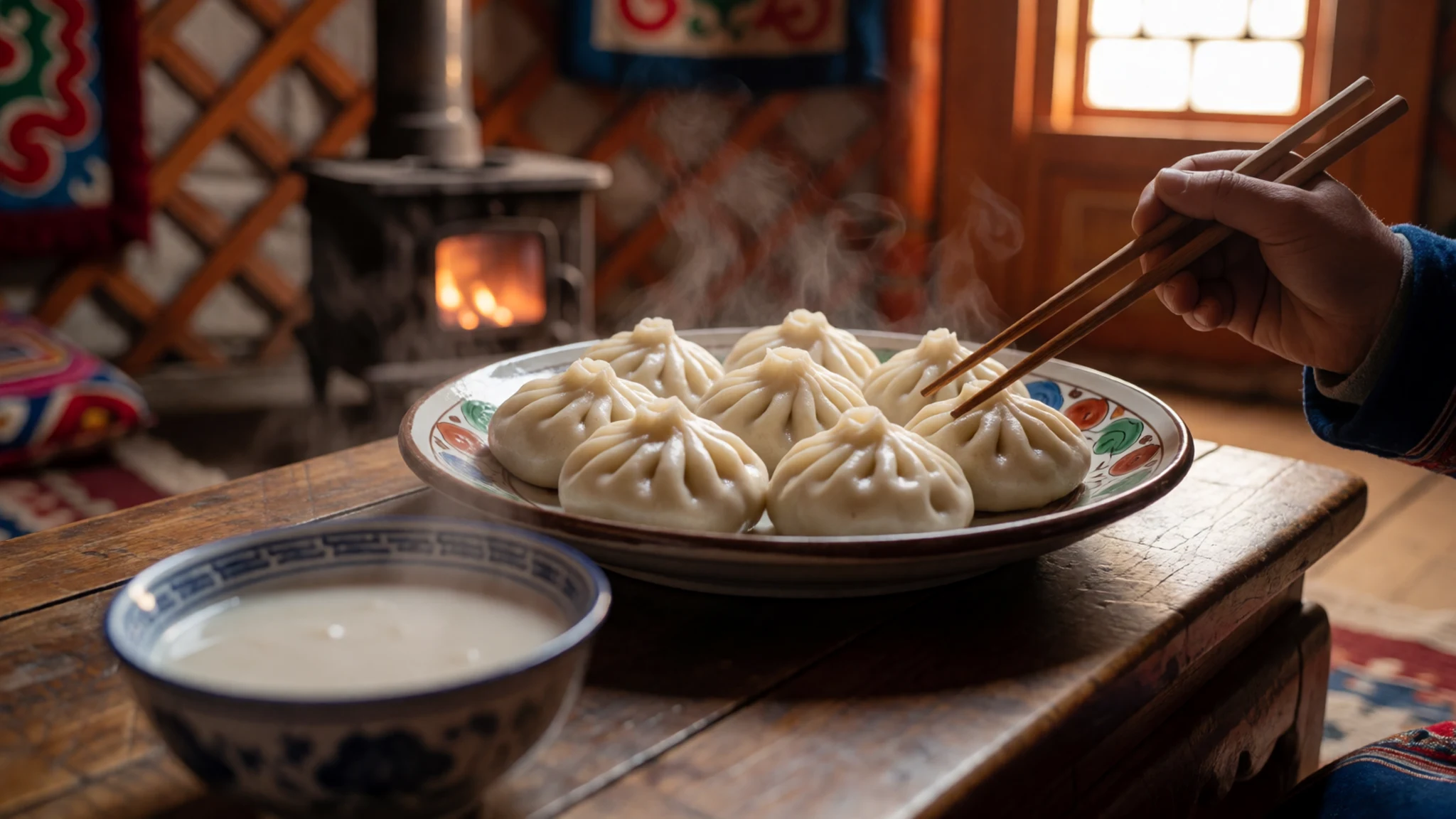
- Khuushuur — Town canteens and market stalls in Khovd
Khuushuur are flat, fried pastries filled with minced mutton or beef and onion, crisp outside and juicy within. They are everyday road food in Mongolia and are easiest to find in town canteens and market stalls, usually eaten hot with tea.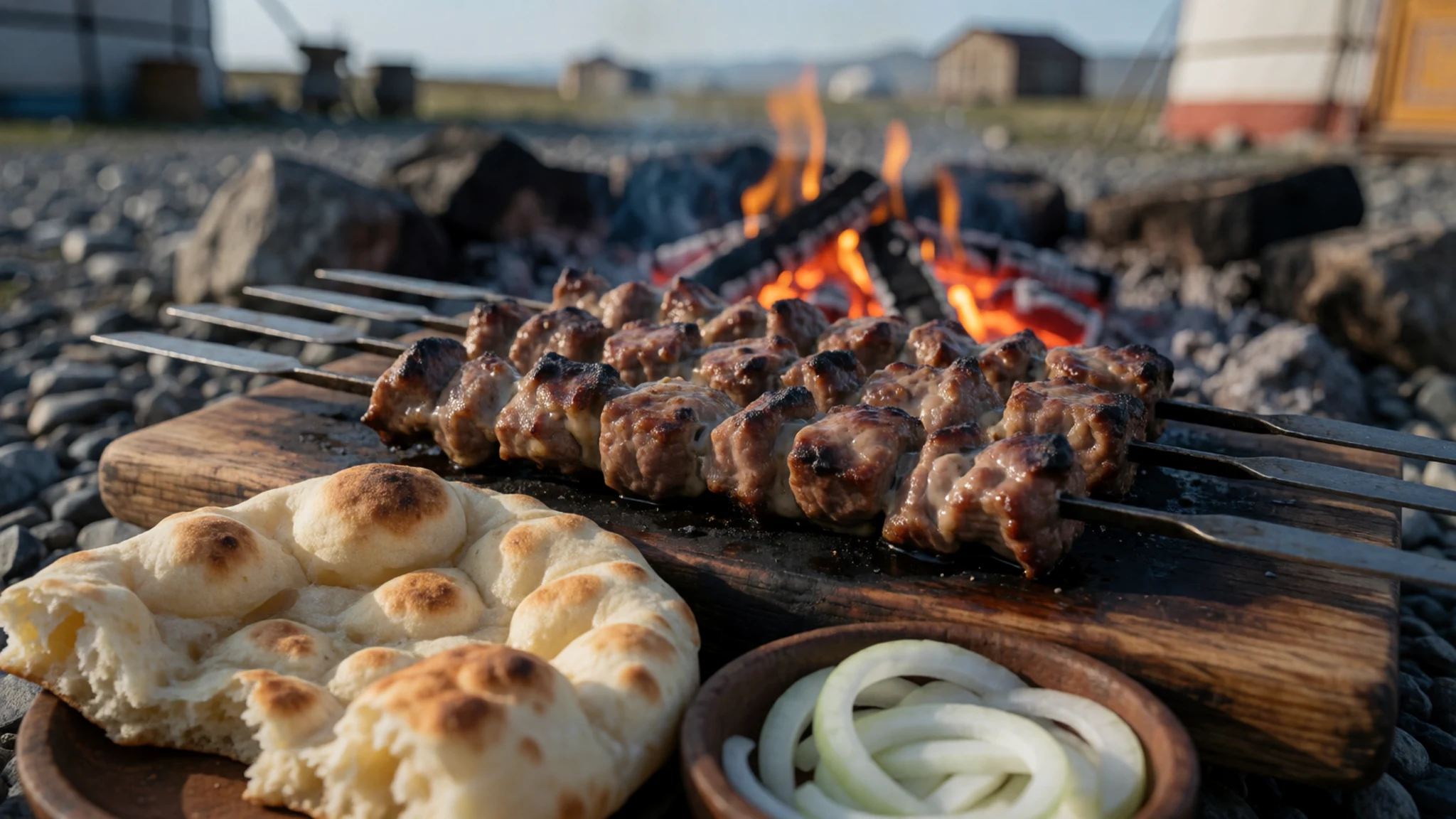
- Boortsog — Bazaar bakery stalls in Ölgii, or a family's table
Boortsog are small fried dough pieces, golden and slightly sweet, served with tea at celebrations and offered to guests. Kazakh families in Bayan-Ölgii make a close relative called baursak. Both keep well, so they are useful snacks for long drives. - Beshbarmak — A Kazakh family's home or an eatery in Ölgii
Beshbarmak is the Kazakh celebration dish of boiled meat, usually mutton or horse, laid over broad noodles with onion and broth. It is served at gatherings and feasts, so it is most often met by invitation, though Kazakh eateries in Ölgii may cook it. - Aaruul — Local markets and herders' gers
Aaruul is hard dried curd, sour and chewy, made by herding families from milk through the warm months and stored for winter. It is sold in small bags at markets and offered in gers. Treat it as a slow snack; it softens as you suck it.
Plan it
Best time. June to September for the mildest weather and the most passable tracks. The climate is cold semi-arid, with at least one month averaging below freezing, so winters are harsh and snow can close routes. Precipitation is low overall, so days are often dry and sunny, but nights stay cold even in summer.
How long. 4–6
Getting there. Fly from Ulaanbaatar to Khovd or Ölgii on a domestic flight (check the airlines' current schedules, which change by season), then continue by road in a hired jeep with a driver. The final stretch is on unsigned tracks, so go with a local driver or guide.
Budget. mid
Tips
- Hire a local driver-guide in Khovd or Ölgii; tracks are unmarked and mobile signal is patchy
- Carry cash in tugrik, as cards are unlikely to work away from the towns
- Bring plenty of water, food and fuel, because distances are long and services are few
- Pack for cold nights even in summer; weather can turn quickly at altitude
- Ask a local agency about border-zone permit rules well before travelling, as the park is close to the Chinese border
Etiquette
- Walk clockwise around ovoo cairns and do not take stones from them or from the balbal figures
- Ask before photographing people, their animals or their ger
- Accept tea or food with your right hand, or with both hands
Nearby
Sources
- Wikidata Q95936402 (CC0)
- Wikipedia — Munkhkhairkhan National Park (rev 1362861409) (CC BY-SA 4.0)
- Wikivoyage (CC BY-SA 4.0)
- Balbal at Munkh-Khairkhan mount — Mongolia Expeditions (CC BY 3.0)
- Relief map of Mongolia — NordNordWest, derivative work Виктор_В (CC BY 3.0)


Wildlife
- Snow leopard (animal)
The snow leopard is a big mountain cat in a pale grey coat of dark spots, like a cloud with polka dots. Its small round ears, broad paws and thick tail suit its cold mountain home. The reading names it among the wildlife of the Mongol-Altai region. No season or hour is given, so ask a local guide. Keep a good distance, stay quiet, and never feed it.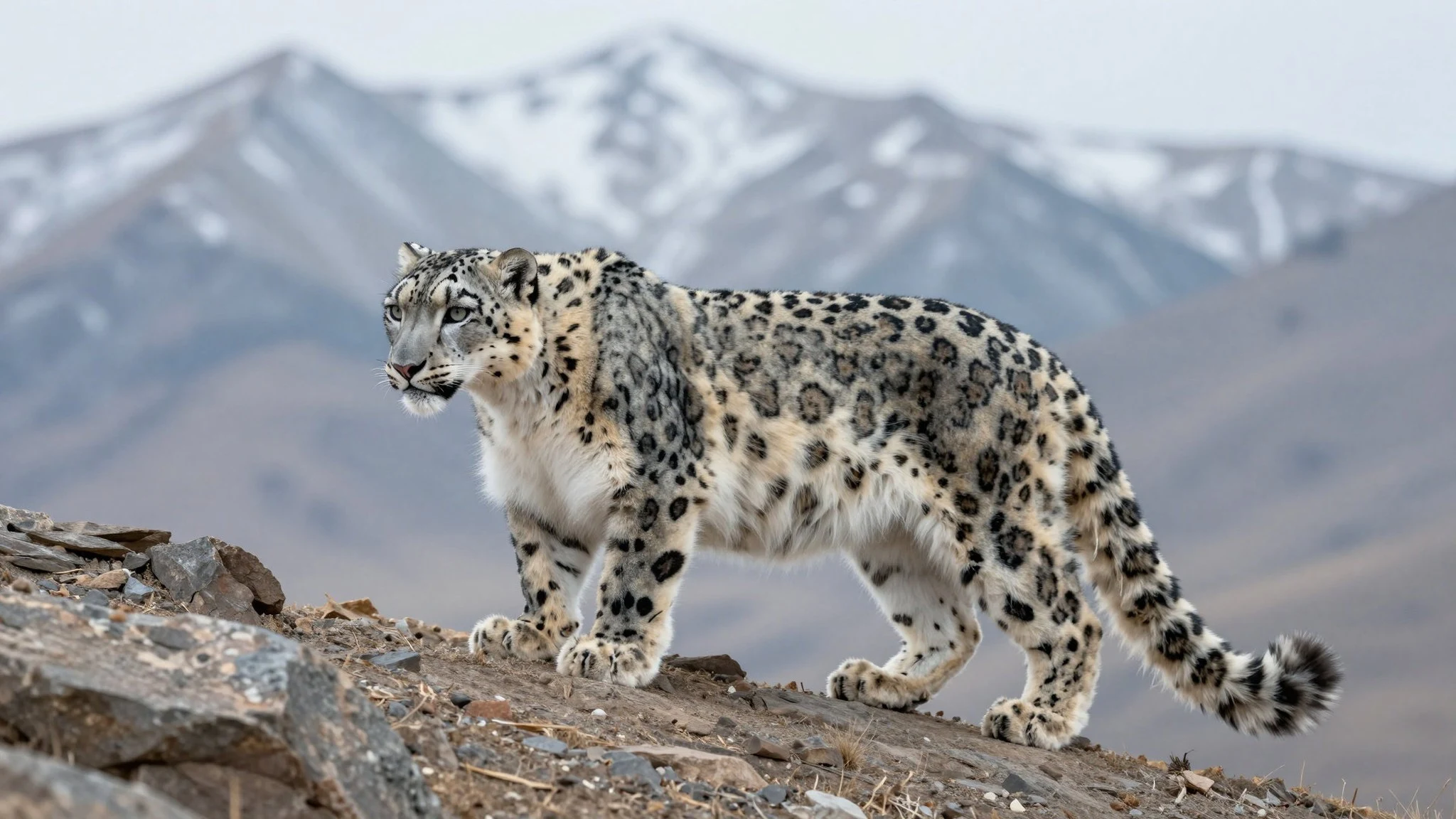
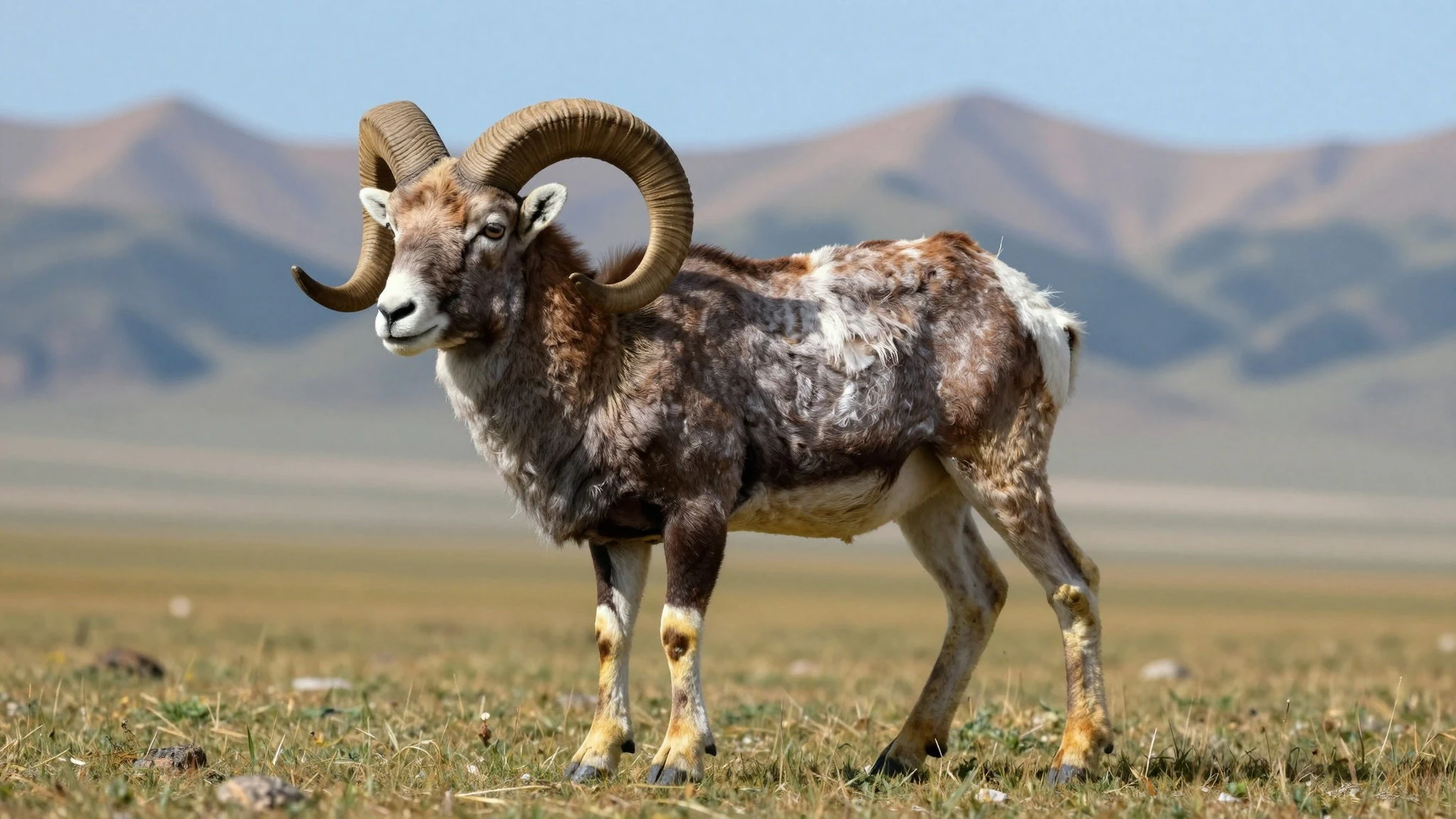
- Argali sheep (animal)
The argali is the biggest wild sheep in the world, like a farm sheep's giant mountain cousin. The reading names it among the animals of the Mongol-Altai region, and it is native to high country, including the Altai Mountains. No season or hour is given, so ask your guide when to look. Watch from a good distance, speak softly, move slowly and never feed it.