Mount Inini
Mount Inini, France
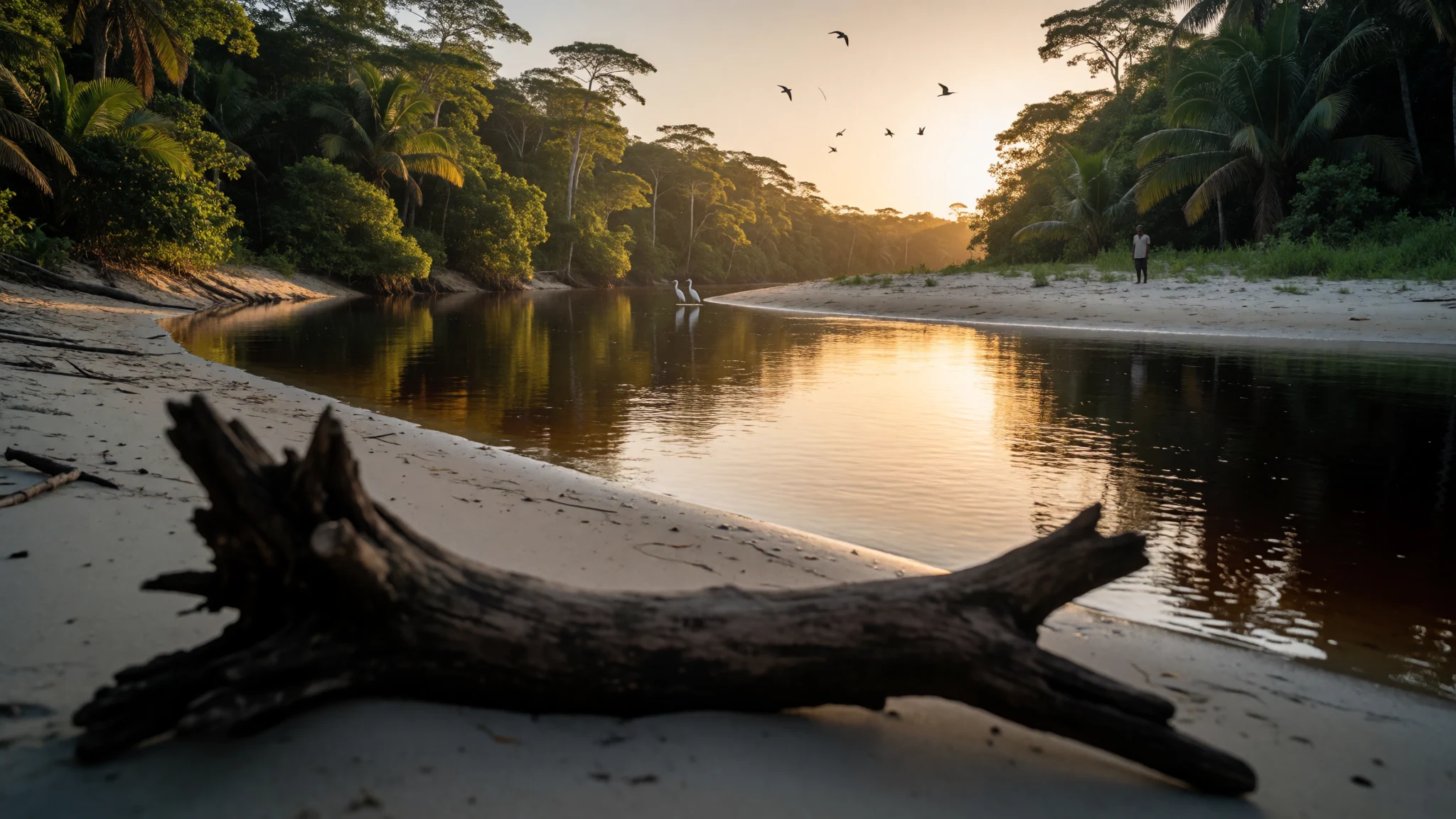
Mount Inini is less a peak than a vanished inland territory of French Guiana, where rainforest, gold and prison ruins tell a stranger story.
The place
Mount Inini is the name used here for Inini, a former territory in the interior of French Guiana, and it is better described as a region of forest than as a single summit. Inini was created in 1930 as a separate administrative unit for the inland country behind the coastal strip around Cayenne. It was dissolved into ordinary communes in 1969. Its capital was Saint-Élie, and its name comes from the river Inini, which runs east to west across the interior while the larger rivers flow south to north.
The land is low and green rather than dramatic. Coastal plains rise to hills, plateaus and small mountains, the Tumuc-Humac range among them, all beneath a canopy that forms part of the Amazon rainforest. Along the shore, tall mangrove swamps hem in much of the coastline. The climate is tropical: hot, humid, with little change in temperature through the year and heavy rain for most of it.
The interior was home to Amerindian and Maroon communities and to gold prospectors. French Guiana is the only part of mainland South America still governed from overseas, by France, and it belongs to the European Union. Inini was never a destination in the usual sense. Most visitors base themselves on the coast, at Cayenne or Kourou, and treat the interior as something reached by small plane, charter boat or long drives through uninhabited forest. Remoteness is the appeal and also the difficulty: logistics, rain and cost shape a trip here far more than a checklist of sights does.
Its story
Mount Inini's story is that of a colonial experiment. In 1930 France separated the inland part of French Guiana from the coast and ruled it by decree, with the aim of developing forest and gold country on its own terms. It began as largely a military affair, with a handful of officers and gendarmes and just three services covering water, forests and mines. Early attention went to the licensed gold companies and the near impossibility of reaching their workings through jungle.
The labour to open the interior came from the other side of the world. In 1931, 535 men from Indochina, jailed after rising against French rule, were brought in as a work force to build access, with Senegalese Tirailleurs guarding them. By 1936 the governor was telling Paris that the scheme was succeeding. In 1937 the prisoners at Camp Crique Anguille revolted.
The Second World War then squeezed the territory. After the 1940 armistice Inini fell under Vichy France, with American troops stationed in neighbouring Suriname from 1941 to protect its bauxite industry and Brazil soon at war with Germany. The administration spent its energy watching the borders until Inini switched to Free France in 1943. The camps were abandoned in 1944 and the prisoners went back to regular prisons, the first being freed in 1946 and the last only in 1953.
The development plan stalled chiefly because railways proved too hard to build in the interior. Ruins from the three prison sites still survive in the forest.
What to see
- Ruins of the Annamite prisons — Interior forest
The ruins of the three prisons that held the men from Indochina are the most direct trace of Inini's history. One photograph shows an abandoned corridor, bare and overgrown. The sites are remote, so ask a Cayenne tour operator or the tourism office before planning to reach any of them.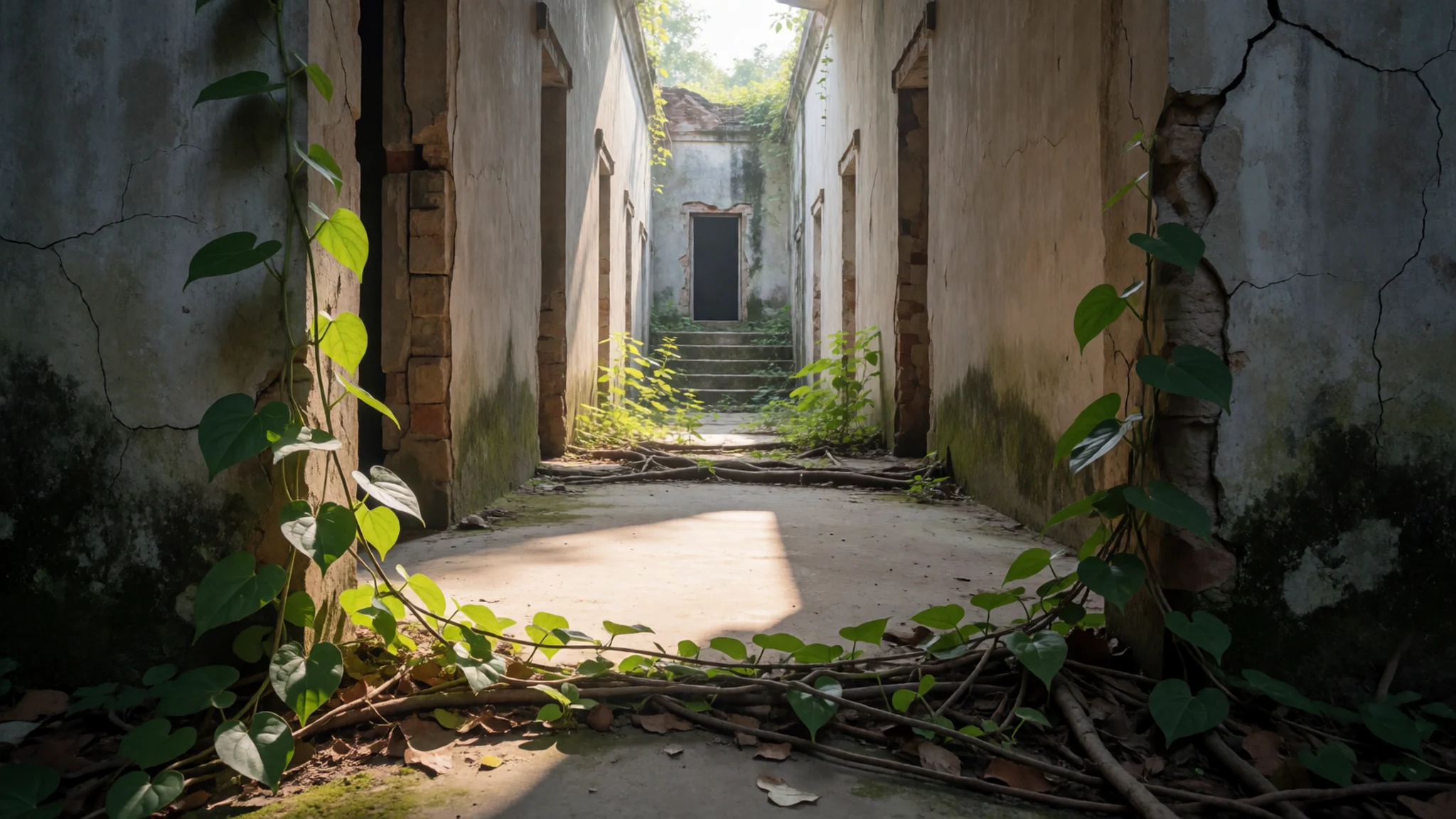
- Cayenne central market — Cayenne
The market on Place Victor Schoelcher is the easiest place to meet the region's mixed cultures in one visit. Stalls sell handmade crafts, tropical fruit, spices and perfumes, plus Asian dishes such as Vietnamese noodle soup and fresh tropical juices. Go in the morning, before the heat builds.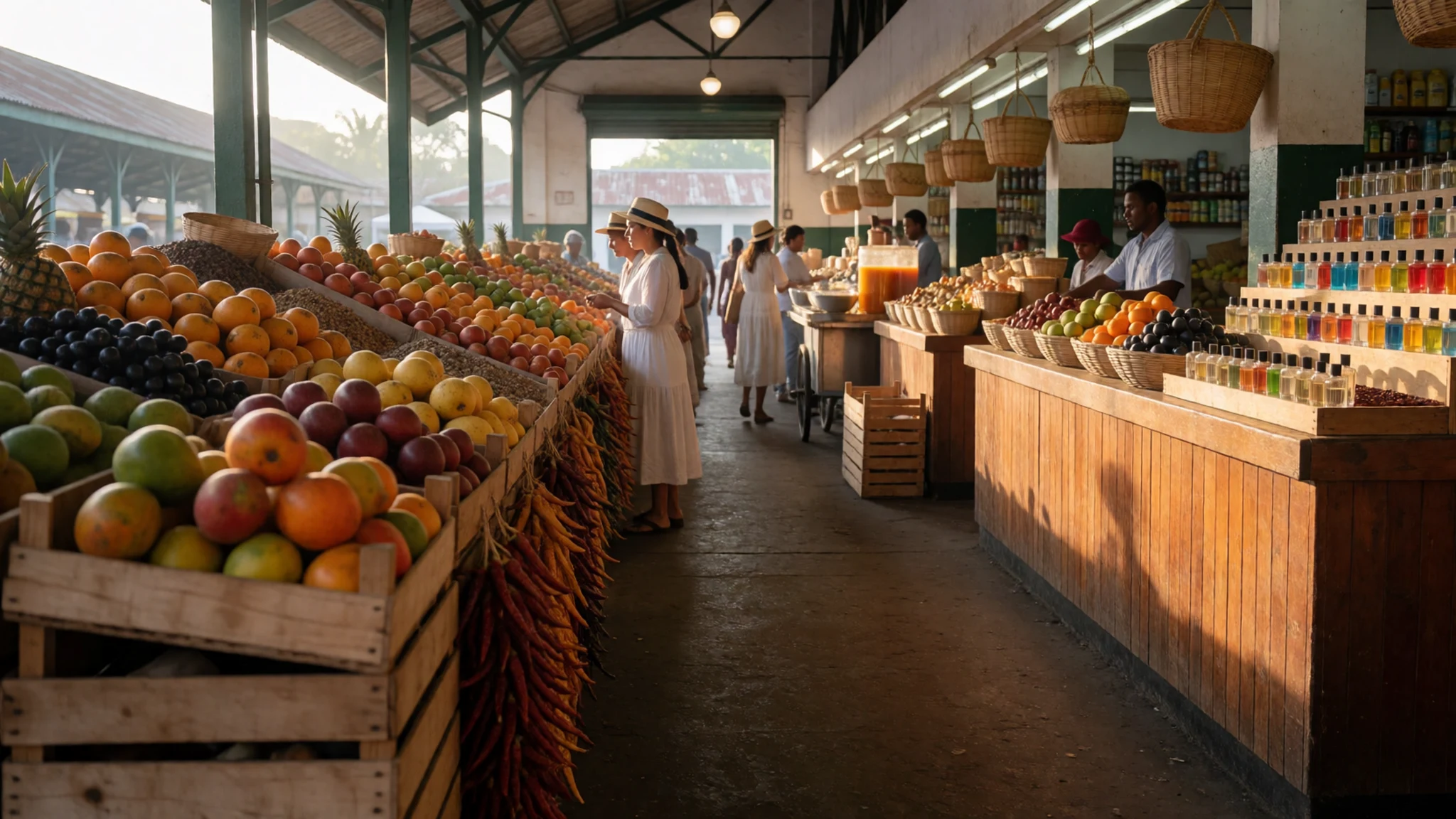
- Îles du Salut — Off Kourou
The Îles du Salut, reached by boat from Kourou, belonged to the penal colony popularly called Devil's Island, although that name strictly belongs to just one island. Devil's Island itself is closed to visitors. The other islands still give a feel for the penal system that lasted until 1951, alongside Inini's camps.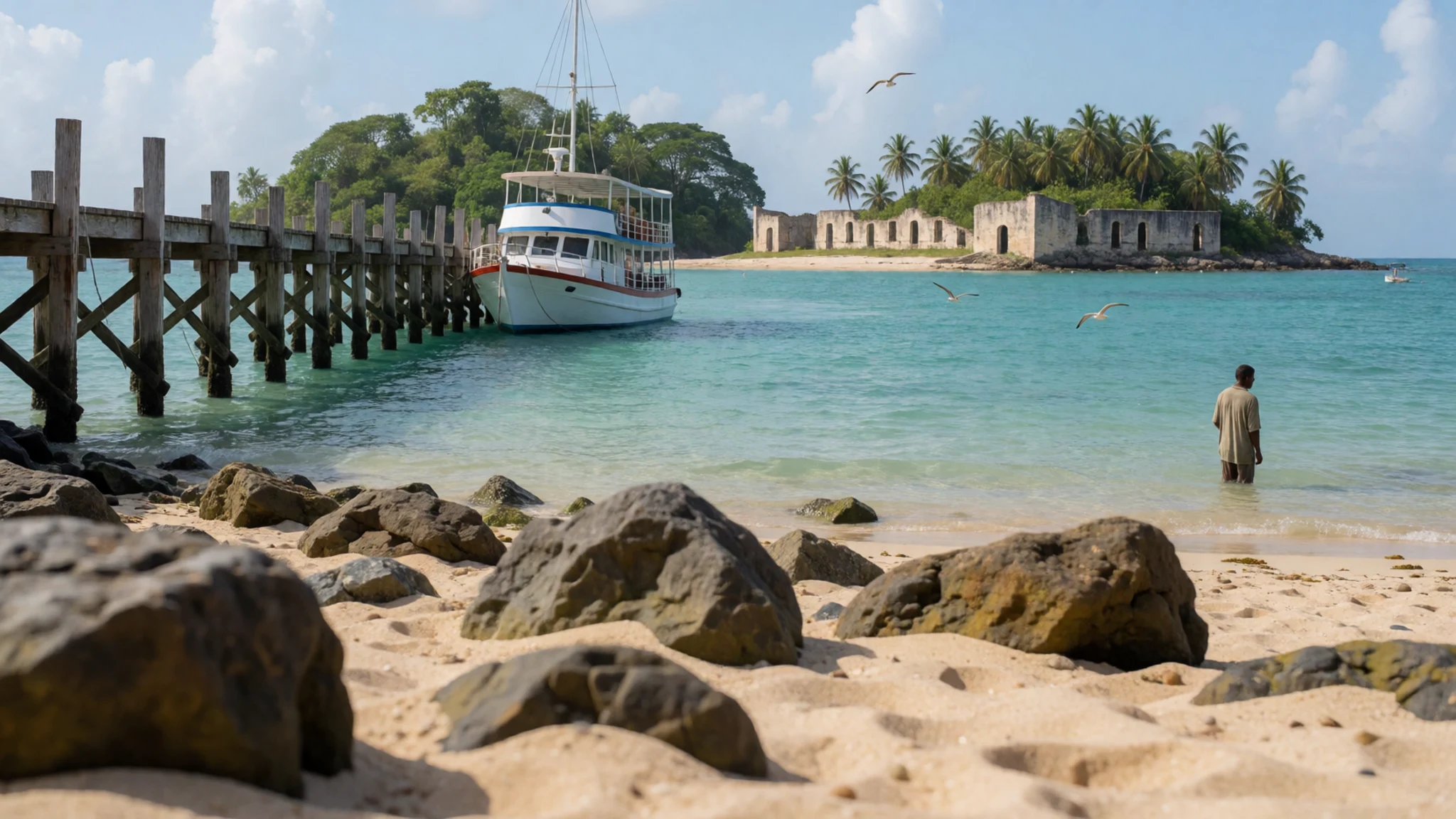
- Plage les Hattes, Awala-Yalimapo — Awala-Yalimapo, northwest coast
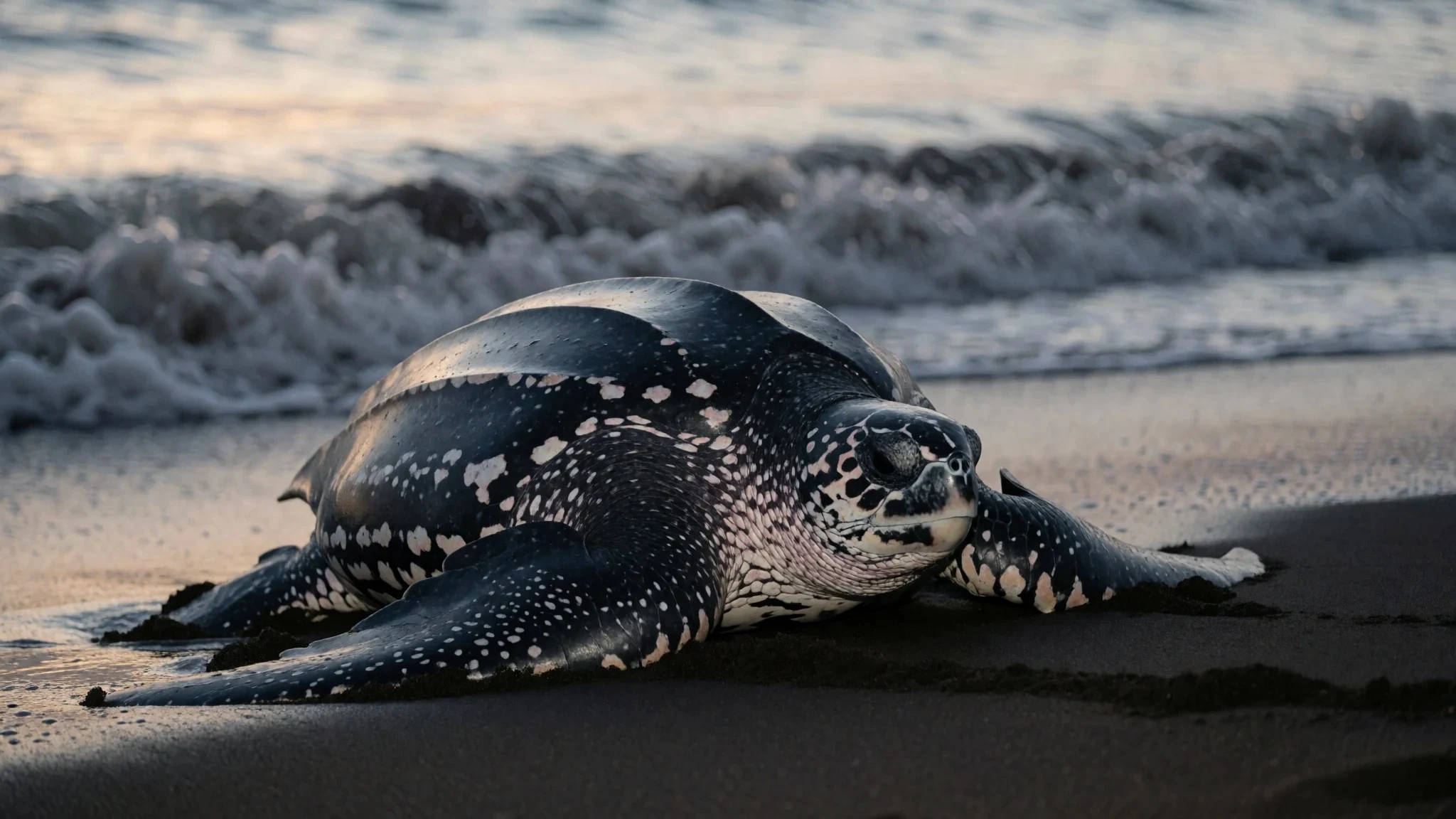
Plage les Hattes, in the northwest, is a nesting beach for giant leatherback turtles. Nesting takes place at night, so check locally for dates and any guided-watch rules. Keep torches, flash photography and noise to a minimum so the turtles are not disturbed.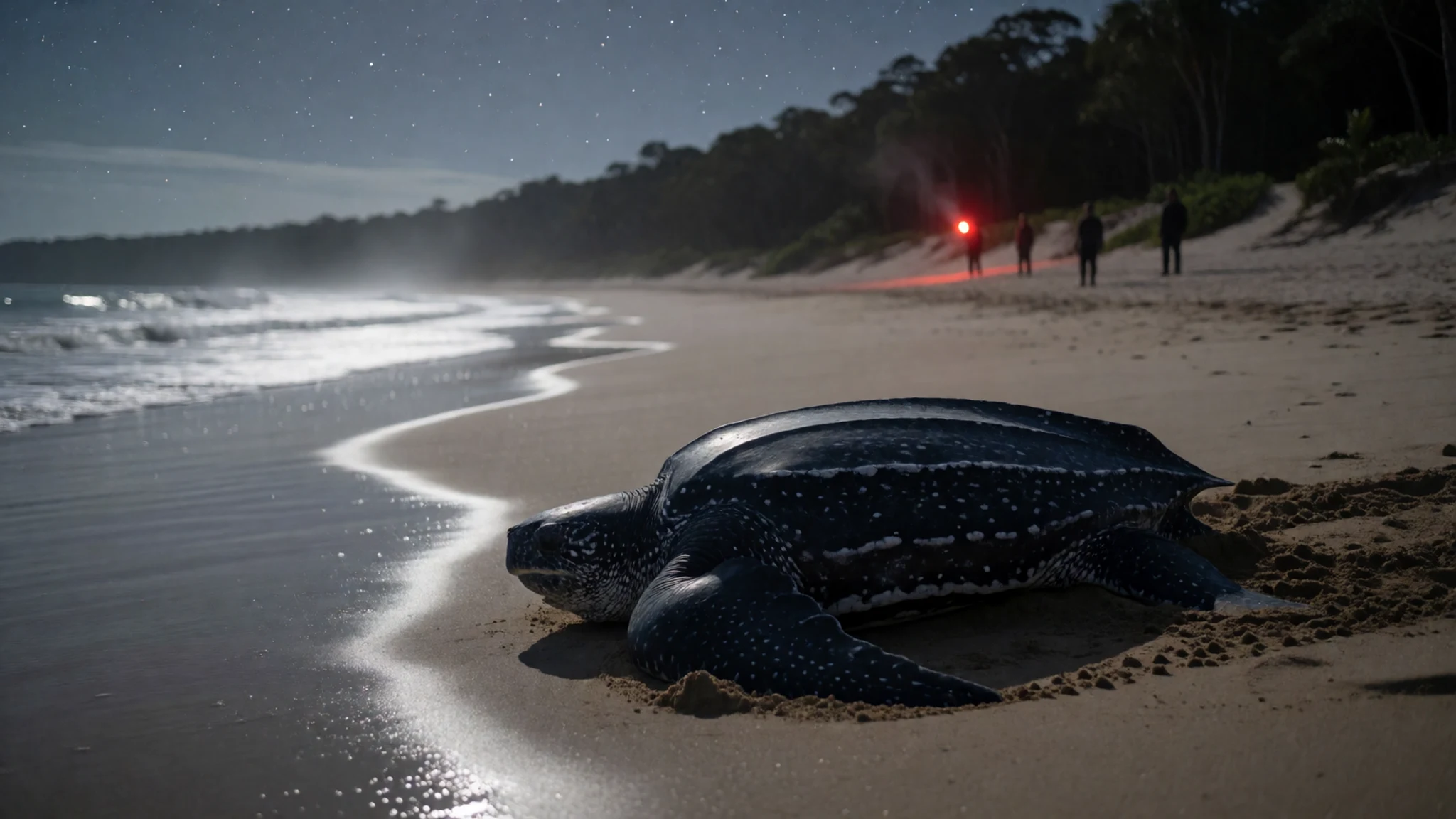
- Guiana Space Centre — Near Kourou
The Guiana Space Centre near Kourou launches European Space Agency communication satellites. A guided tour runs twice a day and is free, and a small museum charges an entry fee. If a launch is planned during a stay, it is an unusual extra; check the launch schedule beforehand.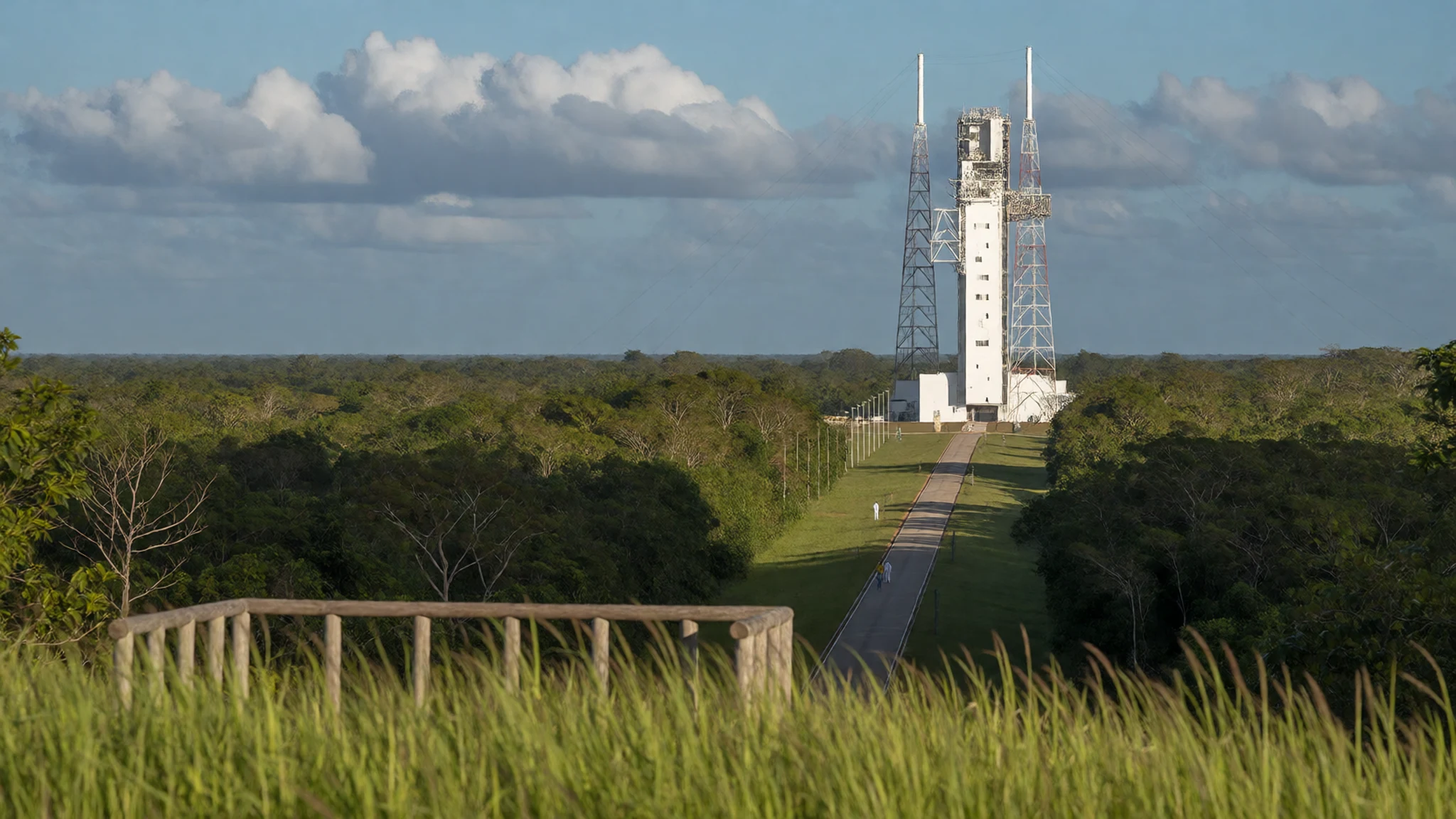
- Ilet la Mère — Off Cayenne
Ilet la Mère is an uninhabited island about 30 minutes by boat starting from the port at Dégrad des Cannes close to Cayenne. It is home to squirrel monkeys, which are gentle and sociable. It makes an easy half-day trip for a first look at Guianese wildlife without a long expedition.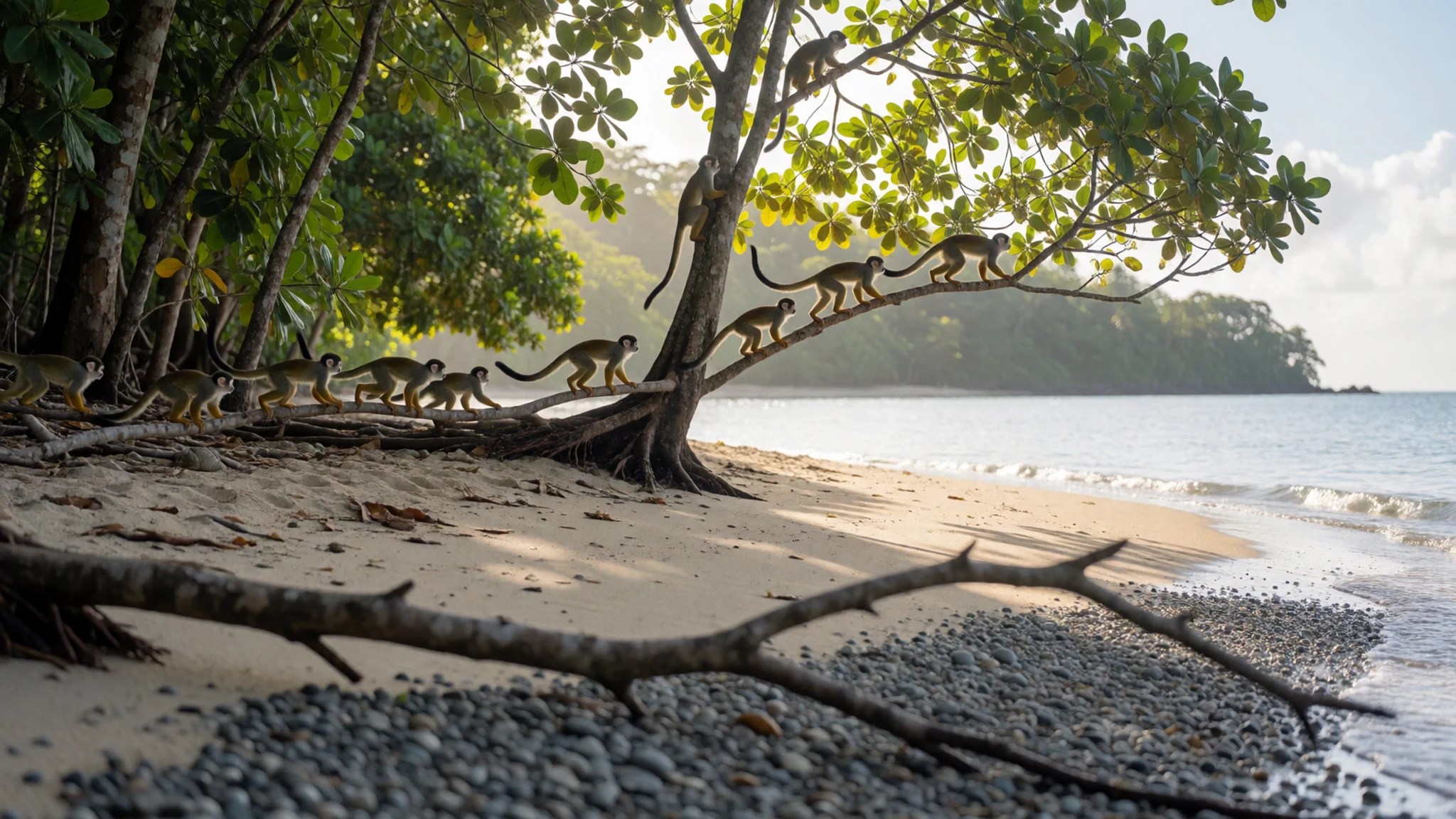
Culture
Mount Inini's cultural life belongs to French Guiana as a whole, where Creole traditions sit alongside Amerindian and Maroon communities. The territory's older peoples include the Kalina, Arawak, Galibi, Palikur, Teko, Wayampi and Wayana, and the colonial period added others, among them the Annamite prisoners who were brought from Indochina and later returned to ordinary prisons. Today the coast and the interior are quite different worlds, but both sit within a French administrative and cultural frame.
Creole culture is deeply rooted, and so is a strong sense of being French. People take pride in belonging to France, so any hint that French Guiana is somehow not really French can cause offence. That sense of identity shows in everyday life: French is the language of administration and shops, markets run on Creole habits of conversation and bargaining, and festivals draw on Creole music and costume.
Locals are generally happy to talk about their history, religion and daily life, and curiosity is welcomed. One subject needs care. Slavery is a painful and sensitive topic, and it is best left alone unless a local chooses to raise it.
When talking about France, say 'la métropole' or mainland France rather than just 'France', and do not raise the subject of slavery unless someone else does.
What to wear
Mount Inini's clothing traditions come from its interior peoples and from the Creole coast. Amerindian groups such as the Wayana are known for beadwork, with tiny glass beads worked into aprons and bands worn for ceremonies and dances. Maroon women traditionally wear brightly patterned cotton wraps, often called pangi, while Creole dress has long used madras, a checked cotton, for skirts and head-ties worn at festivals and Carnival. These are mostly occasion clothes rather than daily wear.
Day to day, people dress much as in any hot, humid French town: light cotton, T-shirts, shorts, sandals, and a tidy casual look in Cayenne. Out in the interior, practical clothing and rubber boots are common because of rain, mud and insects.
Visitors should pack for heat, wet and bugs. Lightweight, quick-drying long sleeves and trousers protect against sun and insects better than shorts, and a packable rain jacket is sensible since heavy rain is likely most of the year. For forest paths, wear closed shoes with grip or light boots, and add a hat. Swimwear is fine on beaches, but cover shoulders and knees in towns and when visiting villages in the interior. There are no formal dress rules at sights, though modest, neutral clothing is a courteous choice in small communities.
What to eat
- Blaf de poisson — Creole eateries in Cayenne and Kourou
Blaf is fish prepared in a court-bouillon, a light, seasoned broth. It is a staple of Guianese home cooking and tastes fresh rather than heavy. Look for it on Creole menus, often alongside rice, and ask for less pepper if the heat worries you.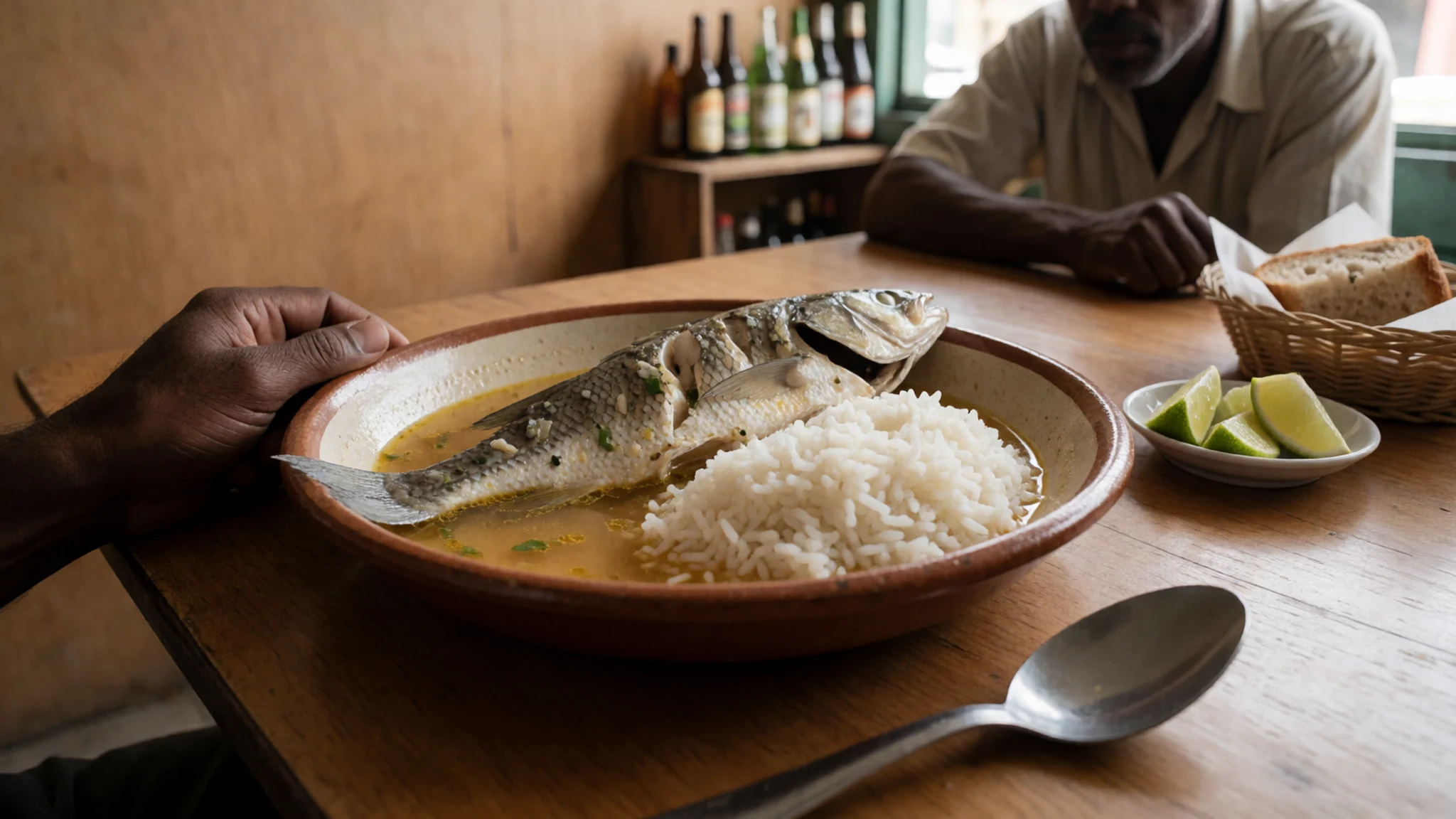
- Colombo — Family-run Creole restaurants and market food stalls
Colombo is a Creole dish of pork or chicken cooked in a fragrant spice blend, and it shows the Indian influence that reached the Caribbean and Guianas. It is usually served with rice and makes a comforting first meal on arrival.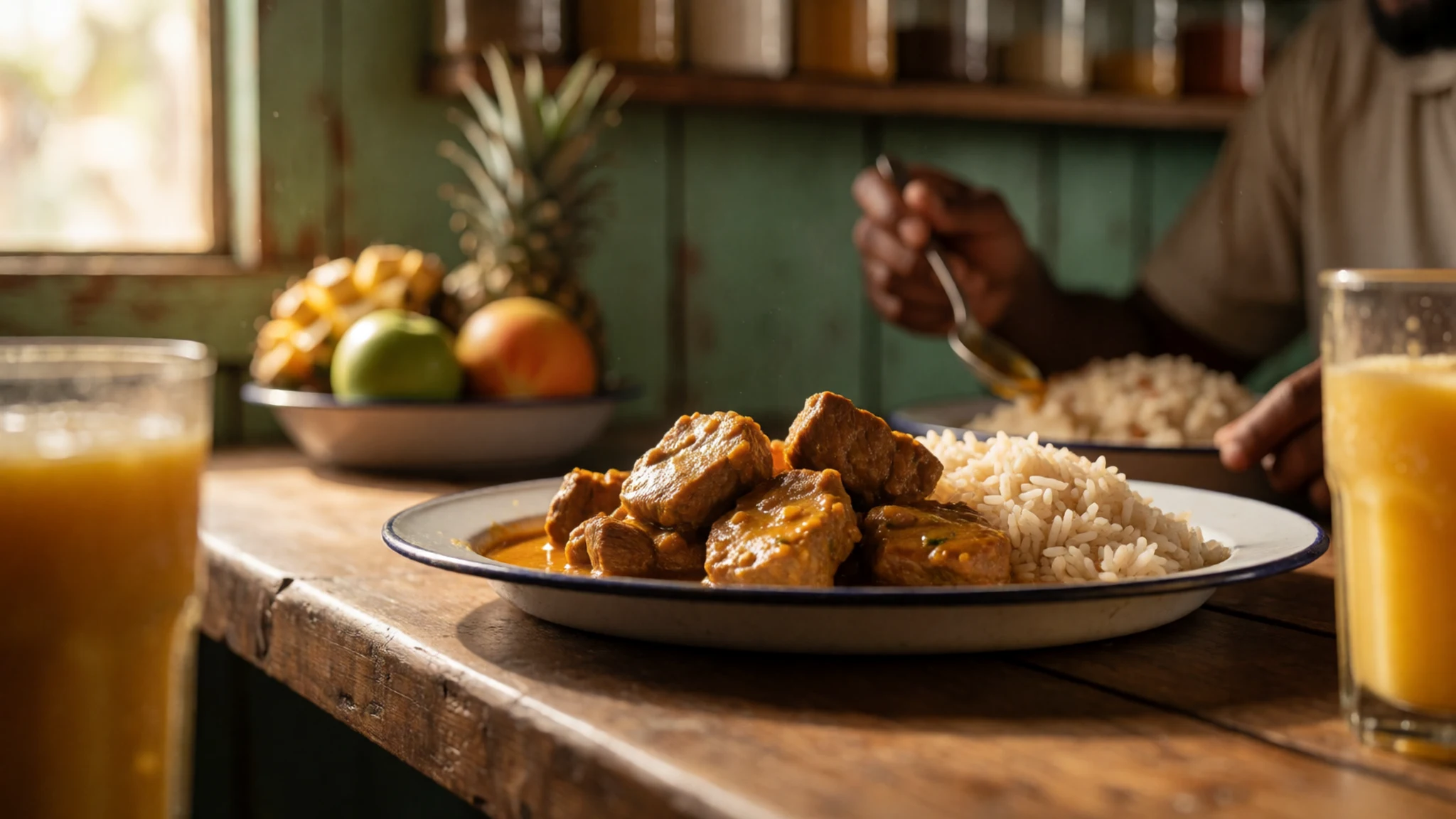
- Pimentade — Seafood eateries near the coast and in Cayenne
Pimentade is fish in a tomato sauce seasoned with pepper and lemon. Guianese cooking can be fierce with spice, which is unsurprising for the region that gave its name to cayenne pepper. The kitchen will usually tone it down if asked. - Kalalou — Creole restaurants and weekend market stalls
Kalalou, also written kalou, is a fish dish cooked with spinach and okra, giving a thick, green, savoury stew. It is often eaten with rice and makes a good choice for anyone wanting something local without strong chilli heat. - Bouillon d'Awara — Family kitchens and traditional Creole eateries
Bouillon d'Awara is a broth made from the fruit of the awara palm, a distinctly Guianese ingredient that is hard to find outside the region. It is rich, earthy and worth trying at least once if a local cook offers it. - Wassaï juice — Cayenne market and juice stalls
Wassaï, known elsewhere as açaí, is made by soaking, kneading and filtering the pulp of the wassaï palm fruit. Served cold, it is a thick, creamy drink, sometimes mixed with sweetened milk or even eaten with fish and cassava flour.
Plan it
Best time. The climate is hot, humid and rainy for most of the year, with little seasonal change in temperature, so timing matters less than preparation. The second half of the year is often the drier stretch, but check current forecasts and local advice before booking any river or forest trip.
How long. 4–5
Getting there. Mount Inini is reached via Félix Eboué Airport (CAY) near Cayenne, which serves as the territory's sole international gateway, with daily direct flights from Paris Orly operated by both Air France and Air Caraïbes. The interior is reached by small plane or charter boat, while the long road from Cayenne to the Brazilian border passes mostly through uninhabited forest.
Budget. high
Tips
- A yellow fever vaccination certificate is mandatory for everyone, so carry it with your passport
- French Guiana is outside the Schengen Area, and Schengen visas for mainland France are not valid here; check whether you need a separate visa from a French mission, as visa-free stays are limited to 90 days for those who qualify
- Hotels are expensive, so book early and arrange interior transport through a local operator
- Pack for rain and insects, and keep electronics in waterproof bags
- Skip caiman and turtle dishes, as some species are threatened
Etiquette
- Say 'la métropole' or mainland France, not simply 'France', when referring to Europe
- Avoid raising slavery unless a local brings it up
- Keep lights and flash off near nesting turtles
Nearby
Sources
- Wikidata Q1663537 (CC0)
- Wikipedia, Inini (rev 1350972518) (CC BY-SA 4.0)
- Wikivoyage, French Guiana (rev 5383674) (CC BY-SA 4.0)
- Photo: Annamite prison bagne (CC BY 3.0)
- Photo: Inini SW 06, 1932 (CC BY 3.0)
- Photo: Inini map (CC0 1.0)


Wildlife
- Squirrel monkey (animal)
Squirrel monkeys are small, gentle monkeys of South America's warm forests, like tiny acrobats in fur coats. Mount Inini is home to them, and because they are sociable you may meet a whole group together. The reading gives no season or hour, so ask your guide when they are most easily found. Keep well back, speak softly, and never offer food, however friendly they seem.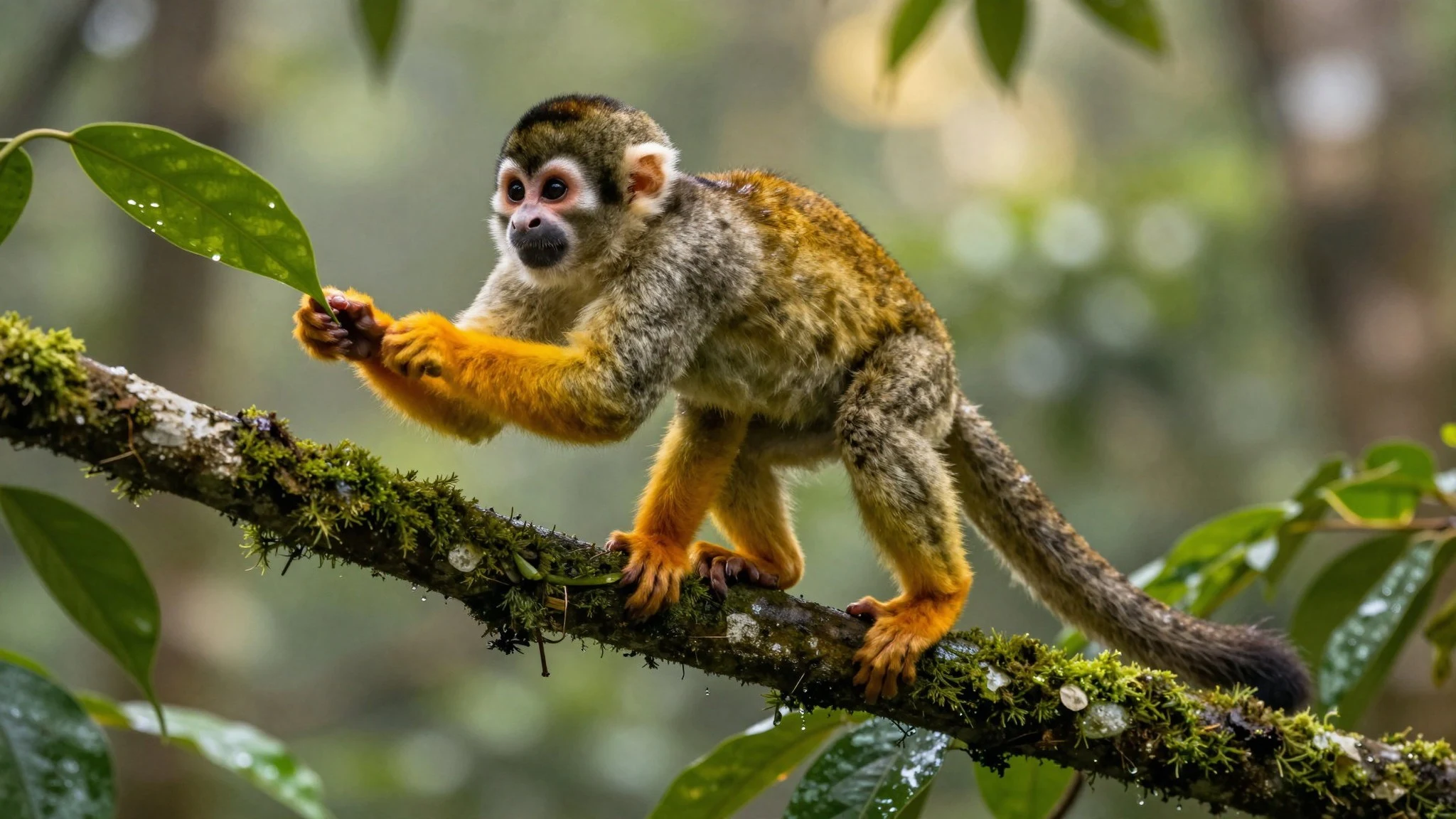
- Giant leatherback turtle (animal)
The leatherback is the biggest turtle alive, with a soft, rubbery back instead of a hard shell, as if wearing a leather coat. In Mount Inini it nests on Plage les Hattes, in the northwest. The notes give no season or hour, so ask a local guide about visiting. Watch from a respectful distance, keep your voice low, and never touch or feed these vulnerable animals.