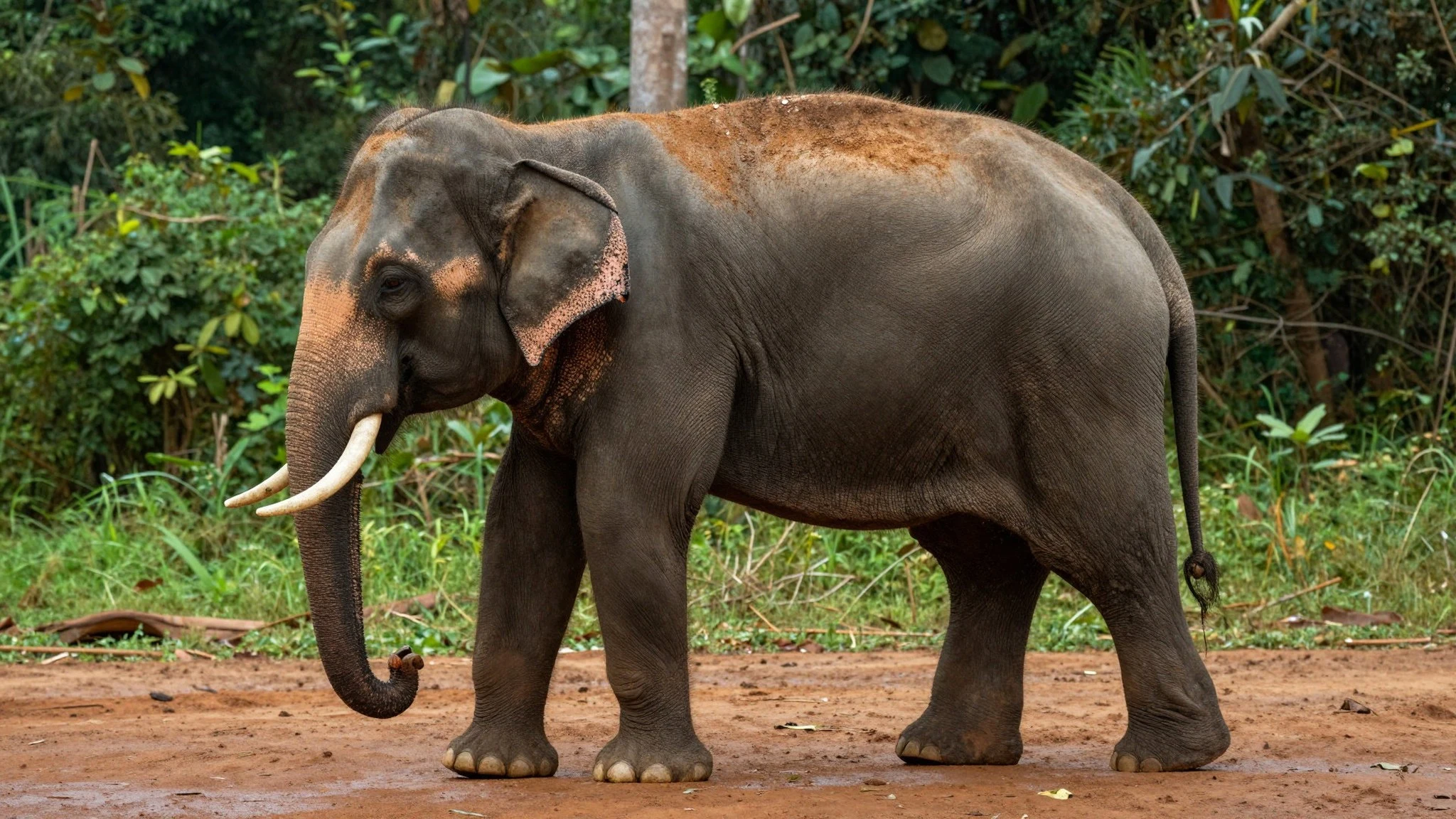
Mondulkiri
Mondulkiri, Cambodia
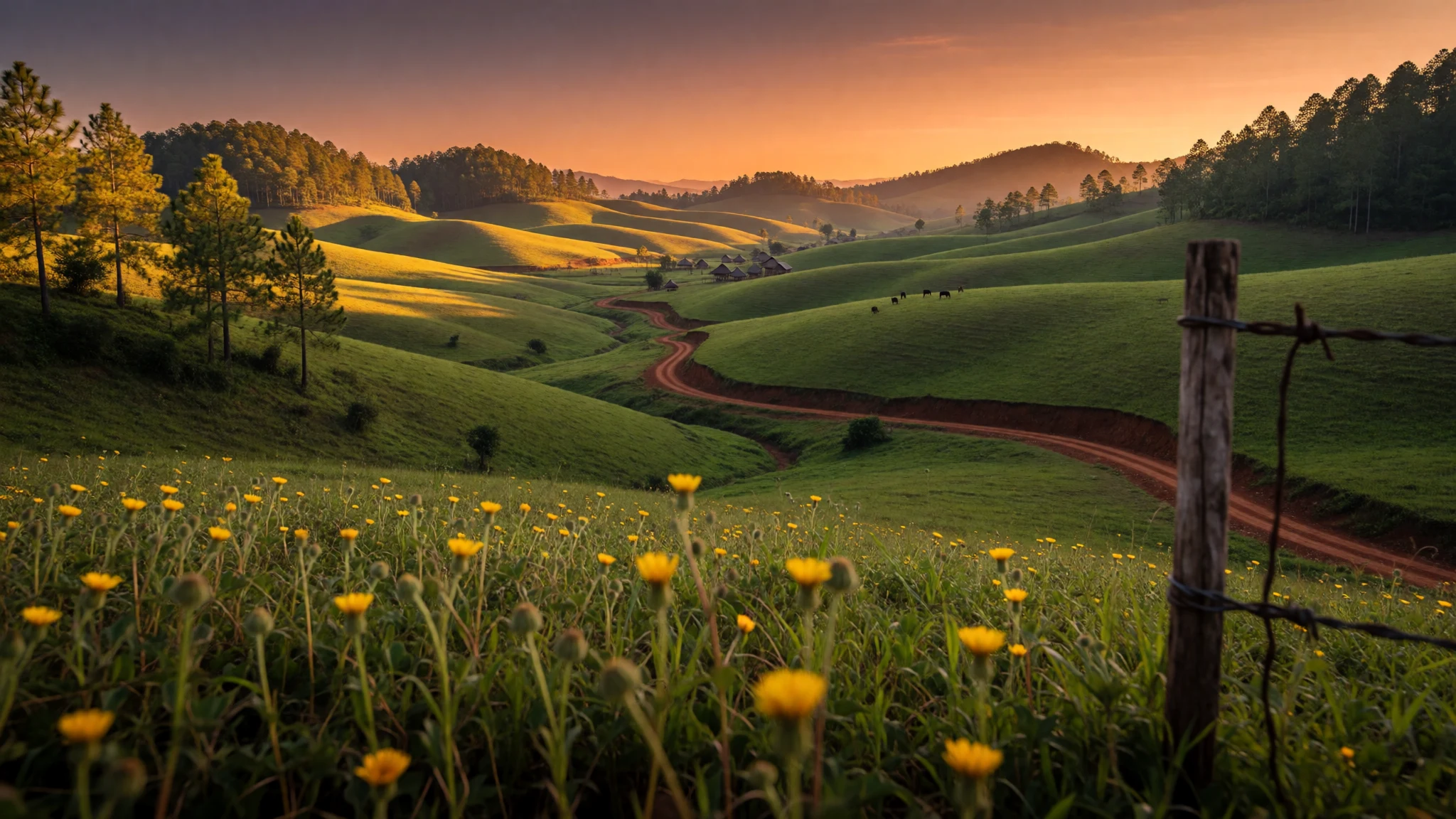
Mondulkiri offers cool hill air, waterfalls, forest and Bunong villages in eastern Cambodia, a slow change from temples and flat rice country.
The place
Mondulkiri is a protected forest in the far east of Cambodia, now officially the Sre Pok Wildlife Sanctuary, a status it has held since 2016. It lies in the province of the same name, close to the Vietnamese border, and feels very different from the flat rice country most people picture. The land rolls. Hills carry pine stands, open grassland and thick evergreen and deciduous forest, while rivers cut through and drop over rock ledges as waterfalls. Mornings can be cool enough for a light jumper, which surprises travellers arriving from the lowlands. The sanctuary is not a single park with a gate and a ticket office. It is a large block of forest bordered by Lomphat Wildlife Sanctuary, O'Yadav National Park, Phnom Prich Wildlife Sanctuary and Phnom Nam Lyr Wildlife Sanctuary, and the sources describe this whole complex as the largest protected area in Southeast Asia. Most visitors base themselves in Sen Monorom, the provincial town, and make day trips by motorbike, jeep or on foot with a local guide. The Bunong people, an indigenous community, live across the highlands, and their villages, farming and knowledge of the forest shape the region as much as its wildlife does. Roads are improving, but some tracks turn to red mud in the rains and mobile signal fades under the trees. Mondulkiri rewards slow travel: waterfalls, village visits, elephant-focused projects and long quiet hours among trees, rather than a checklist of monuments.
Its story
Mondulkiri's story is one of a forest that was long left to its own people and then, quite recently, wrapped in legal protection. For generations the Bunong lived here as farmers and foragers, moving through the hills with seasonal rhythms and keeping elephants as working and spiritual companions. Wikidata dates the area's founding as a protected area to 1999, and later government decrees reshaped it. It was first managed as a protected forest, and in 2016 it was redesignated as the Sre Pok Wildlife Sanctuary. The boundaries were redrawn along the way, which is common for reserves where farmland, villages and wildlife all compete for the same ground. Alongside protection came tourism. Waterfalls, pine hills and elephant projects drew visitors from Phnom Penh and abroad, and Sen Monorom grew from a quiet highland town into a base for guesthouses, cafés and tour guides. The tension is easy to see. Visitor money helps some Bunong families and conservation groups, yet new roads, plantations and land pressure threaten the same forest people come to enjoy. Elephant tourism has also shifted, with projects favouring observation over riding. Older hazards remain too, because unexploded ordnance from past conflicts still lies in parts of the Cambodian countryside. Mondulkiri today is a place still deciding what it wants to be, and travellers who listen to local guides will learn more about that debate than any sign can tell them.
What to see
- Bou Sra Waterfall — East of Sen Monorom
Bou Sra is the best-known waterfall in Mondulkiri, dropping in tiers through forest east of Sen Monorom. It is strongest in the wet season, when the water runs brown and loud, and thinner by the dry months. Paths can be slippery, so wear shoes with grip and go early to avoid tour groups.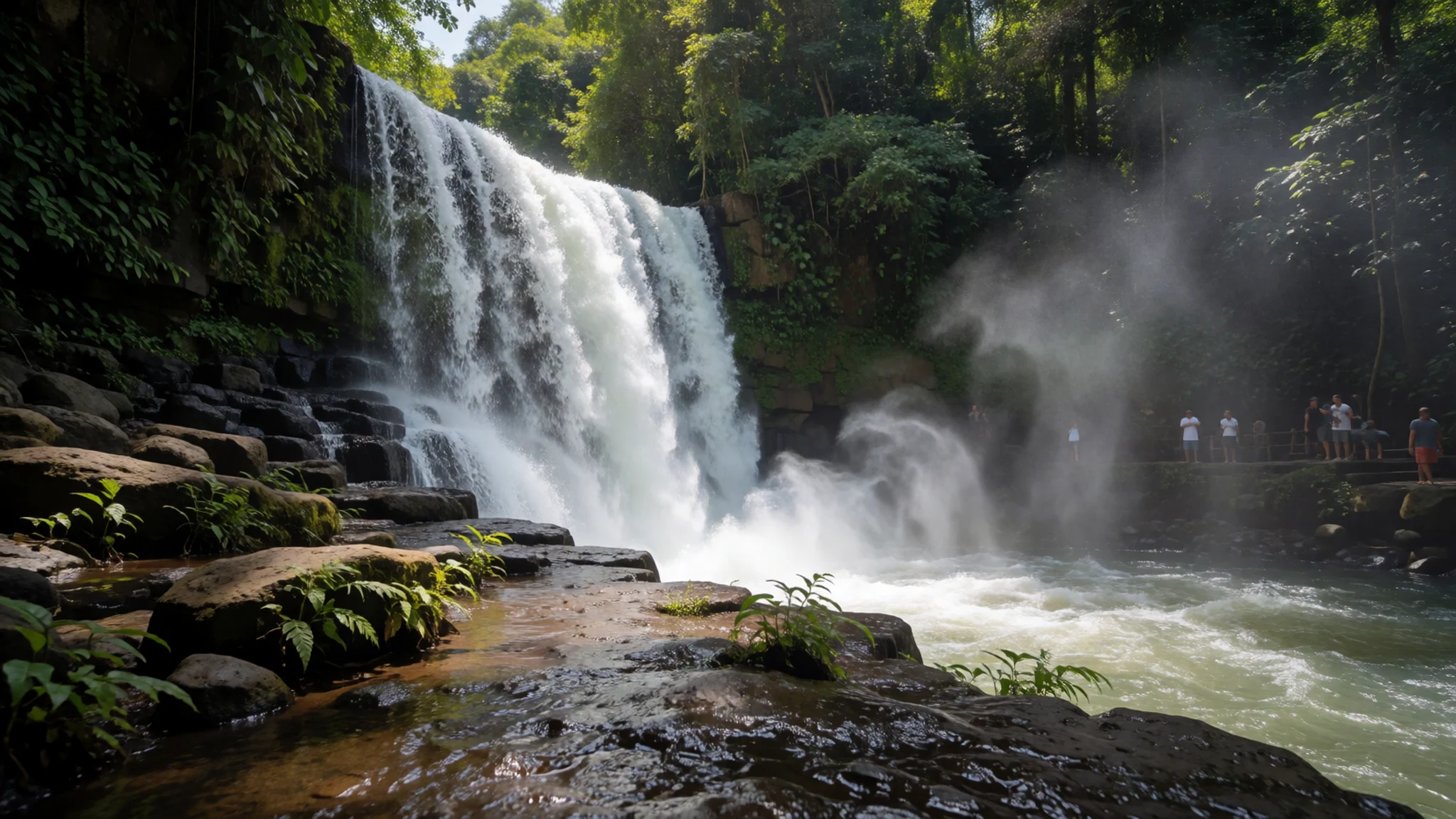
- Elephant Valley Project — Near Sen Monorom
The Elephant Valley Project is one of the elephant sanctuaries near Sen Monorom, set up around observing animals in forest rather than riding them. Visits are usually guided, and places can be limited, so check the official site before arriving. Expect walking on uneven ground, heat by midday and insects.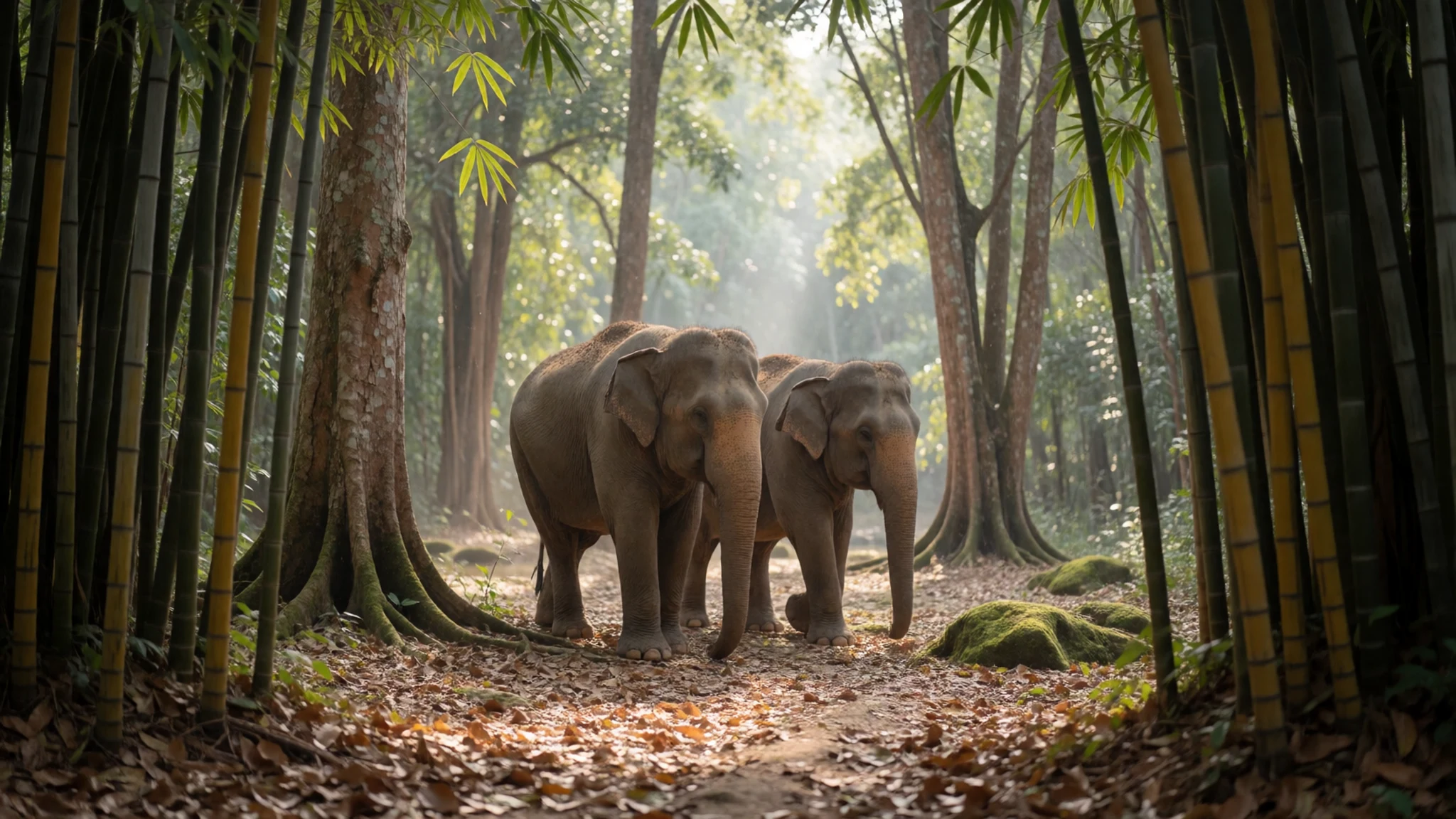
- Sen Monorom town and market — Sen Monorom
Sen Monorom is the gateway to the province, with a busy market, small cafés and rolling hills at its edge. It is a useful place to sort out guides, rent a motorbike, buy fruit and get a feel for how Khmer and Bunong life mix. Mornings are the liveliest time.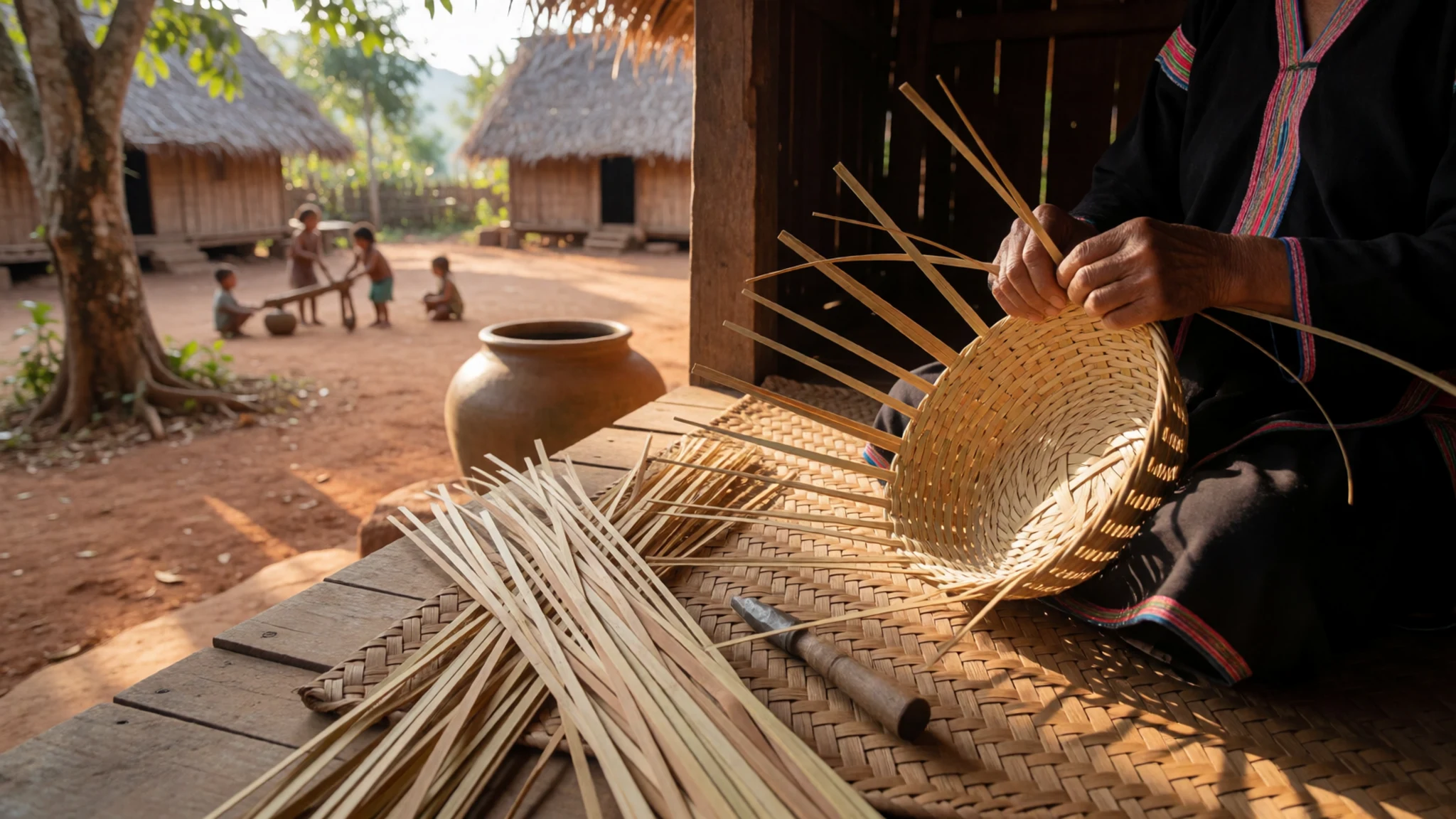
- Bunong villages — Villages around Sen Monorom
Bunong villages sit in clearings across the highlands, and community-led visits give a closer look at farming, weaving and forest life. Go with a guide who has permission from the village rather than turning up alone. Ask before taking photographs, and treat the visit as a conversation, not a display.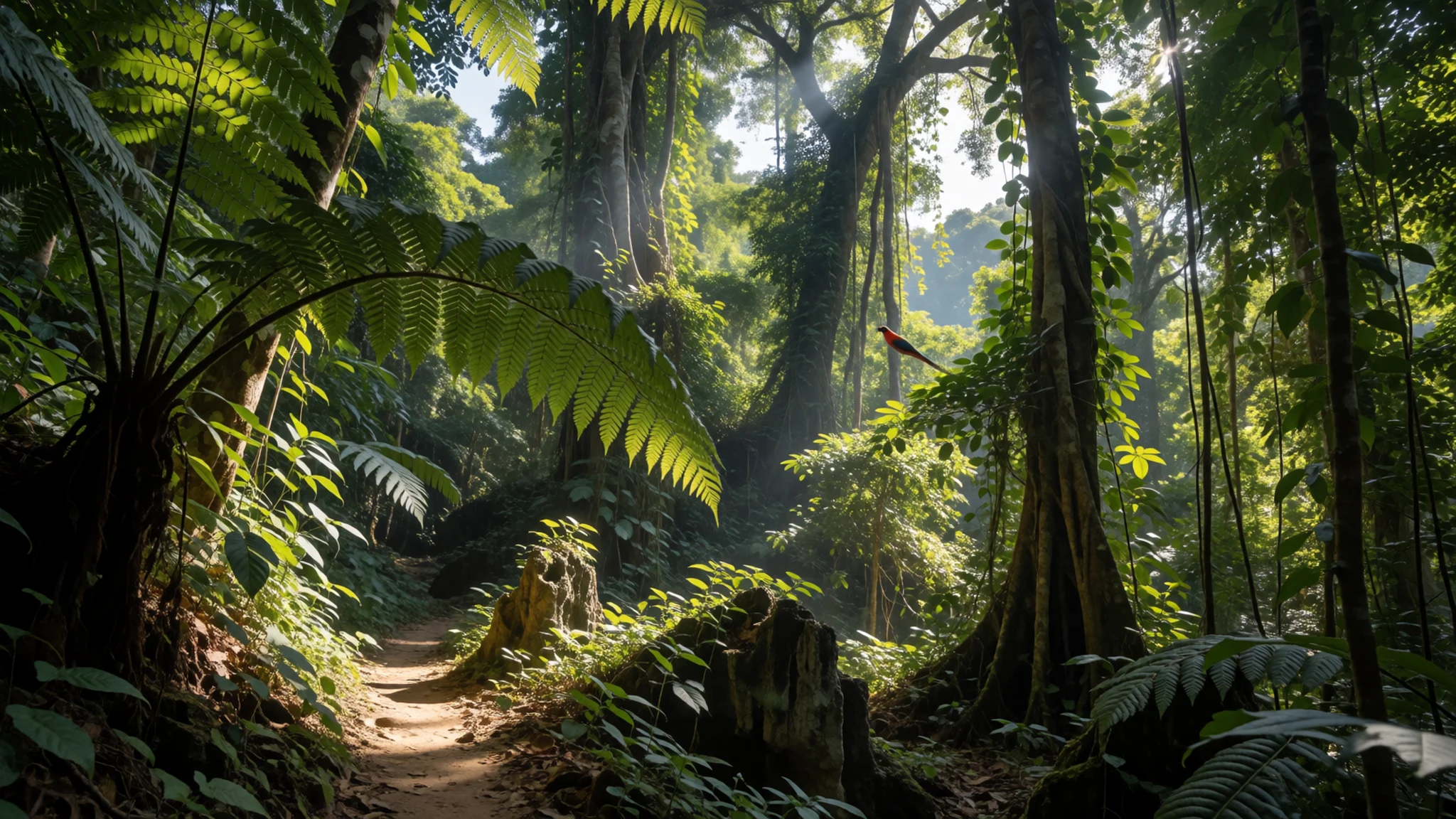
- Pine hills and forest trails — Hills around Sen Monorom
The hills around Sen Monorom carry open pine forest, grassland and viewpoints that catch early light. Walking here is gentle compared with the lowland heat, but stay strictly on marked trails because unexploded ordnance remains a risk in parts of rural Cambodia. A local guide is the safest way to explore beyond the roads.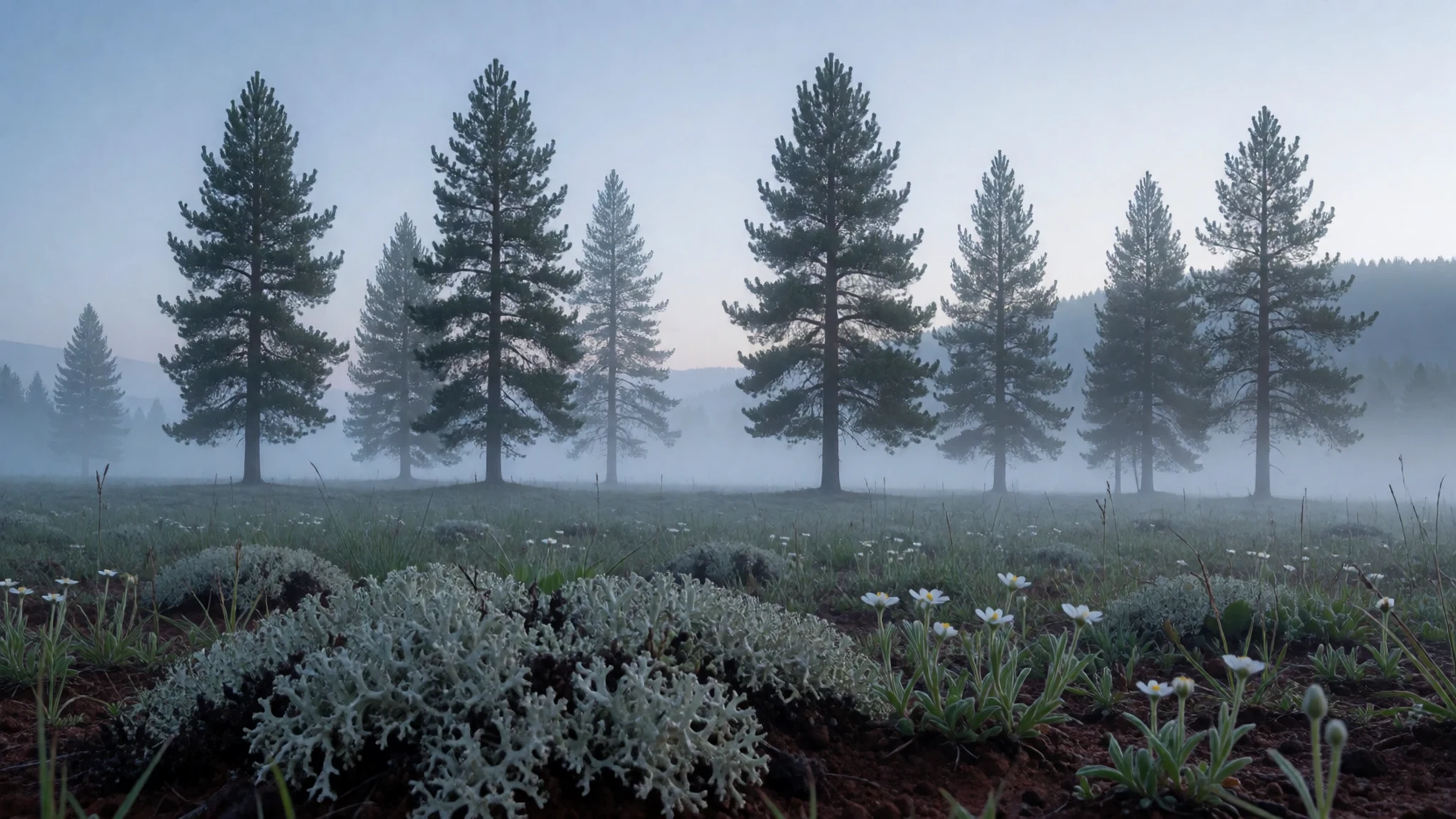
Culture
Mondulkiri is shaped by two cultures sitting side by side: the Khmer majority found across Cambodia and the Bunong, an indigenous highland people with their own language, customs and beliefs. Bunong life has traditionally been tied to the forest, with farming cycles, animal spirits and community ceremonies woven into the year. Elephants have long been part of that world, valued as working animals and as beings with spirit, though ideas about their care are changing as conservation projects grow. Buddhism is practised across Cambodia, and Khmer pagodas around Sen Monorom follow familiar patterns of monks, morning offerings and festival days, while many Bunong families keep older animist practices alongside or instead. Community life tends to be communal. Decisions, land use and visitors are often discussed with village elders, which is why guided visits arranged through local organisations matter more here than in a busy tourist town. Hospitality is warm but unhurried, and a shared meal or a cup of tea may take longer than planned. Visitors may notice how cautious some communities are about outsiders after years of pressure on land and forest, and respect for that caution is part of travelling well. Language helps: a few Khmer greetings go a long way, and a smile and patience cover much of the rest. When visiting a Bunong village, ask your guide for permission before photographing people, homes or ceremonies, and always accept a no with grace.
What to wear
Mondulkiri has a distinct textile tradition among the Bunong, whose woven cloth is traditionally made on backstrap looms from cotton, often in dark bases with bold bands of red, white and other colours. Women have worn wrapped skirts and fitted tops, and both women and men have used beads, scarves and blankets that double as warmth in cool hill mornings. Formal and festival dress is brought out for ceremonies, weddings and community gatherings rather than daily wear. Elsewhere in Cambodia the Khmer sampot, a wrapped cloth, and silk with woven patterns appear at temples and celebrations. In everyday life today, most people in Sen Monorom wear what suits farm work and a breezy highland climate: T-shirts, long trousers or skirts, rubber sandals or trainers, and a hat or krama, the checked cotton scarf used for sun, dust and carrying things. Older villagers may still wear traditional cloth for daily tasks. Visitors should dress for variable weather. Light, quick-drying layers work best, with a thin waterproof for the rainy months and a warm layer for early mornings. Cover shoulders and knees at pagodas and when visiting villages. For waterfalls and forest trails, wear closed shoes with grip rather than flip-flops, and long trousers to protect against scratches, insects and leeches in the wet season.
What to eat
- Fish or chicken amok — Khmer eateries in Sen Monorom
Amok is a Khmer curry steamed in a banana leaf with coconut milk and kroeung, a lemongrass-led spice paste. It is soft, mild and fragrant, and a good first dish after a long road trip. Look for it at ordinary Khmer eateries around Sen Monorom.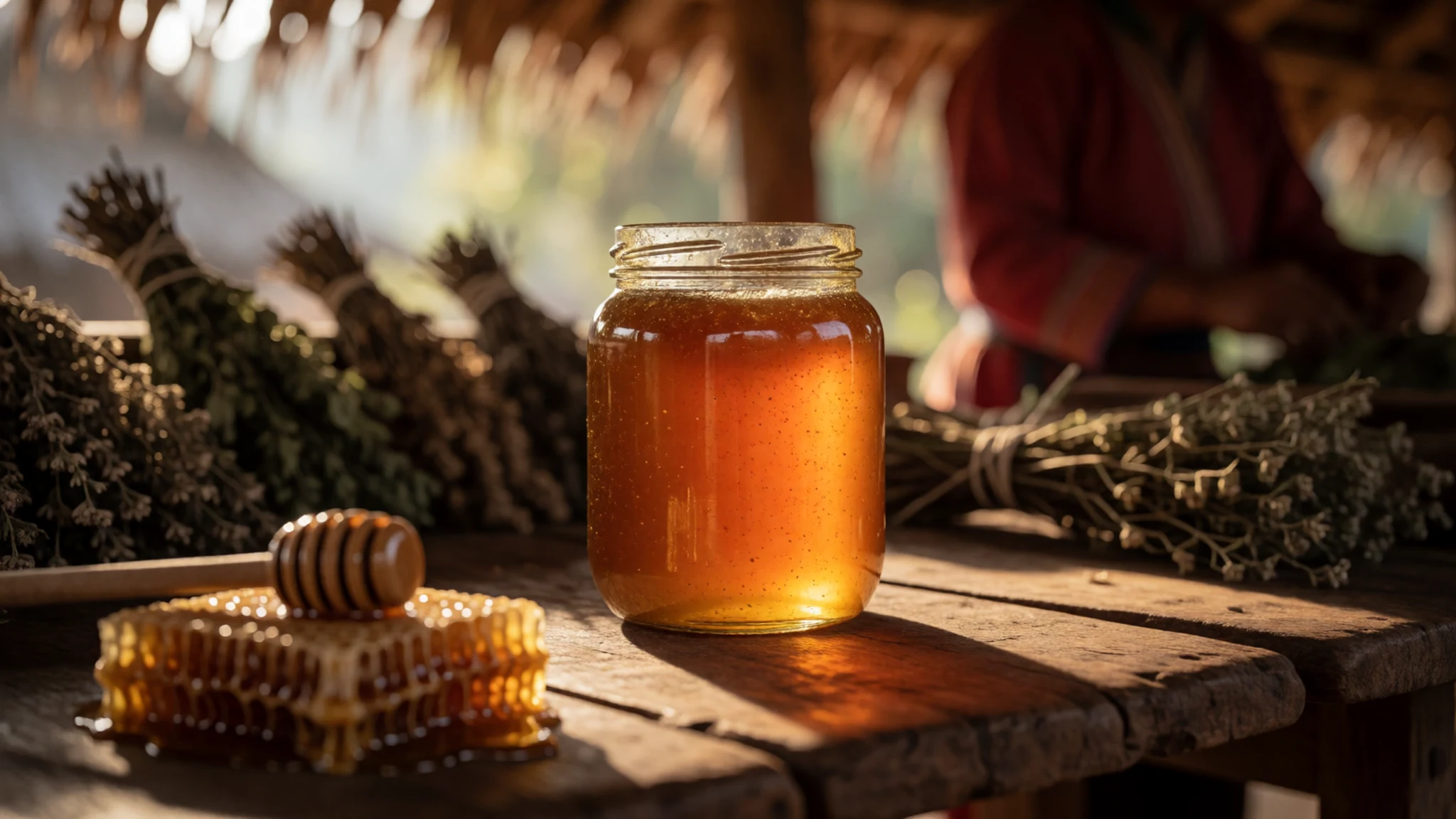
- Lok lak — Town restaurants and café-style eateries
Lok lak is stir-fried beef served with lettuce, tomato and a dipping sauce of lime juice and black pepper. It is a reliable, widely available Cambodian plate, and the highland versions often come with local vegetables. Fine for a quick lunch between waterfalls and viewpoints.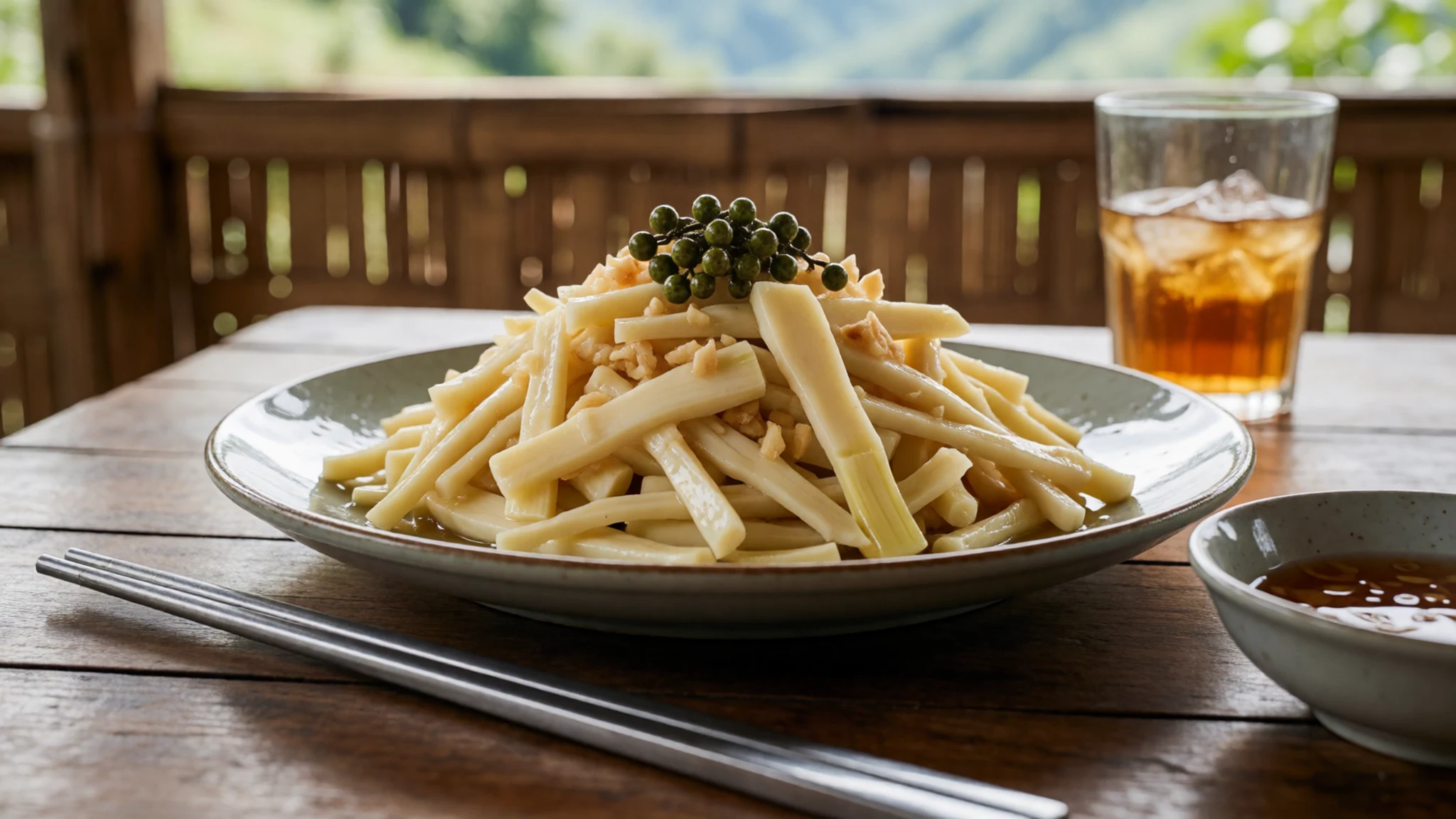
- Num banh chok — Morning stalls and the central market
Num banh chok is fresh rice noodles topped with a green fish-based gravy and a heap of raw herbs and vegetables. Often eaten at breakfast, it is light and sour-fresh. Look for it at the morning stalls where locals gather before work. - Bamboo-cooked rice and grilled meat — Village visits and roadside grills
Highland cooking often uses bamboo tubes for sticky rice and open fires for grilled meat, a style linked to forest communities including the Bunong. Flavours are smoky and simple. It is most often found on community visits and at roadside grills; ask your guide. - Local fruit and coffee — Sen Monorom market and local cafés
The cool highlands suit fruit and coffee, and small cafés and market stalls around Sen Monorom sell seasonal fruit, fresh juices and locally grown beans. Ask what is in season rather than expecting a fixed menu. A coffee on a cool morning is a pleasant local ritual.
Plan it
Best time. December to March is the easiest window, with drier weather and cool mornings in the hills. The wet season runs from July to November, bringing storms, flooding and muddy roads, though the waterfalls are at their fullest.
How long. 2–4
Getting there. Fly to Phnom Penh, then continue by road to Sen Monorom, the provincial town, by bus, minibus or private car; the journey is long, so allow most of a day. Local guides, motorbikes or jeeps cover the last leg to waterfalls and villages.
Budget. mid
Tips
- Stay strictly on marked trails and use a local guide off the main roads, because unexploded ordnance remains a risk in rural Cambodia
- Check the weather and local media in the wet season, since severe storms and flooding are common and roads can close
- Carry cash for villages, small shops and markets, as card machines are rare outside Sen Monorom
- Book elephant projects and community visits ahead through their official websites, as places can be limited
- Bring a light layer for chilly mornings and insect repellent for forest walks
Etiquette
- Ask permission before photographing people, homes or ceremonies, especially in Bunong villages
- Dress modestly at pagodas and villages, covering shoulders and knees
- Choose elephant projects that focus on observation and welfare, and avoid riding
Nearby
Sources
- Wikidata Q6898832 (CC0)
- Wikipedia: Sre Pok Wildlife Sanctuary (rev 1362909618) (CC BY-SA 4.0)
- Wikivoyage: Mondulkiri (rev 5194180) (CC BY-SA 4.0)
Wildlife
- Elephant (animal)
The Asian elephant is the biggest land animal in Asia, a wrinkly grey giant whose long trunk ends in a single fingertip. It is clever, and can show grief, learning and greeting. In Mondulkiri, conservation projects now favour watching elephants in their natural habitat rather than riding captive ones. Go with a guide from such a project, keep a respectful distance, stay quiet so you do not unsettle them, and never feed them.