Luang Prabang
Luang Prabang, Laos
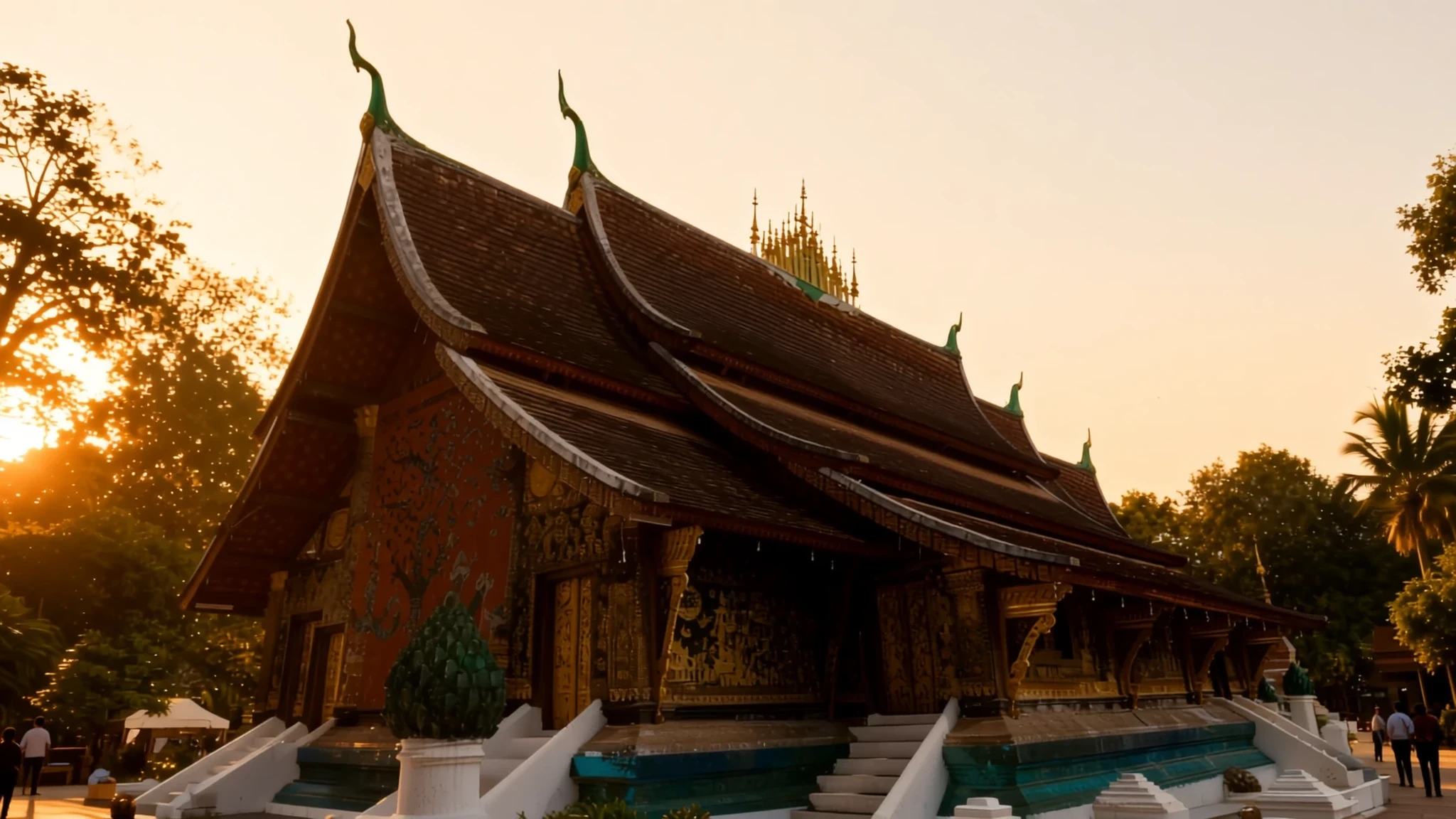
Luang Prabang pairs sacred morning rituals and gilded monasteries with French colonial grace at the meeting of two great rivers.
The place
Luang Prabang sits quietly in north-central Laos, cradled in a lush valley where two major rivers nearly encircle the peninsula. The settlement is an atmospheric patchwork of traditional wooden dwellings on stilts, ochre-washed French colonial administrative buildings, and dozens of gilded Buddhist temples decorated with intricate glass mosaics. Under the watchful gaze of a temple-topped hill, daily life moves at a deliberate pace. Golden-roofed wats feature wrap-around teak balconies, weathered shutters, and carved eaves reflecting centuries of devotion. The protected historic core encompasses dozens of traditional neighbourhoods where morning rituals continue much as they have for generations. Small local businesses and community guardians work to shield the area from the heavy pressures of mass tourism, ensuring that travellers find an authentic atmosphere rather than a manufactured resort. Restaurants and guesthouses line the main thoroughfares, catering to visitors who come to wander shaded lanes, admire river vistas, and experience a unique intersection of Lao tradition and Indochinese heritage. The surrounding landscape of rugged mountains and dense greenery frames the municipality in a striking natural theatre that charms every visitor who arrives by river boat or mountain road.
Its story
The history of Luang Prabang reaches back through centuries of regional kingdoms, shifting trade routes, and royal dynasties. By the eighth century, regional city-states were already established along the middle Mekong valley, introducing Theravada Buddhism through missionaries. Known historically as Muang Sua and later as Xieng Dong Xieng Thong, the settlement experienced a period of Khmer suzerainty before emerging in the fourteenth century as the political heart of the mighty Lan Xang kingdom. In the middle of that century, the realm was unified under its first monarch, who received a revered Buddha image from the Khmer king. This palladium, known as the Phra Bang, lent sacred legitimacy to the royal line and eventually gave the capital its modern name. For generations, the city served as the spiritual and political core of the kingdom, enduring regional conflicts, dynastic realignments, and shifting trade networks. When European colonial administration arrived in Indochina, French officials left an indelible mark on the urban fabric, blending European administrative architecture with indigenous Lao building traditions. This architectural fusion earned the municipality international recognition as a protected cultural landmark, preserving centuries of layered history within a remarkably compact river peninsula that continues to honour its royal and spiritual roots.
What to see
- Ock Pop Tok Living Craft Centre — Mekong riverbank
Set beside the river, this fair trade weaving centre offers informative tours and hands-on classes where visitors can try bamboo weaving, natural silk dyeing, and traditional batik drawing in a tranquil garden setting.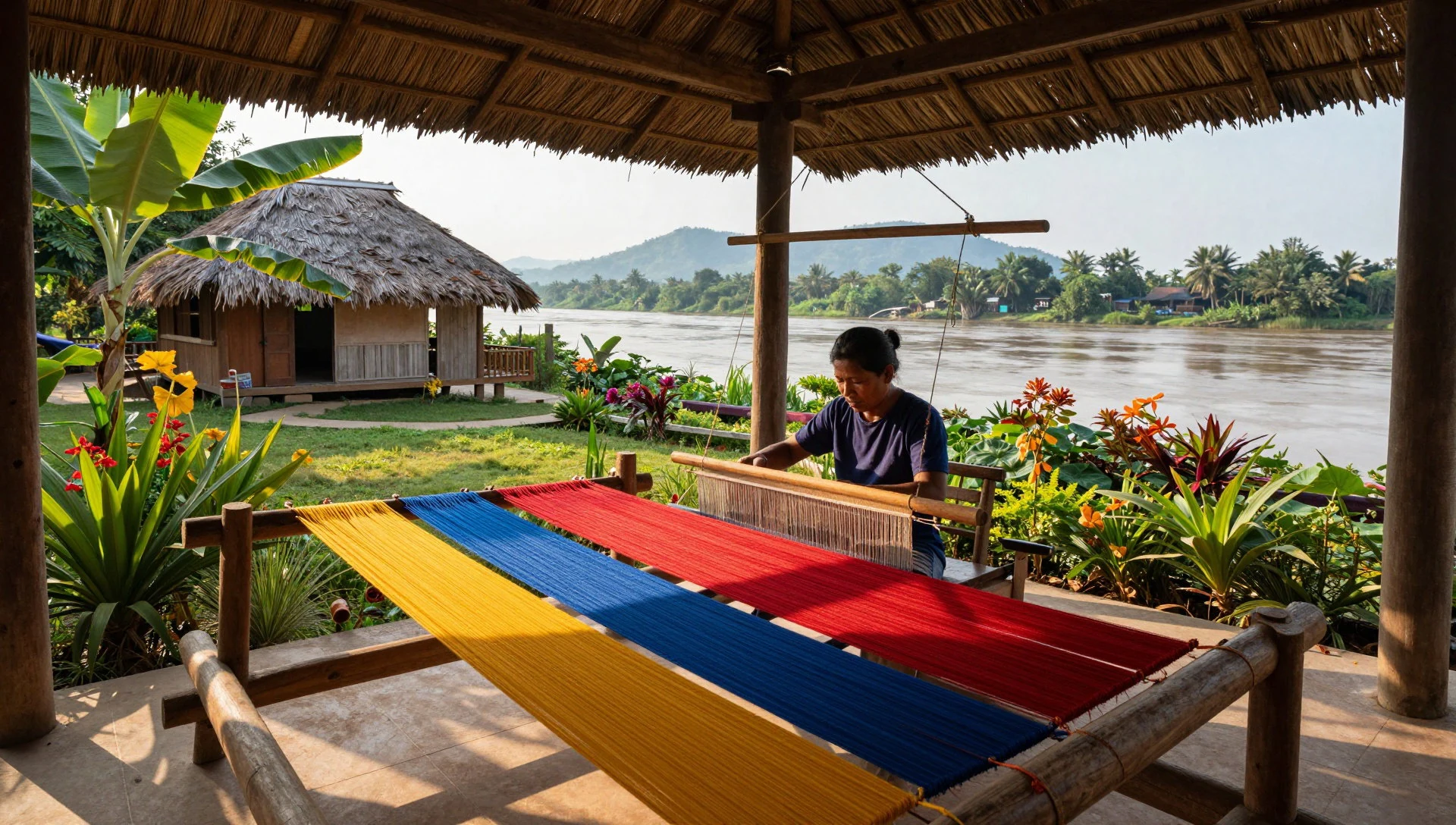
- Traditional Arts and Ethnology Centre — Central district
Housed in a charming heritage building, this compact museum is dedicated to preserving and exhibiting the diverse ethnic cultures, traditional textiles, and daily artifacts of the various indigenous groups that make Laos unique.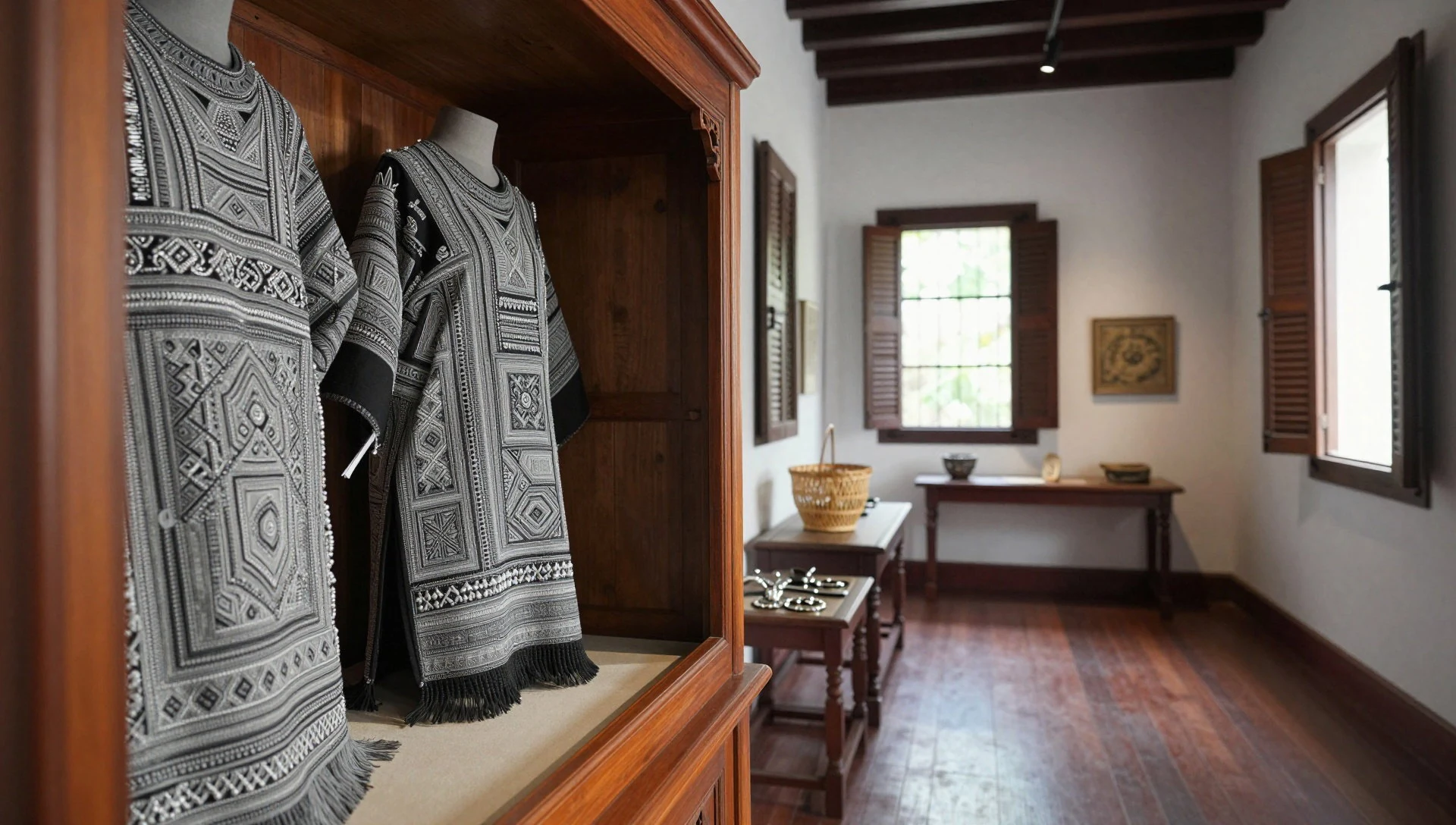
- Heuan Chan Heritage House — Historic quarter
An impeccably restored pre-colonial wooden residence operating as a cultural museum, featuring traditional costume dressing experiences, craft workshops, and a delightful courtyard café shaded by mature trees.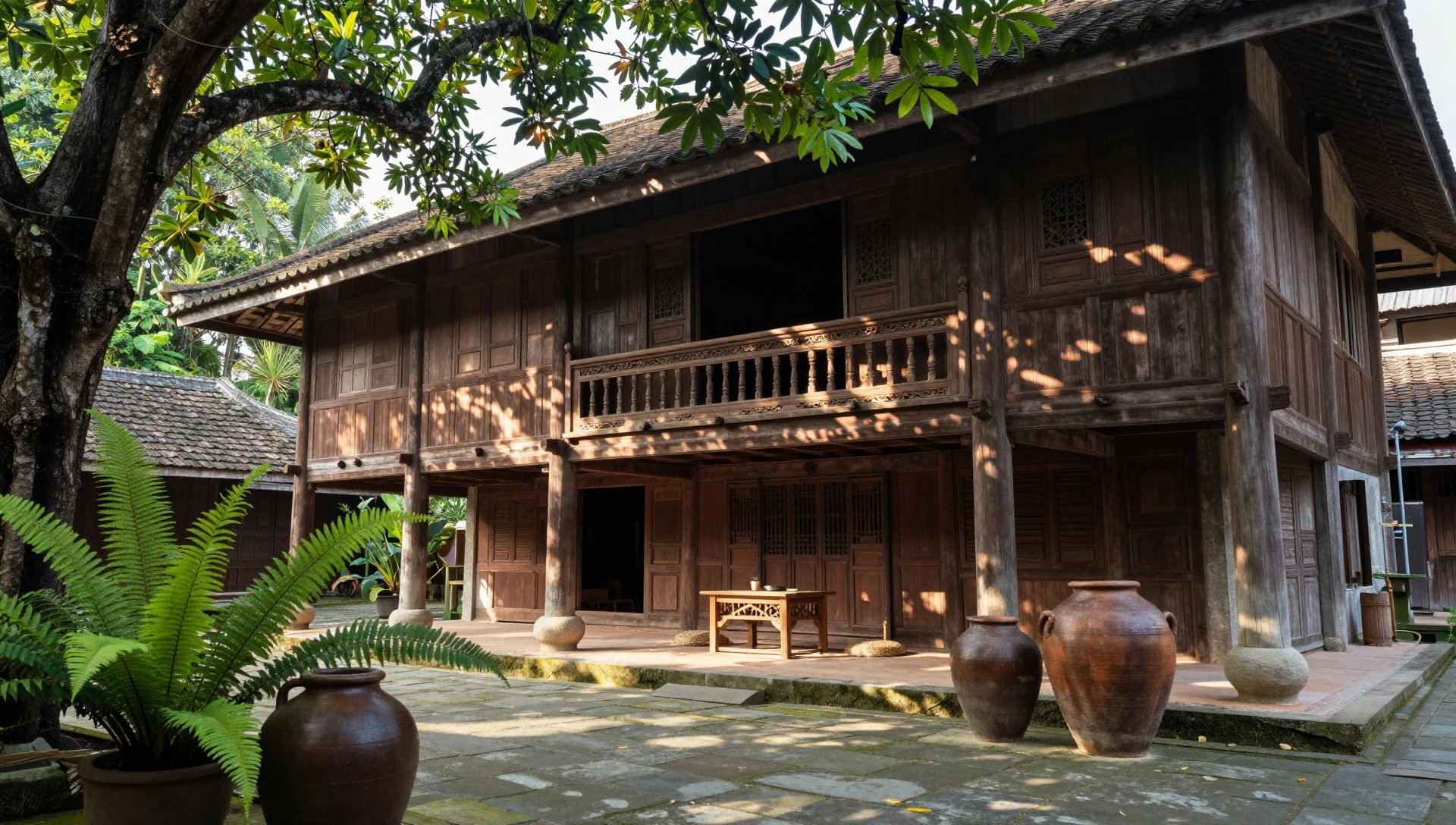
- Alms Ceremony — Main street
A deeply spiritual daily dawn ritual where lines of monks walk through quiet streets to collect offerings of sticky rice from kneeling local residents and respectful early-rising visitors observing the sacred procession.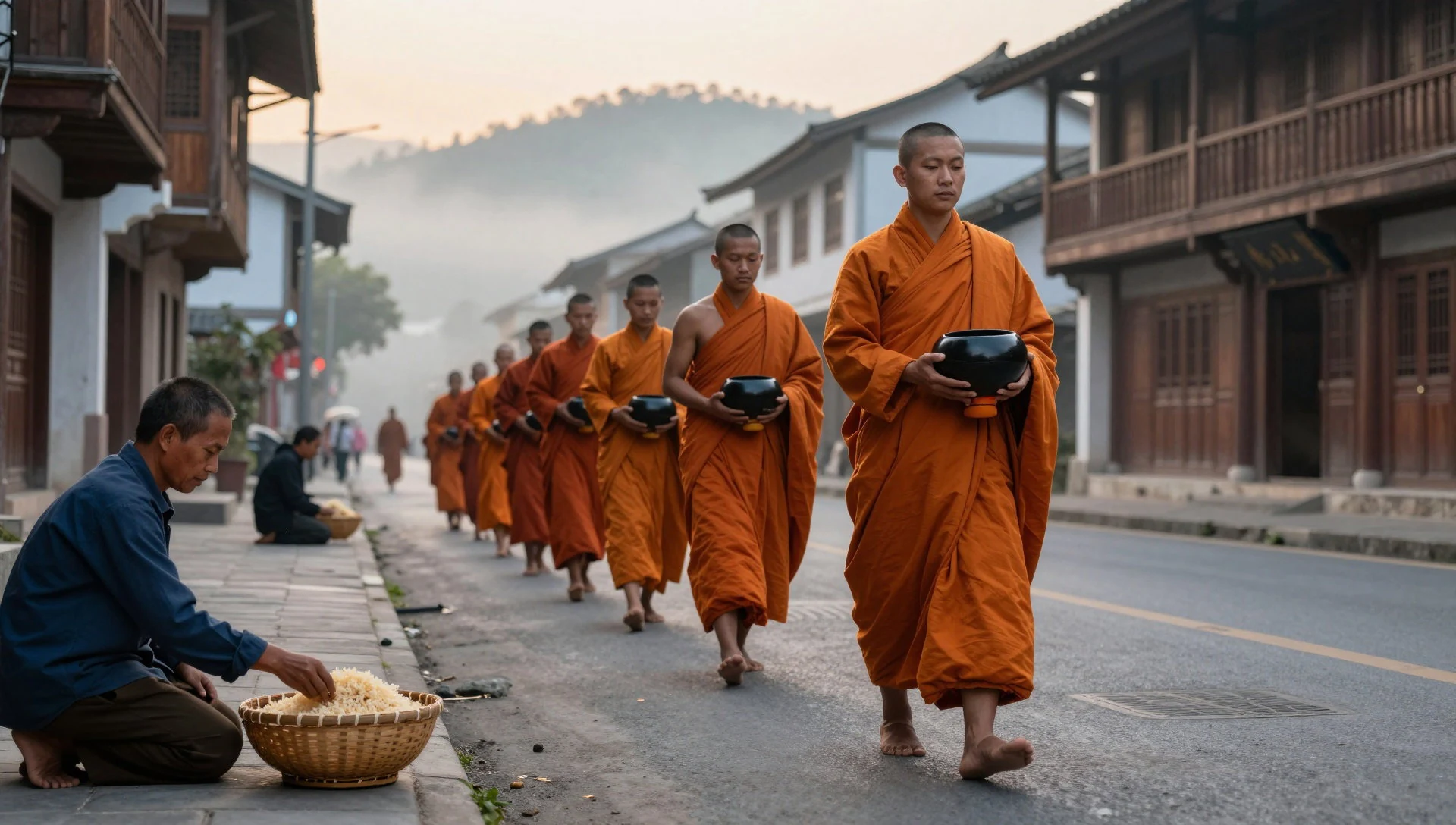
- Royal Palace National Museum — Peninsula tip
Constructed during the French colonial era, this former royal residence now functions as a museum displaying royal artifacts, historical treasures, and the revered Buddha image that gave the city its historic name.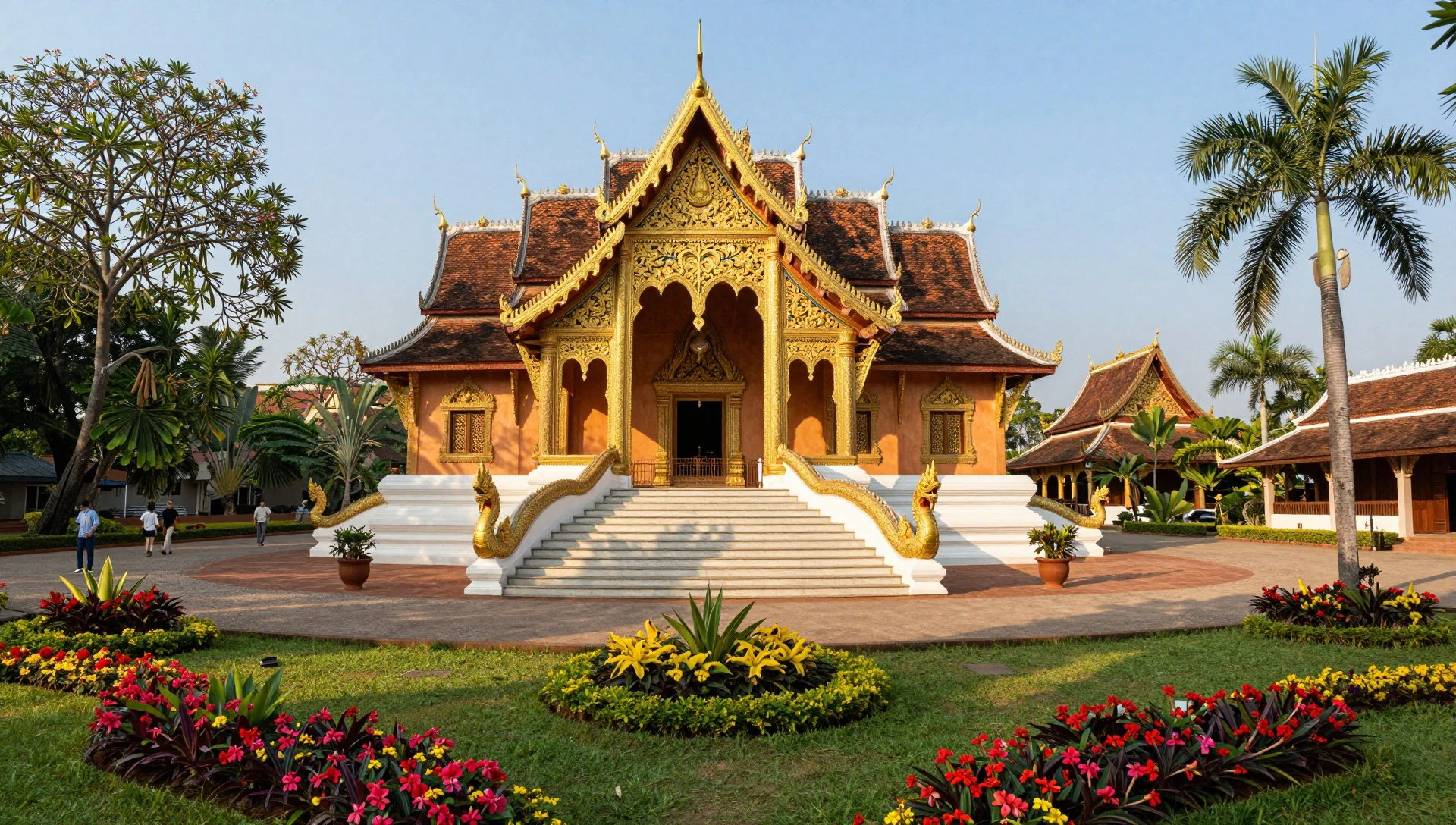
Culture
Lao culture is deeply rooted in Theravada Buddhism, which gently guides daily etiquette, social interactions, and community rhythms across the municipality. Respect for elders and monastic figures is paramount, and traditional hospitality remains a cornerstone of daily life. Visitors will notice that social exchanges are typically greeted with a gentle bow of the head and the traditional prayer-like gesture known as the nop. Artistic expression thrives through intricate temple woodcarvings, silver smithing, and world-class textile weaving passed down through families. Community life revolves around the changing seasons, temple festivals, and family gatherings where communal meals are shared with warmth and generosity. While foreign visitors are welcomed warmly into local spaces, maintaining modest attire and observing quiet reverence in sacred precincts is essential. Always remove your shoes before entering temples or private homes, and never touch a monk or sacred object.
What to wear
Traditional Lao dress reflects extraordinary textile artistry, particularly the intricate hand-woven silk and cotton sinhs, which are wrap-around tube skirts worn by women on formal occasions, religious holidays, and daily market visits. These garments feature complex geometric and mythological patterns dyed with natural indigo, bark, and roots. Men traditionally wore simple trousers or wrapped pan kio cloths, though western styles are now common for daily work. In contemporary streets, locals wear practical modern clothing suited to the tropical climate, while preserving traditional textiles for ceremonies and festivals. Visitors should dress modestly out of respect for local customs, covering shoulders and knees when exploring temples, monasteries, and residential neighbourhoods. Lightweight, breathable fabrics such as cotton and linen are ideal for handling the regional warmth, while sturdy slip-on shoes make it easy to remove footwear when entering sacred buildings.
What to eat
- Khao Soi — Southwest end of the night market
A comforting regional noodle dish featuring flat rice noodles in a rich, spicy pork and tomato broth, topped with minced meat and fresh herbs.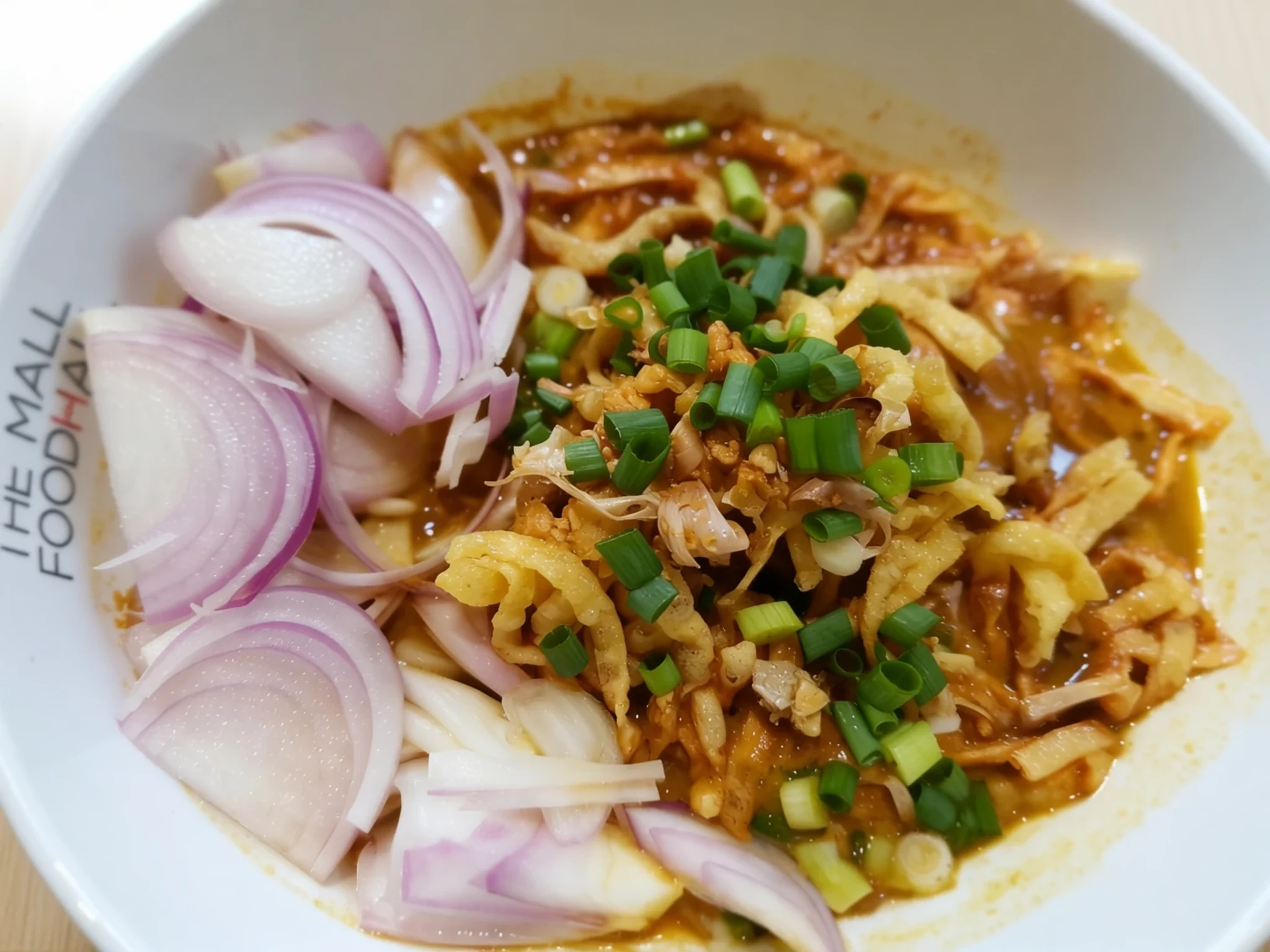
- Larb — Local eateries near the river
The national minced meat salad tossed with toasted rice powder, fresh lime juice, chillies, mint, and lemongrass for a vibrant balance of flavours.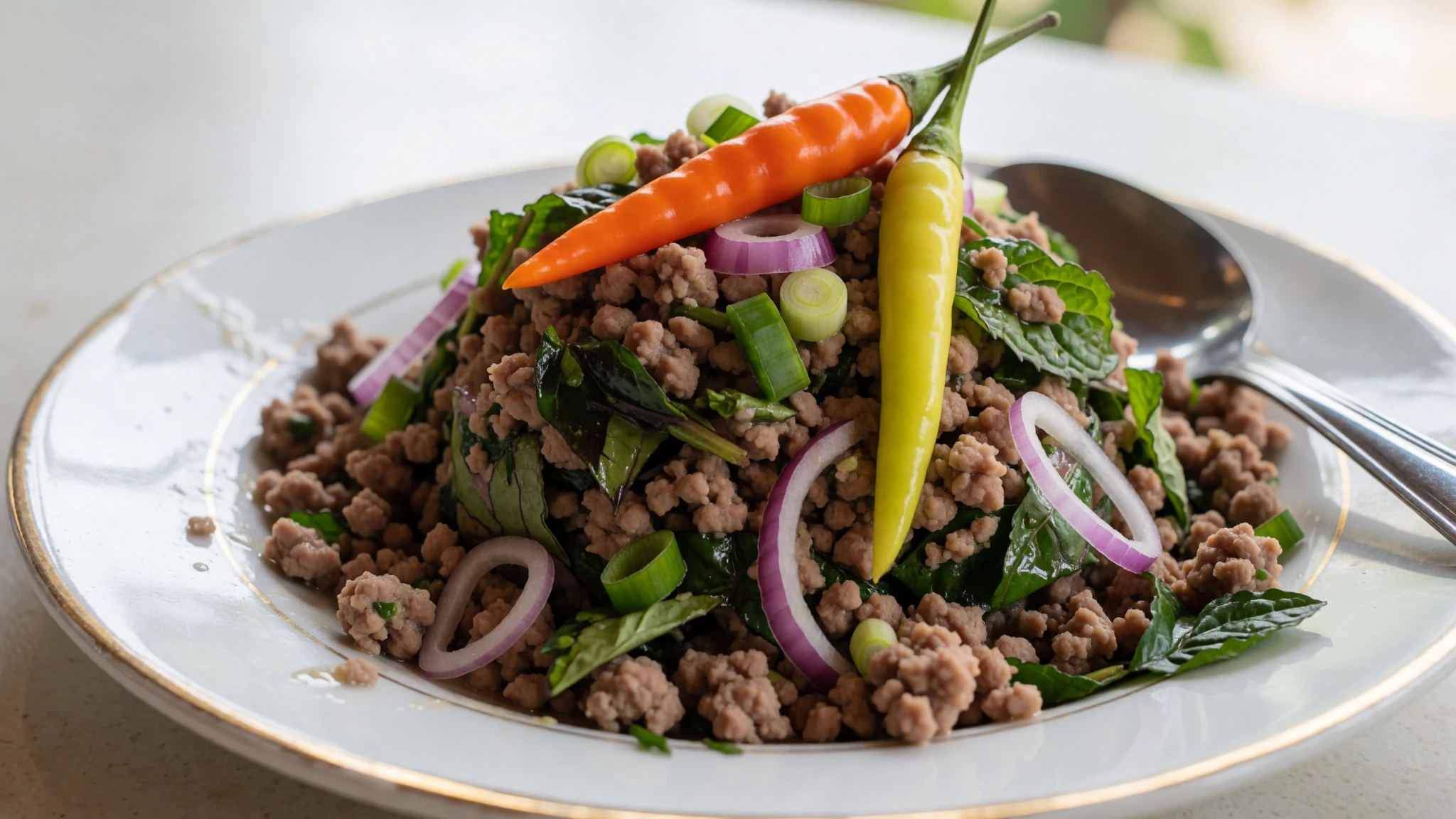
- Sticky Rice — Every traditional food stall
The absolute staple of every Lao meal, steamed in bamboo baskets and traditionally eaten by hand to accompany soups, stews, and grilled dishes.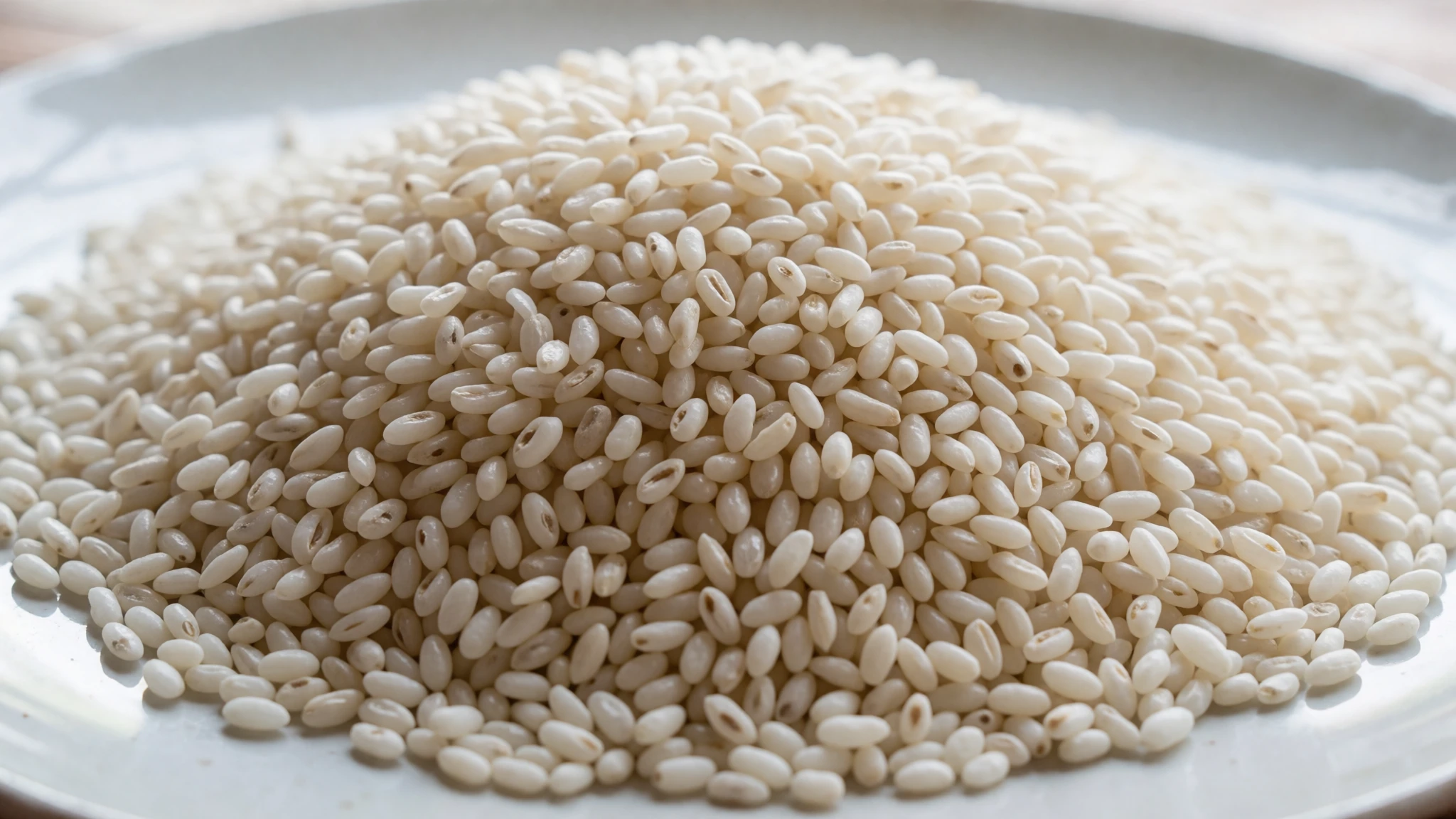
- French Baguette Sandwiches — Morning market stalls
A delicious culinary legacy of the colonial era, crisp crusty baguettes stuffed generously with pate, pork, local greens, and spicy sauces. - Pain au Chocolat — Traditional French bakeries in town
Wonderfully buttery, flaky French pastries baked fresh every morning by local artisans combining European baking techniques with local morning charm.
Plan it
Best time. November to February offers the most comfortable weather with pleasant daytime warmth and cooler evenings before the hot season arrives in spring.
How long. 3–4
Getting there. Fly into Luang Prabang International Airport, which handles visa-on-arrival entry, then take a pre-paid taxi or tuk-tuk into the historic town centre.
Budget. mid
Tips
- Book train tickets well in advance due to high demand
- Carry sufficient cash as card acceptance is limited outside major hotels
- Participate in the morning alms ceremony with quiet reverence
- Drink bottled water and use mosquito repellent during evenings
Etiquette
- Remove your shoes before entering temples and traditional homes
- Cover your shoulders and knees when visiting sacred religious sites
- Ask permission before photographing local residents during ceremonies
Nearby
Sources
- Wikidata Q190165 (CC0)
- Wikipedia (CC BY-SA 4.0)
- Wikivoyage (CC BY-SA 4.0)