Hội An
Hội An, Vietnam
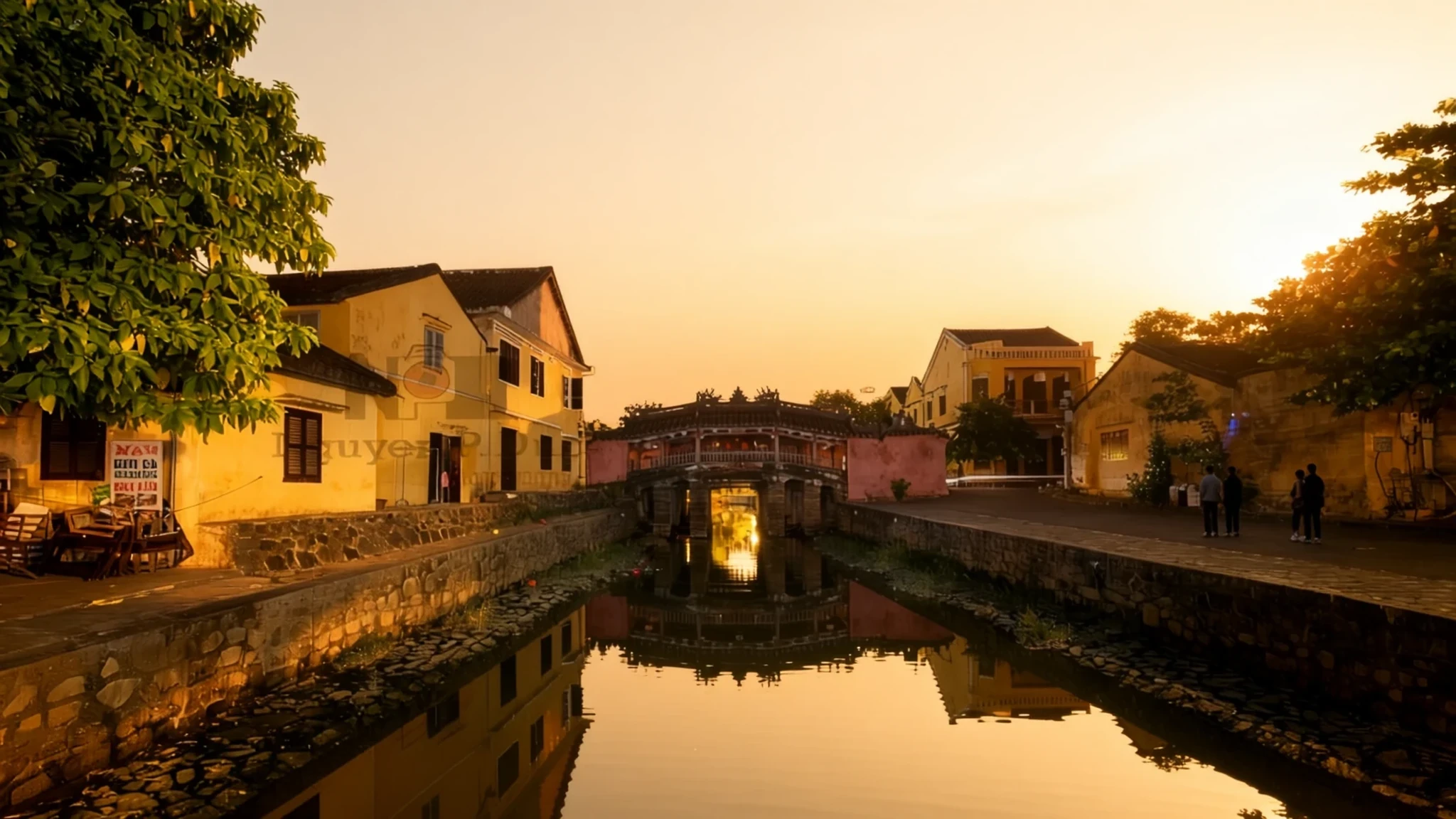
Hội An offers a remarkably intact trading port where centuries of maritime commerce have left a legacy of lantern-lit streets and unique Eurasian architecture.
The place
Hội An sits by the Thu Bồn River in Central Vietnam, formerly a provincial city within Quảng Nam Province and now part of Da Nang. Its historic core is recognised globally as a UNESCO World Heritage Site, preserving the street grid and timber-framed merchant houses of a thriving Southeast Asian trading nexus. The town's architecture tells the story of centuries of maritime exchange, blending indigenous Vietnamese styles with Chinese assembly halls, Japanese carpentry, and European commercial design. Beyond the historic centre, Hội An forms part of a protected biosphere reserve that extends to the Cù Lao Chàm archipelago off the coast. While modern development has expanded its boundaries, the heart of the settlement retains a pedestrian-friendly scale where yellow-plastered walls, tiled roofs, and silk lanterns define the public realm. The climate brings distinct shifts through the year, moving from a dry season with moderate temperatures into a heavy monsoon period when seasonal rains can raise river levels. Visitors navigating the narrow lanes find a preserved shell rather than a living neighbourhood, where most shops and restaurants now serve the tourist trade and the original community has largely departed.
Its story
Long before merchants from across the sea shaped its brick and timber, the terrain around Hội An was shaped by the Sa Huỳnh culture. Archaeologists have uncovered numerous sites along the ancient sand dunes of the Thu Bồn River, yielding iron tools and Han dynasty coins that confirm active trade routes operating as early as the first century BCE. By the seventh century, the region fell within the orbit of the Champa Kingdom, an Austronesian polity that controlled the lucrative maritime spice trade linking island Southeast Asia with the wider world. When the name Hội An emerged towards the end of the sixteenth century, the port had already transitioned through successive eras of indigenous and regional governance. Japanese and Chinese traders established enduring quarters here, building communal structures and bridging commercial networks that reached across the South China Sea. Though shifting river silting and changing geopolitical fortunes eventually diminished its standing as a major international harbour in favour of nearby ports, this relative isolation preserved its historic streetscape from wholesale redevelopment, allowing the layers of its maritime past to remain visible in every alley and assembly hall.
What to see
- Japanese Covered Bridge — Ancient Town
Constructed in the early 1600s by the local Japanese merchant community shortly before Japan's self-imposed isolation policy took effect, this landmark pedestrian bridge features a small temple built directly into its tiled timber structure.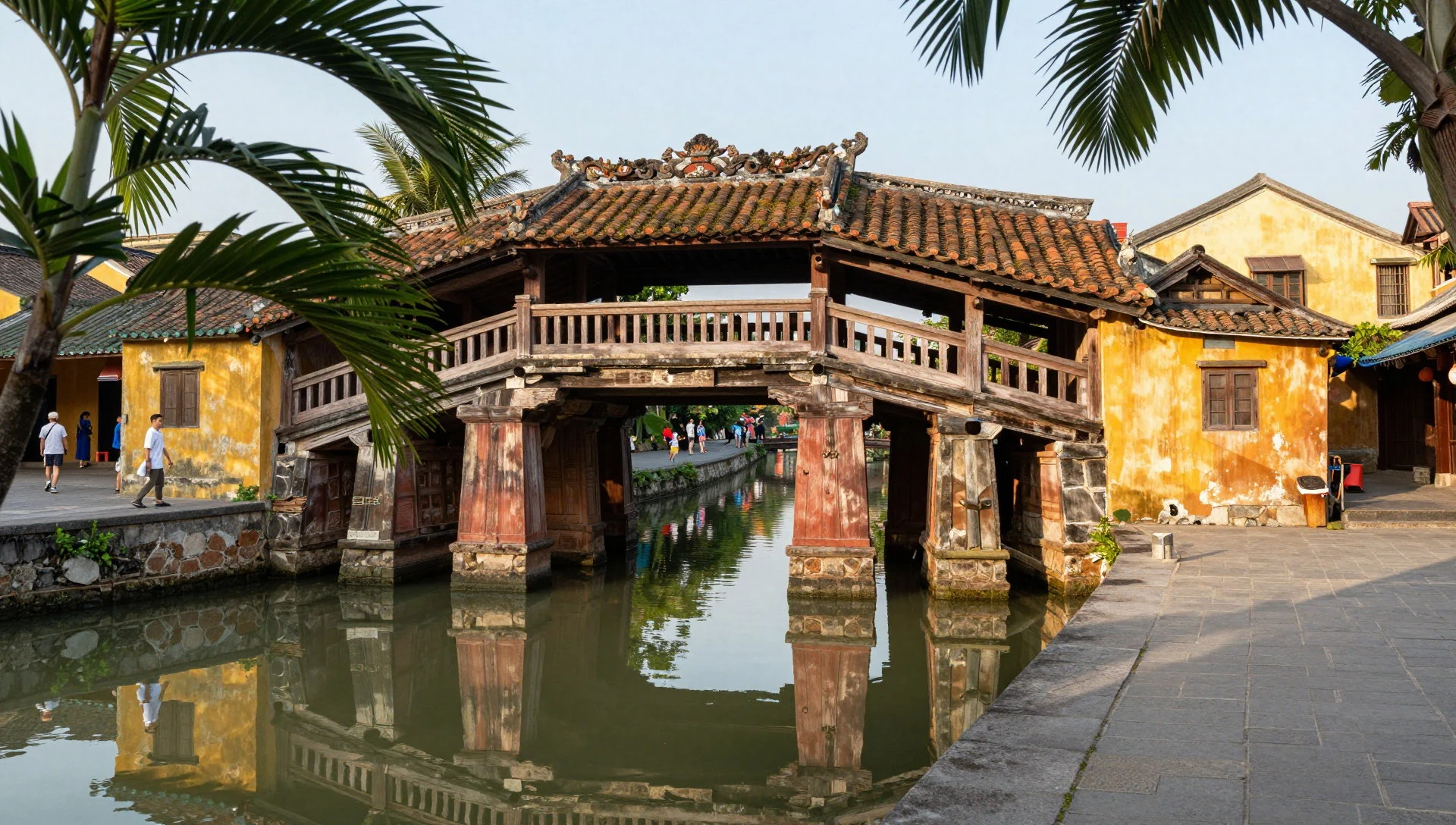
- Quan Cong Temple — Ancient Town
Built in 1653 by Minh Hương and Vietnamese residents, this ornate shrine honours a revered Chinese general whose enduring symbols are loyalty, integrity, and justice. Ornate dragons frame the roofline while worshippers tend to incense coils inside.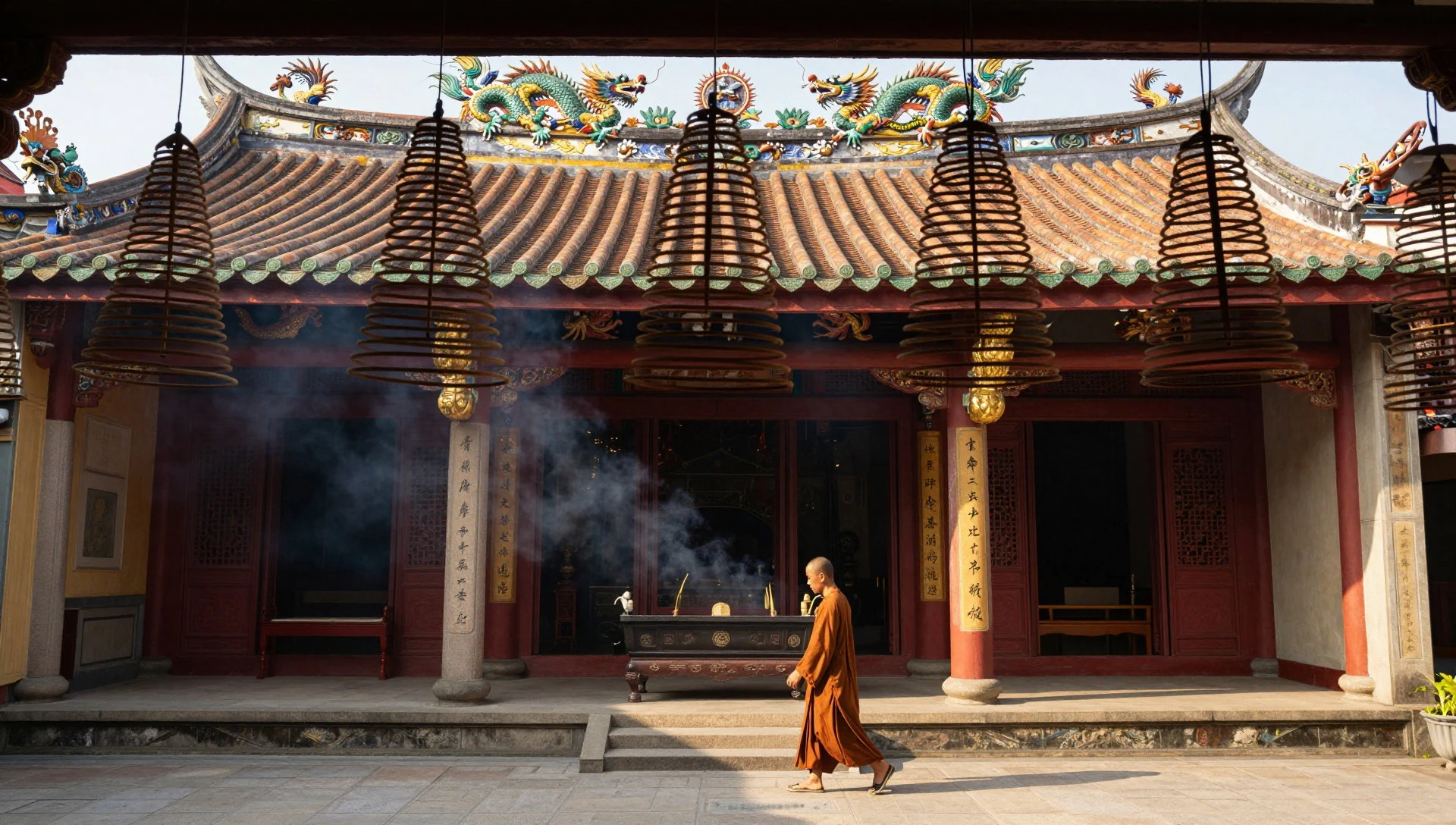
- Thanh Ha Pottery Village — Thanh Ha
Situated directly on the banks of the Thu Bồn River a short distance from the town centre, this historic crafting settlement has produced earthenware goods using traditional foot-powered wheels and open-kiln firing techniques for centuries.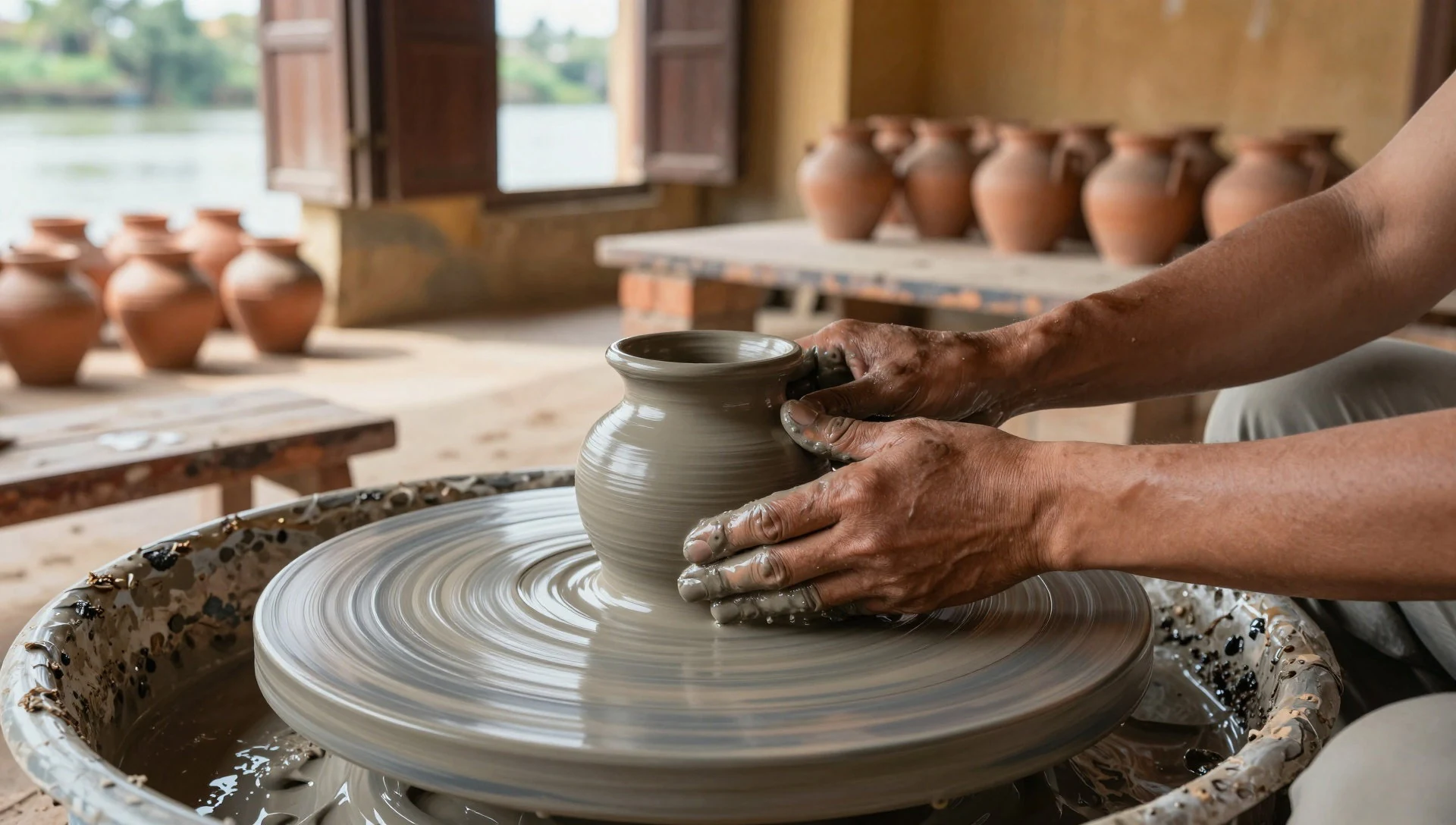
- Museum of Hoi An History and Culture — Ancient Town
Housed in a municipal building that chronicles the town's maritime evolution, the exhibition displays archival photographs from the early twentieth century alongside fragments of ancient pottery left by early trading vessels.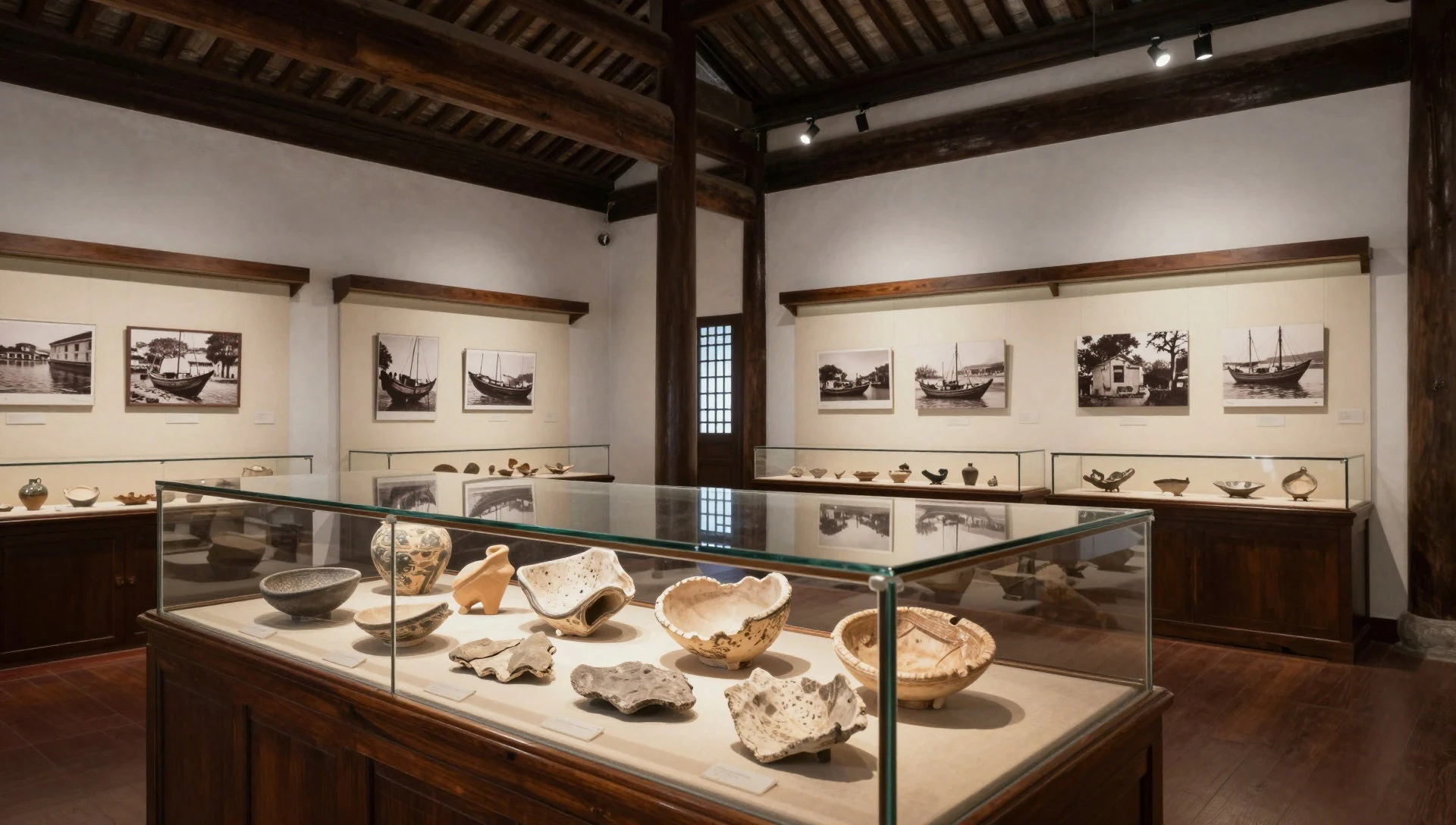
Culture
Hội An's cultural fabric stems from centuries of interaction between Vietnamese settlers, Cham residents, and foreign merchant communities from China and Japan. Unlike royal capitals governed by court protocol, community life here grew around the practical rhythms of docks, markets, and family houses. Alongside traditional ancestor veneration, residents maintain deep devotion to the Five Deities, household guardians believed to oversee family fate and domestic harmony. Since UNESCO listing, many houses have been bought by speculators and shopkeepers, so the original community has largely moved on and the Old Town now caters mainly to visitors. Visitors should dress modestly and remove footwear when entering local temples and domestic shrines.
What to wear
Traditional daily dress across central Vietnam historically favoured light, loose cotton tunics suited to humid coastal conditions, alongside the iconic conical leaf hat used by farmers and market vendors to ward off both sun and heavy rain. Today, residents dress in modern casual attire, though local tailors remain famous for crafting bespoke garments from silk and cotton fabrics on short notice. For visitors exploring the town, lightweight, breathable clothing is essential due to the warm climate. When visiting temples, shrines, or active religious spaces, shoulders and knees must be covered out of respect for local customs.
What to eat
- Central Market food court — Central Market
A bustling indoor market hall featuring communal seating and numerous stalls preparing classic regional specialities, including steaming bowls of noodle soups and crisp spring rolls.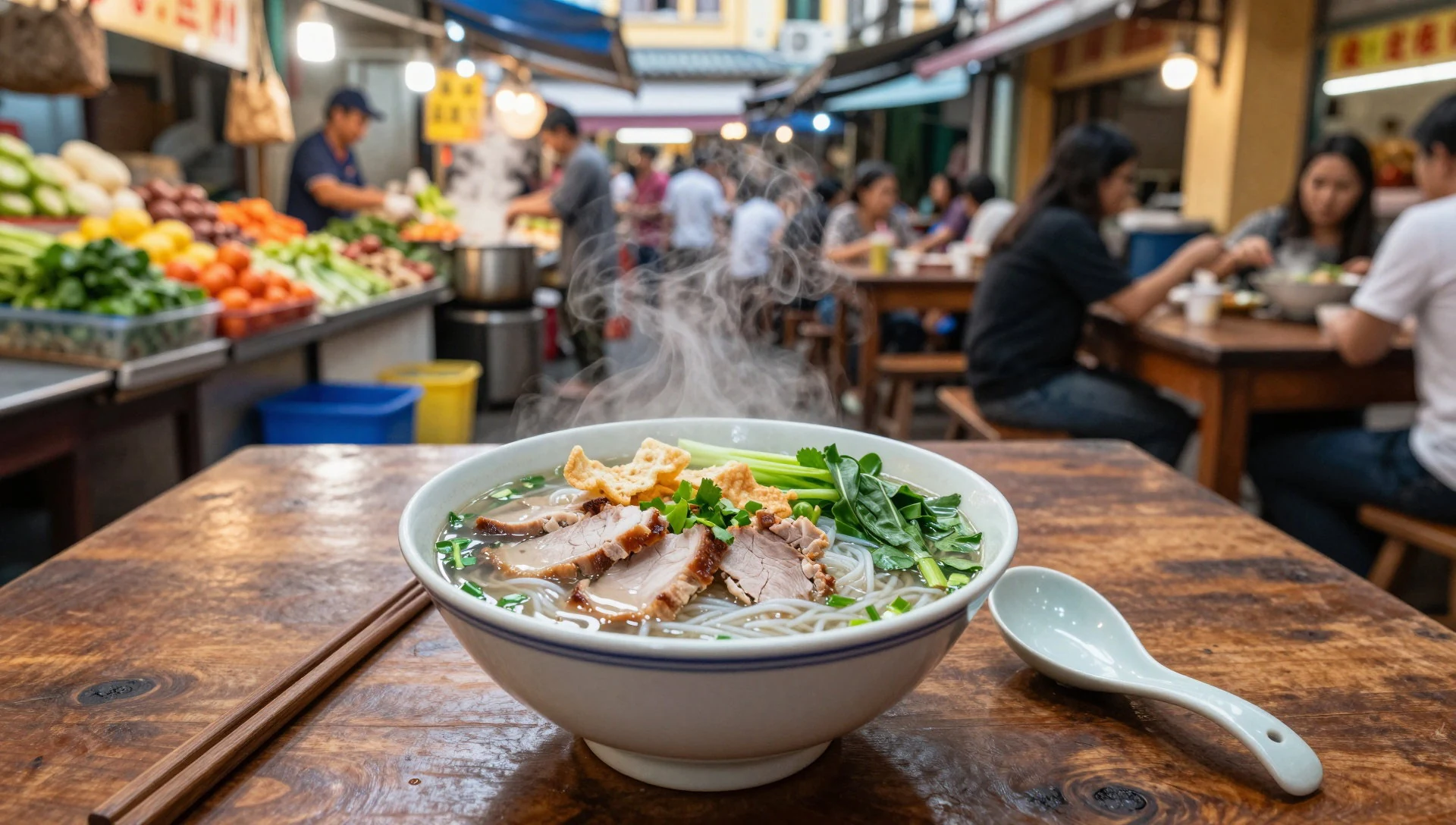
- Banana fritters stall — Riverside streets
Street vendors press ripe bananas flat, dip them into a lightly sweetened batter, and fry them until golden and crisp for a quick handheld snack.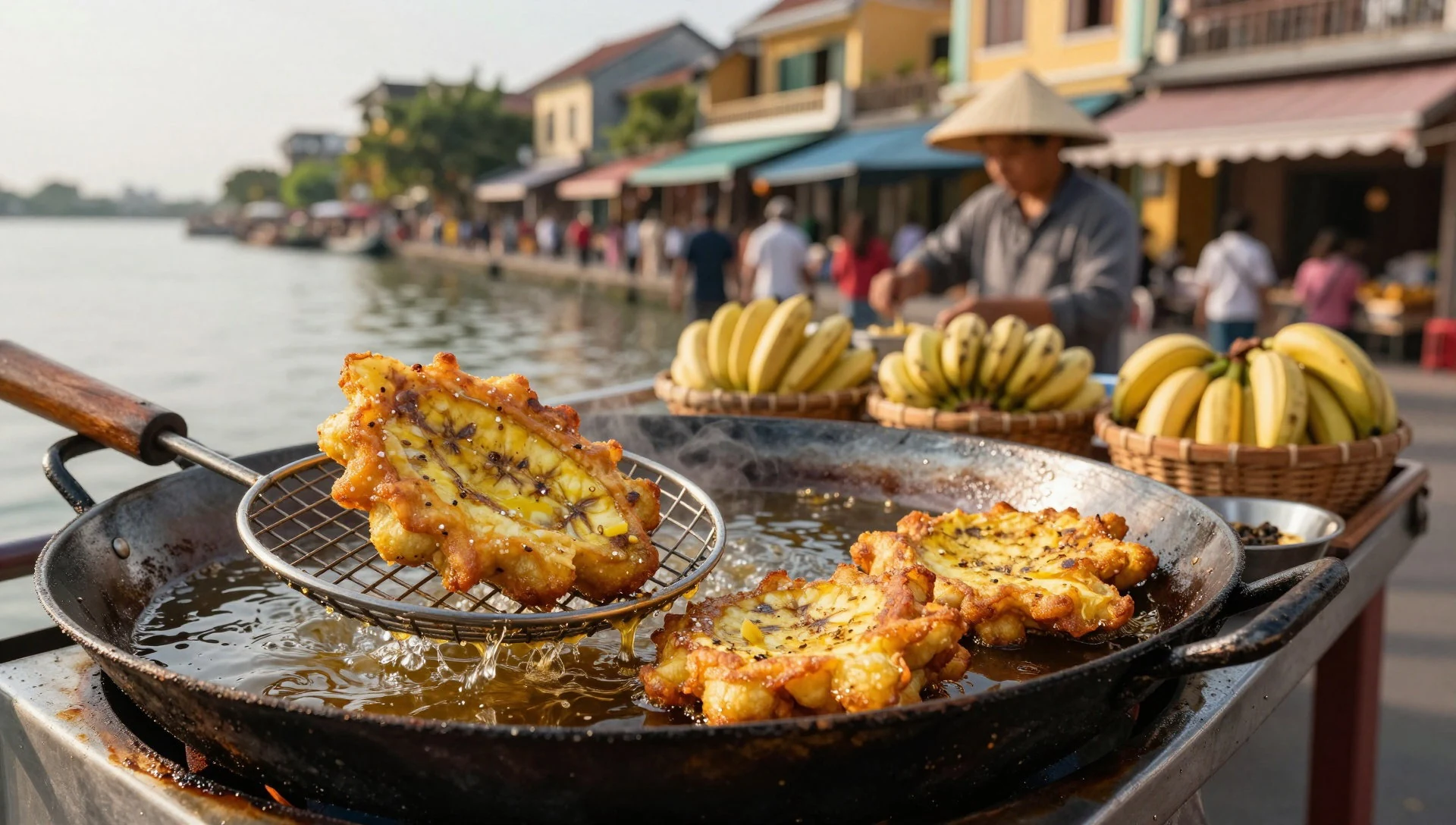
- Thiên Bảo Quán — Northern residential area
An unpretentious neighbourhood eatery known for serving authentic and inexpensive Bánh Xèo, the crispy turmeric rice flour pancakes stuffed with pork, prawns, and bean sprouts. - Cao lầu Không Gian Xanh — Ancient Town edge
A local dining spot specialising in Hội An's signature thick rice noodles served with sliced pork, crisp herb greens, and a savoury broth infused with local well water.
Plan it
Best time. February to April offers the dry season's mildest weather and lowest rainfall, with February the driest month; avoid the heavy monsoon rains from September to December, when October is wettest.
How long. 2–3
Getting there. Fly into Da Nang International Airport, then take a taxi or shuttle bus south along the coast for about 30 kilometres.
Budget. mid
Tips
- Explore the historic town early in the morning before crowds and midday heat arrive
- Agree on a fixed taxi fare before departing Da Nang airport
- Carry cash for small temple donations and market purchases
- Keep rain gear handy if travelling during the shoulder months
Etiquette
- Remove your shoes before stepping inside temples and ancestral homes
- Cover your shoulders and knees when visiting sacred spaces
Nearby
Sources
- Wikidata Q36160 (CC0)
- Wikipedia (CC-BY-SA 4.0)
- Wikivoyage (CC-BY-SA 4.0)