Chi Phat
Chi Phat, Cambodia
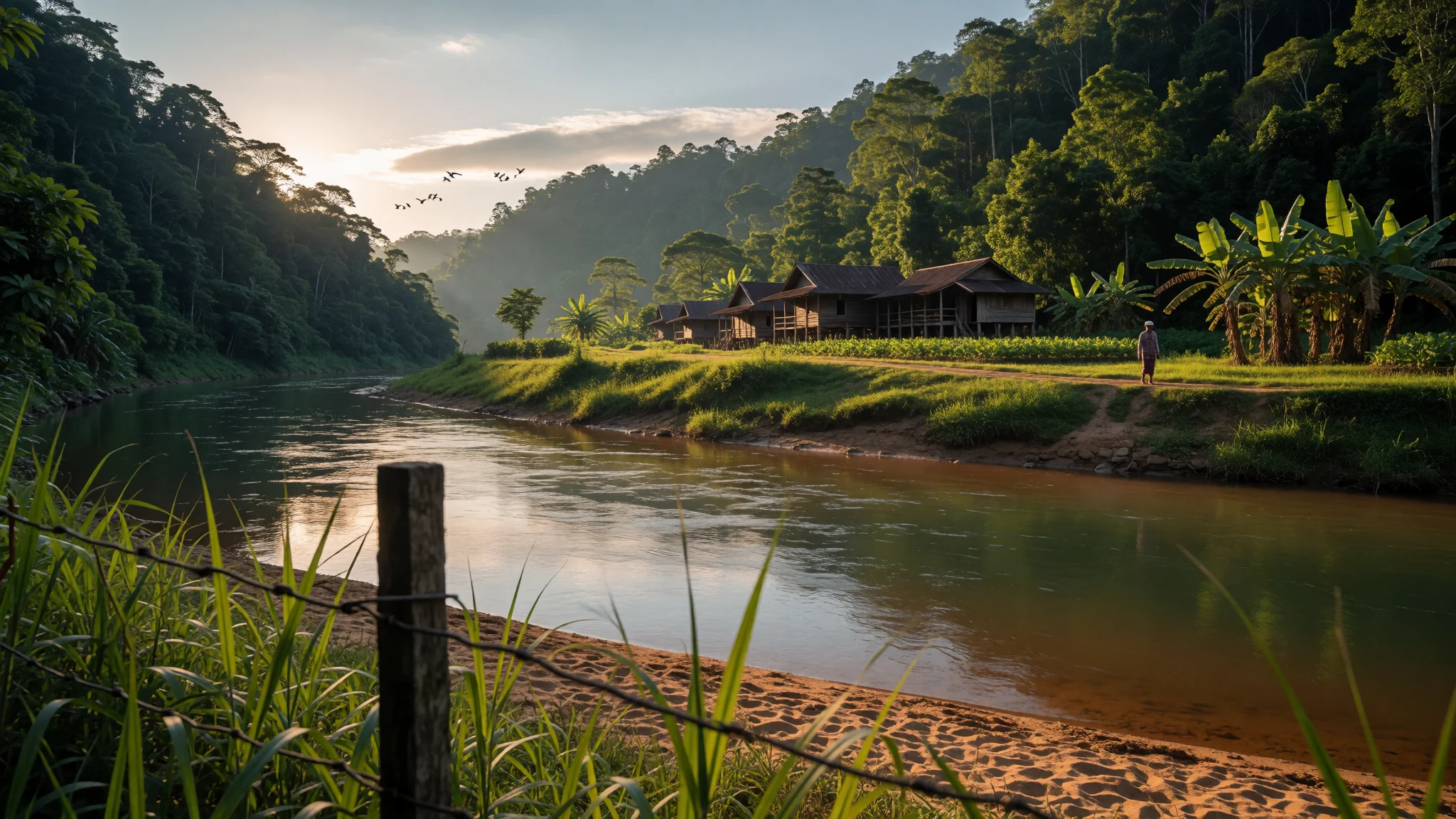
Chi Phat is a Cardamom Mountains village where river boats, forest treks and homestays put tourism income straight into local hands.
The place
Chi Phat is a commune in Koh Kong Province, in south-west Cambodia, set beside the Stung Phipot river among the southern Cardamom Mountains. It is made up of four villages: Chi Phat itself, Komlot, Chom Sla and T'k La'o. Most households have traditionally lived from farming and fishing, and a growing share now earn something from visitors. Nothing here feels like a town. Houses are low and mostly wooden, lanes are dirt, bicycles and motorbikes outnumber cars, and the forest begins a short walk past the last garden. Around the commune the Cardamoms run from high ridges down towards estuaries and mangroves near the coast. The range shelters wildlife that includes Siamese crocodiles and elephants, although a casual visitor should expect birdsong, insects and tracks rather than big animals. Reaching Chi Phat is part of the experience. Buses stop at Andoung Teuk village on the main highway, and the last stretch is a boat trip upriver past mangroves and forested slopes. Once in the village, beds are arranged through the community tourism office, which offers homestays, guesthouses and eco-lodges on a rotating basis so that income is shared between families. Facilities are modest, evenings are quiet and early to bed is the norm. The place suits people who like physical activity, simple food and unhurried conversation, and it is a poor fit for anyone wanting nightlife, polish or a fixed schedule.
Its story
Chi Phat's recent story is about a community choosing a different living from the forest around it. For years, pressure on the Cardamom Mountains came from hunting and the harvesting of wildlife and timber, and people in villages such as this had few other ways to earn. The conservation group Wildlife Alliance worked with residents to build a community-based ecotourism project, usually shortened to CBET, offering technical and financial backing while local people took the running of it into their own hands. The idea was practical rather than sentimental. If a standing forest brings in more money than a cleared one, and if that money reaches ordinary households, protecting it makes sense to the people who live closest to it. Former hunters and others from the commune became guides, boat drivers, cooks, homestay hosts and trail workers. Fees are paid through the central office and passed on to the community, with accommodation allocated in turn so no single family dominates. Ecotourism has drawn both foreign travellers and Cambodian visitors. It is not a finished success story. Visitor numbers swing with the seasons, the village depends on a fragile supply chain of boats and bus connections, and the forest still faces threats beyond the commune's control. Even so, Chi Phat is often cited as a working example of how a rural community can turn conservation into a livelihood.
What to see
- O'Mallu Waterfalls — Forest tracks outside Chi Phat
O'Mallu Waterfalls are a day's outing from Chi Phat, reached on foot or by bike along forest tracks. The reward is a cool pool and a break from the heat. Flow depends on the season, so the cascade is fuller after rain and thinner in the dry months. A local guide helps with routes and safety.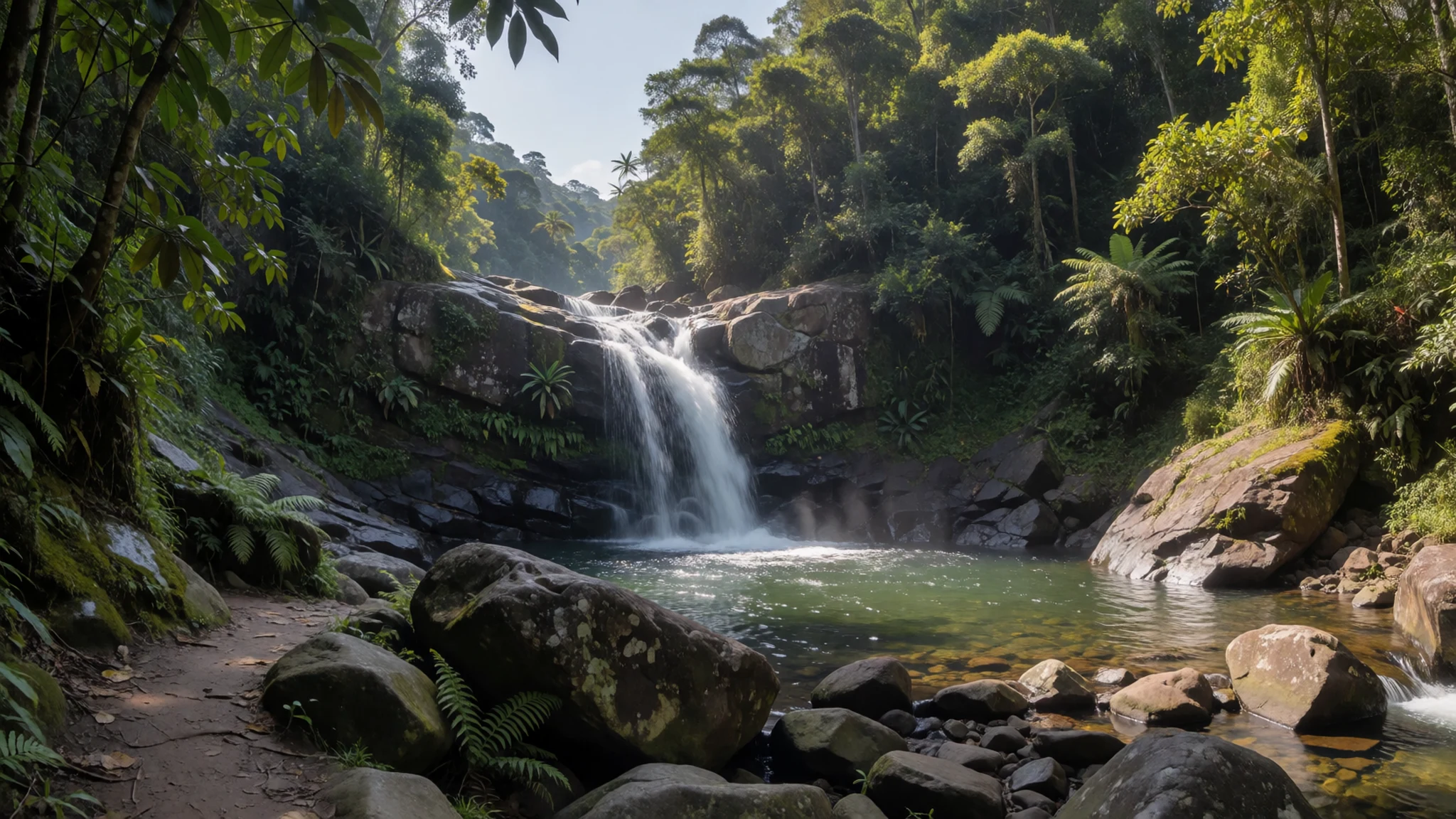
- Kayaking on the Stung Phipot — The river at Chi Phat
Paddling the Stung Phipot gives a slow view of the village from the water. Boats glide past fishing spots, riverbank gardens and forested hills, with kingfishers and other birds easy to spot in the early morning. Currents are gentle in the dry season, but guides and life jackets are still sensible.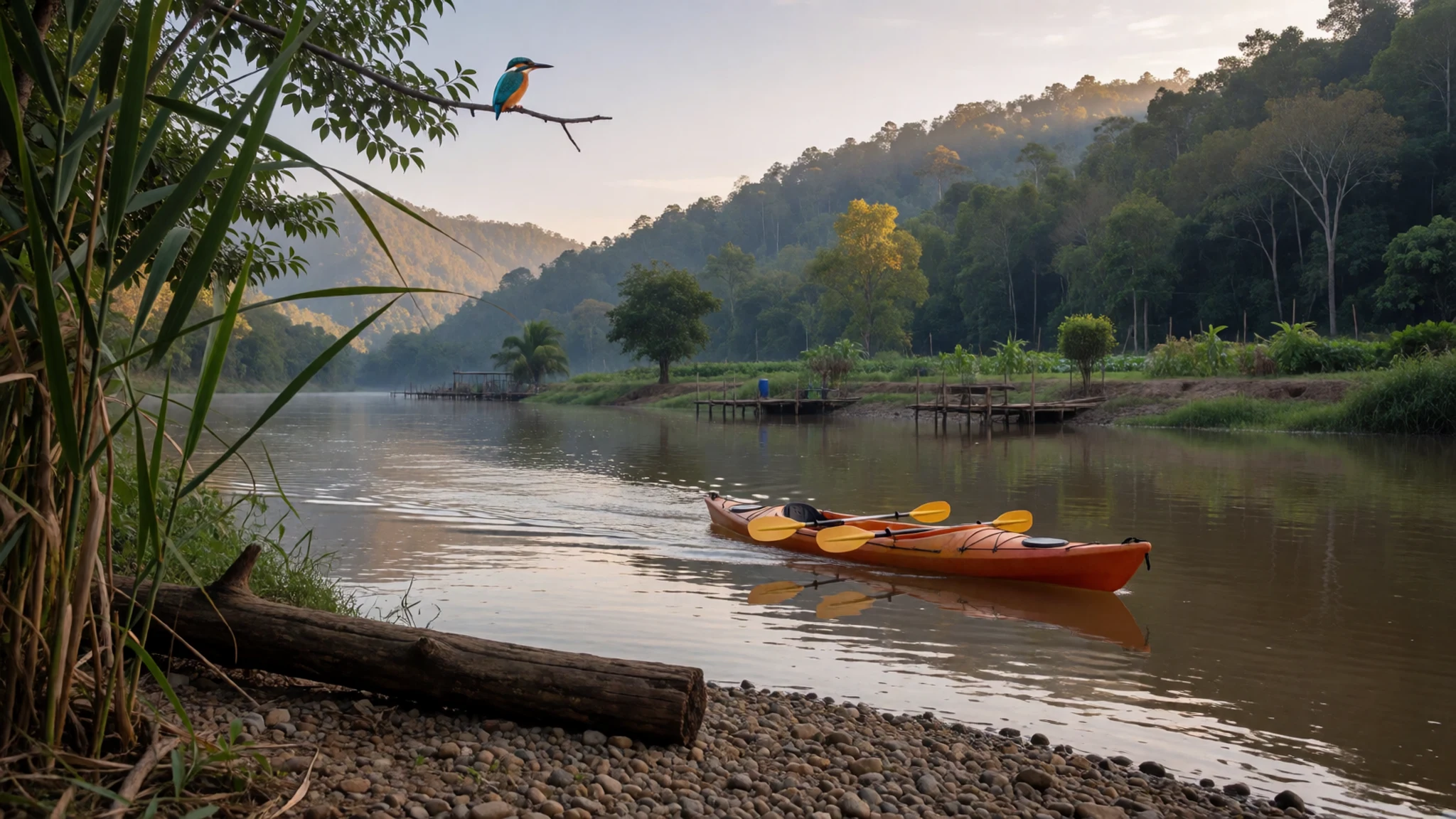
- Mountain biking in the forest — Tracks around the commune
Mountain biking is one of the main activities around Chi Phat, using old tracks that link villages, streams and forest edges. Rides range from gentle loops to hotter, harder climbs. Bikes and guides are arranged through the community office, and mornings are the cooler and more comfortable time to ride.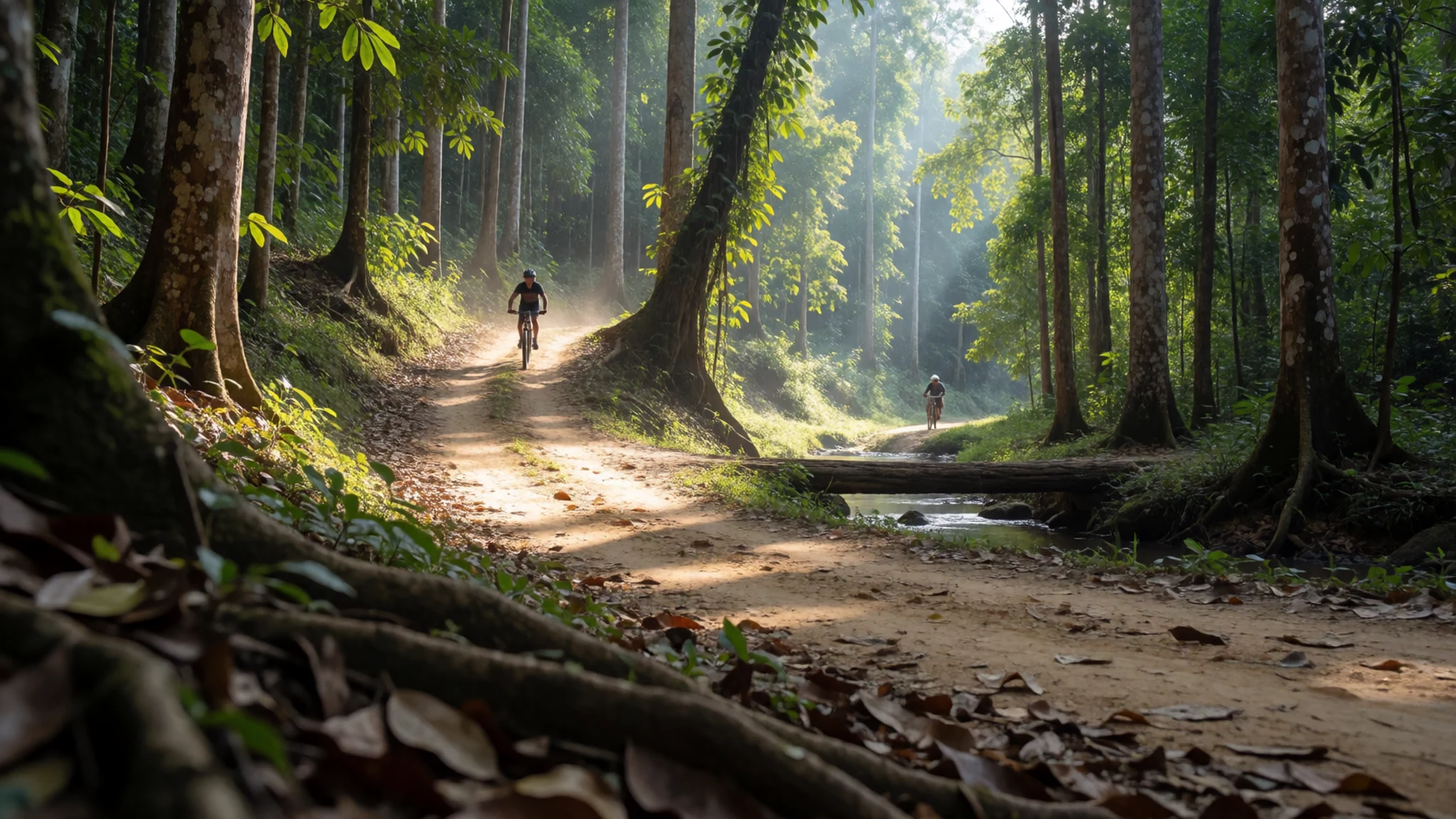
- Trekking in the Cardamom foothills — Forest trails above the village
Treks from Chi Phat range from short forest walks to overnight trips with a guide, hammocks and camp meals. The terrain is uneven, humid and often steep, and the reward is the sound and smell of real rainforest. Wet-season walks mean mud, leeches and swollen streams, so plan flexibly.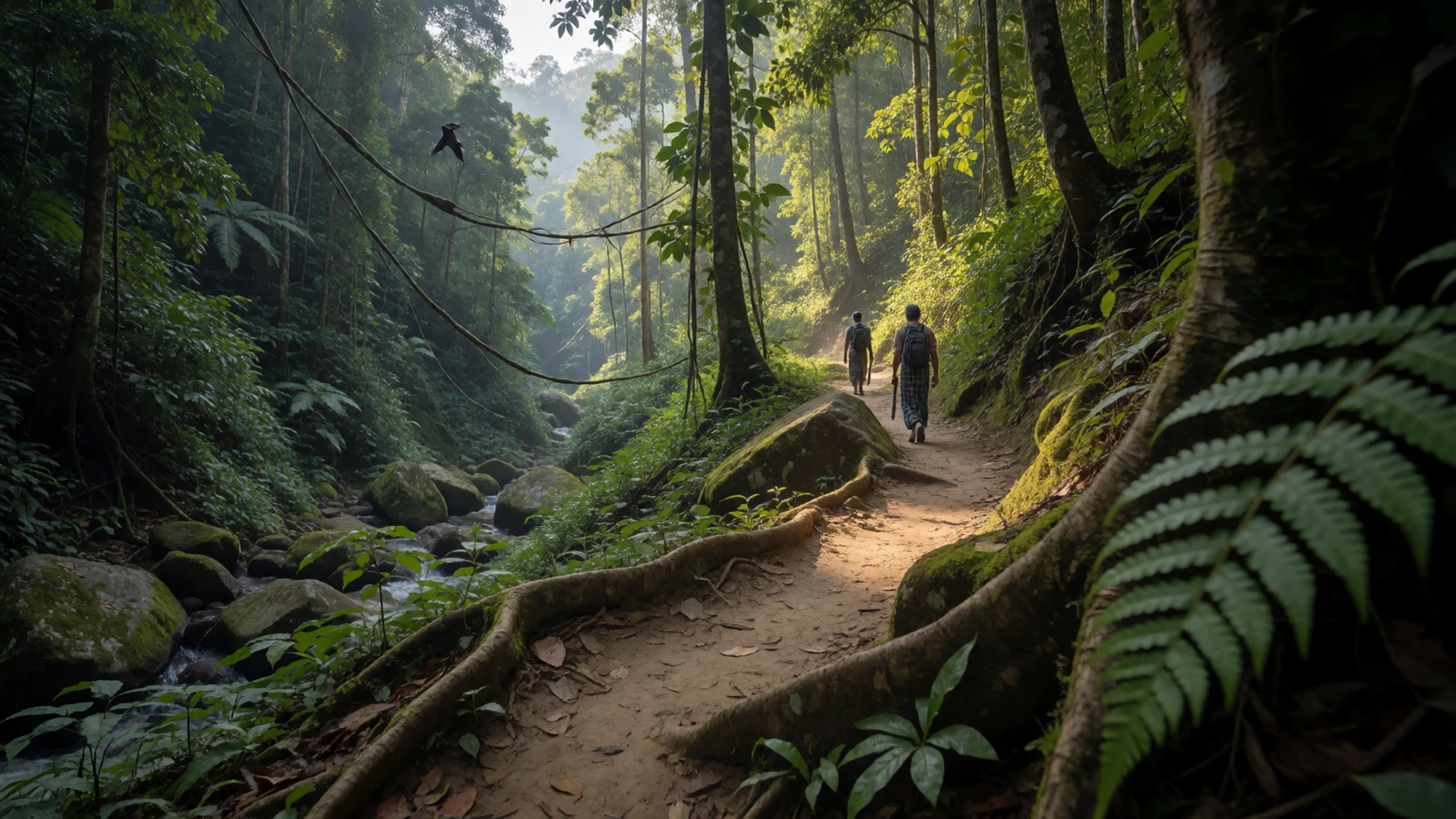
- The village and CBET office — Chi Phat village centre
A wander through Chi Phat itself is worth an hour. The community tourism office is the hub for bookings, advice and conversation with the people running the scheme. Nearby are small shops, homestays, and riverside spots where evenings are spent watching fishing boats, children playing and lamps coming on.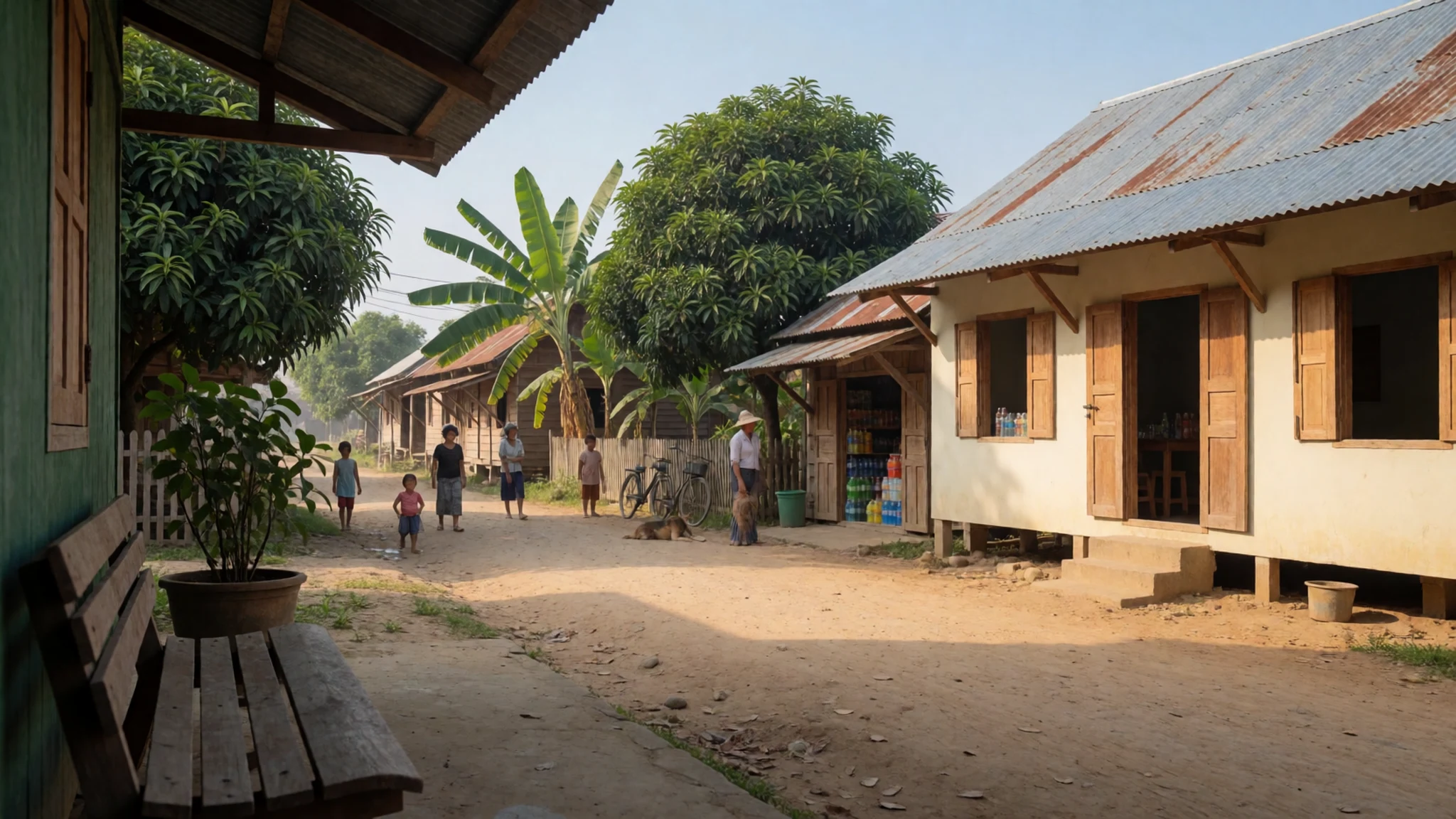
Culture
Chi Phat is a Khmer farming and fishing community, and daily life follows the rhythm of rice, river and weather rather than tourism. Families are close-knit, meals are shared, and the homestay system means that visitors often sit in a private home, eat with a household and hear local stories directly. Buddhism shapes the calendar and the moral tone, with monks, temple ceremonies and offerings forming part of ordinary life, even in a small forest village. The Khmer language is spoken throughout, and a few polite phrases and a smile go a long way. The community also carries a particular history with the forest. Many residents have a direct memory of hunting or timber work, and some now work as guides or rangers, so conversations about wildlife often come with personal weight. Staff at the CBET office speak openly about what the project has changed, and listening is usually better received than debating. Hospitality is warm but unhurried; schedules shift with rain, boat availability and family commitments, and patience is read as respect. Cambodians generally value a calm, courteous tone, and raised voices or visible irritation make everyone uncomfortable. Remove your shoes before stepping into a home or homestay room, and ask before photographing anyone, especially monks, children and people at work.
What to wear
Chi Phat's traditional dress is the Khmer village wardrobe found across rural Cambodia. The krama, a light cotton scarf usually woven in checks, is the classic item: worn on the head against the sun, around the neck, as a sling, a towel or a bag. The sampot is a length of cloth wrapped around the waist and legs, made in cotton for daily use or in silk, sometimes patterned, for temple days, weddings and festivals. Cambodian silk weaving is a respected craft, though it is more associated with other provinces than with this commune. In everyday life, people in Chi Phat wear practical modern clothes: loose shirts, long trousers or sarongs, rubber sandals or boots, and a krama over the shoulders or around the head. Work clothes are chosen for sun, mud and insects. Visitors should do the same. Pack light, quick-drying long sleeves and trousers for forest walks, which protect against bites, scratches and leeches in the wetter months. Bring a hat, sunglasses and sturdy closed shoes or trail runners for treks, plus sandals for the village and river. Swimwear is fine at waterfalls and pools, but cover up with a sarong or shirt when walking back through the village. If you visit a pagoda, cover shoulders and knees. A krama bought locally is useful and makes a good keepsake.
What to eat
- Fish amok — Homestay dinners and village eateries
A mild, coconut-rich fish curry steamed in a banana-leaf or similar parcel, fragrant with lemongrass and kroeung paste. In Chi Phat it appears on many homestay menus, often made with local river fish, and tastes best soft and warm.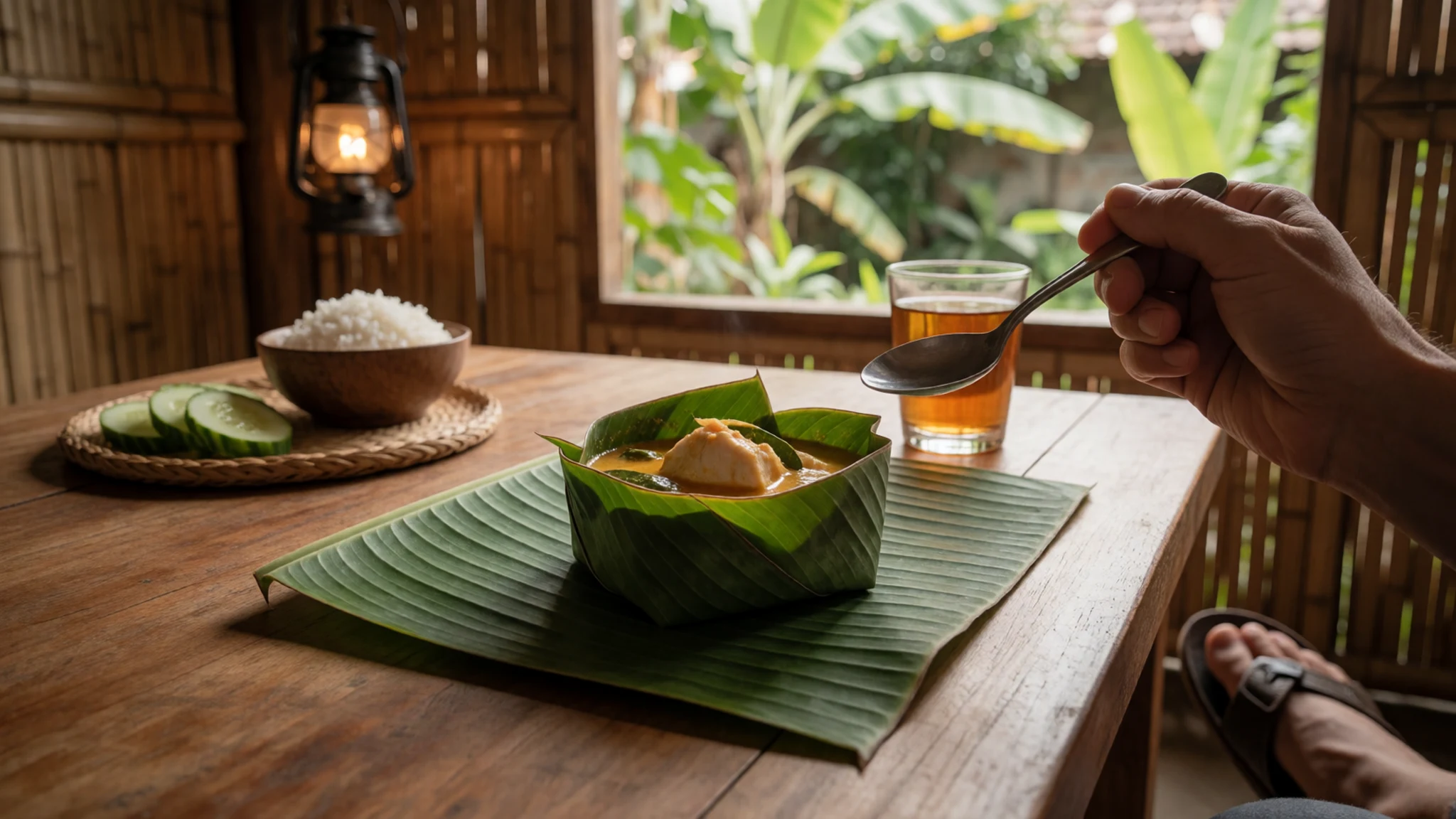
- Grilled river fish — Riverside village eateries and homestays
Fish from the Stung Phipot, grilled whole over charcoal and served with herbs, rice and a sharp dipping sauce. Freshness is the appeal, and portions are shared. It is a good way to taste what the river actually provides.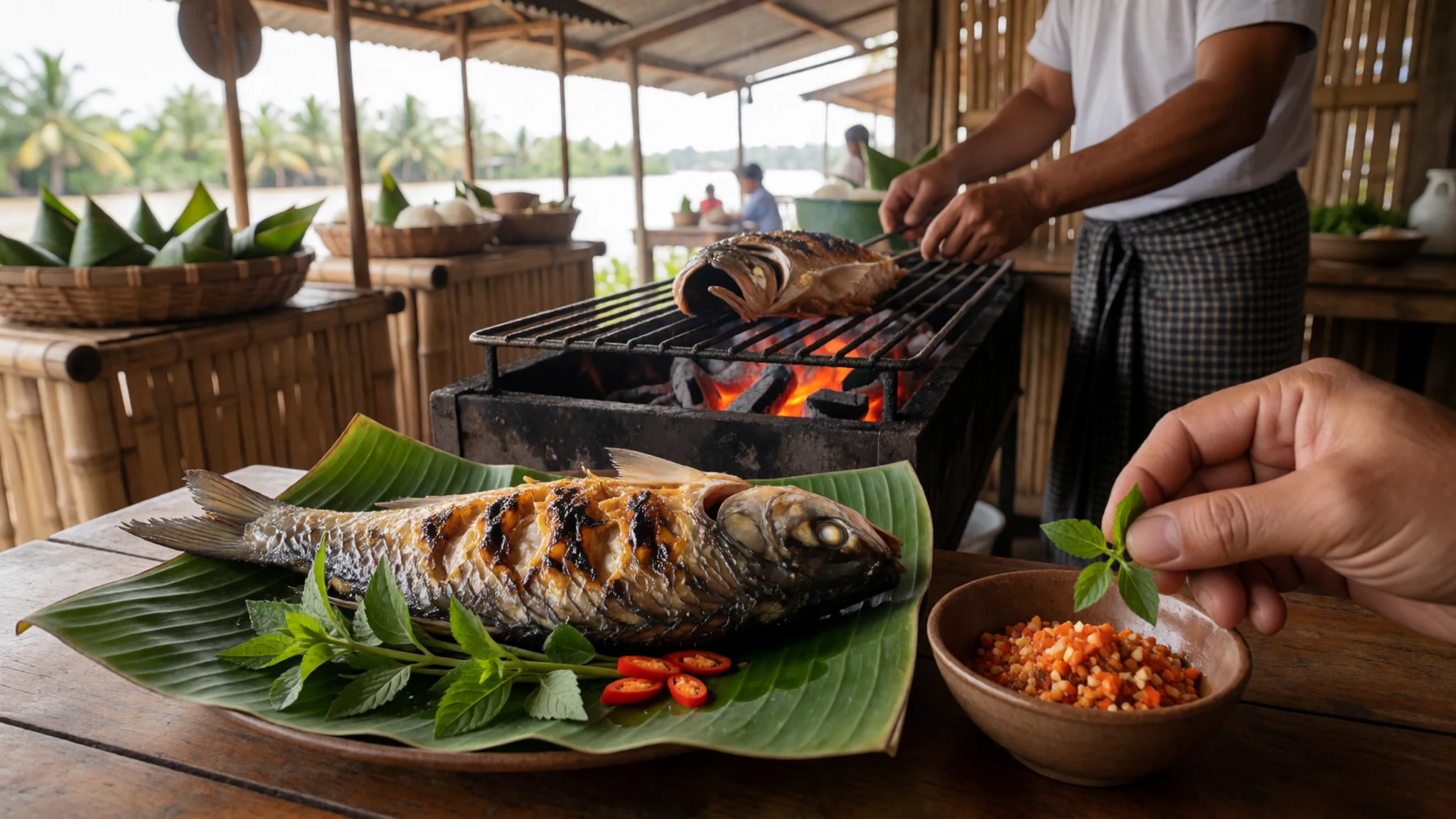
- Lok lak — Guesthouse and homestay kitchens
Stir-fried beef, usually cubed and served on lettuce, tomato and onion with a lime, salt and pepper dip. It is a Cambodian standard that travellers often like, and village cooks make it with a home-style, slightly smoky character. - Num banh chok — Morning stalls in the village
Fresh rice noodles topped with a green fish-based curry and a pile of raw vegetables and herbs. It is a traditional breakfast across Cambodia, light and sharp rather than heavy, and a good start before a morning ride or trek. - Bai sach chrouk — Early-morning food stalls near the village centre
Grilled pork over rice, often with pickled vegetables and a bowl of clear broth. It is simple Khmer breakfast food, sold early and often finished by mid-morning, so it rewards an early start.
Plan it
Best time. November to February is the most comfortable window, with drier tracks, lower humidity and easier river travel. March and April get very hot. The wet season, roughly May to October, brings mud, leeches and swollen streams, but also green forest and fewer visitors.
How long. 2–3
Getting there. Fly to Phnom Penh or travel to Sihanoukville or Koh Kong town, then take a bus along the main highway to Andoung Teuk village and ask the driver to drop you there. The last leg is a boat upriver to Chi Phat through mangroves and forested hills. Check bus times locally, as they change.
Budget. low
Tips
- Book accommodation and activities through the community tourism office, and contact it ahead if you can
- Bring enough cash, as card facilities and cash machines should not be assumed in the village
- Start rides and treks early to avoid the midday heat
- Carry insect repellent, a refillable water bottle and a light rain layer
- Ask the driver to stop at Andoung Teuk, since missing it is an easy and costly mistake
Etiquette
- Remove shoes before entering homes and homestay rooms
- Ask permission before photographing people
- Follow your guide's instructions in the forest and never take plants or wildlife
Nearby
Sources
- Wikidata Q5095011 (CC0)
- Wikipedia: Chi-Phat (rev 1329275478) (CC BY-SA 4.0)
- Wikivoyage: Chi Phat (rev 5229770) (CC BY-SA 4.0)
Wildlife
- Siamese crocodile (animal)
The Siamese crocodile is a middle-sized crocodile that lives in fresh water rather than the sea, and it is very close to vanishing for good. Cambodia is one of several countries it calls home. The forested hills around Chi Phat give it shelter, yet sightings are rare, so treat any glimpse as a gift. Go with a local guide, keep well back, stay quiet, and never offer it food.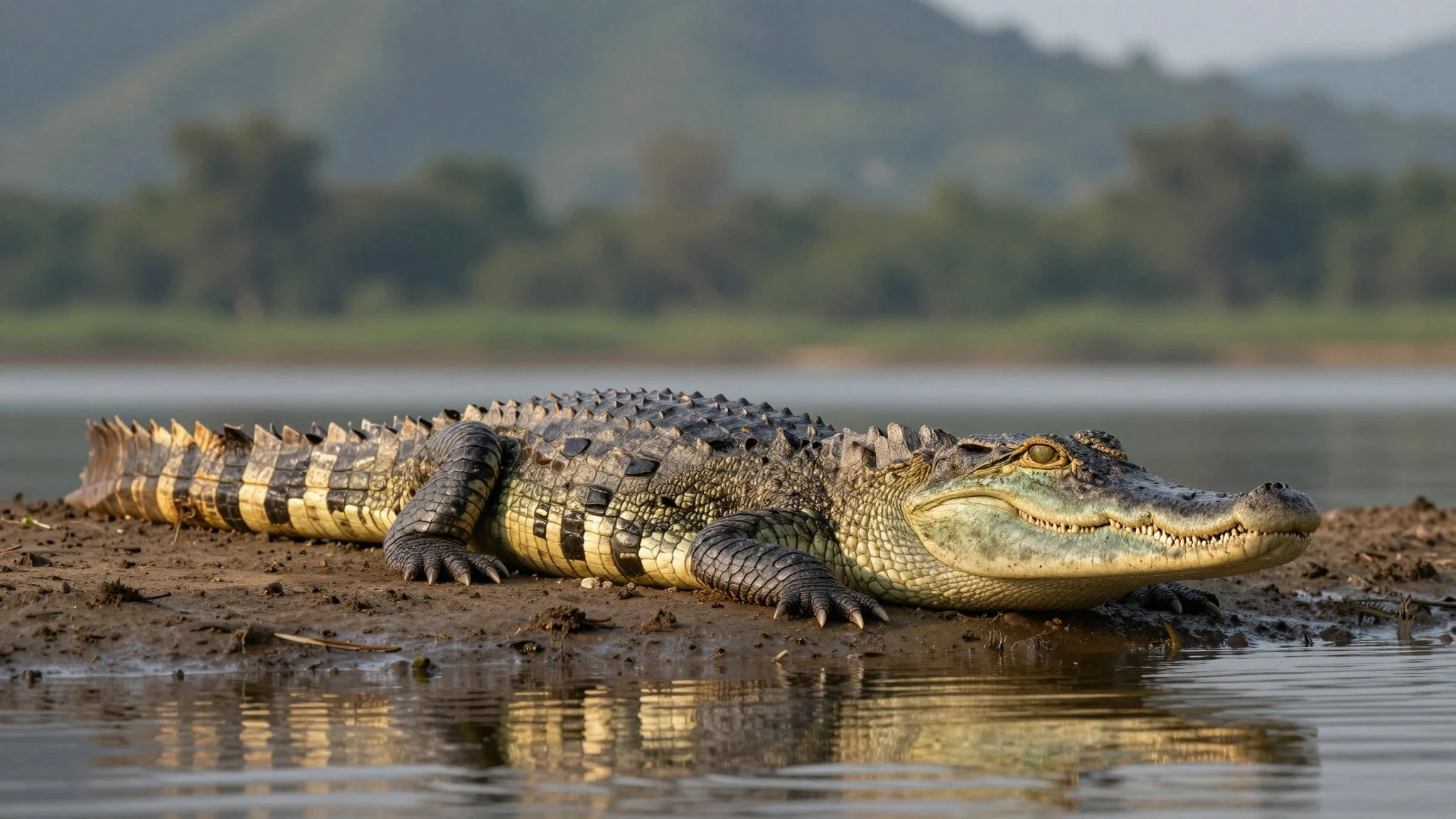
- Asian elephant (animal)
The Asian elephant is the biggest land animal on its continent, with a long trunk, wrinkled grey skin and broad folded ears. It is clever, and can show greeting and grief. In the forested hills near Chi Phat it is a rarity; a casual visitor is far likelier to find footprints than a living giant, so do not count on a meeting. If you find signs, stay back, speak softly, follow your guide, and never feed it.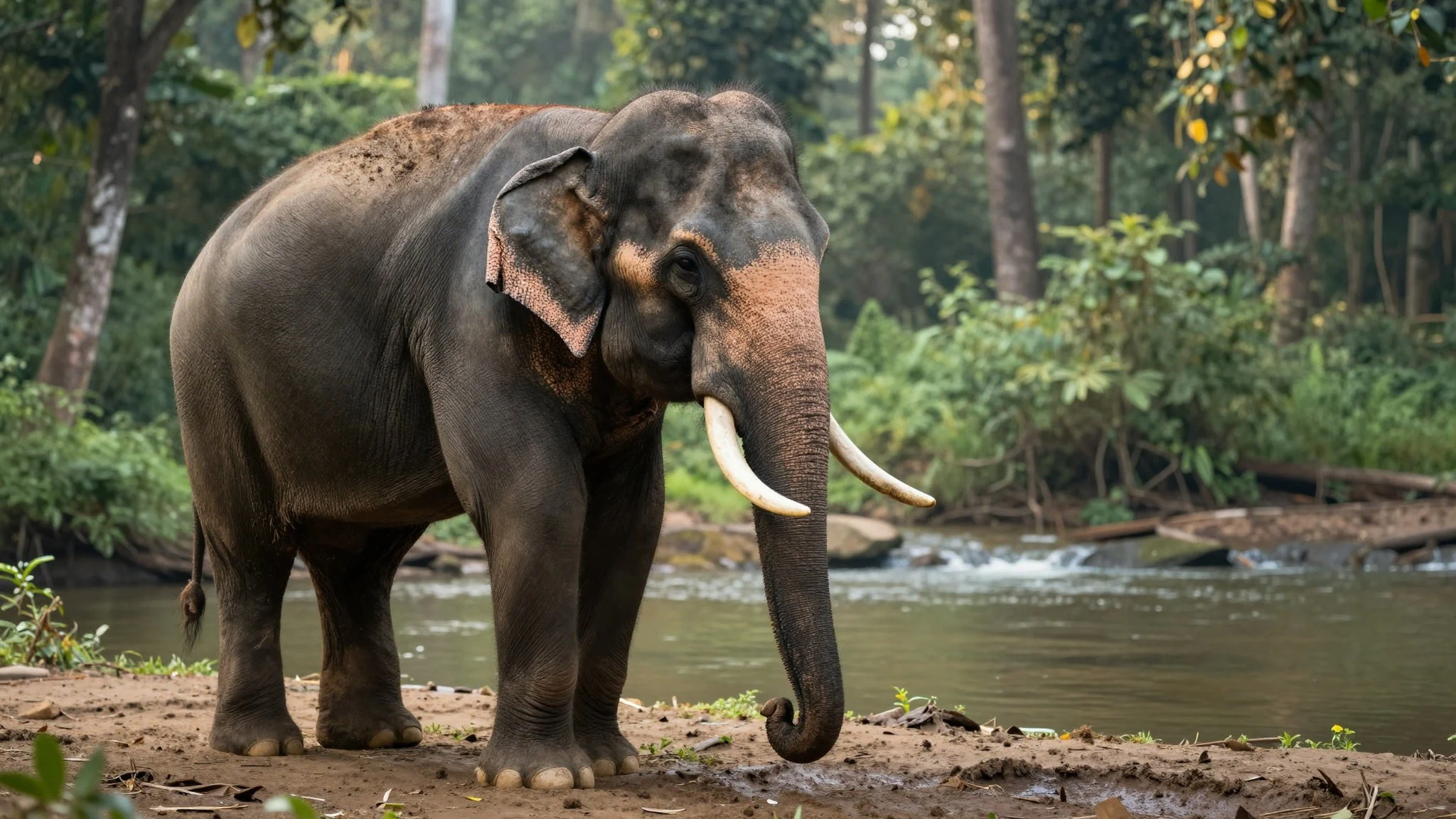
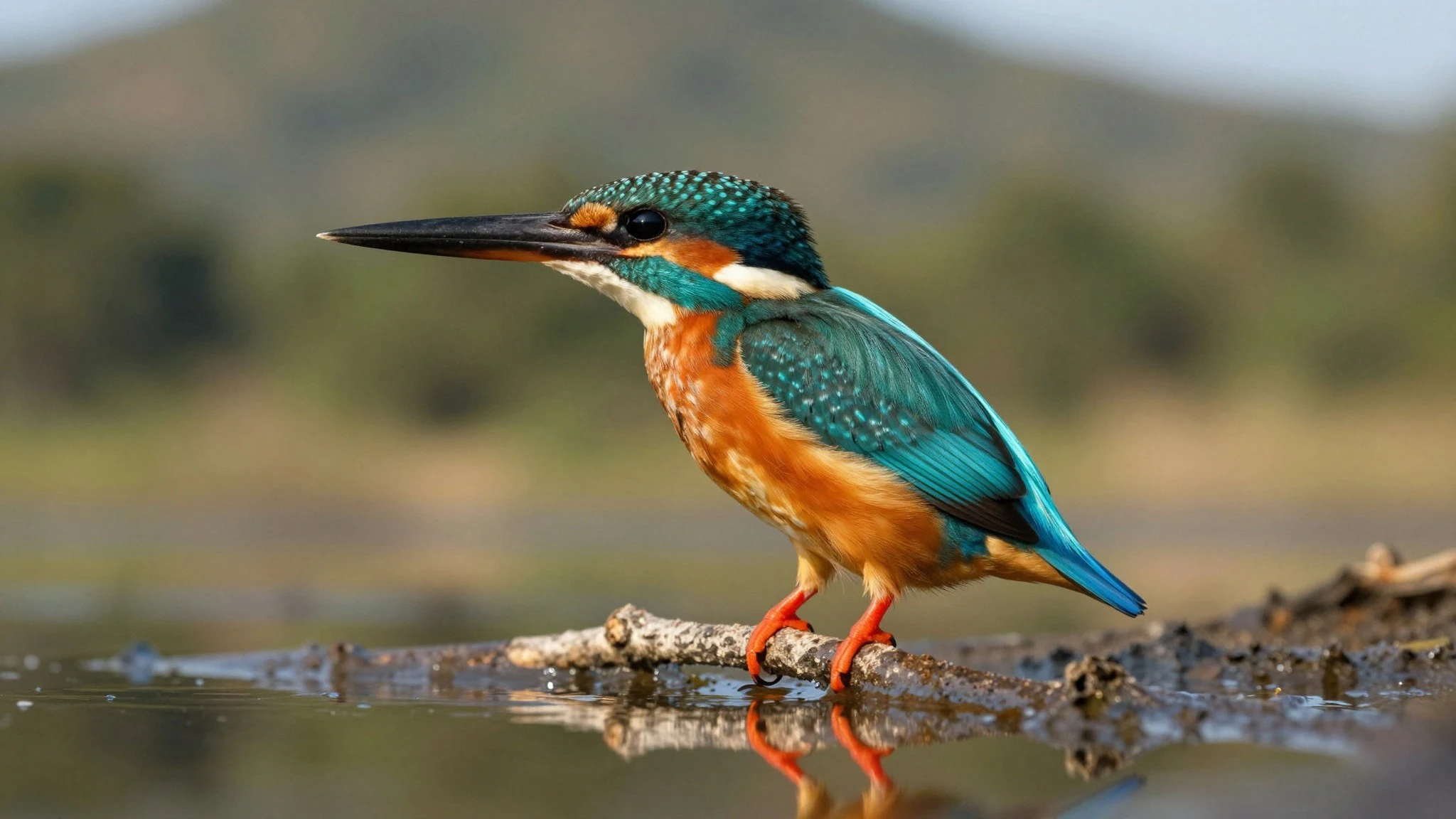
- Common kingfisher (bird)
The common kingfisher is a small river bird, and it is easy to remember as the little fisher of the water. Around Chi Phat, early morning is the best time to spot one from a boat drifting along the river, where people fish and gardens meet the bank. Sit still, keep your voice low, and let your guide steer slowly, never too close. Never throw it food.