Bangkok
Bangkok, Thailand
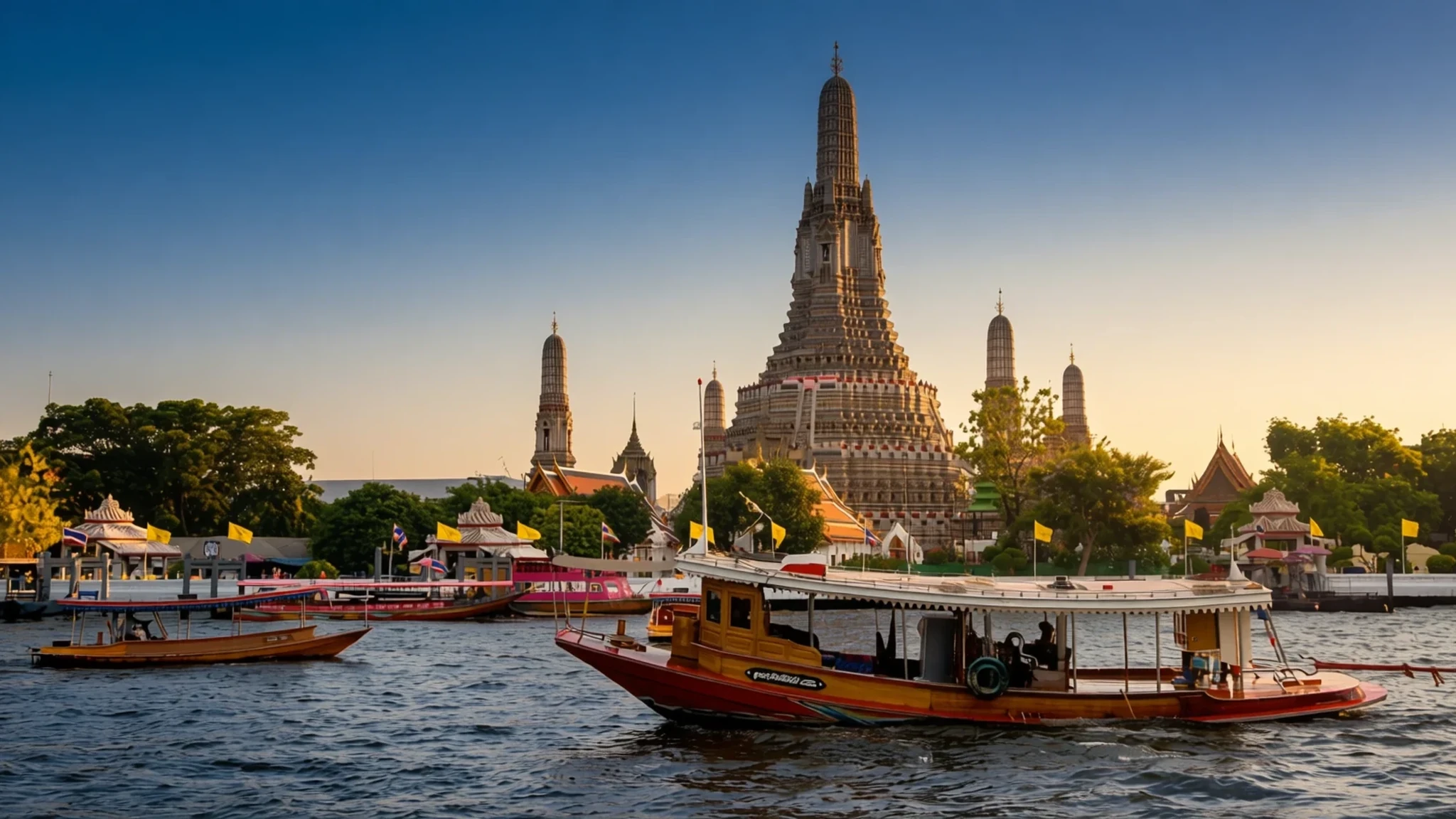
Bangkok marries ancient temple complexes and royal palaces with modern mega-malls, river life and dynamic street cuisine.
The place
Bangkok spreads across the low-lying delta of the Chao Phraya River in central Thailand, anchored by a network of canals and modern transit lines. Locally called Krung Thep, the metropolis serves as the nation's primary economic and cultural engine, drawing millions of residents into its sprawling urban expanse. The city's geography is defined by water; rivers and waterways have shaped its movement, trade and settlement patterns for centuries. Today, gleaming skyscrapers tower above historic neighbourhoods, creating a stark visual dialogue between contemporary ambition and deep-rooted heritage. The climate is warm year-round, marked by distinct wet and dry seasons that influence daily rhythms across the municipal area. Visitors navigating the streets encounter an energetic atmosphere where modern air-conditioned malls sit just steps from open-air markets and centuries-old shrines. Public life spills outward onto pavements lined with hawkers, creating an environment that is intensely sensory, layered with fragrant cooking aromas, engine hums and the chime of temple bells.
Its story
Bangkok began as a modest riverbank village under Ayutthaya rule before evolving into a fortified customs outpost controlling maritime access. Following the fall of Ayutthaya, King Taksin established a short-lived capital at Thonburi on the western bank of the river. In 1782, King Phutthayotfa Chulalok shifted the seat of power across the water to Rattanakosin Island, erecting the City Pillar to mark the formal foundation of the new royal seat. Throughout the nineteenth century, the court engaged in extensive modernization programmes to resist Western colonial pressures, laying down infrastructure and administrative frameworks that reshaped the urban core. The twentieth century brought sweeping political transformation as absolute monarchy gave way to constitutional rule through a series of dramatic coups and public uprisings. Through every era of monarchical shift and democratic struggle, Bangkok remained the undisputed focal point of the nation's destiny, absorbing rural migrants and international influences to forge a distinct identity that honours its royal origins while continuously reinventing its urban fabric.
What to see
- Bangkok Biking — Various districts
Guided bicycle journeys that take small groups away from heavy vehicle traffic and deep into residential alleyways, local communities and green spaces. These excursions offer participants an intimate perspective on daily neighbourhood life, backstreet architecture and quiet residential canals that most typical travellers miss entirely during their stay in the capital.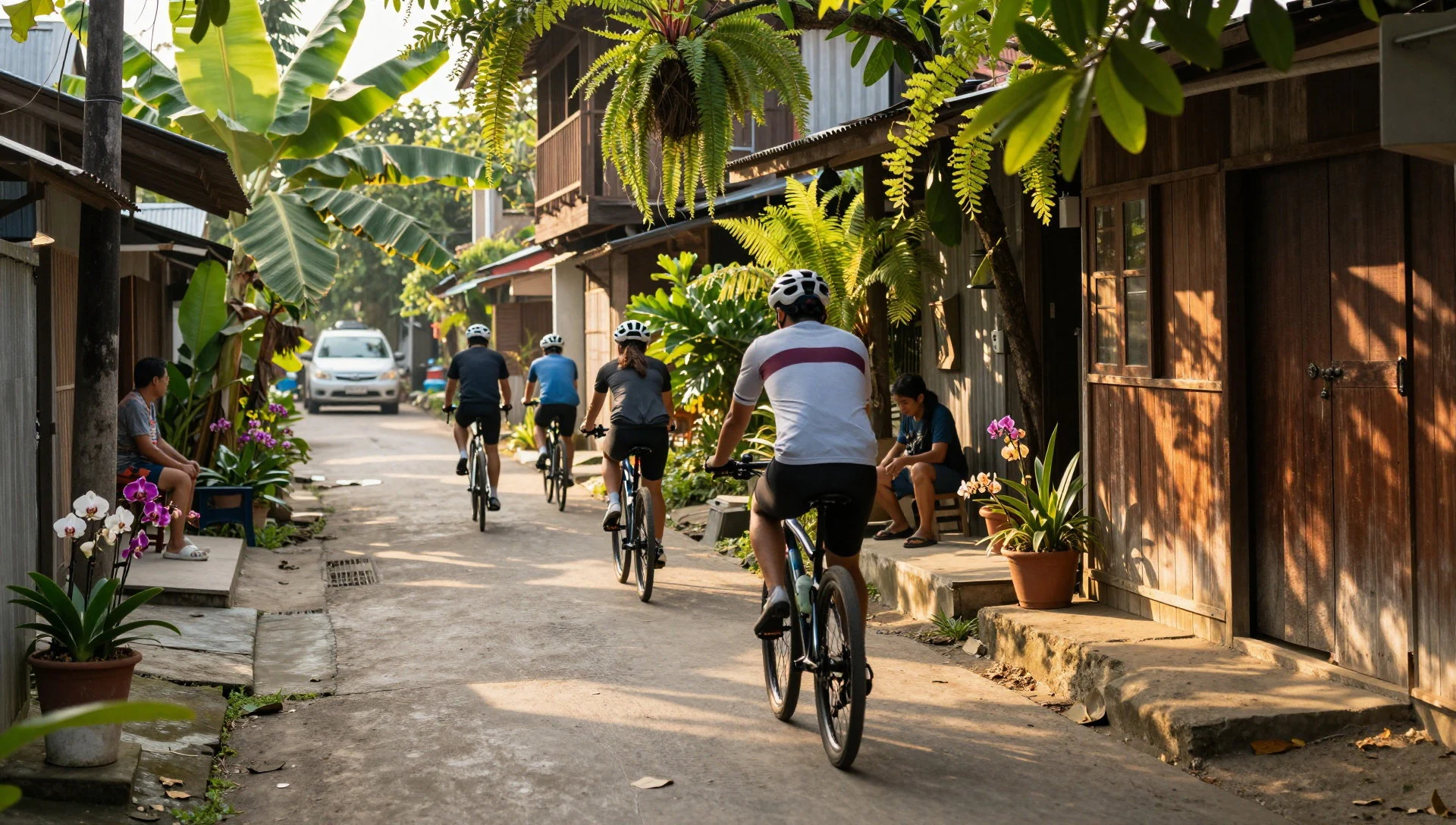
- Co van Kessel — Central Bangkok
Established bicycle tours winding through Chinatown, the narrow waterways of Thonburi, and patches of untouched urban greenery known locally as the green lung. Experienced guides lead small pelotons across wooden footbridges, past hidden temple courtyards and along sleepy canal paths to reveal the traditional waterways and lesser-known communities of the sprawling metropolis.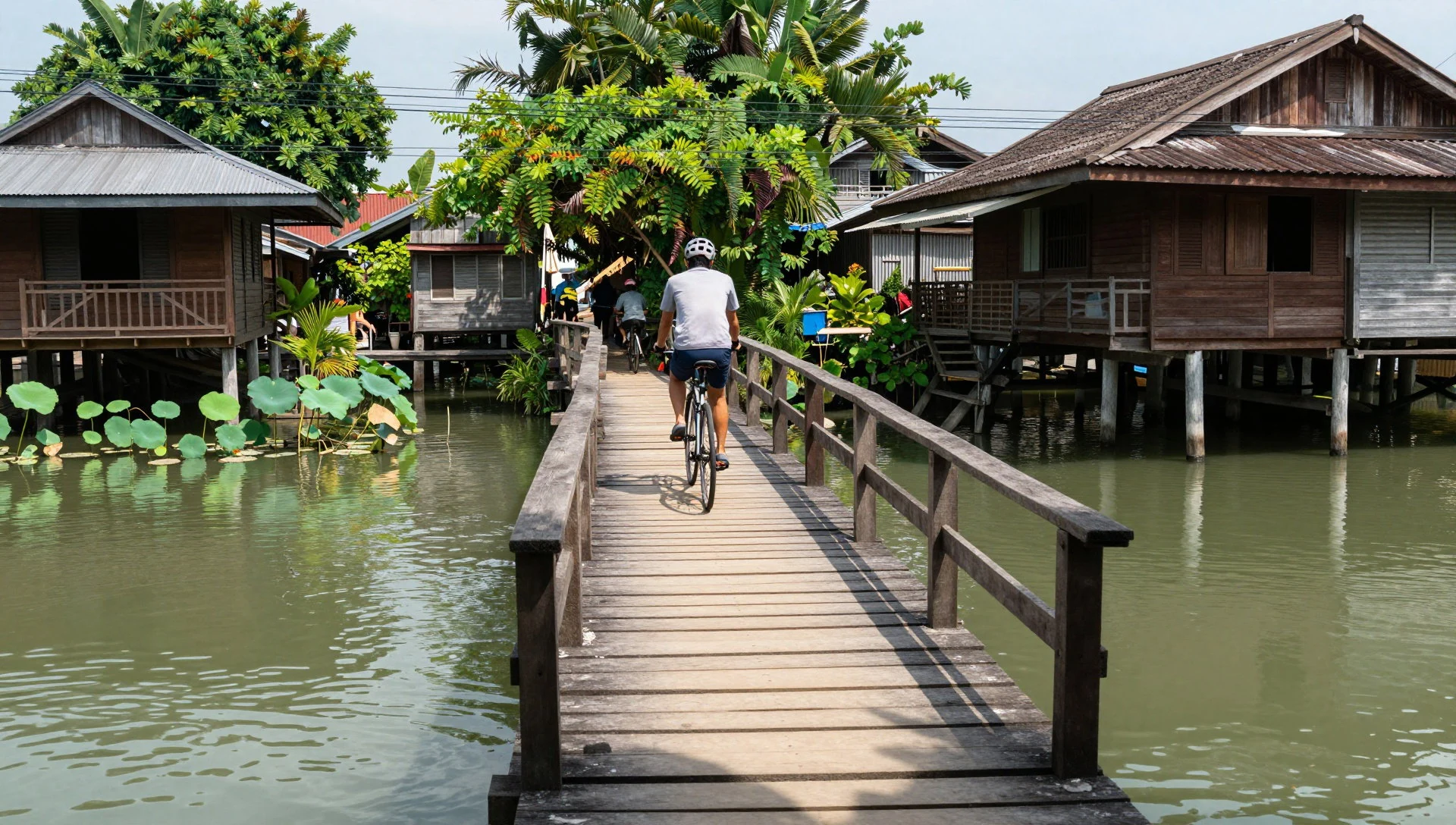
- Follow Me Bicycle Tours — Residential districts
Half-day cycling itineraries traversing quiet residential lanes and local markets across the urban core. The journey includes unique roadside stops, a relaxing foot spa experience, and a hearty barbecue meal served at the end of the ride, making it an engaging and immersive outdoor activity for families and curious explorers alike.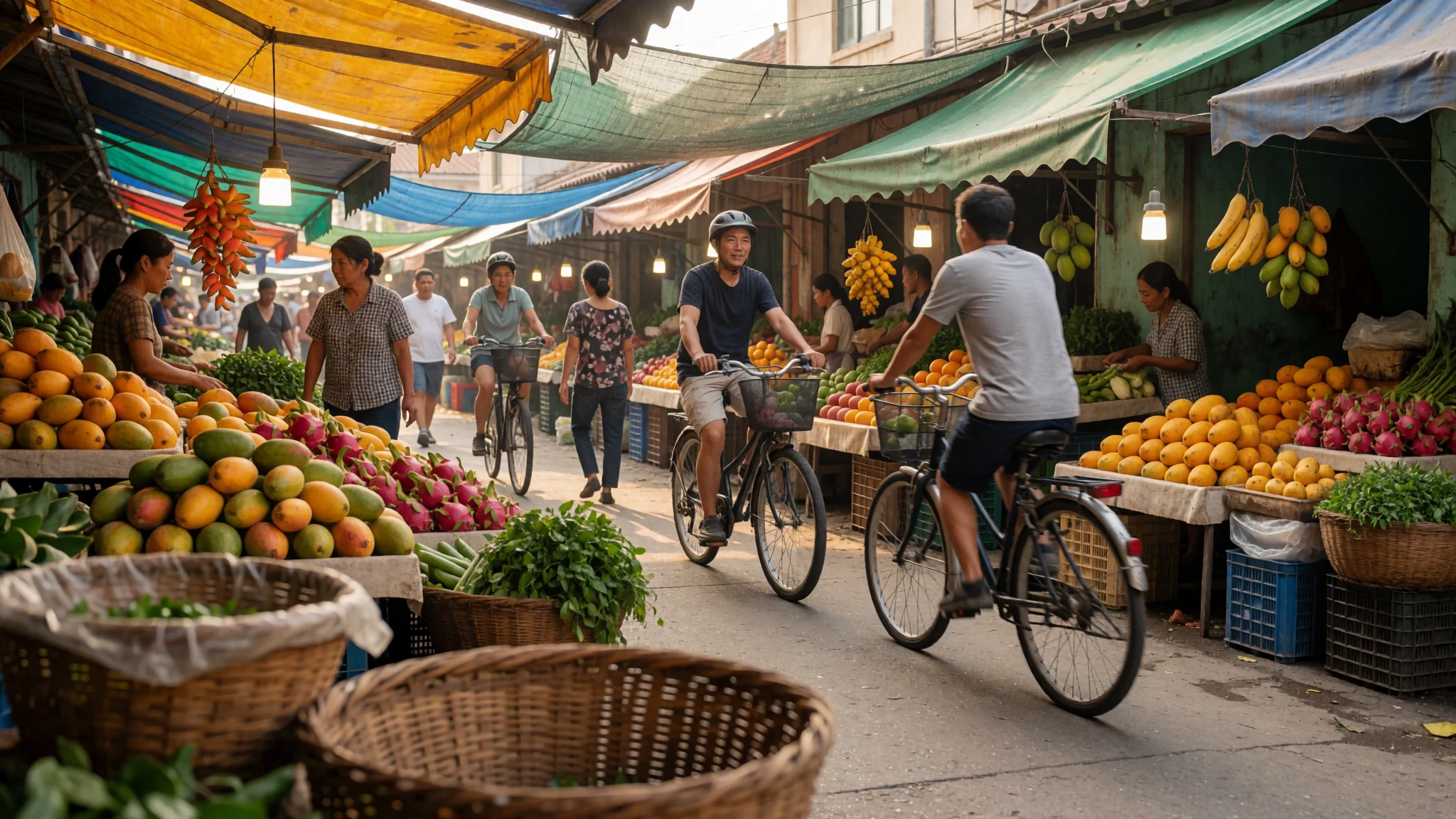
- Grasshopper Adventures — Rattanakosin
Pedal-powered excursions exploring the historic Rattanakosin district, suburban fringe neighbourhoods, and illuminated evening streets after dark. Led by knowledgeable guides, these rides provide a safe and structured way to experience the city's architectural landmarks, ancient shrines and lively night markets while avoiding the daytime heat and heavy traffic congestion.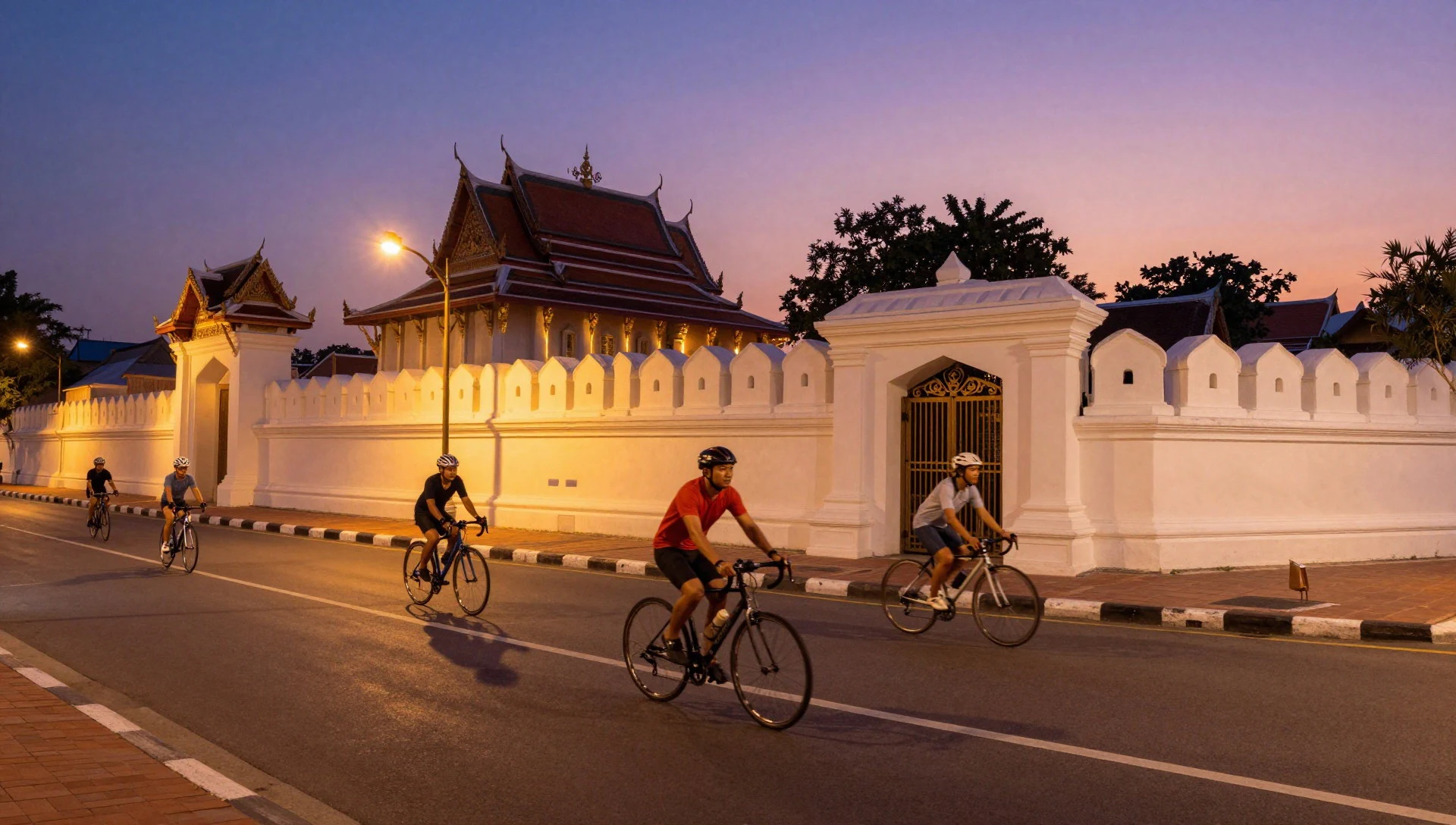
- SpiceRoads — Various routes
Comprehensive cycling adventures ranging from half-day urban explorations to multi-day expeditions in and around the capital. Routes wind through the dense foliage of the riverside green spaces, the pottery village of Ko Kret, the bustling gold shops of Yaowarat, and the historic canals of Thonburi, offering an active and memorable way to explore.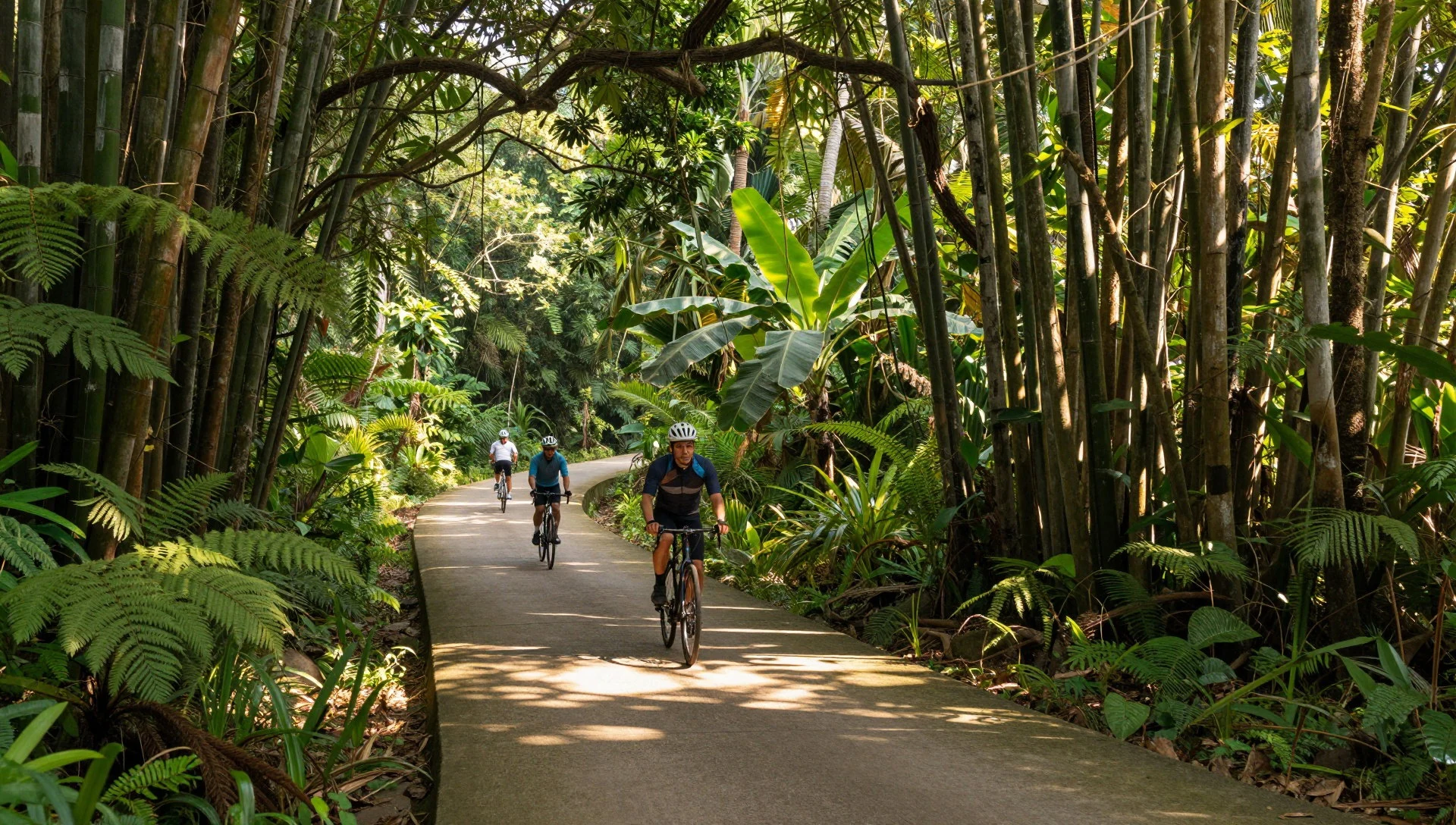
Culture
Bangkok's culture thrives on a dynamic synthesis of traditional values and modern consumerism, fueled by its status as the nation's financial heartland. Residents eagerly embrace global trends and material goods, displaying economic standing through conspicuous consumption in gleaming shopping precincts and air-conditioned malls. At the same time, spiritual life remains deeply ingrained, with daily offerings placed at household shrines and locals frequently visiting sacred temples to make merit. Street life is an essential pillar of urban identity, defined by the near-ubiquity of independent food hawkers and vendors who line sidewalks across every district. While municipal authorities regulate these roadside stalls across numerous authorized sites, informal trading remains a vibrant, chaotic fixture of everyday existence. Visitors navigating this energetic social landscape should dress modestly, covering shoulders and knees when entering religious sanctuaries, and always remove footwear before stepping inside a temple hall or traditional home.
What to wear
Fashion in Bangkok mirrors its position as a fast-paced cosmopolitan capital where traditional craftsmanship meets contemporary urban streetwear. While traditional Thai attire featuring fine silk and intricate weaves is largely reserved for royal ceremonies, weddings and official cultural festivals, everyday citizens embrace contemporary global styles, lightweight cottons and cutting-edge local designer labels suited to the tropical climate. Bangkok residents place a high value on personal presentation and neatness, frequently wearing tailored garments, smart casual wear, and trendy outfits for office life and weekend outings at modern shopping centres. For visitors exploring Bangkok, the essential dress code requires lightweight, breathable fabrics such as linen or cotton to cope with the persistent heat and humidity. When visiting temples, palaces and sacred sites, both men and women must ensure their shoulders and knees are fully covered out of respect for local religious customs. Slip-on shoes are particularly practical, as footwear must be removed frequently at temple thresholds and traditional establishments.
What to eat
- Chao Phraya Princess Dinner Cruise — River City pier
Large modern air-conditioned river vessels departing from River City pier, offering a generous buffet of local dishes and seafood while cruising past illuminated historic temples. - Loy Nava Dinner Cruise — Si Phraya pier
Intimate excursions aboard traditional 70-seater converted rice barges setting off from Si Phraya pier, serving classic Thai set menus accompanied by gentle traditional music. - Manohra Cruises — Marriott Resort pier
Restored antique wooden rice barges accommodating up to 40 diners, departing from the riverside resort pier to serve refined Thai culinary classics on the water. - Wan Fah Dinner Cruise — Chao Phraya River piers
Two-hour evening sailings on traditional wooden barges featuring set meals of approachable local flavours and seafood, complemented by live music and classical Thai dancing performances.
Plan it
Best time. November to February brings cooler, drier conditions ideal for exploring the city on foot or by bicycle; March through May is intensely hot, while the wet season brings afternoon downpours.
How long. 3–4
Getting there. Arrive at Suvarnabhumi Airport, where the Airport Rail Link commuter train or a taxi takes you into the central districts, or at Don Mueang Airport, where city buses connect to the centre; allow extra time for highway congestion.
Budget. mid
Tips
- Use the Airport Rail Link to bypass heavy highway traffic from Suvarnabhumi Airport during rush hour
- Carry small denomination Thai baht notes for street food stalls, markets and local river ferries
- Plan outdoor sightseeing and bicycle tours for early morning hours before afternoon temperatures peak
- Allow at least two to three hours if transferring between Suvarnabhumi and Don Mueang airports
- Keep bottled water with you at all times to stay hydrated in the tropical heat and humidity
Etiquette
- Dress modestly with covered shoulders and knees when entering temples and royal shrines
- Remove your shoes before stepping inside temples, sacred halls and traditional homes
- Greet locals with a traditional wai gesture when appropriate and maintain a calm, polite demeanour
Nearby
Sources
- Wikidata Q1861 (CC0)
- Wikipedia (rev 1382364962) (CC-BY-SA 4.0)
- Wikivoyage (rev 5394392) (CC-BY-SA 4.0)