Battambang
Battambang, Cambodia
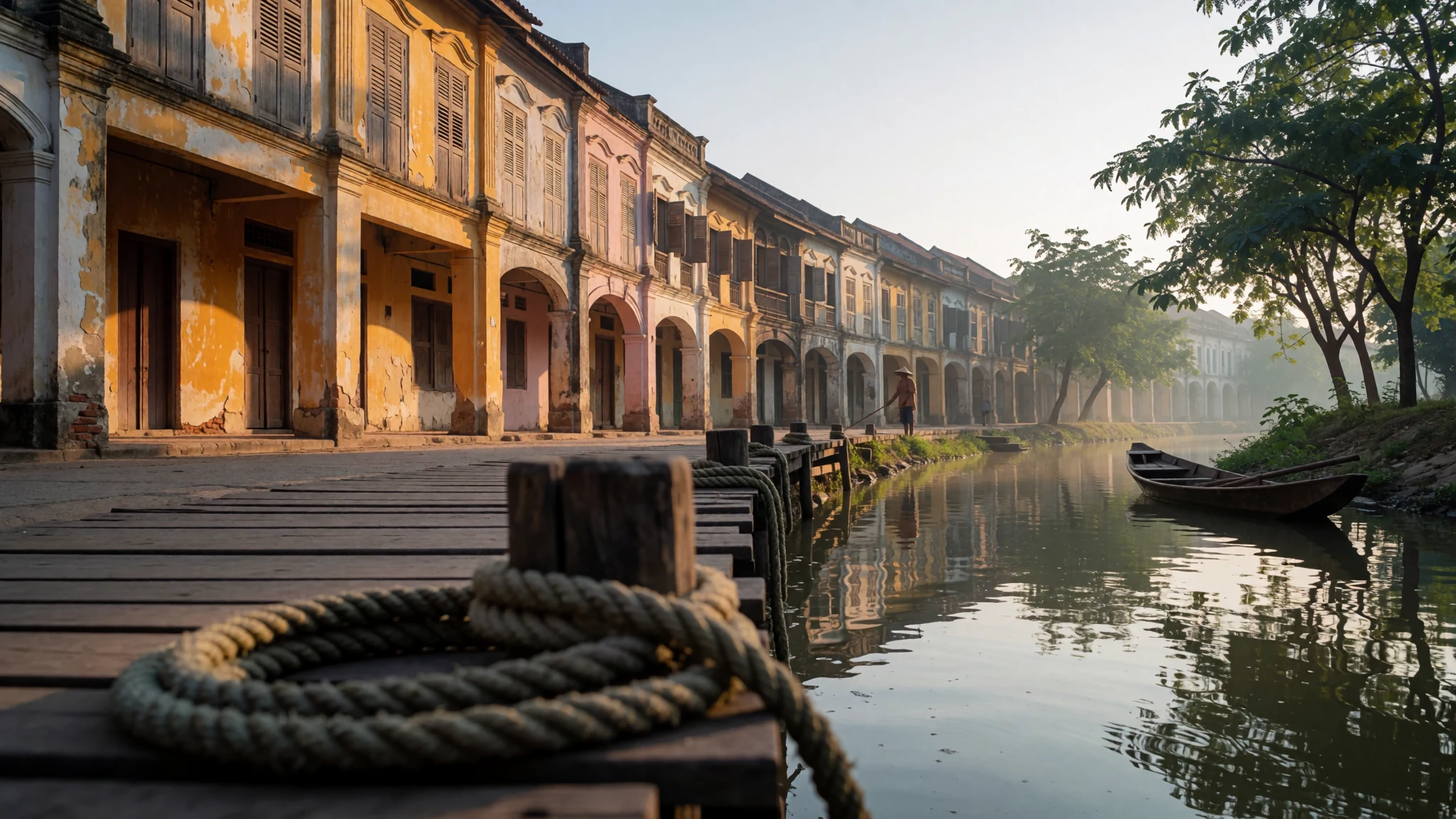
Battambang offers a quieter, uncommercialised slice of provincial Cambodian life framed by French colonial architecture, vibrant arts, and fertile riverbanks.
The place
Battambang serves as the capital of Battambang province and functions as a major urban centre along the winding course of the Sangkae River. Despite holding status as a significant settlement, the city maintains a much more relaxed atmosphere compared to major tourist capitals. Visitors find an environment shaped by French colonial heritage buildings, low-rise streetscapes, and surrounding agricultural lands that yield exceptionally productive harvests. Local conservation initiatives protect the historic core, where peeling pastel facades stand alongside modern shops and traditional markets. The surrounding province benefits directly from rich alluvial soils that support extensive rice paddies, orchards, and vegetable farms, underpinning a celebrated local culinary tradition that earned the city recognition within international creative networks. Travellers exploring Battambang encounter a community deeply rooted in artistic expression, featuring independent galleries, community workshops, and performance spaces. Away from heavy commercial tourism tracks, the municipality provides an authentic look at daily life in provincial Cambodia, where river transport historically connected communities before modern roads arrived. The slower pace allows visitors to absorb the architectural details of the heritage zone, converse with local artisans, and observe everyday routines along the waterways without navigating dense tourist crowds. It remains an ideal destination for travellers seeking cultural depth, architectural preservation, and culinary exploration in a regional setting.
Its story
Battambang began its life as a modest fishing village centered along the banks of the Sangkae River during the medieval period of the Khmer Empire. Over subsequent centuries, shifts in regional power saw the northwestern region annexed by Siam, which administered the territory through regional governors who established administrative headquarters, a local fort, traditional pagodas, and early commercial roads. The area eventually returned to French control under colonial administration agreements, sparking a major phase of urban planning. French authorities introduced a structured grid pattern, opened canals, and constructed bridges across both riverbanks to link expanding commercial districts. This development created the distinct heritage conservation areas visible today, marked by European-influenced shop houses and administrative buildings. A second phase of modernisation brought railway links connecting the provincial capital directly to major southern centres, altering transport networks and commercial trade patterns permanently. During the twentieth century, the locality experienced profound upheaval, including wartime disruptions and subsequent forced evacuations during periods of severe political conflict. The aftermath left deep scars on the population and its cultural infrastructure, particularly affecting artists and musicians. Recovery efforts in later decades focused heavily on rebuilding community arts programmes, restoring heritage structures, and revitalising the vibrant creative identity that defines the municipality today.
What to see
- Battambang Circus — Central Battambang
Performances offer energetic acrobatics and theatrical storytelling hosted by an NGO school working with disadvantaged youth. Ticket proceeds directly fund free arts education and training programmes for vulnerable local teenagers, combining entertainment with valuable community support.
- Phnom Sampeu — Phnom Sampeu hills
A historic limestone hill featuring hilltop monastic structures, panoramic valley views, and cavern networks carrying sombre historical significance from twentieth-century conflicts. Visitors explore shrines and watch millions of bats emerge at dusk.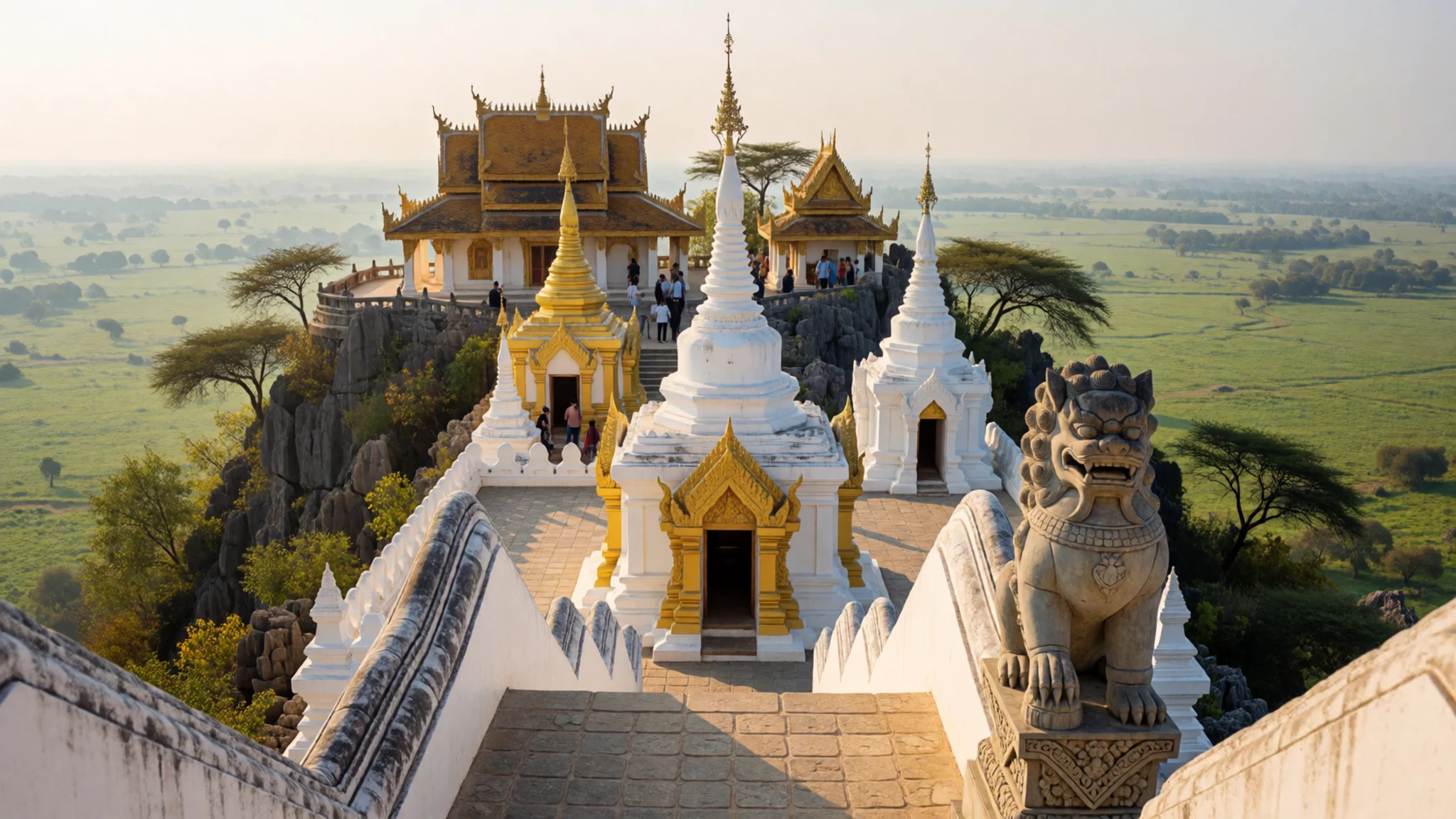
- Wat Banan — Banan district
An eleventh-century Angkor-style temple ruin perched atop a prominent hill reached via a long stone stairway flanked by naga balustrades. The mountaintop sanctuary continues to function as an active Buddhist site surrounded by rural orchards.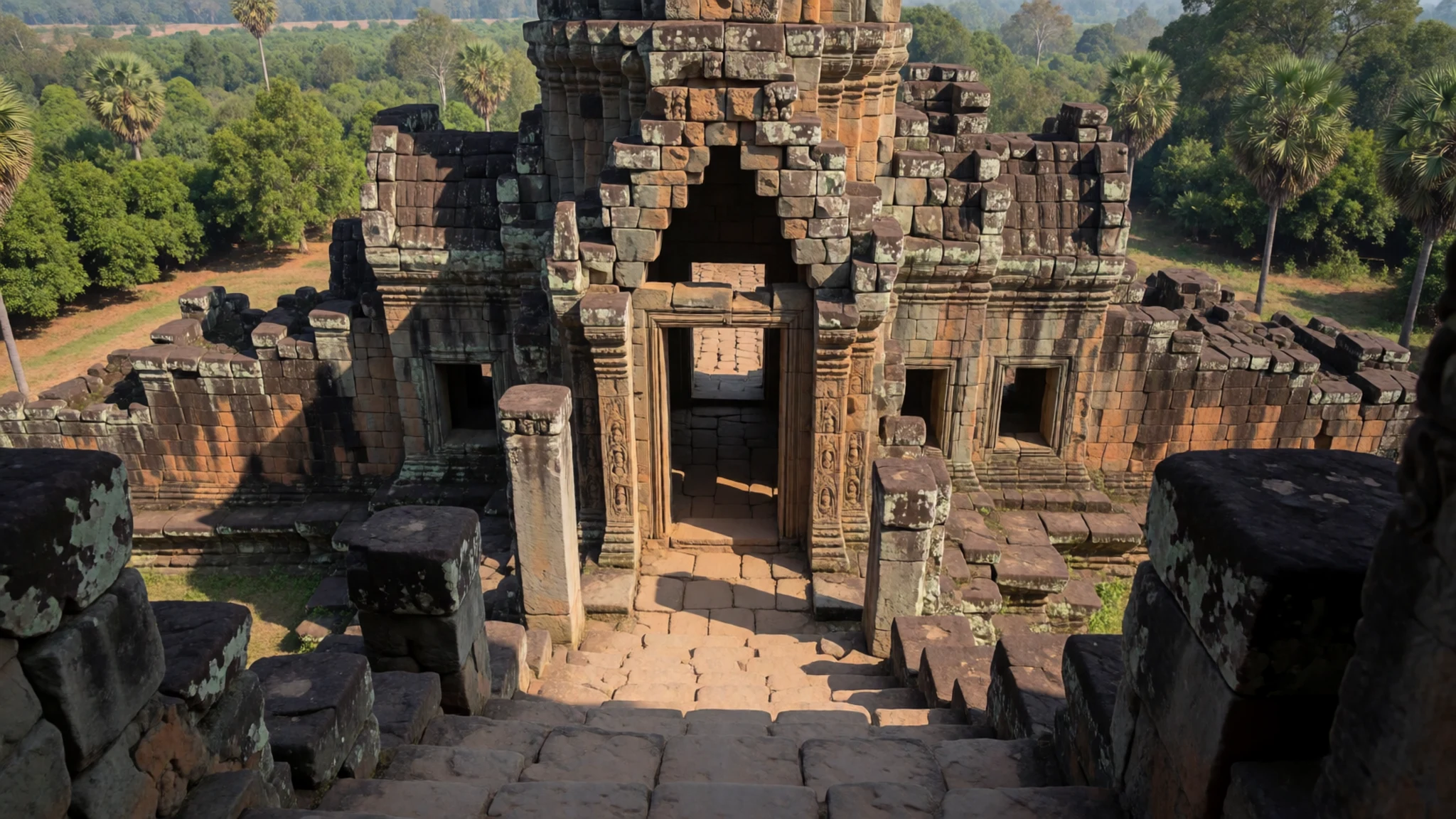
- Public Statues — Downtown intersections
Public squares and major roundabouts throughout the municipality display large figurative sculptures depicting mythical creatures, legendary monarchs, and local deities. The prominent monument of Lok Ta Dambong Kra Nhoung honors the mythical king who shaped local folklore.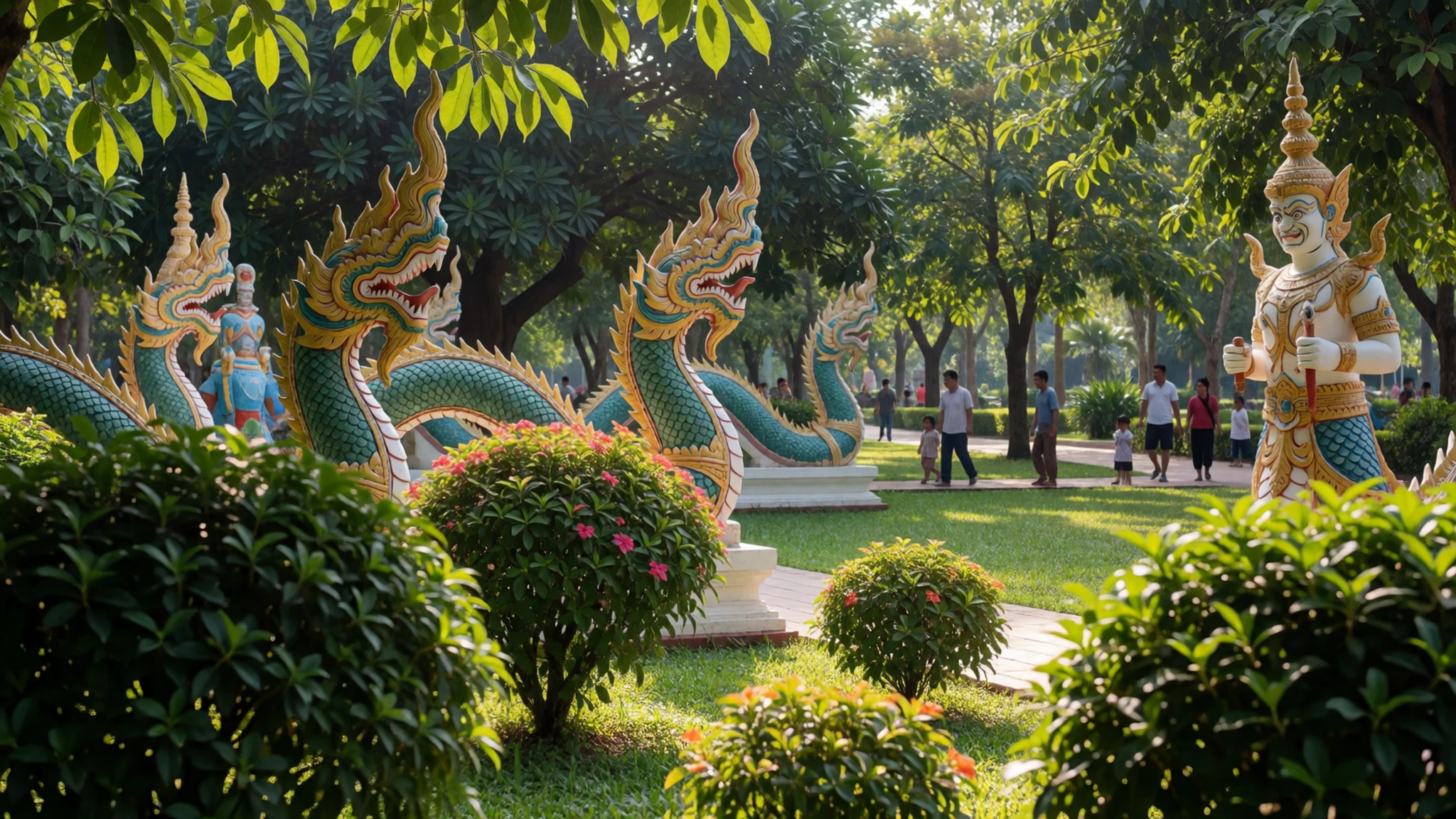
- Wat Ek Phnom — Ek Phnom district
Eleventh-century temple ruins displaying detailed sandstone lintels and carvings set within the grounds of a modern Buddhist monastery. A giant seated Buddha statue towers over the historic architectural remnants near rural farming villages.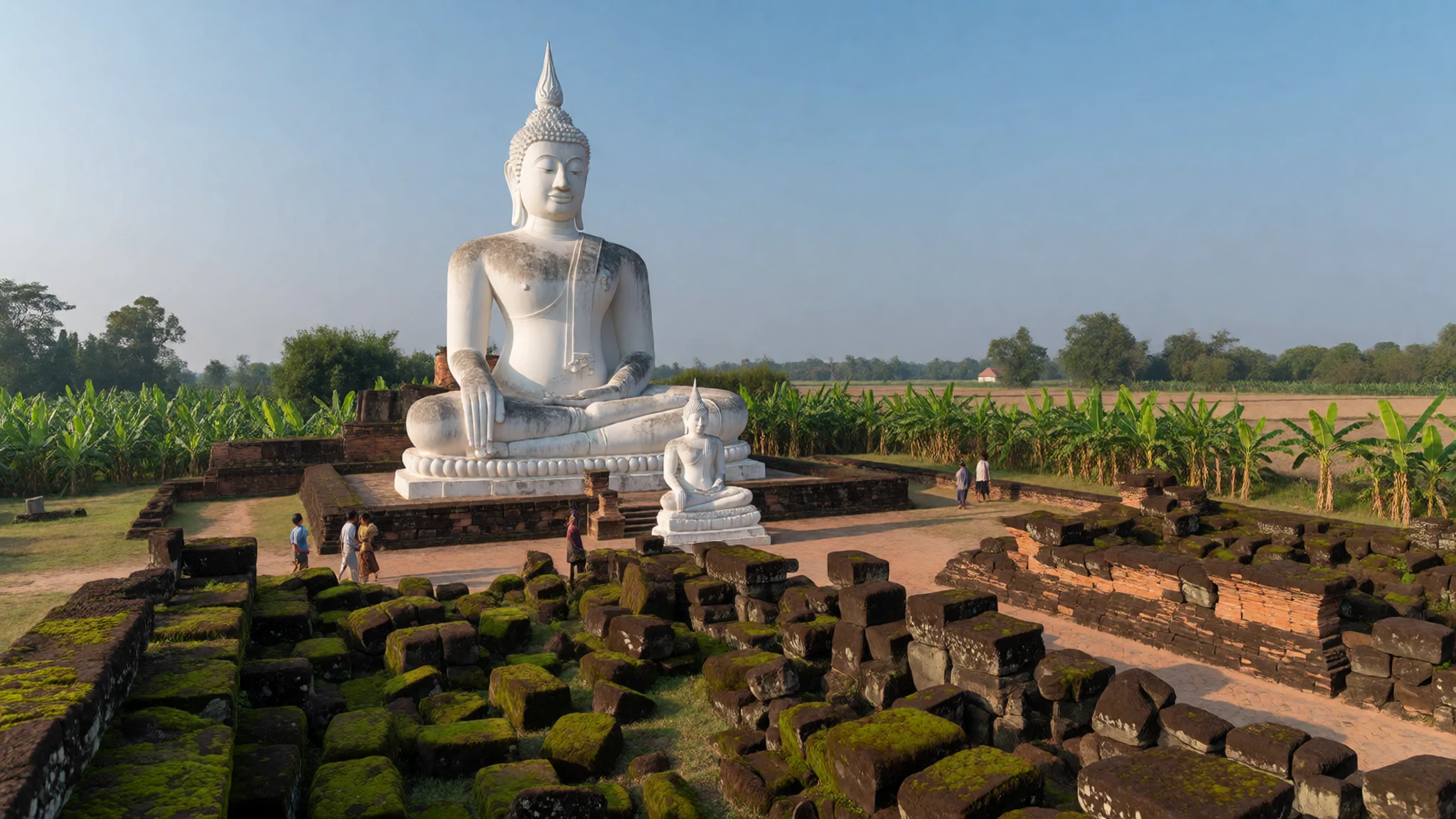
Culture
Battambang functions as a premier cultural crucible for Cambodia, nurturing generations of painters, traditional musicians, and performing artists. The local arts community rebuilt itself from the devastation of twentieth-century conflicts through grassroots initiatives and community-led educational institutions such as Phare Ponleu Selpak. This organization transformed youth development by offering rigorous training in visual arts, graphic design, and contemporary circus performance, breathing new life into local creative traditions. Annual cultural celebrations, including multi-day arts festivals, showcase exhibitions, dance performances, and public workshops that engage residents and visitors alike. Traditional crafts, weaving techniques, and regional musical styles are preserved and taught across local studios, ensuring heritage skills pass down to younger generations. The community takes immense pride in its culinary heritage, which draws directly on the agricultural abundance of the surrounding plains and rivers. Visitors engaging with local residents will encounter warm hospitality rooted in Buddhist traditions and community resilience. Always remove your shoes and ensure your shoulders and knees remain covered when entering active Buddhist temple buildings.
What to wear
Traditional attire across Battambang reflects practical tropical living combined with cultural modesty. Historically, lightweight cotton garments and hand-woven silk krama scarves served daily needs for farming, river transport, and temple visits, utilizing natural textiles suited to regional heat. While ceremonial occasions still call for formal silk garments and traditional wraps, everyday dress in Battambang matches contemporary urban styles found across Southeast Asia. Younger residents and working professionals wear casual shirts, denim, trousers, and modern dresses for daily activities in shops, offices, and markets. For visitors navigating the municipality, lightweight, breathable fabrics such as linen or loose cotton are essential for coping with tropical temperatures and humidity. Modesty remains important when exploring outside casual cafe areas, particularly near religious sites and traditional neighbourhoods where shoulders and knees should be covered out of respect for local customs. Sturdy, comfortable footwear is recommended for walking along uneven paving in the colonial heritage zones, exploring rural temple stairs, and navigating bustling local markets.
What to eat
- Fish Amok — Riverside restaurants and local bistros
Fresh river fish simmered in a rich curry paste made from lemongrass, kaffir lime, galangal, and coconut milk, traditionally steamed inside a banana leaf cup until silky and fragrant.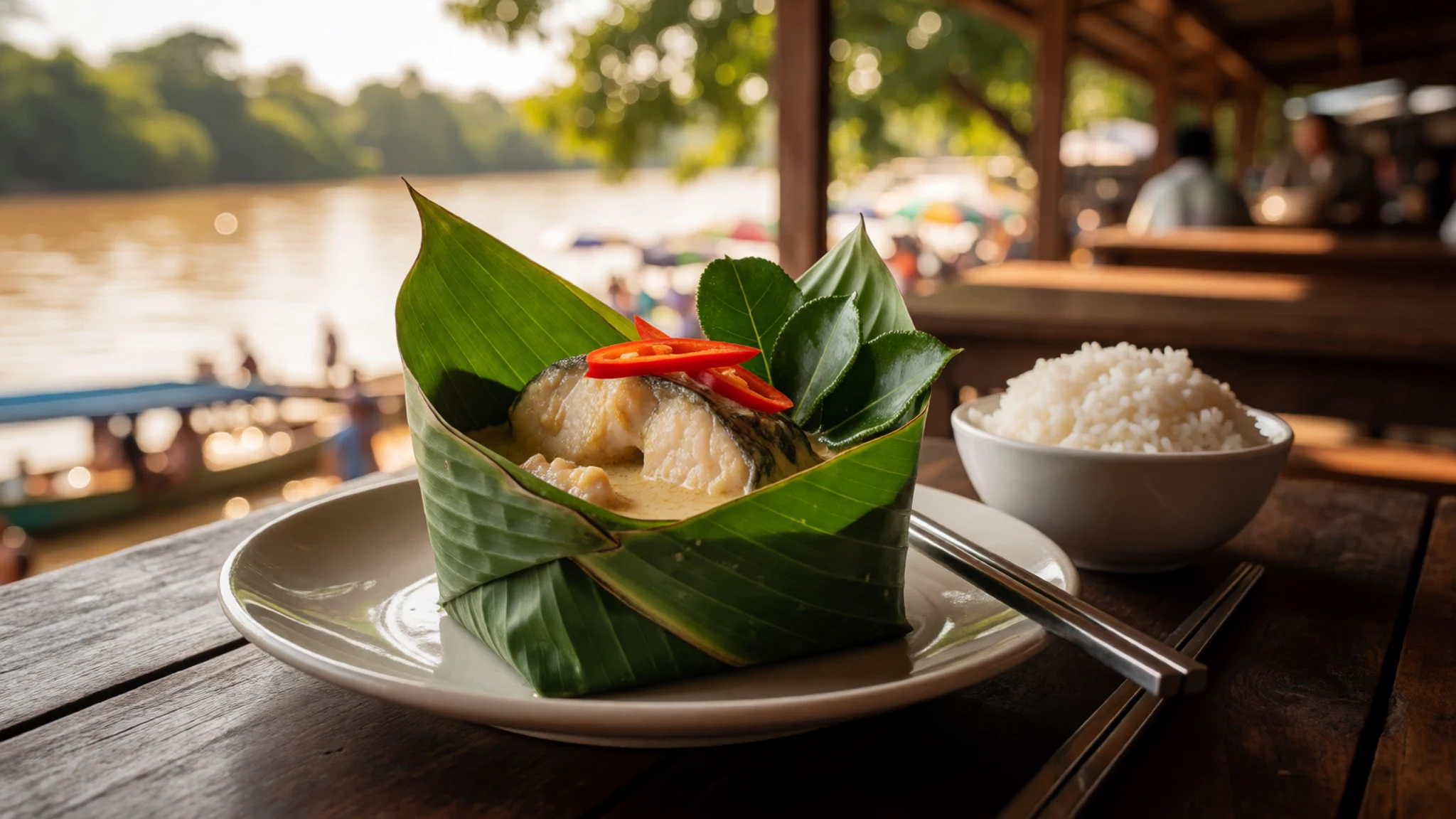
- Khmer-French Fusion Dishes — Heritage quarter cafes and colonial-era restaurants
Sophisticated plates blending traditional Cambodian ingredients with French culinary techniques, reflecting the colonial heritage through inventive meat preparations and local herb pairings.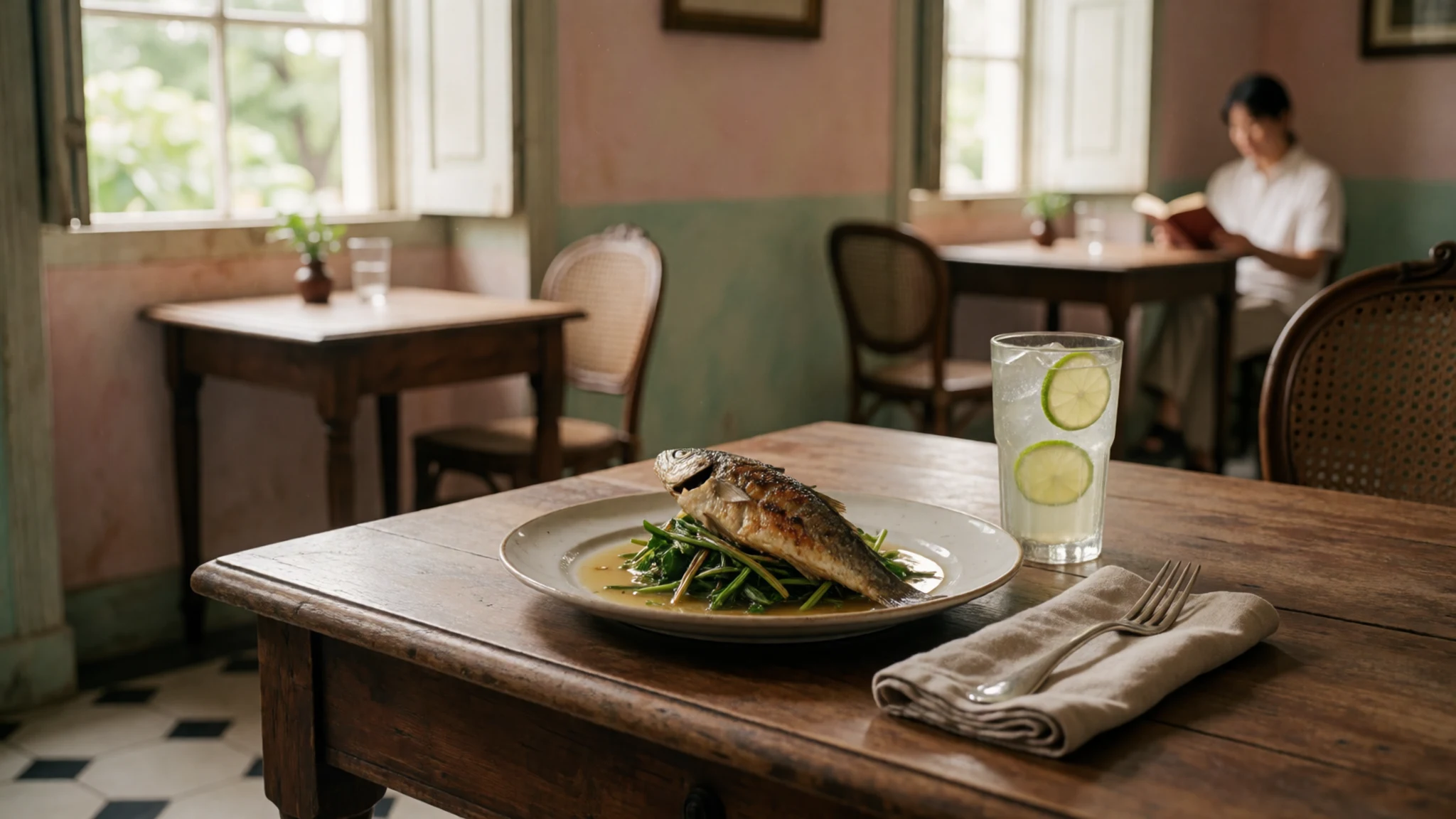
- Stir-Fried Rice Noodles — Central market food stalls and neighborhood canteens
Local rice noodles wok-tossed with fresh vegetables, herbs, regional sauces, and regional proteins, capturing the everyday flavors of roadside eateries and family-run stalls. - Fresh Tropical Fruit Shakes — Riverfront juice bars and downtown beverage stands
Refreshing beverages blended from ripe mangoes, bananas, pineapples, and dragon fruit harvested across the fertile provincial orchards, served ice-cold across local cafes.
Plan it
Best time. November to February offers cooler temperatures and drier weather, making exploration comfortable before the intense heat builds up ahead of the monsoon season.
How long. 2–3
Getting there. Accessible by road or rail from major hubs; check local transport schedules for current regional bus and train connections.
Budget. mid
Tips
- Start temple visits early in the morning to avoid midday heat.
- Carry small denominations of local currency for markets and rural transport.
- Drink bottled water and stay hydrated throughout warm afternoons.
- Respect local photography customs when visiting remote shrines.
Etiquette
- Remove footwear before stepping inside Buddhist temple halls.
- Dress modestly with covered shoulders and knees at religious sites.
Nearby
Sources
- Wikidata Q748336 (CC0)
- Wikipedia Battambang (CC BY-SA 4.0)
- Wikivoyage Battambang (CC BY-SA 4.0)