Cardamom Mountains
Cardamom Mountains, Cambodia
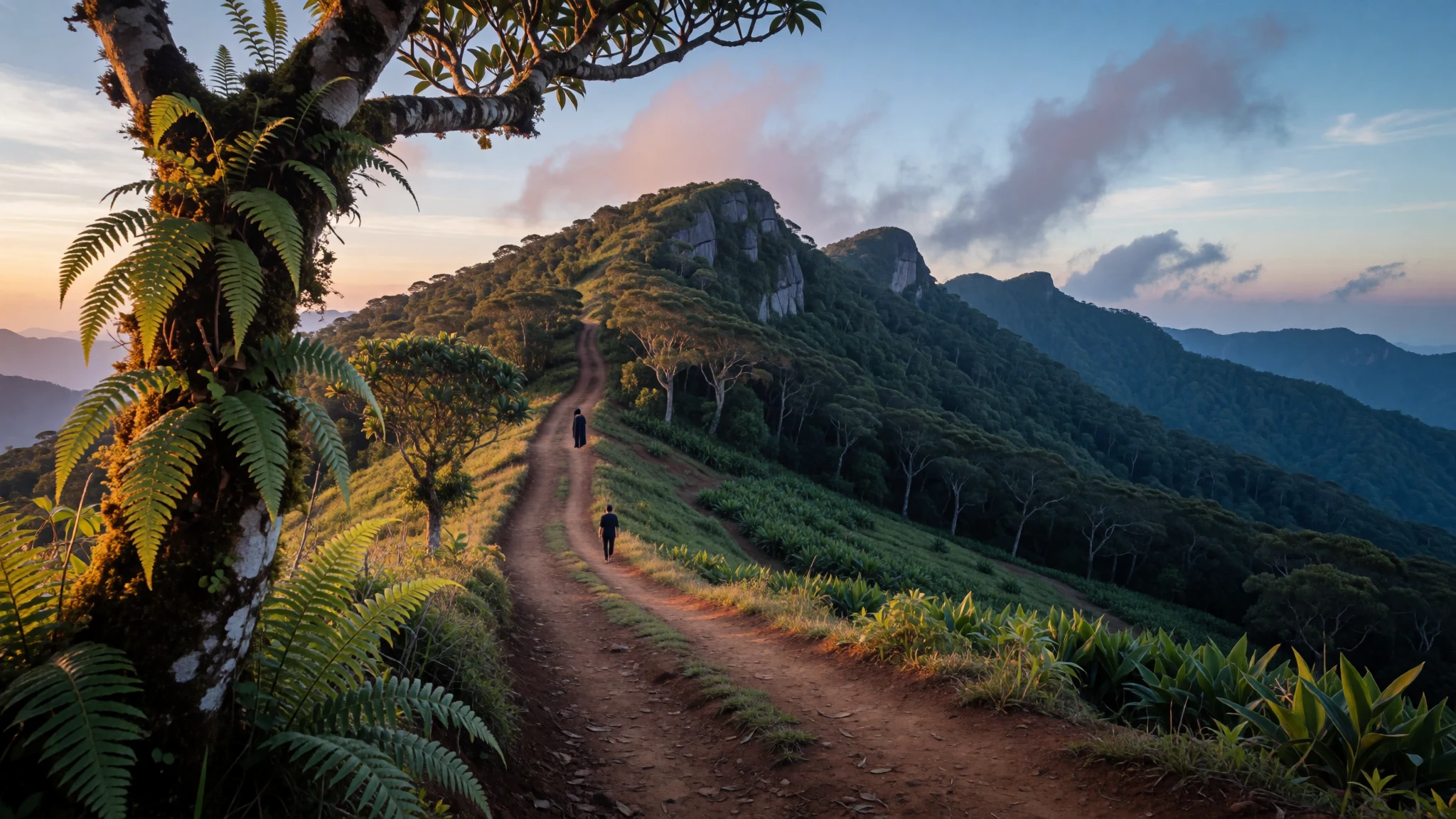
Cardamom Mountains offer Cambodia's wildest rainforest, with elephants, rock art, jar burials and community-run treks out of the village of Chi Phat.
The place
The Cardamom Mountains, also called Phnom Kravanh in Khmer and Banthat in Thai, run in a long southeast–northwest line across south-west Cambodia and into eastern Thailand. They start near Chanthaburi and Koh Kong on the Gulf of Thailand and reach inland to Pursat Province, with the Dâmrei (Elephant) Mountains continuing the chain to the southeast. The highest point is Phnom Aural, at 1,813 m, in the northeast.
The range is a study in rainfall. The western slopes face the sea and catch the monsoon, so they carry dense, wet rainforest that is among the most intact in mainland Southeast Asia. The eastern slopes sit in a rain shadow facing the Cambodian plain and receive well under half as much water, which gives drier, more open woodland. Kirirom National Park lies on that drier side.
People are few. Most of the range is wilderness with almost no settlement, though cardamom and pepper are grown commercially on the eastern flanks, and large construction projects have appeared there in recent decades. In Thailand the range is broken into eroded, scattered fragments; Khao Soi Dao, Khao Sa Bap and the Chamao-Wong hills are the best known around Chanthaburi.
This is not a place of viewpoints and ticket gates. Tourism is young and mostly small-scale: guided treks, river trips, homestays and bird-watching. Distances are long, tracks are rough and the humidity is constant, so the Cardamoms suit travellers who like jungle, patience and a guide who knows the ground.
Its story
The Cardamom Mountains hold traces of human life that few visitors expect in a rainforest. Scattered across remote rock ledges are jar burials, dating mainly to the centuries between the fifteenth and the seventeenth. Archaeologists have found ceramic jars about 60 cm tall and rough-hewn log coffins, left exposed rather than buried. This burial custom had not been recorded before in Khmer history, and local legend says the bones belong to Cambodian royalty.
The graves also carry evidence of trade. Coloured glass beads found with the remains were a common maritime commodity, and the likeliest explanation is that forest communities obtained them by exchanging wood and resin. The mountains were never empty; they were a supplier to the coast and, through it, to the wider region.
At Kanam, in the eastern Cardamoms near Kravanh in Pursat Province, a rock-art cave shows elephants, riders, deer and wild cattle painted in red ochre. The riders may record the capture and training of wild elephants, a tradition among several ethnic groups here that lasted until the 1970s. Researchers have documented the panels in recent years, using image enhancement to bring out faded figures.
Today the same forest shelters one of the larger protected wild elephant populations in Southeast Asia. The old story of people living alongside elephants, trading from the canopy and burying their dead high on the rock, sits beside a modern one of conservation, with former loggers and hunters now working as guides.
What to see
- Chi Phat community eco-tourism — Koh Kong Province
Chi Phat is a village once dependent on logging and hunting, now run as a community eco-tourism project with the conservation group Wildlife Alliance. Homestays, guided multi-day treks, mountain-bike rides, boat trips and bird-watching are all organised locally. Booking through the project directly means the income stays with the village.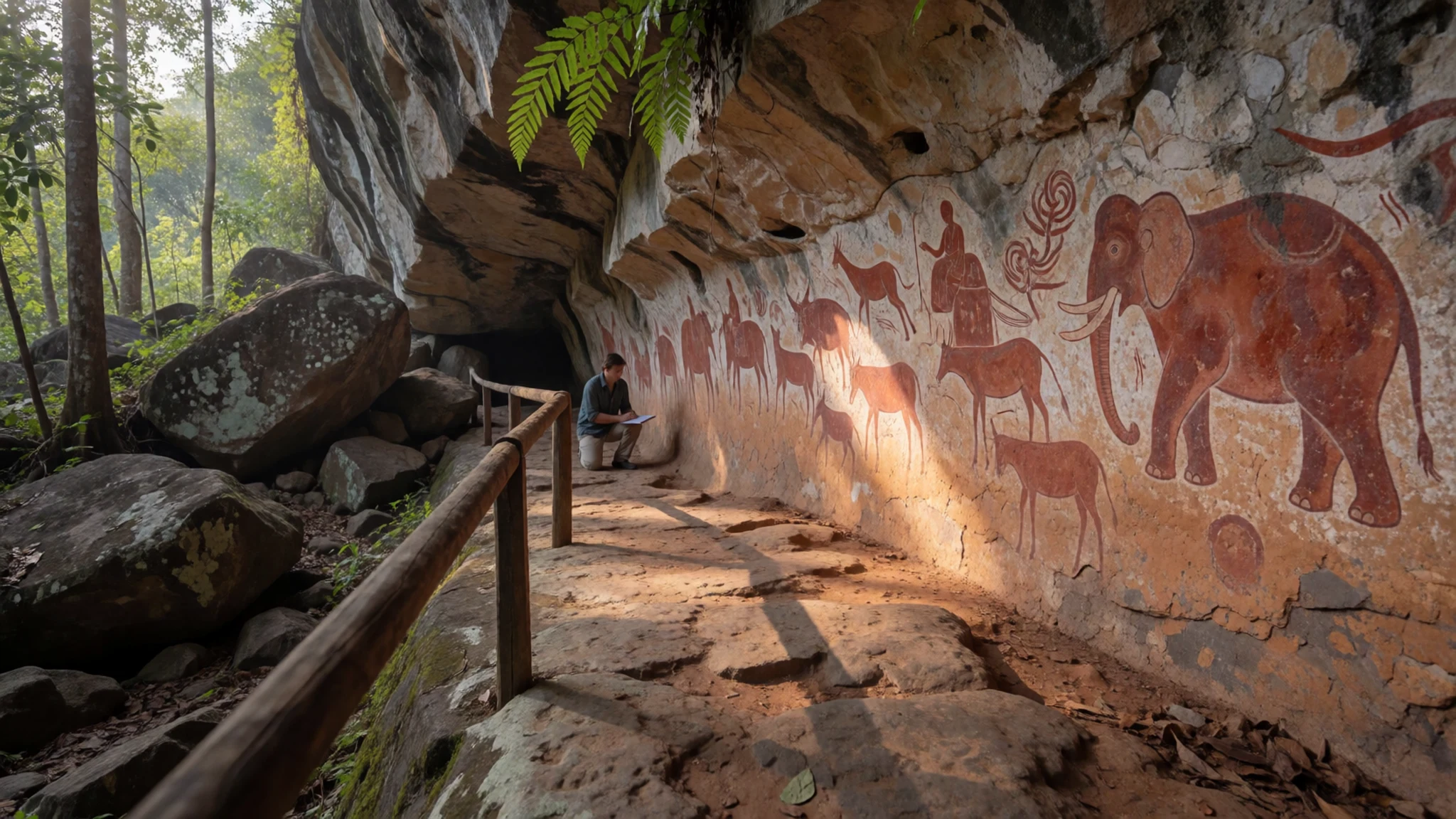
- Wildlife Release Station — Koh Kong Province
This Koh Kong site releases animals rescued from the illegal wildlife trade, run by Wildlife Alliance. Binturongs, porcupines, pangolins, civets, macaques and many birds have been returned to the forest here. It has welcomed guests since December of the year it opened, with jungle chalets and a look at how rehabilitation works.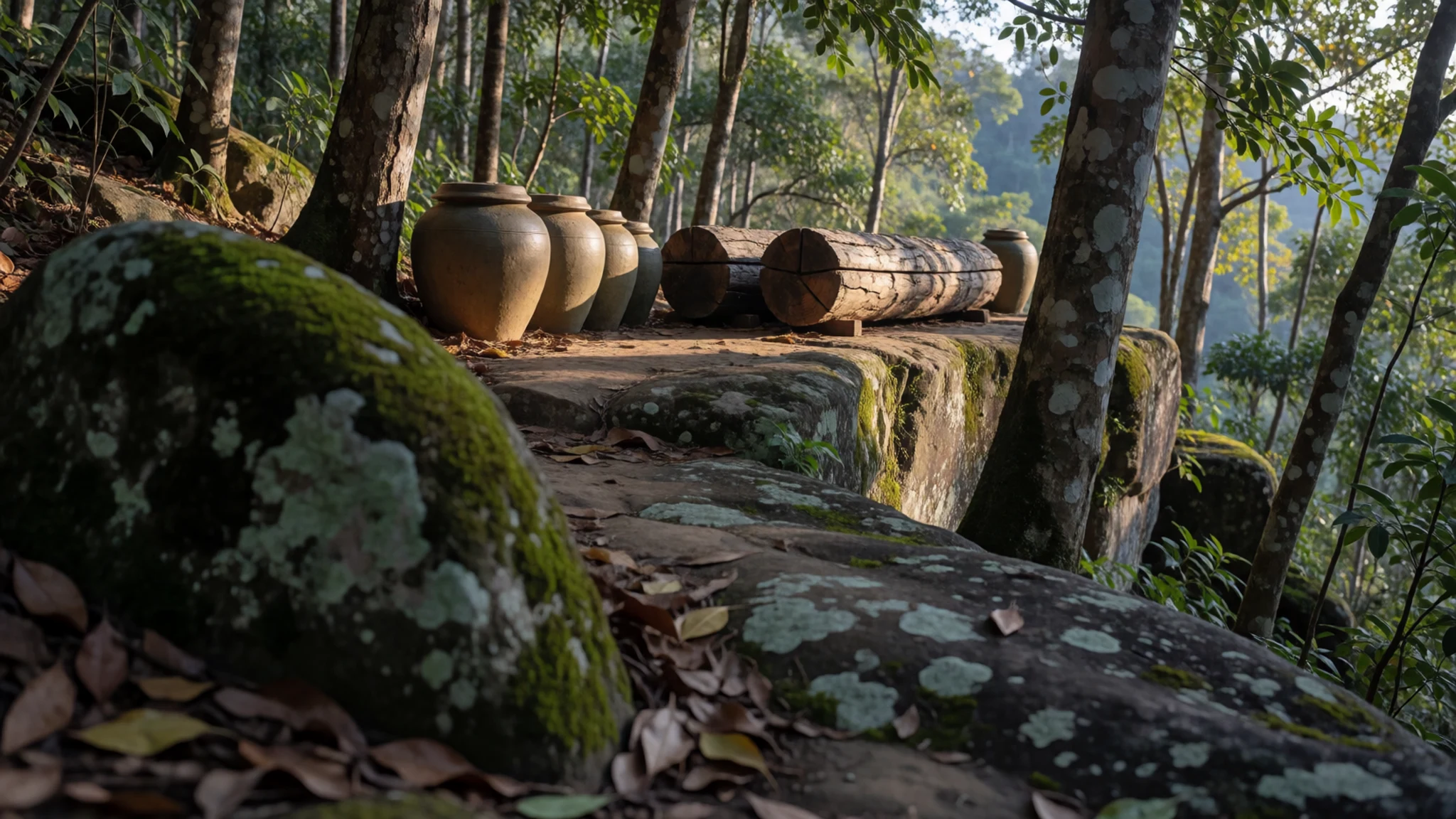
- Kanam rock art cave — Near Kravanh, Pursat Province
Kanam is a cave with red ochre paintings of elephants, riders, deer and wild cattle, in the eastern Cardamoms near Kravanh. It is a research site as much as a sight, and the paintings are fragile. Ask local guides or conservation groups about access before planning a visit.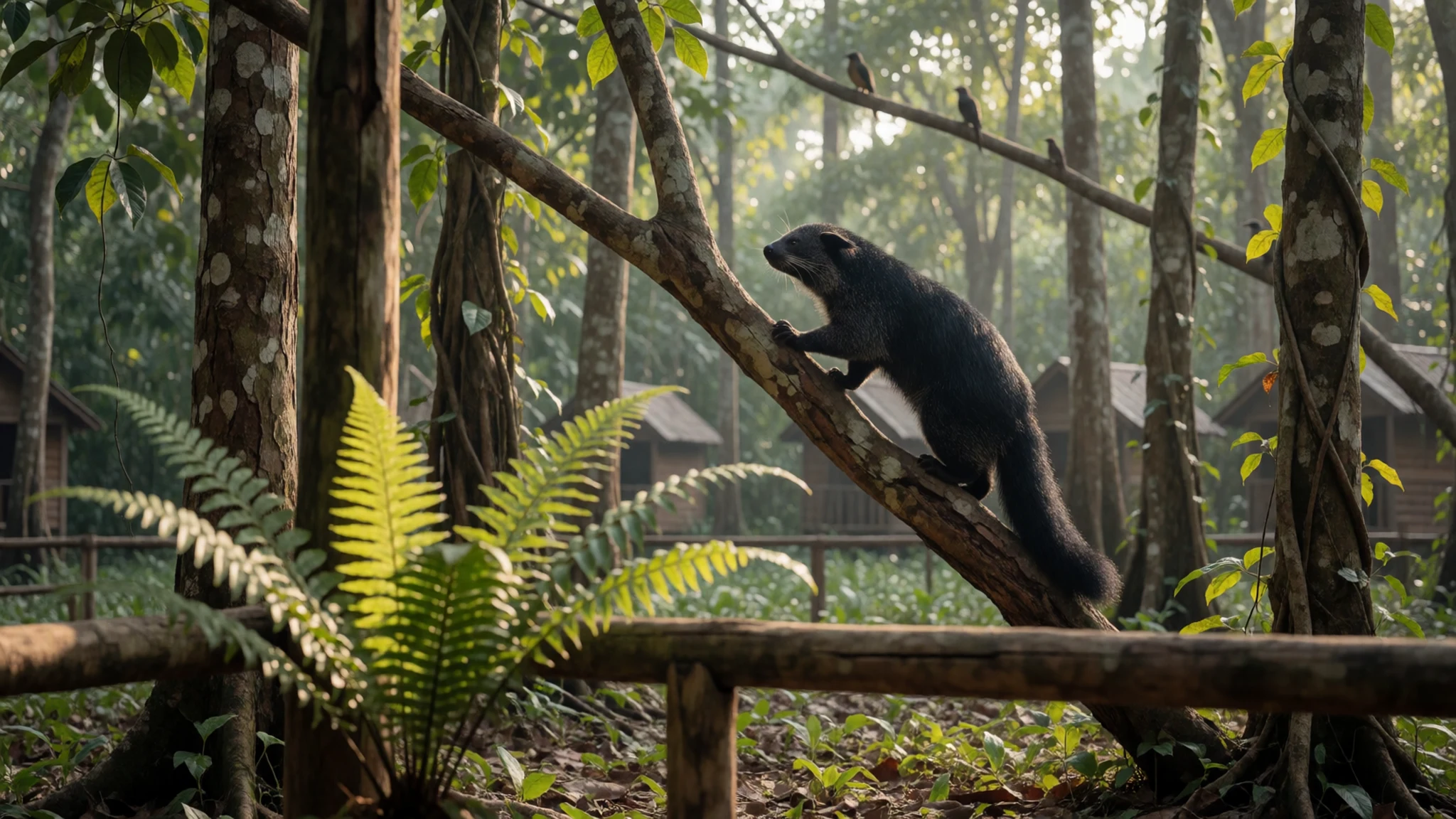
- Phnom Aural — Northeast Cardamoms
The range's highest summit, at 1,813 m, stands in the northeast. It is remote wilderness rather than a tourist peak, so expect a long, guided approach through forest and a trek that needs proper preparation, with good boots, plenty of water and a local guide.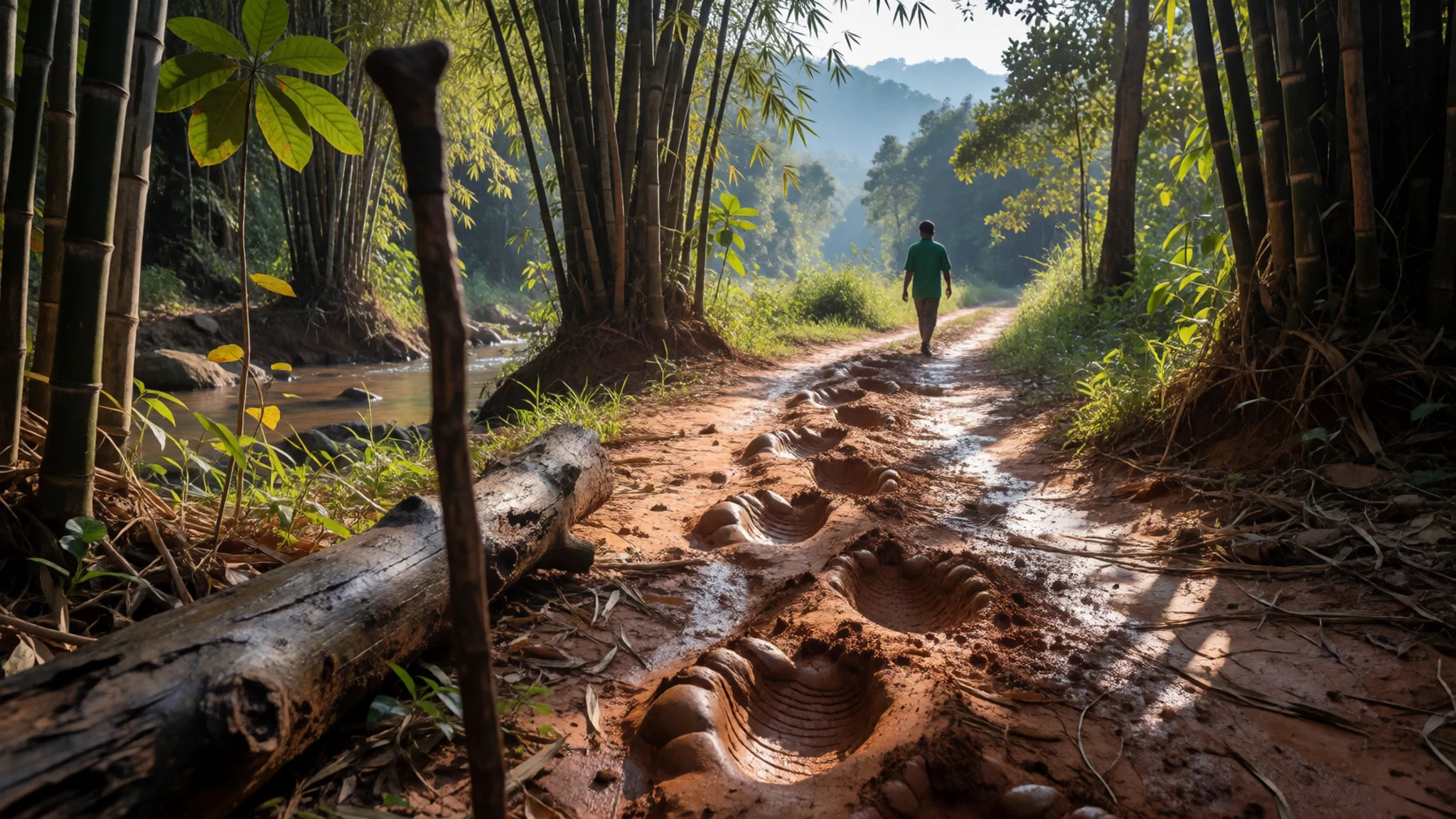
- Elephants and wildlife — Across the range
The forest is home to a significant protected wild elephant population, and tigers, gibbons and sun bears are part of the wider story of the region's wildlife. Sightings are rare and never guaranteed. Guided treks and birdwatching give the best chance of seeing something, and patience matters more than equipment.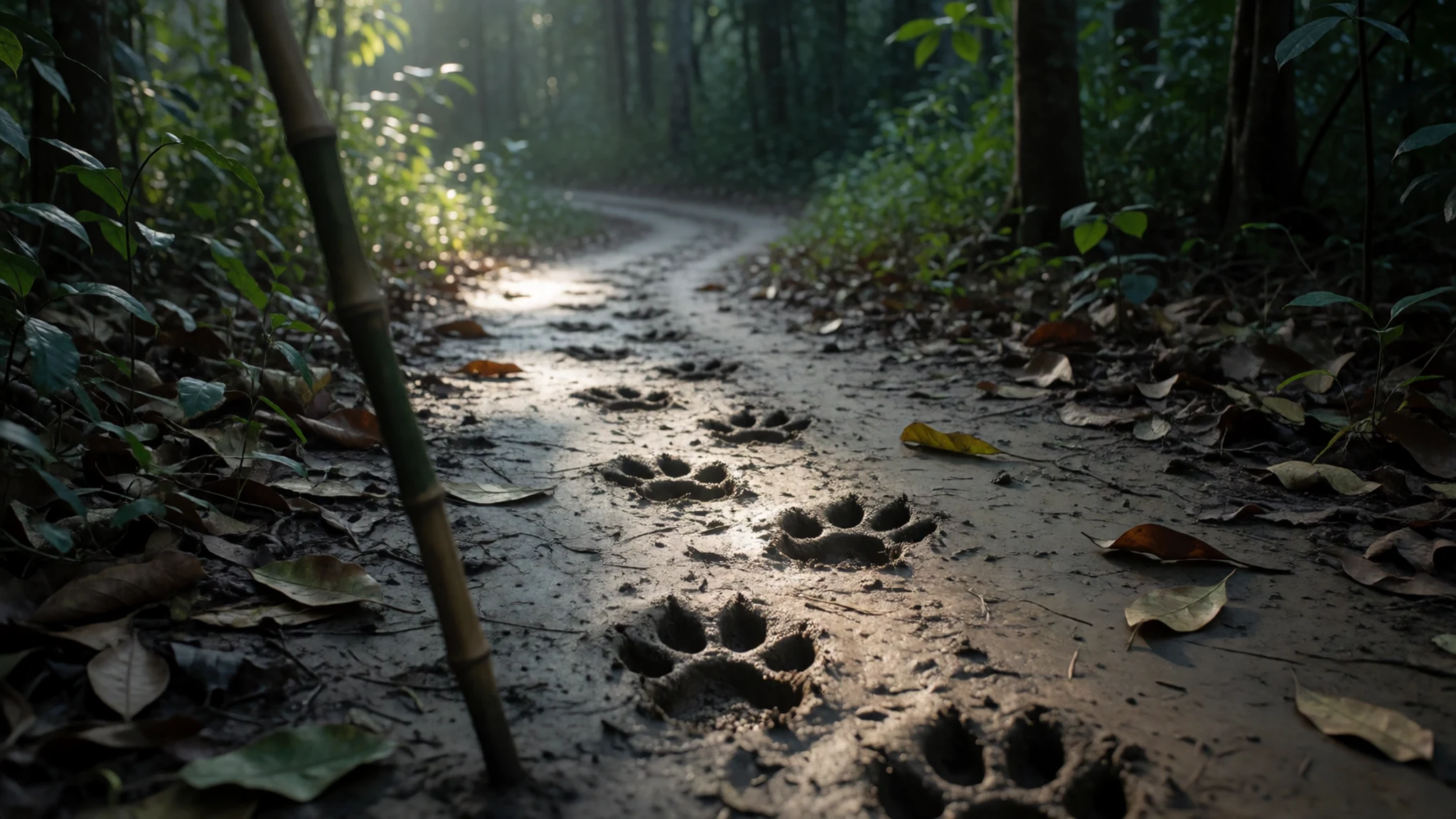
- Khao Khitchakut National Park — Chanthaburi, Thailand
On the Thai side, near Chanthaburi, this park shows the broken, eroded end of the same range, with forested hills and waterfalls. It is easier to reach than the Cambodian interior and makes a gentler introduction to the mountains, though crowds rise at weekends.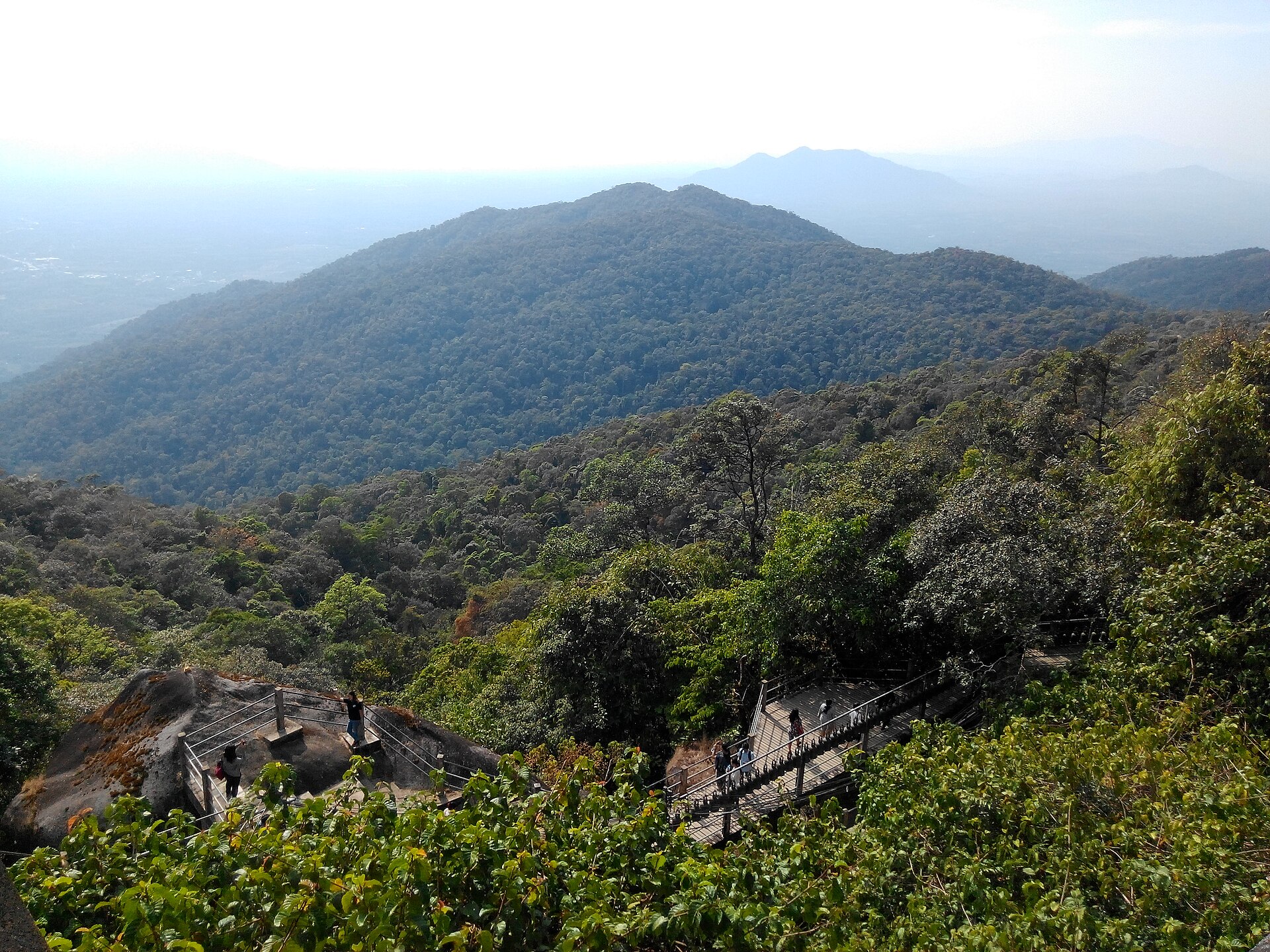
Culture
Cardamom Mountains culture is the culture of forest communities: Khmer villagers, former loggers and hunters, and the minority groups whose families have lived beside the elephants for generations. Elephant capture and training was a major tradition here until the 1970s, and the red ochre paintings at Kanam suggest it is very old.
The jar burials show another side. Bones laid on rock ledges, in ceramic jars and log coffins, are treated locally as the remains of royalty, and many villagers regard such places as spirit-occupied. Forests also carry spirits in Cambodian belief, and guides often follow small customs, such as pausing at a particular tree or rock, without making a performance of it.
Today the best-known cultural change is Chi Phat, where people who once cut timber and hunted now earn a living from homestays, guiding and bird-watching. Visiting on those terms is a form of cultural exchange: meals are shared, and a guide's knowledge of tracks, plants and animal signs is the real attraction.
Buddhism shapes daily life in lowland Cambodian communities, and monks and village pagodas set the rhythm of festivals and funerals. Mountain villages are often quieter, with fewer formal rituals, and hospitality is plain and generous.
At any burial site or rock-art cave, stay on the path, touch nothing, take nothing away, and ask your guide before taking photographs.
What to wear
In the Cardamom Mountains there is no single mountain costume. Traditional Khmer dress is worn mainly for festivals and weddings: the sampot, a length of cloth wrapped and tucked at the waist, in cotton or silk, often with woven patterns, and the krama, a checked cotton scarf that is the everyday all-purpose cloth of rural Cambodia. Hill communities use similar cloth, with the krama doing duty as a headcover, sling, towel and sun shade.
What people wear now is practical: shirts, trousers or sarongs, rubber sandals or boots, and a krama over the shoulder. Guides in community projects wear quick-drying outdoor clothes, and children and farmers wear whatever is cheap and washes easily.
A visitor should dress for heat, rain, leeches and insects. Wear long, light, quick-drying trousers and a long-sleeved shirt in breathable fabric, a hat, and sturdy shoes with good grip for wet, muddy trails. Many travellers use leech socks on forest walks in the wet season. Bring a light rain jacket, and a dry bag for phones and cameras. Evenings can feel cool in higher places, so pack one warm layer.
In villages and at pagodas, cover shoulders and knees; shorts and vests suit the trail but not a temple. A krama bought locally is a useful and inexpensive souvenir that doubles as sun protection.
What to eat
- Fish amok — Homestays and eateries in Chi Phat and Koh Kong
Fish steamed in a banana-leaf cup with coconut milk and kroeung, a fragrant paste of lemongrass, galangal and turmeric. It is mild, creamy and widely cooked in Cambodia. Look for it in homestay kitchens and simple riverside eateries.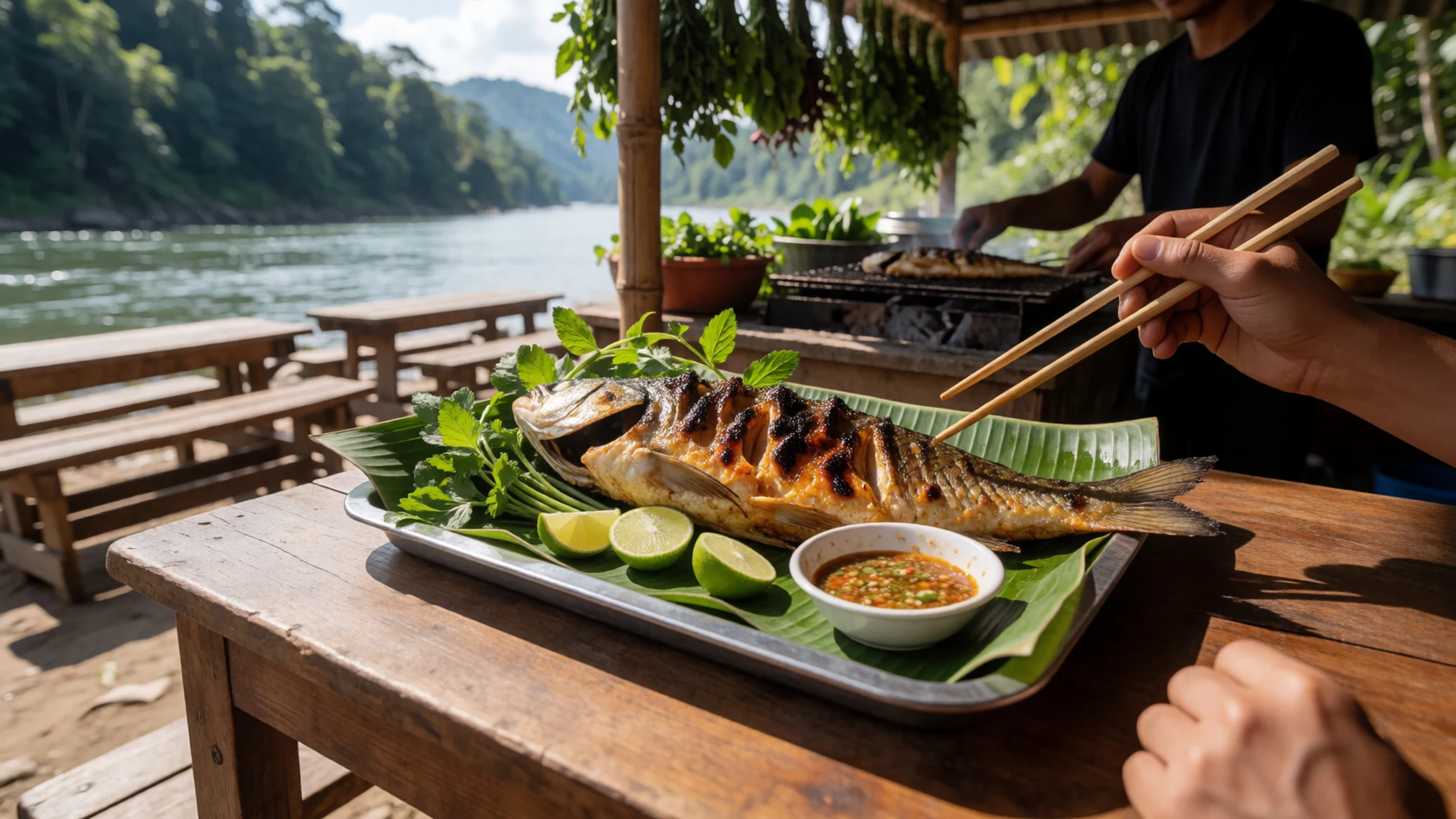
- Samlor machu — Village homestays and family-run eateries
A sour soup of fish or chicken, usually with tamarind, pineapple, herbs and vegetables. It is bright and tangy and suits humid days. Homestay hosts often make it with whatever is fresh that morning.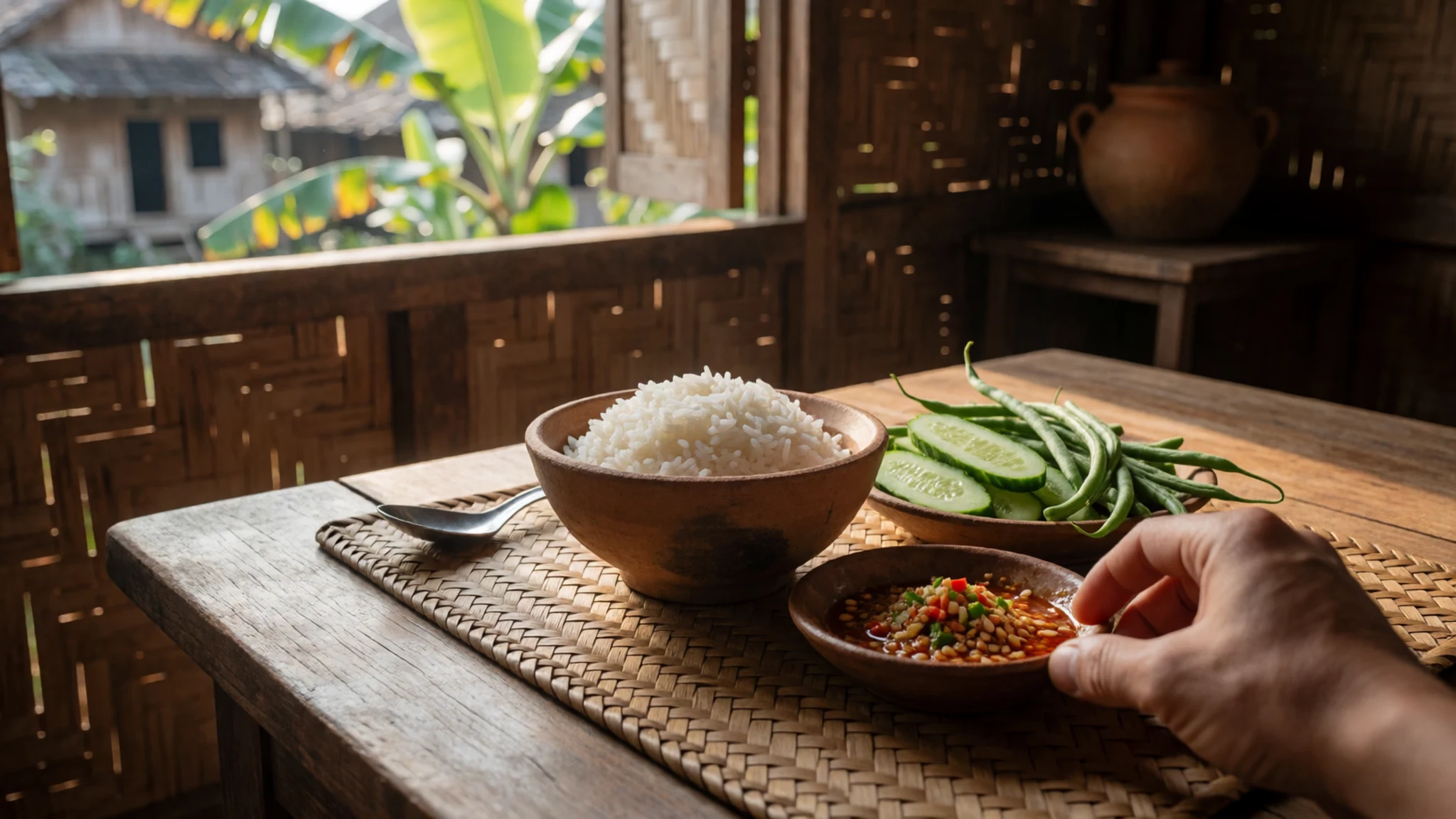
- Grilled river fish with herbs — Riverside eateries and community meals
Freshwater fish grilled over charcoal, then wrapped in lettuce and herbs and dipped in a sour, salty sauce. Simple, smoky and a good fit for a trek's end. It is usually available where boat trips and village meals are arranged. - Bai sach chrouk — Morning stalls in Koh Kong town
Pork grilled over charcoal and served with rice, pickled vegetables and broth. It is a standard Cambodian breakfast and an easy start before a trek. Look for it at morning stalls in Koh Kong town and larger villages. - Cardamom and pepper — Village shops and market stalls
Cardamom and pepper grow on the eastern slopes and appear in local cooking and as gifts. Kampot-style pepper is better known, but ask in village shops or markets for locally grown spices to take home. Check that they are sealed before you travel.
Plan it
Best time. November to February is the drier, cooler season and best for trekking. The western slopes are very wet in the monsoon, so tracks and rivers can be difficult from roughly June to October.
How long. 3–4
Getting there. Fly to Phnom Penh or Siem Reap, or cross from Thailand via Trat and the Koh Kong border. Koh Kong town is the usual gateway, and the last leg to Chi Phat is by road and then boat or track; arrange transfers with the community project.
Budget. low
Tips
- Book Chi Phat homestays and guides ahead through the community project, especially from November to January
- Carry cash, as cards are rarely taken in villages and ATMs are few
- Bring plenty of water, insect repellent and sun protection
- Expect slow roads and allow buffer time for rain-affected tracks
- Go with a local guide; the forest is dense and trails are unmarked
Etiquette
- Dress modestly in villages and at pagodas
- Ask before photographing people, burial sites or rock art
- Do not feed or approach wildlife, and take all rubbish out
Nearby
Sources
- Wikidata Q1089661 (CC0)
- Wikipedia: Cardamom Mountains (CC BY-SA 4.0)
- Wikivoyage: Wildlife in South and Southeast Asia (CC BY-SA 4.0)
- Photo: Khao Khitchakut National Park (JannyDavison) (CC BY-SA 4.0)
- Photo: Data Recording at Kanam 2015 (D Kyle Latinis) (CC BY-SA 4.0)
- Photo: monument in Thailand (กสิณธร ราชโอรส) (CC BY-SA 4.0)
- Photo: Dancers Kanam (D Kyle Latinis) (CC BY-SA 4.0)
- Photo: Indochinese Tiger (Cburnett) (CC BY 3.0)
- Photo: Elephant Family (Rohit Varma) (CC BY 3.0)
- Photo: 3 Crowned gibbon (วิชิต กองคำ) (CC BY-SA 4.0)
- Photo: Sepilok BSBCC (Siew Te Wong et al.) (CC BY-SA 3.0 de)


Wildlife
- Asian elephant (animal)
The Asian elephant is the biggest land animal in all of Asia, a wrinkled grey giant with folded ears and a long trunk that ends in a finger-like tip. Males carry large tusks. These are clever, self-aware animals that can show grief, learning and even a kind of greeting. In the Cardamom Mountains you may not meet one on every walk, so set out without expecting a sighting. The tale of the region's elephants is always close at hand, and that alone makes the trek worthwhile.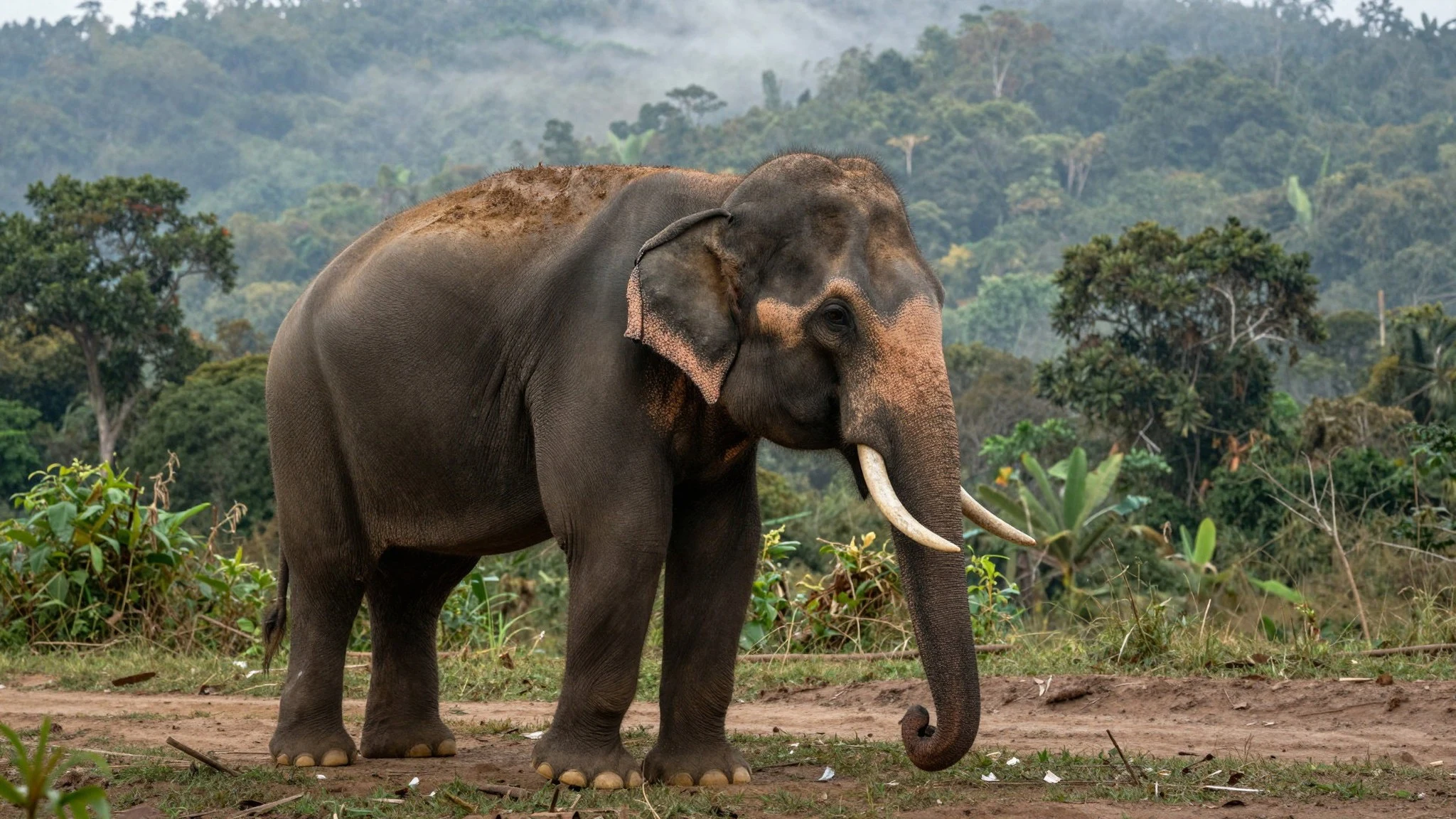
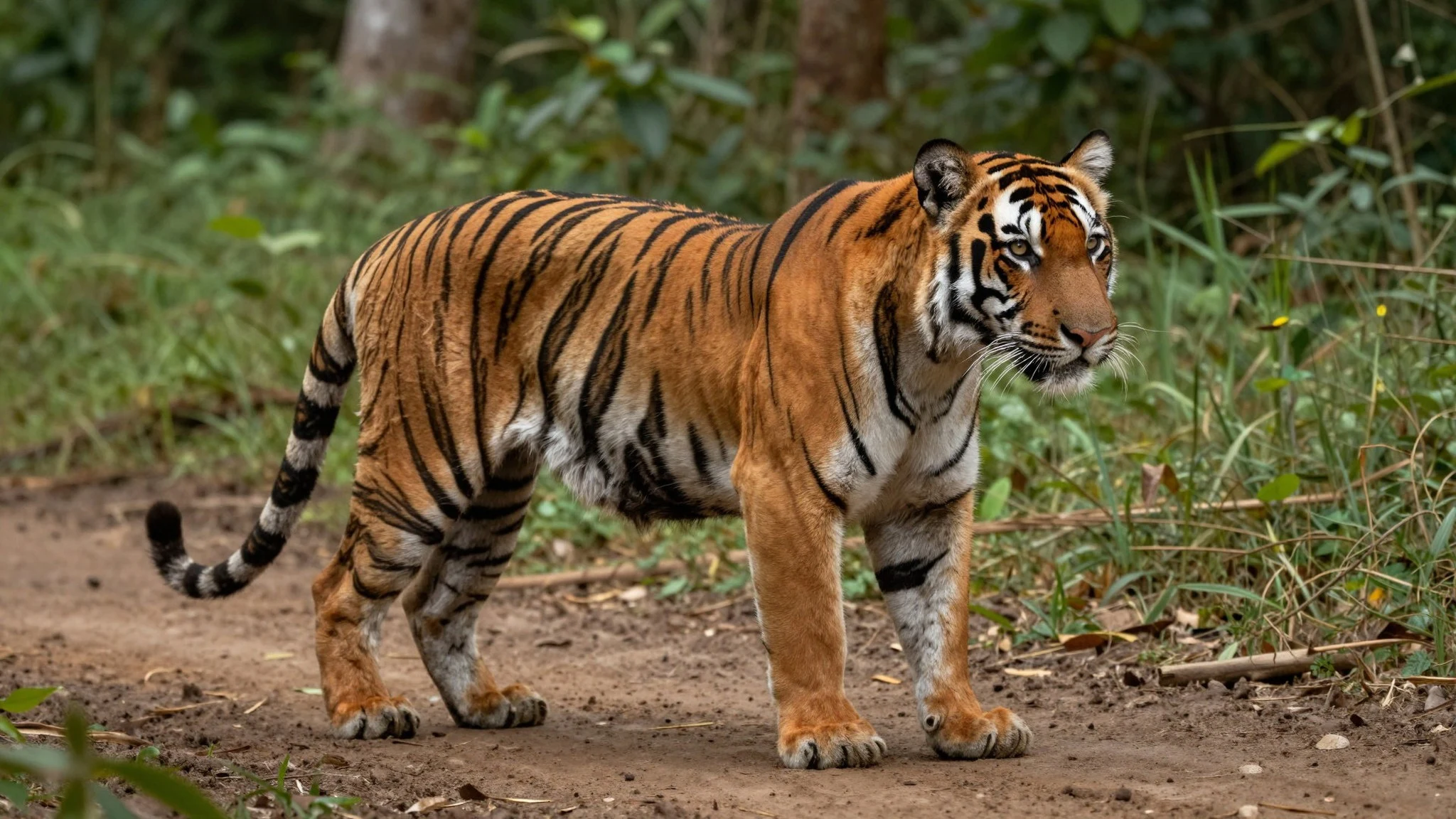
- Tiger (animal)
The tiger is a huge striped cat, with orange fur that fades to white in places, bold black stripes, and a big head and paws on a powerful body. The Cardamom Mountains are often talked about for tigers, but seeing one is never guaranteed. Treat your visit as a chance to watch for the signs tigers leave behind, rather than a promise of a sighting, and enjoy the looking for its own sake.