Møn
Møn, Denmark
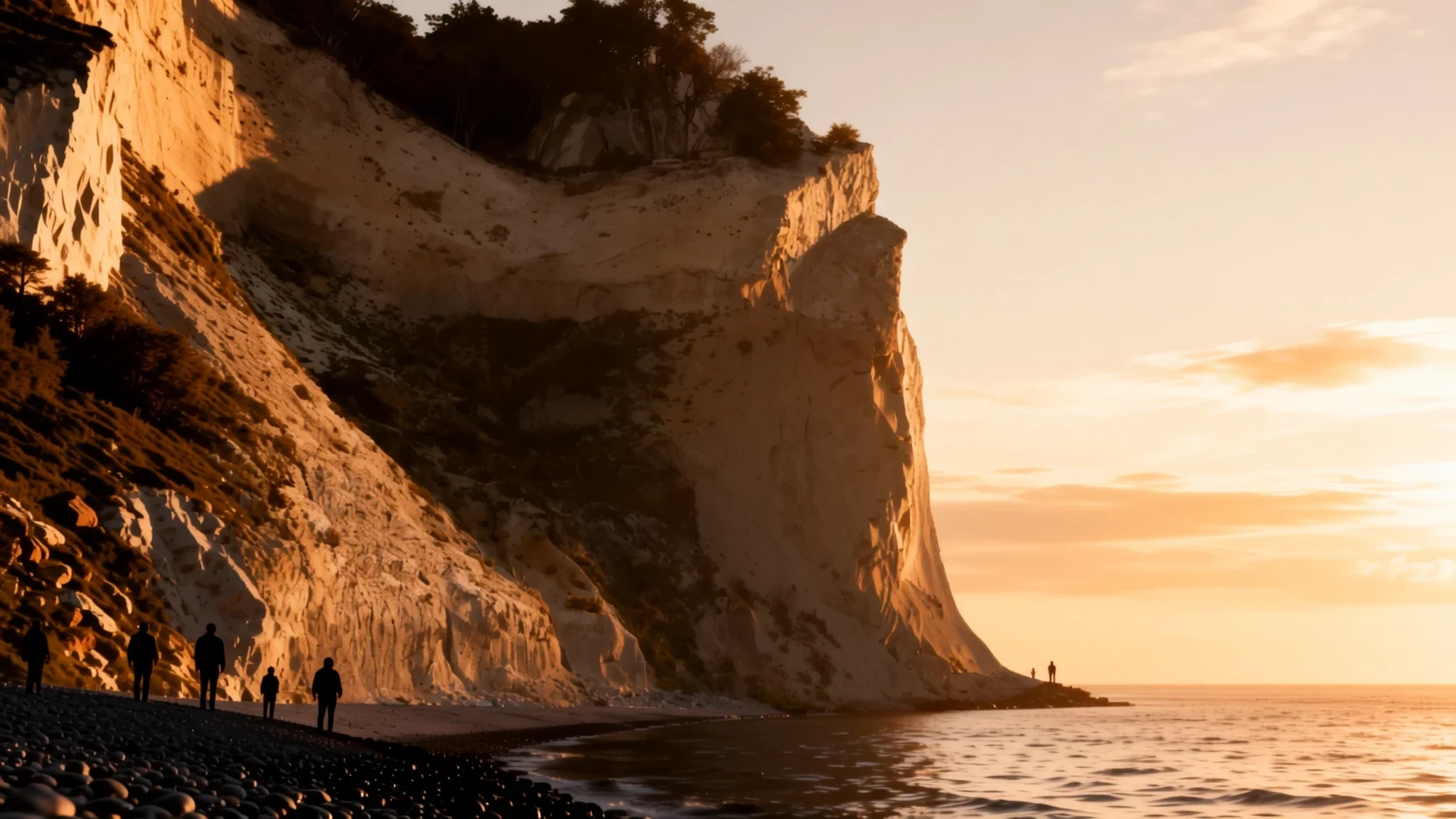
Møn offers tall white chalk cliffs, quiet Baltic beaches and painted village churches, all within a short drive of Copenhagen.
The place
Møn is an island in south-eastern Denmark, set just off the tip of Zealand and joined to it by a bridge at Kalvehave. It sits in the Baltic with the Grønsund strait to the south-west, where the neighbouring island of Falster begins. A scatter of smaller islands lies around it, among them Bogø, Farø and tiny Nyord, and a chain of bridges links Møn onward to Falster and Lolland. Administratively it now belongs to Vordingborg municipality in Region Sjælland, though islanders still think of it as a place apart. The landscape is gentle and varied: beech woods, meadows, wetlands, ponds, sandy shores and a few steep hills. The best known feature is the chalk coast in the east, but the interior is just as characteristic, with small farms, long views and a pace that suits cycling. Stege is the market town and the practical hub, with cafés around its harbour and square. Møn was designated a biosphere reserve by UNESCO, the first in Denmark, which tells visitors something about how much open, lightly managed country it holds. Crowds gather mainly at the cliffs in high summer; elsewhere the island stays calm, and few places feel hurried. Weather is changeable, with wind off the sea even on bright days, so layers matter more than sunscreen for most of the year.
Its story
Møn's human story begins after the last ice age, when people came back to a land still joined to the European mainland. Early inhabitants hunted and fished with small flint and bone tools, moving through forests of hazel, oak and alder along the eastern coast. By around 5400 BC the woodland had closed so thoroughly that the last big animals, such as aurochs and elk, were forced out. Farming arrived with the Neolithic, when cattle herding spread inland from coastal camps and flint axes became the working tool. Flint, gold and copper were all traded. This is also when islanders began raising burial mounds, which grew larger and held many people. Over a hundred big tombs survive on Møn today, a striking density for an island this size, and walkers still come across them in fields and on ridges. Around 2000 BC a new people, known as the battleaxe culture, brought goats, sheep and horses and favoured simpler graves under small round mounds. Bronze then replaced flint for tools, and more than 200 large round barrows from that age have been recorded. Much later came the medieval church painters and the eighteenth-century garden builders, but the prehistoric mounds remain the island's oldest visible layer.
What to see
- Møns Klint — East coast
The chalk cliffs run along the east coast, around 130 m high by Wikivoyage's measure. Roughly 500 wooden steps drop from the clifftop beech wood to a stony beach. The stairs from the Geocenter can end in water at high tide, so check conditions. Belemnite fossils turn up in the chalk.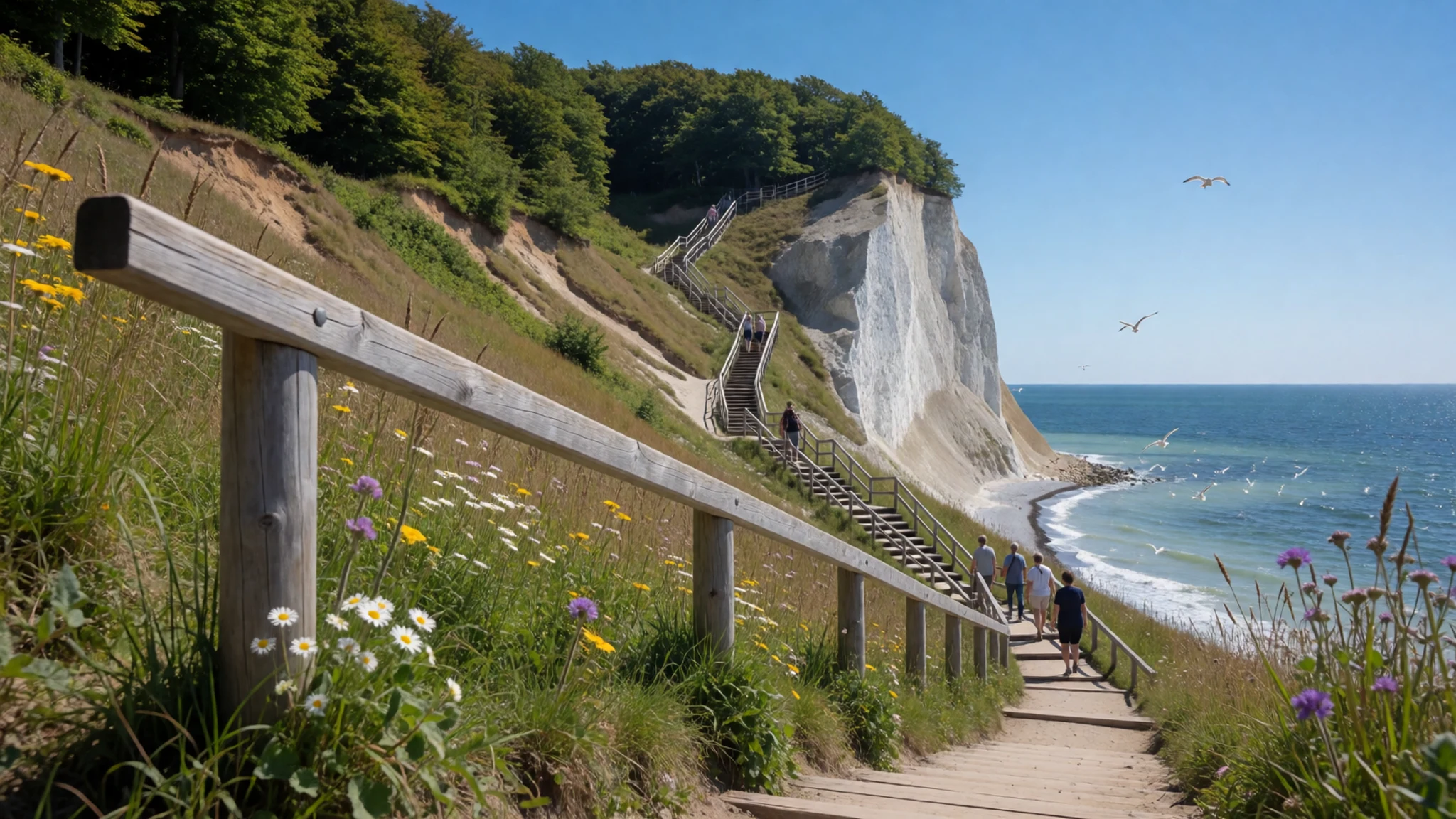
- Geocenter Møns Klint — Møns Klint
A museum beside the cliffs that explains how tiny sea creatures built the chalk and how glaciers later lifted it. It is aimed strongly at families, with hands-on activities, and works well as a wet-weather start before walking down to the shore. Check the official site for opening details.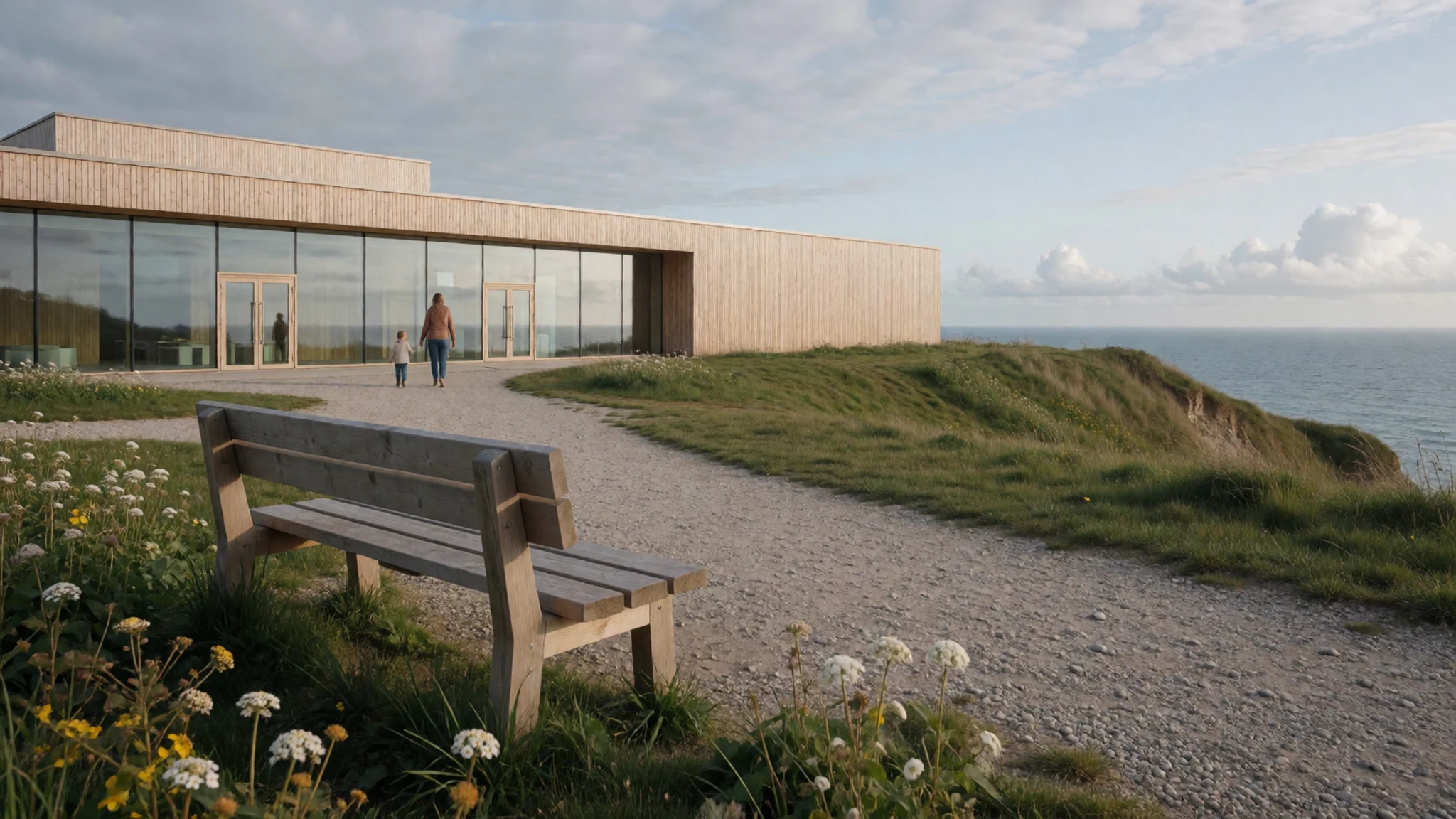
- Liselund — Near Møns Klint
A romantic landscape garden with several small, toy-like buildings scattered among trees and ponds, laid out in the eighteenth century by Antoine and Lisa de la Calmette. The eastern edge offers a view toward the cliffs. It is now part of the Danish National Museum.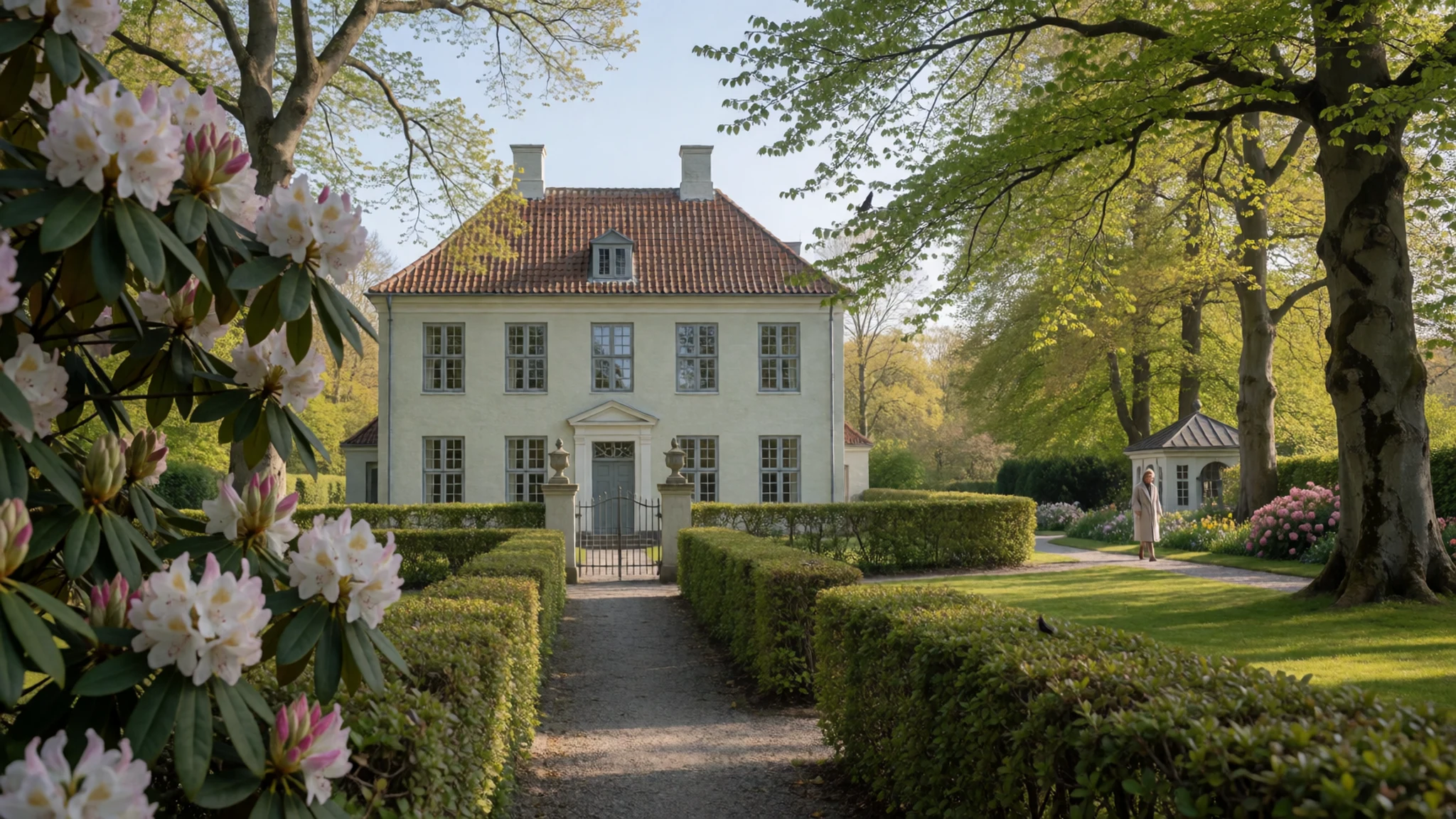
- Elmelunde Church — Inland Møn
One of the older churches in Denmark, known for well-preserved frescoes painted around 1490 by an artist called the Elmelunde Master. The wall paintings are the reason to stop. Go on a quiet afternoon, as the interior is small and light is limited.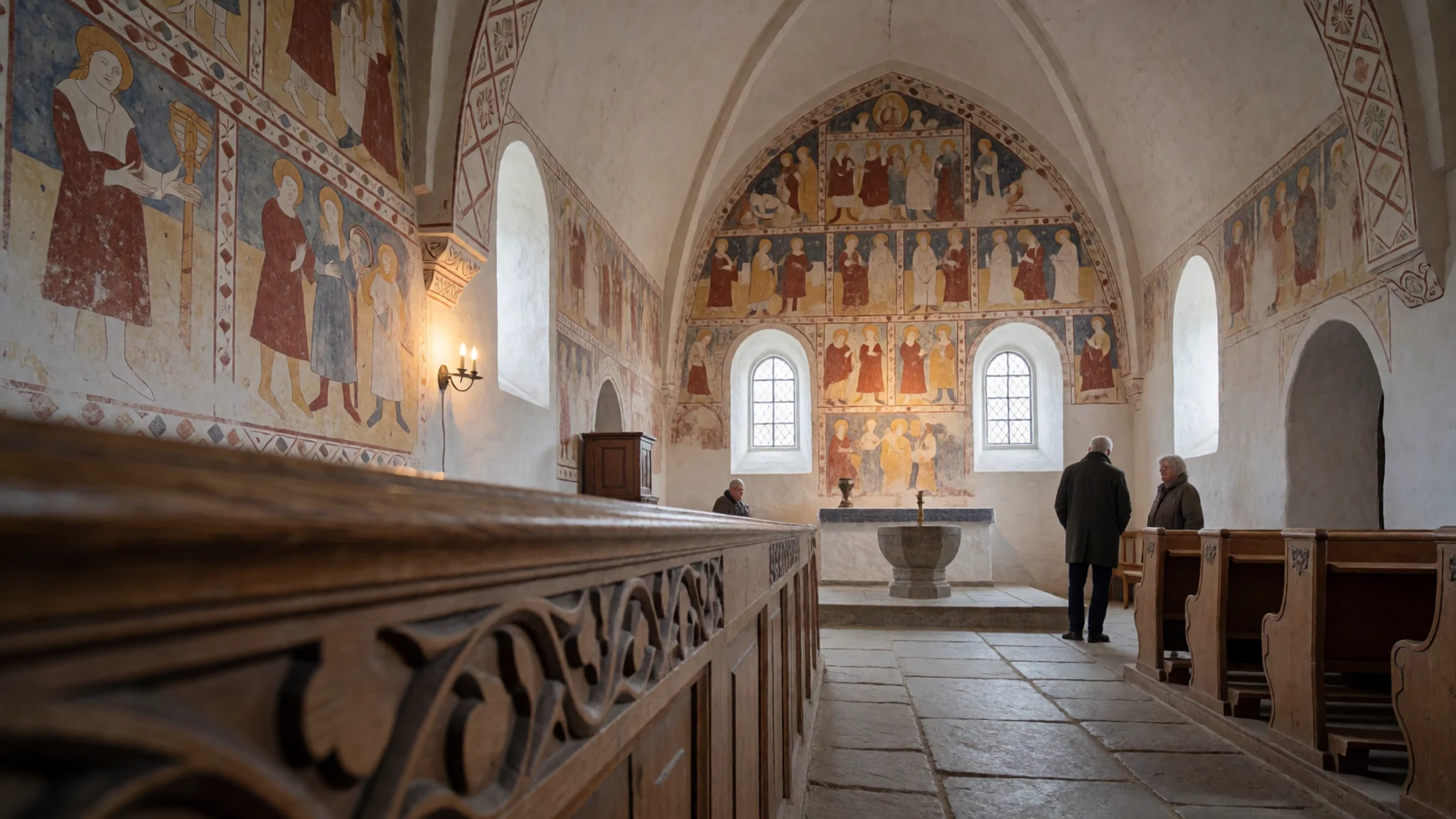
- Stege — Stege Bay
The island's market town, with a harbour, a square and a handful of cafés. It is the easiest base for supplies, buses and a first meal. The old town hall now houses a centre for start-ups, a small sign that the town is more than a tourist stop.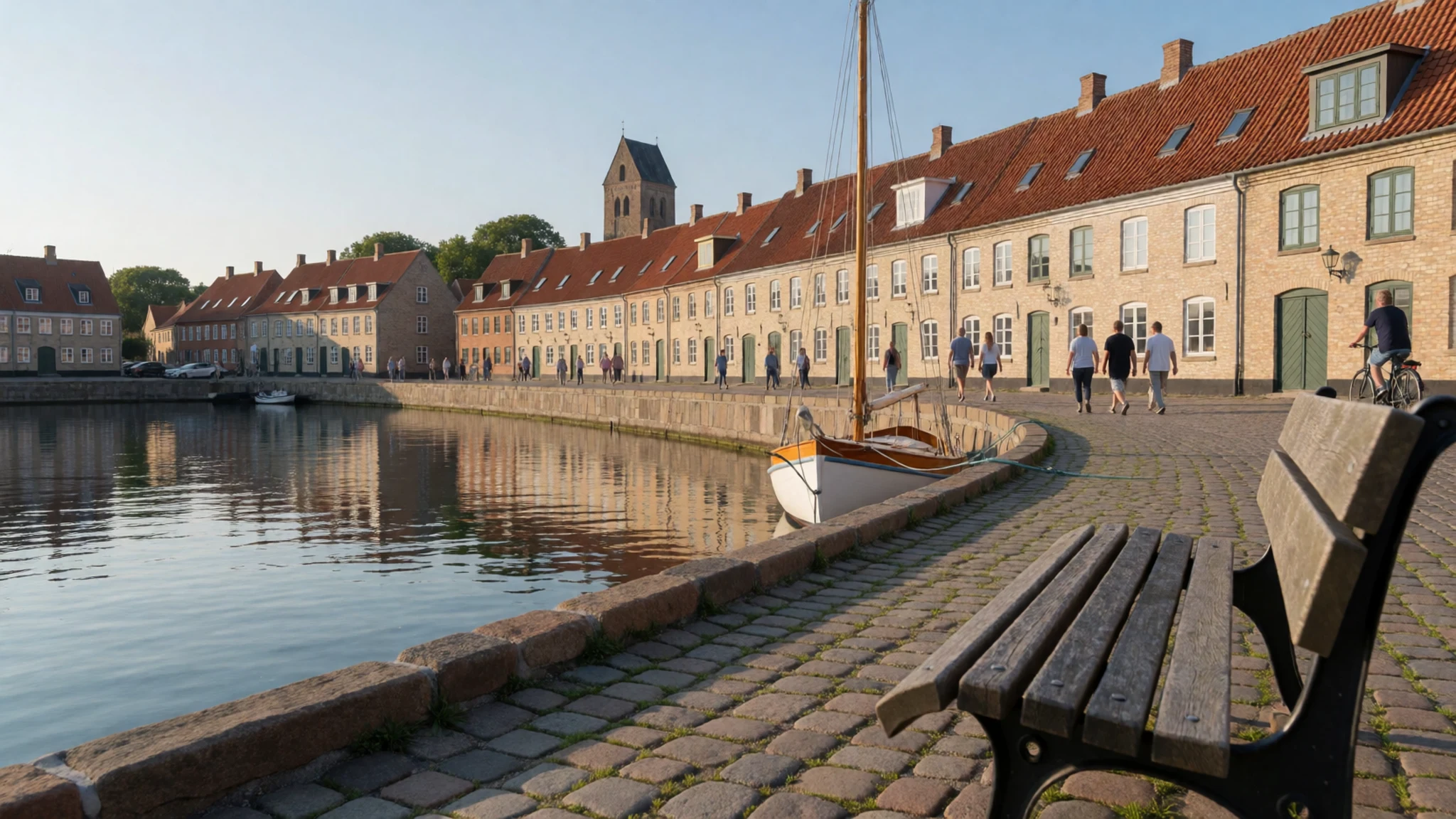
Culture
Møn's culture is rural Danish, shaped by farming, fishing and a long habit of living quietly on an island. Church life left the clearest mark: medieval village churches carry lime-wall paintings that once taught scripture to people who could not read, and Elmelunde's are among the best preserved. The eighteenth century added a different taste, when wealthy owners created romantic gardens such as Liselund, with small pavilions meant to look informal and a little foreign. Today the island leans on walking, cycling, birdwatching, geology and unhurried cafés. Local pride centres on the chalk cliffs, painted by Danish and German artists in the nineteenth century, and on the biosphere reserve status, which encourages care for the land. Summer brings holidaymakers from Copenhagen and Germany, but evenings remain quiet and shops keep modest hours, so plan meals rather than hoping for late service. Danes tend to be direct, polite and relaxed about visitors, and queues are orderly. Dogs, bikes and families share the paths, and most people expect visitors to keep to the marked routes. Stay on the marked paths and stairs at Møns Klint, keep well back from the crumbling cliff edge, and do not take away chalk, fossils or plants beyond what the site allows.
What to wear
Møn has no distinct regional costume in everyday use. Like the rest of Denmark, traditional dress belongs to folk-dance groups and festivals, typically wool skirts, bodices and embroidered aprons for women and knee breeches with waistcoats for men, made from wool and linen. Brought out for celebrations, it is rarely seen otherwise. What people actually wear is practical Scandinavian casual: wool jumpers, waterproof jackets, jeans, simple trainers or walking shoes, and plenty of cycling kit in summer. Colours run toward navy, grey, olive and cream, and nobody dresses up for cafés. Visitors should dress for wind and quick weather changes, even in July. A windproof, waterproof layer is more useful than an umbrella on the clifftop. Sturdy shoes with good grip are important for the wooden steps and the stony, sometimes slippery beach, and sandals are a poor choice there. Bring a warm layer for evenings and a hat for sun and wind. Swimwear suits the sandy beaches, though Baltic water stays cool for much of the year. Churches have no strict dress code, but modest, quiet clothing is polite, and hats are usually removed indoors.
What to eat
- Smørrebrød — Cafés and eateries around Stege harbour and square
Danish open sandwiches on dark rye bread, topped with fish, egg, pickles or cold meat. Light lunch at village cafés and harbour eateries in Stege suits a day of walking.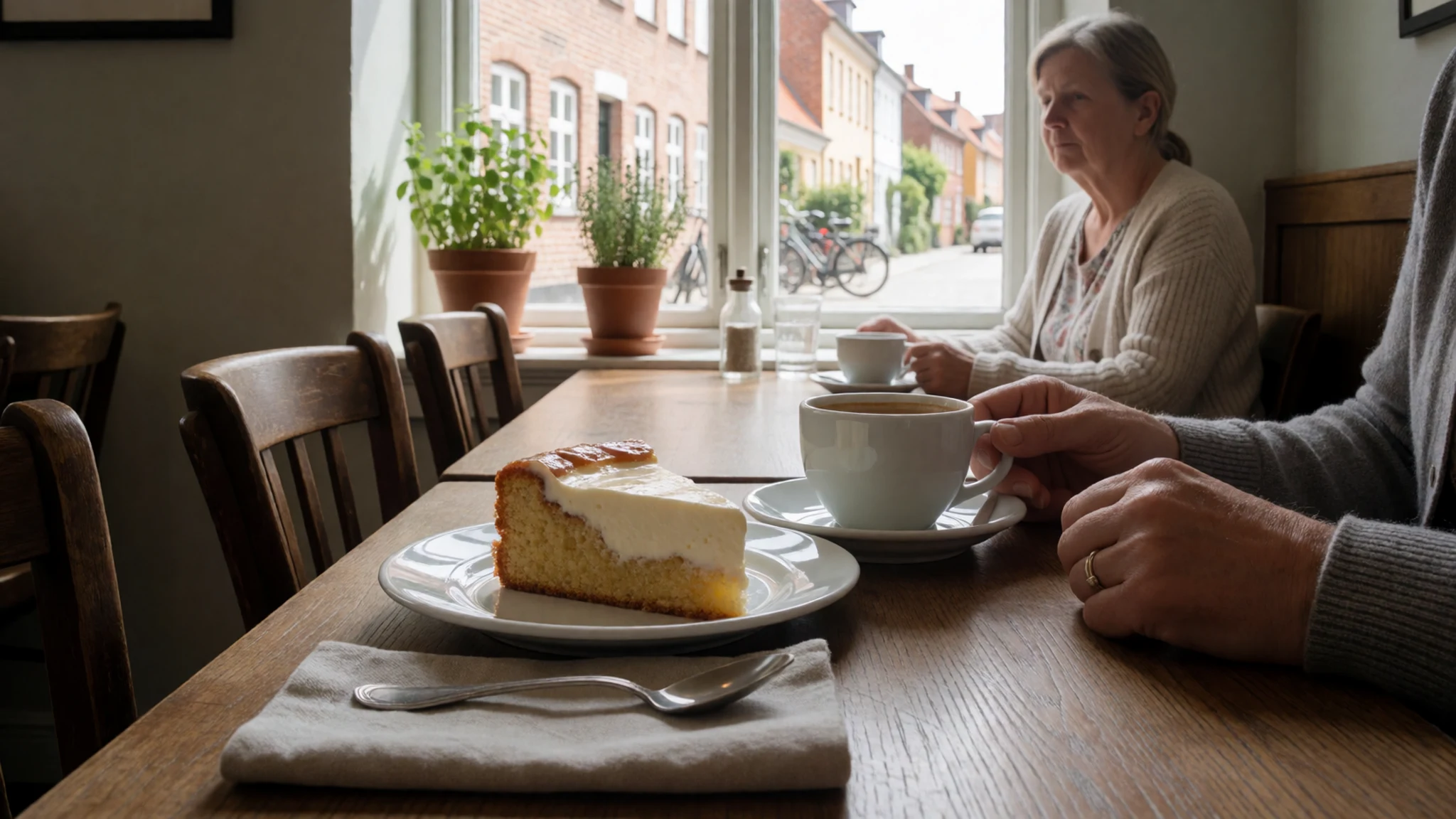
- Local craft beer — Brewery café and harbour bars in Stege
Møn has a brewing tradition, and a café in Stege brews its own beer on site. A small glass by the water is an easy way to end a cycling day.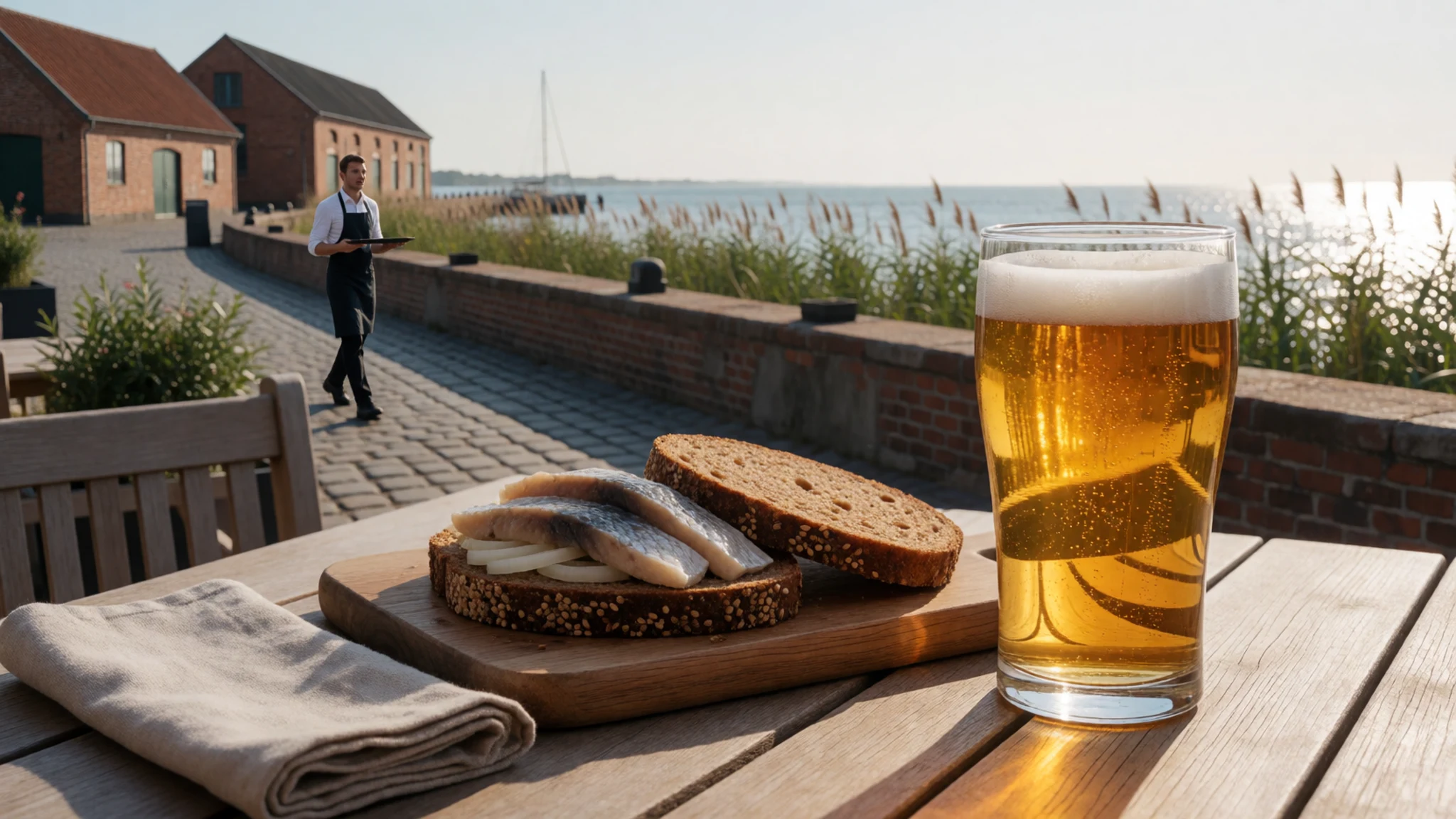
- Grilled meats — Grill restaurants in Stege
A Stege restaurant is known for letting diners choose from a long list of meats to grill. It is hearty, social food, better for groups than for light eaters. - Fine dining with island produce — Countryside restaurants near Stege
Møn has at least one restaurant aimed at a more formal meal, built around Danish ingredients and seasonal menus. Book ahead in summer and check the official site for current details. - Café cake and coffee — Cafés on Stege's main square
Stege is home to a well-known cake and biscuit maker, and cafés on the main square serve cake and coffee with a view over the town, including one in a glass building.
Plan it
Best time. May to September for walking, cycling and swimming, with June to August warmest and busiest at the cliffs. Spring and early autumn are quieter and cooler, and winter is dark, windy and mostly closed.
How long. 2–3
Getting there. Fly to Copenhagen, then take a train and bus or drive south over the bridge at Kalvehave; search bus connections on rejseplanen.dk. Car hire makes the cliffs and villages far easier to reach.
Budget. mid
Tips
- Hire a bike or car, as distances between sights are long for buses
- Visit Møns Klint early or late to avoid summer crowds
- Check tide and path conditions before using the cliff stairs
- Carry a windproof layer even on sunny days
- Book fine dining ahead in summer
Etiquette
- Stay on marked paths and keep back from the cliff edge
- Do not remove fossils or plants beyond what site rules allow
- Keep voices low inside village churches
Nearby
Sources
- Wikidata Q666502 (CC0)
- Wikipedia: Møn (rev 1376514982) (CC BY-SA 4.0)
- Wikivoyage: Møn (rev 5354068) (CC BY-SA 4.0)
- Photo: Møn aerial, kallerna (CC BY-SA 4.0)
- Photo: Kalvehave harbour, SFDan (CC BY 3.0)
- Photo: Farø southern bridge, kallerna (CC BY-SA 4.0)
- Photo: Møns Klint, Bob Collowan (CC BY 3.0)
- Photo: Liselund manor, Ipigott (Public domain)
- Photo: Elmelunde fresco, Niels Elgaard Larsen (CC BY-SA 1.0)
- Photo: Mona, Möen 1677, Resen (Public domain)
- Photo: Louis Gurlitt, Møns Klint (Public domain)


