Metinaro
Metinaro, Timor-Leste
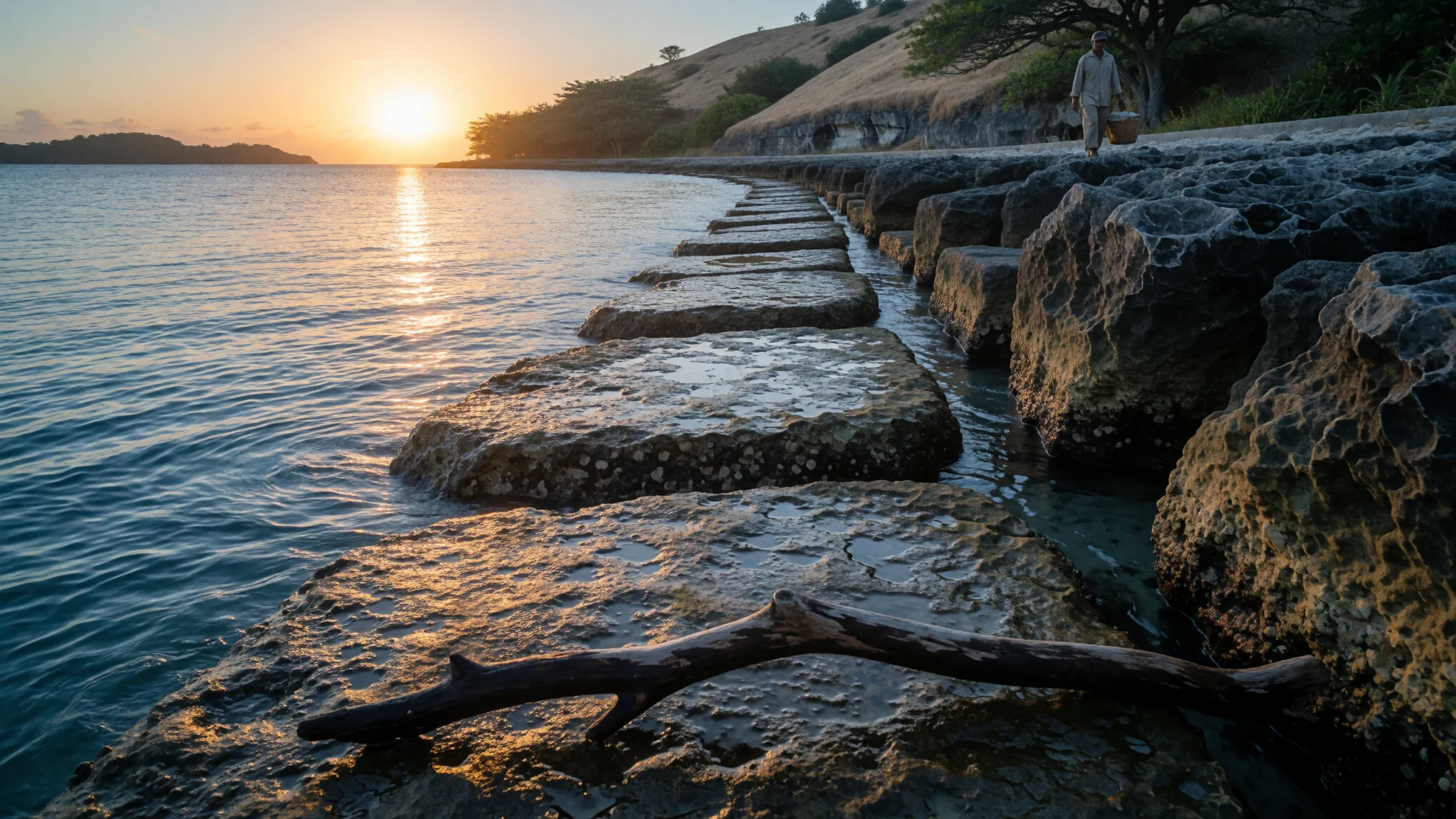
Metinaro is a quiet stretch of Timor-Leste's north coast, where fishing life, open sea and a hard-won history sit within easy reach of Dili.
The place
Metinaro is a small coastal town and administrative post on the north shore of Timor island, east of Dili along the coast road. About 4,300 people live here, and the land sits only 13 metres above sea level, so the setting is flat shoreline with dry hills behind rather than mountain scenery. Fishing, small trade and traffic on the road between the capital and the eastern districts keep the place going. It is not a resort. There is a local administration building, a scatter of shops and small eateries, a church and a lot of open sky, and most visitors pass through on the way somewhere else. That is partly the charm: the sea is close, the pace is unhurried, and nobody is selling packages. Offshore reefs draw divers to this coast, but facilities in Metinaro itself are thin, and most people dive with operators based in Dili. Heat is constant, midday sun is harsh and shade on the open shore is scarce, so mornings and late afternoons are far more pleasant. The town suits a half-day stop on a longer drive, or a quiet look at everyday coastal life in a country that sees few tourists. Visitors should carry their own water and cash, and ask locally about anything that matters, including tides, transport and where to eat.
Its story
Metinaro lived through the same history as the rest of Timor-Leste, and that history explains much about the country today. Portugal ruled the eastern half of the island as a colony from the early eighteenth century, largely leaving local communities to run their own affairs. After the revolution in Lisbon, Portuguese Timor declared independence in November 1975. Within days Indonesian forces invaded, and the territory was annexed as a province. The occupation that followed lasted about a generation. Estimates of the dead run as high as a fifth of the population, and nearly every Timorese family carries a loss. Resistance continued in the mountains, in the towns and through the Church. In August 1999 the United Nations supervised a referendum in which people voted for independence. Militias backed by elements of the Indonesian military then terrorised the population, and much of the country's infrastructure was destroyed. Along the coast east of Dili, towns such as Metinaro were part of this upheaval, and people there have their own memories of it. Today the mood is one of rebuilding and cautious pride, and relations with Indonesia are good. Anyone wanting to understand the place can read about the resistance years and visit the memorials in Dili before travelling out here, then let local people decide how much to say.
What to see
- Metinaro administrative post — Town centre, Metinaro
The administrative post building is the civic centre of Metinaro, a modest low structure where local business, paperwork and meetings happen. It is not a monument, but it is a useful landmark for getting your bearings, and a polite greeting to staff or neighbours often leads to directions or advice on the shore.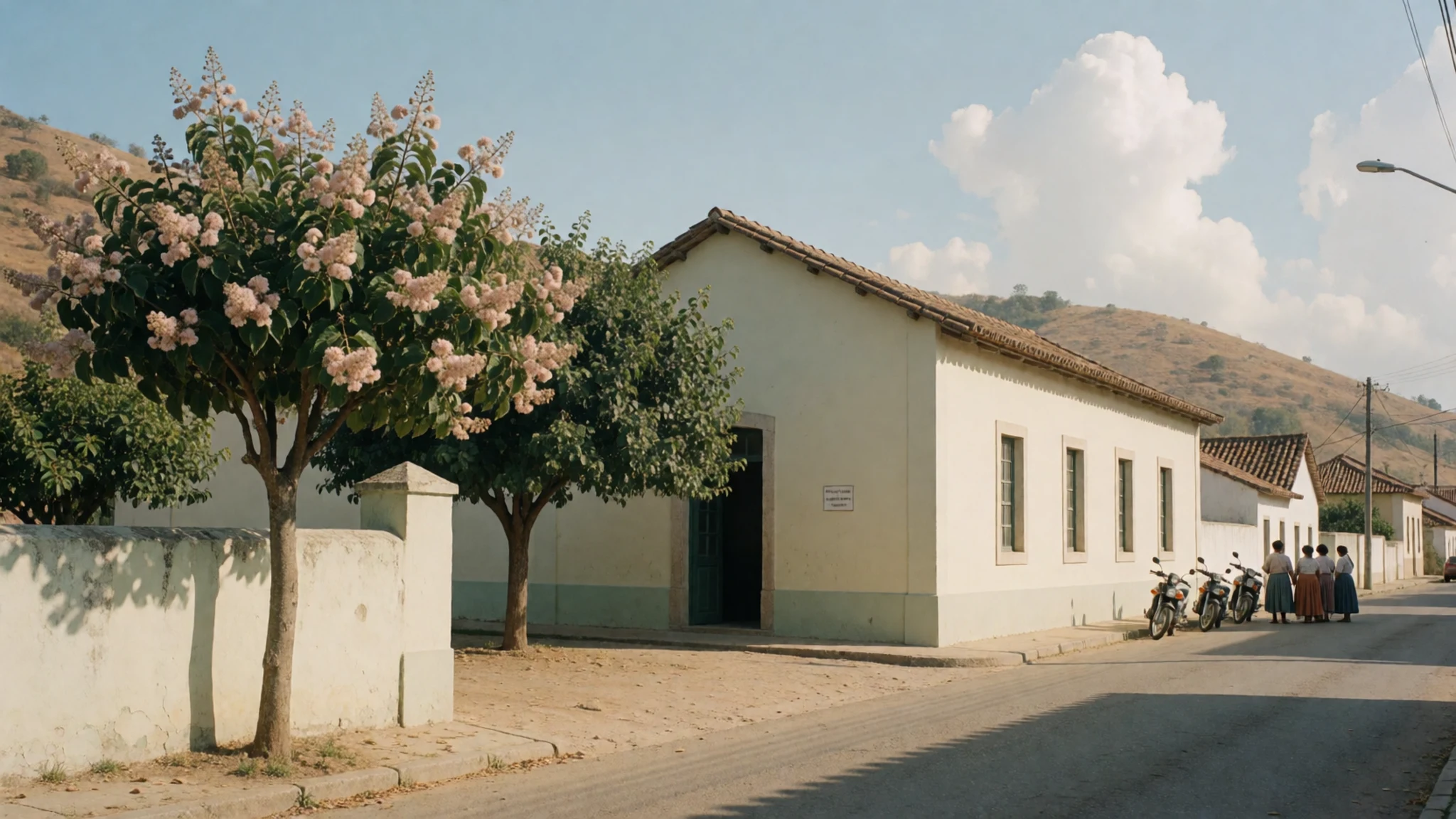
- The coast near Metinaro — Coastline around Metinaro
The shore around Metinaro is open, rocky and lightly visited, with the sea close to the road in places. Come early or late for gentler light and cooler air, bring water, and ask fishermen about conditions before swimming or snorkelling, since currents can be strong and the rocks are uneven.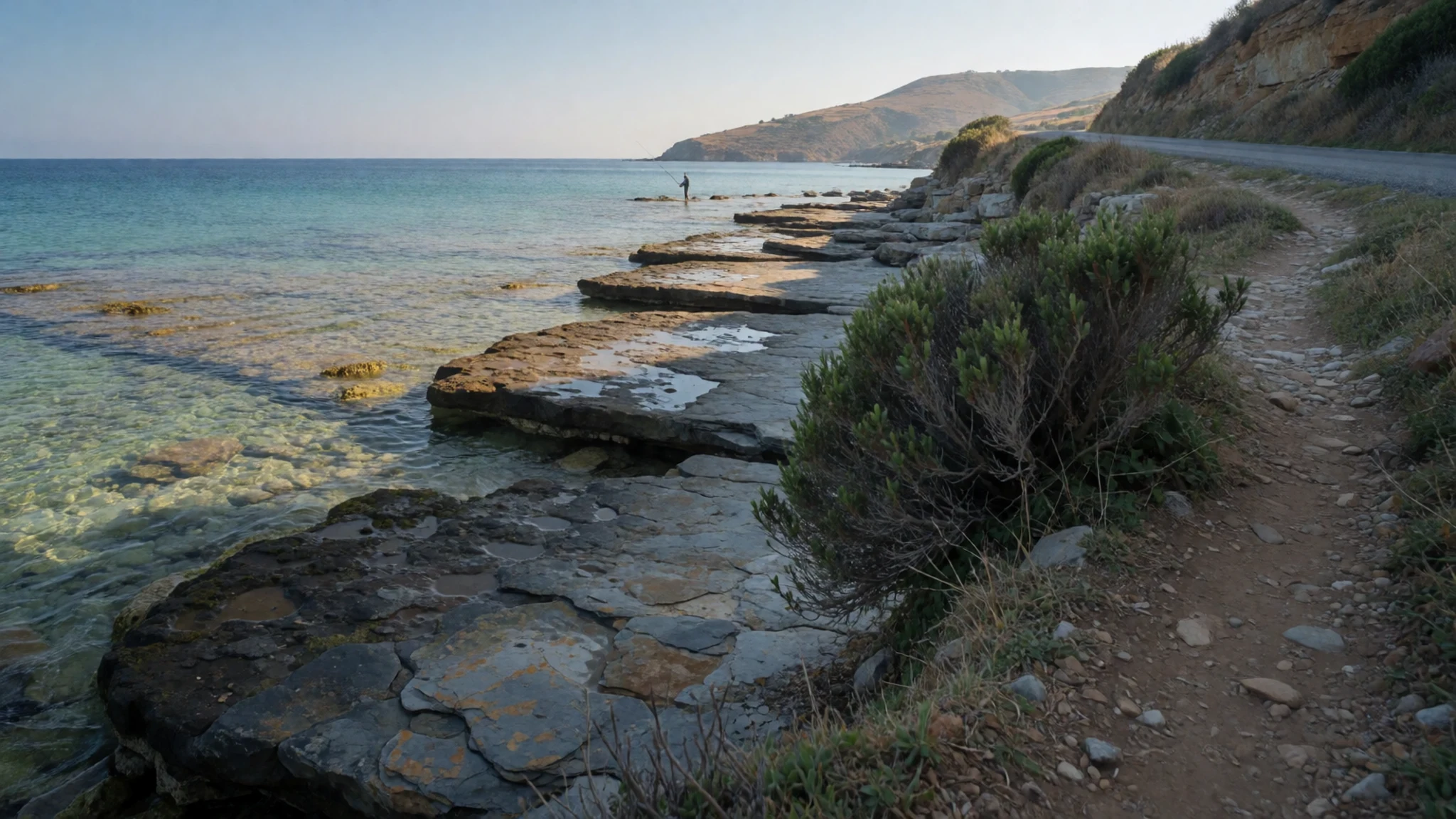
- Pertamina Pier, Dili — Dili waterfront
Pertamina Pier on the Dili waterfront is a shore dive known for small reef creatures, octopus and schools of barracuda. It is a practical option for anyone based in the capital, west of Metinaro. Book through a Dili dive operator, who will arrange kit, tides and a briefing.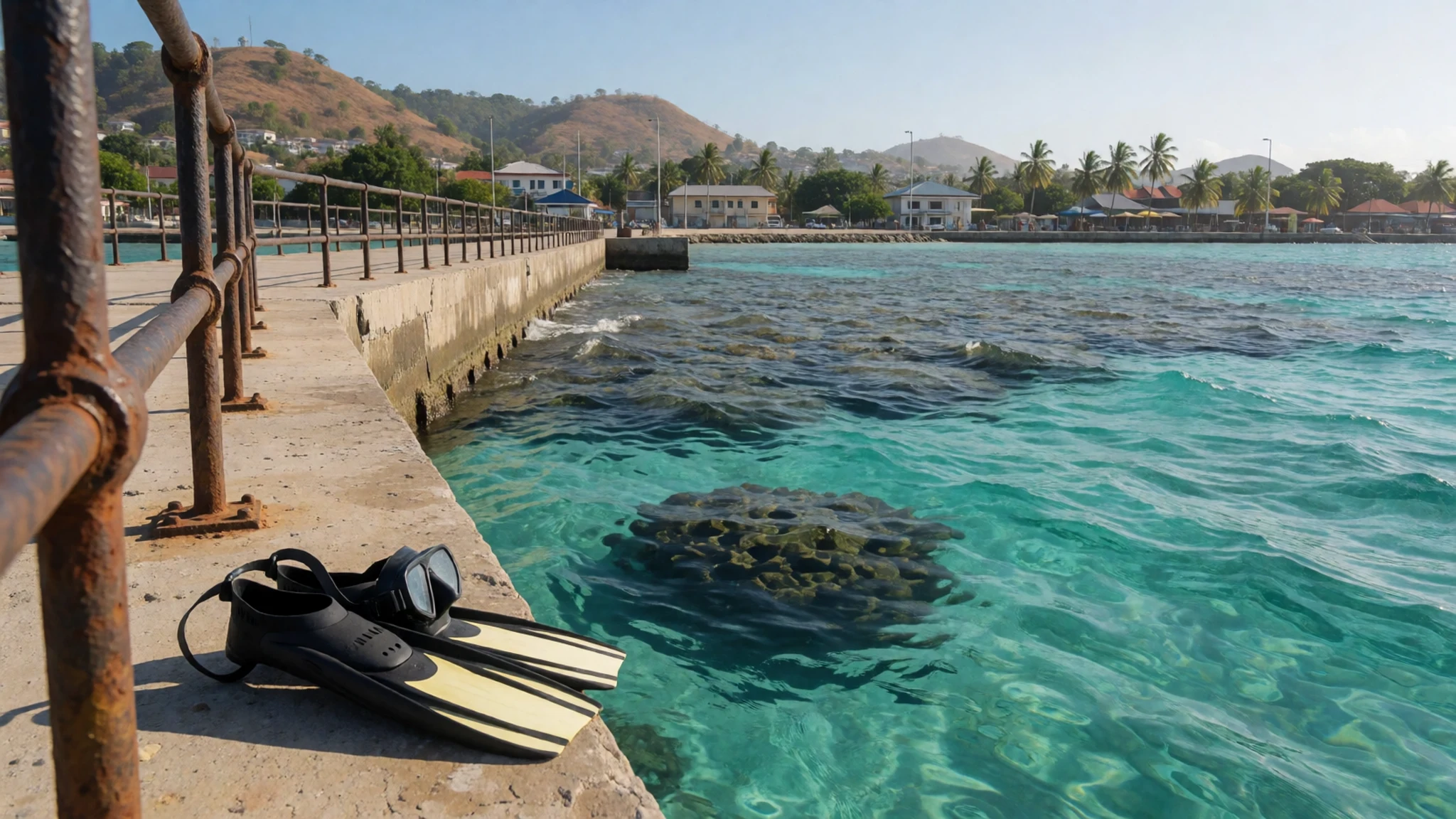
- Atauro Island — Offshore, north of Dili
Atauro Island lies across the water from Dili and is the usual choice for clear-water diving and snorkelling, with eco-lodges run with local support. Fishermen there still hunt with hand-made goggles and spear guns, and the island is known for its wooden carvings. Check boat times locally before planning a day trip.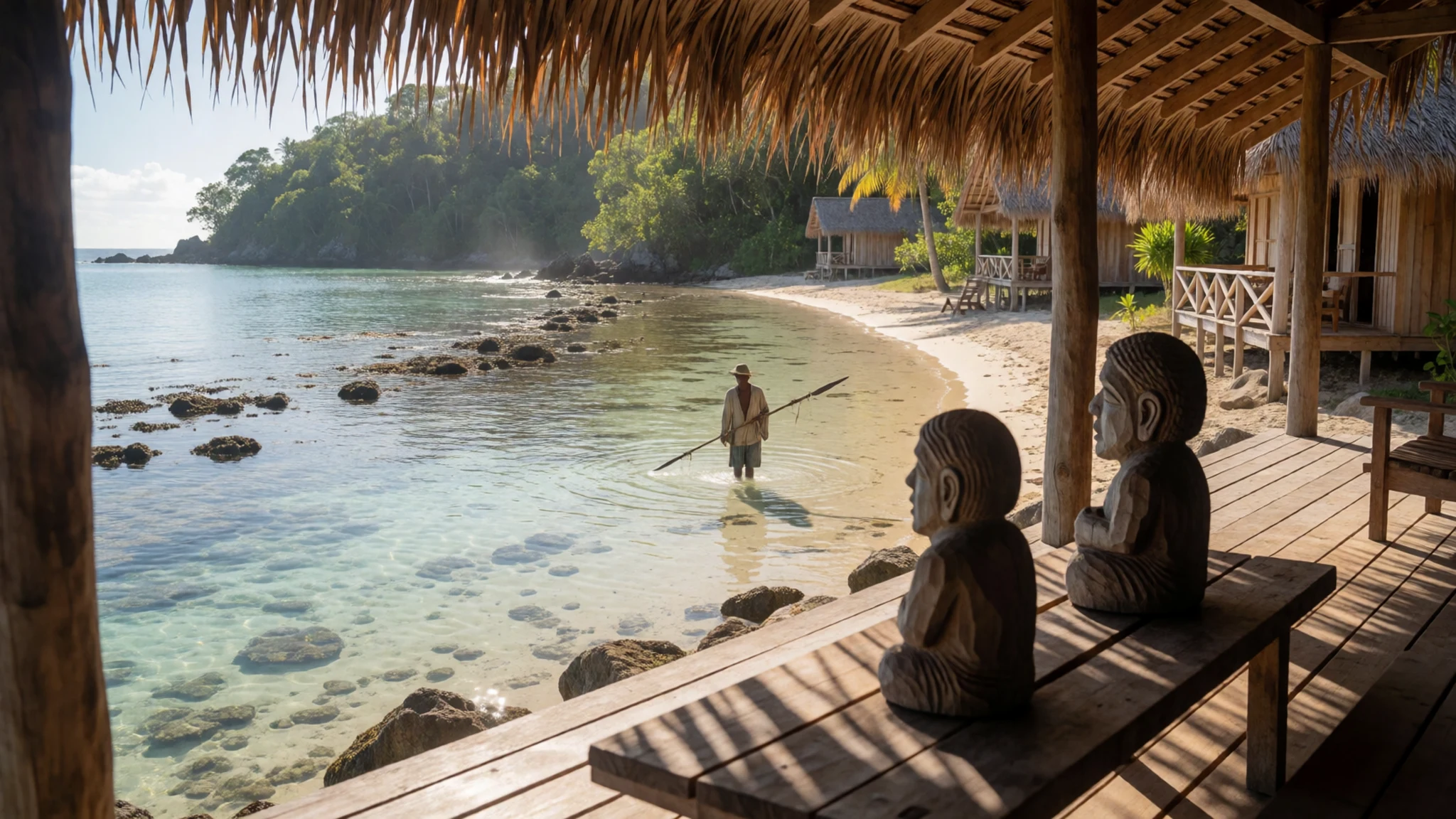
- Santa Cruz Cemetery, Dili — Dili
Santa Cruz Cemetery in Dili is a sombre place of remembrance for a massacre of mourners during the occupation. It is among the sites visitors choose to understand the resistance years. Go quietly, dress modestly and treat it as a place of grief, not a photo stop.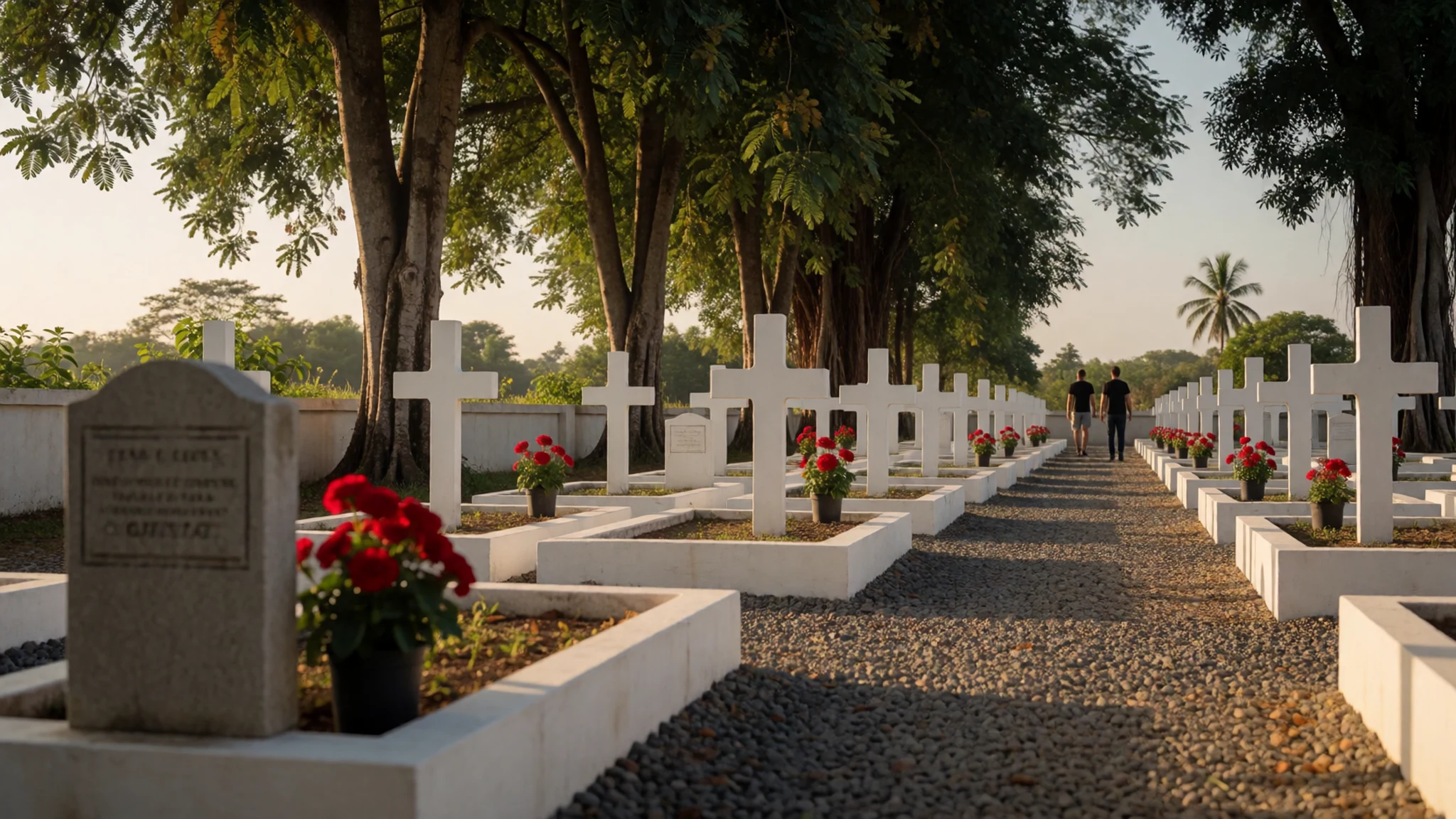
Culture
Metinaro's culture is shaped by Catholic faith, close family and village ties, and a shared memory of the occupation years. Portuguese rule left behind the Church, and chapels, roadside shrines and Sunday services are central to community life, while older beliefs about ancestors and land still sit alongside it. Tetum is the everyday language, Portuguese is official, and Indonesian is widely understood; even a few words of Tetum are warmly received. Many Timorese speak fondly of the Portuguese period, when communities were largely left alone, and with sorrow of the occupation that took so many lives. Relations with Indonesia are good today and Indonesia backed the country's entry into ASEAN, but praising the occupation or the idea of union with Indonesia is badly received. Life here follows the rhythms of fishing, small farming and market days, with weddings, funerals and church festivals marked by shared meals and woven cloths exchanged between families. Hospitality is real but unhurried: a greeting, a handshake and a few minutes of conversation come before any request. Ask permission before photographing people, churches or ceremonies, and leave talk of the occupation or politics until a local raises it.
What to wear
Metinaro's traditional dress is built around tais, the hand-woven cloth found across Timor-Leste. Women weave it on backstrap looms, usually in cotton, with geometric patterns and colours that differ by district and family. Tais is worn as a wrap skirt, a sash or a shoulder cloth, and it is exchanged at weddings, funerals and welcomes, when its patterns carry meaning about lineage and respect. For ceremonies and festivals, people add beads, metal ornaments and headwear, and the cloth is carefully kept between occasions. Day to day, people in Metinaro dress simply and for heat: T-shirts, shorts, long cotton skirts, flip-flops and football shirts, with school uniforms on weekdays and neat collared shirts or dresses for Sunday church. Visitors should pack light cotton or linen that dries fast, a wide-brimmed hat and sunscreen, since the open coast offers little shade. Shoulders and knees should be covered in churches and villages; swimwear belongs on the beach only. Sturdy sandals or reef shoes help on the rocky shore and in shallow water, and a light rain jacket is useful in the wetter months. A tais scarf bought from a weaver makes a respectful, practical souvenir.
What to eat
- Fried fish with rice — Small roadside eateries and fishing landings along the coast
Fish is part of almost every meal on this coast, and fried fish with rice is a staple. The catch is simple and fresh, often seasoned with chilli and lime. Rice is the usual base, with greens or a spiced sauce alongside.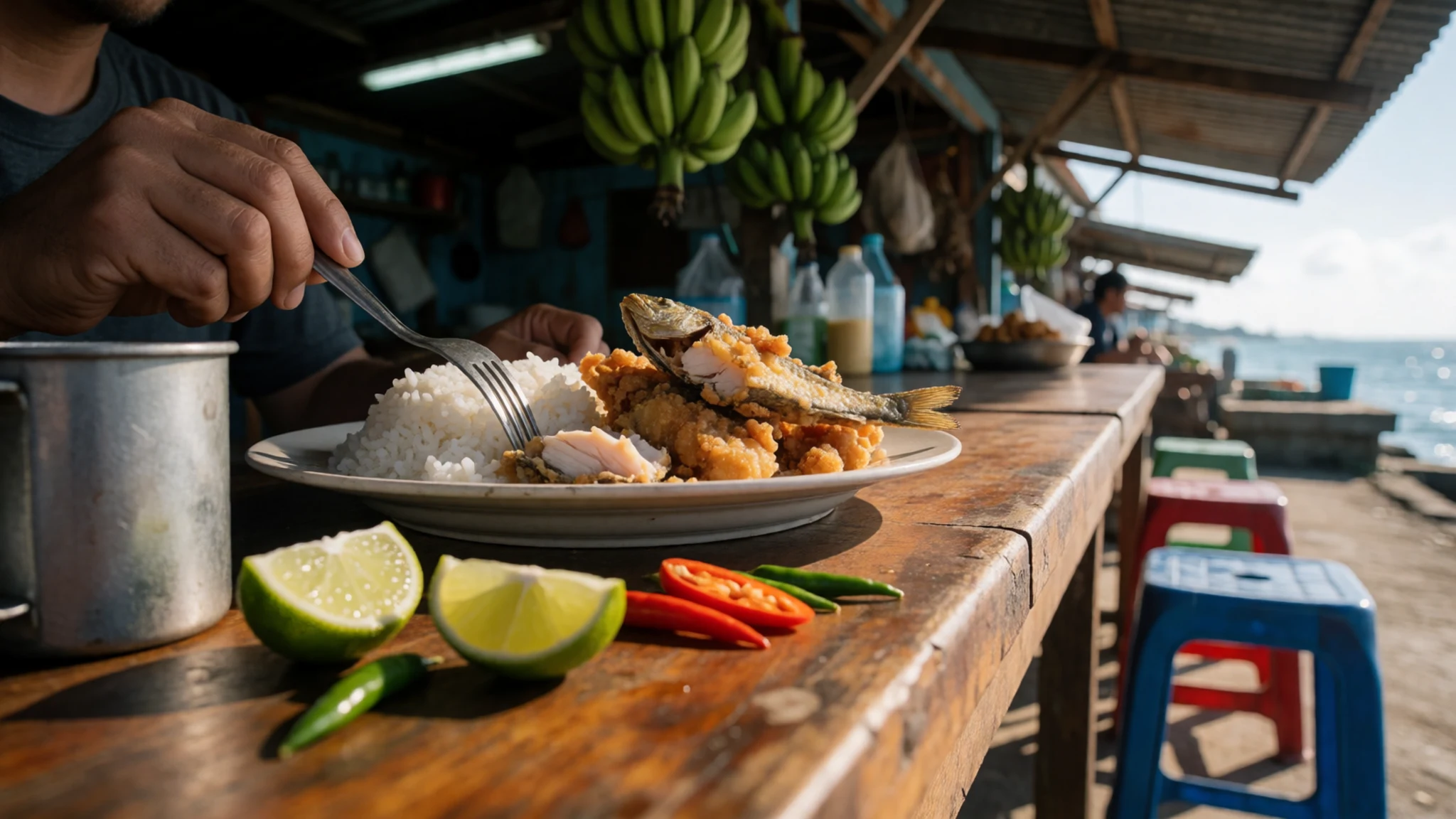
- Chicken curry — Simple family-run eateries and market food stalls
Curries are a standard dish in Timor-Leste, and chicken curry is a favourite. Expect a spiced, gently hot sauce eaten with rice, often with potato or vegetables. It is a dependable choice for anyone cautious about heat.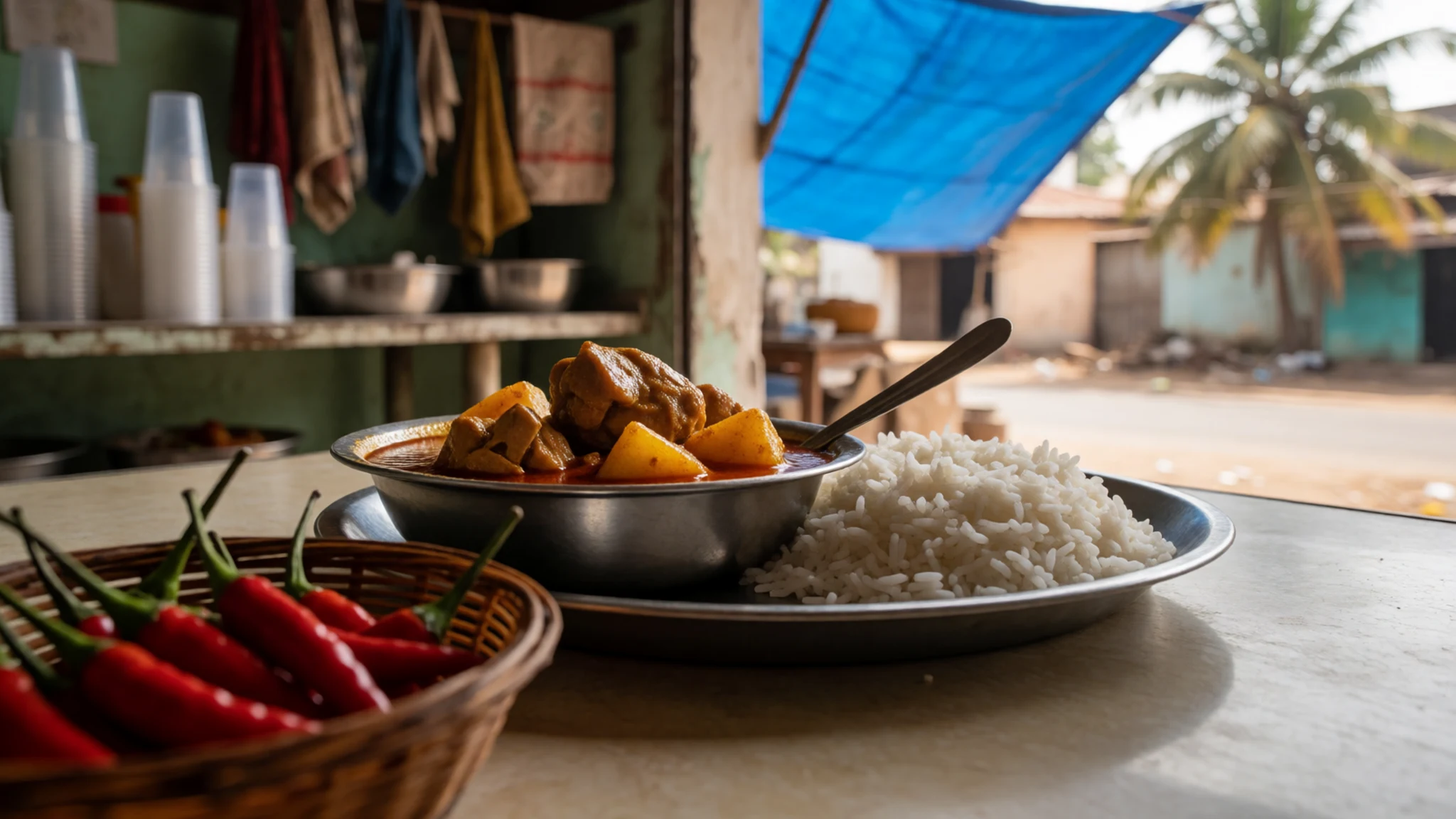
- Prawns — Seafood restaurants in Dili, a short drive west
Prawns are treated as a delicacy here, usually grilled or fried with garlic, chilli and a squeeze of lime. They cost more than fish, so they tend to appear on special occasions or in Dili's seafood places. - Cassava, taro and sweet potato — Village markets and home-style eateries
Root crops sit alongside rice in many Timorese homes. Cassava, taro and sweet potato are boiled, steamed or fried and served with fish or greens. They are filling, plain and a good way to see what villagers actually eat. - Timorese coffee — Cafés in Dili and roadside stalls
Coffee is grown organically across Timor-Leste, and the cup is strong. It is served black and sweet in many places, sometimes with a plain biscuit. Beans are sold to take home, and buying direct supports growers. - Tropical fruit — Roadside stalls and local markets
Mangoes, papayas, bananas, watermelons and coconuts are widely grown and sold. A cold coconut or a bag of cut mango is the easiest way to cool down on a hot afternoon along the coast.
Plan it
Best time. June to October is the drier, more comfortable part of the year for roads and sea conditions. The wetter months bring heavy rain, muddy tracks and rougher water, and heat is high all year.
How long. 1
Getting there. Fly to Presidente Nicolau Lobato International Airport in Dili, then travel east along the coast road to Metinaro by taxi, hired car with driver or local minibus. Check the official immigration site for visa rules before travelling.
Budget. mid
Tips
- Go in the morning, as the open shore has little shade by midday
- Carry cash, drinking water and sun protection, as card use is limited outside Dili
- Hire a car with a driver in Dili if you want flexible stops along the coast
- Book dives and boat trips through Dili operators, and check conditions locally
- Keep phones and bags secure on busy Dili streets, and avoid large gatherings
Etiquette
- Ask before photographing people, churches or ceremonies
- Dress modestly in villages and churches, with shoulders and knees covered
- Avoid raising the occupation or politics unless a local begins the conversation
Nearby
Sources
- Wikidata Q18201468 (CC0)
- Wikipedia: Metinaro (CC BY-SA 4.0)
- Wikivoyage: Timor-Leste (CC BY-SA 4.0)
- Photo: Sede do Posto Administrativo de Metinaro, Bahnfrend (CC BY-SA 4.0)
- Photo: Coastline near Metinaro, Canonreflex (CC BY 3.0)

