Maubisse
Maubisse, Timor-Leste
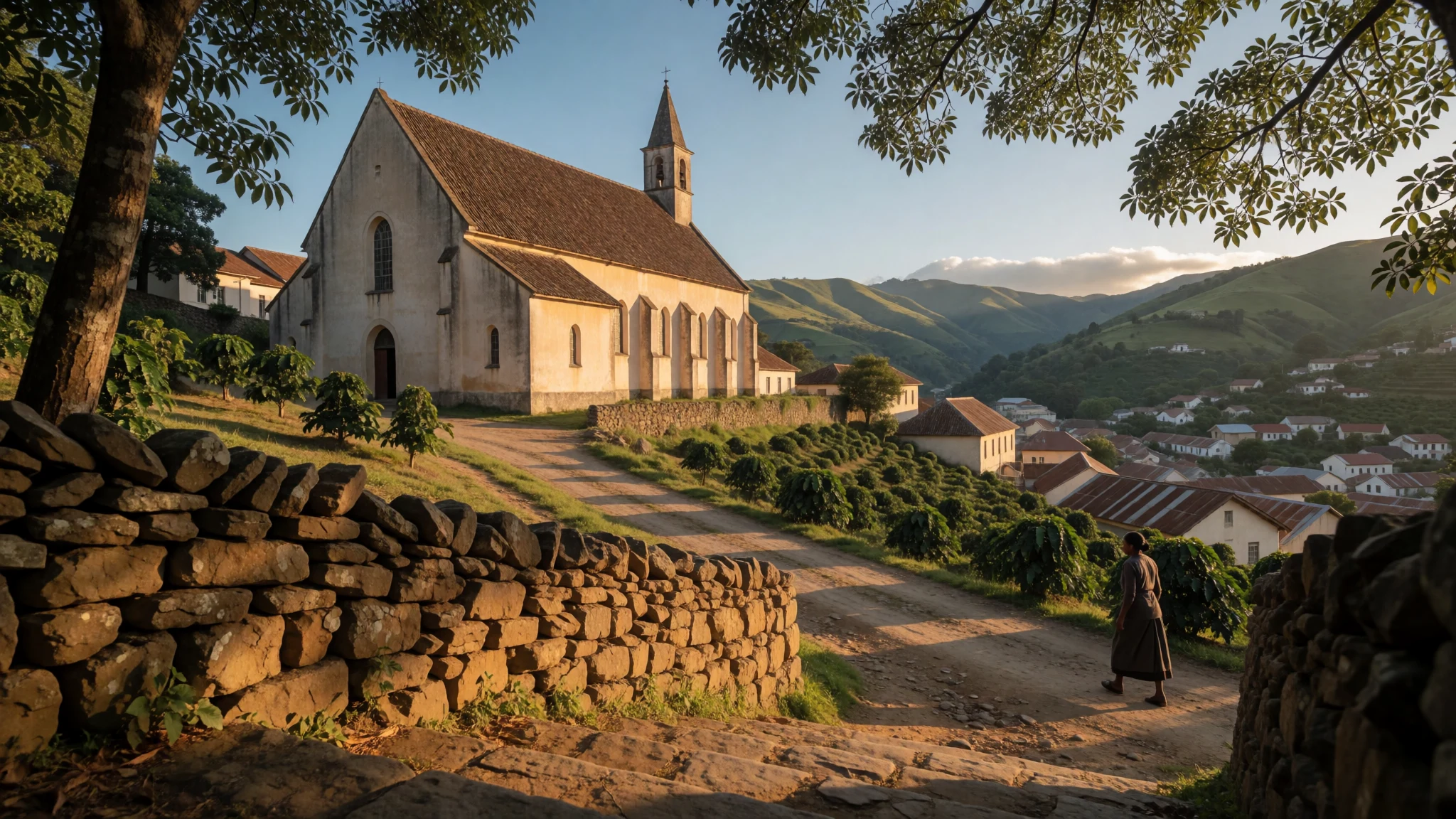
Maubisse is a cool highland town of coffee gardens, a hilltop church and a slower pace above the Timor coast.
The place
Maubisse sits in the central highlands of Timor-Leste, in Ainaro, where the road from the north coast has climbed into cooler, greener country. The town spreads over a folded slope. A large church stands above the hospital, houses step down the hill, and the posto administrativo marks the subdistrict that bears the town's name. Mornings often open clear. By afternoon, cloud can rest on the ridges and turn the valleys soft and grey. Coffee gardens cover much of the land around the settlement, shrubs under shade trees, and harvest brings a steady rhythm of picking, drying and sorting. Further out, hamlets of simple huts sit closer to those gardens than to the church. The milder air is why people from Dili come up to Maubisse when the coast feels too heavy, and a colonial pousada still occupies a ridge above the roofs. Days mix farming with small-town movement: schoolchildren on the road, motorbikes on the bends, and a market that draws families in from the sucos. Evenings cool quickly after the sun drops behind the range. Roads continue towards Ainaro and the higher interior, so the town feels like a balcony rather than a last stop. In the rains the same roads slow and the slopes turn slick. In the dry months the gardens look ordered and walking the tracks is simpler. Shade trees, vegetable plots and patches of drying coffee give the slopes a worked look that changes with the season.
Its story
Maubisse grew as a highland post in Portuguese Timor, a cool station above the coast where administrators and coffee planters looked out over gardens they had pushed up the slopes. Arabica became the crop that tied these hills to the outside world: cherries picked in the sucos, dried, and sent down towards the ports. The church above the hospital and the pousada on the ridge still show that colonial layer, and both remain in daily use. War in the Pacific and, later, the long Indonesian occupation broke that quiet role. The interior mountains, Maubisse among them, became country people fled through, hid in, or left behind, and many families carry that rupture in living memory rather than in monuments. When independence returned, the town's public life restarted around the church, the market and the gardens. Official visits have marked that recovery in plain ways: a minister among the coffee plantings for a rehabilitation programme, and the president in Maubisse Vila, the sort of civic day a small highland town remembers. What holds Maubisse together now is less a single event than a stack of loyalties: Mambai speech in the hamlets, Tetum between strangers, Catholic feast days, and the older authority of sacred houses and family land. Coffee remains the crop people explain the place by, tended in gardens that outlasted empire, occupation and the slow work of rebuilding.
What to see
- Church above the hospital — Maubisse town, above the hospital
The church above the hospital is the building Maubisse arranges itself around, large on the upper slope with the town falling away beneath it. Parish life gathers here for Sunday, funerals and feast days that bring the hamlets in. The short climb looks back over roofs and coffee gardens, and the hospital sits just below, so worship and ordinary care share one hillside.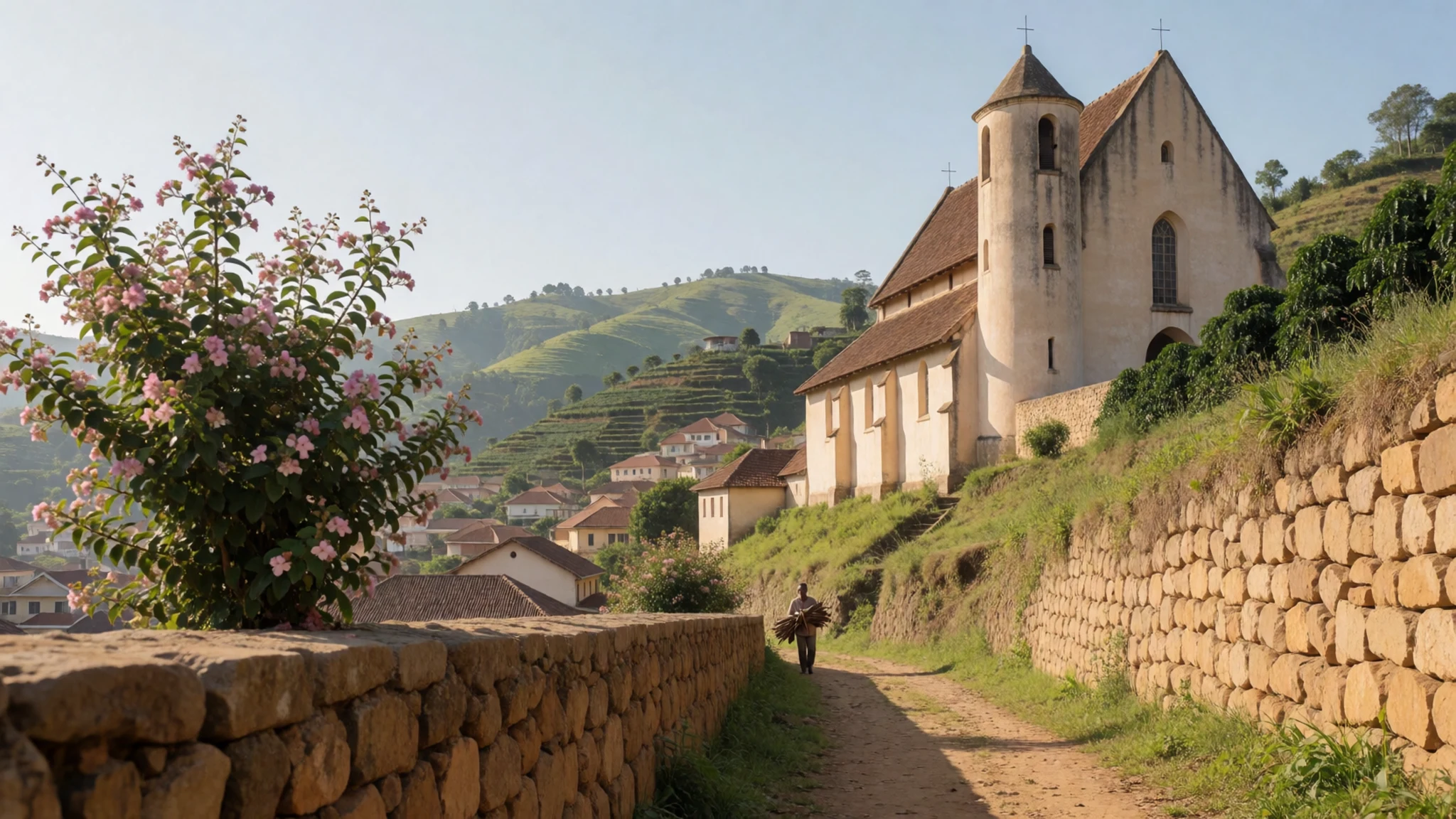
- Pousada on the ridge — the ridge above Maubisse town
The pousada on the ridge is Maubisse's old highland rest house, put up for officials who wanted cooler air, and still where travellers sleep between the coast and the interior. Gardens and a terrace look over the church, the hospital and the coffee slopes. It works as lodging and viewpoint together, quieter on weekdays and busier when families come up from Dili.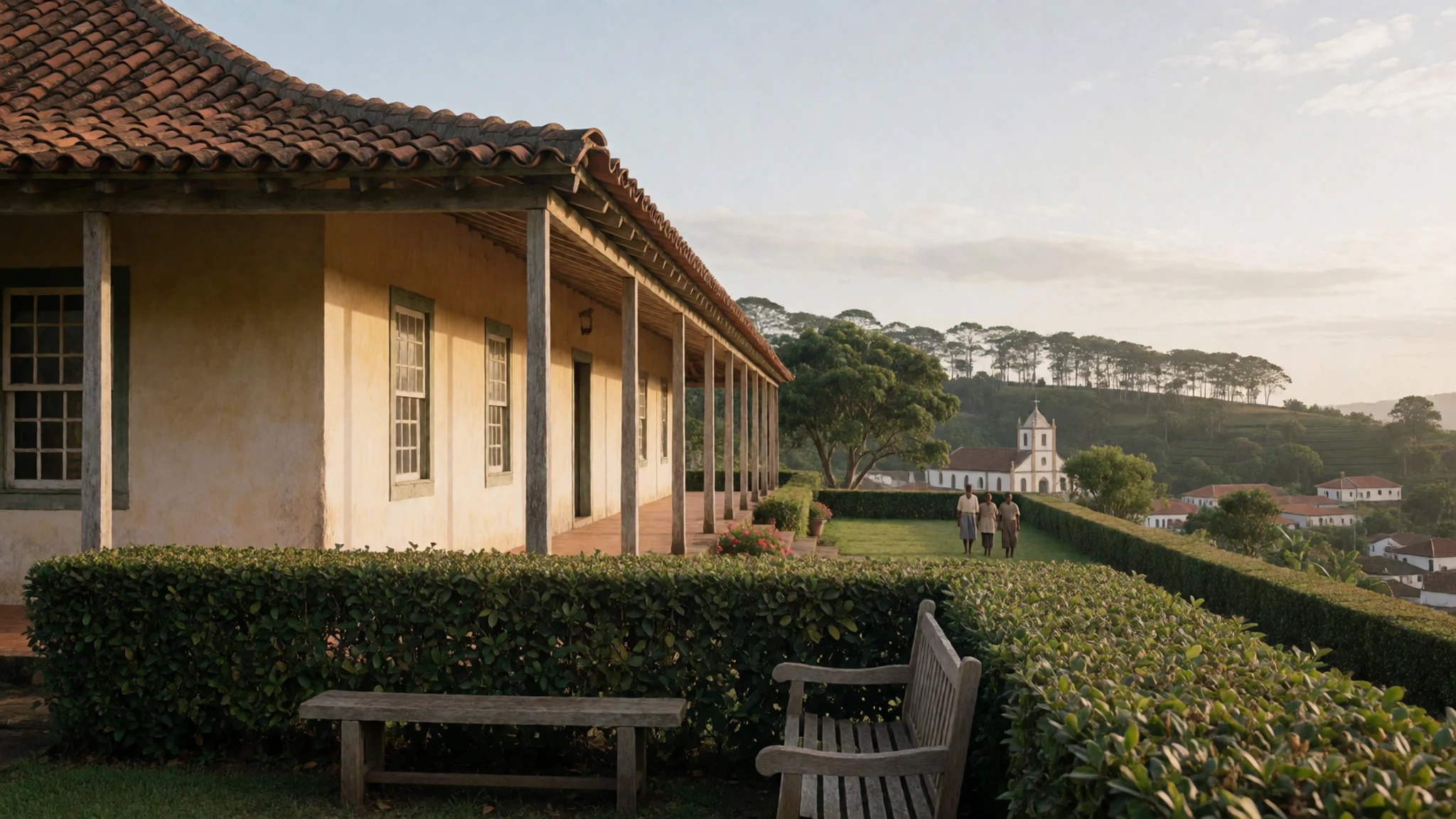
- Coffee gardens — slopes surrounding Maubisse
Coffee gardens on the slopes around Maubisse are working land, not a park: arabica under shade, paths between the shrubs, and at harvest people picking into baskets and drying the crop near the houses. Rehabilitation of the plantings has brought officials into those same rows beside the farmers. The respectful approach is to ask a family before stepping off the path.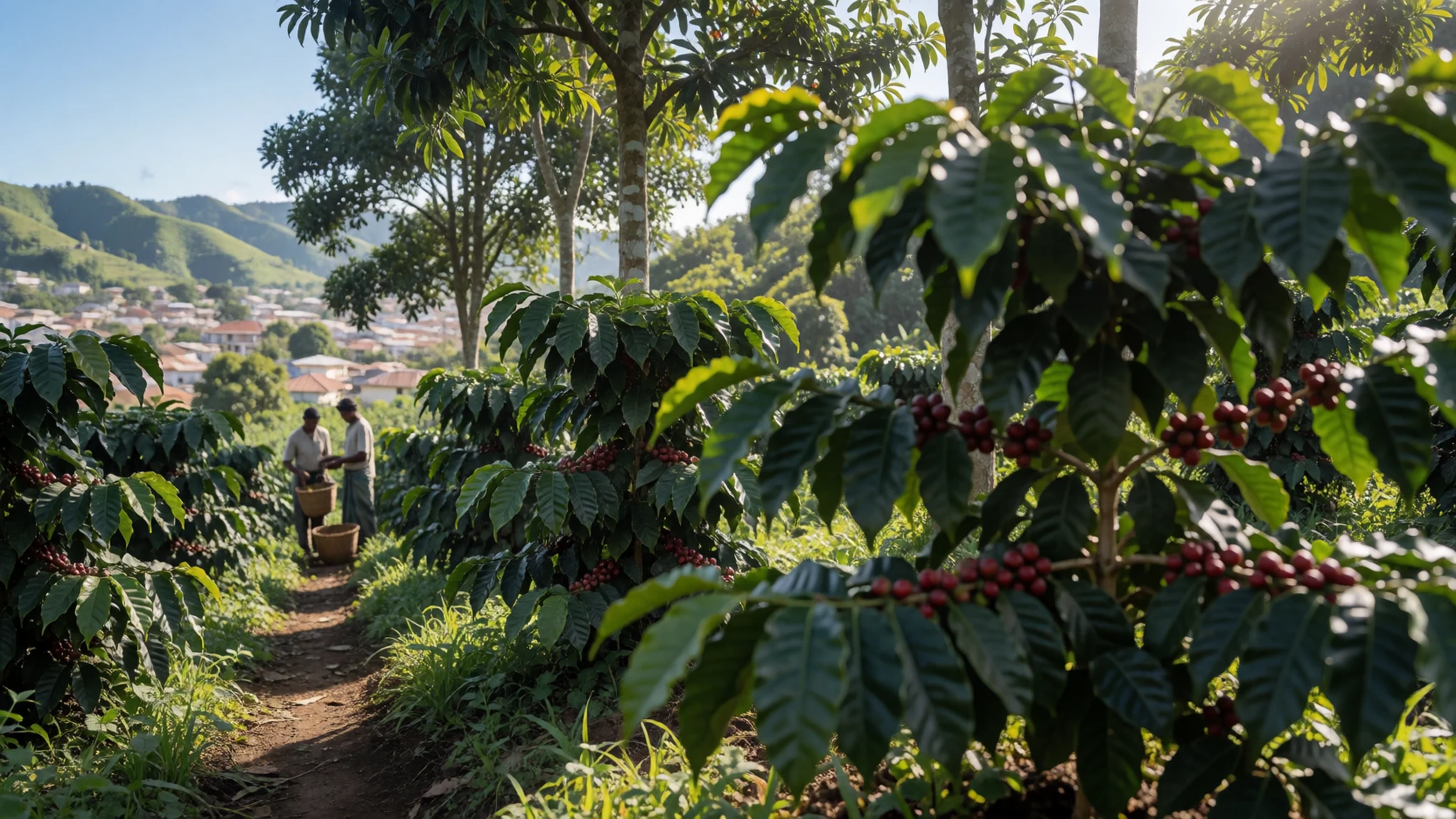
- Posto administrativo — Maubisse subdistrict
The posto administrativo is the subdistrict office of Maubisse, the modest civic building that says this is an administrative centre and not only a string of gardens. Around it the town's practical errands collect: papers, meetings, a place to ask which road is open. The setting is the point for a visitor, a look at how a highland subdistrict governs itself, with Ainaro district beyond and the sucos feeding in.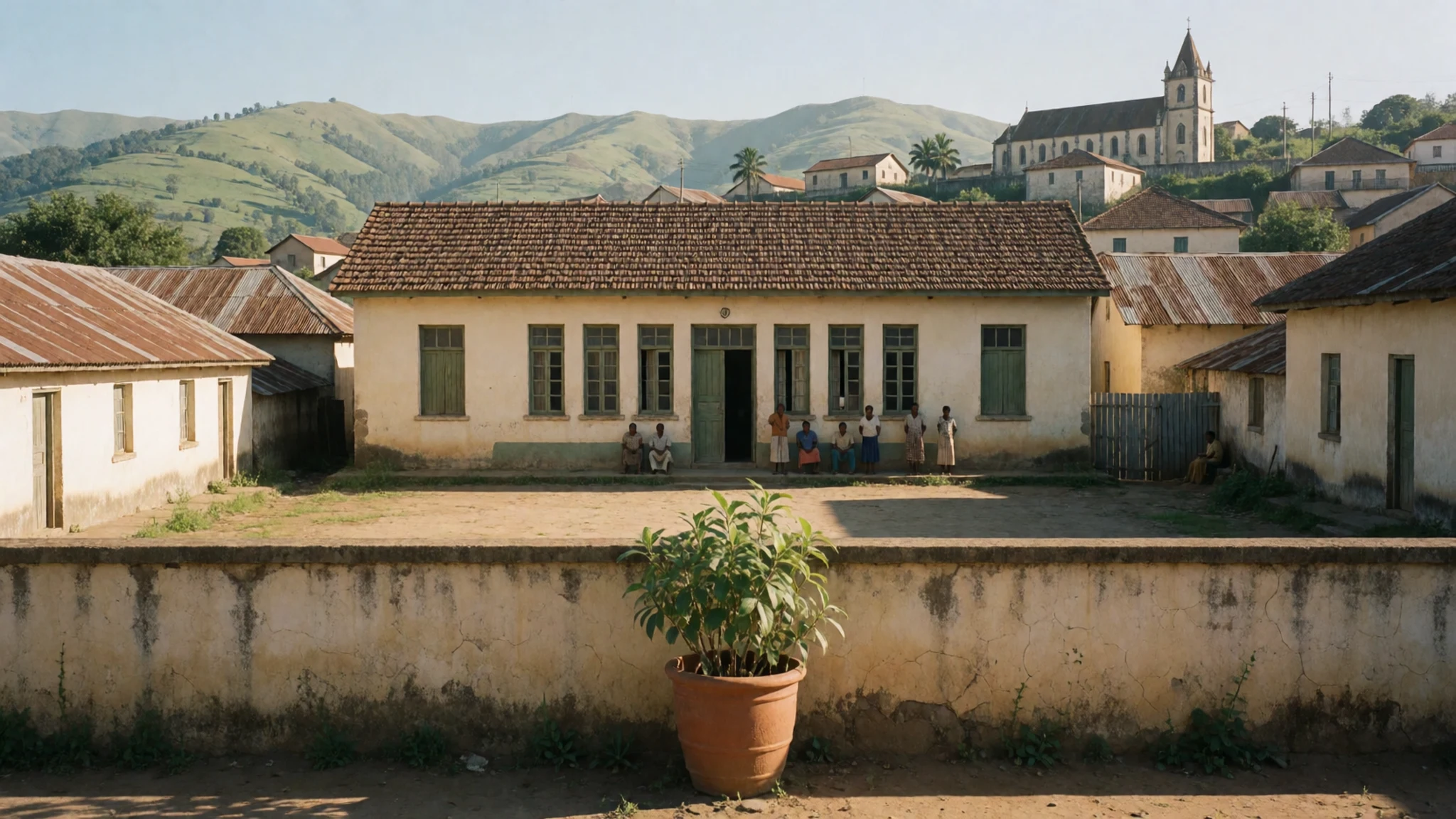
- Hill hamlets — outskirts and tracks beyond the town
Hamlets of simple huts on the outskirts of Maubisse are where the town's farming life sits, a short walk from the church but a different pace. Gardens begin at the door, cooking smoke hangs in the afternoon, and children use the track as a street. These are homes, so the visit is a greeting from the path, not a wander through yards.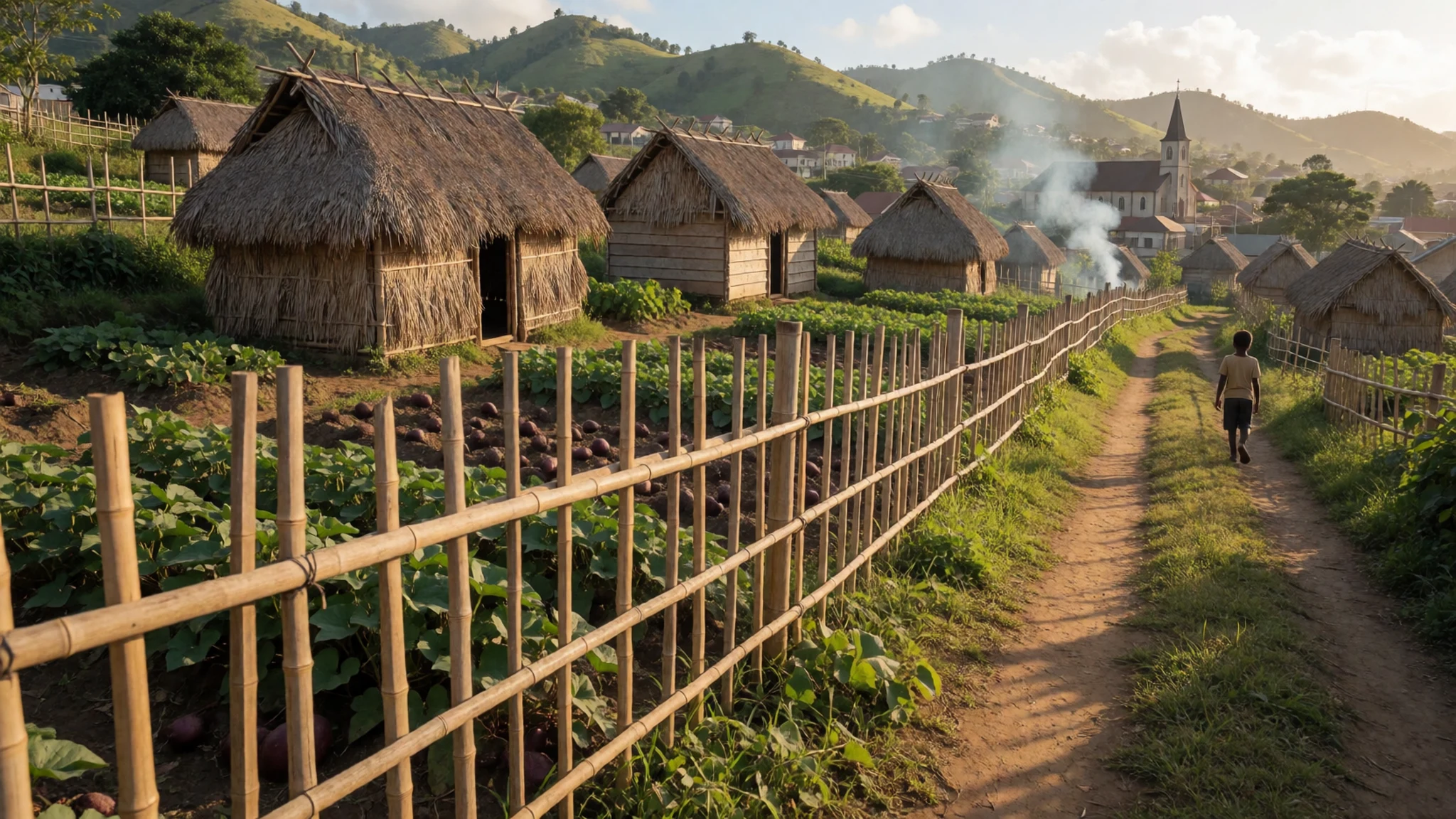
- Maubisse Vila — Maubisse town centre
Maubisse Vila is the civic stretch of the town, where official days happen and where a presidential visit once brought the community out. It is less a monument than a place in use: gatherings, speeches and children in the open. A visitor reads it on the walk between church, market and road.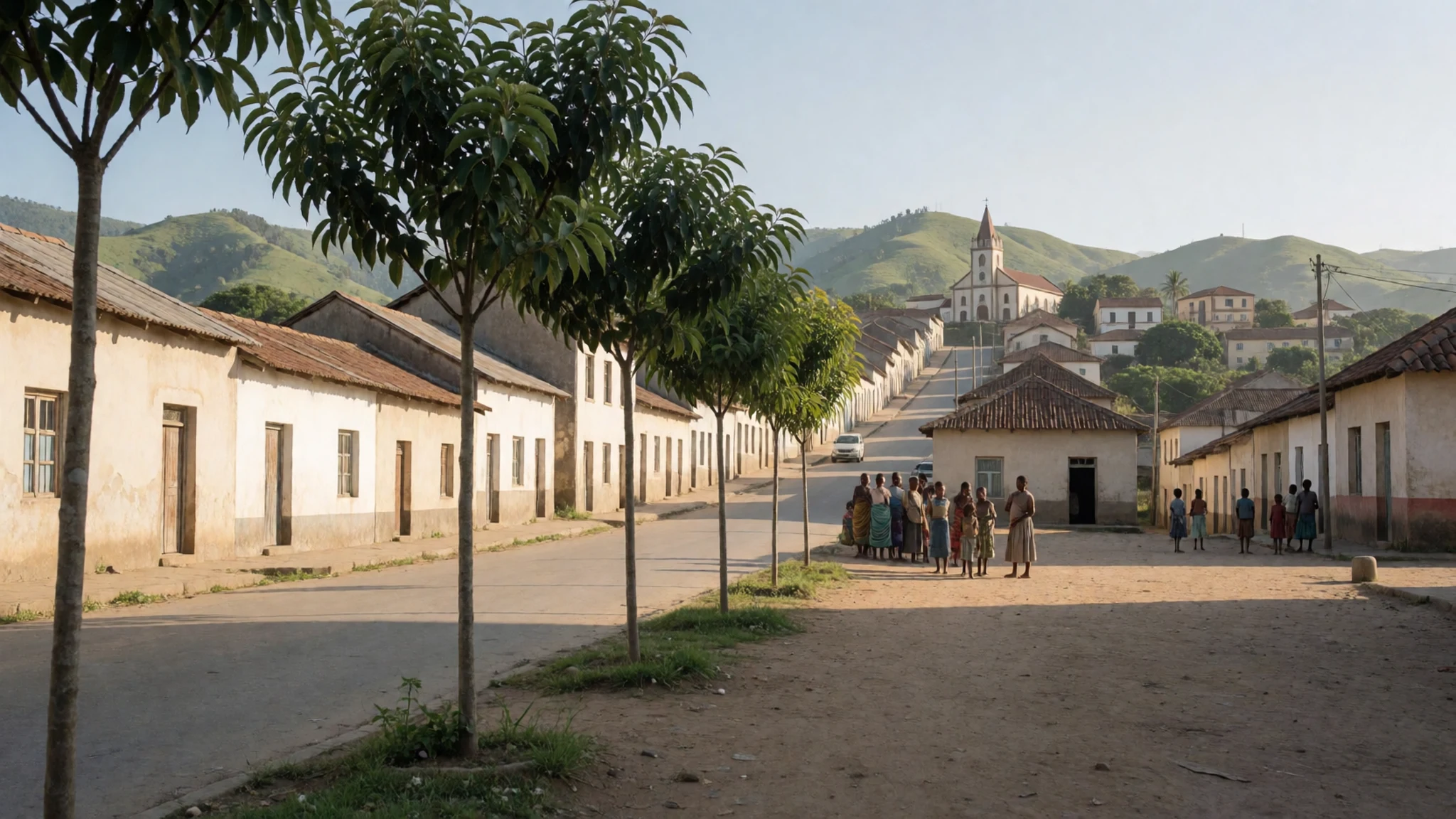
Culture
Maubisse keeps a highland Catholic calendar in a Mambai-speaking landscape. Sunday and feast days pull people towards the church above the hospital, with processions, choir and the long greetings that follow outside. Alongside that public faith, family ritual still matters in the sucos: sacred houses, obligations to ancestors, and the authority of elders over land and marriage. A guest is folded in through food and time rather than through ceremony explained in advance. Coffee is offered strong and sweet; a shared meal may be mostly corn, greens and rice, with meat when there is something to mark. Betel nut still circulates among older people, and refusing it can be done kindly without a lecture. Tetum will carry a visitor through the market, while Mambai remains the language of home, and Portuguese or Indonesian appears when school, office or an older trader sets the tone. Music at a celebration is loud, dancing is communal, and leaving before the elders have eaten is poor form. Market bargaining stays good-humoured, and a smile plus a few words of Tetum opens more doors than hurry does. Ask before you photograph people in Maubisse, and dress with covered shoulders and knees at the church.
What to wear
Maubisse dresses for ceremony and for cool highland work, and the two rarely look the same. For weddings, feast days and meetings with elders, handwoven tais cloth is the textile that matters: cotton ikat, patterned in the motifs of the family and the wider Ainaro country, worn by women as a tube skirt and by men as a waist or shoulder cloth. A dark blouse or a plain shirt sits with it, and on formal days a metal chest disc or a shoulder cloth signals rank and occasion more clearly than any imported cut. Those clothes are for presence, not for the garden. Everyday dress in Maubisse is practical and mixed: t-shirts, football shirts, trousers, school uniforms, sandals on the road and a light jacket or hoodie once the afternoon cloud cools the slope. Women at the market often pair a tais skirt with a simple top. A visitor does well with the same logic. Layers are the useful choice, because the ridge is kinder than Dili at noon and noticeably cooler after dark. Covered shoulders and knees suit the church, trousers or a long skirt suit the town better than beachwear, and closed shoes handle mud, loose stone and a wet track back from the coffee gardens.
What to eat
- Maubisse coffee — roadside stalls and home kitchens among the coffee gardens
Maubisse coffee is arabica from the slope gardens, roasted simply and poured strong and sweet in homes and small eateries. It is served where beans are drying, and at roadside stalls in town.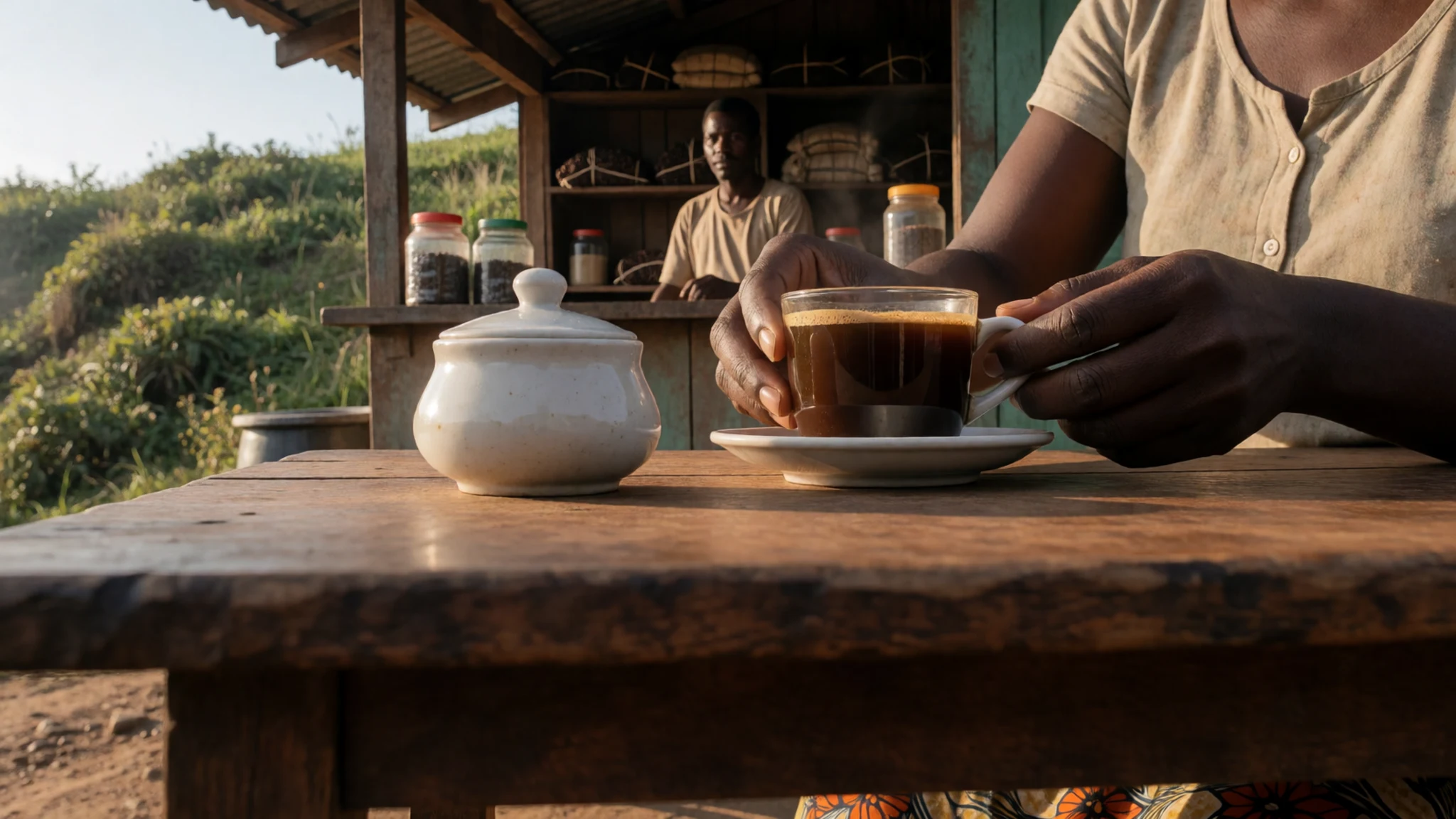
- Batar daan — home kitchens in the sucos
Batar daan is boiled corn, a highland staple in home kitchens around Maubisse when the garden is in corn or rice is being saved. It is plain, filling food, eaten with greens, salt or a little fish paste.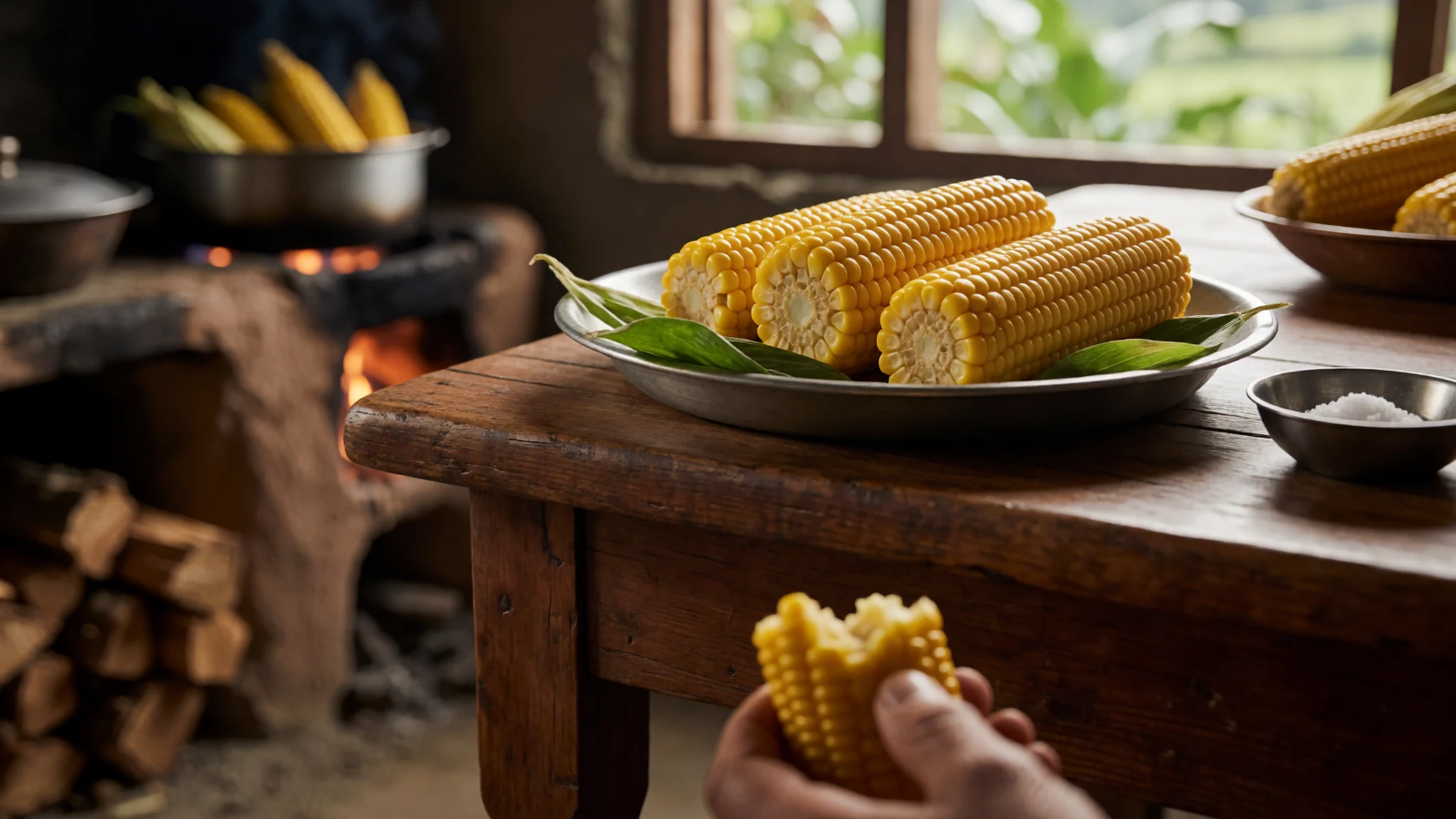
- Etu ho manu — small eateries along the main road and family kitchens
Etu ho manu is rice with chicken, the plate Maubisse households and small eateries serve when a guest arrives. The rice is the base; the chicken is simmered or fried with garlic and whatever the market offered. - Cassava and sweet potato — hillside gardens and the town market
Cassava and sweet potato come out of the same hillside plots that surround Maubisse, boiled or roasted and eaten when a family wants something that grew within walking distance. They appear at home and sometimes at the market, plain beside greens or coffee, not dressed up as a restaurant dish. - Fried banana — stalls by the market and the main road
Market stalls in Maubisse fry bananas, sweet potato and small dough cakes for people passing between the church, the hospital and the road. They are the quick eat of a highland morning, eaten standing up with sweet coffee, and they vanish earlier than the vegetables do.
Plan it
Best time. Maubisse travels more easily from June to September, the drier months, when the mountain road is more reliable and the afternoons are clearer. May and October can be pleasant. The wet months bring cloud, slick bends and slower travel.
How long. 2–3
Getting there. Presidente Nicolau Lobato Airport in Dili, then the mountain road south through Aileu to Maubisse. Shared minibuses and hired cars cover that last leg; there is no rail.
Budget. mid
Tips
- Carry a light jacket; Maubisse evenings are much cooler than Dili.
- Keep cash for the market, minibuses and small eateries; cards are not something to rely on.
- Ask locally about the road before travelling on in the wet months.
- Start the onward ride towards Ainaro or the higher country in the morning, while the bends are clearer.
- Treat coffee gardens as farms: stay on the path unless someone invites you in.
Etiquette
- Ask before photographing people, especially at the church and in the hamlets.
- Dress with covered shoulders and knees for church, and take shoes off if you are waved into a home.
- Greet elders before you sit, eat or start a conversation about the land.
- Use your right hand to give and receive.
Nearby
Sources
- Wikidata (CC0)
- Wikipedia (CC BY-SA 4.0)
- Wikivoyage (CC BY-SA 4.0)