Maubara
Maubara, Timor-Leste
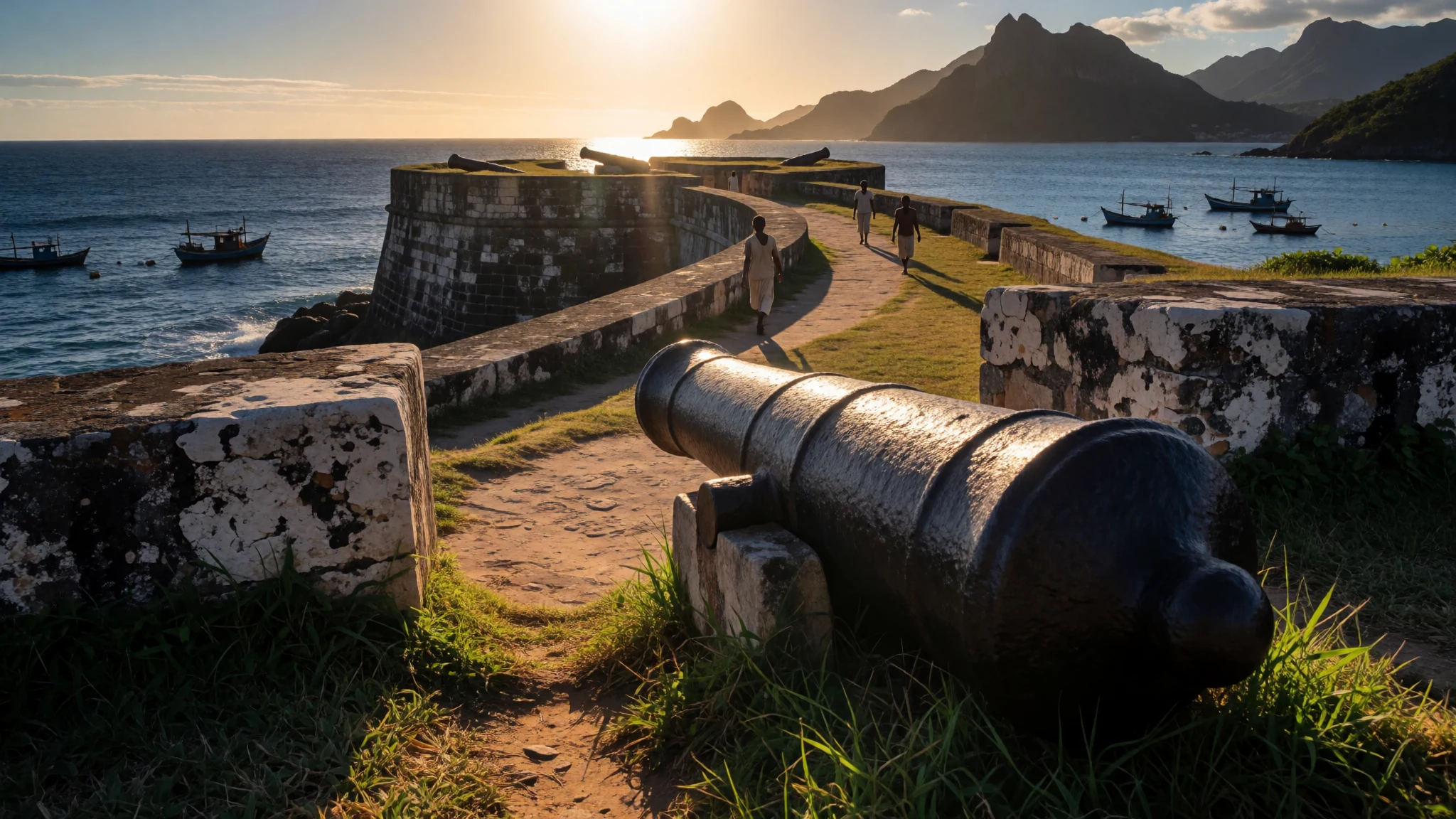
Maubara is a quiet Timorese coastal village where a Dutch-built fort, a colonial church and a birdy lake sit within an easy walk of each other.
The place
Maubara is a small coastal village in Liquiçá Municipality, Timor-Leste, just west of the town of Liquiçá and sitting only about 15 m above sea level. Most residents speak Tocodede, a local language, and many will also know Tetun and some Portuguese or Indonesian. The settlement is the centre of its own administrative post, with a church, a school, a health centre, old customs buildings and a seafront fort that all sit close together, so the whole place can be seen on foot in a morning.
The setting is what makes it pleasant. The village faces a bay on Timor's north coast, with mountains rising behind. A small coastal lake nearby is recognised as an Important Bird Area, which makes it a worthwhile stop for anyone who carries binoculars. Beaches along this stretch of Liquiçá are quiet, and the sea is used by fishing families rather than resort crowds.
The coast road from Dili is the main way in. It follows the shoreline, crosses river mouths that swell in the wet season, and passes side tracks where trucks come down loaded with arabica coffee from the hill plantations. Avocado trees crowd the lower slopes. Maubara is not a place of nightlife or big hotels; facilities are basic, and it works best as an unhurried day out from the capital or as a slow overnight stop. Expect heat in the middle of the day, very little shade along the seafront, and a pace set by the weather.
Its story
Maubara's history is a story of two European powers trading over a small stretch of Timor's coast. Early in the Portuguese presence on the island, the Dutch took the site and built a fort at the entrance to the village, facing the bay. That fort is the reason the name appears in European records at all.
The arrangement did not last. Portugal negotiated with the Dutch and regained Maubara in 1851 in exchange for Flores, an island the Portuguese were then occupying. In effect, a village on Timor's coast was swapped for an island far to the west, and the fort passed into Portuguese hands along with the shoreline around it. The Portuguese later added to the settlement, which is why a colonial church and administrative buildings stand beside the older defences.
The twentieth century left darker marks. Maubara is where the Besi Merah Putih militia was formed, a group later associated with violence during the turbulent years around the independence vote. In 2000, forensic investigators working for the UN transitional administration carried out sixteen exhumations in two days on the western edge of the village, and most of those found were victims of the Manuel Carrascalão House Massacre in Dili.
So the village carries several layers at once: a Dutch fort, a Portuguese trading past and a recent history of conflict. Local people live with all of it, and the calm of the bay today sits alongside memories that are still within living reach.
What to see
- Maubara Fort — Seafront, village entrance
The Dutch-built fort stands at the village entrance on the seafront, its cannons still pointing over the bay. The walls are well preserved, and the view along the coast is the best reason to come. Go early or late, as there is little shade on the ramparts at midday.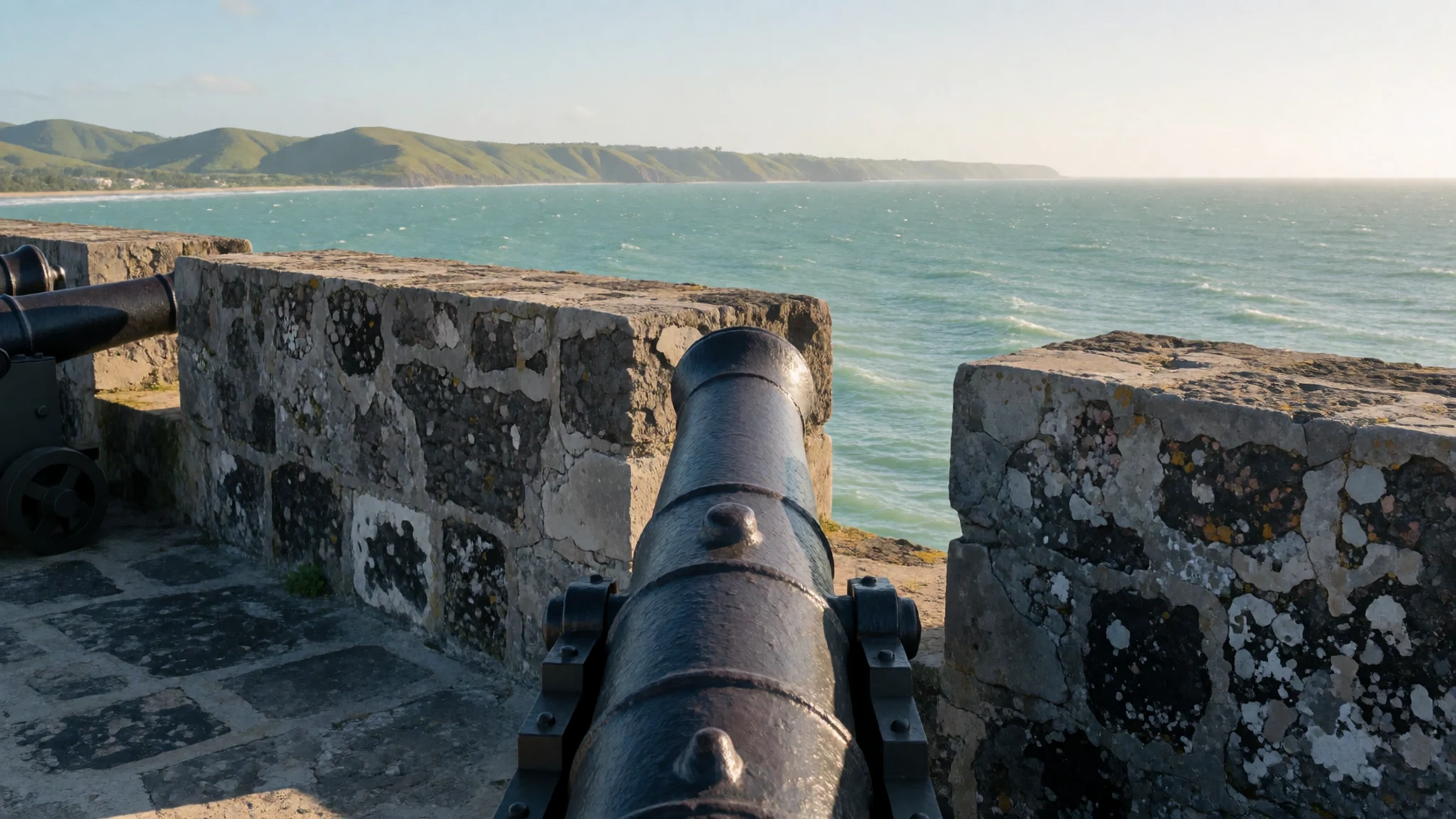
- Igreja de Maubara — Village centre
The village church is a whitewashed colonial-era building that still serves the community. Visitors can admire it from outside at any time, and if a service is not under way, a quiet look inside may be welcome. Dress modestly and ask a local before photographing inside.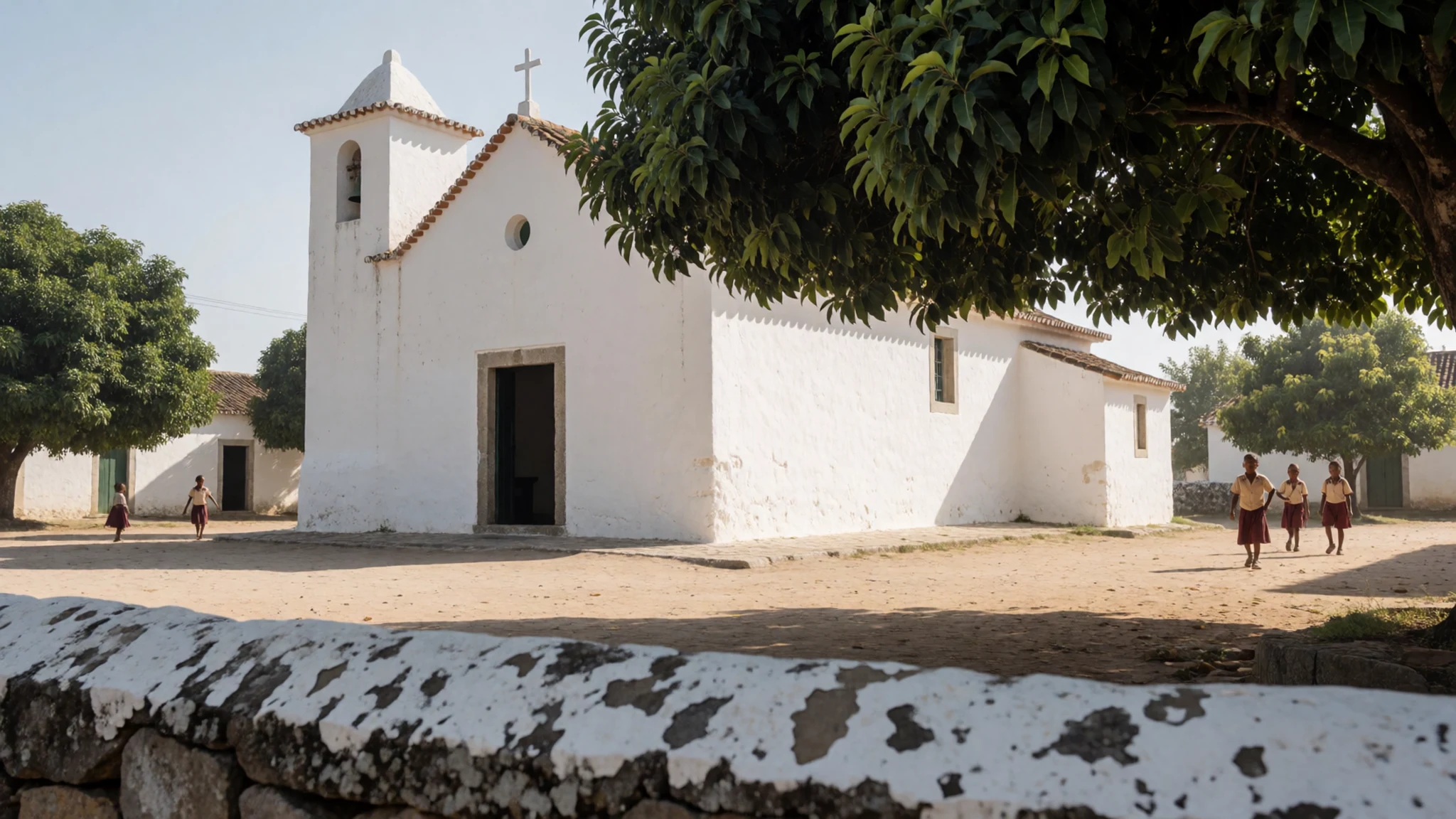
- Old customs house — Waterfront
A former customs building, known to some visitors by its German name Altes Zollhaus, recalls Maubara's days as a trading landing. It is worth a short stop to see how colonial administration shaped the waterfront. Treat it as an exterior sight, since access can vary.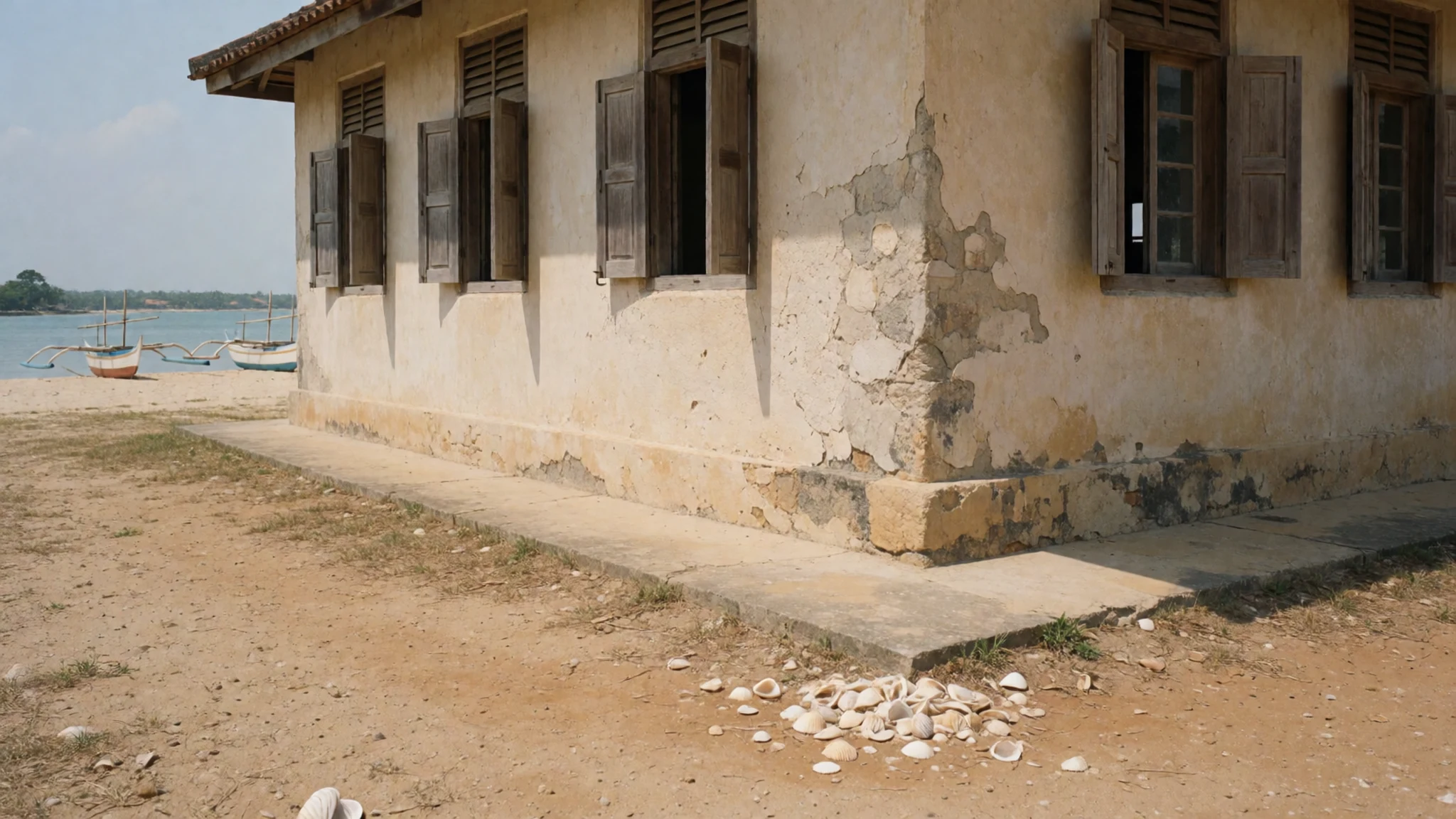
- Lake Maubara and its birds — Just outside the village
A small coastal lake close to the village is part of a recognised Important Bird Area. Visitors with binoculars can walk the edges early in the morning, when birds are most active and the heat is bearable. Bring water and a hat, and keep to existing paths so as not to disturb nesting areas.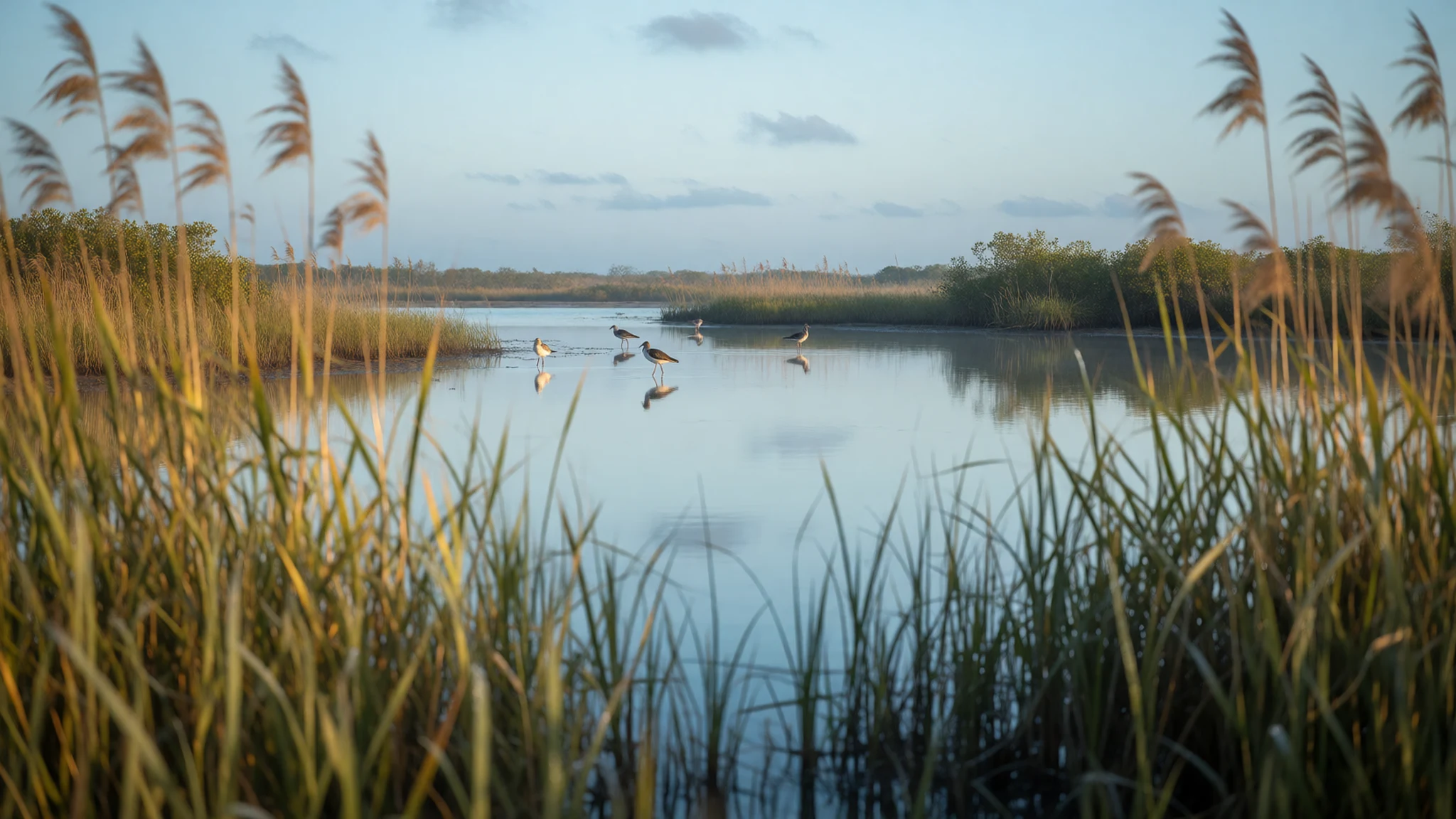
- Aipelo Prison ruins — East of Liquiçá town
East of Liquiçá town lie the ruins of Aipelo Prison, where the Portuguese held rebellious Timorese kings. Placards among the walls tell the story, and it makes a thoughtful addition to a day along the coast. Allow time to read, because the history here is specific and sobering.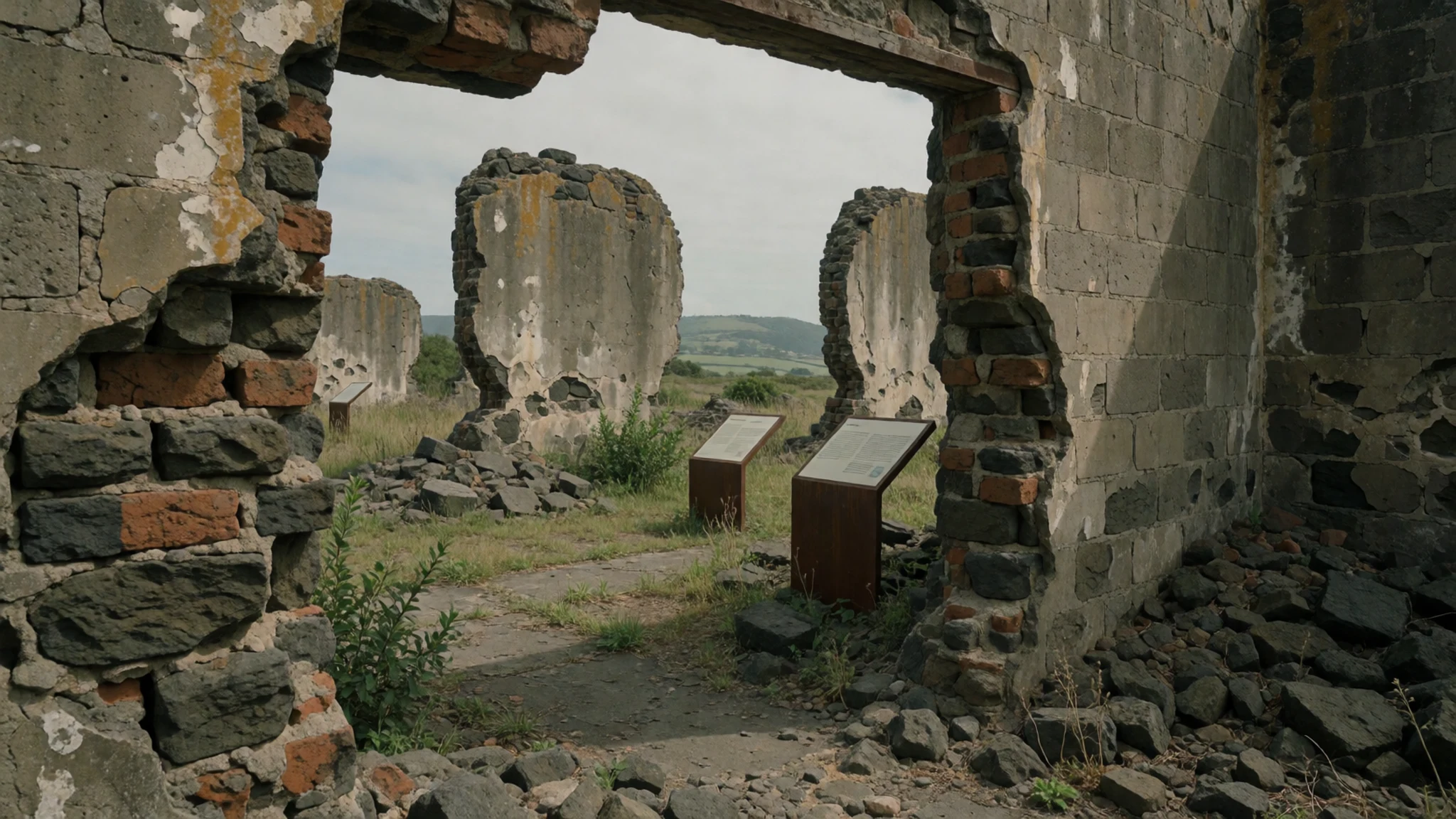
Culture
Maubara is a Timorese village shaped by Catholic faith, local language and long exposure to Portuguese and Indonesian influence. Tocodede is the first language of most residents, while Tetun works as the common language across Timor-Leste. Greetings matter, and a friendly Bondia, Botarde or Boa noite in Tetun goes a long way.
The church is a focal point of community life. Sundays and major feast days bring families together, and village events often follow religious rhythms. Many households also keep older customs tied to ancestors and to the sacred houses, called uma lulik, found across Timor. These are not tourist attractions, and visitors should not enter or photograph them without clear invitation.
Life here is unhurried. Fishing, small farming and coffee growing in the hills shape the working day, and the heat pushes activity into the early morning and evening. Hospitality is usually warm, but facilities are modest, and visitors who arrive with patience and small courtesies tend to be received well. Conversation often begins with family and where you have come from, and a few words of Portuguese or Tetun are appreciated.
The recent past is still part of local memory. Visitors who ask about history should do so gently and let people choose how much to share. Respect for that history, for the church and for private homes is the basis of a good visit.
When visiting the church or any religious site in Maubara, dress modestly, speak quietly, and ask before photographing people or services.
What to wear
In Maubara, as across Timor-Leste, the traditional textile is tais, a hand-woven cloth made on a backstrap loom, usually from cotton and traditionally coloured with natural dyes, though bright commercial yarns are now common. Patterns and colours differ by region and family, and tais appears as wrapped skirts and sarongs, shawls, ceremonial scarves and gifts. It is worn mainly at weddings, funerals, church feasts and formal community events, and the cloth carries social meaning when exchanged between families.
Everyday dress in a coastal village like this is simple and practical. Women commonly wear cotton blouses or T-shirts with skirts or sarongs, men wear shirts with trousers or shorts, and children often go to school in uniform. Rubber sandals are standard, and fishing families dress for work in the sun. On Sundays many people dress more smartly for church, and tais may appear then.
Visitors should plan for heat, humidity and strong sun. Lightweight cotton or linen clothing that covers the shoulders and knees suits the climate and also respects local norms. Carry a scarf or light wrap for entering the church. Swimwear is fine on the beach but should be covered with a shirt or sarong when walking through the village. A wide-brimmed hat and sunscreen are useful on the fort ramparts, where there is little shade. Sturdy sandals or trainers help on uneven ground around the ruins, and a light rain jacket is worth packing in the wet season.
What to eat
- Batar da'an — Simple village eateries and family kitchens
A comforting Timorese stew of maize, beans and pumpkin or greens, often cooked slowly over a fire. It is plain and filling and shows up at family tables. Ask for it at a simple village eatery or from a household that takes visitors.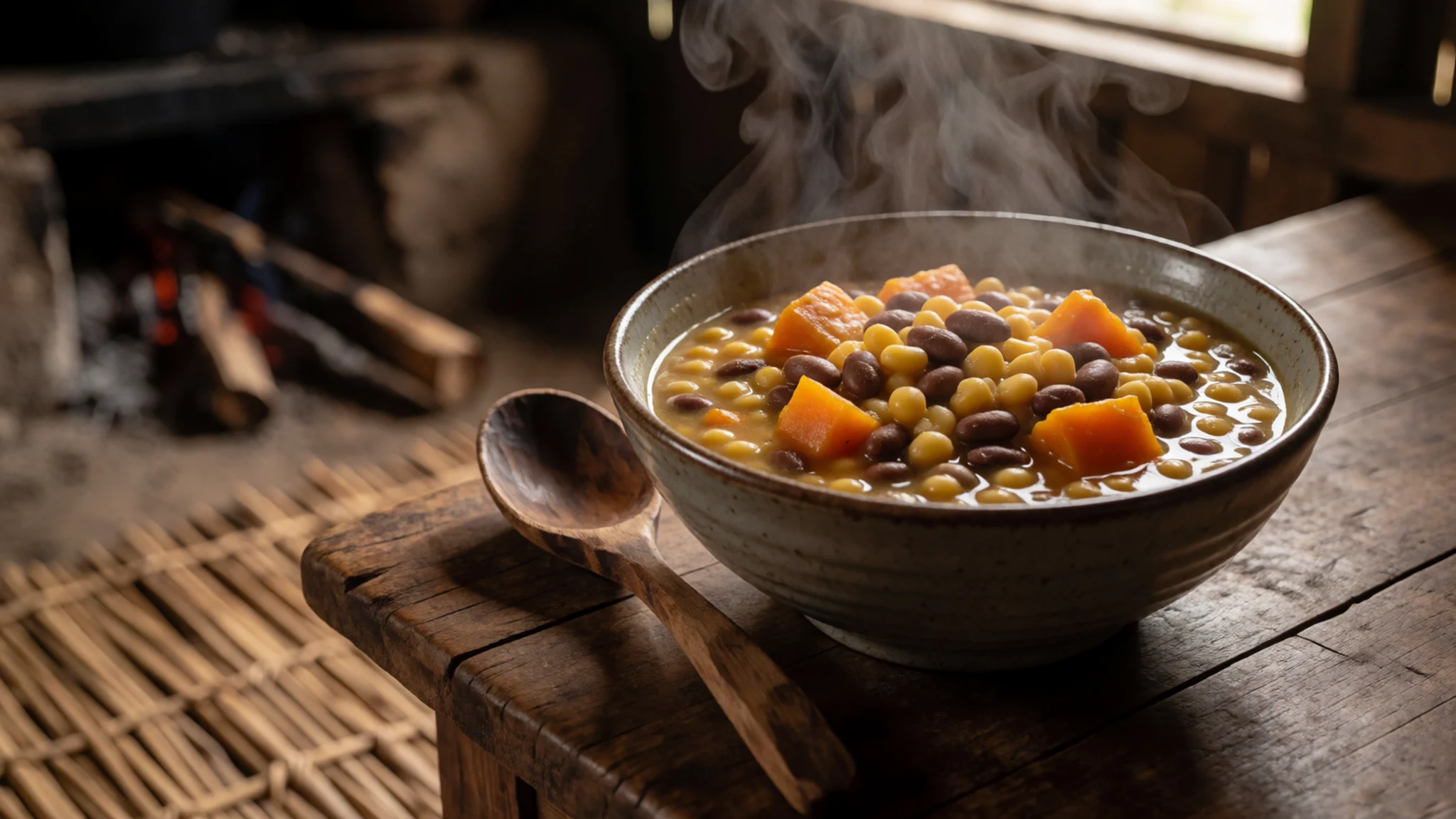
- Grilled fresh fish with rice — Roadside eateries and the beachfront
Fish landed on the bay is often grilled over coals and served with rice and a sharp chilli relish. The catch varies by day, so ask what came in. It is a good, honest meal after a morning at the fort.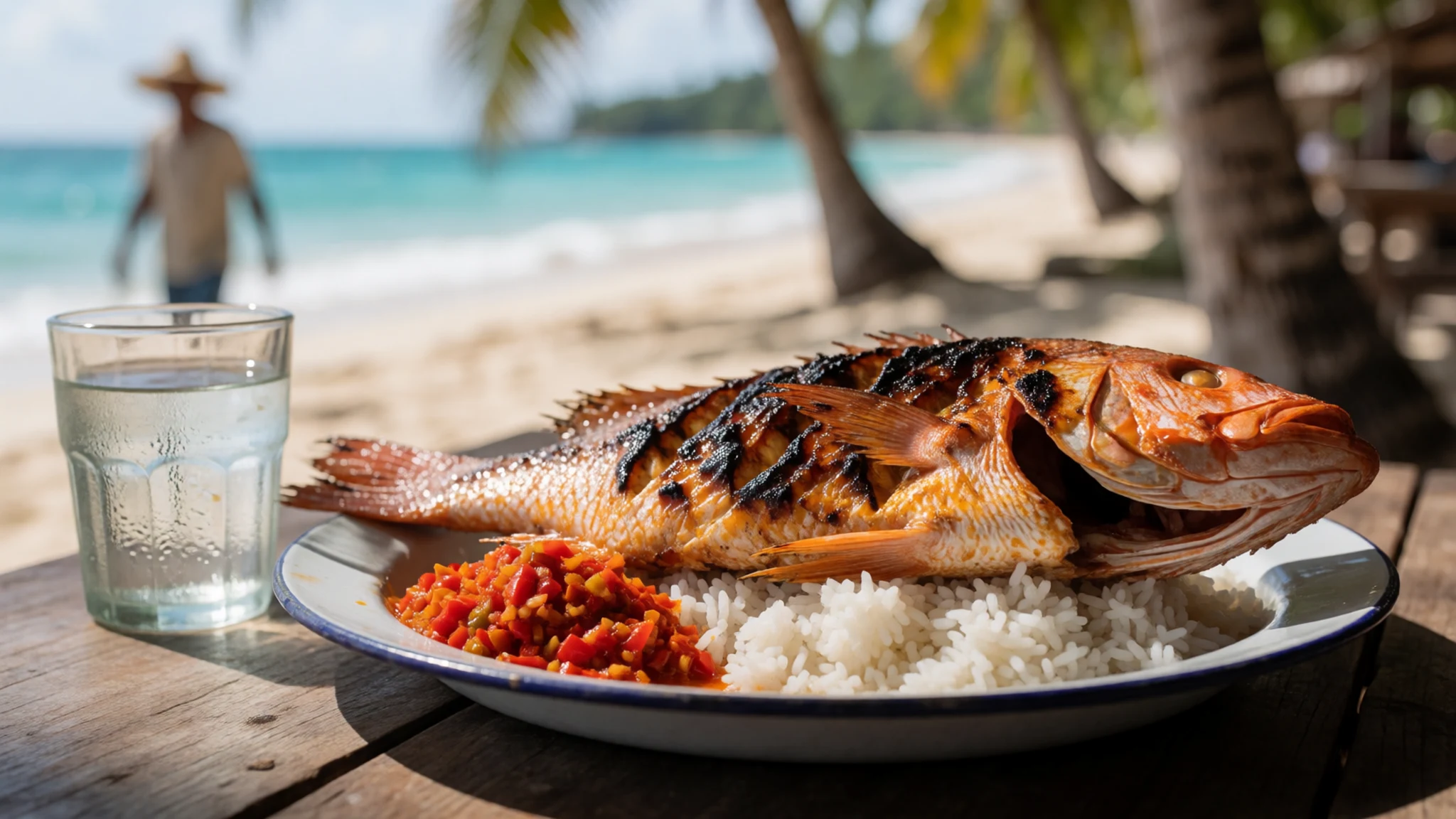
- Timorese coffee — Roadside stalls along the Liquiçá highway
The hills behind this coast grow arabica, and coffee is served strong and often sweet in local homes and small stalls. Buying a bag from a roadside seller supports growers directly. Ask when it was roasted if you plan to carry it home. - Avocado — Roadside fruit sellers on the coast road
Avocado trees spread across the slopes here, and the fruit is sold by the roadside in season. It is eaten fresh, sometimes mashed with sugar and a little milk as a dessert. Seasonal availability varies, so enquire locally. - Boiled or fried cassava — Small market stalls and village snack sellers
Cassava is a staple root across Timor, boiled until soft or fried into crisp slices. It is cheap, filling and often served as a side or snack. Look for it at small stalls and market tables.
Plan it
Best time. June to September is usually the drier, more comfortable stretch for the coast road, the fort and the lake. The wet season brings monsoon rains that swell the rivers the highway crosses, so allow extra time then and check road conditions.
How long. 1–2
Getting there. Fly to Dili, the capital, then take a car or minibus west along the coastal road to Liquiçá, about 40 minutes away, and continue a short way on to Maubara.
Budget. low
Tips
- Start early to avoid midday heat on the fort ramparts
- Carry cash in small notes, as cards are unlikely to work in the village
- Bring drinking water and sun protection, because shade is limited
- Hire a driver in Dili for flexibility, and ask locally about river crossings in the wet season
- Take binoculars for the lake in the early morning
Etiquette
- Dress modestly for the church and avoid photographing services without permission
- Ask before photographing people or entering any sacred house
- Greet people in Tetun and be patient with the slow pace
Nearby
Sources
- Wikidata Q471072 (CC0)
- Wikipedia — Maubara (rev 1377747475) (CC BY-SA 4.0)
- Wikivoyage — Liquiçá (rev 4428516) (CC BY-SA 4.0)
- Igreja de Maubara — Jose Fernando Real (CC BY-SA 4.0)
- Fort von Maubara — Jose Fernando Real (CC BY-SA 4.0)
- Portuguese Fort, Maubara, East Timor — yeowatzup (CC BY 2.5)
- Altes Zollhaus, Maubara, Timor Leste — Torbenbrinker (CC BY-SA 4.0)
- Maubara — Jose Fernando Real (CC BY-SA 4.0)
- Gesundheitszentrum, Maubara, Timor Leste — Torbenbrinker (CC BY-SA 4.0)
- Sitz des Sucos Vaviquinia, Maubara — Torbenbrinker (CC BY-SA 4.0)
- Landkarte des Verwaltungsamtes Maubara — mazysrs, DGE (Public domain)


