Manatuto
Manatuto, Timor-Leste
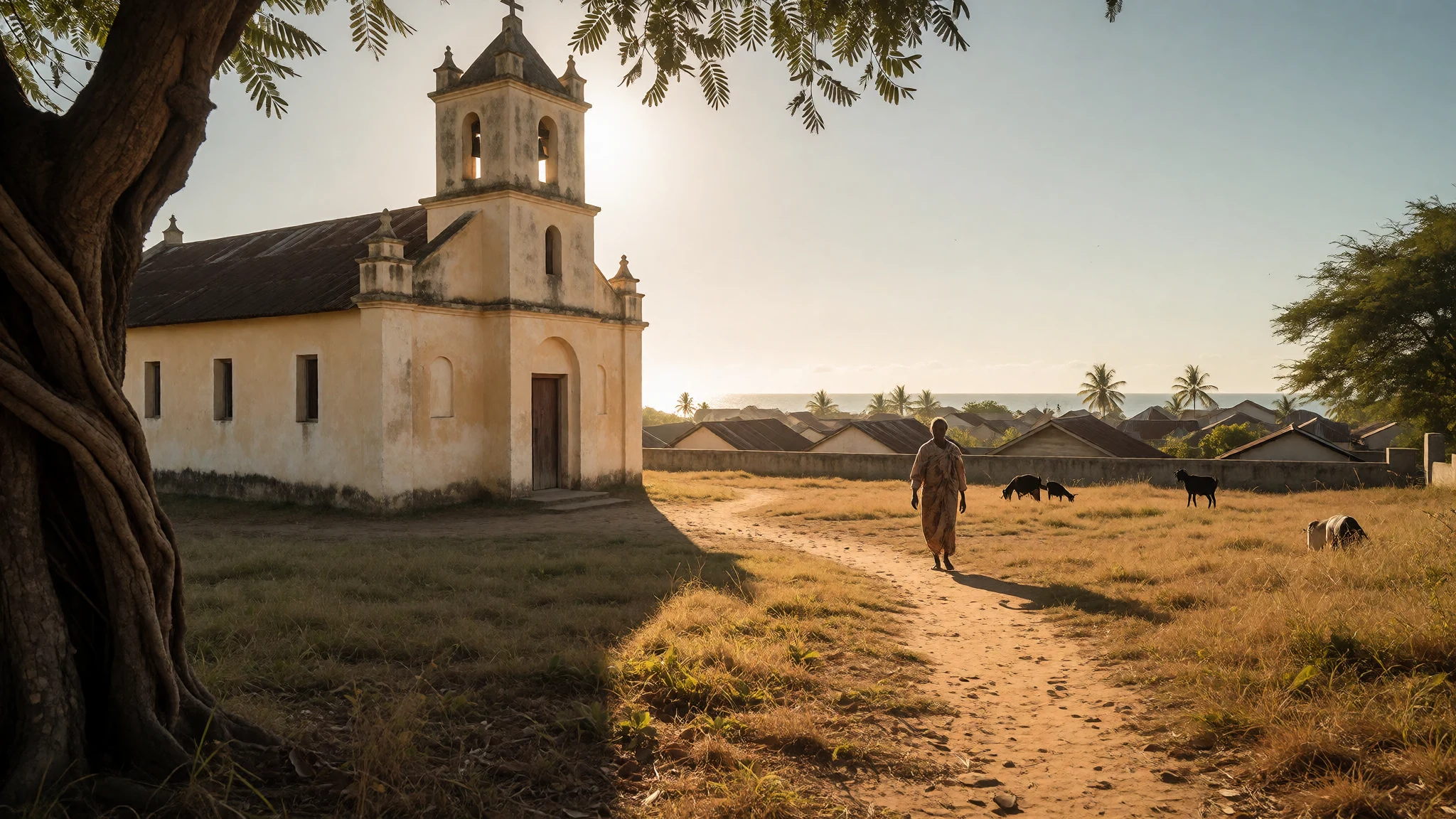
Manatuto is a quiet north-coast town on the Dili–Baucau road, where salt, tamarind, a surviving church and the open Wetar Strait set the pace.
The place
Manatuto is a small coastal city on the north shore of Timor-Leste, facing the Wetar Strait, east of the capital Dili on the road towards Baucau. Fewer than ten thousand people live in the municipality's main settlement, and the compact town centre feels smaller still. The ground is low and flat, with a few single hills rising on the southern and eastern edges. The tallest, Dumi Huhun, stands at 156 m near the main highway, while Saututu Hill, at 90 m, sits beside the road that runs south to the little community of Carlilu. The town is known locally for its salt and for an abundance of tamarind. Manatuto is not a resort. There is no strip of hotels, and the day is shaped by market mornings, church bells and boats along the shore. Most travellers pass through on the coast road, and those who stop usually give it a few hours: a walk along the waterfront, a look at the church and the colonial-era ruins, a plate of grilled fish. Staying a night rewards patience. Evenings are quiet, the light over the strait is soft, and conversation comes easily to visitors who bring a few words of Tetum or Portuguese. Facilities are modest, so cash, water and onward transport are best arranged in Dili beforehand.
Its story
Manatuto's story follows that of eastern Timor as a whole. Portugal treated the eastern half of the island as a colony from the early eighteenth century, and Portuguese churches, schools and fortresses were built in towns along the coast. Manatuto had a mission school, the Colégio de Santa Isabel, whose ruins are still recorded in old photographs. The pace of change picked up after the Carnation Revolution in Portugal, when the country's overseas empire began to break apart. Portuguese Timor declared itself independent in November of that year, only for Indonesia to move in within weeks, with the quiet blessing of Western governments. What followed was a long and brutal occupation that cost a very large share of the Timorese population their lives. Towns such as Manatuto were not spared. A photograph held by Australia's foreign affairs department shows the priest's quarters burnt to the ground, while the church itself survived as a witness to what happened. Independence was finally restored in the new century, and the country now has friendly relations with Indonesia and a place in ASEAN. Today the town carries that history lightly but not forgotten. Older residents remember the Portuguese years with some fondness and the Indonesian years with pain, and the monuments around the centre quietly mark both.
What to see
- Manatuto waterfront — North shore, facing the Wetar Strait
The seafront looks straight out over the Wetar Strait and is the easiest place in Manatuto to get your bearings. Fishing boats pull up here, children play along the edge, and the light is best early and late. It is a place for walking slowly rather than ticking off sights. Bring shade and water, as there is little cover.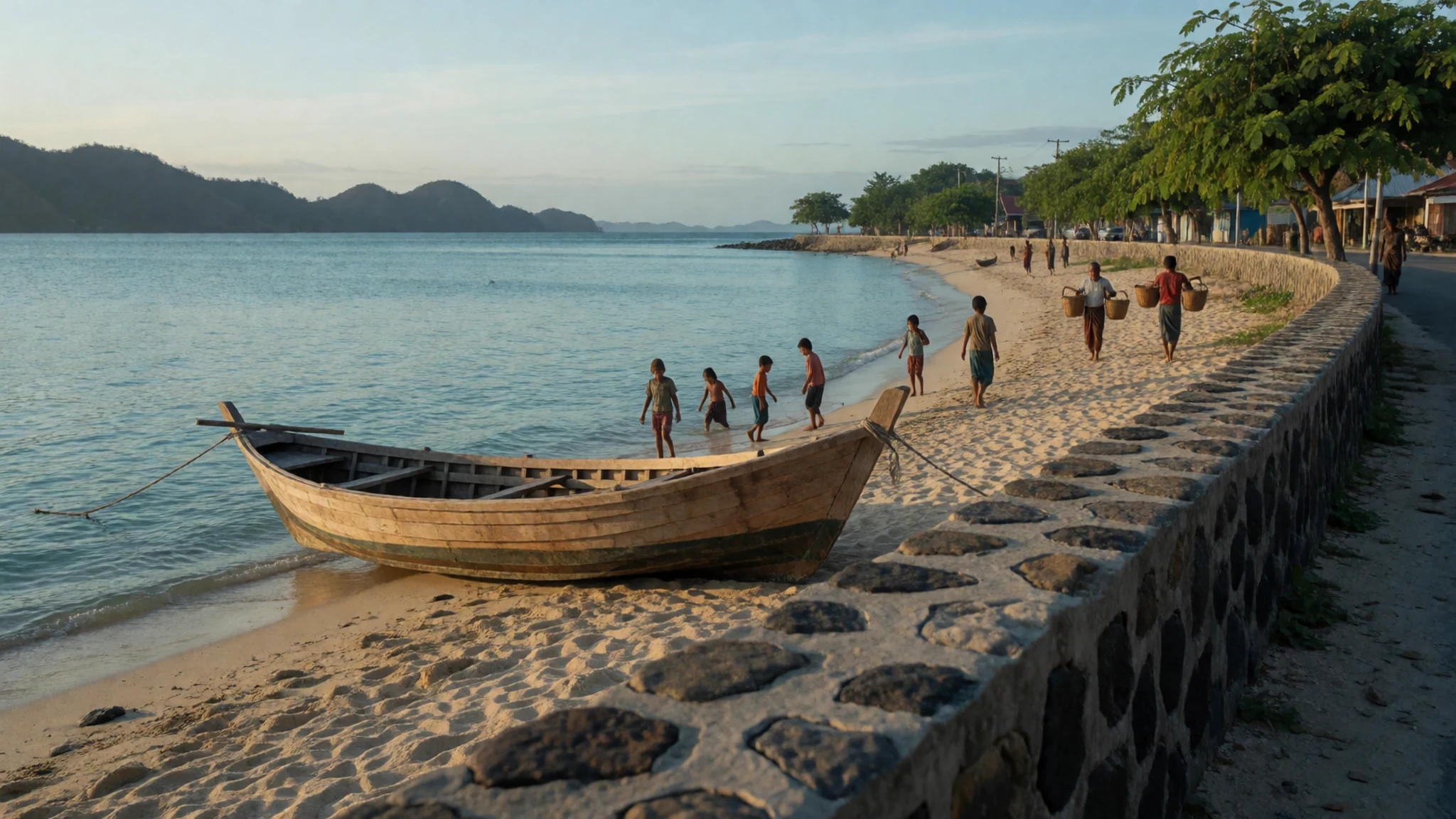
- The town church — Town centre, near the main streets
Manatuto's church came through the years of conflict when the priest's quarters beside it were burnt down, which gives the building a weight beyond its size. Services bring the community together, and the surrounding streets are the best place to see everyday town life. Visit outside service times unless invited, and dress modestly.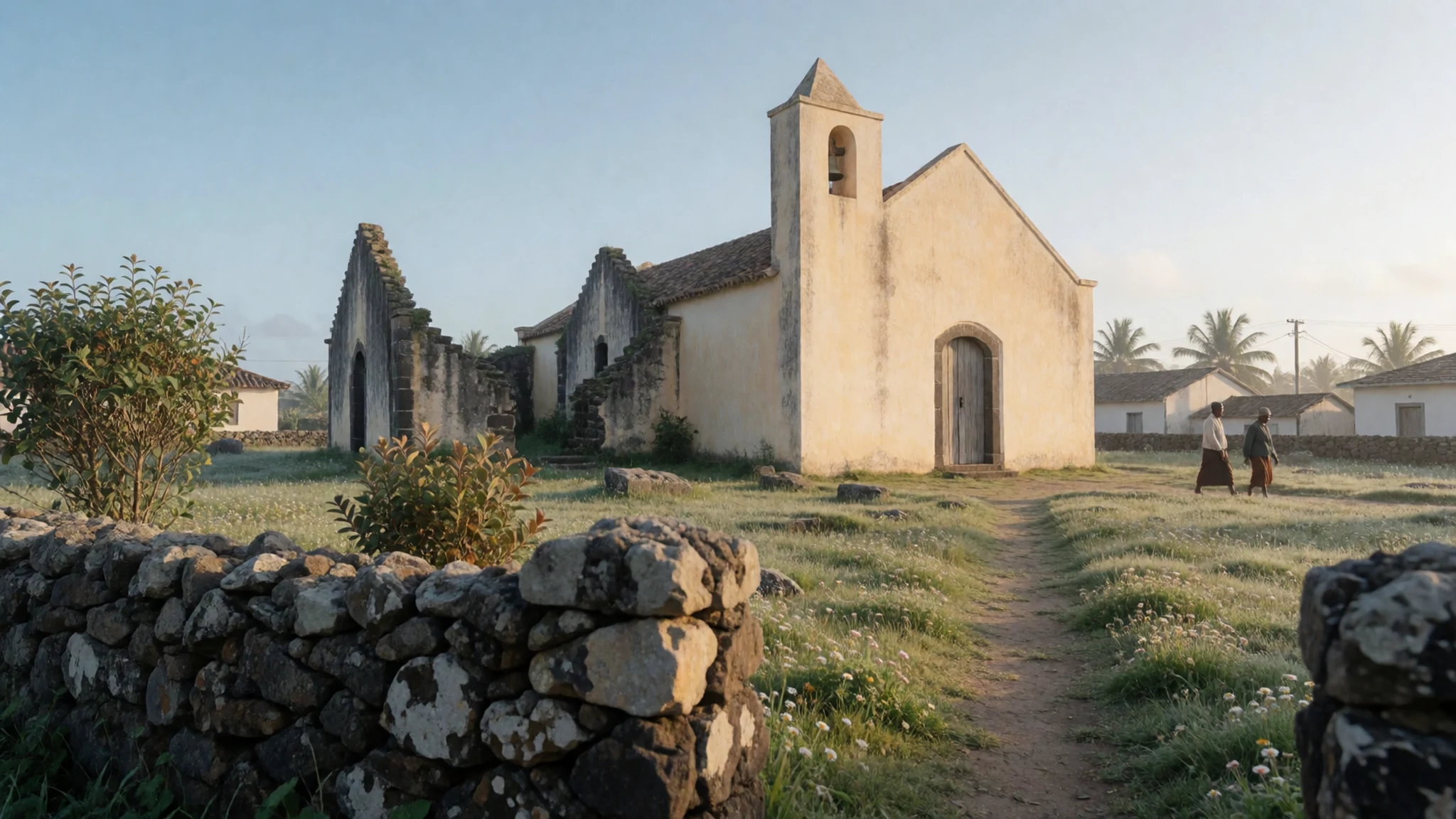
- Ruins of the Colégio de Santa Isabel — Town centre, colonial-era quarter
These remains are all that is left of a Portuguese-era mission school. A historic photograph in the brief's reference set notes that nothing of it stands intact today. It is a short, reflective stop for anyone interested in colonial education in Timor, and a reminder of how much of the town's early fabric has been lost.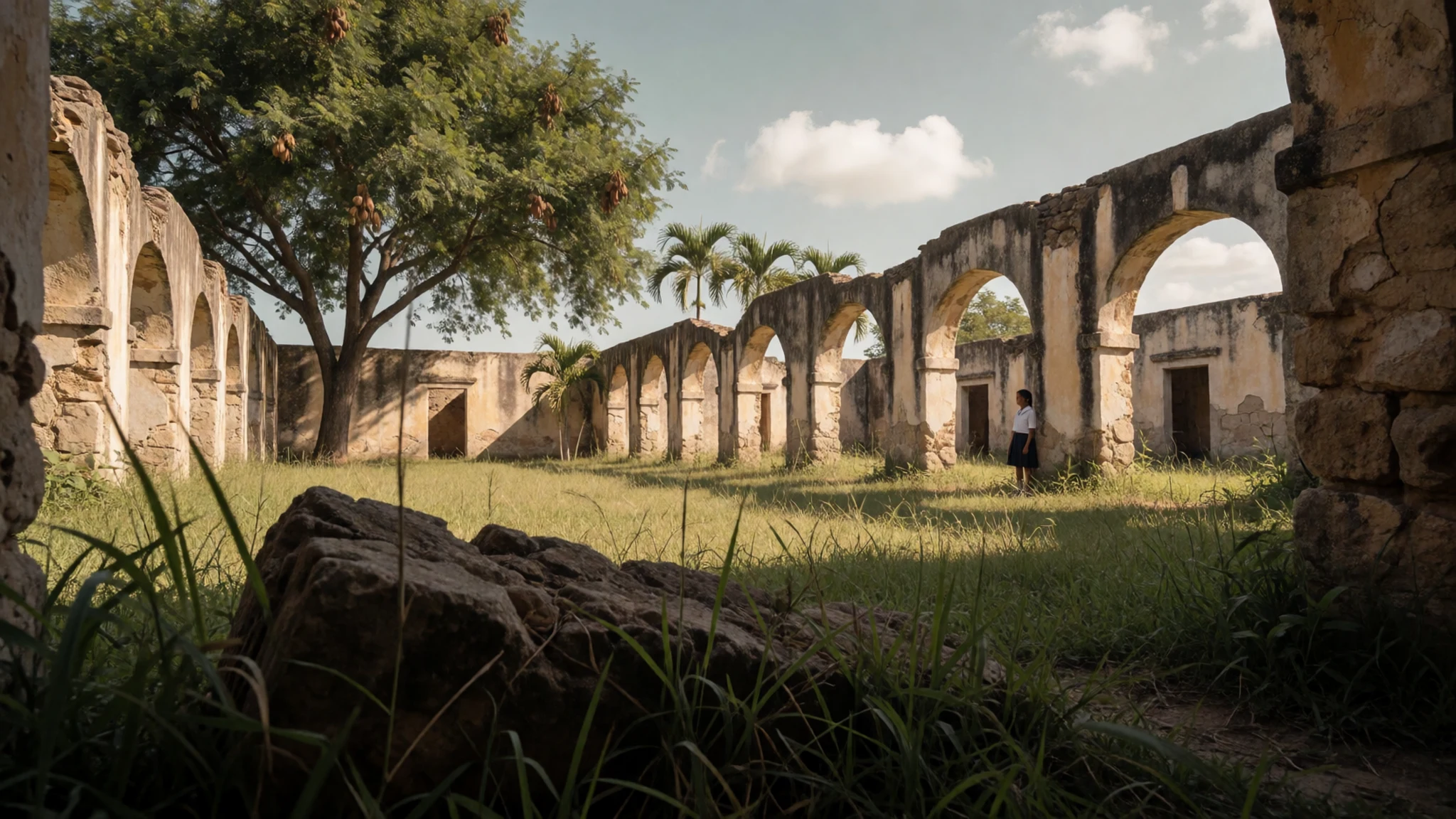
- The monument at Rua Guarda Iliheu — Street junction in the town centre
A monument stands at the junction of Rua Guarda Iliheu and Avenida Coronel S., one of the town's recognisable street corners. Such memorials in Timor-Leste usually honour the independence struggle, and reading them with local help adds depth. It sits among everyday shops and houses, so it combines easily with a stroll.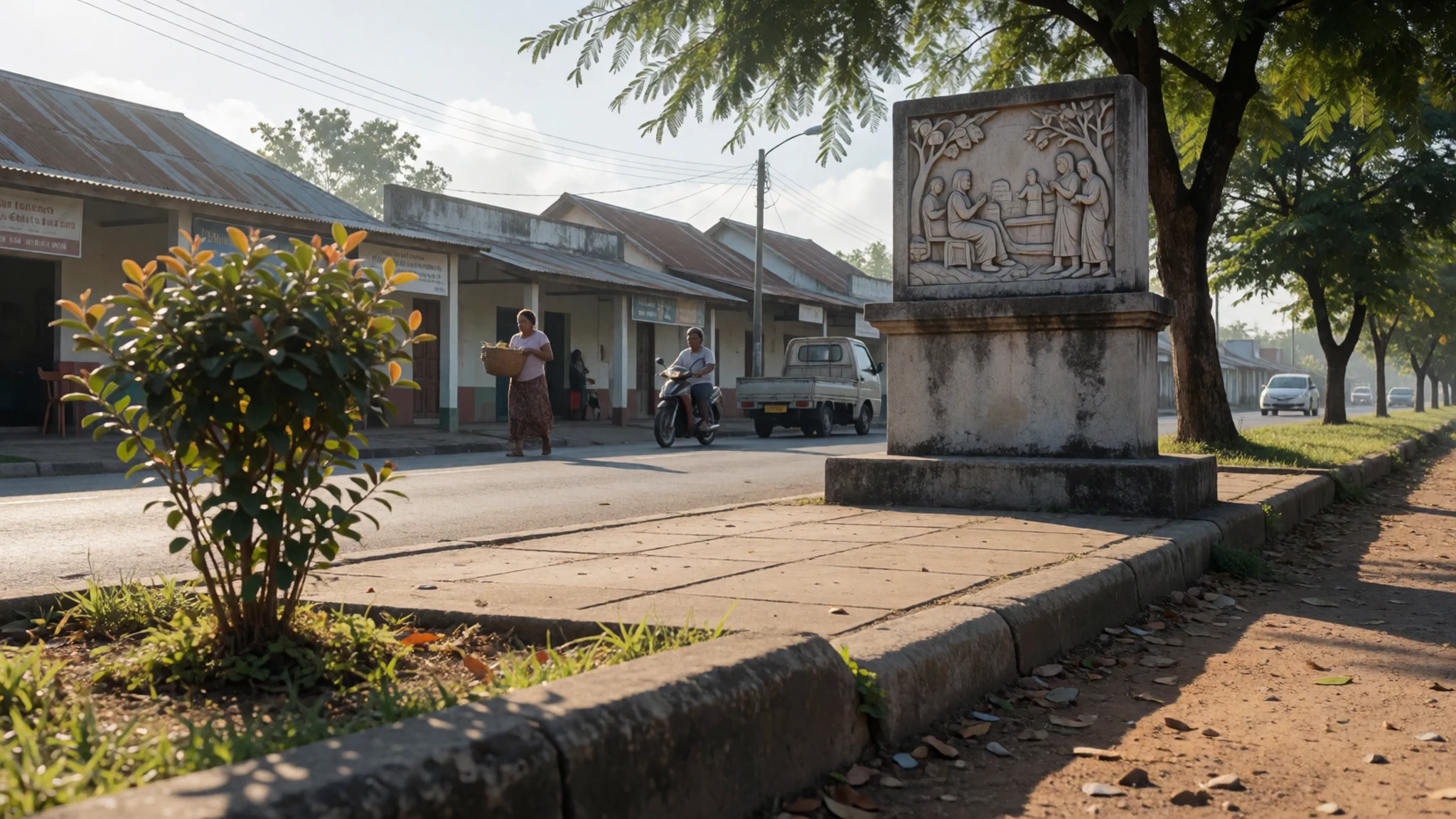
- Manatuto market — Town centre
The town market is where people from surrounding villages come to sell fruit, vegetables, fish and household goods. Mornings are busiest and most rewarding. Prices and stock change with the season, so go with a little cash and curiosity, and ask before photographing stallholders.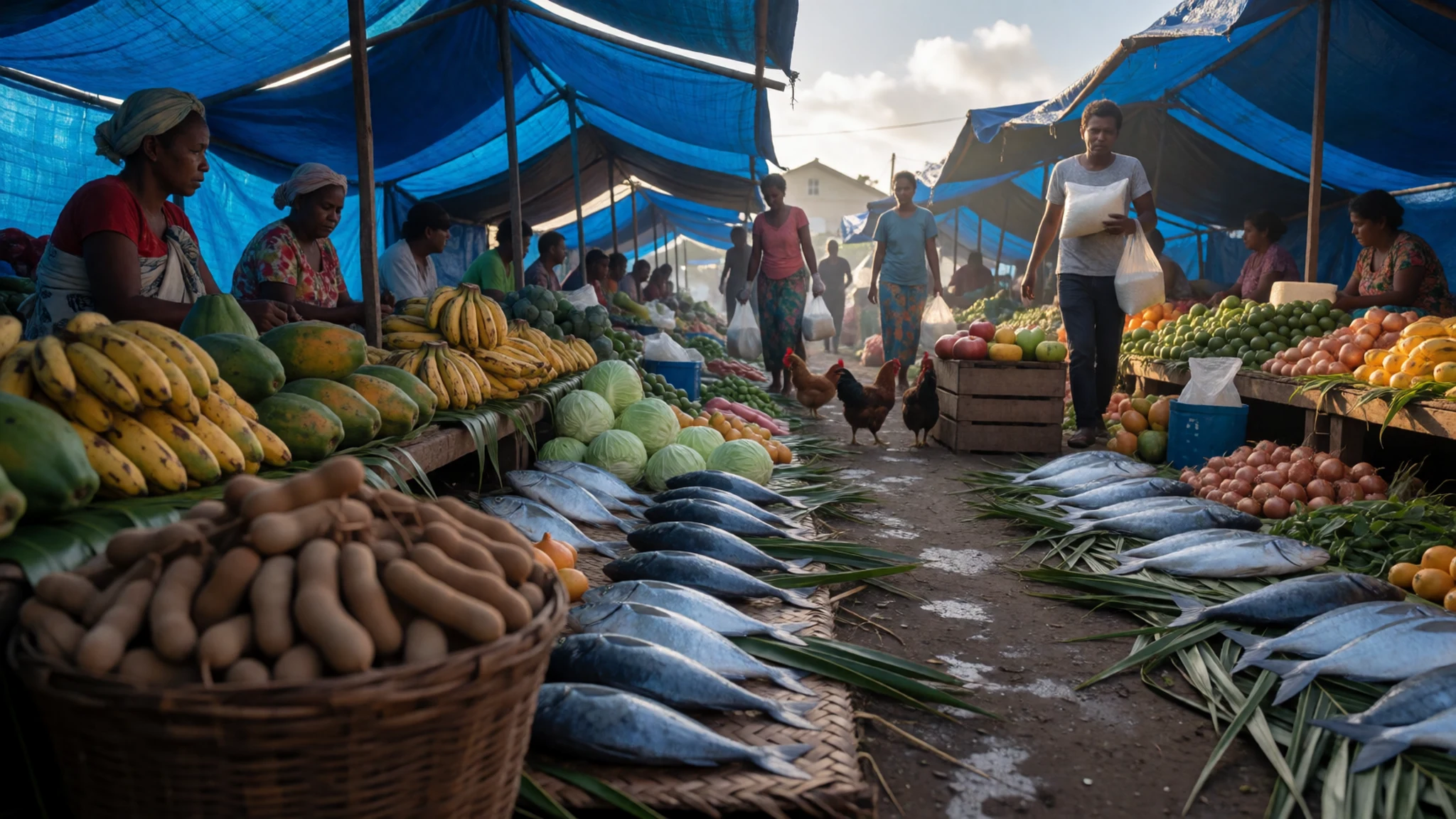
- Dumi Huhun hill — Southeast outskirts, by the main highway
Dumi Huhun, at 156 m, is the highest of the hills on the southern side of town, close to the main Dili–Baucau road. It is a modest rise, but it gives a useful sense of how the flat town sits between hills and sea. Go early to avoid the heat, and check local advice on paths.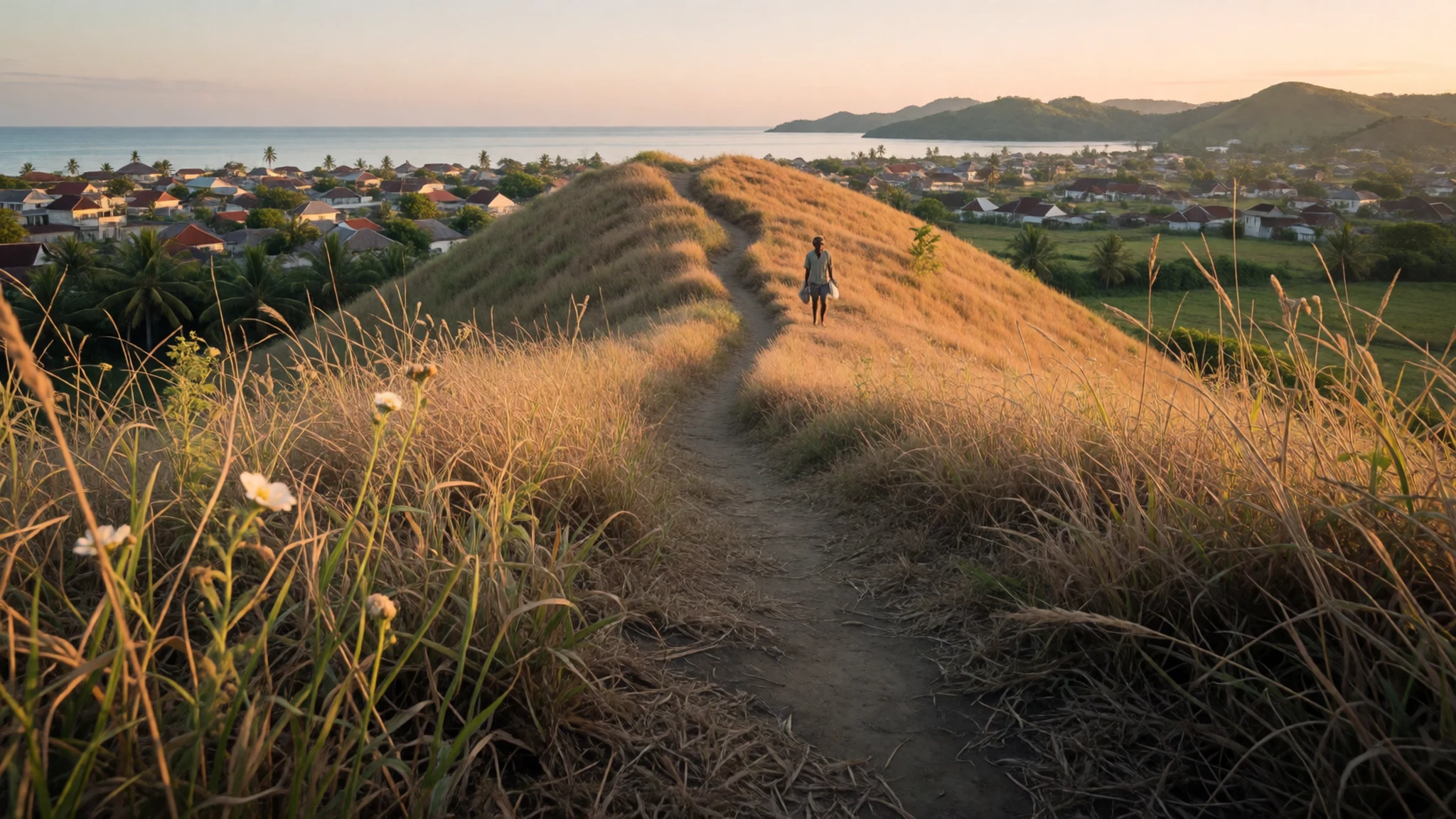
Culture
Manatuto is a Catholic, Timorese town, and church life sits close to the centre of community life. Sundays are quiet and well observed. Tetum is the everyday language, Portuguese is also official, and Indonesian is still understood by many older people. The occupation left deep marks on almost every family, and local people are generally generous but may not want to discuss it with strangers. Many Timorese feel affection for the Portuguese period, when rural communities were mostly left to themselves, and relations with Indonesia are friendly today. Even so, speaking warmly of the occupation or of Timor-Leste joining Indonesia will land badly. Politics is best approached with care, and only if a local raises it first. Hospitality matters: if you are invited to a house, accept a drink or a small bite and thank the host. Pace is relaxed, and punctuality is looser than in a big city. Markets and church events are good places to watch how people greet each other, usually with a handshake and a smile. Ask before taking photographs of individuals, especially children and older people. When visiting the church or a memorial, dress modestly, keep your voice low, and ask before photographing anyone at prayer.
What to wear
Traditional dress in Timor-Leste centres on tais, hand-woven cloth made on a loom, usually from cotton with natural or commercial dyes. Patterns differ by region and family, and tais appear as wrap skirts, sashes, shawls and ceremonial cloths. They are worn most visibly at weddings, funerals, church festivals, political and cultural events, and when welcoming guests, when a tais scarf is sometimes placed round a visitor's shoulders. In Manatuto, everyday clothing is simple and practical. Men usually wear shirts and trousers or shorts, women wear blouses with skirts or trousers, and football shirts and caps are common. On Sundays people dress up for church in their best clothes. Visitors should dress for heat and humidity: light, breathable cotton or linen, with shoulders and knees covered, which is respectful in town and in church. A hat and sunglasses help along the open waterfront, and a light rain layer is sensible in wetter months. Comfortable sandals or walking shoes suit the flat town, while closed shoes with grip are better if climbing any of the hills. Swimwear is best kept for the beach, not worn in the town. Buying a tais directly from a weaver or a market stall is a good way to support local makers.
What to eat
- Fried fish — Simple eateries near the waterfront and market
Fish is central to coastal meals, and frying is the most common treatment, often with a spicy sauce on the side. In Manatuto it arrives fresh from boats along the shore. Ask what was caught that morning and eat it with plain rice.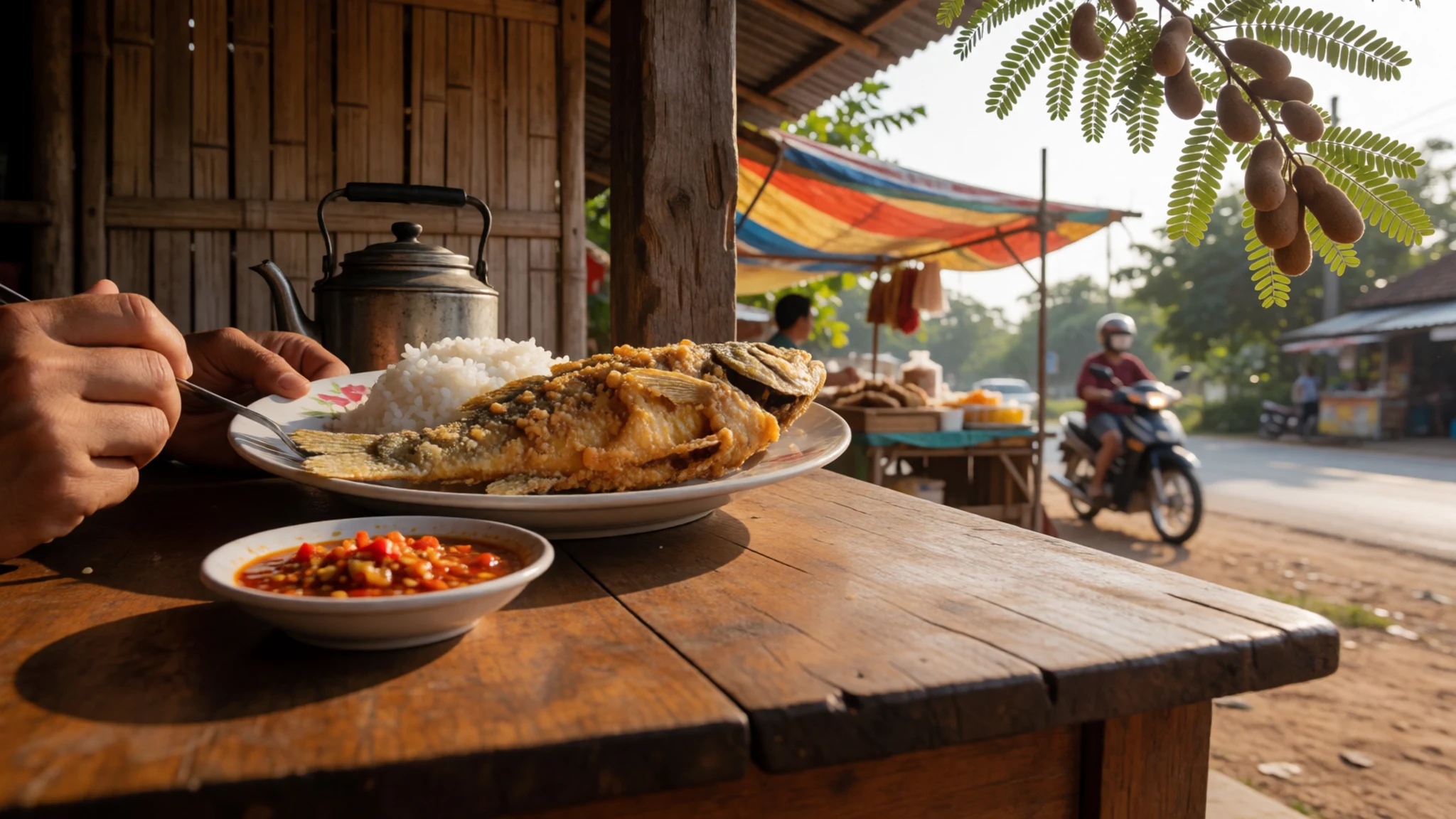
- Chicken curry — Small family-run eateries in the town centre
Curry is a standard dish across Timor-Leste, and chicken curry is a widely loved version. Expect a gently spiced, home-style sauce rather than anything fiery, served with rice. It is an easy, filling meal after a day of walking in the heat.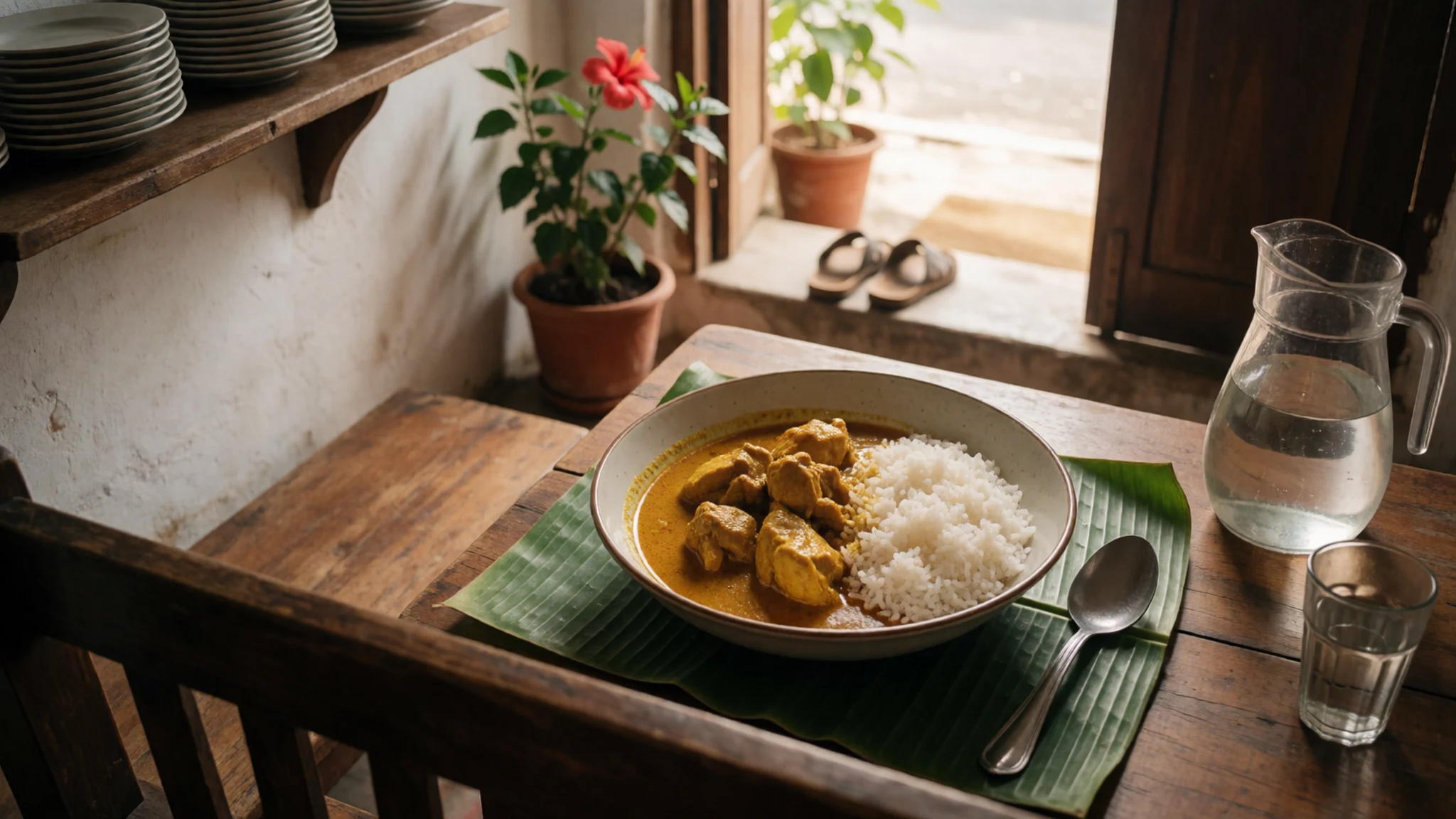
- Rice with cassava, taro or sweet potato — Market stalls and local eateries
Rice is the staple, but root crops such as cassava, taro and sweet potato often share the plate or stand in for it. They are filling, plain and good with fish or vegetables. Ask for a mixed plate to taste the variety. - Prawns — Coastal eateries and the morning market
Prawns are treated as a delicacy in Timor-Leste, usually fried or cooked with spices. Availability depends on the catch and the day, so treat them as a pleasant surprise rather than something to plan around. Fresh is best, so ask where they came from. - Timorese coffee — Roadside stalls and market mornings
Coffee is grown organically in Timor-Leste, and a small cup is part of any morning. It is usually strong and often served sweet. Drink it standing at a stall or sitting with locals, and look out for beans sold in the market to take home.
Plan it
Best time. The drier months, roughly May to October, are the most comfortable for walking and coast-road travel; the wet season brings heavier rain and muddier roads. The town is hot and humid throughout, so mornings and evenings are the best times to be outdoors.
How long. 1–2
Getting there. Fly to Dili Airport, then travel east by road towards Baucau; Manatuto lies on that coastal highway, about 50 km east of Dili as the crow flies, with a longer drive on the winding road. Arrange a driver or check current bus and minibus options in Dili.
Budget. low
Tips
- Check the official Timor-Leste immigration website for visa rules and fees before travelling, and carry any cash needed on arrival
- Carry cash and water, as card acceptance and shops are limited outside Dili
- Start walks and market visits early to avoid the midday heat
- Keep valuables out of sight in vehicles, and avoid gatherings or demonstrations if any are called
- Arrange onward transport and accommodation in advance, as choices in town are limited
Etiquette
- Dress modestly in town and in church, with shoulders and knees covered
- Ask before photographing people, and keep conversations about the occupation sensitive and led by locals
Nearby
Sources
- Wikidata Q1011873 (CC0)
- Wikipedia: Manatuto (rev 1378775099) (CC BY-SA 4.0)
- Wikivoyage: Timor-Leste (rev 5406324) (CC BY-SA 4.0)
- Overhead Manatuto, Looper5920 (CC BY 3.0)
- Mercado Manatuto, Gabinete do Primeiro-Ministro (Public domain)
- AMP campaign in Manatuto, José Fernando Real (CC BY-SA 4.0)
- Conflict, Timor Leste, Department of Foreign Affairs and Trade (CC BY 2.5)
- Manatuto waterfront 2018 (01), Bahnfrend (CC BY-SA 4.0)
- Manatuto waterfront 2018 (02), Bahnfrend (CC BY-SA 4.0)
- Manatuto, Norberto Benigno (Public domain)
- Monument, Manatuto 2018 (01), Bahnfrend (CC BY-SA 4.0)


