Malacañang of the North
Malacañang of the North, Philippines
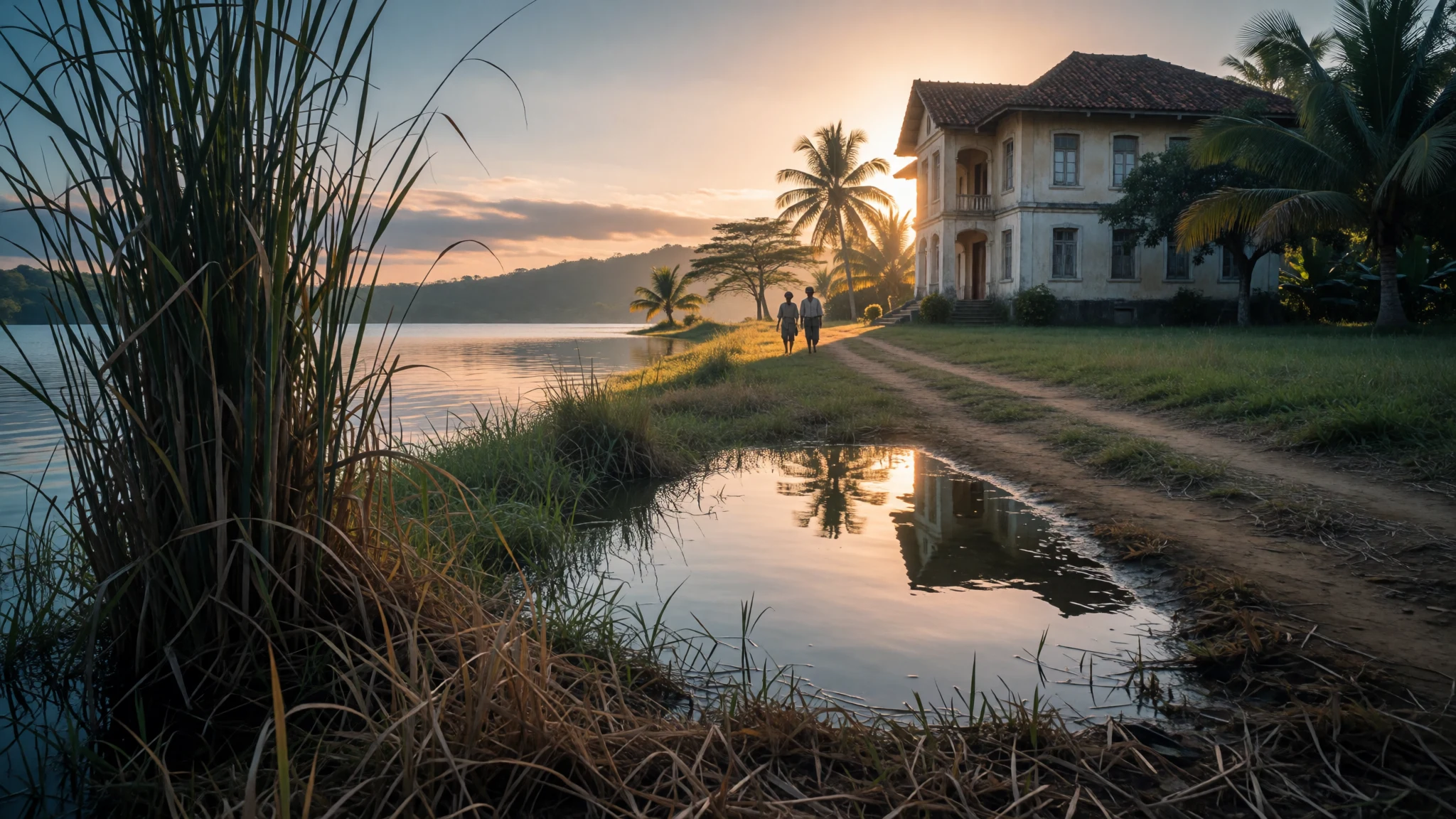
Malacañang of the North is a lakeside mansion-turned-museum in Ilocos Norte where politics, family history and a contested memory of the Marcos years sit under one roof.
The place
Malacañang of the North is a presidential museum in Paoay, a town in Ilocos Norte on the north-western edge of Luzon. Its Ilocano name is Malacañang ti Amianan, and in Filipino it is Malakanyang sa Hilaga. The name echoes Malacañang Palace in Manila, and the idea was the same: a seat of presidential life, placed in the family's home province. The building is a two-storey house with wide verandas, set on a rise above Paoay Lake, and the water and the surrounding greenery are as much a part of a visit as the rooms. It reads more as a large provincial residence than a palace. Inside, seven rooms are given over to themed displays, and the layout makes for an easy, unhurried walk. The country around is flat to gently rolling farmland, with rice, tobacco and garlic fields, and the town of Paoay is small and quiet outside festival days. The museum belongs to a wider Ilocos circuit that visitors usually combine with old churches, dunes and weaving villages. It is worth knowing before arrival that this is not a neutral site. The family who lived here remain a divisive subject in the Philippines, and the displays were arranged under the family's own provincial government. Visitors tend to leave with more questions than answers, which suits a place with this much history attached. Midday heat can be fierce, so the garden and lakeside are best enjoyed early or late in the day.
Its story
Malacañang of the North was built in 1977 by the national tourism body of the time, the Philippine Tourism Authority, as a gift marking Ferdinand Marcos's 60th birthday. It then served as a base for the president's household whenever they were in Ilocos Norte. The plan has seven rooms, a number said to have been lucky for Marcos, and each room takes a theme from his years in power: study, agriculture, diplomacy, overseas Filipino workers, culture, nation building and family. Management passed to the tourism authority's successor, TIEZA, and in 2001 the pianist Cecile Licad played a Chopin programme in the house. In 2010 President Benigno Aquino III handed the use of the property to the Ilocos Norte provincial government. Governor Imee Marcos, the former president's daughter, had it refurbished as a visitor attraction. A conservation specialist from the University of Santo Tomas was brought in to design the exhibits, organising each room around a theme of the Marcos public programmes. The ownership question then went to court. In 2014 the Sandiganbayan, the Philippines' anti-graft court, stripped the family of the property. It cancelled a 1978 agreement between Marcos and the tourism authority and ruled that, as national parkland, the site was public domain that could not be privately owned. Bongbong Marcos, the son, had argued the house was family property. The building thus carries two stories at once: a leader's showpiece and a legal ruling about who it belongs to.
What to see
- The façade and Paoay Lake view — Paoay, Ilocos Norte
The front of the house is the classic photograph: a broad two-storey frontage with a deep porch, looking over lawns towards Paoay Lake. Arrive early for softer light and fewer tour groups. The lake edge is worth a slow stroll, as the outlook shows why the site was chosen.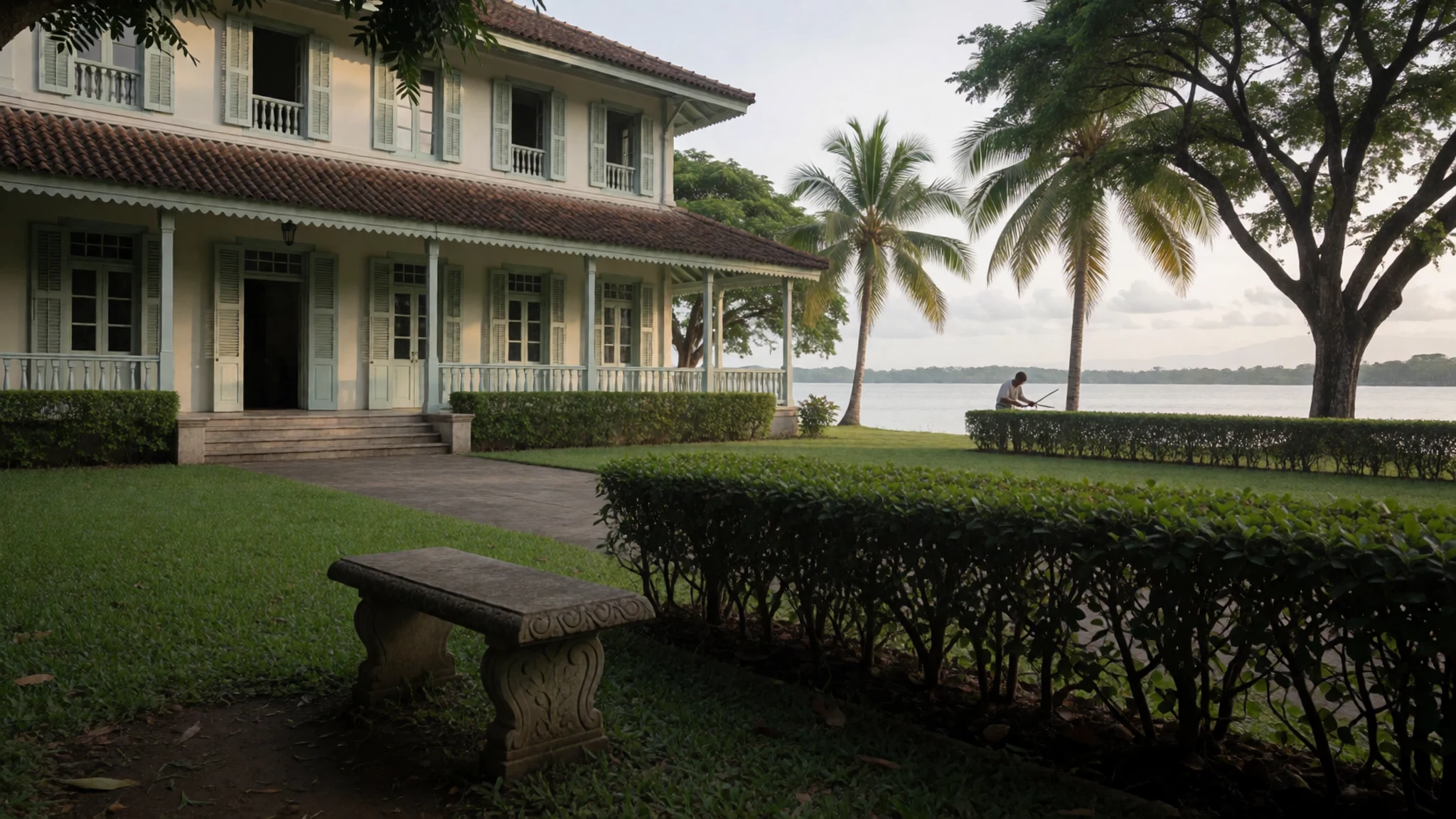
- The ground floor — Paoay, Ilocos Norte
The ground floor holds the public rooms of the house and sets the tone for the rest. Wooden furniture, polished floors and period fittings give a sense of how the household received guests. It is a good place to read the introductory panels before climbing upstairs to the themed rooms.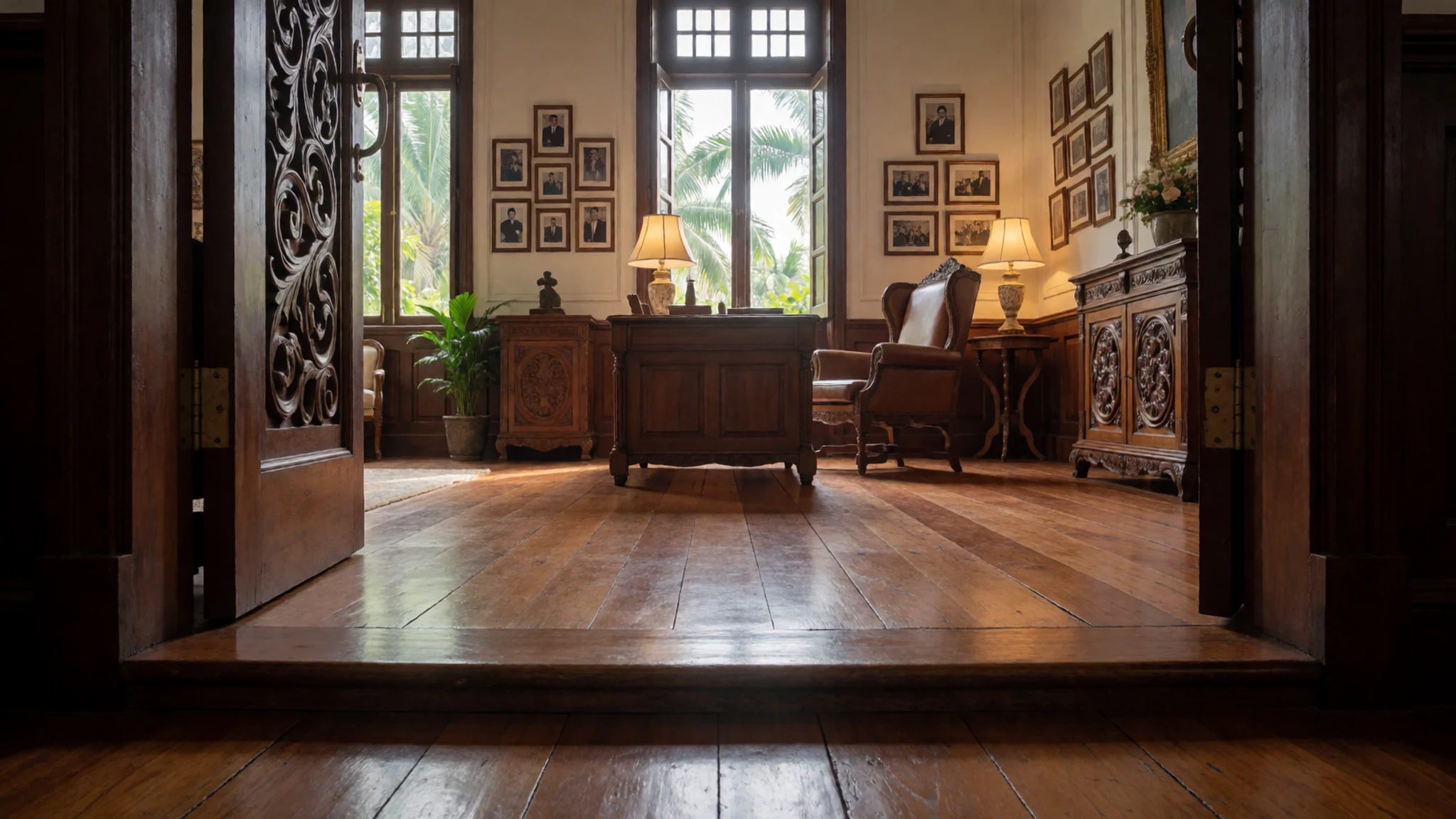
- The Study Room — Paoay, Ilocos Norte
One of the seven themed rooms, the Study Room is about the working life of the president, with desks, books and papers arranged as a display. Read it as the family's own account of his career, and compare it with what you know from other sources.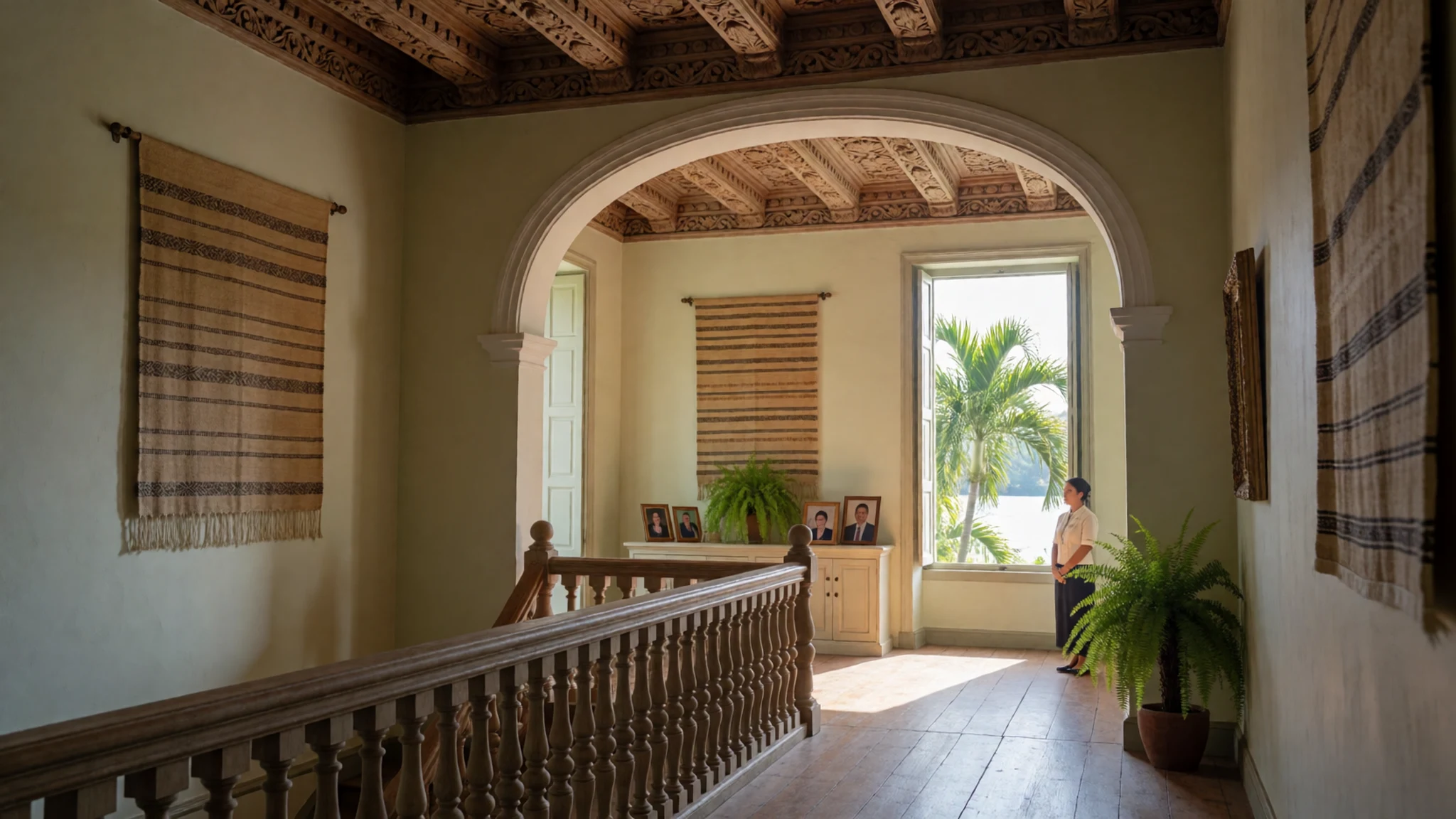
- The Agricultural Room — Paoay, Ilocos Norte
The Agricultural Room presents farming and rural programmes of the Marcos era, a fitting theme in a province of rice paddies and tobacco fields. Look at how the exhibit frames success, and then at the fields outside the windows, which tell a quieter, ongoing story.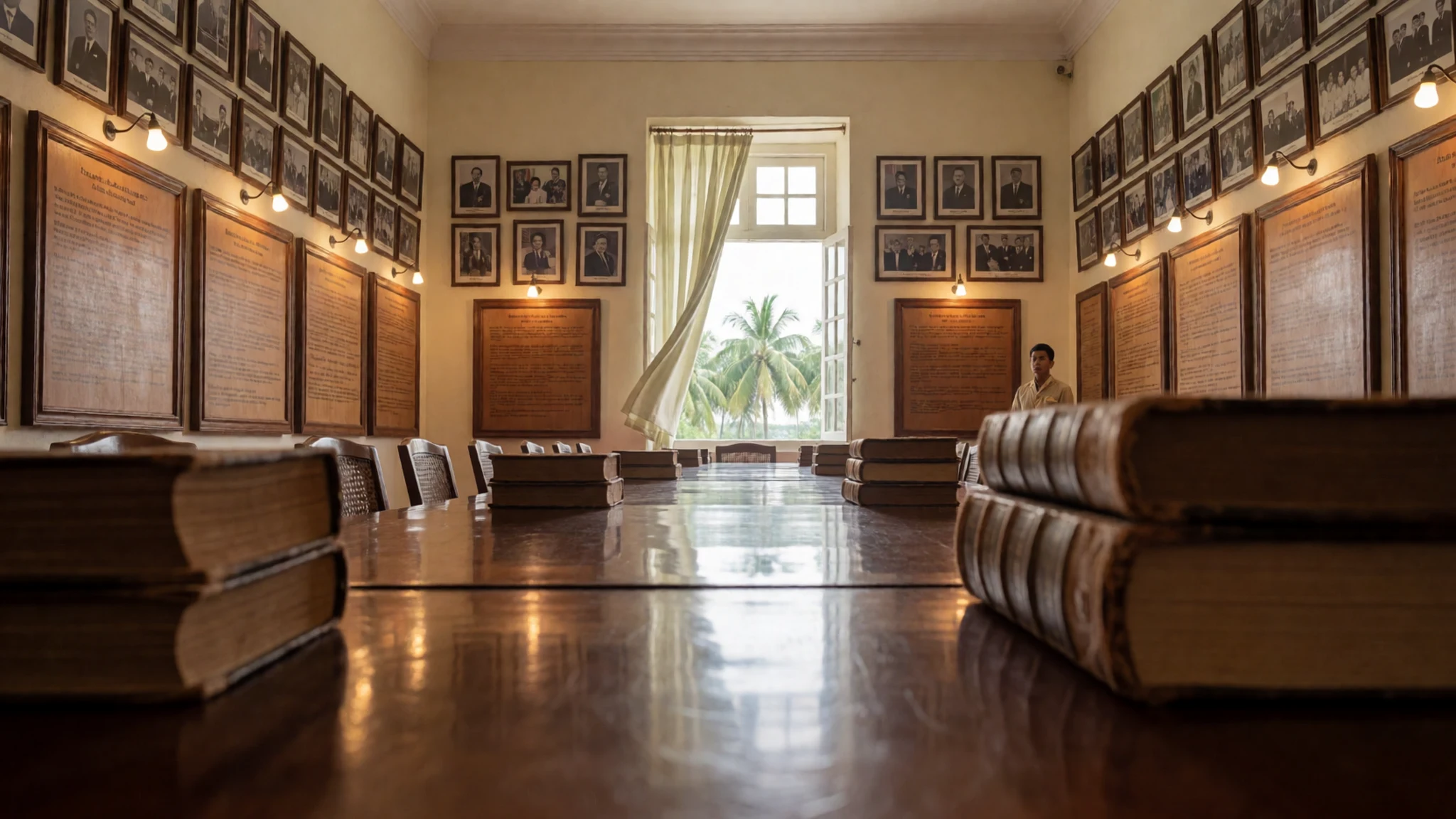
- The Nation Building Room — Paoay, Ilocos Norte
The Nation Building Room gathers the era's public works and development programmes into a single narrative. It is the most overtly political of the displays, and rewards a slow read. The upper floor also gives better views of the grounds and lake through the windows.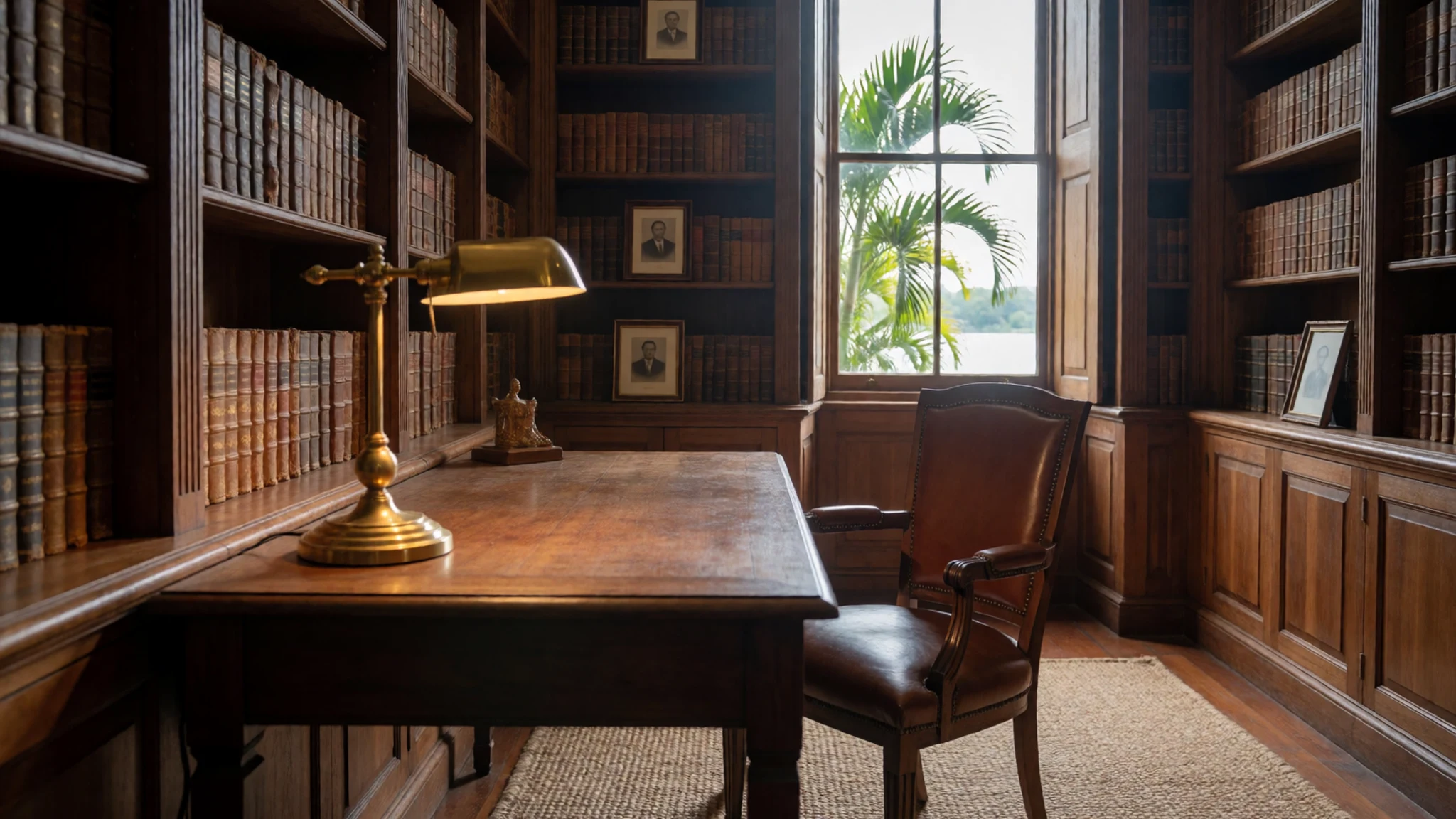
Culture
Malacañang of the North sits in the Ilocos region, whose people, the Ilocanos, have a reputation across the Philippines for thrift, hard work and strong family ties. Ilocano is the main local language, and Filipino and English are widely understood, so museum labels and conversations are rarely a problem. The region is largely Catholic, and church feast days, processions and town fiestas shape the calendar. Paoay's own old church is a neighbour in the town and a better guide to local religious life than any museum. The Marcos name carries strong feeling here. In Ilocos Norte the family is often regarded with loyalty and pride as local sons and daughters, while elsewhere in the country, and among many who lived through martial law, the same name stirs anger and grief. A visitor will meet both views, sometimes in the same conversation. Guides at the house tell the family's version of events, and it is fair to read the exhibits as one perspective among several, and to look elsewhere for the accounts of those who suffered under that period. Filipinos are generally hospitable and curious about foreign visitors, and questions about where you come from are a friendly opening rather than an intrusion. Keep political opinions measured and curious rather than confrontational, and let guides and staff finish their explanations before you disagree, as the subject is personal for many people.
What to wear
Around Malacañang of the North, traditional dress means the textiles of Ilocos, above all inabel, the handwoven cotton cloth made on wooden looms. Its best-known pattern is binakul, a swirling, optical design said to evoke waves and to protect the wearer, and it appears on blankets, scarves and bags. Formal occasions across the Philippines call for the barong Tagalog, a lightweight embroidered shirt worn untucked by men, and for women the terno, a dress with distinctive raised sleeves. These are seen at weddings, fiestas and official events rather than daily life. Day to day, people in Paoay wear what suits the heat: T-shirts, shorts, cotton dresses, sandals and caps, with long sleeves and wide hats for fieldwork. Town and church visits lean a little neater, and school and office uniforms are common on weekdays. For visitors, the climate decides most of it. Choose light, breathable clothing, a hat, sunscreen and sunglasses, and carry a compact umbrella, which serves against both sun and sudden showers. The house is a museum rather than a place of worship, so ordinary summer clothes are fine, but shoulders and knees covered is more comfortable when visiting nearby churches. Wear flat, comfortable shoes with grip, since floors can be polished and the grounds are grassy and sometimes damp. Weavers' workshops around the province sell inabel, and buying a small piece is a good way to take home something local.
What to eat
- Pinakbet — Local eateries in Paoay and Laoag
A vegetable stew of bitter melon, aubergine, okra and squash, flavoured with fermented fish sauce. It is the everyday dish of Ilocos and tastes savoury, earthy and slightly bitter. Look for it at any local eatery serving home-style meals.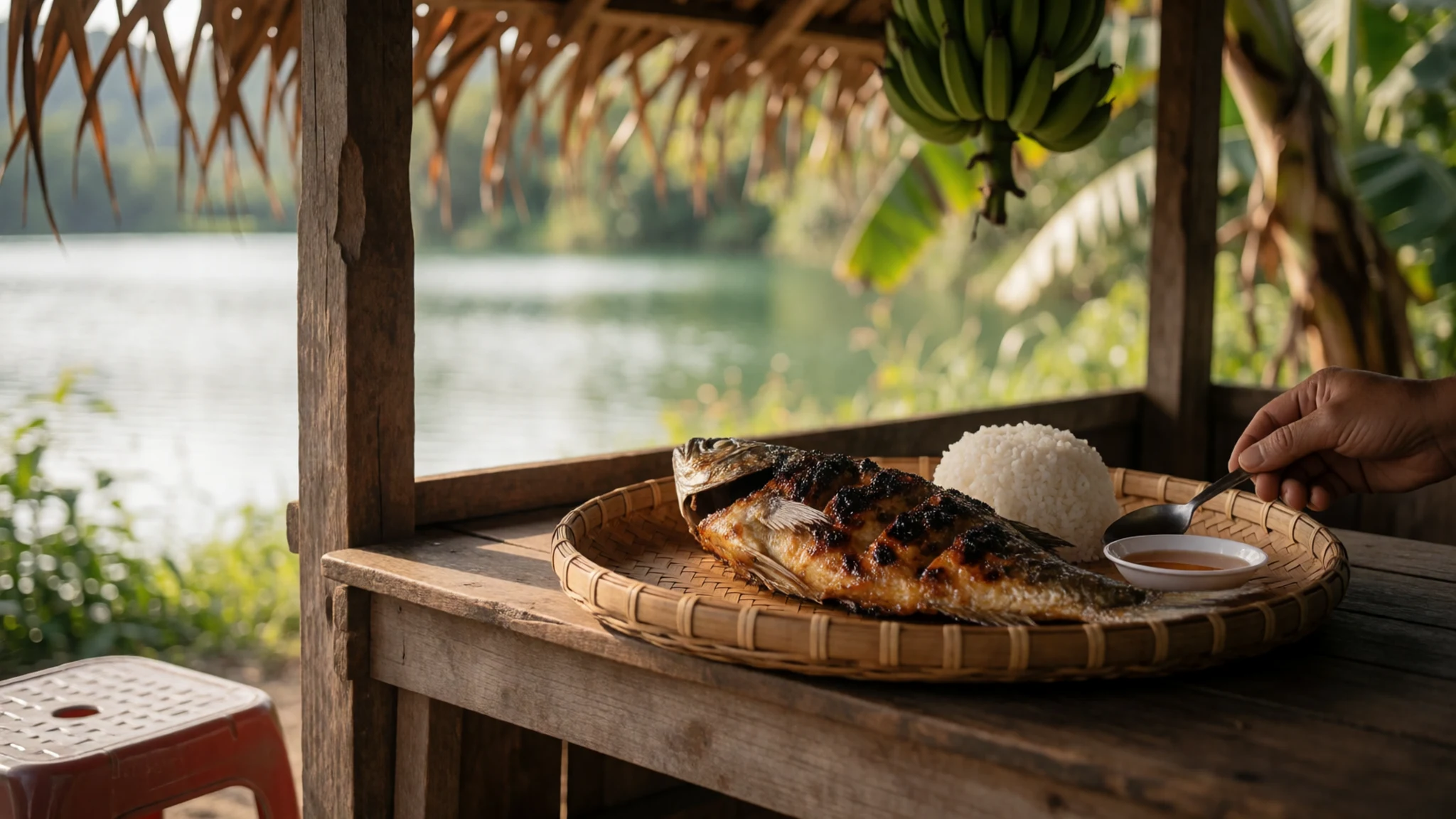
- Bagnet — Public markets and roadside grills
Pork belly that is boiled, then deep-fried until the skin crackles. It is served with a sharp dip of vinegar and chopped tomato, and often with garlic rice. Heavy and rich, it suits sharing. Markets and roadside grills sell it in generous portions.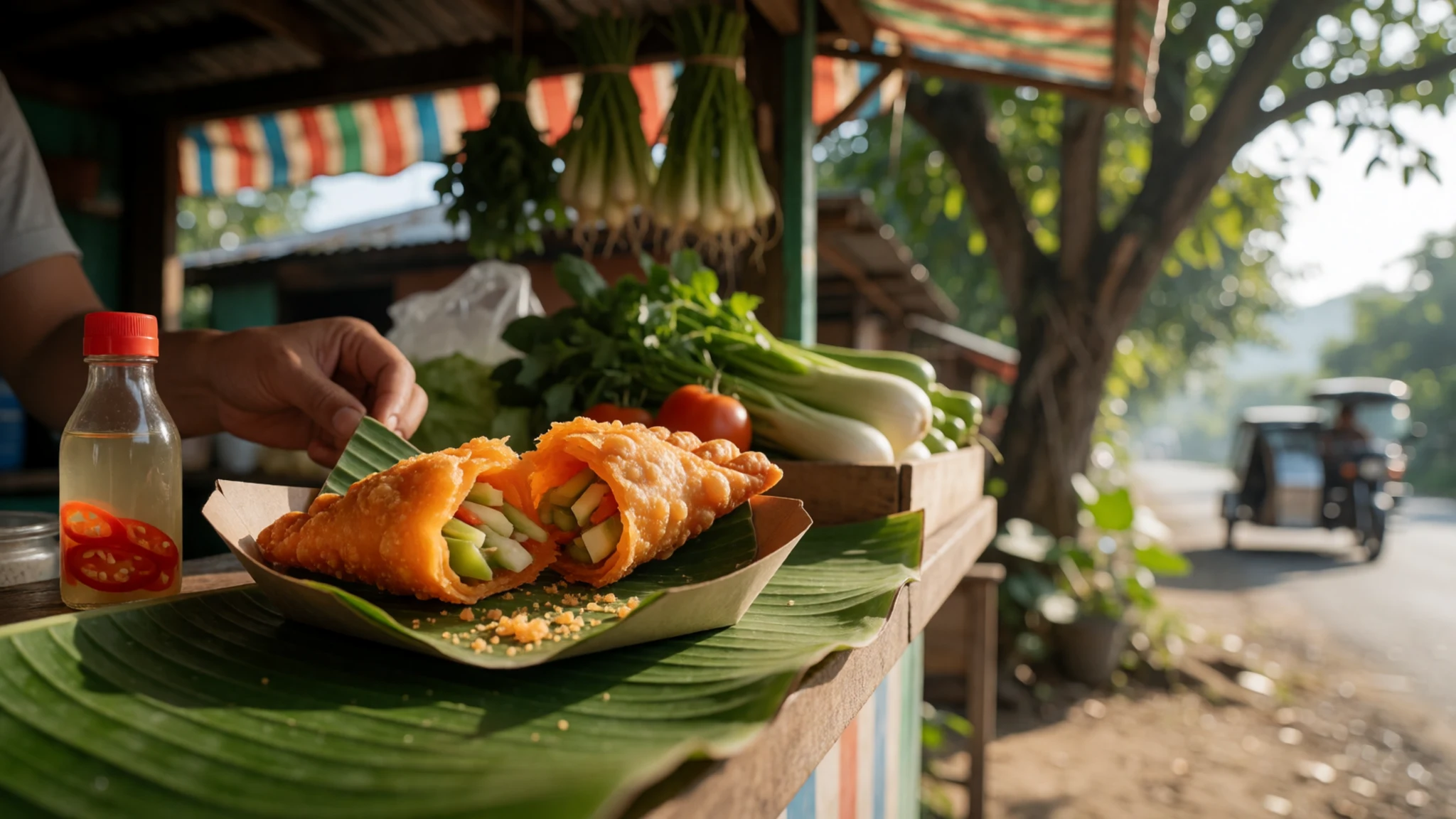
- Empanada Ilocos — Street stalls near town plazas
A crisp, orange-coloured pastry filled with grated green papaya, mung beans, egg and sausage, fried to order. It makes a handy hot snack on the move. Stalls cluster around town plazas and are busiest in the evening. - Longganisa — Morning markets in Ilocos Norte
Small, garlicky Ilocano sausages, firmer and more sour than many Filipino versions. They are usually fried for breakfast with rice and an egg. Buy a few from market vendors to take on the road. - Sinanglao or papaitan — Market eateries and small roadside restaurants
A bitter-sour beef soup made with offal and flavoured with bile, which gives the sharp finish. It is an acquired taste and a local favourite. Ask the cook if you would like it milder.
Plan it
Best time. November to March is the drier, cooler part of the year in northern Luzon, which makes walking the grounds comfortable. April and May turn very hot, and typhoon season brings heavy rain and strong wind, mostly from roughly July to October.
How long. 1–2 for Paoay itself; 3–4 if combining it with the wider Ilocos circuit
Getting there. Fly to Laoag International Airport, the nearest airport, then take a taxi, tricycle or hired car on to Paoay, a short road journey. Buses and vans from Manila run to Laoag, and regional transport continues from there.
Budget. low
Tips
- Visit early in the morning or late afternoon to avoid the midday heat
- Check opening days and entry arrangements on the official provincial tourism website before travelling, as they can change
- Carry some cash, since small shops and village stalls may not take cards
- Bring water, sunscreen and a hat; shade is limited on the grounds
- Hire a tricycle or car for the day to link Paoay's other sights with the museum
Etiquette
- Ask before photographing staff or other visitors, and follow any signs about photography inside rooms
- Keep your voice low and do not touch the exhibits or furniture
- Keep political remarks respectful, as opinions here run deep
Nearby
Sources
- Wikidata Q30595915 (CC0)
- Wikipedia: Malacañang of the North (rev 1380038932) (CC BY-SA 4.0)
- Wikivoyage (CC BY-SA 4.0)
- Photo 01: Howard the Duck (CC BY-SA 4.0)
- Photo 02: John Lenard Cadungog (CC BY-SA 4.0)
- Photo 03: Pi3.124 (CC BY-SA 4.0)
- Photo 04: Pi3.124 (CC BY-SA 4.0)
- Photo 05: Luzviminda7641 (CC0 1.0)
- Photo 06: Luzviminda7641 (CC0 1.0)
- Photo 07: Luzviminda7641 (CC0 1.0)
- Photo 08: Luzviminda7641 (CC0 1.0)


