Hanoi
Hanoi, Vietnam
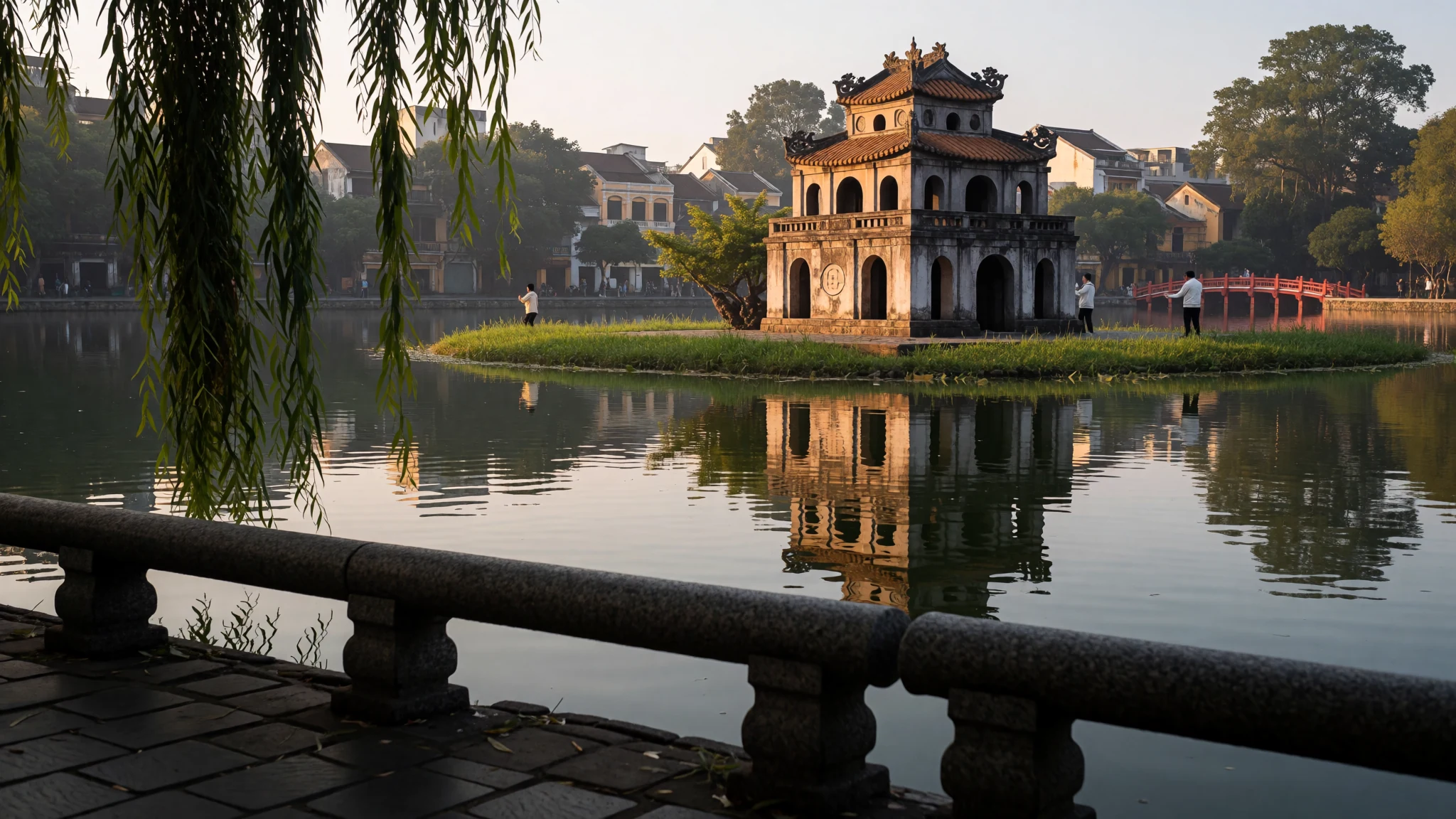
Hanoi offers a layered journey through feudal citadels, quiet lakes, French colonial boulevards, and narrow old quarters that pulse with daily street life.
The place
Hanoi stands as the vibrant capital of Vietnam, home to a population of about 8.7 million people spread across a wide municipal expanse. Situated at an elevation of 16 metres, the city balances ancient roots with the pressures of modern growth. Visitors navigating the urban core encounter a striking mix of architectural styles. Pre-colonial Vietnamese structures sit alongside grand French colonial edifices, stark brutalist apartment blocks, and the famously narrow tube houses that grew out of twentieth-century land patterns. Tree-lined lakes anchor the city layout, providing cool relief and gathering spots for locals who practise morning exercises along the water. Parks, leafy courtyards, and ancient pagodas punctuate the denser neighbourhoods. As an economic and political engine, the municipality hosts major educational institutions, government headquarters, and foreign embassies, while drawing millions of travellers every year to its historic landmarks and lively street markets. The atmosphere shifts constantly, moving from the quiet solemnity of state monuments to the loud, aromatic hum of sidewalk kitchens where steaming bowls of broth are served from dawn until late in the evening. Life here spills directly onto the pavement, creating an outdoor parlour where commerce, socialising, and transit all happen simultaneously in plain view of every passer-by.
Its story
Human presence in the region stretches back tens of thousands of years, with Palaeolithic relics discovered in nearby elevated areas such as Ba Vì and Đông Anh. Geological shifts, including rising sea levels during the Holocene epoch, left large parts of early Hanoi entirely underwater for millennia. By the third century BC, the first major political centre of the local civilisation took shape with the construction of the fortified citadel at Cổ Loa, featuring massive defensive embankments. Centuries of imperial domination followed after the Han conquest, integrating the region into wider regional polities while local chiefs retained a measure of local authority. A defining turning point arrived in the year 1010, when emperor Lý Thái Tổ moved the imperial capital of Đại Việt to the site, naming it Thăng Long, or ascending dragon. Over subsequent dynasties, the capital shifted elsewhere, and the city experienced several name changes, including Đông Kinh during the Lê dynasty, before receiving its current designation of Hanoi in the nineteenth century. During the colonial era, it served as the administrative centre for French Indochina, leaving an enduring architectural legacy of wide boulevards and administrative villas. Following the August Revolution, the city reclaimed its status as the capital of an independent republic, preserving a deeply layered history visible in every ancient gate, citadel wall, and weathered tile roof.
What to see
- Hồ Chí Minh Mausoleum — Ba Đình district
The imposing granite resting place where the revolutionary leader is entombed in a prominent architectural style. Visitors queue patiently to pass through the cool, dimly lit inner chamber where the preserved body lies under glass.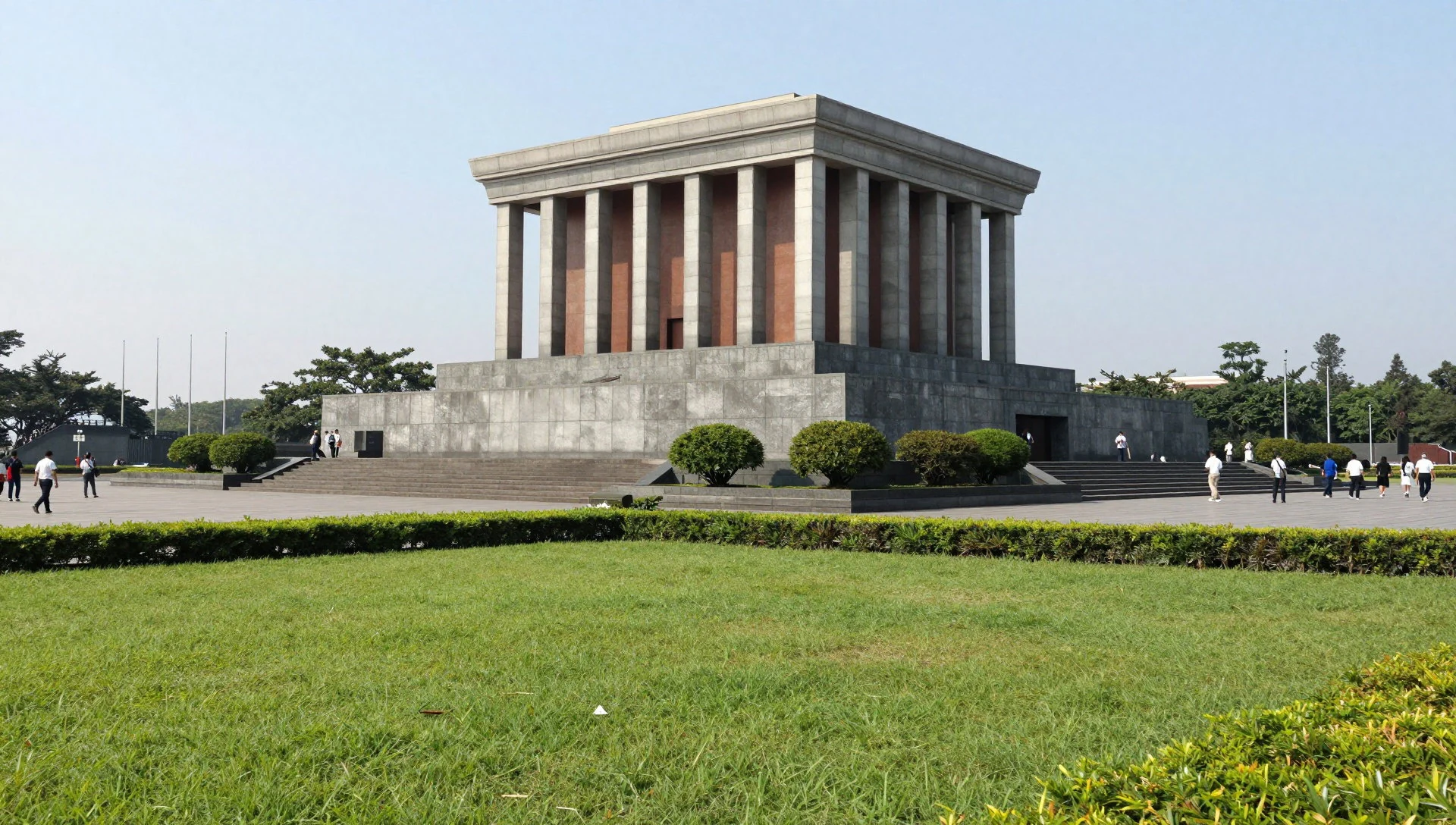
- Imperial Citadel of Thăng Long — Ba Đình district
An extensive archaeological site and UNESCO heritage area preserving centuries of royal history. Massive stone gates, ancient foundations, and military command bunkers reveal the deep political roots of the capital across successive dynasties.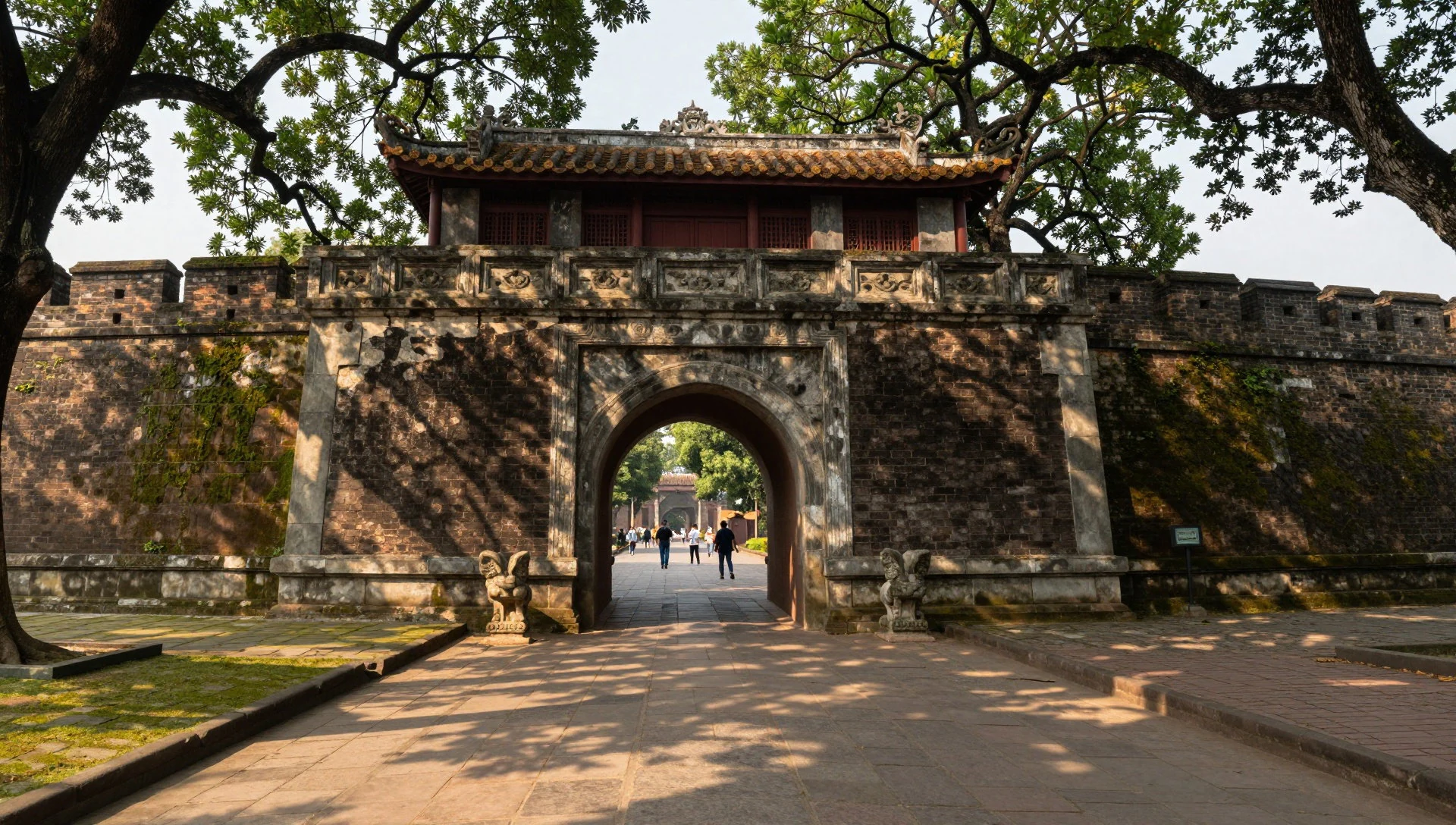
- National Museum of Vietnamese History — Hoàn Kiếm district
Housed across two distinct locations, these galleries trace the country from prehistoric times through feudal eras to the twentieth-century independence struggles. Detailed exhibits feature ancient bronze drums, imperial ceramics, and revolutionary artefacts.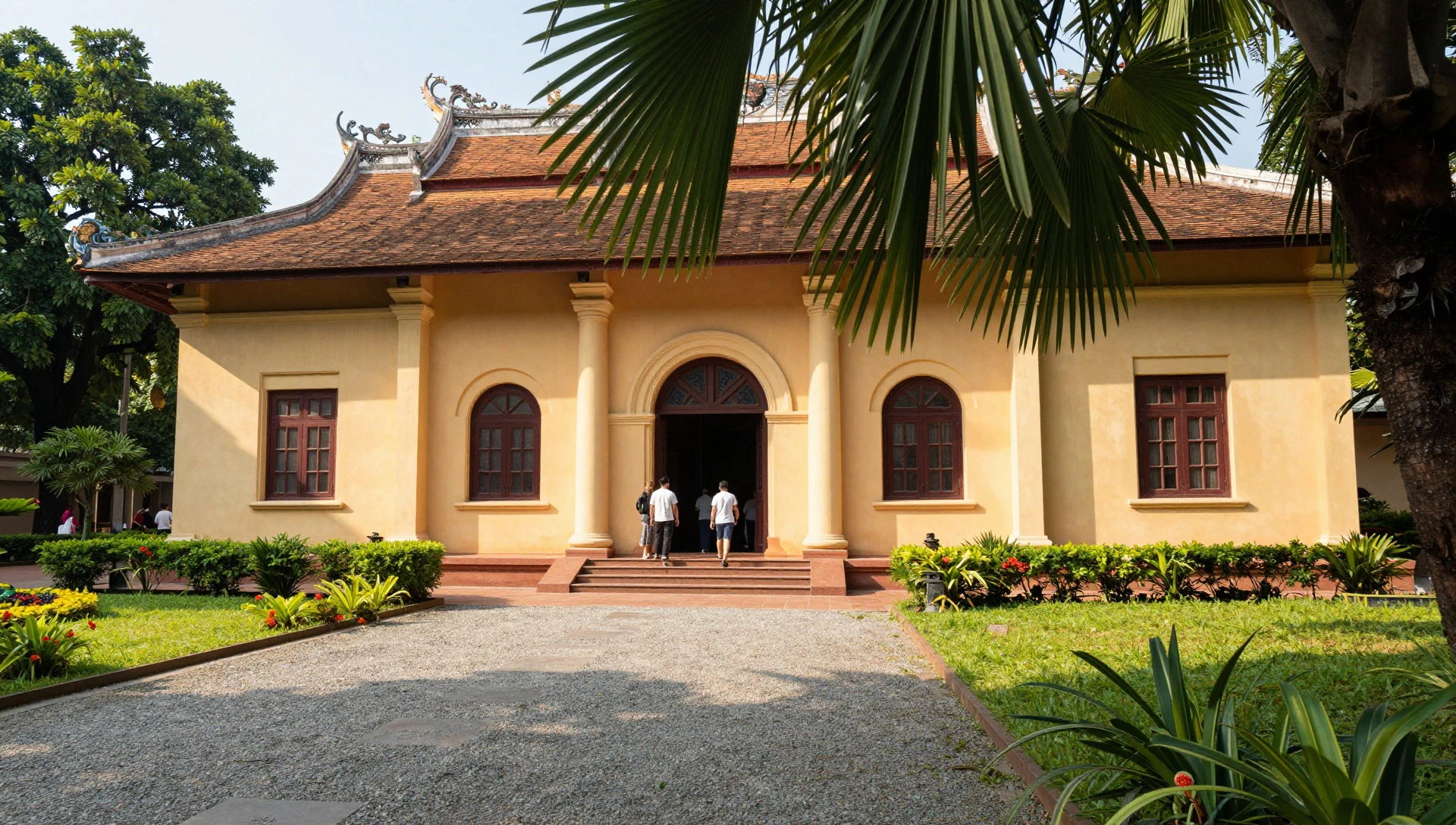
- Fine Arts Museum — Ba Đình district
Located inside a restored colonial building, this gallery displays traditional folk art, religious sculpture from ancient temples, and modern paintings reflecting twentieth-century aesthetic movements approved by state institutions.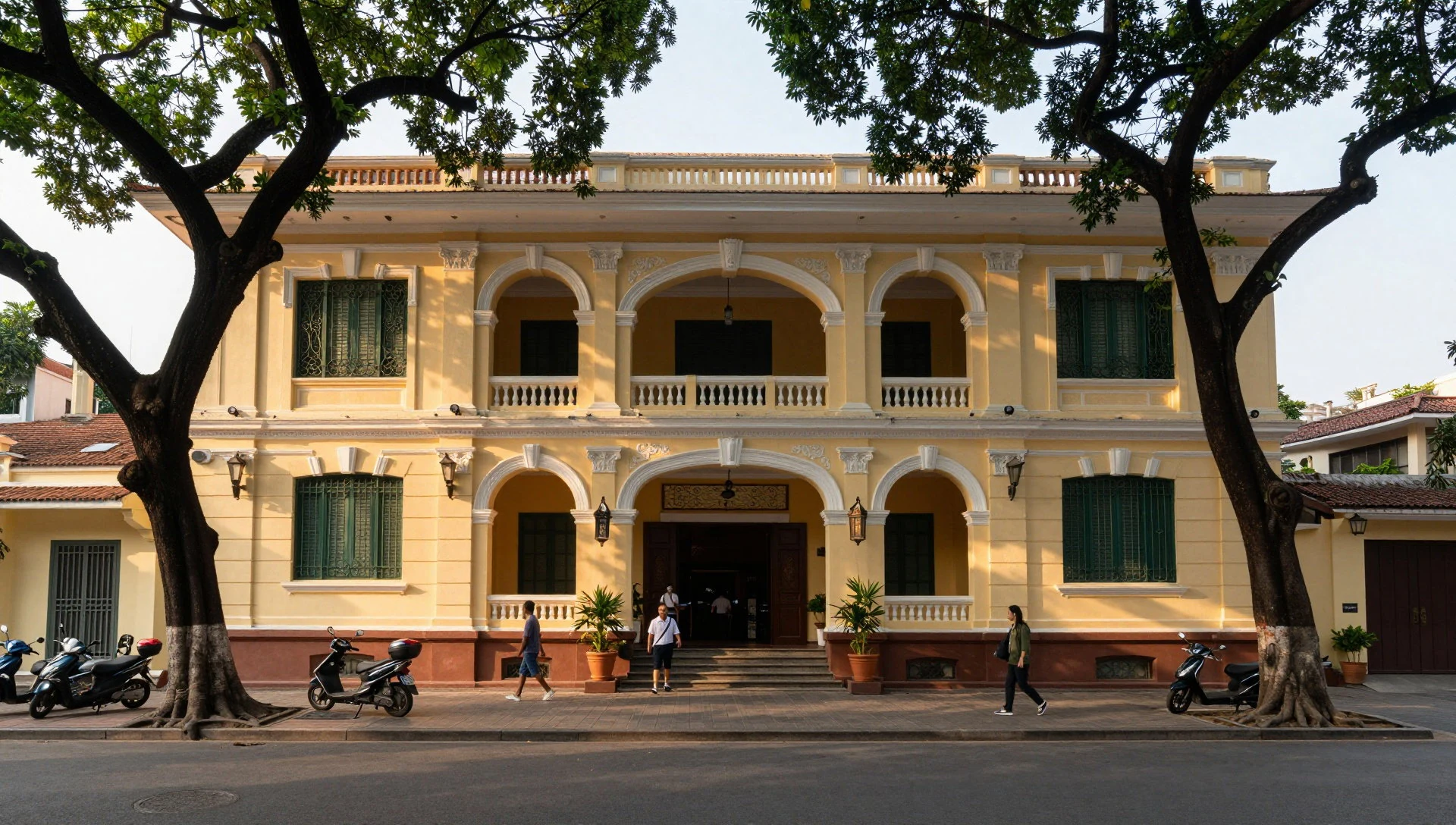
- Vietnamese Women's Museum — Hoàn Kiếm district
A thoughtfully curated institution celebrating the social, economic, and historical contributions of women in Vietnam. Permanent exhibitions highlight traditional costumes, family rituals, and the frontline roles women played during wartime.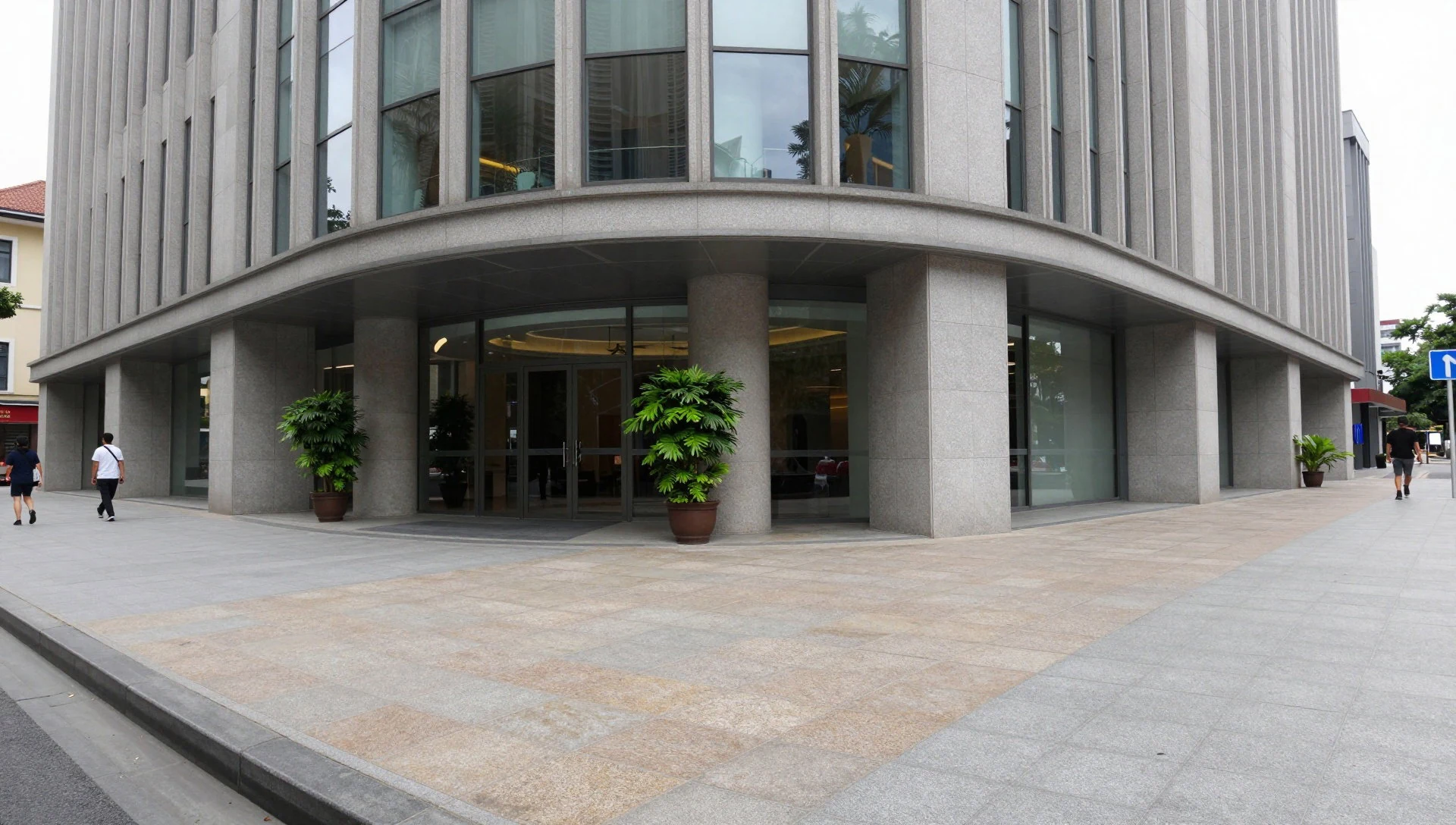
Culture
Traditional Vietnamese culture in the capital revolves around respect for elders, filial piety, and community solidarity, deeply influenced by a synthesis of Buddhism, Confucianism, and ancestral veneration. Family ties remain paramount, and neighbourhood bonds are strengthened through shared daily routines around local markets and tea stalls. Public life is characterised by an energetic industriousness tempered by an appreciation for quiet leisure around the city's lakes. When visiting sacred spaces, pagodas, or ancestral houses, maintain a respectful demeanour, keep voices lowered, and observe local customs. Always remove your footwear when stepping into inner shrines or private homes where mats and carpets indicate a clean threshold. Dress modestly by keeping shoulders and knees covered when entering places of worship. Photography of monks or worshippers should be approached with discretion, and permission ought to be sought before taking close portraits.
What to wear
Traditional Vietnamese attire is anchored by the elegant áo dài, a form-fitting tunic with split panels worn over silk trousers, crafted from lightweight fabrics like silk or cotton for breathability in the tropical climate. While historical garments were worn daily by nobility and scholars, today the traditional áo dài is reserved for weddings, Tết celebrations, formal state events, and university graduations. In contemporary daily life, urban residents dress in practical modern clothing, favouring lightweight shirts, denim, trousers, and dresses suited to the humid weather, alongside protective sun hats and face masks worn during motorbike commutes. For travellers exploring the city, lightweight, breathable fabrics are essential to stay comfortable in the heat. Modest attire—such as shirts with sleeves and trousers or skirts that cover the knees—is required when visiting temples, pagodas, and mausoleums. Sturdy walking shoes are also recommended for navigating uneven pavements and crowded sidewalks.
What to eat
- Bún Chả — Old Quarter streets and local dining rooms
A quintessential northern dish featuring grilled pork patties and pork belly served in a bowl of warm, sweet-and-sour fish sauce broth alongside rice vermicelli noodles and fresh herbs. Enjoy it at cosy neighbourhood eateries throughout the Old Quarter.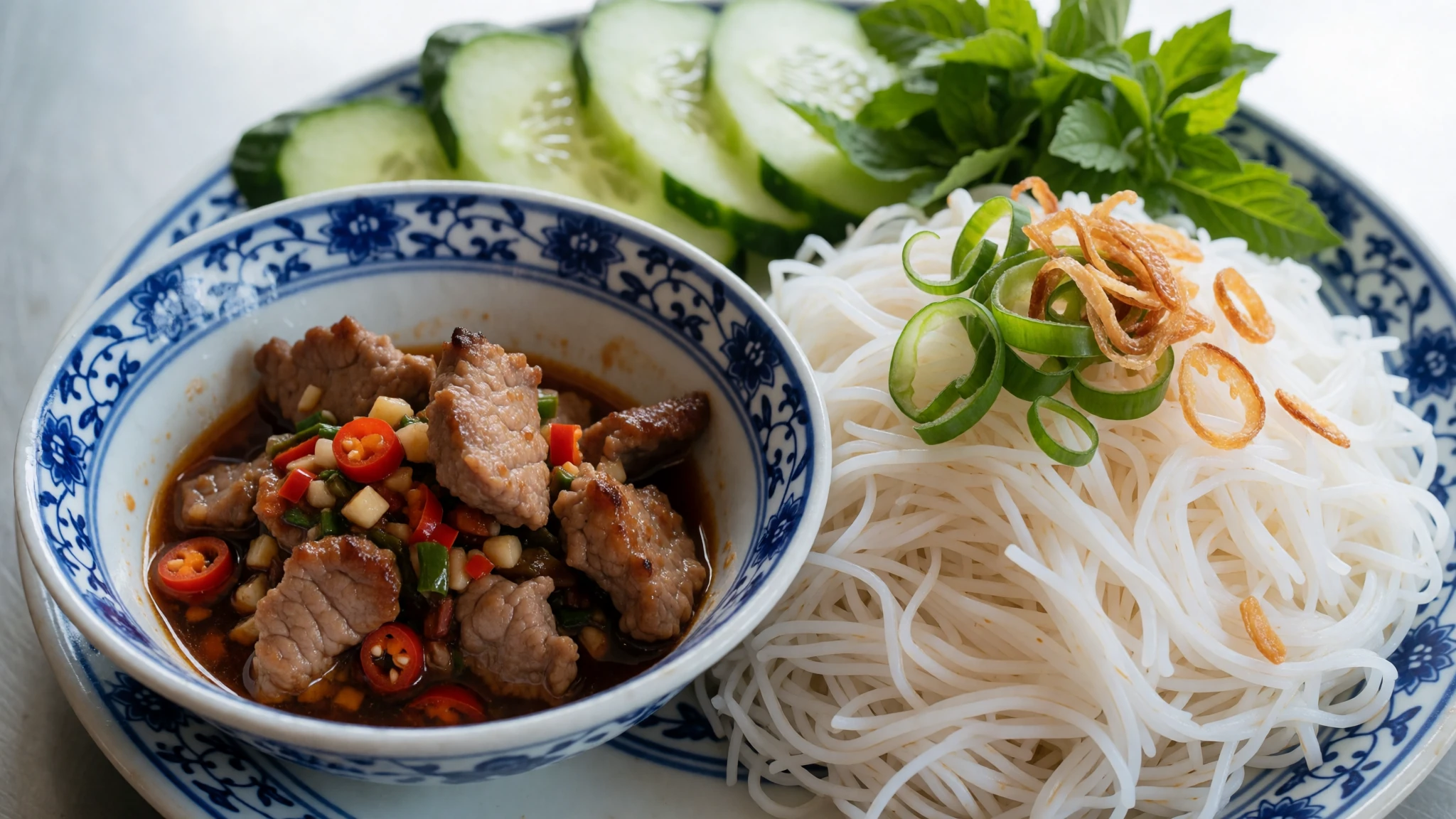
- Bánh Mì — Stalls near Đồng Xuân Market and street corners
Crispy airy baguettes stuffed with savoury cold cuts, pâté, pickled vegetables, and fresh coriander, offering a delicious fusion of French and local ingredients. Grab a fresh sandwich from legendary street stalls near the central markets.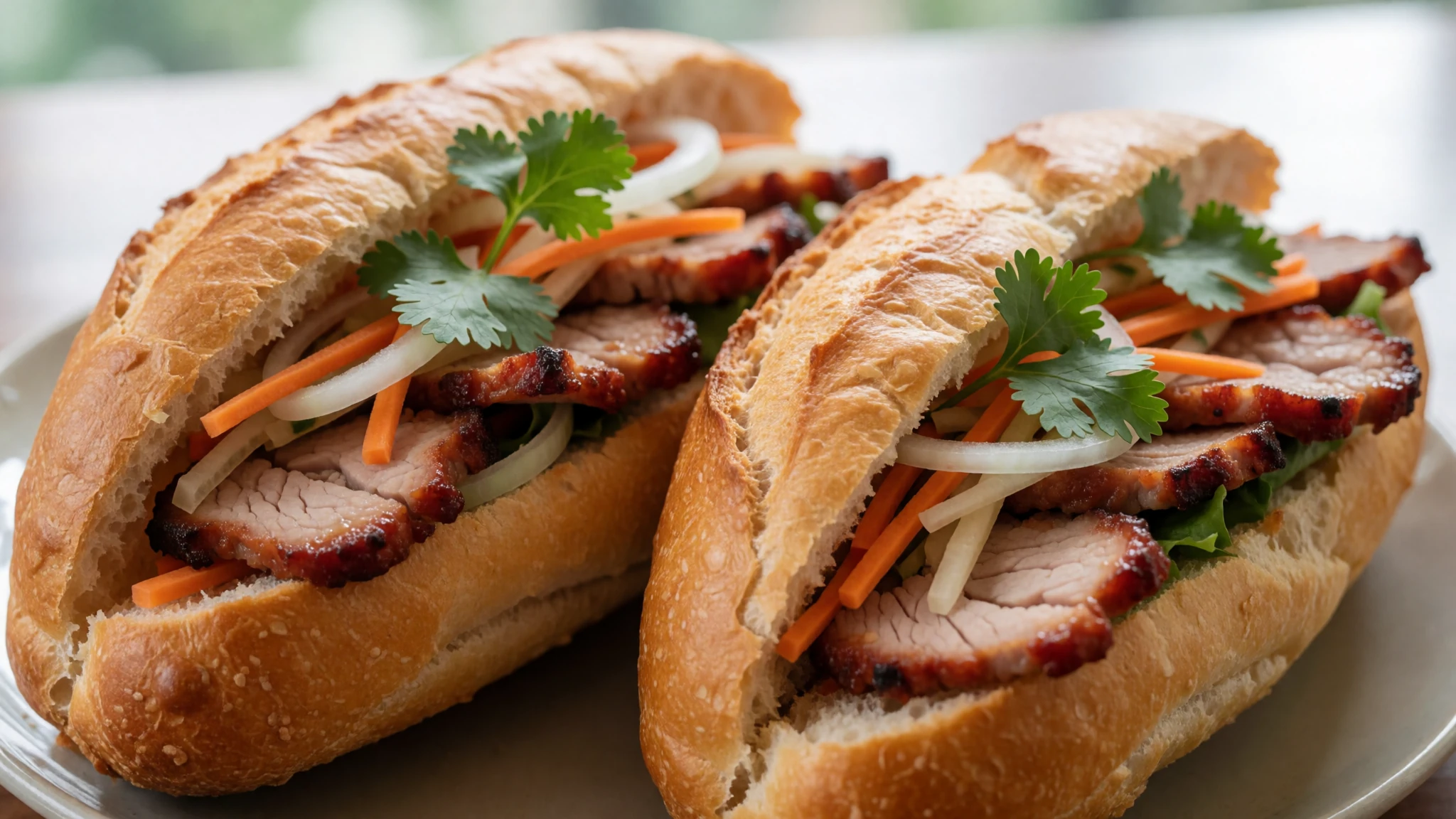
- Home-Cooked Rice Meals — Simple neighbourhood canteens known as quán cơm bình dân
Traditional family-style dishes featuring braised tofu, caramelised fish, seasonal greens, and comforting broths served alongside plain white rice. These inexpensive meals offer a genuine taste of domestic northern cooking. - Snake Specialties — The suburban village of Lệ Mat
Adventurous diners can sample various dishes prepared from cobra and other serpents, reflecting a unique local culinary tradition found in dedicated suburban establishments. Head out to specialized village eateries to experience this rare fare.
Plan it
Best time. October to November and the drier stretch from December to February offer the most comfortable weather, with milder temperatures and far less rain, while April and May are the hottest months and August is the wettest, with heavy rain from June onwards.
How long. 3–4
Getting there. Fly into Nội Bài International Airport, then take an express bus or taxi into the city centre, which takes about 45 to 60 minutes depending on traffic.
Budget. mid
Tips
- Cross busy streets slowly and steadily at a predictable pace, allowing motorbikes to flow around you
- Carry cash in local currency for street food stalls, markets, and small temple entrance fees
- Start your sightseeing early in the morning to beat the midday heat and heavy crowds
- Drink bottled water and check that street food stalls have a high turnover of local diners
Etiquette
- Remove your shoes before entering inner temple shrines and traditional homes
- Dress modestly with covered shoulders and knees when visiting religious sites
- Ask permission before photographing monks, elders, or private vendors
Nearby
Sources
- Wikidata Q1858 (CC0)
- Wikipedia (rev 1382574491) (CC-BY-SA 4.0)
- Wikivoyage (rev 5403673) (CC-BY-SA 4.0)
- Photo 1 (CC BY-SA 4.0)
- Photo 2 (CC0 1.0)
- Photo 3 (CC BY 2.5)
- Photo 4 (CC BY 3.0)
- Photo 5 (CC BY 2.5)
- Photo 6 (CC BY-SA 4.0)


