Lucayan National Park
Lucayan National Park, The Bahamas
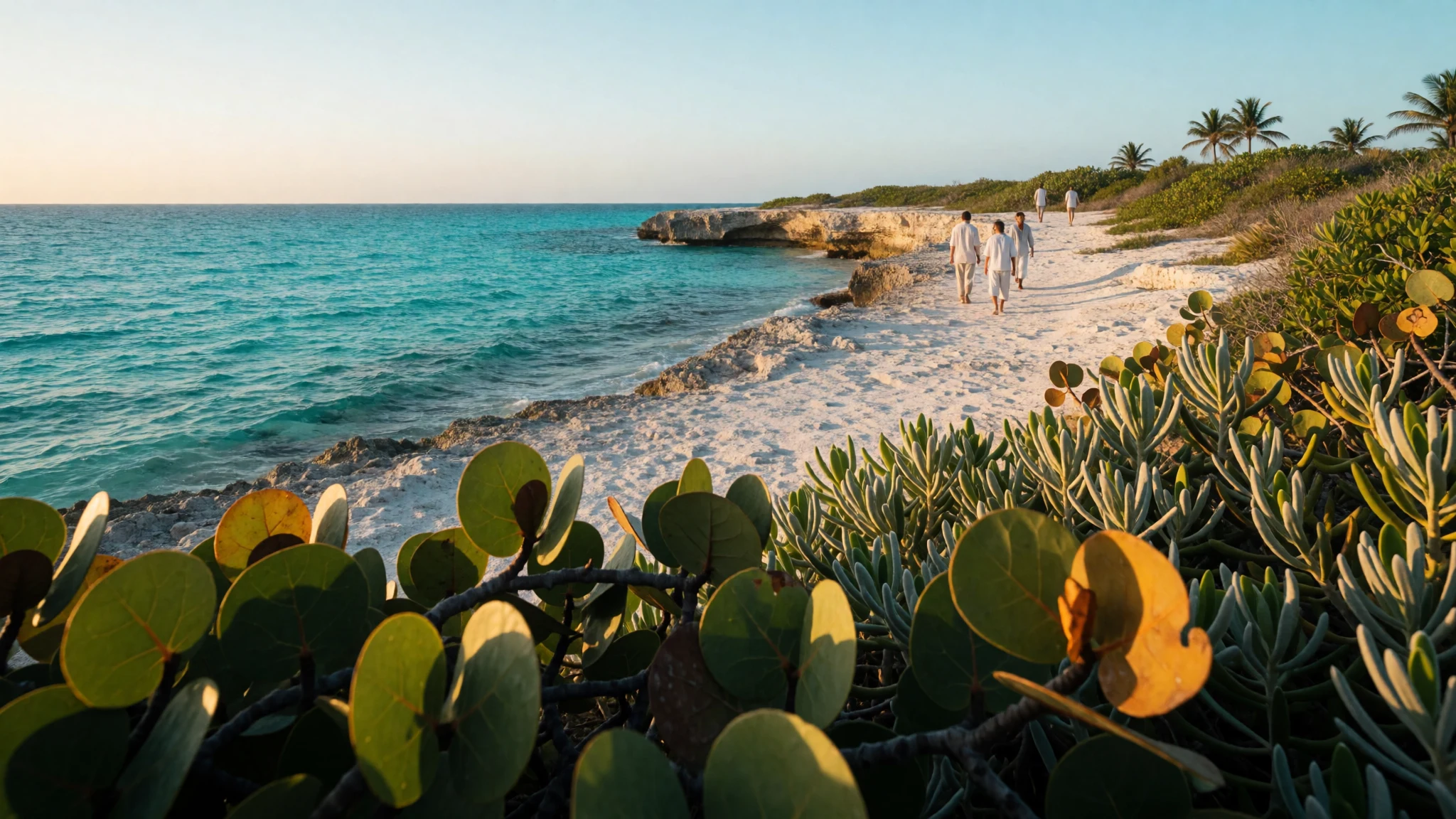
Lucayan National Park gives Grand Bahama a quiet half-day of mangrove, pine and palm paths, a wide sea-facing beach and a flooded cave system.
The place
Lucayan National Park sits on the southern side of Grand Bahama, a flat, low island in the northern Bahamas, a short drive east of Freeport. As national parks go it is small, set up in 1982, with only a modest patch of dry land inside a much larger total area that takes in creek, mangrove and shoreline. What sets it apart is underground: a network of flooded limestone caves with about ten kilometres of charted tunnels. Above the surface, short trails wander through pine woodland, palm groves and tidal mangrove and finish at an open beach facing the sea. Nothing here is strenuous. The ground is level, the paths are sandy or boardwalked, and a visit fits comfortably into a morning. Heat, sun and biting insects are the real challenges. The geology explains the caves. The Bahamas are the high points of drowned limestone platforms, and rainwater slowly dissolves such rock, leaving hollows that were later flooded as the sea rose. Specialist divers explore the tunnels, while everyone else sees the cave mouths, the still pools and the woodland around them. The Bahamas National Trust runs the park, and its website, http://bnt.bs/lucayan-national-park/, is the place to check current access and any fees before setting out.
Its story
Lucayan National Park takes its name from the Lucayans, the Indigenous people who lived across the Bahamian islands before Europeans arrived and whose settlements dotted Grand Bahama. Within a few generations of contact their communities were gone, and the islands passed through uncertain years. English settlers began arriving in the seventeenth century, and the Bahamas later became a Crown colony. Its shallow waters, hidden cays and scattered harbours also suited pirates, and some of them even dreamed of running their own republic from Nassau. Once piracy faded, the islands lived on trade, wrecking and small-scale farming. The modern turn came with independence from the United Kingdom in 1973, after which tourism and offshore finance became the main earners. Grand Bahama grew around Freeport and Port Lucaya, built as a planned resort and port town. The national park, protected in 1982, came as development spread along the coast, and it preserves a stretch of the island's older face: pine, palm, mangrove and cave. The cave system gives the place its scientific interest, since its passages record how sea level and rainfall have shaped the island's limestone over very long periods. Today the park is one of the quieter corners of a heavily visited country.
What to see
- The underwater cave system — Inside the park, south coast of Grand Bahama
Beneath Lucayan National Park lie flooded limestone tunnels, about ten kilometres of them charted. Only certified cave divers with a local guide should go in. Everyone else can look into the cave mouths and pools from the paths. Cave diving carries real danger, so training and local knowledge matter more than enthusiasm.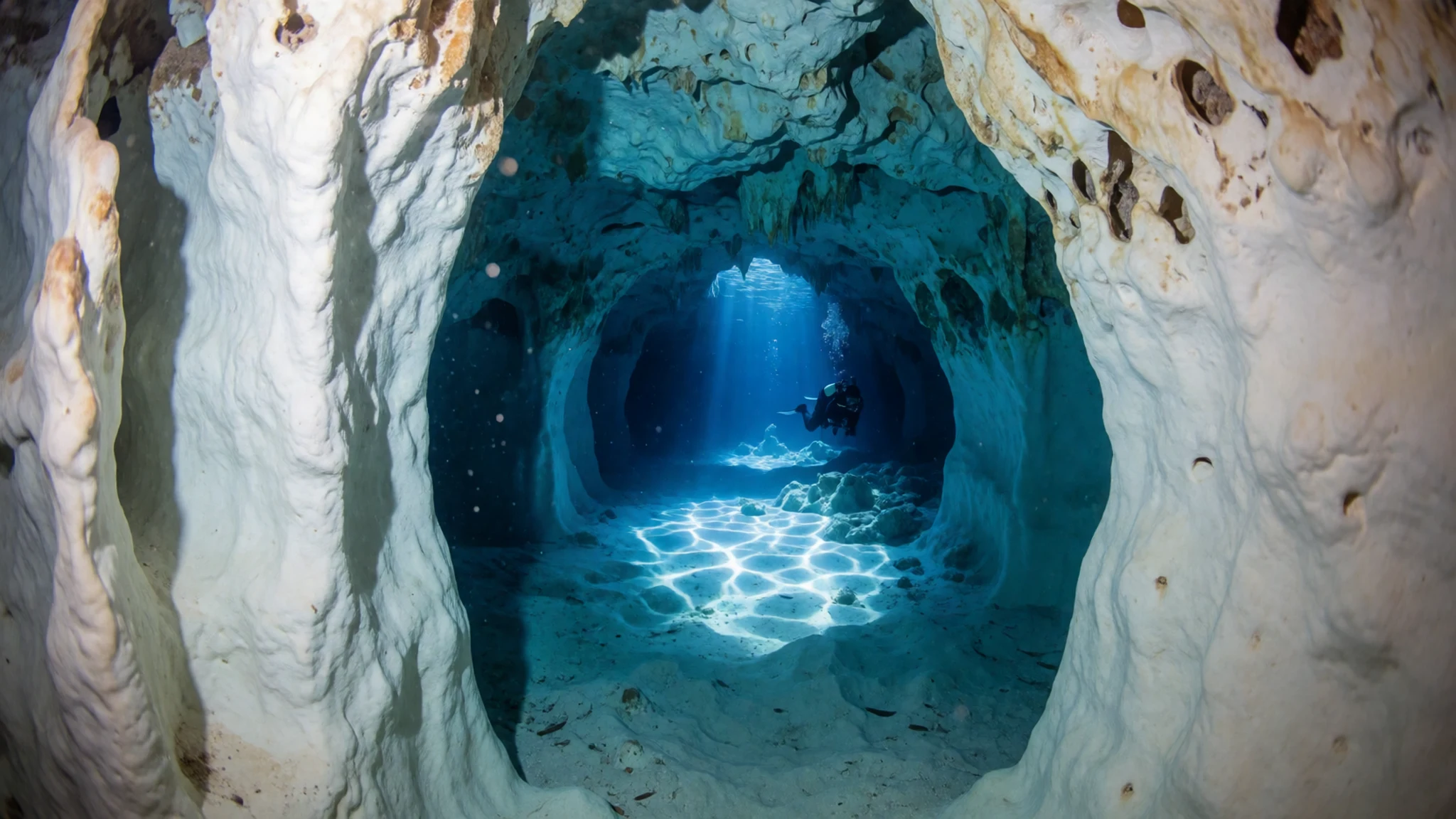
- Palm and pine walks — Park trails, Grand Bahama
Short, flat trails wind through pine woodland and groves of palm, with dappled shade that is welcome in the heat. The first photograph in the brief shows this look: tall palms along a sandy track. Early mornings are cooler and better for birds and for photographs.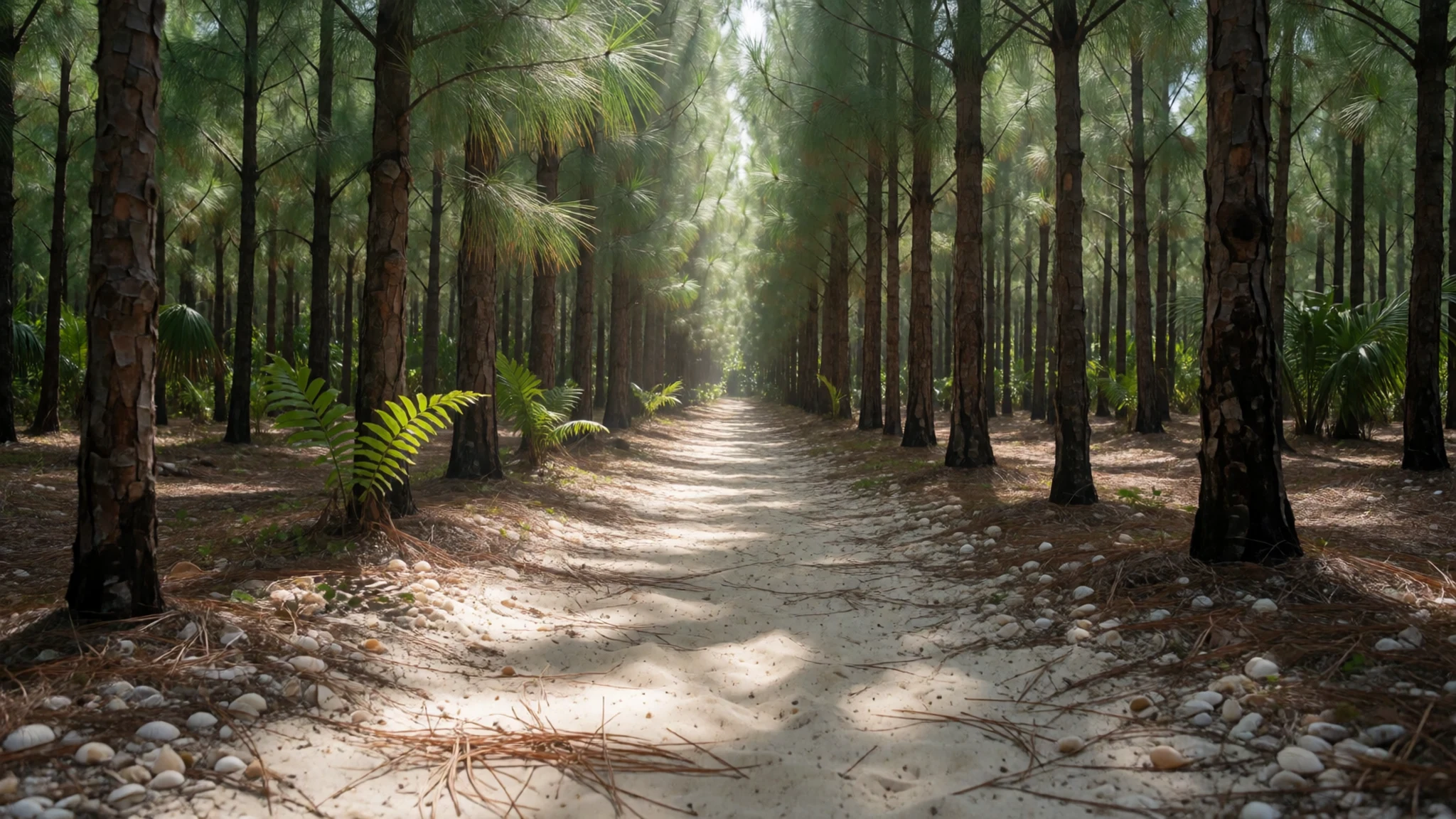
- Mangrove creek and boardwalks — Creek side of the park
Where fresh and salt water meet, mangroves crowd the creek and shelter small fish and wading birds. Boardwalk sections keep feet dry and roots undamaged. The air is still and humid here, and insects can be fierce at dusk, so repellent is sensible. Flamingos and iguanas feature in Bahamian wildlife generally, though sightings vary.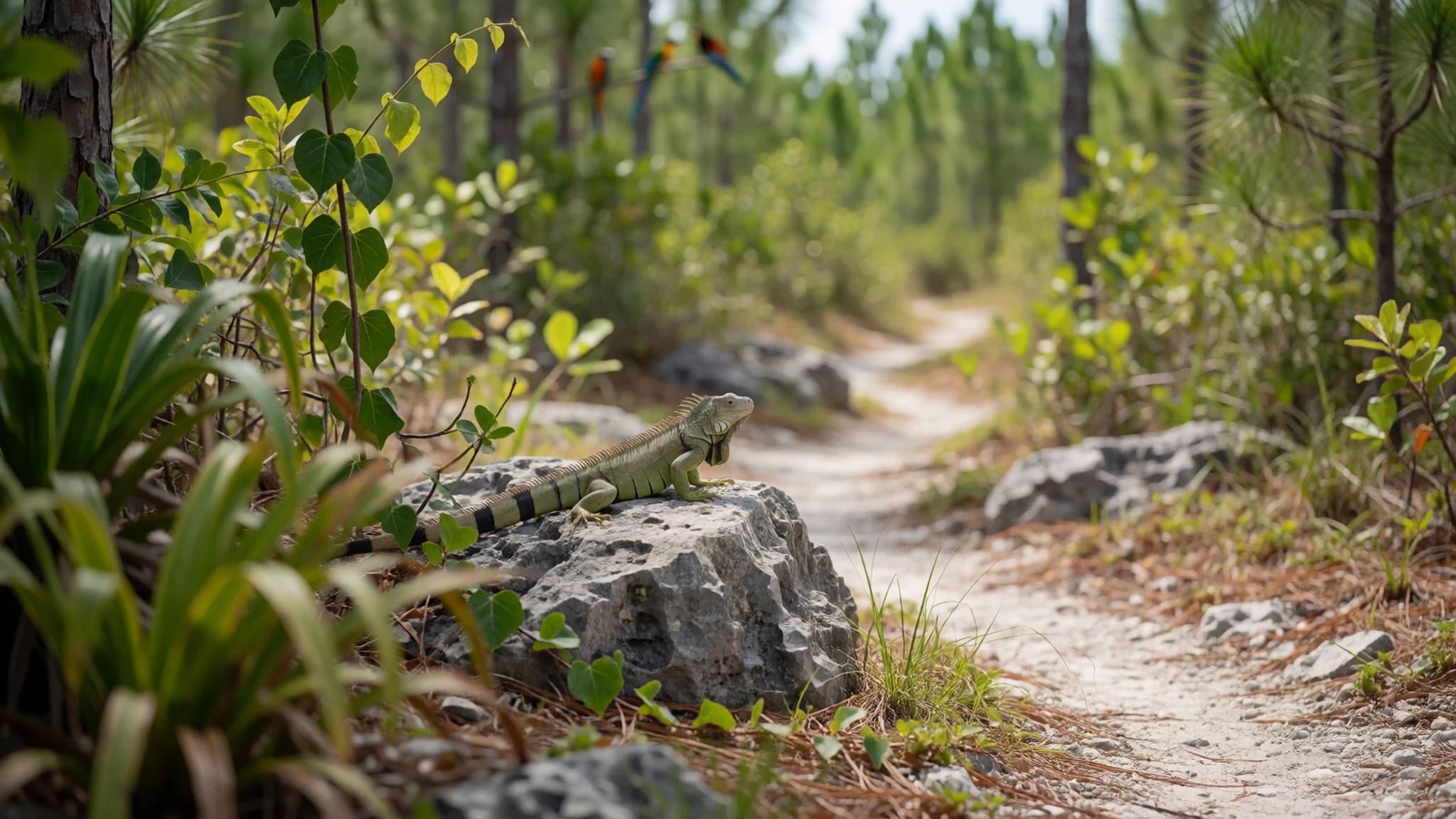
- Gold Rock Beach — Sea-facing shore, south of the park trails
A broad, pale beach reached by a path from the park, facing open sea. It has little built around it, so shade and facilities are limited and visitors should bring water. Currents can be strong off Bahamian beaches, and the sea is not always calm, so swim carefully and keep an eye on conditions.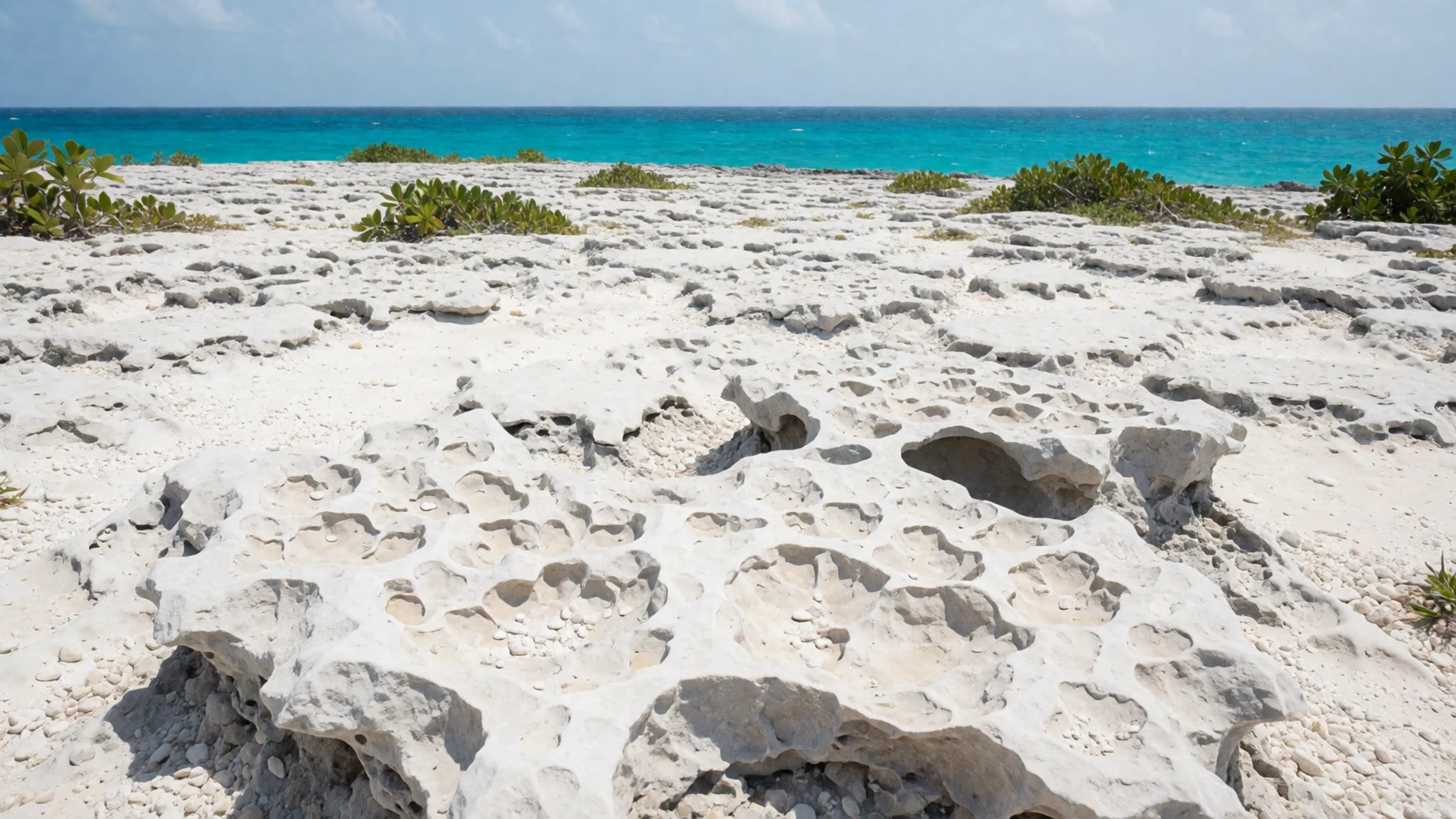
- Port Lucaya — Freeport, Grand Bahama
Port Lucaya is the island's waterfront district in Freeport, with a marina, craft stalls, open-air eateries and boat trips. It is touristy but easy, and works well as a base for a day that pairs the park with lunch and a stroll. Evenings can be lively with live music.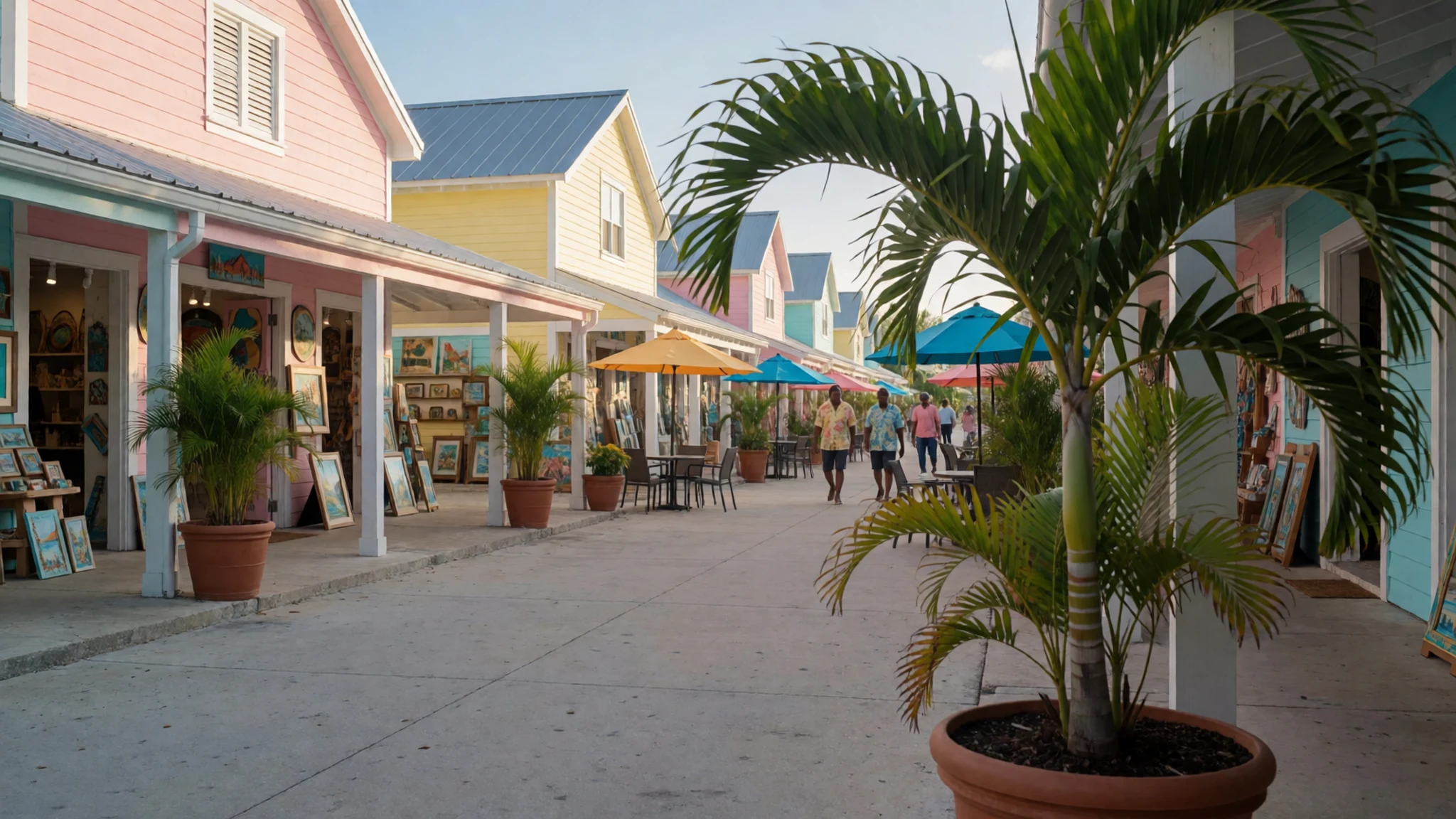
Culture
Lucayan National Park lies in a country where English is the official language and church life is central to community. Baptists form the largest single group, and Bahamians often call their country a Christian nation, though attitudes to personal morals are fairly relaxed. People are friendly and good-natured, but they value courtesy and are not impressed by bluster. Greetings matter: a plain good morning or good afternoon before asking anything is expected, and rushing straight into a request can seem rude. Pace is unhurried, whether in a shop, at a bus stop or in an eatery, and patience is simply part of the exchange. The biggest event in the calendar is Junkanoo, a street carnival held in the early hours of Boxing Day and New Year's Day, with brass, cowbells, goatskin drums and elaborate paper costumes. Its roots lie in the enslaved people's brief holiday at Christmas, and it still carries community pride. The Bahamas gained independence from the United Kingdom in 1973, and national identity is strong. Pirates, plantations and the sea all feature in local storytelling. Visitors meet this culture most easily at small local places, in conversation with guides, taxi drivers and stallholders. When using the park's trails, stay on the marked paths and boardwalks, take all rubbish out, and never touch, feed or disturb wildlife or the cave entrances.
What to wear
Lucayan National Park sits in a place where everyday dress is relaxed, but clothes still carry tradition. The best-known traditional costume belongs to Junkanoo, worn on Boxing Day and New Year's Day: huge, brightly coloured creations built on wooden or cardboard frames and covered with crepe paper, foil and fringe, made by community groups over many months. Other crafts include plaited palm straw, seen in hats, bags and baskets sold at straw markets, and batik fabric printed in bold tropical colours. These are souvenirs and festival items rather than daily wear. Day to day, Bahamians wear light cotton shirts, shorts, sundresses and sandals in the heat, with smarter clothes for church on Sundays, when men often wear a jacket or a pressed shirt and women a dress and sometimes a hat. Visitors should dress for sun, humidity and sand. Pack loose, light, quick-drying clothing, a wide-brimmed hat, sunglasses and high-factor sun cream. Closed shoes or sturdy sandals suit the park's sandy and root-covered trails, and long sleeves help against insects at dusk. Swimwear belongs on the beach and boats; cover up with a shirt or wrap when walking into towns, shops and eateries. If planning to enter a church service, choose modest, neat clothes.
What to eat
- Cracked conch — Seafood shacks and harbourside stalls, Freeport and Port Lucaya
Conch, the national dish, is pounded thin, battered and deep-fried until crisp, then served with a lemon wedge or spicy sauce. It is found at open-air seafood shacks and harbourside stalls across Grand Bahama, often alongside chips or salad.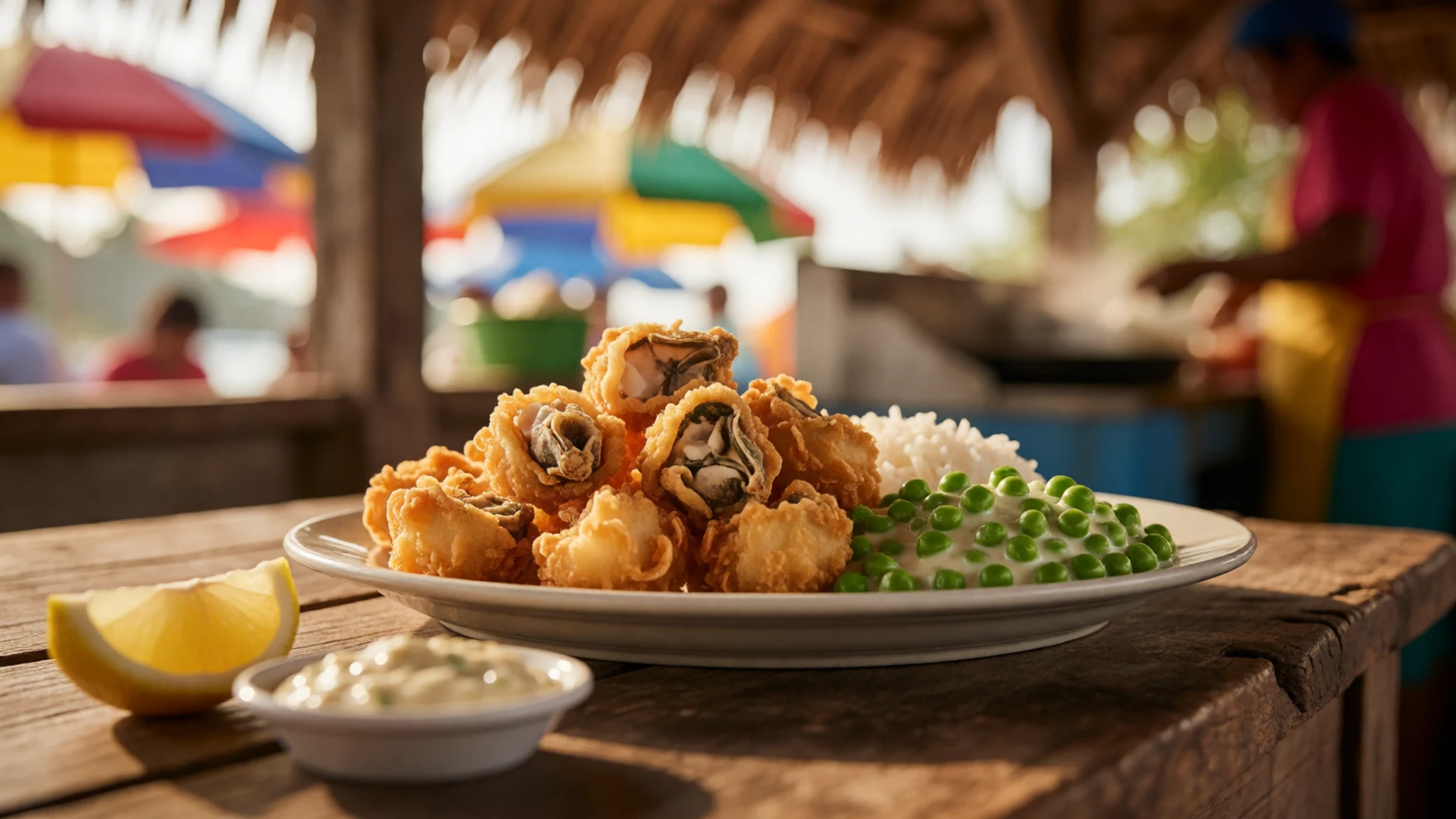
- Raw conch salad — Stalls near the docks and fishing harbours
Fresh conch is diced and tossed with onion, peppers, tomato and citrus juice, in the manner of a ceviche. It is sharp, chewy and cold, and best eaten right at the water's edge where the conch is prepared in front of you.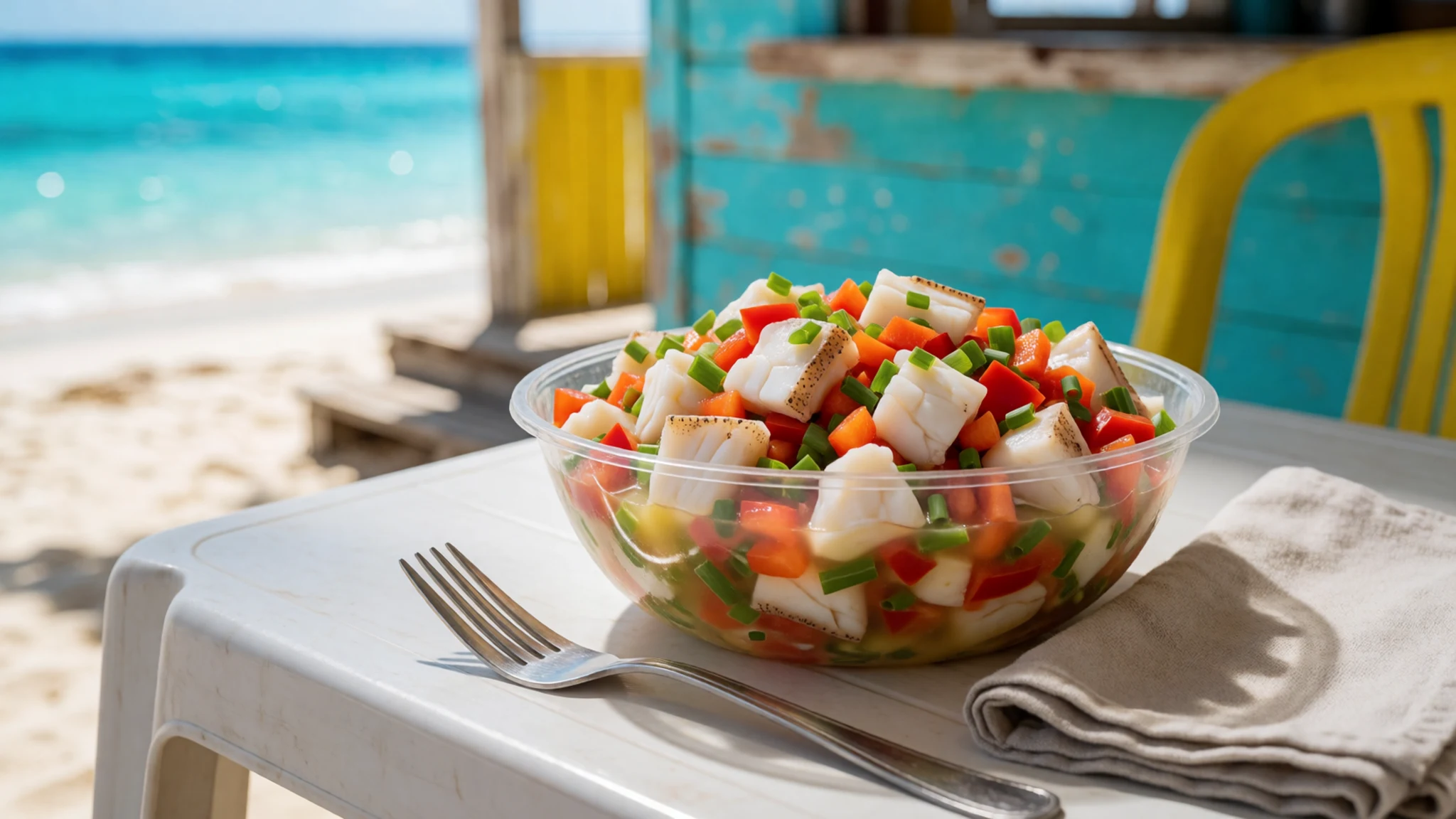
- Peas and rice — Any local eatery serving a plate of the day
A staple side dish across the islands: rice cooked with pigeon peas, onion, tomato and thyme until the grains are soft and savoury. It comes with almost everything, from fried fish to stewed chicken, and is cheap and filling. - Goombay Punch — Grocery shops and local eateries
This is the local soda, with a distinct pineapple flavour and a sweetness that locals call a sweet soda rather than a cola. It is sold in cans at grocery shops and is on offer in almost every Bahamian eatery. - Kalik beer — Beach bars, Fish Fry-style open-air eateries and resorts
Kalik is the national beer, a light lager that suits hot afternoons. It turns up in bars, beach shacks and resorts alike. For a non-alcoholic option, many Bahamians drink Vita-Malt, a sweet malt drink.
Plan it
Best time. November to April is the drier, cooler and less humid stretch, which suits walking the park's trails. Summer is hot and sticky, with more rain and insects, and the hurricane season runs through the later months, though storms seldom strike directly. Diving conditions are good for much of the year.
How long. 2–3
Getting there. Fly to Grand Bahama International Airport at Freeport, then travel by hire car, taxi or organised tour to the park on the island's south side. Public transport to the park itself is limited, so arrange the last leg in advance.
Budget. high
Tips
- Check the Bahamas National Trust website (http://bnt.bs/lucayan-national-park/) for current opening details and any fees before travelling
- Go early in the morning to avoid the worst of the heat and the biting insects
- Carry plenty of drinking water, sun cream and insect repellent, as shade and facilities are limited
- Book cave diving only with a qualified local operator and certified guide
- Bring some cash for small stalls and tips, although cards are widely accepted in Freeport
Etiquette
- Stay on marked trails and boardwalks to protect the mangroves and cave entrances
- Greet people politely before asking for anything
- Check the 15 per cent service charge on bills before adding any extra tip
Nearby
Sources
- Wikidata Q28952462 (CC0)
- Wikipedia: Lucayan National Park (rev 1362851788) (CC BY-SA 4.0)
- Wikivoyage: Bahamas (rev 5413599) (CC BY-SA 4.0)
- Photo: Palm trees at Lucayan National Park, Bahamas — Connie Ma (CC BY-SA 2.0)
- Photo: Lucayan National Park — katiebordner (CC BY 2.5)


Wildlife
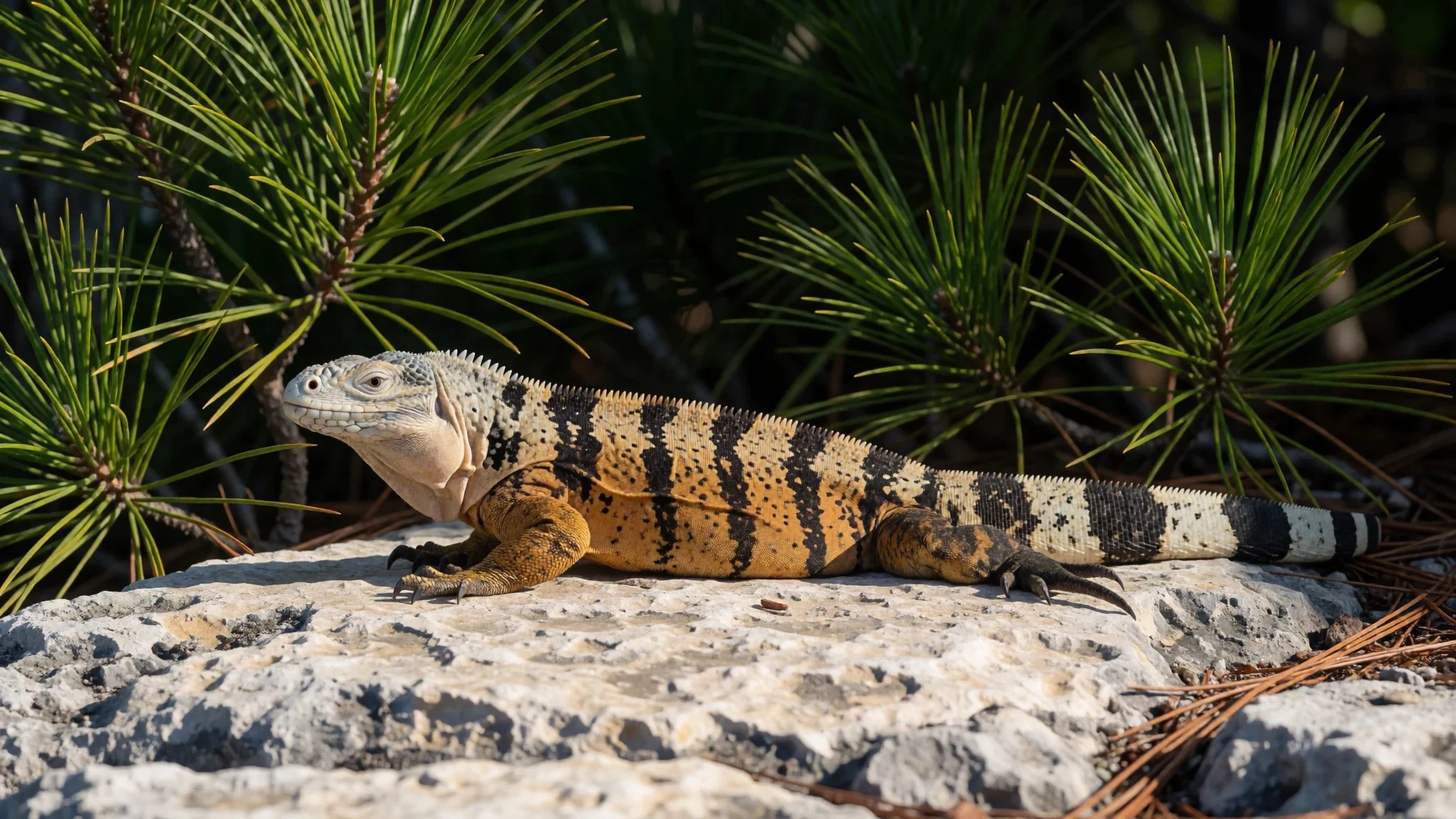
- Bahamian rock iguana (animal)
The Bahamian rock iguana is a sturdy, sun-loving lizard, rather like a small dragon in a stone-coloured coat. In Lucayan National Park, where wildlife is protected, you may spot it basking on the rocks. Ask a local guide when it is most often seen. This iguana is critically endangered, threatened by new building and by feral dogs and cats, so keep a respectful distance, stay quiet and calm, and never feed it.