Berry Islands
Berry Islands, The Bahamas
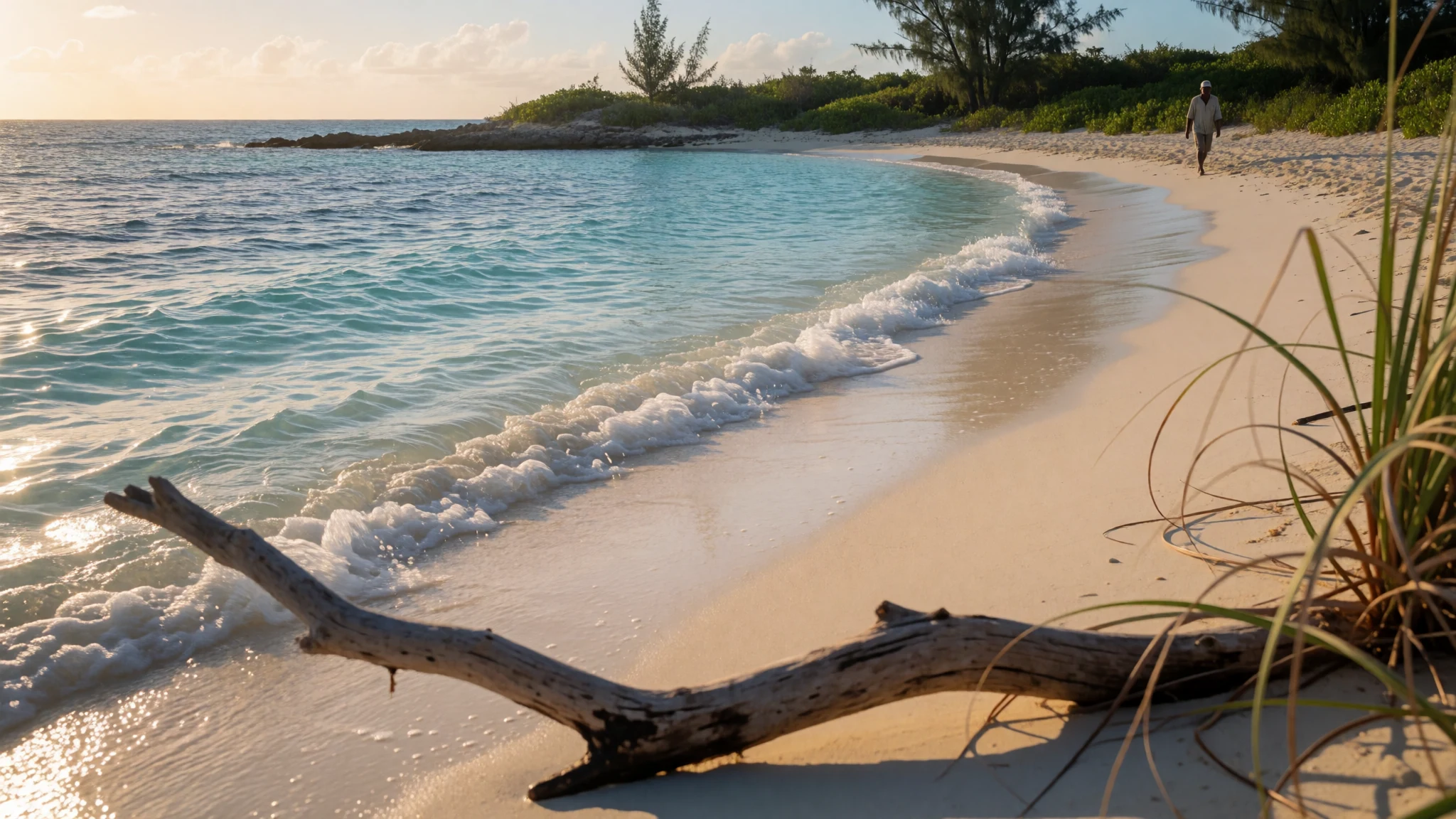
Berry Islands offer clear shallow water, quiet cays and a small fishing community, set beside the cruise-ship beaches that most visitors see.
The place
The Berry Islands are a district of The Bahamas made up of about thirty islands and more than a hundred small cays, spread along a shallow bank of pale water. The land is tiny and low; the facts put the elevation at just 4 metres, so the horizon is mostly sea and sky. The 2022 census counted 1,002 residents, and most of them live on Great Harbour Cay, which has the district's marina, an airstrip and the main settlement at Bullock's Harbour. Chub Cay, further south, also has an airstrip and works as a point of entry for customs and immigration. Beyond those two places, many cays are uninhabited, used by boaters, fishers and nesting birds. The nickname 'The Fish Bowl of The Bahamas' comes from the clear, fish-rich water around them. Two of the cays are leased by cruise lines: Great Stirrup Cay by Norwegian, and Coco Cay, officially Little Stirrup Cay, by Royal Caribbean, which has trademarked the Coco Cay name. So the Berry Islands live two lives. One is a quiet fishing-and-boating district whose whole population would fit in a large village. The other is a day-stop for ships, where visitors arrive in large groups and leave by evening. Which of the two a traveller sees depends entirely on how they arrive and where they step ashore.
Its story
The Berry Islands have a short written history, and the clearest date in it is 1836, when Governor William Colebrooke settled a group of freed slaves on the chain. That detail shapes who the islanders are: the community descends from people given a patch of low, thin-soiled land and the sea beside it, who had to build a living from both. Farming on cays this flat and rocky was never going to be easy, so fishing, boat work and gathering from the shore became the backbone of life, which fits the 'Fish Bowl' nickname the district still carries. For a long stretch the islands stayed small and quiet, with people clustered in a few settlements. The modern chapter is different in kind. Cruise companies leased cays for private beach stops, and in doing so they renamed some of them. Little Stirrup Cay became Coco Cay in the brochures, and the name is now a registered trademark of the company that leases it. Great Harbour Cay, meanwhile, gained a marina and an airstrip that serve private boats and small aircraft. A traveller reading the map today is reading layers: an older settler and fishing landscape, and over it a newer pattern of leased beaches, docks and tenders. Neither layer has erased the other, and a population of 1,002 is a reminder of how small the permanent community still is.
What to see
- Great Harbour Cay's horseshoe beaches — Great Harbour Cay
Great Harbour Cay has three curved, horseshoe-shaped beaches, and they are the most photographed corner of the district. The sand is pale, the water shallow and clear, and the bays are sheltered. Weekdays outside the busy winter season are usually quietest, so plan the beach for a calm morning.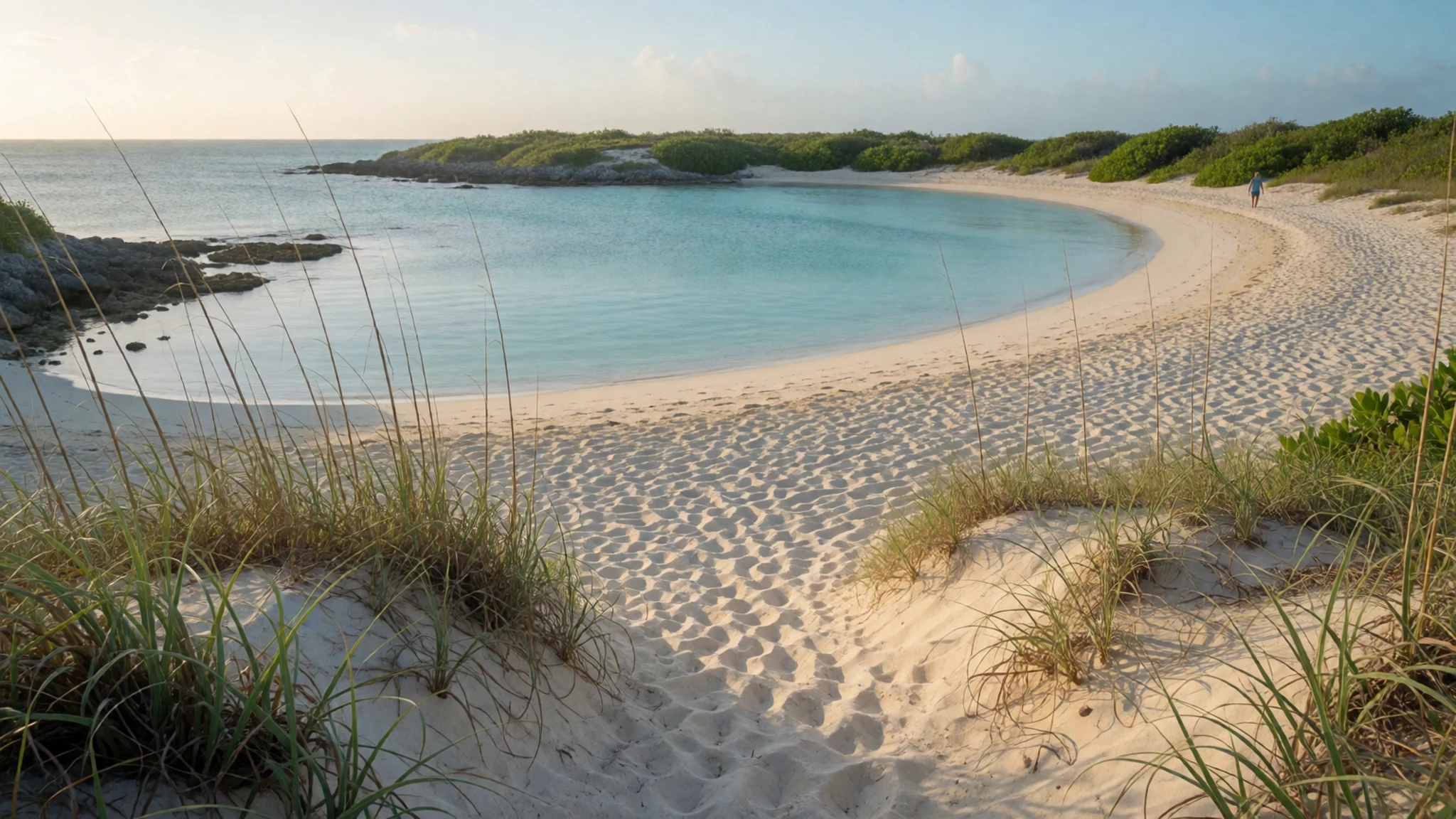
- Bullock's Harbour and the marina — Great Harbour Cay
Bullock's Harbour is the working heart of Great Harbour Cay, with the marina, the airstrip and the main settlement close together. Walk the waterfront to see fishing boats and visiting yachts sharing the same moorings. It is the easiest place to talk to islanders and ask about conditions at sea.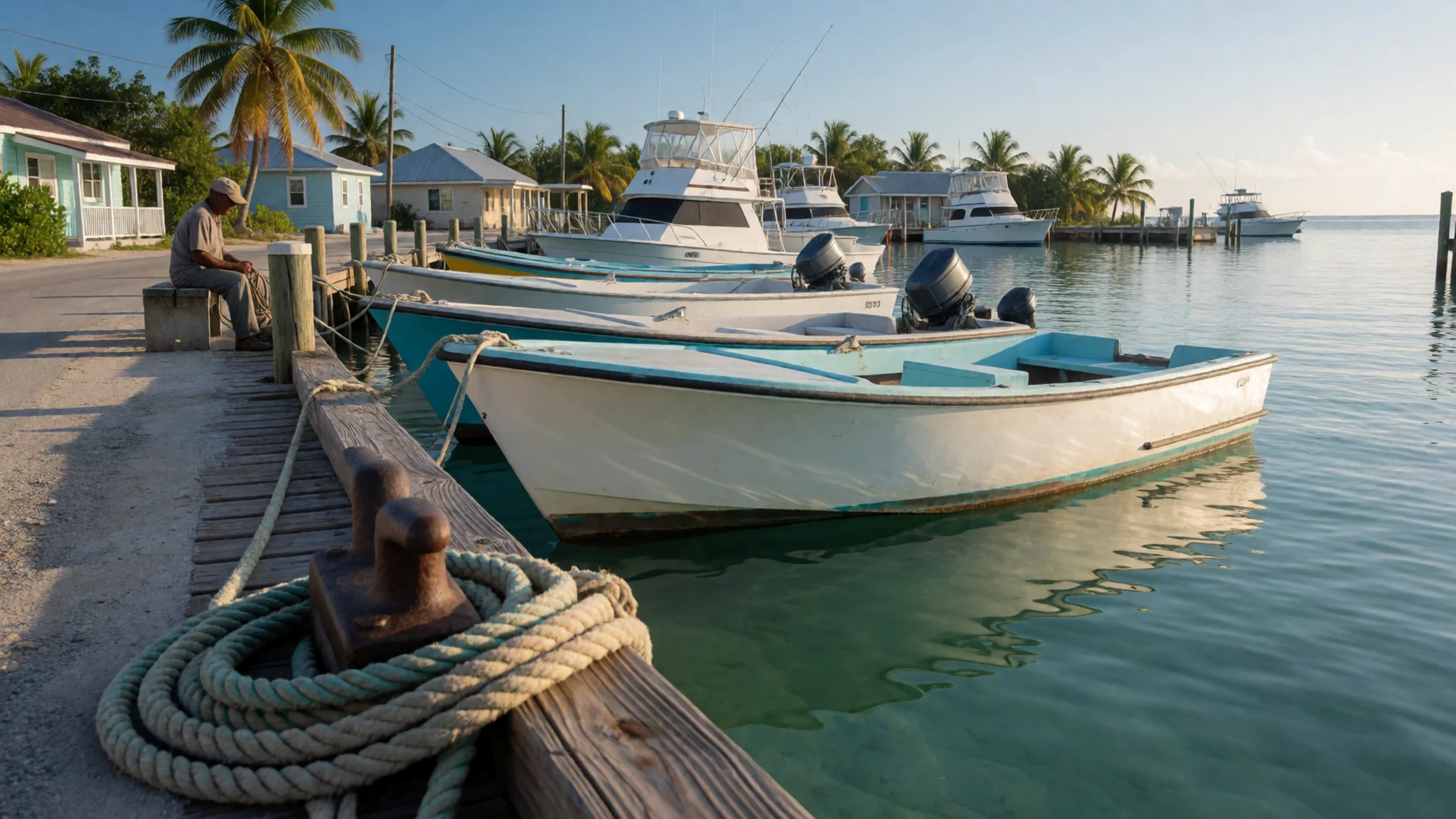
- Coco Cay — Northern Berry Islands
Coco Cay, whose original name is Little Stirrup Cay, is the Royal Caribbean private island, with its own dock so ships can berth directly. It is a managed resort beach rather than a village, and access is normally through a cruise booking, so check with the operator before planning a visit.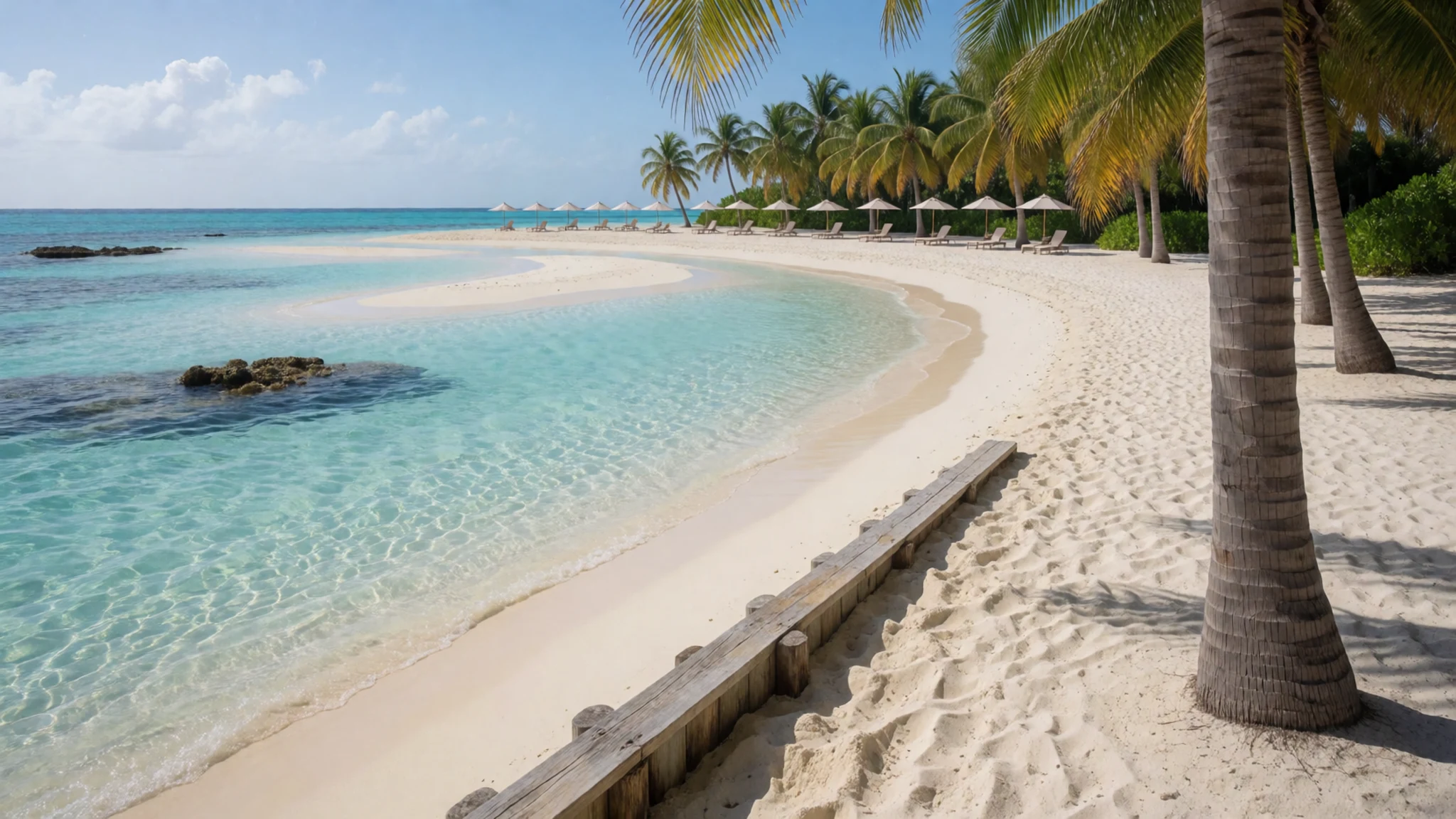
- Chub Cay — Southern Berry Islands
Chub Cay, at the southern end of the chain, has an airstrip and works as an entry and exit point for immigration and customs. Boaters and charter flyers use it as a gateway. There are no commercial carriers based here, so every arrival is arranged specially.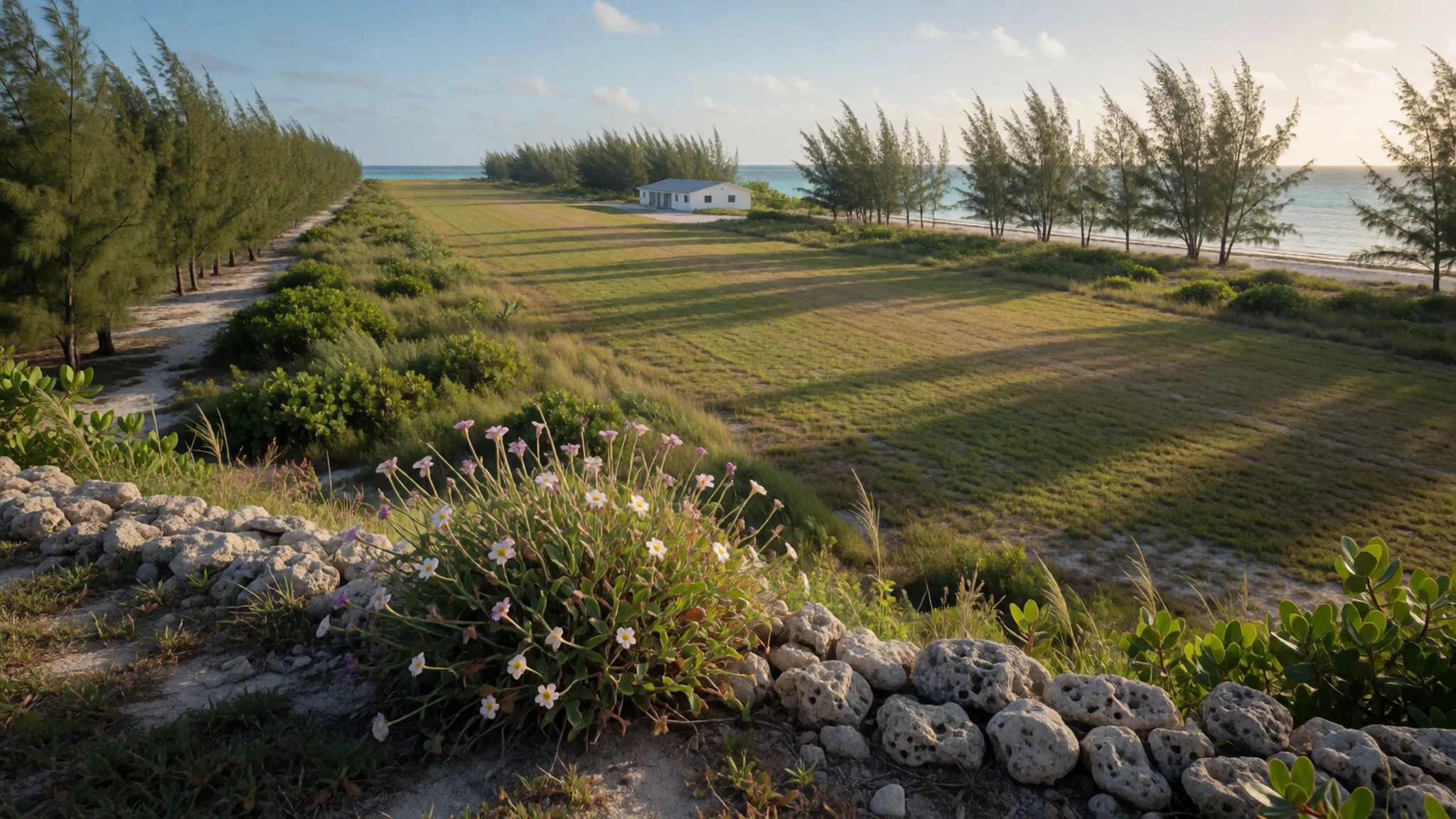
- Saddleback Cay — Berry Islands cays
Saddleback Cay is one of the many small cays that make the district feel like a scattering of green dots on blue water. Reaching cays like this generally means a private boat or a local charter. Ask at the marina about weather and tides before setting out.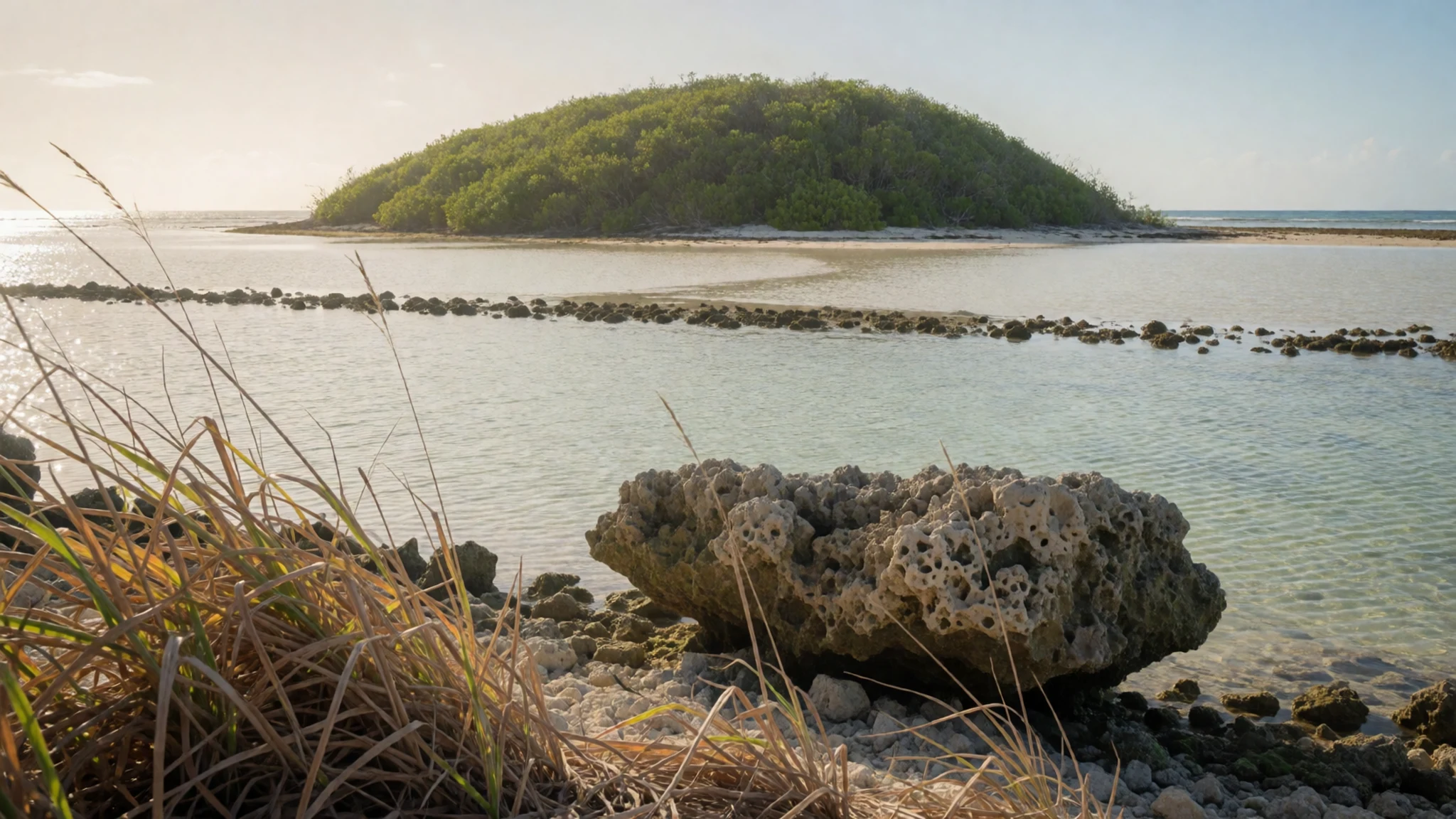
- Shorebird watching — Beaches and shorelines across the district
The Berry Islands are a place where bird surveys are carried out, and American oystercatchers have been photographed on the shore here. Quiet beaches and mudflats suit patient watching with binoculars. Keep well back from any nesting or roosting birds and let them feed undisturbed.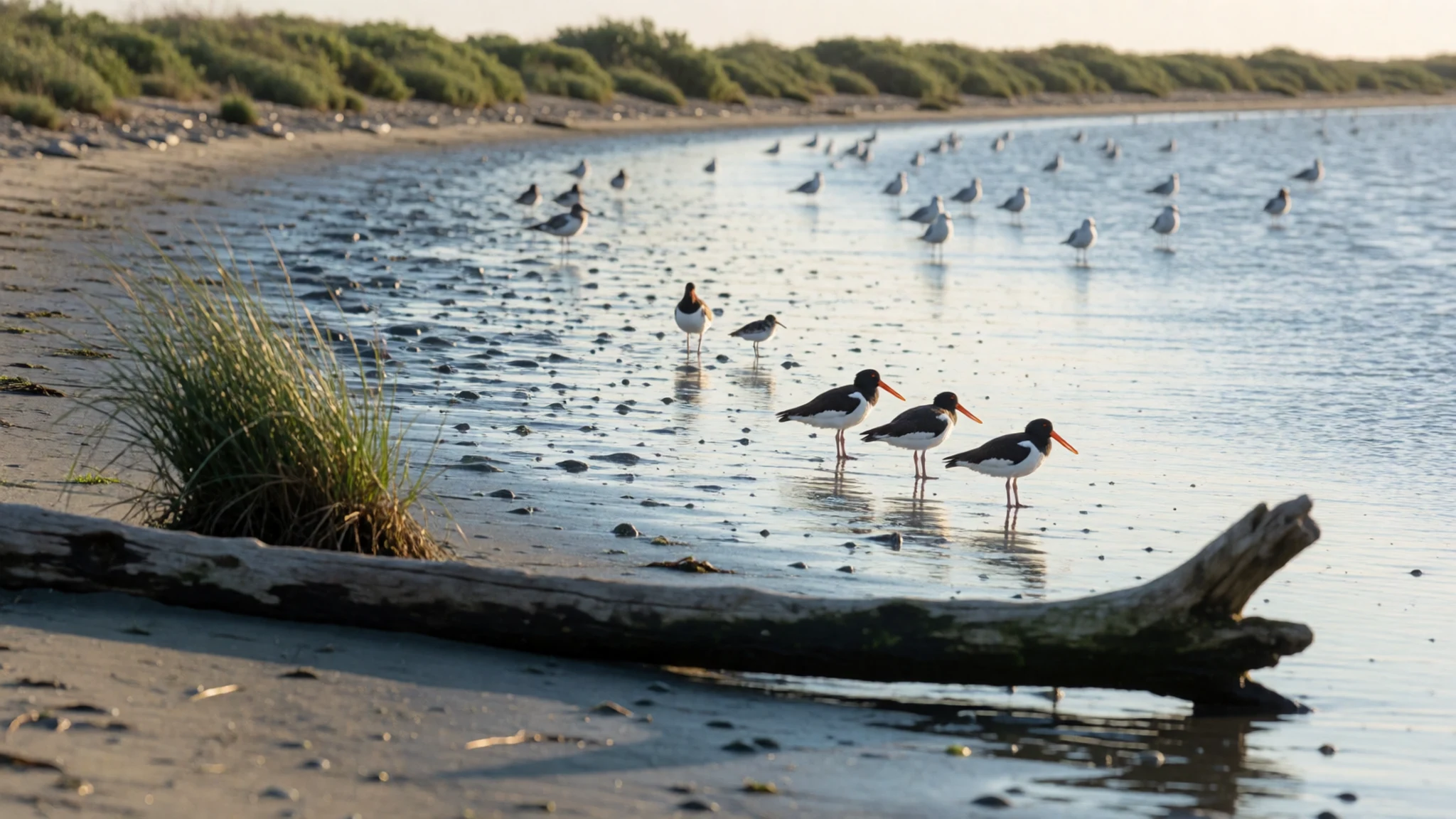
Culture
Berry Islands culture is Bahamian culture on a very small scale. With 1,002 residents spread over a handful of settlements, community life centres on church, family, boats and the weekly rhythm of the harbour. The islands were settled by freed slaves, and that heritage sits behind the district's self-reliance, its fishing skills and its habit of neighbours helping neighbours. Music, storytelling and food are shared at gatherings rather than staged for visitors, and the larger national traditions, such as Junkanoo with its drums, cowbells and brightly built costumes, are celebrated across The Bahamas rather than being unique to these cays. The cruise-line private islands sit slightly apart from this daily life. They are managed beaches, and a day there says little about the settlements on Great Harbour Cay. Time spent in Bullock's Harbour tells a fuller story: a morning greeting, a conversation on the dock, a question about the day's catch. Pace is unhurried, and rushing a conversation reads as rude. Sundays are generally quiet, and many islanders attend church, so noise and loud music are best avoided in settlements at that time. Fishing and the sea are livelihoods here, not just scenery, so the weather and the catch are always good topics. When walking through Bullock's Harbour, greet people with a friendly good morning or good afternoon before asking for anything, and ask permission before photographing residents or their boats.
What to wear
Berry Islands dress follows wider Bahamian traditions rather than a separate local costume. The best-known traditional outfits are the Junkanoo costumes of the national festival, built from crepe paper, cardboard and glue into elaborate, bright creations, and the plaited straw work, hats and bags, made from palm fibre and long associated with island households. These are worn or shown at festivals and sold as crafts rather than worn daily. What people actually wear now is practical and light: cotton shirts, shorts, sundresses and sandals in the heat, with sun hats and long sleeves for working on boats, and sturdy sandals or rubber boots at the docks. On Sundays many islanders dress more smartly for church. For visitors, the climate decides most things: breathable cotton or linen, a wide-brimmed hat, sunglasses and reef-safe sun protection. Beachwear belongs on the beach and the boat; pull on a shirt or a wrap and shoes when walking into a settlement, a shop or an eatery. Pack water shoes for rocky shorelines and shallow reefs, and sandals that can get wet. A light rain jacket is worth carrying for sudden showers. If attending a church service, dress modestly with covered shoulders and knees.
What to eat
- Conch salad — Dockside stalls and beach shacks around Bullock's Harbour
Raw conch is chopped with onion, pepper, tomato and citrus juice. It is the classic Bahamian snack, often made to order, and a good way to taste the sea in a single bowl.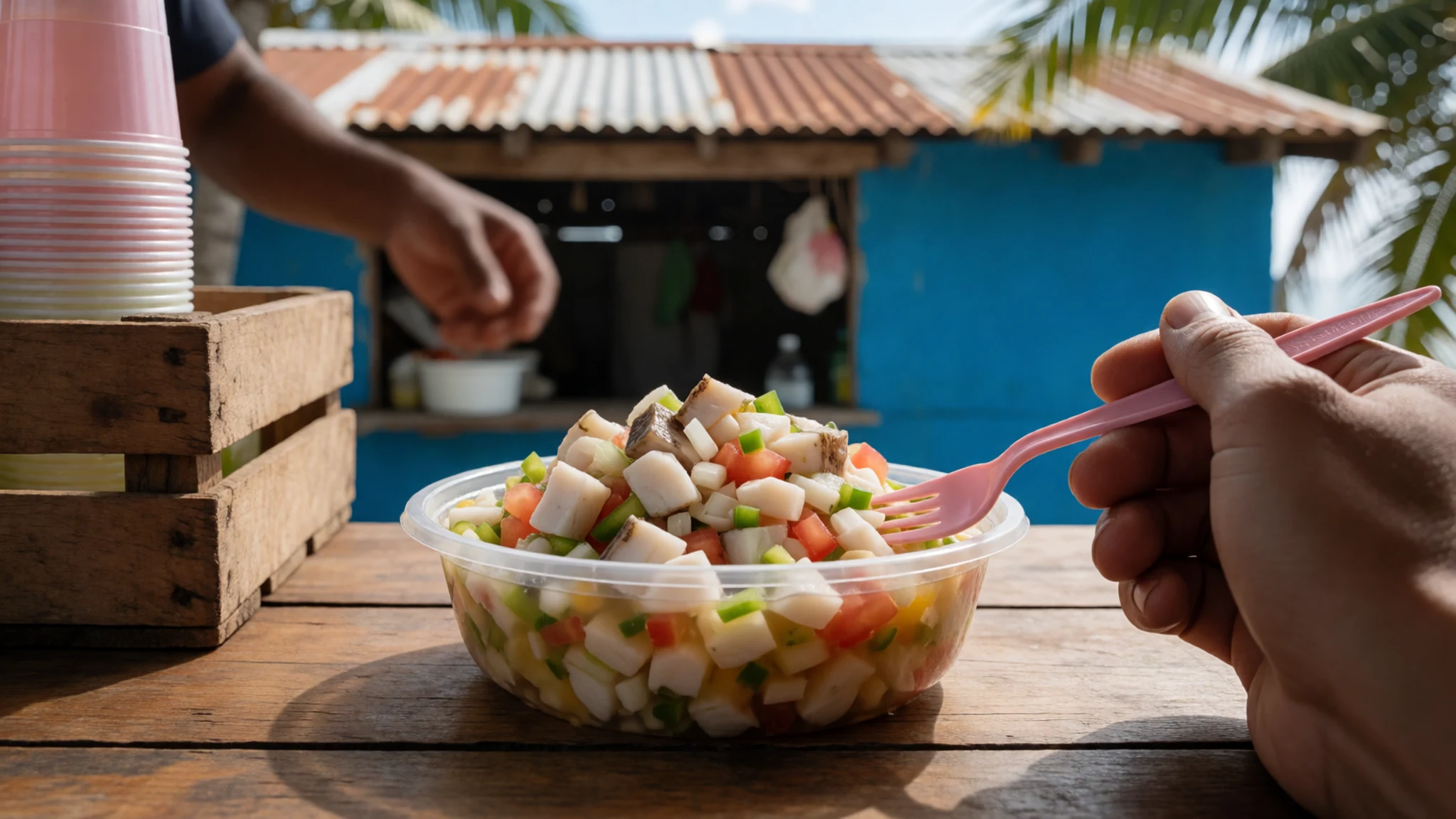
- Cracked conch — Small eateries in the main settlement on Great Harbour Cay
Conch is tenderised, battered and fried until crisp, then served with lime or a spicy sauce. It is a staple of casual island eateries, and the portions are usually generous.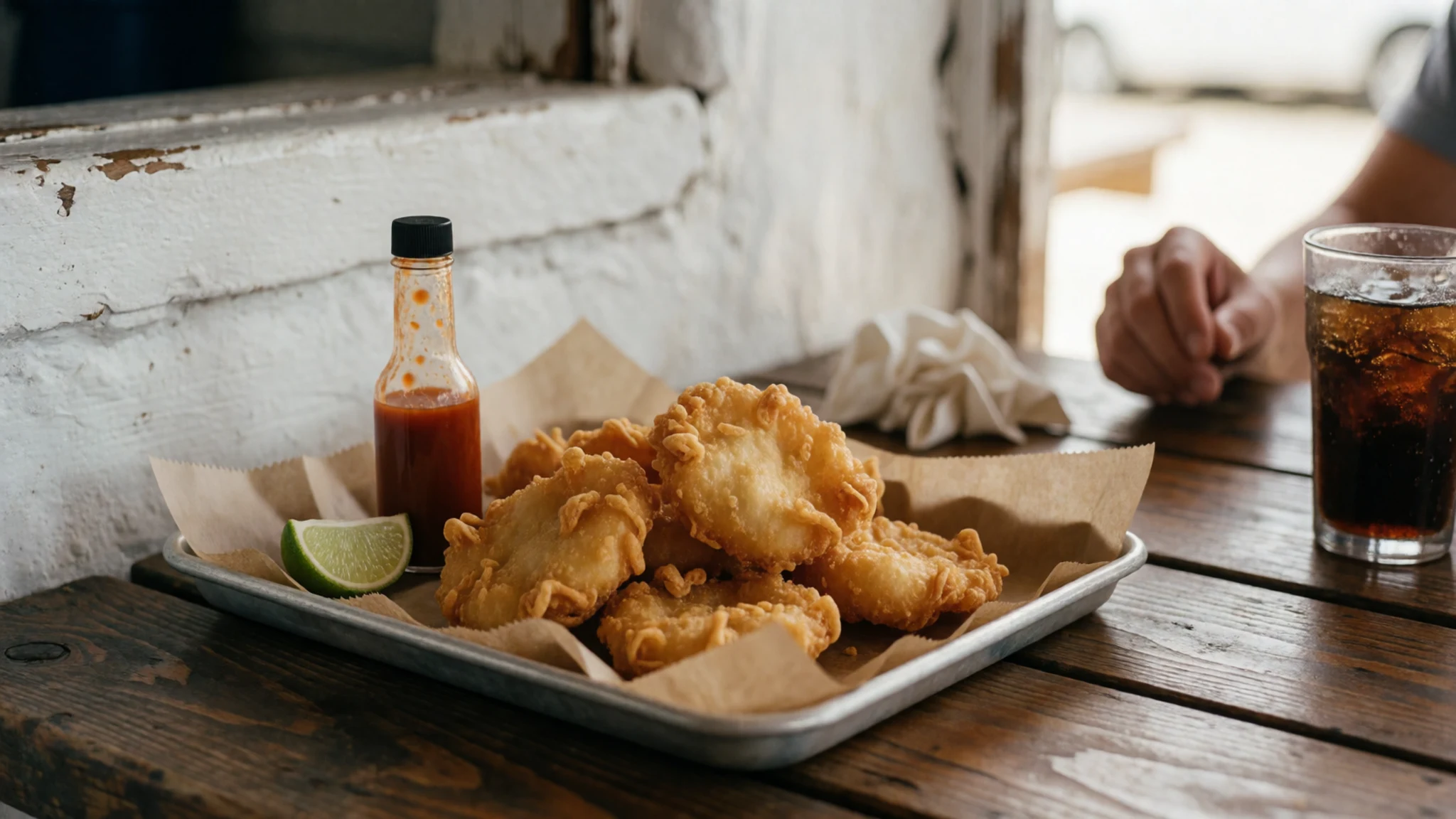
- Grilled or fried fish — Marina restaurants and family-run eateries
Daily catches such as snapper or grouper are cooked whole or in fillets, often with peppers and onions. What is on the plate depends on what the boats landed that morning, so ask what is fresh. - Peas and rice — Home-style eateries and community church suppers
Rice cooked with pigeon peas, onion, tomato and thyme is the usual side on a Bahamian plate. It is filling, lightly savoury and eaten with fish, chicken or stewed meat. - Johnnycake — Local kitchens and small bakeries in the settlements
A dense, lightly sweet bread baked or pan-cooked, traditionally made on islands where bakeries were far away. It is good with stews or a simple breakfast of fish and tea.
Plan it
Best time. December to April is the sensible window: the weather is generally drier and less humid, and the sea is easier for boating. Summer and early autumn are hotter, wetter and fall within the Atlantic hurricane season, so check forecasts closely.
How long. 2–4
Getting there. Most visitors arrive on a cruise ship to Coco Cay or Great Stirrup Cay. Independent travellers can use the airstrips at Great Harbour Cay (Bullock's Harbour) or Chub Cay, but no commercial carriers are based at Chub Cay, so flights and charters must be arranged specifically; private boats can use the Great Harbour Cay marina. Ask your charter operator or marina about the last leg.
Budget. high
Tips
- Arrange transport and accommodation well ahead, because there are few scheduled services and few places to stay.
- Carry cash as well as cards, since small settlements may not take cards everywhere.
- Bring drinking water, sun protection and a hat; shade is limited on low cays.
- Cruise-island access is usually through the cruise operator, so check their official site before planning a visit.
- Watch the weather before any boat trip between cays and ask locally about conditions.
Etiquette
- Greet people before asking for help or directions.
- Ask before photographing residents, their boats or their homes.
- Keep distance from nesting and roosting birds, and take all rubbish with you.
Nearby
Sources
- Wikidata Q827173 (CC0)
- Wikipedia: Berry Islands (rev 1375117532) (CC BY-SA 4.0)
- Wikivoyage: Berry Islands (rev 5311227) (CC BY-SA 4.0)
- Great Harbor Cay horseshoe (Patrickneil assumed) (CC BY 3.0)
- Übersichtskarte der Berry Islands (Joachim Greiner) (CC BY 3.0)
- American Oystercatchers (USFWS, Caleb Spiegel) (CC BY 2.5)
- Berry Island Anchorage (dmtilley) (CC BY 3.0)
- Caleb Spiegel, USFWS Division of Migratory Birds (CC BY 2.5)
- Berry island flowers (Dr Mary Gillham Archive Project) (CC BY 2.5)
- Saddleback Cay (Tim Horton) (CC BY-SA 2.5)
- Scanning for birds (USFWS, Caleb Spiegel) (CC BY 2.5)


Wildlife
- American oystercatcher (animal)
Picture a smart black and white bird with a long, thick orange beak: that is the American oystercatcher, a bird of the seashore. Visitors to the Berry Islands may spot one on the shore, where it has been photographed. Because the best season or time of day is not known, ask a local guide where and when to look. Keep well back, speak softly, move slowly, and never offer it food. - American oystercatcher (bird)
Picture a smart black and white bird with a long, thick orange beak: that is the American oystercatcher, a bird of the seashore. Visitors to the Berry Islands may spot one on the shore, where it has been photographed. Because the best season or time of day is not known, ask a local guide where and when to look. Keep well back, speak softly, move slowly, and never offer it food.