Abaco
Abaco, The Bahamas
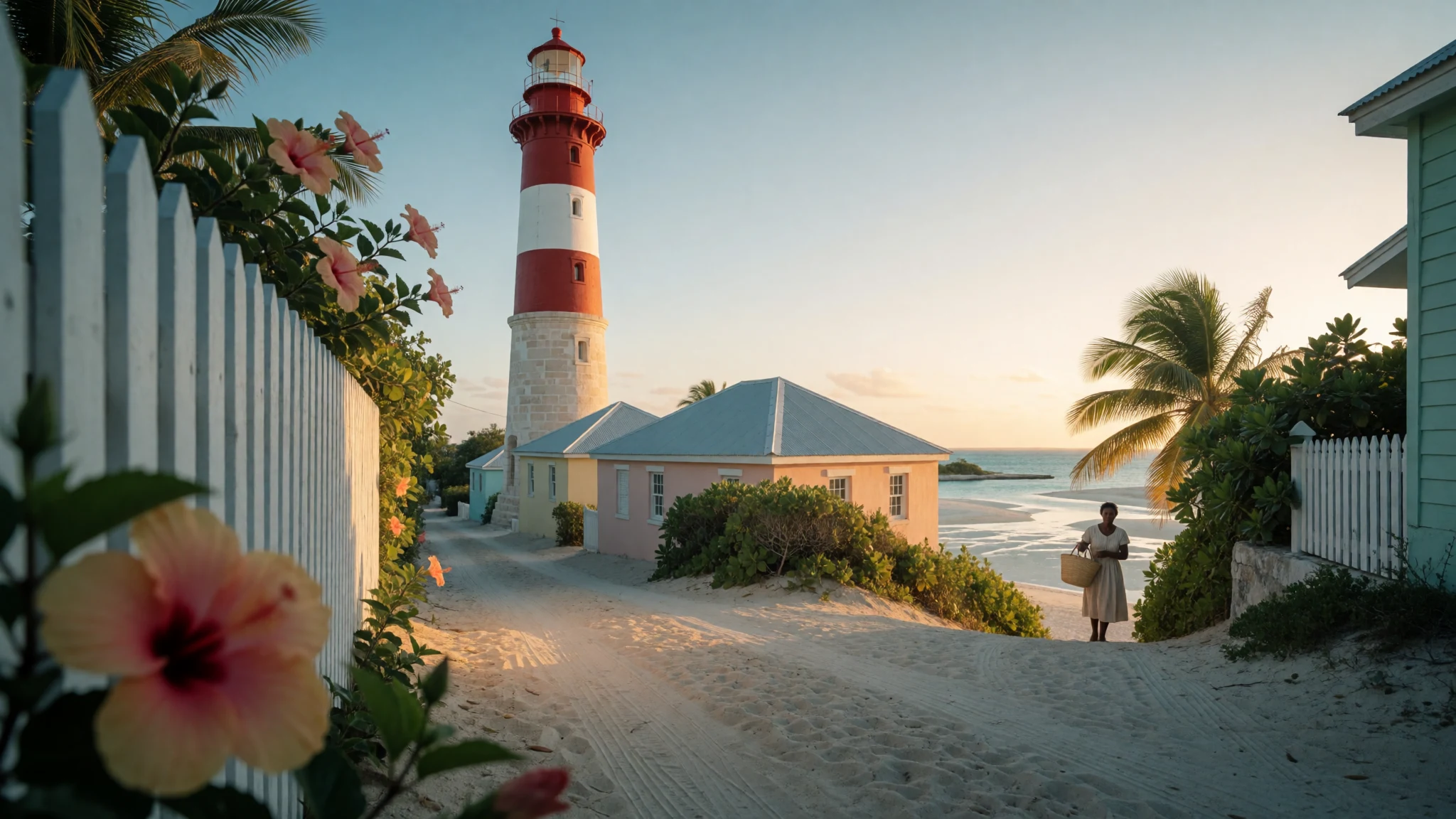
Abaco is a chain of low, boat-linked cays in the northern Bahamas, with calm shallow water, a barrier reef and old Loyalist harbour villages.
The place
Abaco is an island group in the north of The Bahamas, roughly 310 km east of Miami, and it works less as one destination than as a chain of small ones. Two big islands, Great Abaco and Little Abaco, form the spine, and a string of low cays runs along the eastern side, sheltering a long, shallow sound. Nothing here is high: the elevation in the facts is just 13 m, and the land is limestone worn flat, with pine forest inland, tidal mangrove on the margins and pale-sand beaches on the cays. Out on the Atlantic side a barrier reef takes the force of the swell, which is why the water inside the cays is calm enough for small boats, and why snorkellers and divers come. Most of the cays have no residents at all. Marsh Harbour, on Great Abaco, is the commercial hub and has an airport; Treasure Cay, further north, is a resort area with its own airfield. The settled cays, among them Elbow Cay with Hope Town, Man-O-War Cay, Great Guana Cay and Green Turtle Cay with New Plymouth, are reached by short ferry or private boat, and daily life runs on golf carts, dinghies and the weather. Expect sun, wind and sea-dependent plans rather than a list of monuments. Costs sit on the high side because most things arrive by plane or boat, and the hurricane season shapes when the islands are at their best. Rough water can make passages between cays unpleasant or impossible, so a loose itinerary serves better than a full one.
Its story
Abaco's recorded history begins with the Lucayans, a branch of the Taíno people, who called the islands Lucayoneque, usually rendered as the people's distant waters. They were among the first Americans met by Christopher Columbus, and the meeting ended in disaster: Spanish raiders took Lucayans away into slavery, and by 1520 none remained in The Bahamas. Spain claimed the archipelago but showed little interest in settling it, and the islands lay without lasting settlement for generations. Early maps still record Abaco. A chart of 1500 by Juan de la Cosa labels it Habacoa, and Juan Ponce de León is recorded as landing in 1513. The community that exists today dates from 1783, when Loyalists leaving the newly independent United States arrived, and their descendants are a large part of why the northern cays feel different from Nassau. The newcomers had thin soil and little capital, so they lived on what the sea gave them: salvaging wrecks on the reefs, building small wooden boats and farming wherever the ground allowed. Boatbuilding became a point of local pride and survives on Man-O-War Cay, where a dinghy design carries the name Abaco. The lighthouse at Hope Town belongs to the same sea-facing story, a working marker for a coast whose families knew the reefs better than any chart. Later livings from fishing, sailing and visitors grew from those same skills.
What to see
- Hope Town and its lighthouse — Elbow Cay
Hope Town is the harbour settlement on Elbow Cay, under an hour by ferry from Marsh Harbour. Its red-and-white lighthouse overlooks small wooden houses, narrow lanes and a sheltered harbour full of dinghies. Check locally before planning a climb, then walk the village and cross to the ocean-side beaches.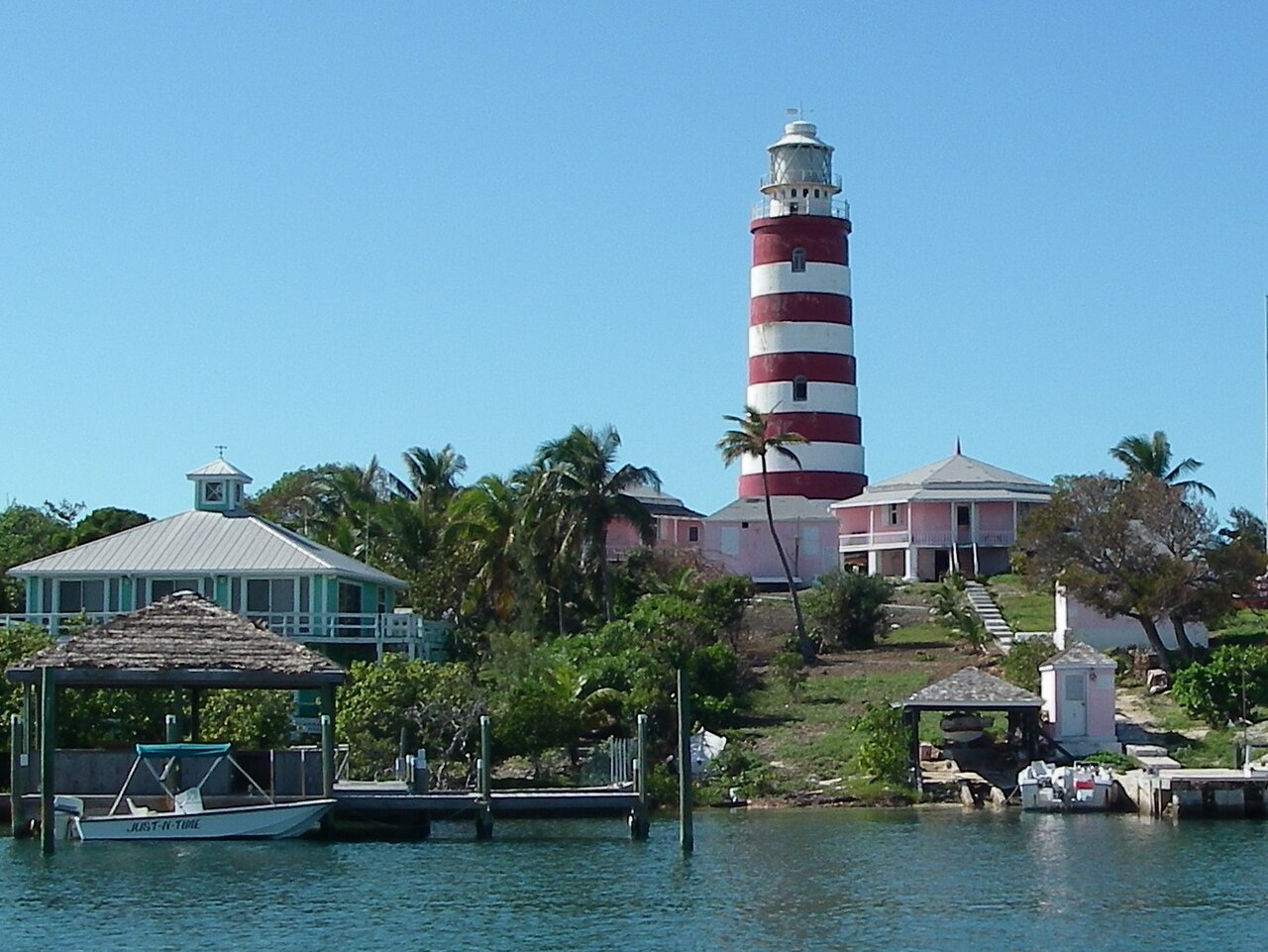
- Green Turtle Cay and New Plymouth — Green Turtle Cay
New Plymouth is the old Loyalist settlement on Green Turtle Cay, a place of pastel cottages, small lanes and golf carts instead of cars. It suits a slow day on foot, with beaches on the ocean side. The island also runs a pig-themed tour, an oddity worth asking about. - Man-O-War Cay boatyards — Man-O-War Cay
Man-O-War Cay is a small, tight-knit island with a long boatbuilding tradition, including the Abaco dinghy, a wooden design built here by local families. Walk the waterfront, look into the working yards and craft shops with respect for people at work, and note the harbour full of well-kept boats.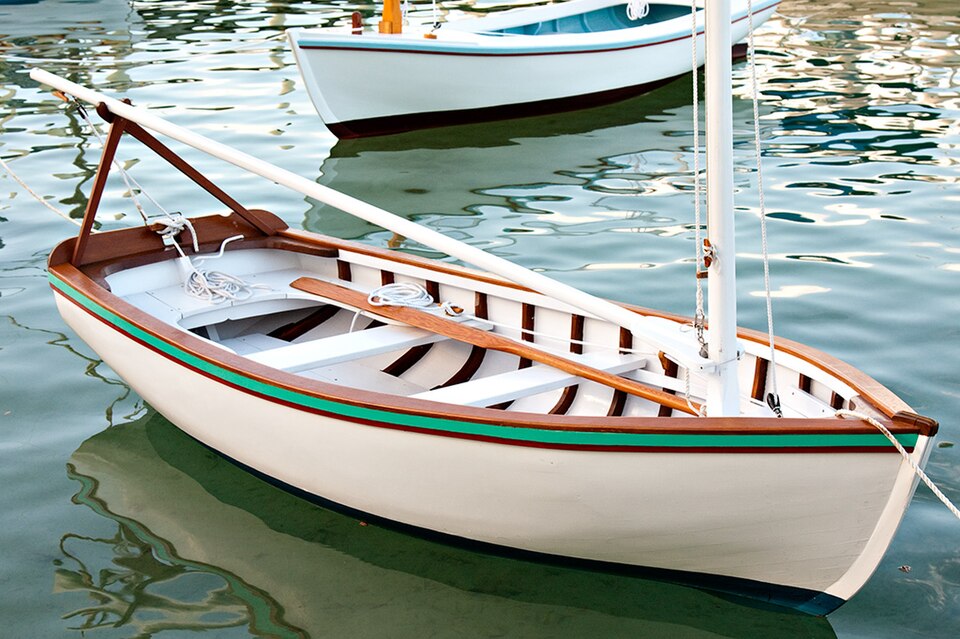
- Abaco National Park and the pine forest — South Great Abaco
Abaco National Park, one of six parks the Bahamas National Trust runs in the group, protects open pine forest in the south of Great Abaco. It is dry, flat and quiet, a contrast with the sea cays. Bring water and insect repellent, and go with a local guide for bird-watching.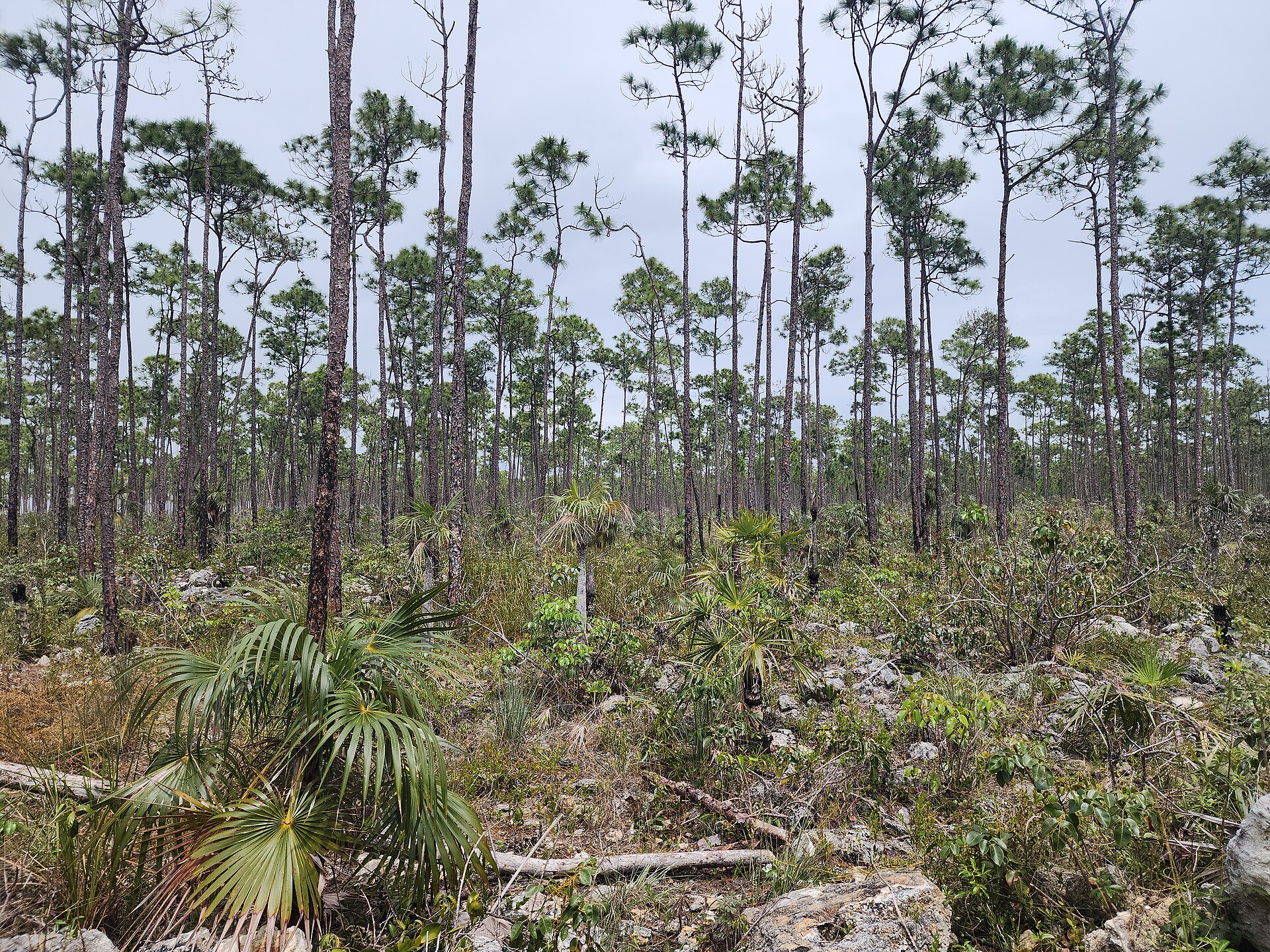
- The outer reef and Fowl Cays — Atlantic side, off Elbow Cay
The reef on the Atlantic side is the main draw for snorkellers and divers, and Fowl Cays National Park is one protected stretch. Sharks are part of the picture on the outer reefs. Go with a licensed local operator who knows the passages, and choose a calm day.
Culture
Abaco's culture blends Bahamian island life with the Loyalist heritage of its older settlements, and the two sit comfortably side by side. In Hope Town, New Plymouth and Man-O-War Cay, small wooden houses, tidy gardens and narrow lanes give a New England-in-the-tropics look that goes back to the settlers who arrived in the late eighteenth century. Church matters in the settlements, so Sundays are quieter than weekdays, and the harbour acts as the village square: people travel to work, school and worship by dinghy or golf cart. Boats are the common thread, and fishing, conch diving and boat-handling pass down in families. Junkanoo, the Bahamian street parade of brass, cowbells, drums and paper costumes, belongs to the whole country but turns up at festivals on the cays too. Conversation is unhurried and courteous, and a greeting comes before a question. The Bahamas National Trust looks after six parks in the group, so conservation is part of local life as well as a visitor attraction. Visitors tend to be a mix of sailors, holiday-home owners and returning families, which gives the cays a clubby, repeat-visit feel. Greet people with a good morning or good afternoon before asking for anything, and put on a shirt and shorts or a dress over swimwear when walking through a settlement.
What to wear
Abaco has no single costume of its own; what exists is Bahamian heritage, plus the plain working clothes of its boatbuilding and fishing families. The best-known traditional dress is the Junkanoo costume, made of cardboard, crepe paper, foil and feathers and worn in street parades around Christmas and New Year. Straw work is the older textile craft: palm fibre plaited into hats, bags and baskets, sold at craft stalls across the country. Everyday wear on the cays today is relaxed and sun-led: cotton shirts, linen, shorts, boat shoes or sandals and wide-brimmed hats, with a brighter, unfussy look at beach bars. Boating and fishing people favour light, long-sleeved, quick-drying shirts against the glare. Visitors should pack breathable cotton or linen, a long-sleeved cover-up, a hat, reef-safe sunscreen and a waterproof layer for squalls. Water shoes help on rocky shorelines and coral rubble, and flat sandals do for lanes and golf carts. Swimwear is for beaches and boats only; cover up before walking through a settlement, going into a shop or restaurant, or attending church. Evenings are casual, though a breeze off the water can make a light layer welcome.
What to eat
- Conch fritters — Casual diners in Marsh Harbour and beach bars on the cays
Balls of chopped conch in a spiced batter, deep-fried and served with a dipping sauce. They are the standard island snack, usually found as a starter. Look for them at casual diners in Marsh Harbour and in beach bars across the cays. - Cracked conch — Harbourside eateries in Hope Town and New Plymouth
Conch meat tenderised, battered and fried until crisp, usually served with peas and rice or fries and a wedge of lime. It is a staple Bahamian main course and easy to find in village eateries and harbourside restaurants. - Conch salad — Waterfront stalls and shacks near the docks
Raw conch chopped with onion, peppers and citrus juice, made fresh to order. It is sharp, crunchy and best eaten soon after it is mixed. Seek out simple waterfront shacks and stalls near the docks where the shell is cleaned on the spot. - Peas and rice — Local restaurants serving Bahamian plates
Pigeon peas cooked with rice, onion, tomato and thyme, a savoury side dish that appears at nearly every Bahamian meal. It goes with fried fish, chicken or pork. Any local restaurant serving Bahamian plates will have it. - Sunday pig roast — Beach bars on Great Guana Cay
A roast pig is a weekend ritual at some beach bars, with pork carved and served alongside salads and sides. The Great Guana Cay beach bars are known for one. Ask locally about the day and time, as they change. - Guava duff — Settlement restaurants and bakeries on the cays
A rolled and boiled pastry filled with guava, sliced and served with a buttery rum sauce. It is the classic Bahamian dessert and often a special at settlement restaurants. Ask whether it is on that day, since it is often made in small batches.
Plan it
Best time. March to May is the usual choice: it is warm and generally drier, and the sea is easier for boat trips. Hurricane season runs from early summer into late autumn, when storms and rough water can disrupt ferries and flights, so check forecasts and travel insurance before booking.
How long. 4–6
Getting there. Fly to Marsh Harbour Airport, with scheduled links from Nassau and Freeport and from several Florida cities, plus seasonal flights from Atlanta; Treasure Cay also has an airport. From Marsh Harbour, ferries reach Elbow Cay (Hope Town) in under an hour, and other cays by ferry or water taxi.
Budget. high
Tips
- Check ferry and flight schedules locally and keep a spare day, as rough seas can delay crossings
- Hire a golf cart or small boat on the cays, but book early in busy months
- Carry some cash for small shops, stalls and ferries, and check which places take cards
- Bring sun protection and drinking water, because shade and shops can be far apart
- Go snorkelling or diving with a licensed local operator and choose calm days on the reef side
Etiquette
- Greet people before asking for help or directions
- Cover up beyond the beach, especially in settlements and near churches
- Ask before photographing residents and respect private property on the cays
Nearby
Sources
- Wikidata Q304371 (CC0)
- Wikipedia: Abaco Islands (rev 1381349810) (CC BY-SA 4.0)
- Wikivoyage: Abacos (rev 5311821) (CC BY-SA 4.0)
- Topographic map of the Abaco Islands (Lithium6ion) (Public domain)
- Hopetown Lighthouse (Dmadeo) (CC BY-SA 2.5)
- Submaritime pineyard, Great Abaco (Dsandii) (CC BY-SA 4.0)
- Abaco Islands satellite image (Sentinel Hub) (CC BY 2.5)
- Karte von Abacos Islands (Joachim Greiner) (CC BY-SA 2.5)
- Abaco Dinghy on Man-O-War Cay (Mike Niemi) (CC BY 3.0)
- Flug nach Abaco 397 (Rüdiger Stehn) (CC BY-SA 2.0)
- Flug nach Abaco 398 (Rüdiger Stehn) (CC BY-SA 2.0)


