Harbour Island
Harbour Island, The Bahamas
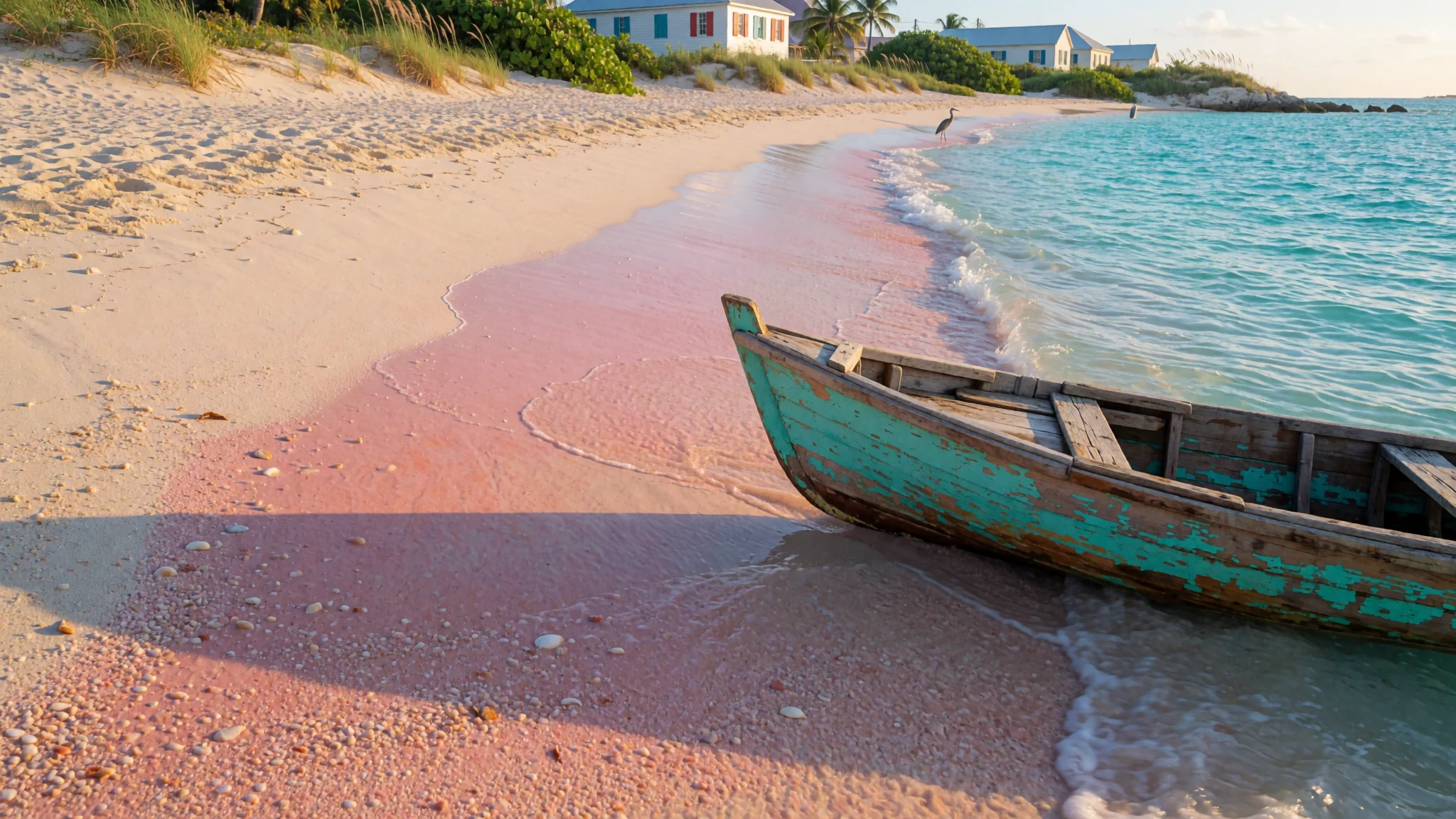
Pink sand beaches, turquoise shallows and a sleepy colonial town make this Bahamian island worth the detour from Eleuthera.
The place
Harbour Island sits off the northeast corner of Eleuthera, and it is one of the Out Islands of the Bahamas. It belongs to a loose line of small islands and reef edges that shelter a lagoon on the east and north sides of Eleuthera's northern tip. The island is low and flat, with its highest point only about 14 metres above the sea, so water and sky seem to fill most views.
Almost everything sits along one stretch of road and lanes near the harbour. The only town is Dunmore Town, which holds the island's shops, eateries, churches and the government dock, and it is small enough to walk end to end in under an hour. The beaches lie to the east, where the famous pink sand runs for long stretches. Most visitors reach them on foot, by bike or in a hired golf cart.
The look of the place is distinctive. Colourful wooden houses with white trim stand among gardens full of flowers, and the buildings blend a New England character with English colonial design. The island is known locally as Briland, a name you will hear in conversation more often than the official one.
The pace is slow, and that is the appeal. Much of the accommodation consists of small inns, guesthouses and private villas, with a few larger resorts. Restaurants are plentiful for a place this size, and you will find good food at a range of prices, but evenings are quiet and the island goes to bed early. It suits people who want sand, sea and conversation rather than nightlife.
Its story
The story of Harbour Island is largely a story about its harbour. The sheltered water on the island's lee side has long given it a reason to exist, and the settlement grew up around the water rather than the interior. The name itself points to the same story.
The town takes its name from John Murray, 4th Earl of Dunmore, who served as governor of the Bahamas from 1786 to 1798. He kept a summer residence on the island, and the town that grew up around it was named for him; the name still appears on maps and signs. Locals, meanwhile, still call the island Briland, a name you will hear in conversation more often than the official one.
The next big change came in the twentieth century, when visitors began arriving from the United States. In the mid-1960s, Brett King, an actor, and his spouse Sharon founded the Coral Sands Hotel here, an early move in making the island a holiday spot. Americans have been among its most regular visitors since, drawn by quiet lanes, clear water and the pink beaches.
Today the island balances two lives. Its residents still depend on the sea, and fishing boats and the mail boat tie up at the docks. Children from the local school take part in Junkanoo, the Bahamian festival of music and costume, and their parades remind visitors that the island is a working community as well as a resort. The tension between the two is the island's present story.
What to see
- Pink Sand beach — East coast, Harbour Island
Pink Sand beach runs along the east side of the island, and the colour comes from tiny shells of foraminifera rather than from any dye. Go early or late in the day when the sand is cooler and the crowds have thinned. Beach chairs can be rented from the places along the sand, which also serve snacks and drinks, so you can stay all day without bringing much.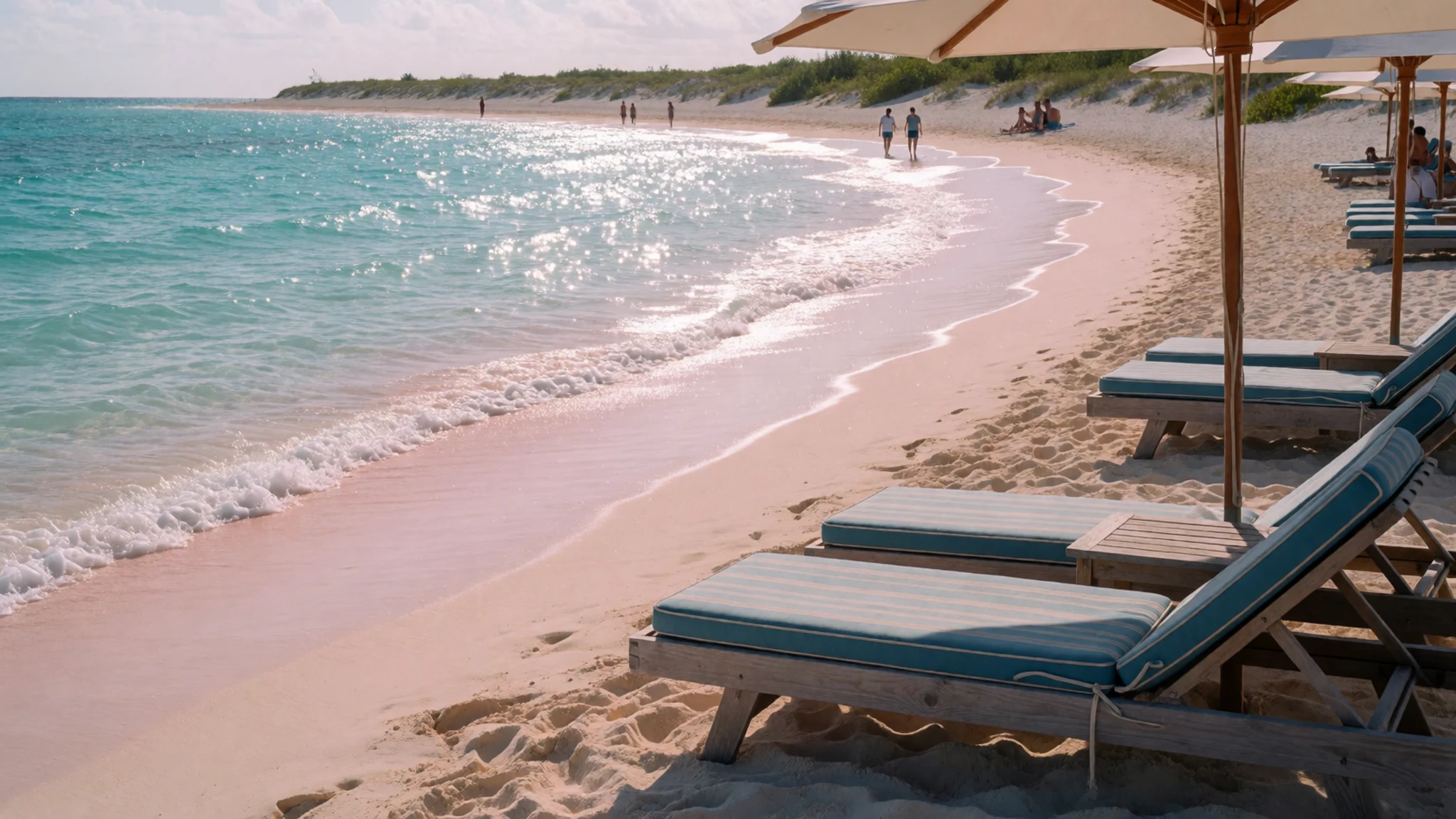
- Blue Bar — Beachfront, north of Dunmore Town
Blue Bar is a beach bar on the sand, and it is the place to order a cold drink and something to eat while watching the surf. The drinks are well regarded and the food is good, though service can be slow when the bar is busy. Bring patience, and treat the pace as part of the day rather than a problem to solve.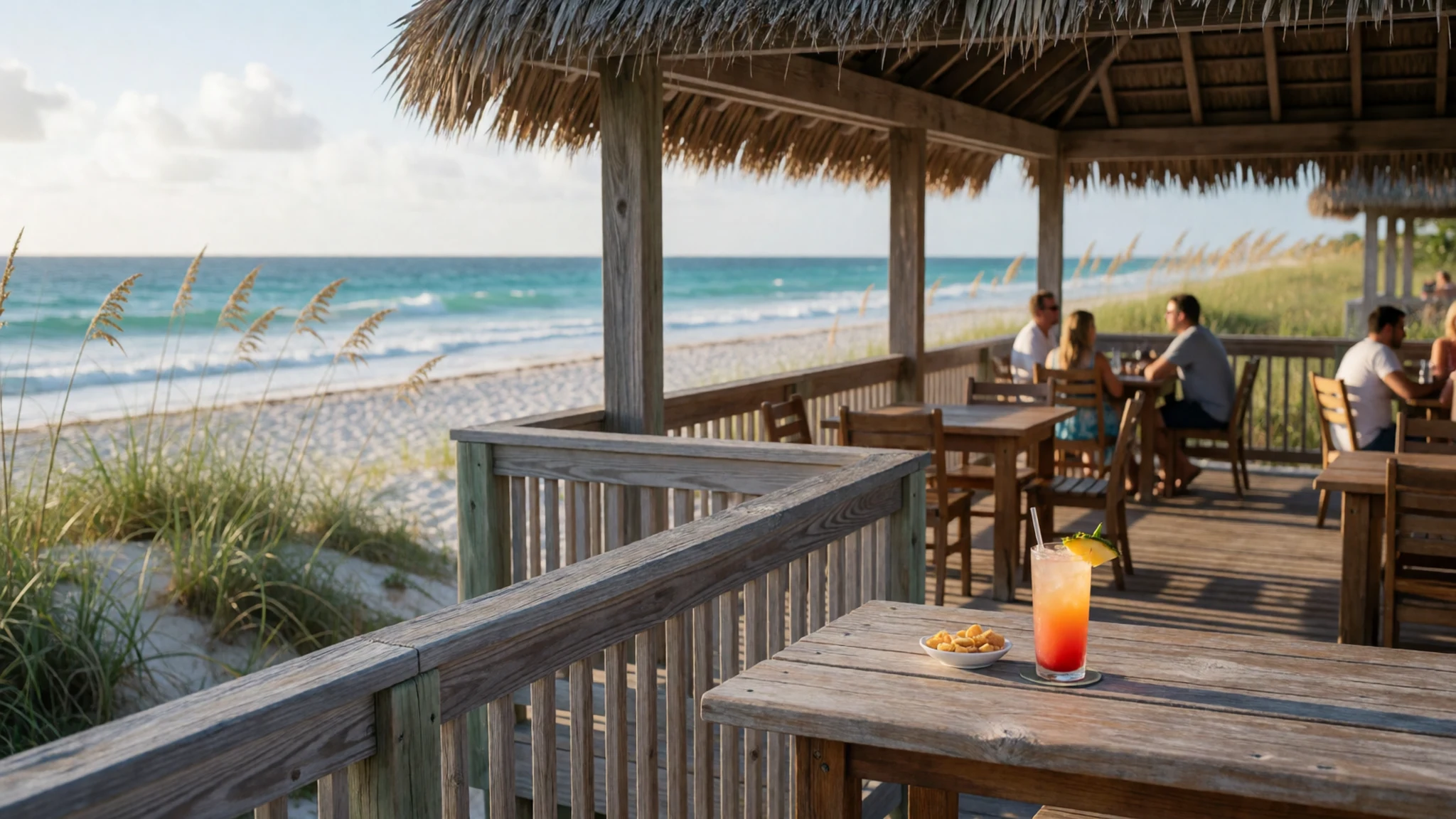
- Runaway Hill Inn — Hill above the eastern beach
Runaway Hill Inn sits on rising ground above the beach and has a fine view over the water. The service and food are rated highly, and it works well for a long lunch or sunset drinks with children, since it is comfortable for families. Ask ahead about reservations for dinner, especially in the busier months.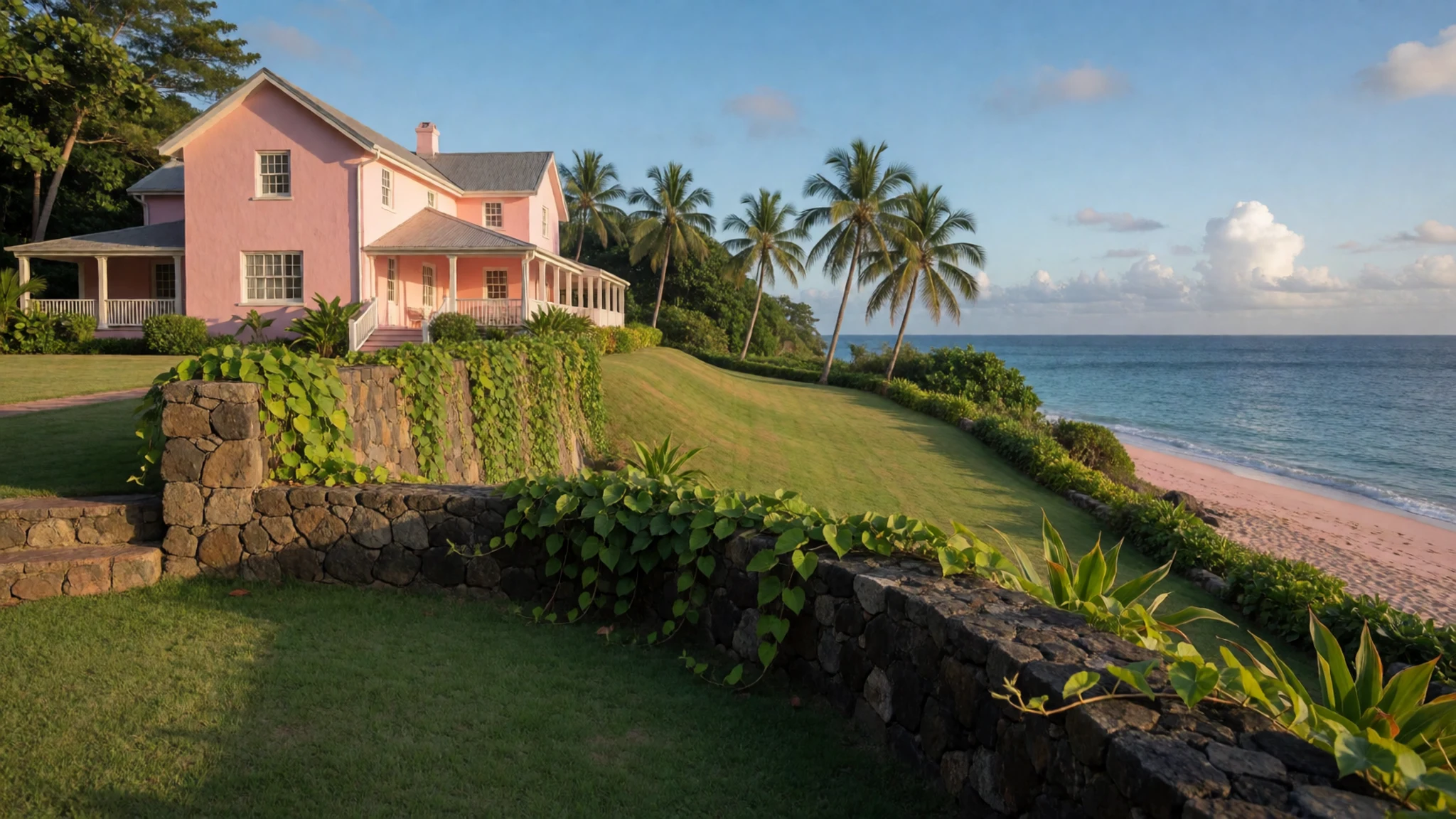
- Queen Conch — Eastern side of the island
Queen Conch is the place for conch salad, the raw conch dish that appears on menus across the Bahamas, and it is popular with both locals and visitors. The menu also covers chicken fingers and sandwiches, so it suits a casual meal. Go at lunchtime and expect to wait a little at busy times.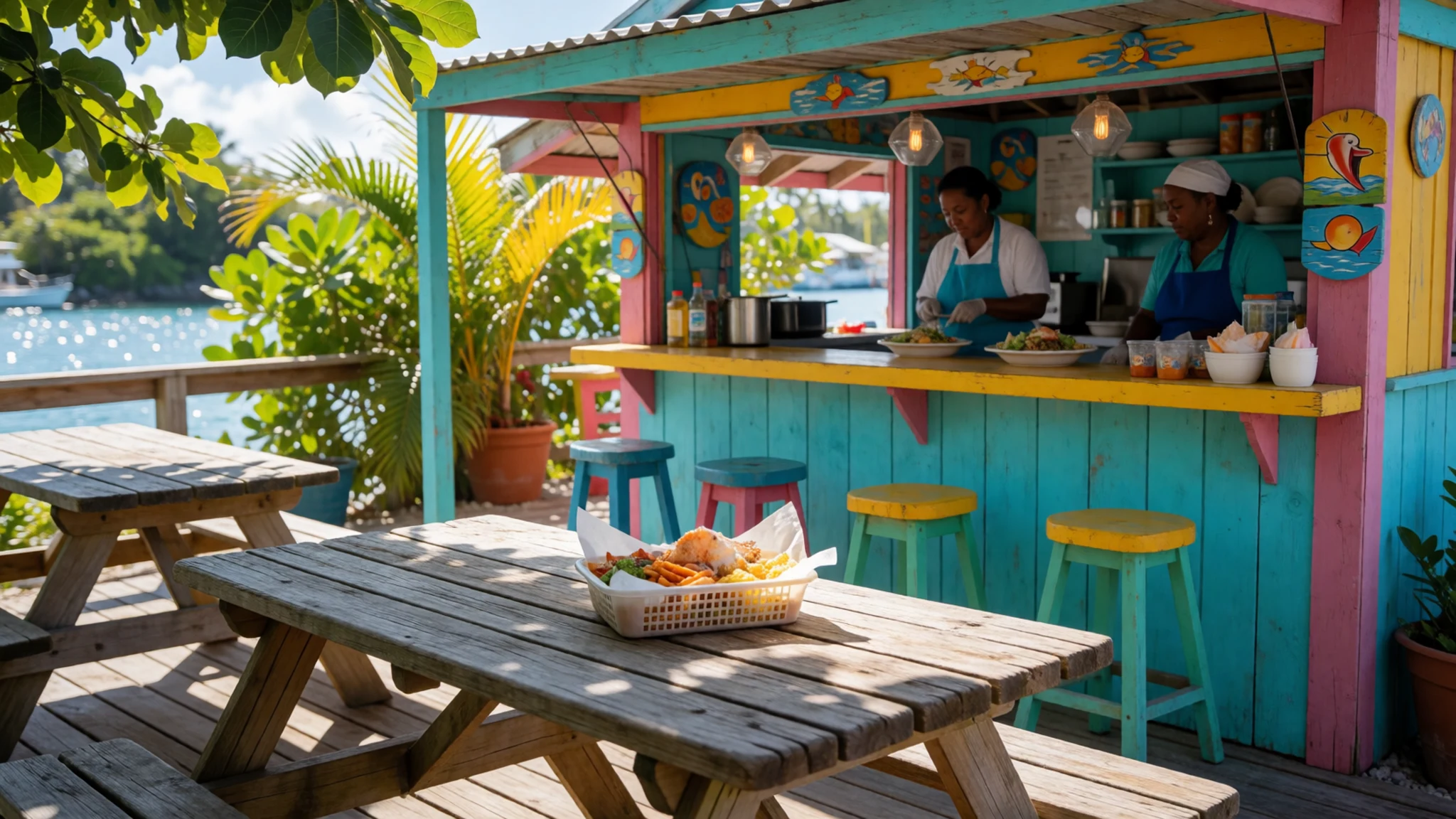
Culture
Harbour Island is a small community first and a holiday island second, and most of the courtesy visitors need is about everyday life in the town. Dunmore Town's lanes are shared with schoolchildren, cyclists, delivery vans and residents walking home, so keep to the side and give room. Most people greet you first, and returning a greeting with a good morning before asking for anything is a normal courtesy in shops and on the street. Sunday mornings are quiet, and dressing modestly for a church service is expected. Photographs of the brightly painted houses are welcome, but ask before photographing people, especially children at the school or anyone working on a boat or at a stall. Junkanoo is a festival of drums, costumes and crowds, so watch from the side and avoid blocking the route. Music on the beach can carry late, so keep the volume down near homes and inns after dark. Please take your rubbish with you and do not leave bottles or wrappers on the sand or in the bushes.
What to wear
Harbour Island is best known for its beaches, but the clothes here tell their own story. The traditional dress visitors are most likely to see is the Junkanoo costume: elaborate outfits built from crepe paper, cardboard, feathers and sequins, worn by dancers and marchers in the parades that fill the streets during the festival season. Their colours are chosen to be seen from a distance, and the costumes are often worn over a plain base.
Day to day, islanders dress much as they would in any small Caribbean community. Many people wear cotton shirts, short sleeves and light trousers or skirts, and church congregations on Sunday see neat dresses and pressed shirts. Shorts and swimwear are normal on the beach but less so in the town centre, and you will see people change into something more covered when they walk up from the sand.
As a visitor, pack light cotton or linen that breathes in the heat, and bring a hat and sunglasses. Swimwear is fine on the beach, but cover up for the walk into Dunmore Town, and dress neatly for a church service or a formal dinner at an inn. For the rocky shore and uneven paths, sturdy sandals or water shoes are more practical than thin flip-flops, and a light layer is useful for air-conditioned restaurants and evening boat trips.
What to eat
- Conch salad — Queen Conch, a popular spot for locals and visitors
Conch salad is the island's signature dish: fresh conch, diced and mixed with onion, sweet pepper, tomato and citrus juice. It is often eaten cold with a spoon or scooped with crackers, and it is best eaten the same day. Find it at Queen Conch.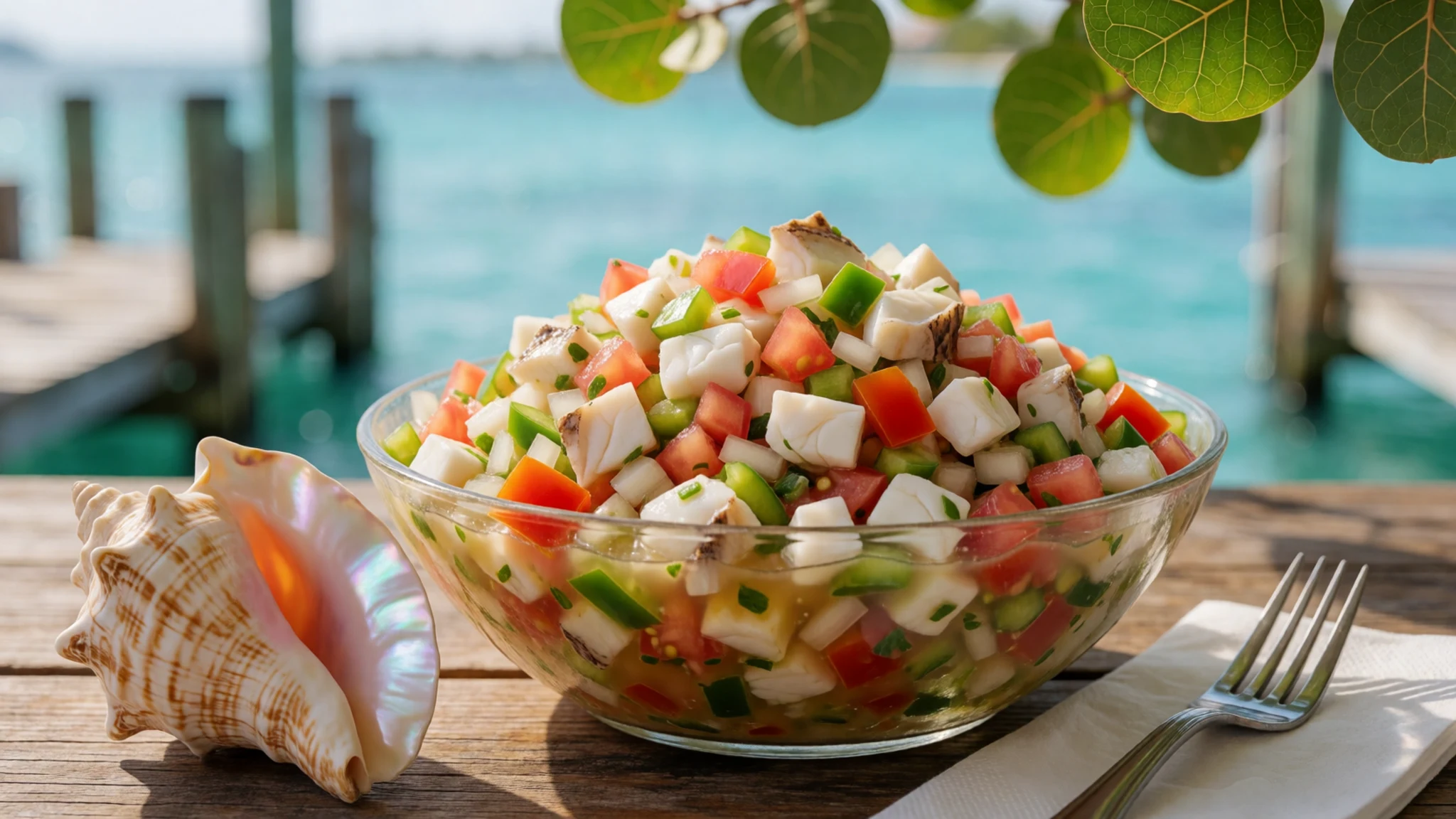
- Grilled fish — Simple eateries near the government dock
Grilled fish, usually snapper or grouper caught nearby, is served with rice, peas or salad at simple beachside eateries. Ask what came off the boats that morning and let the server suggest a preparation. Look for it at eateries near the government dock.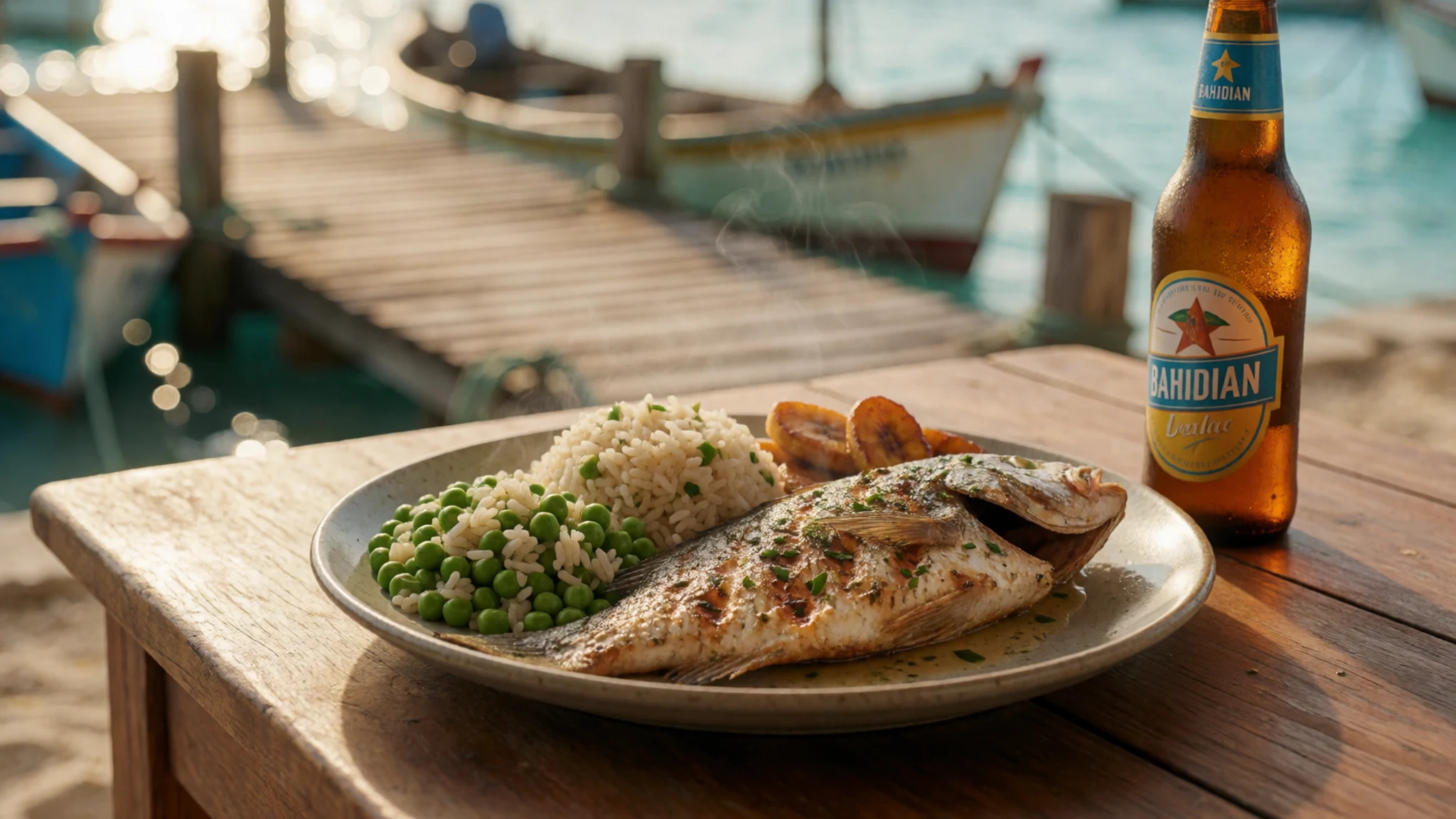
- Peas and rice — Local eateries in Dunmore Town
Peas and rice, cooked with coconut milk and sometimes pork or chicken, is the everyday side that turns up with almost every plate of fish. Ask whether the kitchen makes it in-house. Look for it in the local eateries of Dunmore Town. - Beach bar burgers and sandwiches — Blue Bar, on the beach
Blue Bar is the easy choice for a casual lunch on the sand. Burgers, sandwiches and cold drinks arrive while you watch the surf, and the atmosphere is relaxed. Go mid-afternoon to skip the rush. Service can be slow when it is full. - Johnny cake — Guesthouses and local eateries in Dunmore Town
Johnny cake is a dense, fried or baked bread that many island kitchens make for breakfast or with soup. It is simple, filling and easy to share. Ask at a guesthouse or a local eatery in Dunmore Town, and try it warm with butter.
Plan it
Best time. December to April, when the air is drier and the sea is at its calmest. Summer is hot and humid, so plan beach time for mornings and late afternoons.
How long. 2–3
Getting there. Fly to North Eleuthera Airport (ELH), take a taxi to the ferry dock, then cross by ferry or water taxi. Porters at each stage will handle your bags and expect a tip.
Budget. high
Tips
- Book ferry and taxi transfers ahead for busy weekends and holidays.
- Allow some slack at the dock, since the ferry leaves once it is full.
- Go to the beach early or late, when the sun is gentler and the sand is quieter.
- Carry cash for taxis, porters and small stalls, and check the official site for current card acceptance: https://www.bahamas.com/islands/eleuthera-harbour-island
- Carry water and sun cover, as the beaches offer little shade.
Etiquette
- Tip porters and taxi drivers in line with local custom, and keep small notes handy.
- Ask before photographing people, especially children at school events.
- Keep music and noise down in the evenings near homes and inns.
Nearby
Sources
- Wikidata Q2357510 (CC0)
- Wikipedia, Harbour Island, Bahamas (rev 1376080991) (CC BY-SA 4.0)
- Wikivoyage, Harbour Island (rev 5410838) (CC BY-SA 4.0)
- Photo 01-islandhorses.jpg, Larry Deack (Public domain)
- Photo 02-harbourisland-1.png, Larry Deack (Public domain)
- Photo 03-beachsunsetdog.jpg, Larry Deack (Public domain)
- Photo 04-harbourislandjunkanoo.jpg, Larry Deack (Public domain)
- Photo 05-governmentdock.png, Larry Deack (Public domain)
- Photo 06-dunmoreschool.png, Larry Deack (Public domain)
- Photo 07, Rüdiger Stehn (CC BY-SA 2.0)
- Photo 08, Rüdiger Stehn (CC BY-SA 2.0)


