Lotofaga
Lotofaga, Samoa
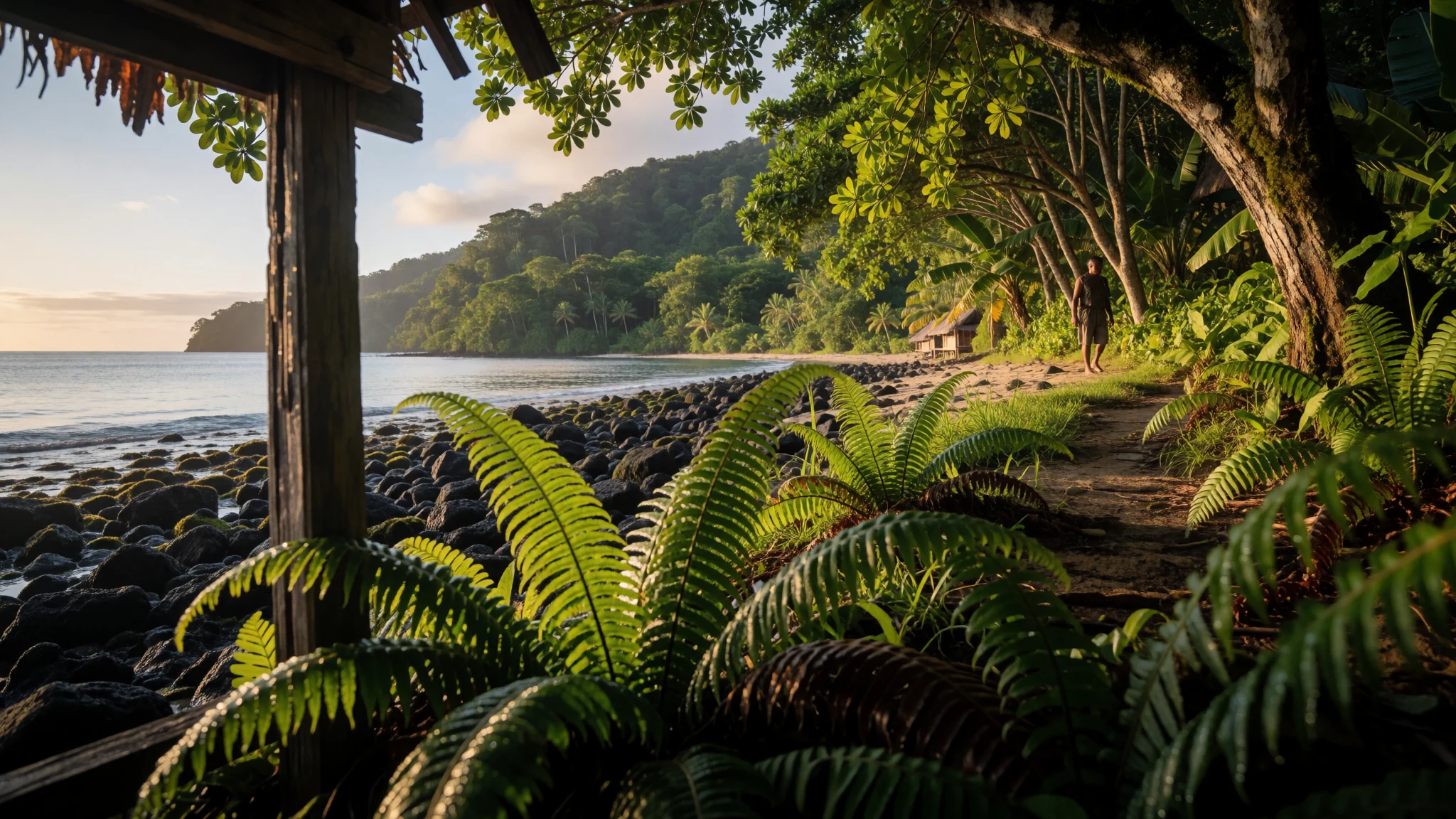
Come to Lotofaga to experience quiet village life on Samoa's lush southern coast, framed by dramatic volcanic trenches and cascading waterfalls.
The place
Lotofaga sits quietly on the southern coast of Upolu island in Samoa, serving as both a distinct settlement and the heart of a wider electoral constituency that includes the nearby villages of Vavau and Matatufu. Life here moves to the gentle rhythm of the tides and the rustle of semi-cultivated forest that blankets the volcanic landscape from the hills right down to the shoreline. The soil, enriched by ancient eruptions across the islands, supports dense greenery that can easily make the surroundings feel like an untouched jungle, even though generations of families have tended these plots for centuries.
Travellers arriving on the south coast encounter a community deeply rooted in tradition, where daily routines are guided by village protocols and the leadership of local chiefs. While the wider country connects through the bustling capital, Lotofaga offers a calmer window into island life. The coastline bears the memory of past natural forces, yet the atmosphere is one of profound resilience and quiet hospitality. Visitors wander along tranquil coastal paths, shaded by breadfruit trees and coconut palms, with the sound of the ocean ever-present against the volcanic rock. It is a place where you can step away from busy tourist tracks and experience the unhurried warmth of Samoan hospitality, surrounded by dramatic cliffs, coastal waters, and the steady hum of village life unfolding beneath the tropical sun.
Its story
The human story of Samoa reaches back thousands of years, beginning when intrepid seafarers arrived from Southeast Asia. Archaeological finds on Upolu island mark some of the earliest known settlements in the region, establishing a rich cultural foundation that predates European contact by millennia. Long before modern roads connected the scattered coastal settlements, families relied on ancestral navigation, fishing, and communal agriculture to thrive across the rugged volcanic terrain.
A profound turning point arrived in the nineteenth century with the coming of missionaries from the London Missionary Society. Communities embraced Christianity with remarkable speed, reshaping village architecture and daily observances while blending new beliefs with enduring customary practices. During this era, foreign powers vied for influence in the islands, seeking coal-fired refuelling stations for shipping and whaling fleets, which occasionally brought friction between local communities and visiting nations. Despite these external pressures, the core social structures—anchored by village authority and traditional governance—remained steadfast.
In more recent times, the region has faced severe trials, notably the devastating tsunami that struck the south coast of Upolu, leaving an indelible mark on the local landscape and memory. Yet the community rebuilt with characteristic strength. Today, the history of Lotofaga and its surrounding districts lives on through oral traditions, customary ceremonies, and the enduring architecture of open village fales, linking modern islanders directly to the ancient voyagers who first made these volcanic shores their home.
What to see
- To Sua Ocean Trench — Lotofaga coast
This striking natural geological formation features a deep swimming hole enclosed by sheer volcanic rock walls, connected to the ocean by subterranean tubes. Visitors descend a long wooden ladder down into the lushly framed cavern to swim in crystal-clear tidal waters surrounded by dense ferns and tropical greenery.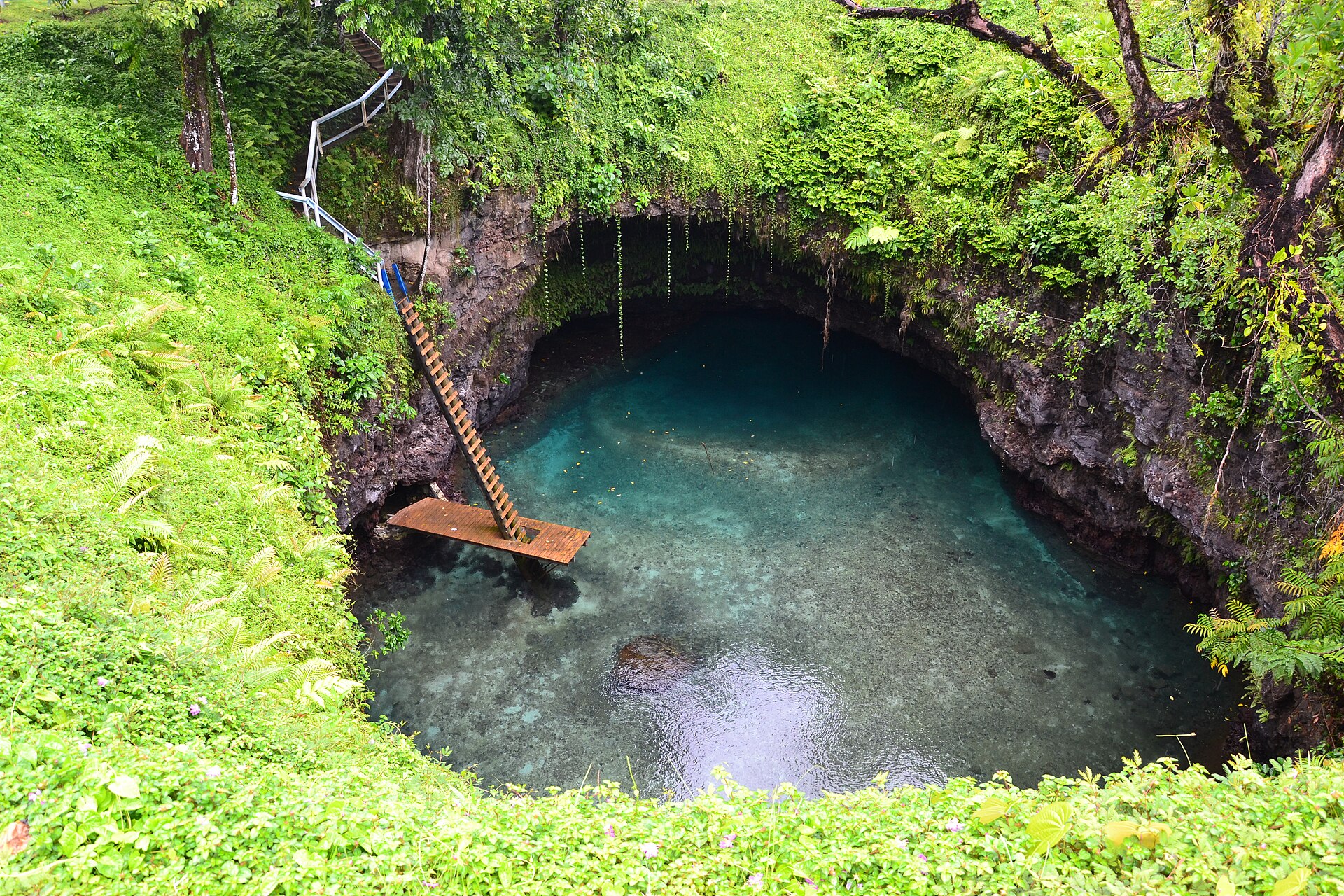
- Fuipisia Waterfall — Upolu interior
Plunging deep into a densely forested gorge, this dramatic inland waterfall showcases the raw, rugged topography of Upolu island. A narrow walking track leads visitors through tropical vegetation to vantage points where the sheer height and the roar of the water rushing over the volcanic drop can be fully appreciated.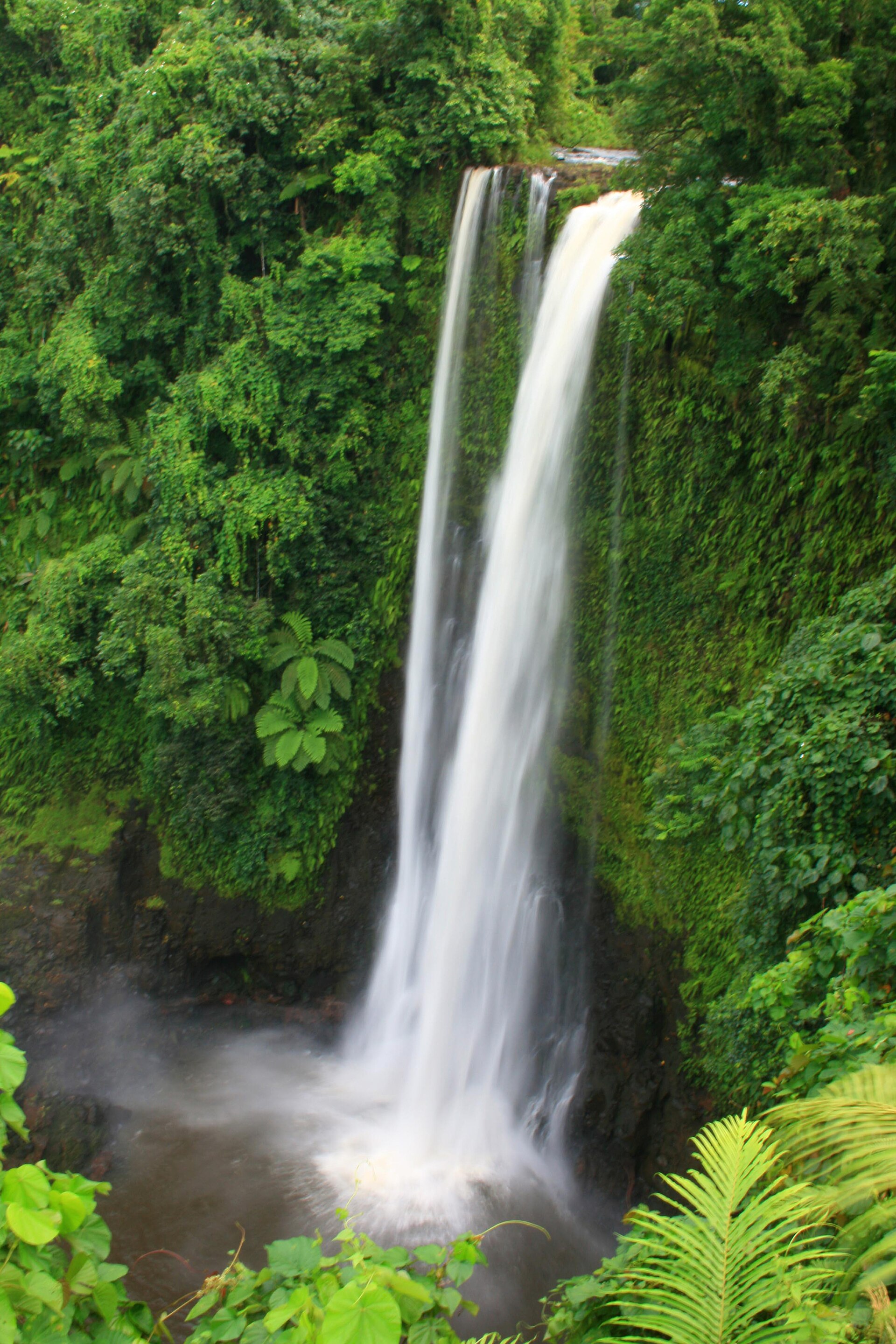
- Traditional Village Fales — Lotofaga village
Scattered throughout the settlement, traditional open-sided fales demonstrate ancient Samoan architectural design. Built with sturdy wooden posts supporting domed thatched roofs and lacking permanent walls, these communal spaces feature adjustable woven blinds, serving as the central gathering spots for family life, meetings, and resting during the heat of the day. - O le Pupu Pue National Park — South Upolu coast
Protecting a vast expanse of rugged wilderness, this protected area spans from inland volcanic peaks down to dramatic coastal cliffs. Walking trails take hikers past unique botanical features such as ancient strangler fig trees, leading eventually to powerful blowholes and sweeping lookouts over the southern ocean.
Culture
Samoan society is deeply religious, with Sunday observed as a sacred day of rest when shops and commercial activities close across the islands. Village life is carefully ordered by traditional protocols and overseen by the matai, or local chiefs, who maintain community standards and ensure that customary laws are respected. Visitors will notice distinct community rhythms, including a prayer curfew at sundown that typically lasts around half an hour. During this quiet time of evening devotion, movement through villages is paused to show respect for local custom. While city areas like Apia offer a more relaxed atmosphere, rural villages appreciate mindful travellers who take the time to understand and respect these established boundaries. Always check local guidelines with your accommodation hosts before exploring outlying paths or community spaces on foot, especially around twilight and on Sundays.
What to wear
Traditional Samoan dress reflects the practical demands of a tropical climate combined with deep cultural identity. While Western-style garments are common for daily work, formal and ceremonial occasions call for the lava-lava—a versatile wrap-around rectangular cloth worn by both men and women, often paired with tailored shirts or woven decorative mats tied around the waist as a sign of respect. For visitors navigating the warm island climate and local cultural expectations, modest attire is essential. Women should wear swimwear strictly at the beach and cover up with knee-length shorts or skirts and shirts when walking through villages, as going topless or wearing revealing clothes in public settlements is considered taboo. Light, breathable fabrics such as cotton or linen are best for coping with high humidity and daytime temperatures, and sturdy footwear or reef shoes are recommended for exploring rugged coastal paths, volcanic terrain, and rocky tidal trenches.
What to eat
- Umu — Prepared across village households and community gatherings
The traditional earth oven method where heated volcanic stones cook food slowly underneath a protective layer of banana leaves. The meal typically includes breadfruit, taro roots, fish, pork, and coconut cream parcels, resulting in a tender texture infused with a subtle, smoky flavour. - Oka — Local eateries and markets
Fresh raw fish finely diced and marinated in a refreshing blend of citrus lemon juice, rich coconut cream, salt, and crisp onions. This cooling dish is a staple of local cuisine, balancing acidity and creamy richness perfectly for a warm day. - Palusami — Traditional feasts and roadside food stalls
Young taro leaves folded into parcels filled with fresh coconut cream, onions, and pieces of taro, then slowly baked in the umu. The long cooking process turns the leaves tender and absorbs the rich coconut flavour into an unforgettable local delicacy. - Taro and Breadfruit — Central market in Apia and local food stalls
Staple root and tree crops cultivated across the island's fertile volcanic soils, served boiled, roasted, or baked as the main carbohydrate accompaniment to almost every traditional meal. - Vailima Beer — Shops, bars, and restaurants throughout the islands
The iconic local lager brewed in the country, offering a crisp, refreshing taste that makes it the preferred beverage to accompany meals or unwind after a day exploring the coastal trails.
Plan it
Best time. July and August are the coolest months with daily highs around 28.9C to 29.2C and lows of 23.0C to 23.5C, while August is the driest month with 56 mm of rain, making it ideal for exploring beaches and coastal trails.
How long. 3–4
Getting there. Fly into Faleolo International Airport on Upolu island, then take a taxi or local bus across the island toward the south coast and Lotofaga.
Budget. mid
Tips
- Carry cash for village fees, small shops, and local buses
- Arrive at attractions early in the morning to enjoy cooler temperatures
- Keep bottled water with you as tropical humidity is high
- Respect village boundaries and refrain from walking during evening prayer curfews
Etiquette
- Wear knee-length shorts and shirts when outside beach areas
- Avoid walking through villages during the evening prayer curfew
- Ask permission before entering village lands or photographing residents
Nearby
Sources
- Wikidata Q6684810 (CC0)
- Wikipedia (rev 1376759558) (CC BY-SA 4.0)
- Wikivoyage (rev 5362689) (CC BY-SA 4.0)
- Photo photos/01-fuipisia-waterfall-samoa.jpg (CC BY 2.5)
- Photo photos/02-to-sua-trench-6932911180.jpg (CC BY 2.5)

