Taga Blowholes
Taga Blowholes, Samoa
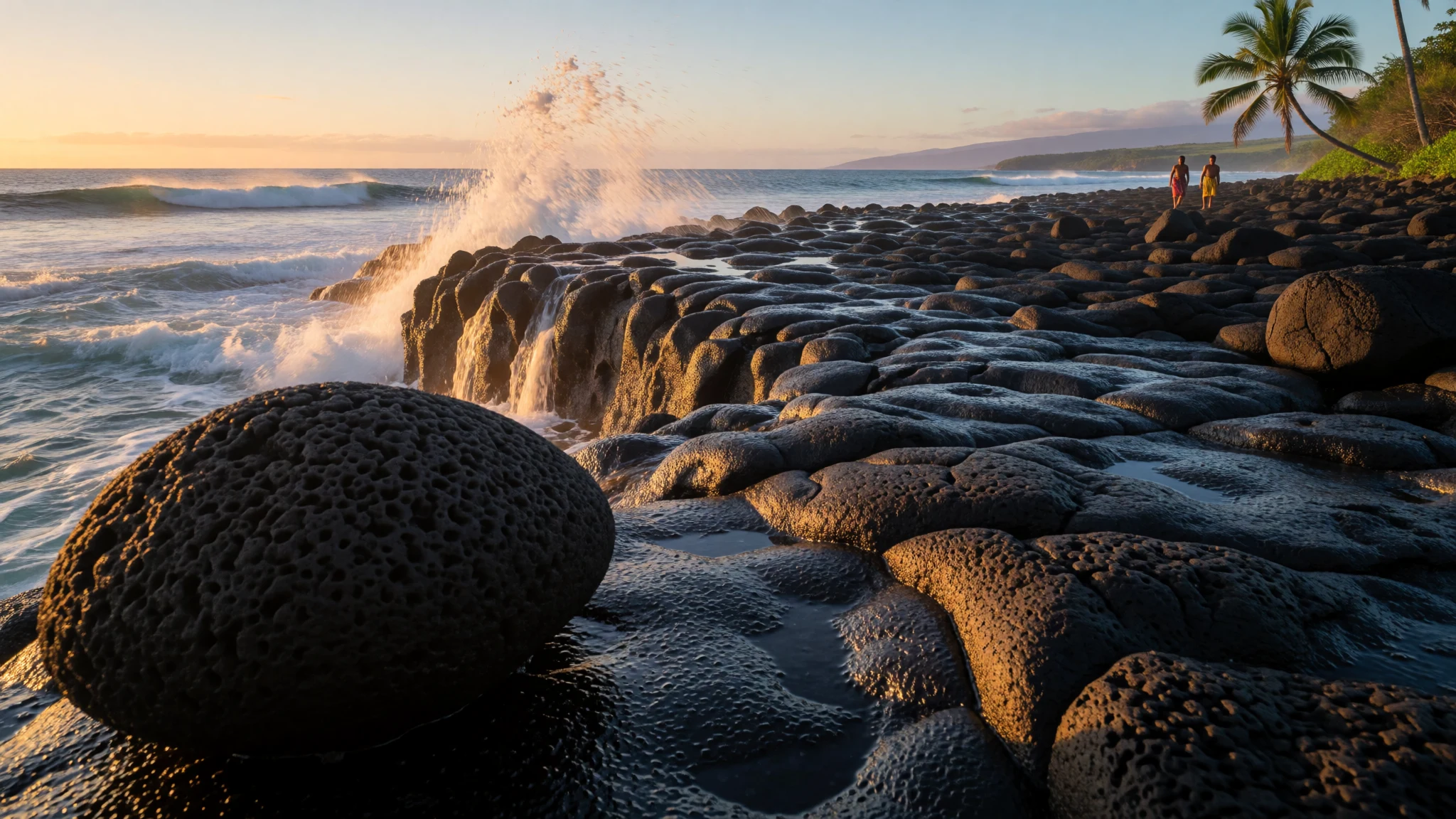
Taga Blowholes on Savai'i throw sea water skyward through black lava rock, on a clifftop the village looks after.
The place
Taga Blowholes, listed on Wikidata as Alofaaga Blowholes, lie on the south-west side of Savai'i, in the Palauli district of Samoa. The site is reached through the village of Taga, not far by road from the ferry landing at Salelologa. What draws people here is a patch of flat black lava that ends abruptly at the Pacific. Beneath that shelf, old lava flows left a network of hollow tubes running down to the waterline. When swell hits the seaward ends of the tubes, the water has nowhere to go but up, and it shoots out of the openings in tall, noisy plumes of spray before dropping back and starting again. The height varies with swell and tide, so a rough day looks quite different from a calm one. The setting is raw rather than polished. There are no railings, the rock is wet and slick, and the openings are real holes in the ground, so the place rewards care more than bravado. Because most land in Samoa belongs to families and villages under customary ownership, the village runs the site and collects a small entry fee. The amount is set locally, so carry small notes and ask at the gate. A track follows the coast westwards towards Fagaloa, a village described as ancient, for anyone wanting more than the main viewing area. Expect heat, salt on the skin and a soundtrack of booming water.
Its story
Taga Blowholes exist because of two forces that have worked on this coast for a very long time: lava and sea. Volcanic flows spread across this part of Savai'i and cooled into a flat, dark platform at the cliff edge. As the lava hardened, channels inside it drained and left tubes, some of which now open at the surface and run down to the ocean. Waves did the rest, cutting the coastline until their force could be funnelled up those passages. None of this is tied to a single dramatic date. It is slow geology that anyone can read from the rock itself. The human side of the story is about land. In Samoa most land is held under customary ownership by families and villages rather than by individuals, so a natural feature like this belongs to the community around it. Taga's villagers act as hosts, and the entry fee supports a place they look after themselves rather than a state-run park. Visitors often report a local demonstration in which a husked coconut is dropped into a vent and thrown back up by the water, a simple way of showing the power below. Whether it happens on a given day depends on who is there and what the sea is doing. The blowholes are best understood as a village's front yard, shared with strangers and watched over by the people who live beside it.
What to see
- The main blowholes — Taga, Palauli district, Savai'i
The lava shelf holds several openings, and the jets rise from them in turn as waves arrive below. From the edge of the viewing area the whole pattern is visible at once: one vent sighs, another erupts, spray hangs briefly in the sun and drains across black rock. Rough water sends the plumes much higher than flat water does.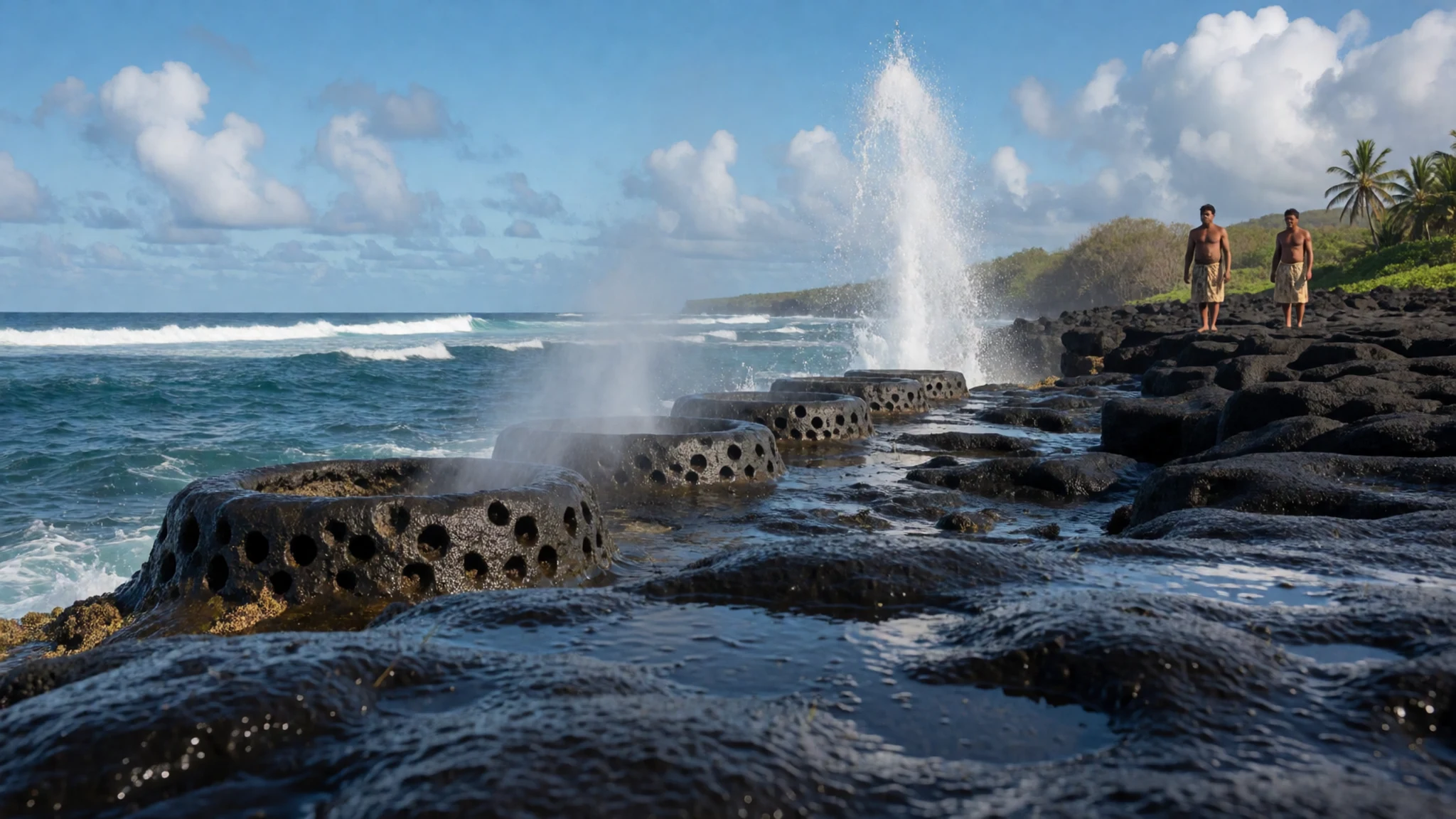
- The lava shelf and coastline — Clifftop at Taga
The platform beside the vents is cooled lava, pitted and ridged, ending at a low cliff where the ocean strikes hard. It is worth looking at the rock itself, with its dark texture, small pools and salt crust, as well as at the spray. The surface is slick underfoot, so move slowly and keep to the areas villagers use.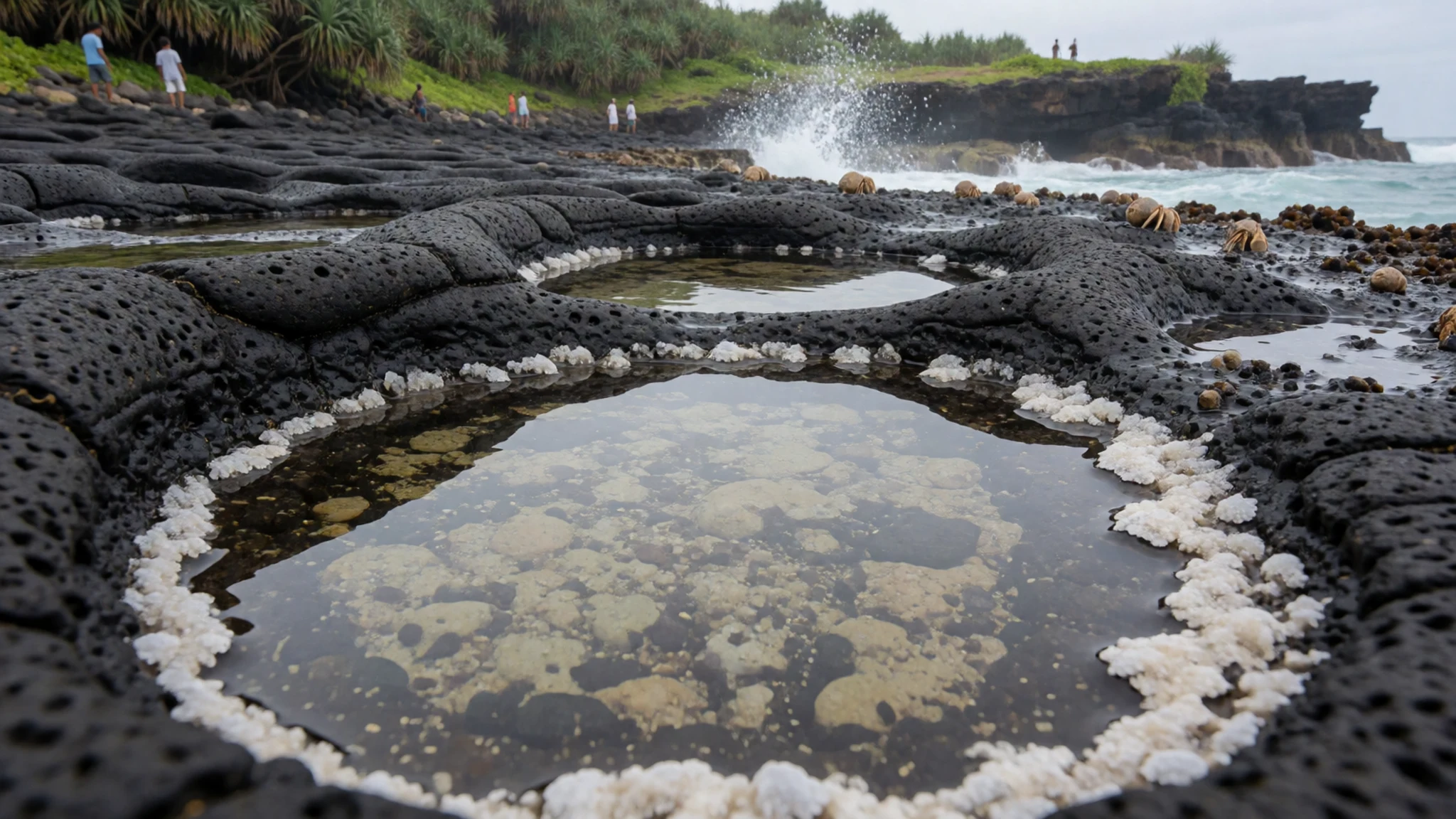
- Taga village and the entrance — Taga village
The way in runs through Taga, where the village sets the terms for visiting. Pausing at the entrance to pay, say hello and ask about conditions is part of the experience. Locals know how the sea has been behaving and where it is sensible to stand, and that advice is worth more than any sign.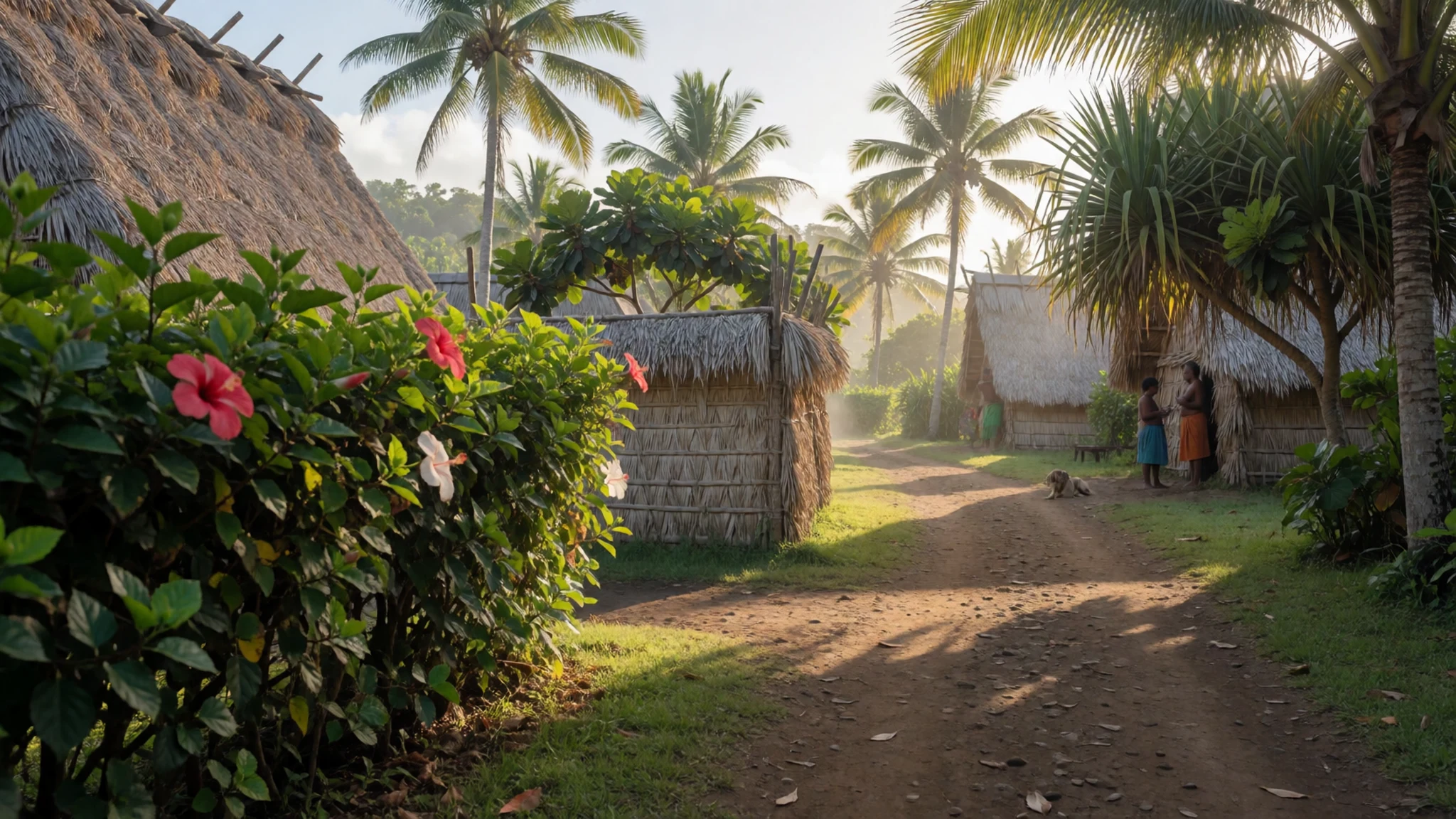
- Coastal track towards Fagaloa — West of Taga along the coast
A track follows the shoreline westwards towards Fagaloa, a village with deep roots. It suits anyone who wants to see more of the coast once the jets have been admired. Ask in Taga about the ground and the tide before setting out, and carry water, since there is little shade along the way.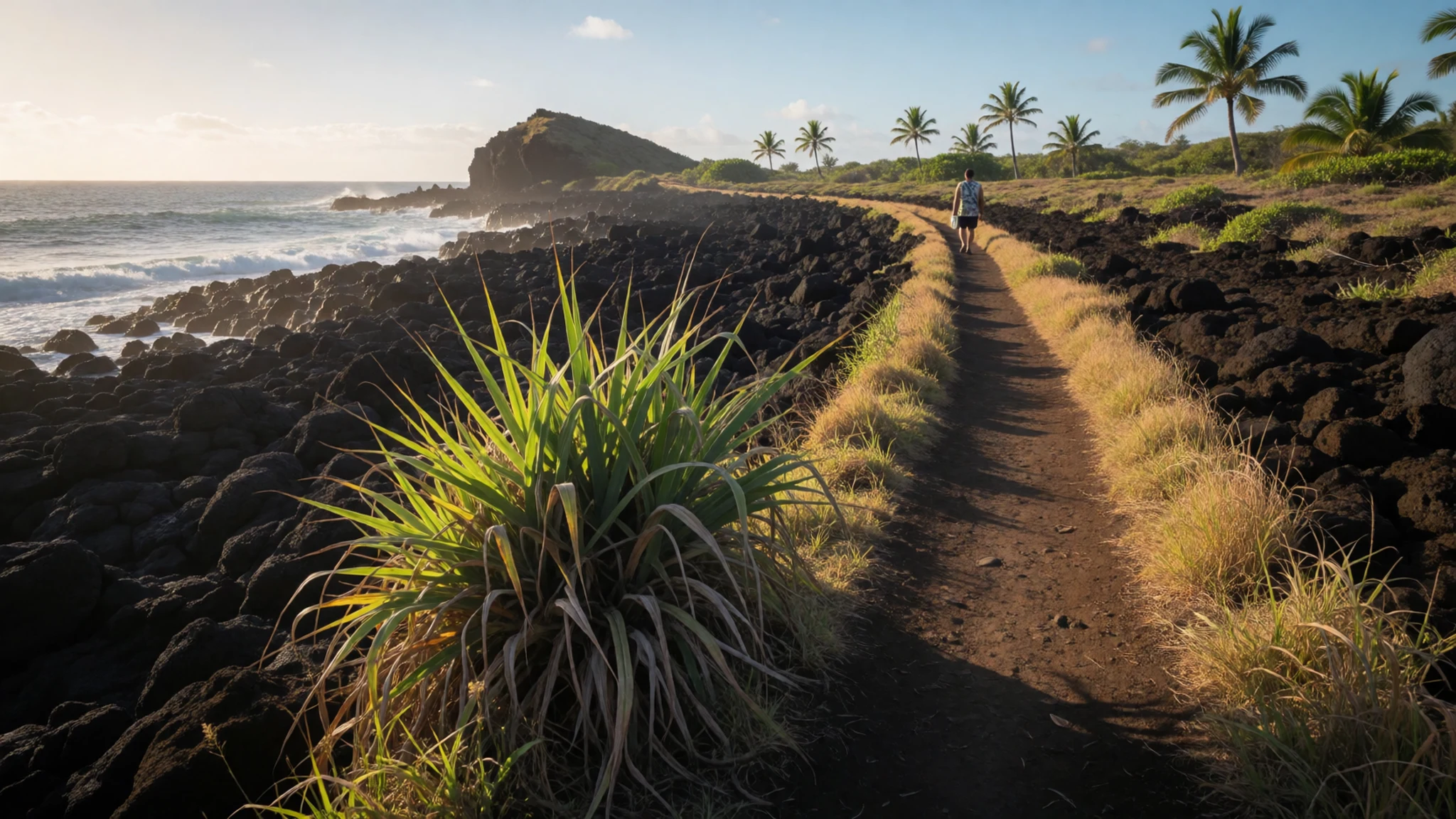
- Salelologa wharf area — Salelologa, Savai'i
Most visitors arrive at Salelologa, where the ferry from Upolu lands, and the blowholes lie to the south-west by road. The area has a market, shops and fuel, so it makes a practical place to stock up on water, small cash and snacks before heading out to the coast.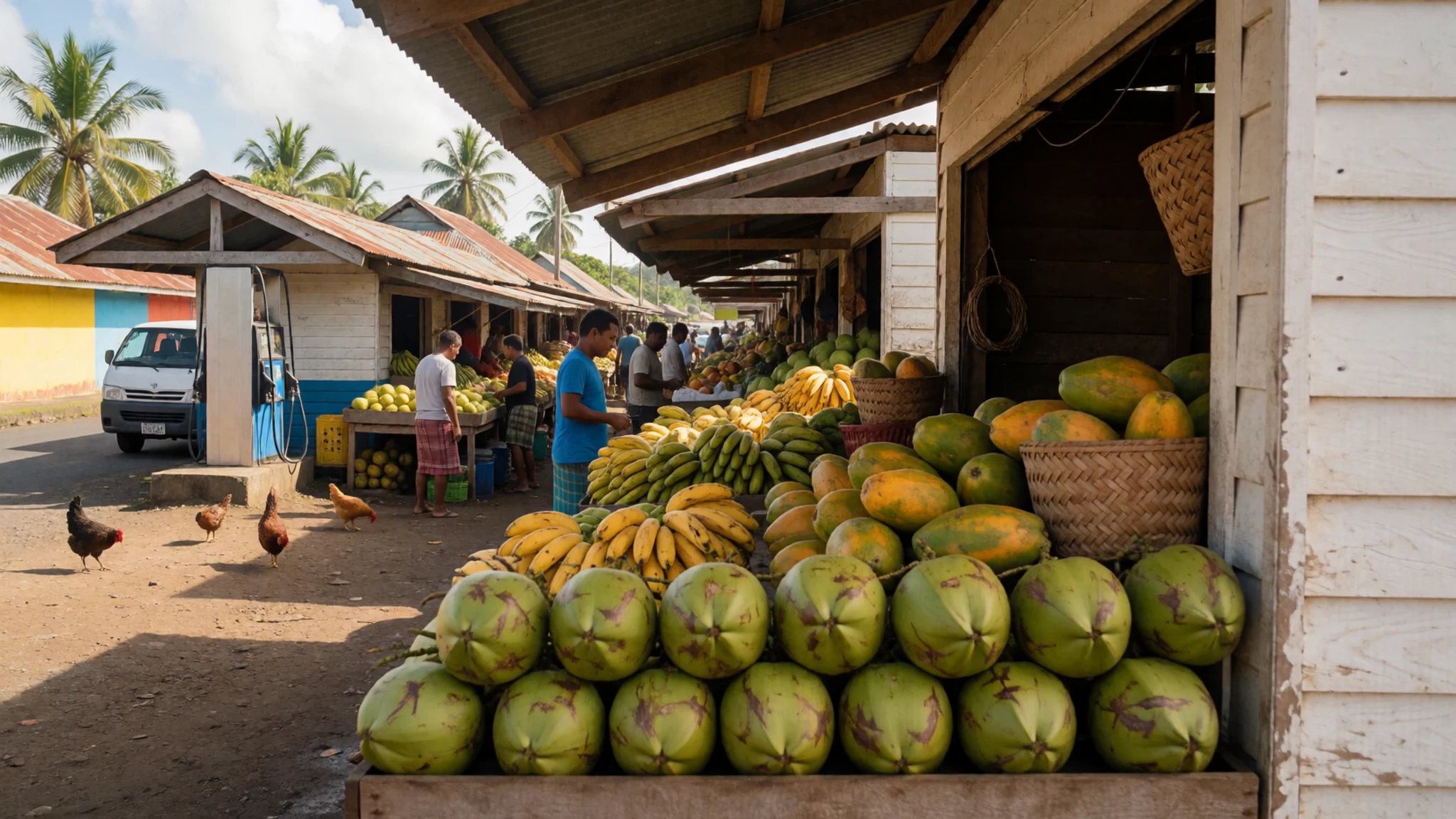
Culture
Taga Blowholes sit inside a village, and village life in Samoa follows fa'a Samoa, the Samoan way, in which family, church and chiefly authority shape the daily routine. Decisions about the site, including who may enter and what is charged, rest with the village and its matai, the title-holding heads of families, rather than with a distant office. Church is central to life. Many villages keep Sundays quiet and pause for evening prayers, so it is sensible to plan visits and road travel with that rhythm in mind. Hospitality here is real, but it is not a service industry in the usual sense. A greeting, some patience and a willingness to be guided by people on the ground go a long way. Young people may offer to show visitors around or demonstrate the coconut trick, so agree clearly what is on offer and thank them properly. Photographing the jets is welcome, but people, houses and graves are another matter and call for permission. Modest dress in the village is a form of respect, and it matters more than any rule about the cliff itself. Pay the village entry fee at the gate, ask before photographing anyone, and keep well back from the openings however good the shot might be.
What to wear
Traditional dress around Taga Blowholes starts with the lavalava, known as ie lavalava, a length of cloth wrapped at the waist and worn by both men and women. Women's formal wear is the puletasi, a matching tunic and wrap skirt, often in printed cotton. For ceremonies, families bring out ie toga, fine mats woven from pandanus leaves, which are valued gifts exchanged between families rather than worn day to day. Siapo, bark cloth made from the paper mulberry and stamped or painted with patterns, is another treasured textile. Everyday clothing now is plain and practical: T-shirts, shorts or a lavalava, rubber sandals, and on Sundays crisp white church clothes. Visitors to Taga should dress for heat, salt and wet rock. Quick-dry shorts or a light skirt with a T-shirt are fine at the cliff, but cover shoulders and knees in the village and when passing a church. Footwear matters most: choose shoes with grippy soles or water sandals with a firm strap, because bare lava is sharp when dry and slick when wet. Bring a hat, sunscreen and a thin waterproof layer, since spray drifts across the shelf. Smooth-soled fashion trainers and loose flip-flops are best left in the car.
What to eat
- Palusami — Family umu meals and roadside stalls around Salelologa
Taro leaves wrapped around coconut cream, sometimes with onion, and baked in an earth oven until soft and rich. It turns up at Sunday meals and family gatherings, and its savoury sweetness suits a day of walking in the sun.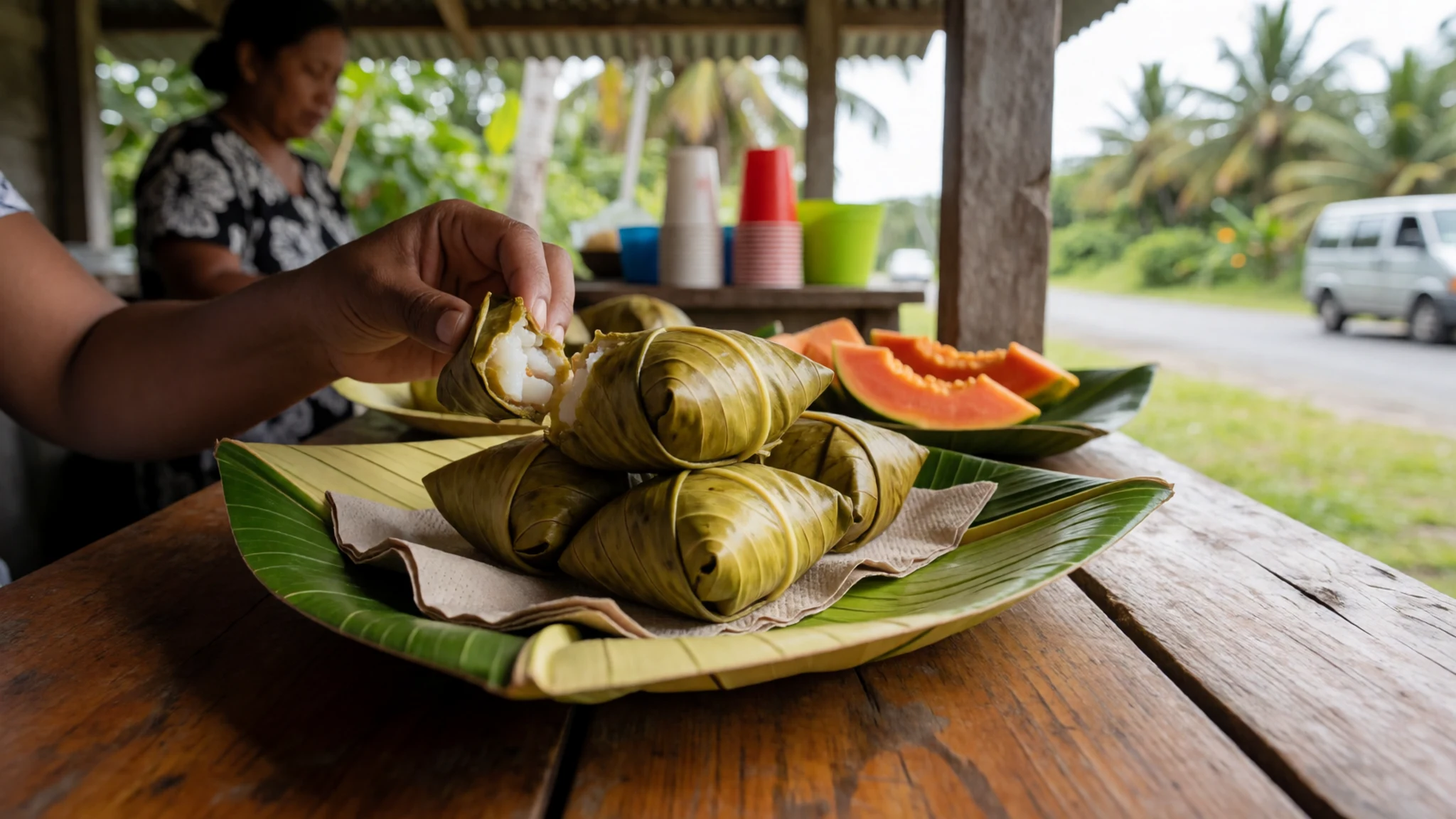
- Oka — Village eateries and the market near Salelologa wharf
Raw fish marinated in lime juice and mixed with coconut cream, onion and often cucumber or tomato. It is bright, cool and fresh, a good answer to the heat after a morning on the lava.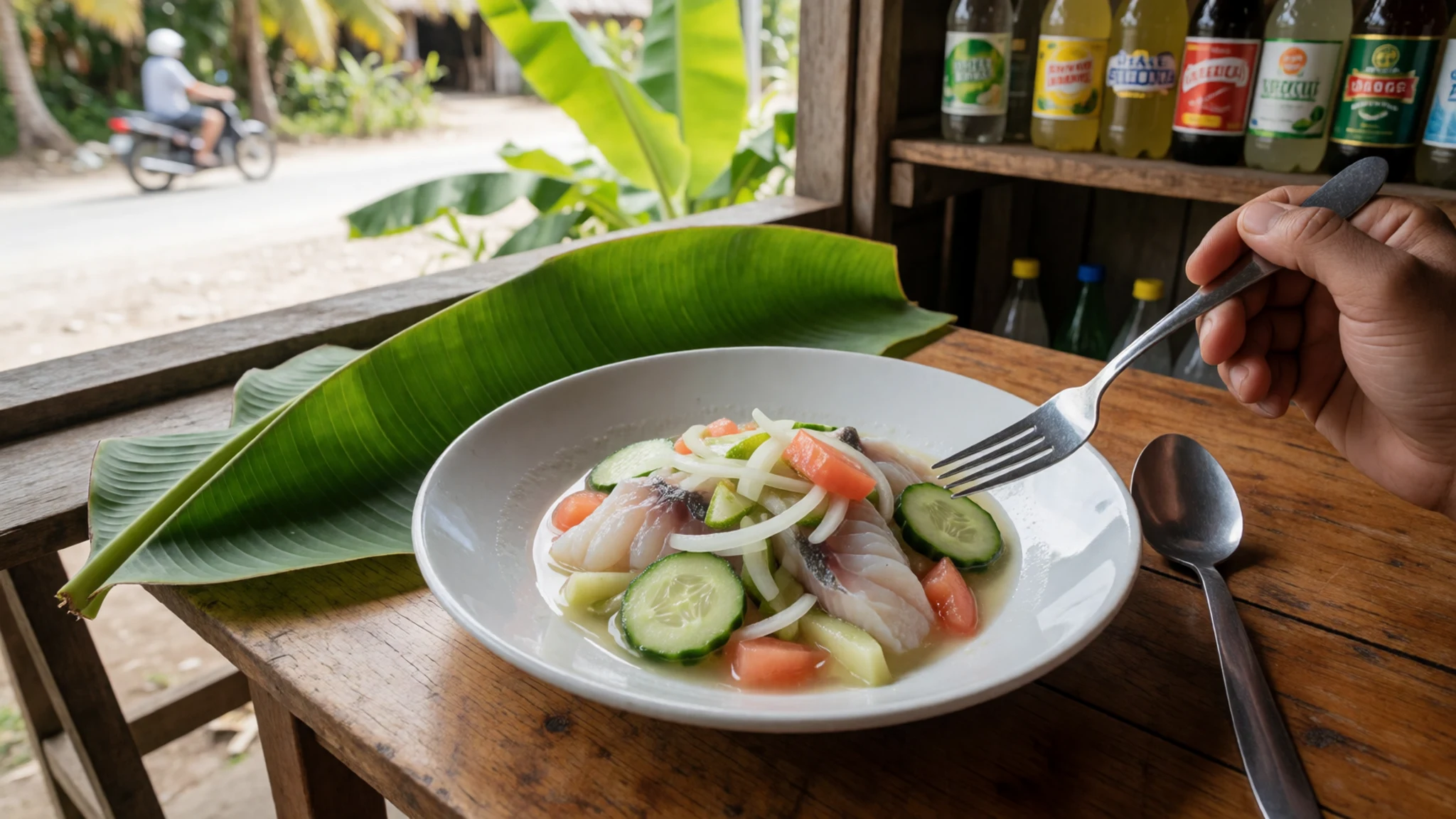
- Taro and breadfruit — Umu lunches in villages and small eateries along the main road
These starchy staples are boiled, baked or roasted and served beside fish, chicken or tinned meat. Breadfruit is soft and slightly nutty, taro denser and earthier. Together they make the plain, filling base of a village lunch. - Panipopo — Bakeries and small shops in Salelologa
Soft sweet buns baked in a sauce of coconut cream and sugar, so the tops go sticky and the bases soak it up. They travel well in a bag, which makes them a handy snack for the road to Taga. - Fresh coconut (niu) — Roadside stalls and villagers near the blowholes
A green coconut opened with a bush knife gives cool, lightly sweet water and soft flesh to scrape out afterwards. It is the simplest and most sensible drink after time in the sun on the exposed clifftop.
Plan it
Best time. The drier months, roughly May to October, are the easier choice for roads, walking and sun on the lava. November to April is hotter, wetter and the cyclone season, and rain can make the rock far more slippery. The jets depend on swell, so check conditions with locals on the day.
How long. 1–2
Getting there. Fly to Samoa's international airport on Upolu, then take the ferry across to Salelologa wharf on Savai'i. From there the blowholes are a drive south-west to the village of Taga, by hire car, taxi or local bus. Check the operator's site for ferry schedules.
Budget. mid
Tips
- Carry small notes for the village entry fee, because change may not be available
- Go in the morning for cooler air and softer light on the spray
- Wear shoes with real grip and keep well back from the openings
- Bring drinking water and sun protection, as there is little shade or shop on site
- Buy fuel and supplies in Salelologa before driving out
Etiquette
- Pay the village entry fee and greet people at the entrance
- Ask before photographing people or their homes
- Dress modestly in the village and keep Sundays quiet
Nearby
Sources
- Wikidata Q4734168 (CC0)
- Wikipedia: Alofaaga Blowholes (rev 1294045051) (CC BY-SA 4.0)
- Blowholes Savai'i 2009, Sarah Kelemen, via Wikimedia Commons (CC BY 2.5)
- Samoa Blowholes, Plenz (assumed), via Wikimedia Commons (CC BY-SA 2.5)
- Wikivoyage (CC BY-SA 4.0)

