Samoa
Samoa, Samoa
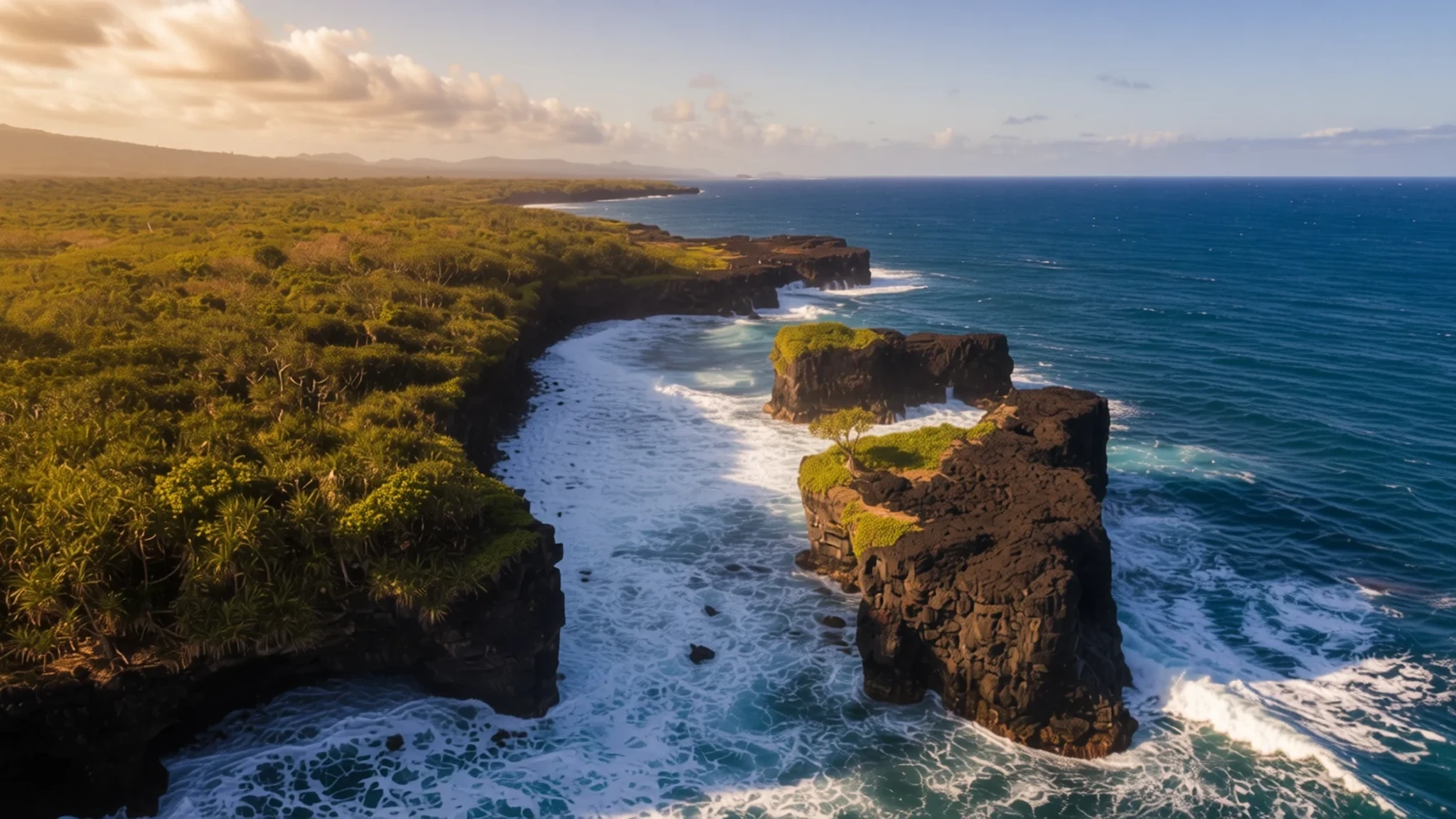
Samoa offers lagoon beaches, lava coasts and a living village culture on islands where custom still shapes daily life.
The place
Samoa is an island country in Polynesia, in the South Pacific, with about 200,000 people. Two large islands, Upolu and Savai'i, hold nearly everyone, while Manono and Apolima are smaller inhabited islands in the strait between them. Several uninhabited islets sit off the eastern tip of Upolu. The capital and largest town is Apia, on Upolu's north coast, a low, easygoing harbour town of government buildings, markets, churches and a busy waterfront.
The country is remote. American Samoa lies close to the east, while Tonga, Fiji, Niue and Tokelau are all a flight away across open ocean. Hawaii is a very long way north-east. That isolation explains much of the character here: self-reliant villages, strong church life and a language and chiefly system that have survived outside influence.
Upolu is the easier island. It has the airport, the capital, sheltered beaches, waterfalls with swimming pools below them and the southern coast's lava cliffs and national park trails. Savai'i is larger, quieter and rawer, with lava fields from the eruptions of Mt Matavanu, blowholes that throw spray through volcanic rock, rainforest and long stretches of road with few shops. Accommodation ranges from simple beach fales, open-sided huts with mats and mosquito nets, to a handful of resorts.
The time zone is UTC+13:00, so Samoa is among the first places to see each new day. Travellers from India or the UK should expect a long journey, usually via Auckland, Sydney, Nadi or Honolulu, and a pace of life that rewards slowing down rather than ticking off sights.
Its story
Samoa's islands are volcanic, built by hotspot activity over millions of years, and the lava fields and craters of Savai'i show that the process is not finished. People arrived much later. The Lapita, seafaring ancestors of many Pacific peoples, reached the islands roughly 3,500 years ago. Human remains found at the Lapita site at Mulifanua, reported in 1974, are dated to between about 2,900 and 3,500 years ago.
From these settlers grew a Samoan language and a distinct identity. Oral genealogies and archaeology both point to constant voyaging and intermarriage with Fiji and Tonga, and European explorers later called the whole group the Navigator Islands in recognition of Samoan seamanship. Samoan tradition is rich in gods and heroes: Tagaloa appears in creation stories, and Nafanua is remembered as a goddess of war, daughter of Saveasi'uleo, ruler of the spirit world Pulotu.
Colonial rule came late. Germany took control in 1899 after the Tripartite Convention, creating German Samoa. In August 1914, at the start of the First World War, New Zealand troops occupied the colony without a fight and German administration ended. Chiefs such as Mata'afa Iosefo and the orator Lauaki Namulau'ulu Mamoe feature in photographs from this period, the latter shown being taken into exile aboard a German warship. Samoa became independent in 1962, and the independent state is the one visitors find today.
What to see
- Apia waterfront and government buildings — Apia, Upolu
Apia is the place to get oriented. The harbour front, the government buildings, the clock tower area and the central market are all within an easy walk. Go early, before the heat, and look at the churches, which dominate the town on Sundays when congregations dress in white.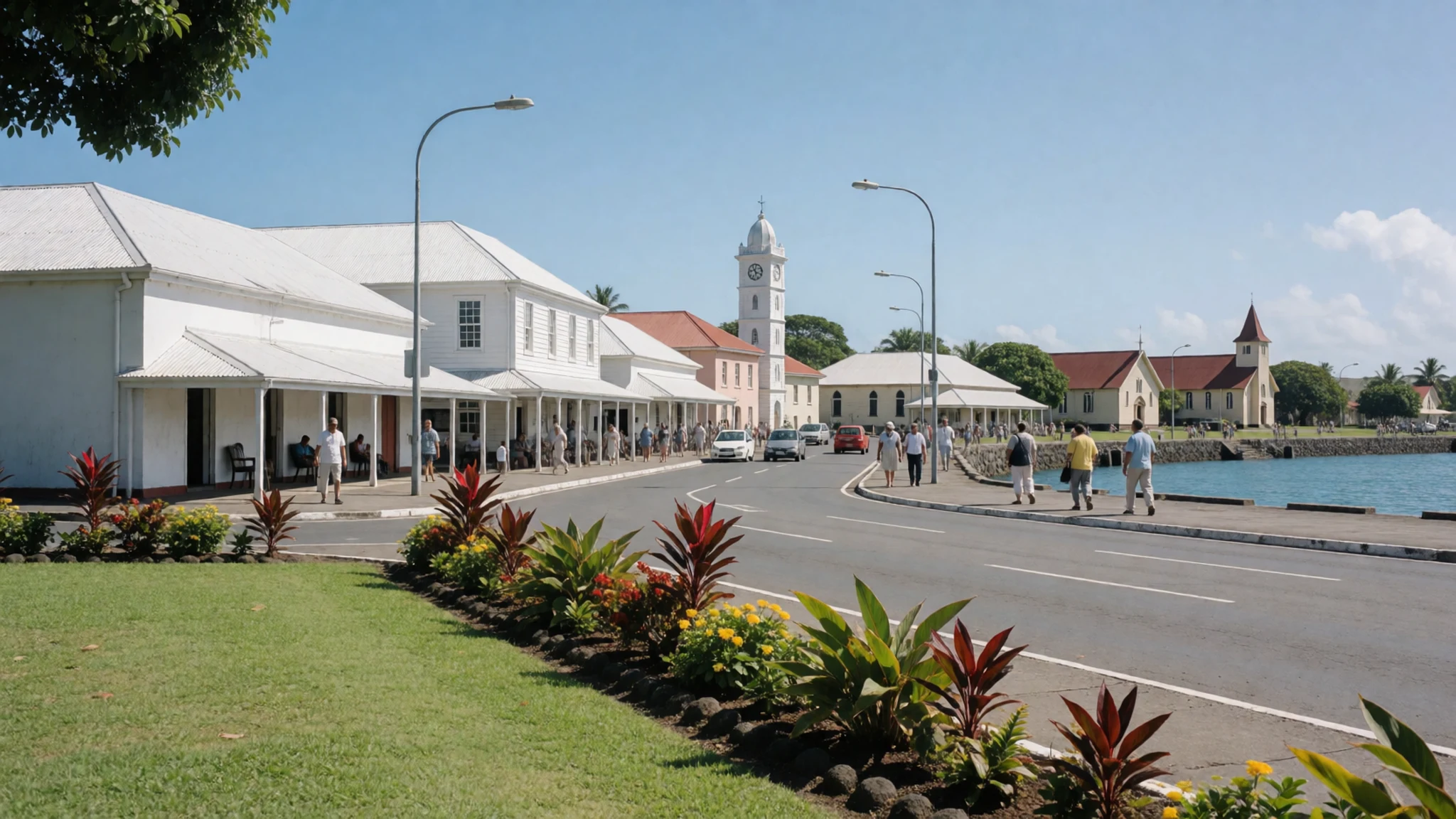
- Upolu beaches — Southern and eastern Upolu
Upolu's coastline has sheltered lagoons and pale sand beaches, many of them attached to a village that owns the shore. Expect to pay a small access fee in places and ask before swimming or setting up. Snorkelling is best in calm water at high tide, away from reef edges.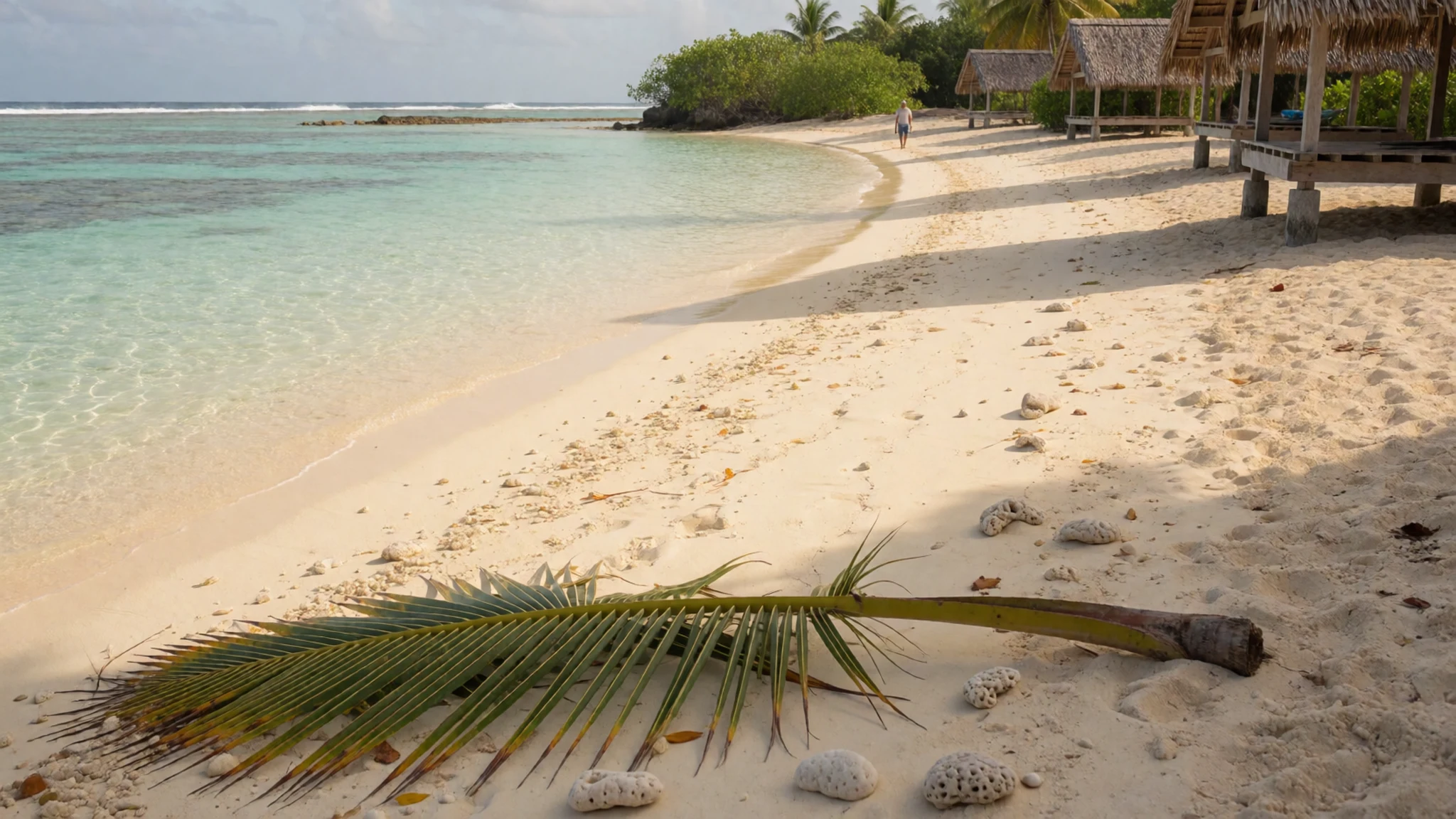
- Waterfalls and sliding rocks — Upolu interior
The interior of both main islands has waterfalls, some with long drops. Those on Upolu are easier to reach. Papase'ea Sliding Rocks has only a gentle drop, but algae-covered stone makes a natural slide into a pool. Wear sandals with grip and avoid the falls after heavy rain.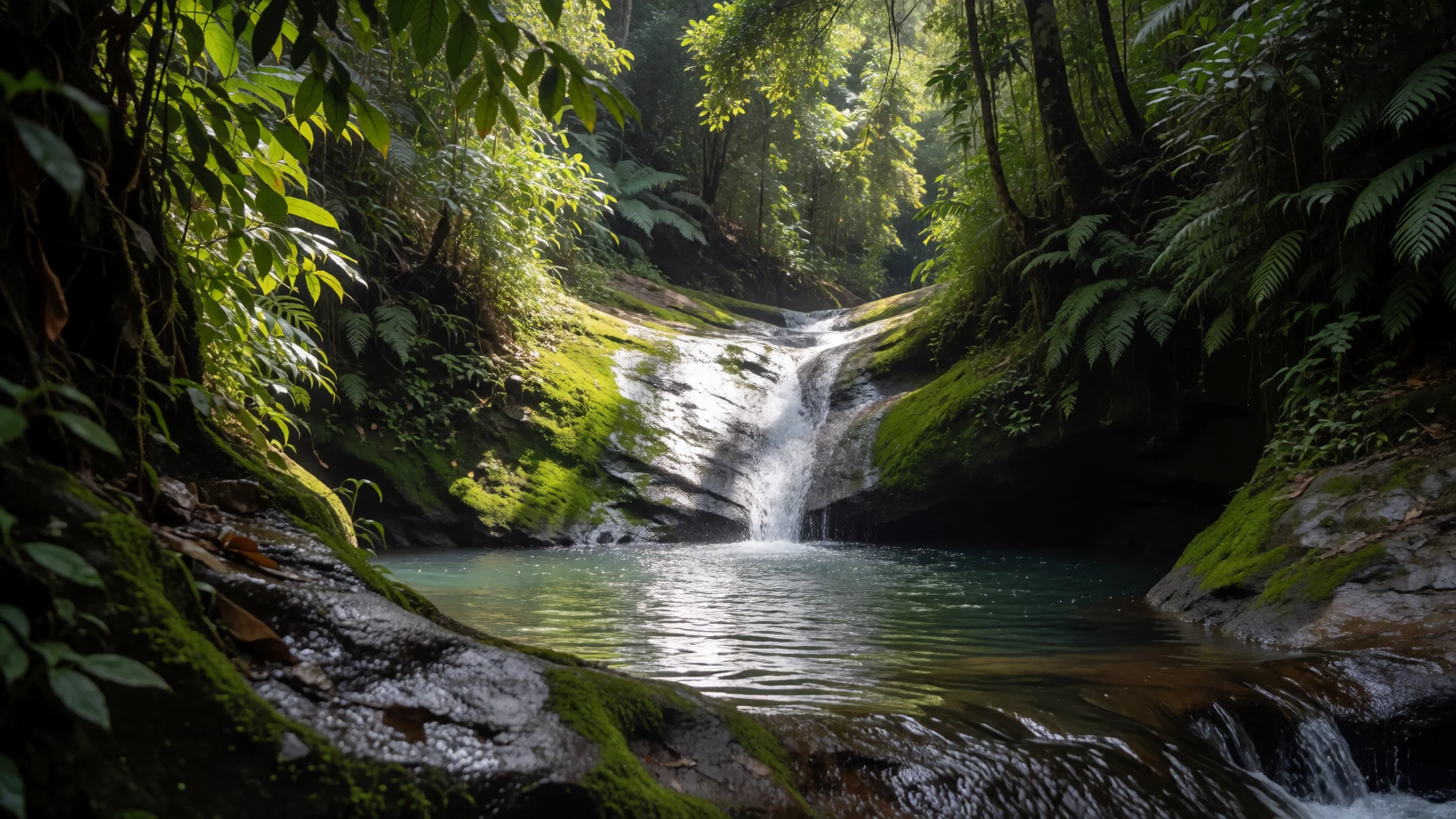
- O le Pupu Pue National Park — South coast, Upolu
On Upolu's southern side this park combines forest walking with the Togigoiga Waterfalls, the Ma Tree and a coastal lava cliff walk. Surf pounds the black rock below the path. Go with plenty of water, and check conditions locally because tracks get slippery.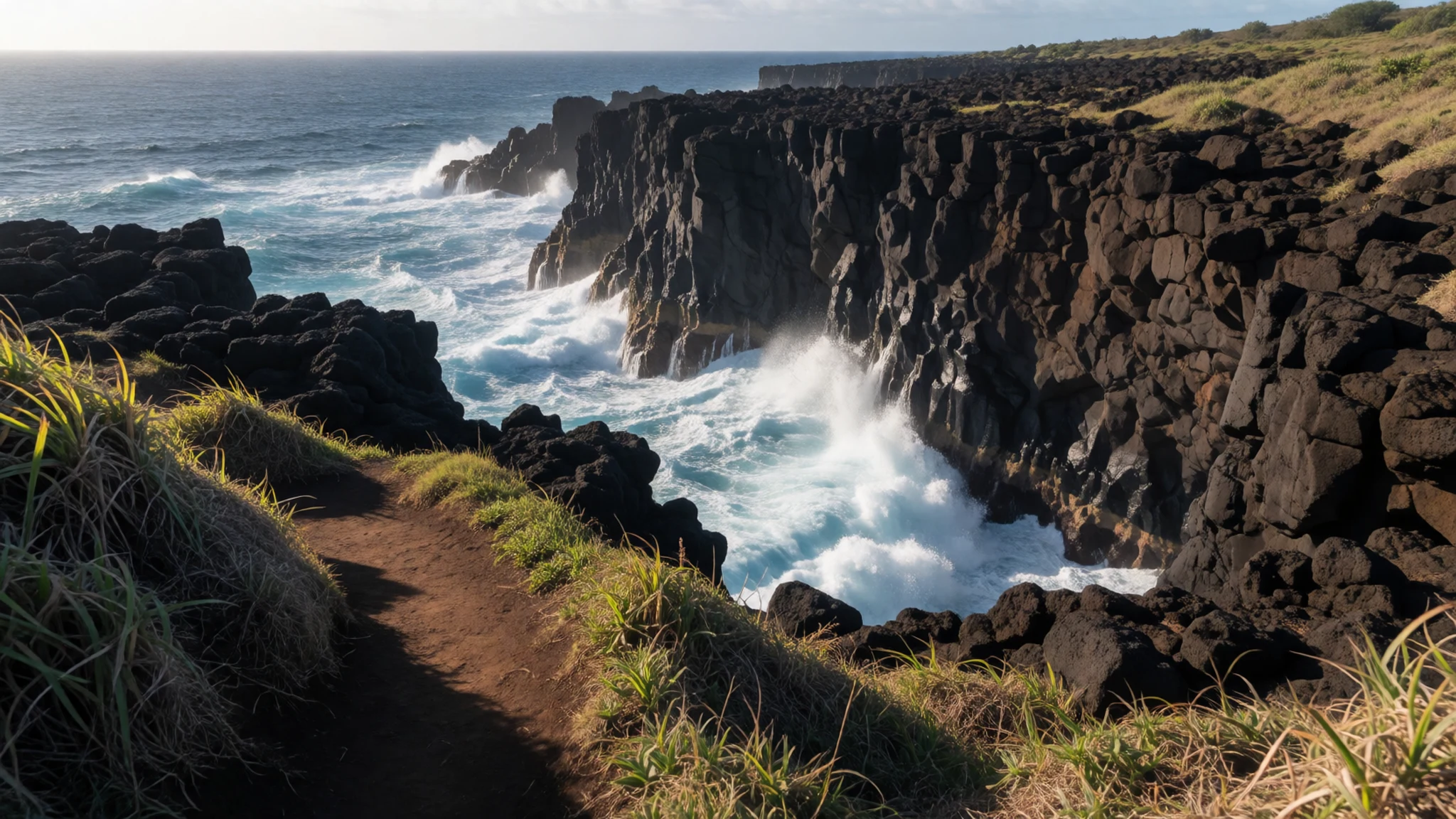
- Savai'i lava fields and blowholes — Savai'i
Savai'i is the wilder island. Mt Matavanu's eruptions left wide fields of black lava rock, and along the coast the sea forces water up through volcanic tubes to make blowholes. Hire a driver or rent a car, as distances are long and public transport is sparse.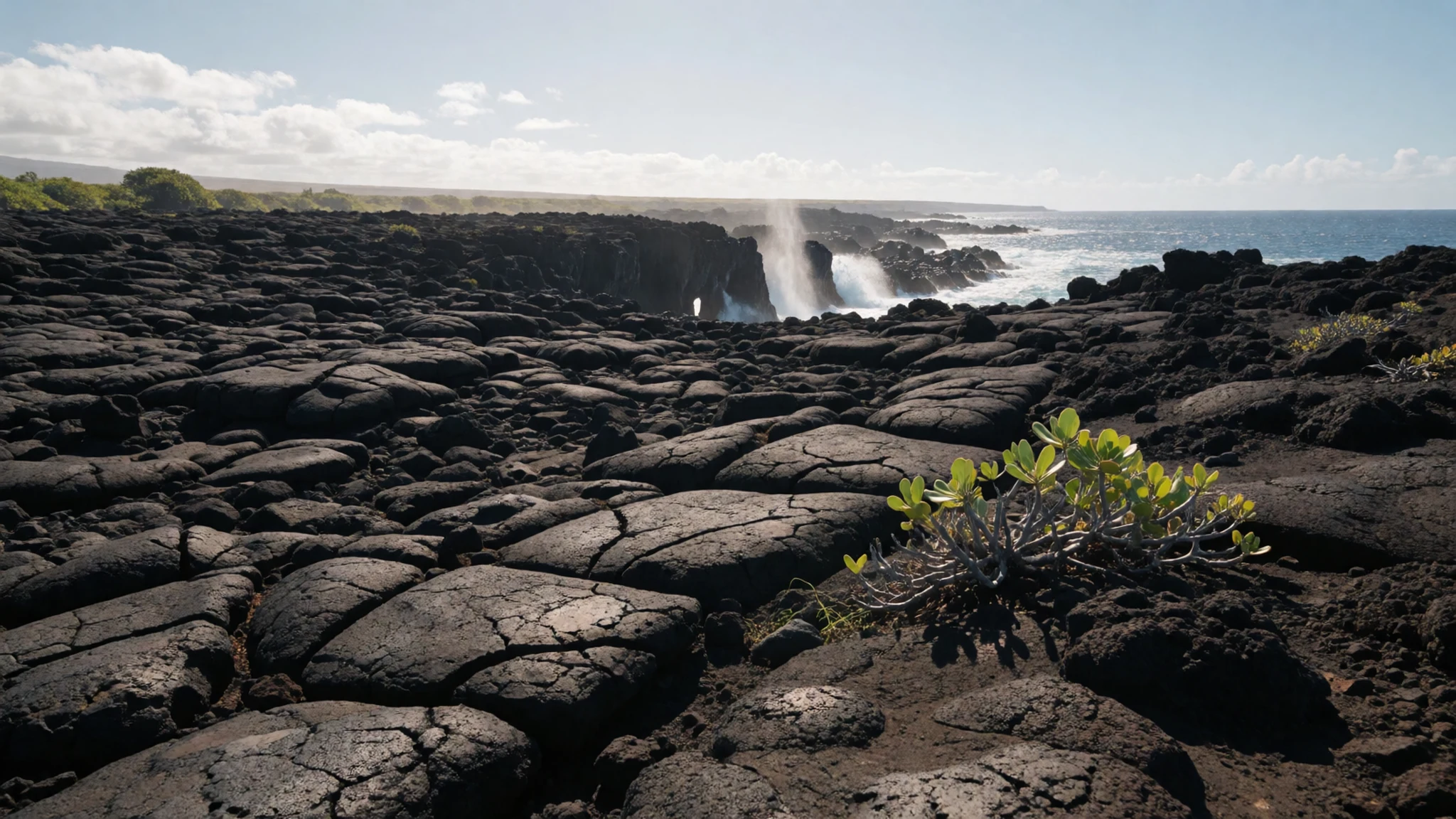
- Falealupo Rainforest Preserve — Western Savai'i
On Savai'i, the Falealupo preserve has a short canopy walkway among the treetops, and visitors can even sleep in the trees. Lake Lanoto'o on Upolu offers a different kind of oddity, where introduced goldfish have grown remarkably large. Both are better with a local guide.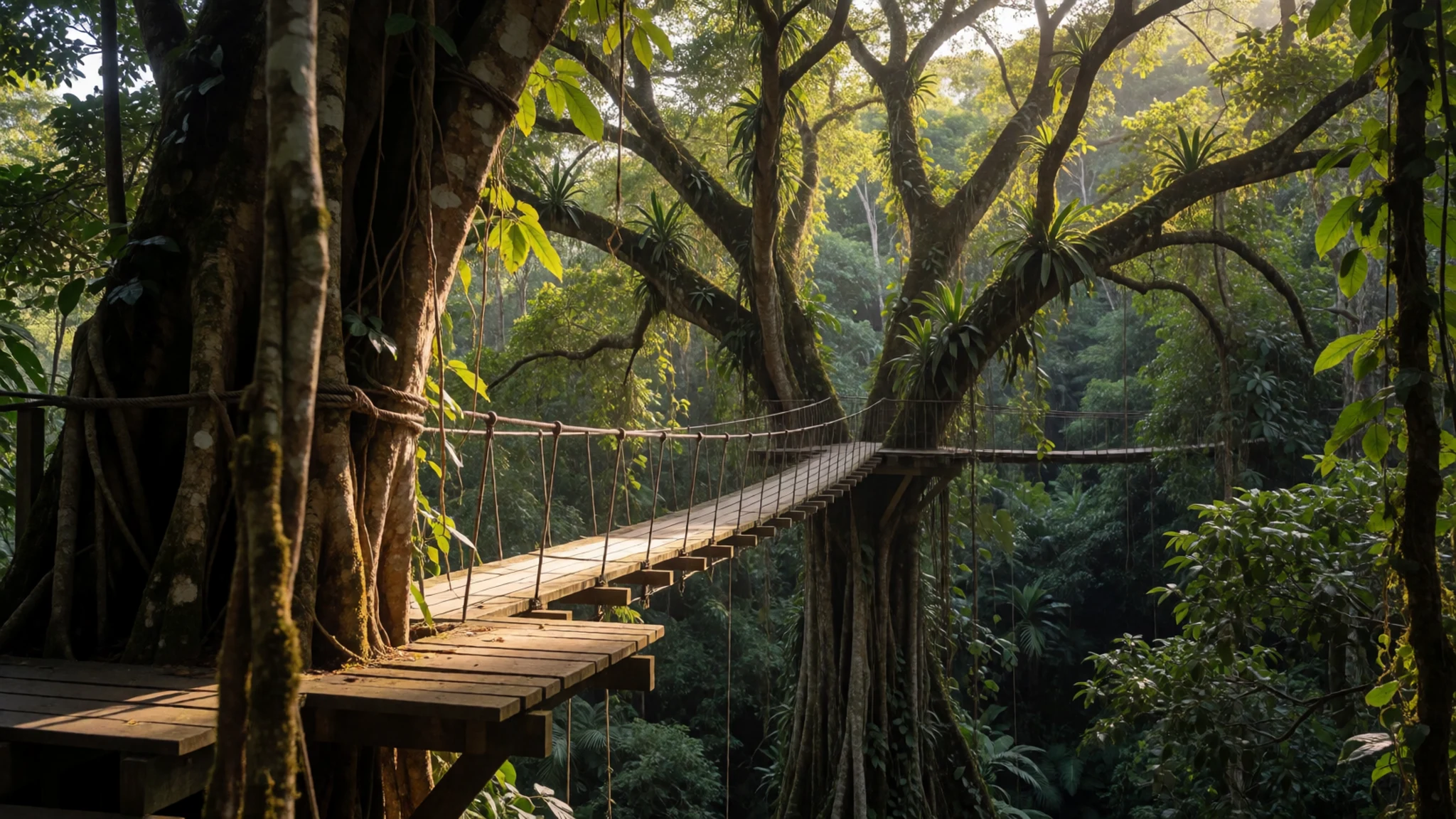
Culture
Fa'a Sāmoa, the Samoan way, is the framework of life in Samoa. It developed over about 3,000 years and has carried on through centuries of European contact, keeping its language, social order and political system largely intact. Villages are run by councils of matai, chiefs who hold titles on behalf of extended families, and decisions are made collectively.
The 'ava ceremony, in which a drink made from kava root is prepared and shared in a set order, marks serious occasions, including the bestowal of matai titles. Speeches follow strict forms and are delivered by orators carrying staffs or fly whisks. Finely woven mats called 'ie toga are valued heirlooms and are exchanged at weddings, funerals and title ceremonies.
Church is central. Sundays are for services and family meals, and many villages observe a short evening curfew for prayer, when people stay in and quiet falls. Hospitality is generous, and visitors are often fed first. Families commonly carry food when they travel, and generosity is returned in kind.
Generations live together, and respect for elders runs through every interaction. Humour and music are everywhere, especially in choirs, where church singing is powerful and harmonised. Stories of Tagaloa and Nafanua remain part of how Samoans describe their origins.
When visiting a village, ask permission first, dress modestly, and sit cross-legged on the mat rather than pointing your feet at anyone, and keep quiet during evening prayers.
What to wear
Traditional Samoan dress centres on the lavalava, a wraparound cloth for men and women, and for men the 'ie faitaga, a tailored version worn with a shirt, often for church and formal events. Women wear the puletasi, a matching tunic and skirt, usually in bold printed cotton. Fine mats, 'ie toga, woven from pandanus leaves, are worn at ceremonies as wraps and exchanged as gifts. Siapo, bark cloth painted or stamped with patterns, is used for ceremonial and decorative purposes, and flower and shell necklaces are common at celebrations. The traditional tattoo, the pe'a for men and malu for women, is a respected rite of passage.
Everyday dress now is practical and tropical: lavalava or shorts, T-shirts, and rubber sandals, called slippers locally. On Sundays and for church, people dress in their best, often all in white, and men may wear a shirt and a lavalava. Office workers in Apia wear light shirts and skirts, sometimes in puletasi, and uniforms are the norm for school.
Visitors should pack light, quick-drying cotton for the heat and humidity, with a rain jacket for showers. Swimwear is for beaches and resorts, not for walking through villages, where shoulders and knees should be covered. Bring a lavalava, easily bought locally, and sandals with grip for waterfalls and wet rock, and reef shoes for snorkelling over coral.
What to eat
- Umu feast — Village Sunday meals and beach fale stays
The umu is the traditional earth oven. Stones are heated in a fire, then food such as breadfruit, taro, green bananas, fish and pork is laid on them and covered with banana leaves to cook slowly. Sunday family meals and village celebrations are the best places to try it.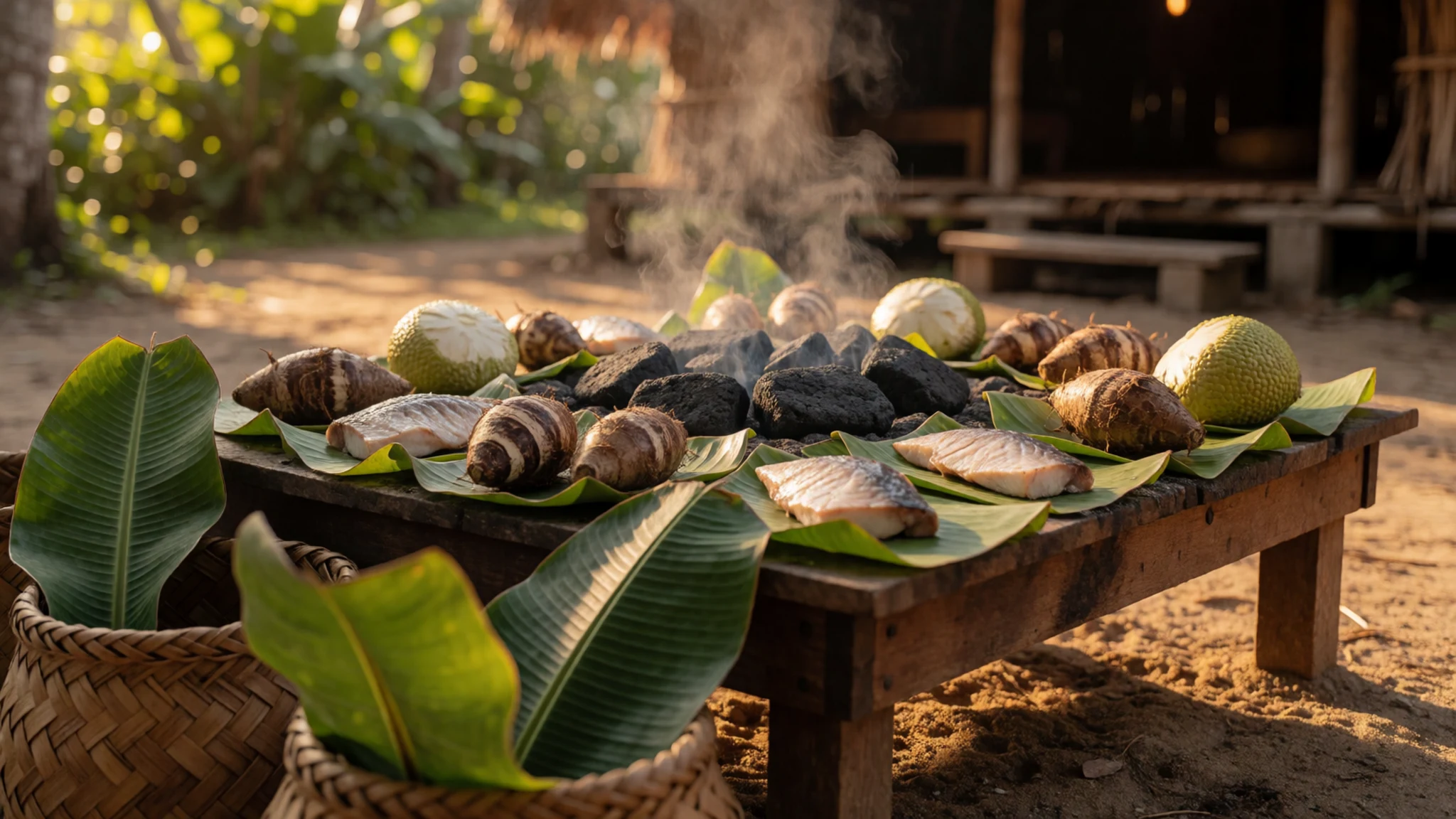
- Oka — Apia waterfront eateries and beach fales
Oka is raw fish cut into small pieces and marinated in citrus juice, coconut cream, salt and finely chopped onion. It is fresh, cool and mild rather than spicy, and similar in spirit to ceviche. Order it as a starter or light lunch.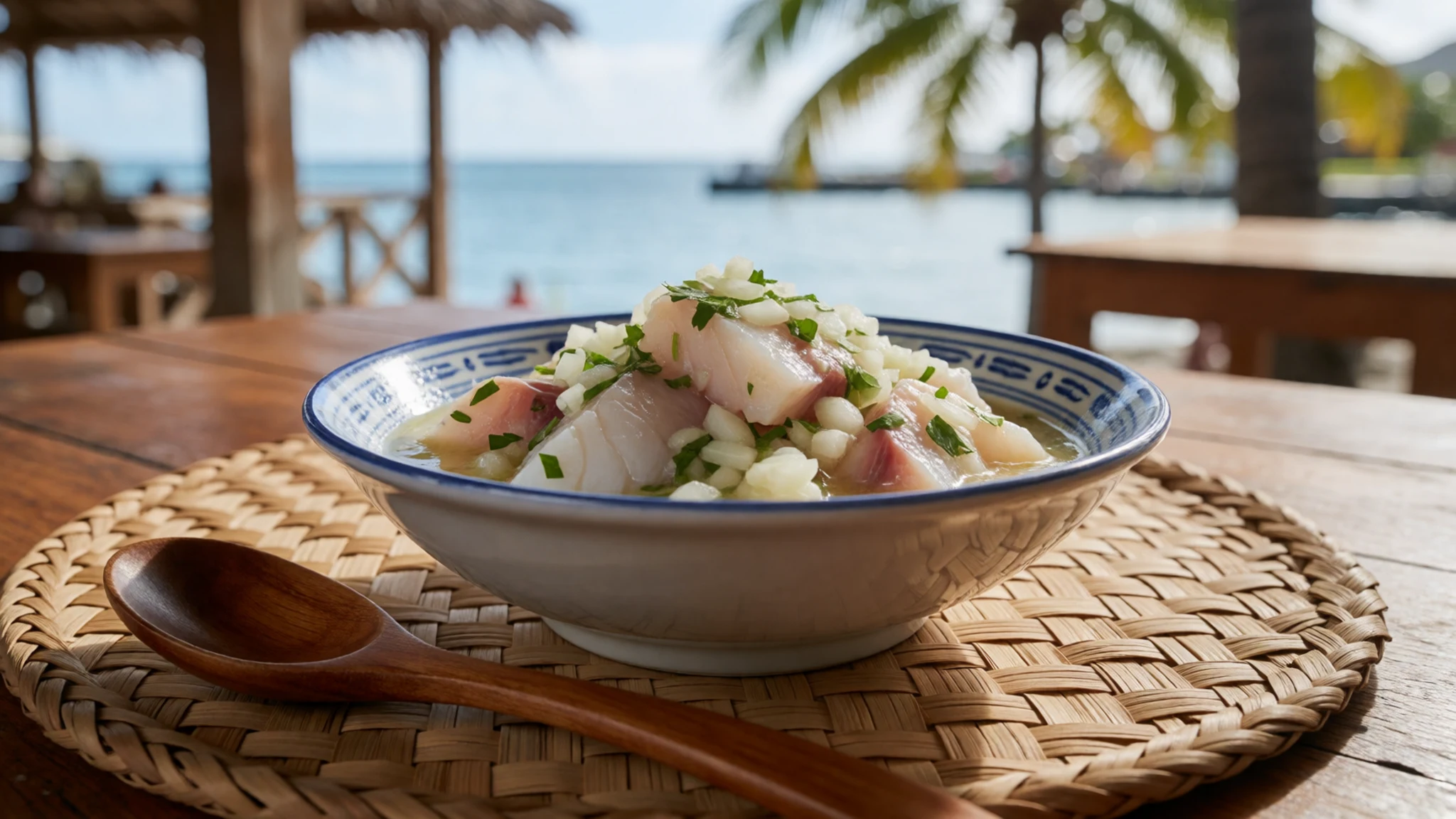
- Palusami — Village feasts and the central market in Apia
Palusami is made by wrapping coconut cream in taro leaves and baking it, often in the umu. The result is rich, soft and savoury, usually served alongside root vegetables and meat or fish at feasts and family meals.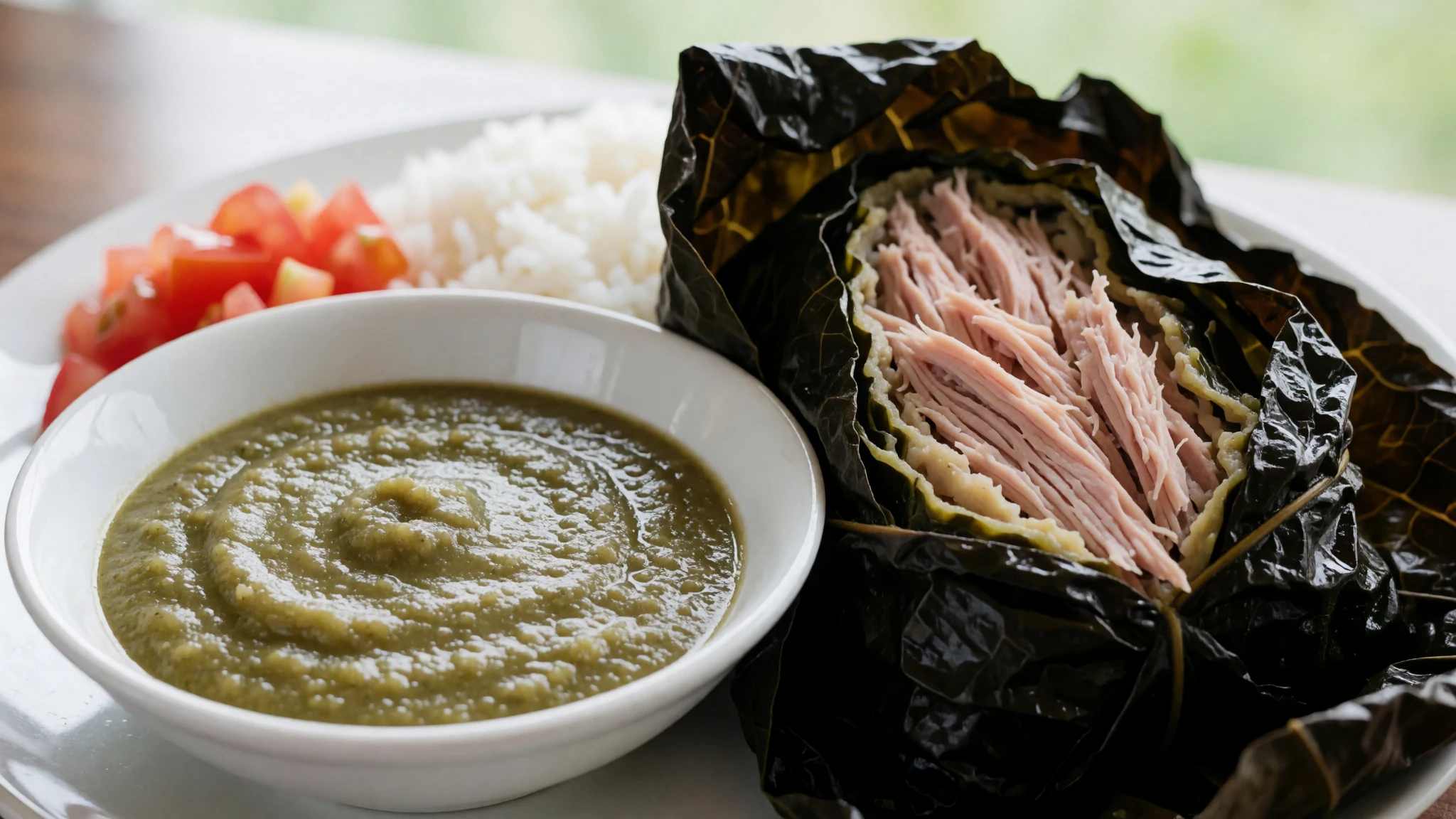
- Taro and breadfruit — Apia market and roadside stalls
Starchy staples sit at the centre of most meals. Taro, called talo, and breadfruit are boiled, baked or roasted, and eaten with fish, pork or chicken. Samoan food is lightly seasoned, so these root crops carry the plate. - Fresh coconut and tropical fruit — Apia market and roadside stalls across both islands
Drinking coconuts are sold cheaply and opened with a machete on the spot. Bananas, papaya, pineapple and mangoes in season are sweet and plentiful, and make an easy breakfast or snack between walks and swims.
Plan it
Best time. May to October is the drier, cooler season, with less rain and humidity, which suits beaches and walking. The wetter months, roughly November to April, bring heavy showers and cyclone risk, though prices can be lower.
How long. 7–10
Getting there. Faleolo International Airport (APW) on Upolu is about 45 minutes by road from Apia. Air New Zealand flies from Auckland, Fiji Airways from Nadi and Honolulu, and Qantas and Virgin Australia also serve the route. Taxis and hotel transfers meet flights; for Savai'i, take a ferry across the strait or a short flight.
Budget. mid
Tips
- Check the official government site (http://www.samoagovt.ws/) for current entry rules: a visa is generally not needed for short stays, but a passport valid for six months, an onward ticket and proof of funds are required
- Arrive in daylight if flights allow, since many arrive at awkward hours
- Carry cash for villages, markets and small beach fales, where cards are often not accepted
- Carry drinking water, sun protection and insect repellent
- Hire a car or driver for Savai'i, where distances are long
Etiquette
- Ask the village before swimming or entering a beach, and pay any access fee
- Keep quiet and stay put during evening prayers
- Dress modestly in villages and at church
Nearby
Sources
- Wikidata Q683 (CC0)
- Wikipedia: Samoa (rev 1382253203) (CC BY-SA 4.0)
- Wikivoyage: Samoa (rev 5362689) (CC BY-SA 4.0)
- Photo: Beach on Upolu Island, Samoa, 2009 (CC BY-SA 2.0)
- Photo: 3 Samoan girls making ava 1909 (Public domain)
- Photo: Robert Louis Stevenson's birthday fete, Samoa 1896 (Public domain)
- Photo: Samoan paramount chief Mata'afa Iosefa, 1896 (Public domain)
- Photo: Lauaki Namulau'ulu Mamoe and other chiefs aboard German warship (Public domain)
- Photo: Samoa - Apia Govt buildings (CC BY 3.0)
- Photo: Samoa waterfall scenery (CC BY-SA 4.0)
- Photo: Map of Samoa (CC BY 3.0)


