Sydney
Sydney, Australia
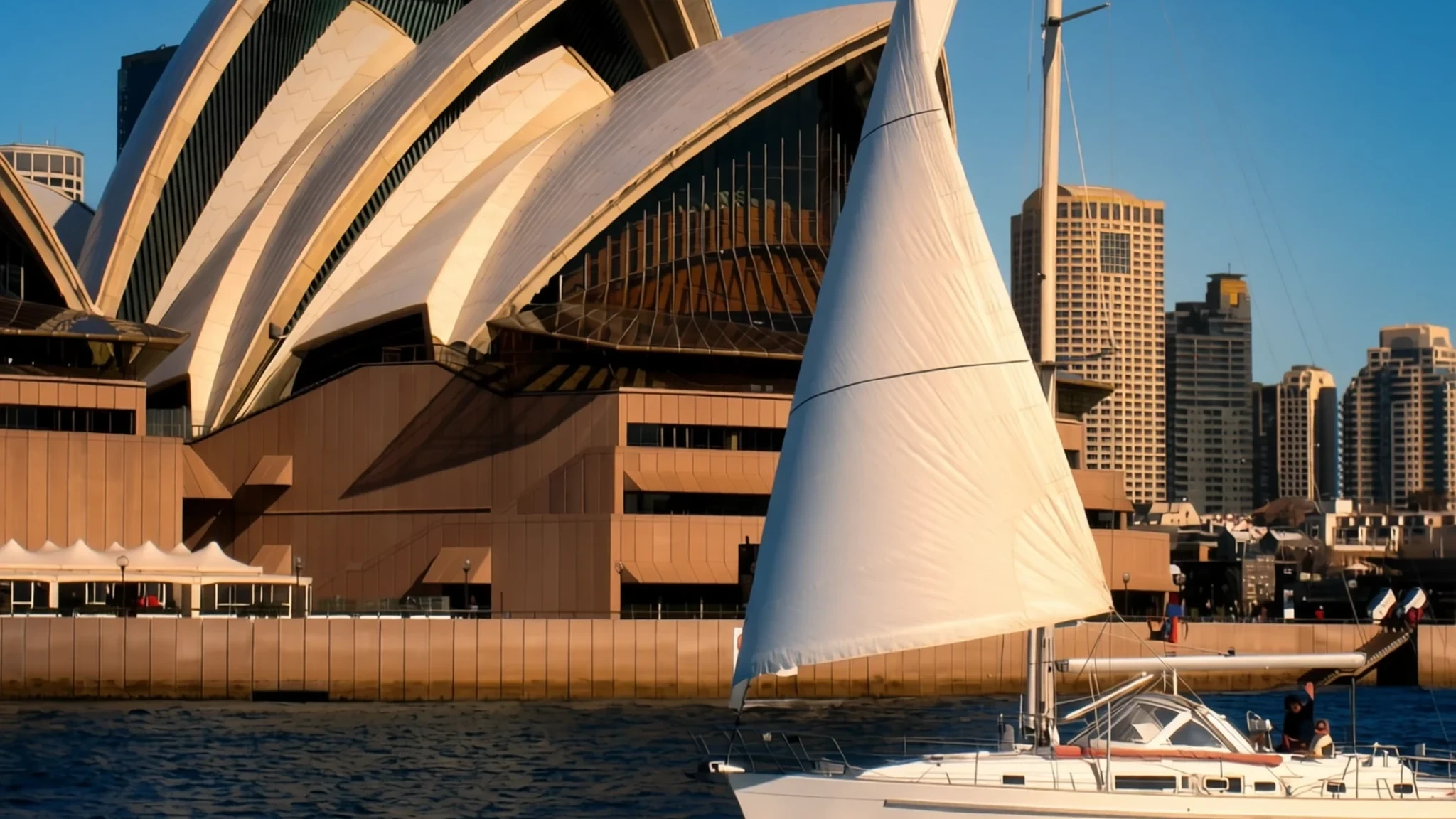
Surrounding a magnificent natural harbour, Sydney pairs world-class coastal walks and sandy beaches with a dynamic culinary and cultural scene.
The place
Sydney serves as the capital of New South Wales and stands as the largest metropolis in Australia. The city wraps around the sparkling inlets of Sydney Harbour, stretching outward toward the Pacific Ocean on the eastern side and reaching the rugged expanses of the Blue Mountains in the west. To the north lie protected bushlands and rivers, while national parks and southern suburbs frame the lower boundaries of the urban area. Within this vast coastal basin, millions of residents—widely known as Sydneysiders—occupy hundreds of distinct suburbs managed across dozens of local government areas. Affectionate nicknames such as the Harbour City and the Emerald City reflect the maritime geography and subtropical greenery that define the place.
Water shapes every aspect of daily life here. Ferries slice across deep blue bays, commuters gaze out at iconic architecture from ferry wharves, and surfers flock to famous ocean strands just minutes from the dense commercial centre. Yet beneath the modern skyline of glass towers and sandstone Victorian facades lies an ancient landscape. The traditional custodians of the region belong to the Dharawal, Eora, and Darug nations, whose deep connection to the coastal soils and waterways stretches back tens of thousands of years before the arrival of British colonists in the late eighteenth century.
Its story
Long before European vessels entered the Pacific, Aboriginal communities thrived across the greater Sydney basin, sustained by rich marine ecosystems and diverse forests. Archaeological investigations across regional gravel sediments suggest human presence stretching back tens of thousands of years. Coastal clans relied heavily on line fishing, spear-fishing from bark canoes, and gathering shellfish along the rocky shores, while hinterland groups focused on hunting forest animals and harvesting native plants.
Society was organised through complex kinship networks, rich ceremonial practices, and deep spiritual traditions tied to ancestral beings. Different language groups gathered periodically for initiations, trade, and cultural exchanges, bringing together thousands of people across the region. This ancient way of life was radically disrupted when British ships arrived in the late eighteenth century to establish a penal colony. Under the leadership of naval officers, tents and timber huts rose along the fresh water stream of Sydney Cove, displacing local clans from traditional fishing grounds and freshwater sources. Despite rapid urbanisation, the physical landscape still holds profound reminders of its first inhabitants, from weathered rock engravings hidden in sandstone overhangs to ancient shell middens scattered along tidal estuaries.
What to see
- Sydney Opera House & Harbour Bridge — City Centre & Circular Quay
The definitive symbols of the metropolis. Stroll along the bustling foreshore of Circular Quay to admire Jørn Utzon's soaring shell structures, then climb or walk across the mighty steel arch of the bridge for sweeping panoramas across the entire waterway.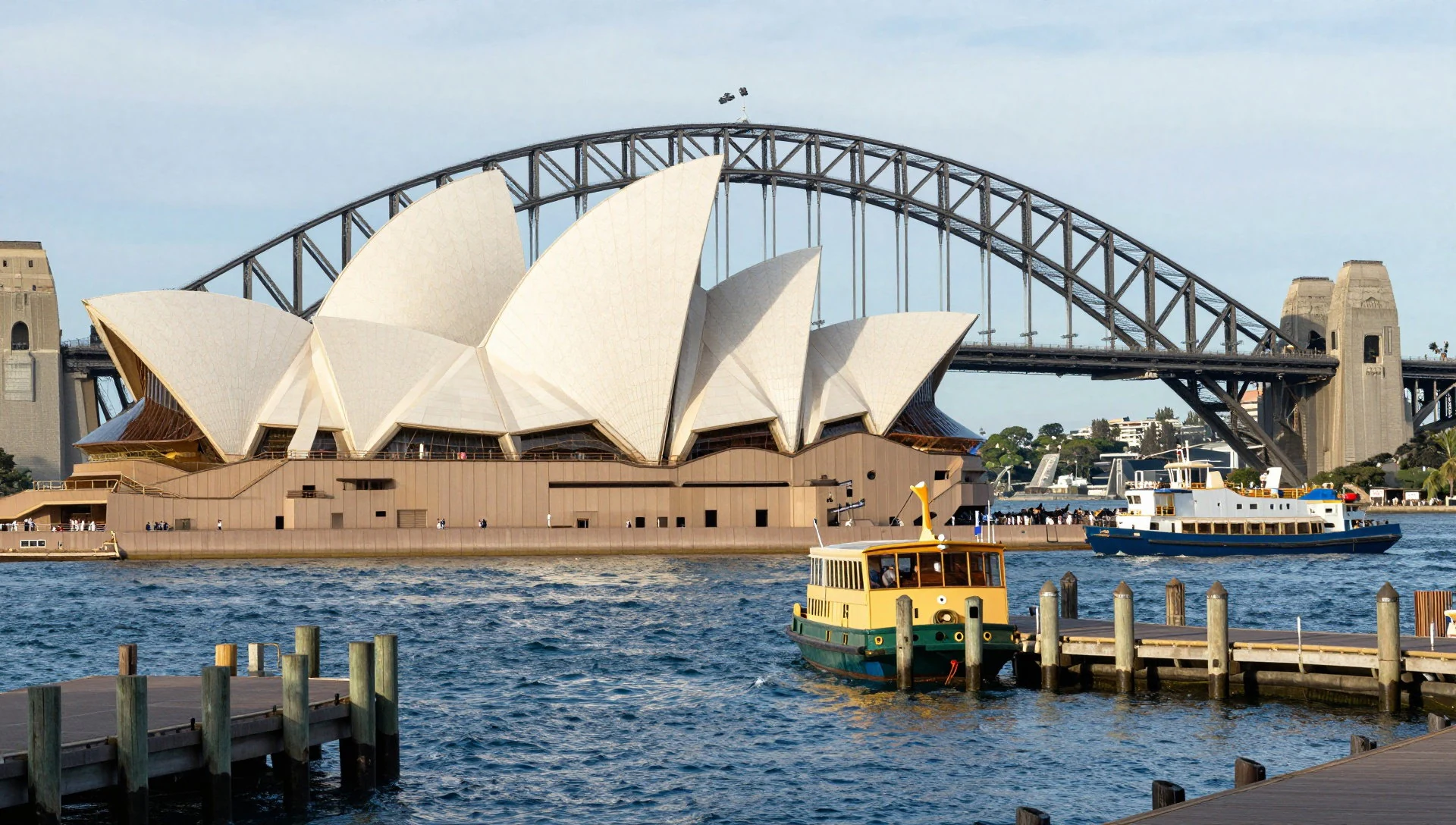
- The Rocks — Historic District, north of CBD
Sydney's oldest historic neighbourhood sits directly beneath the southern approach of the bridge. Wander through narrow cobblestone laneways flanked by restored sandstone cottages, atmospheric pubs dating back to colonial days, and lively weekend artisan markets.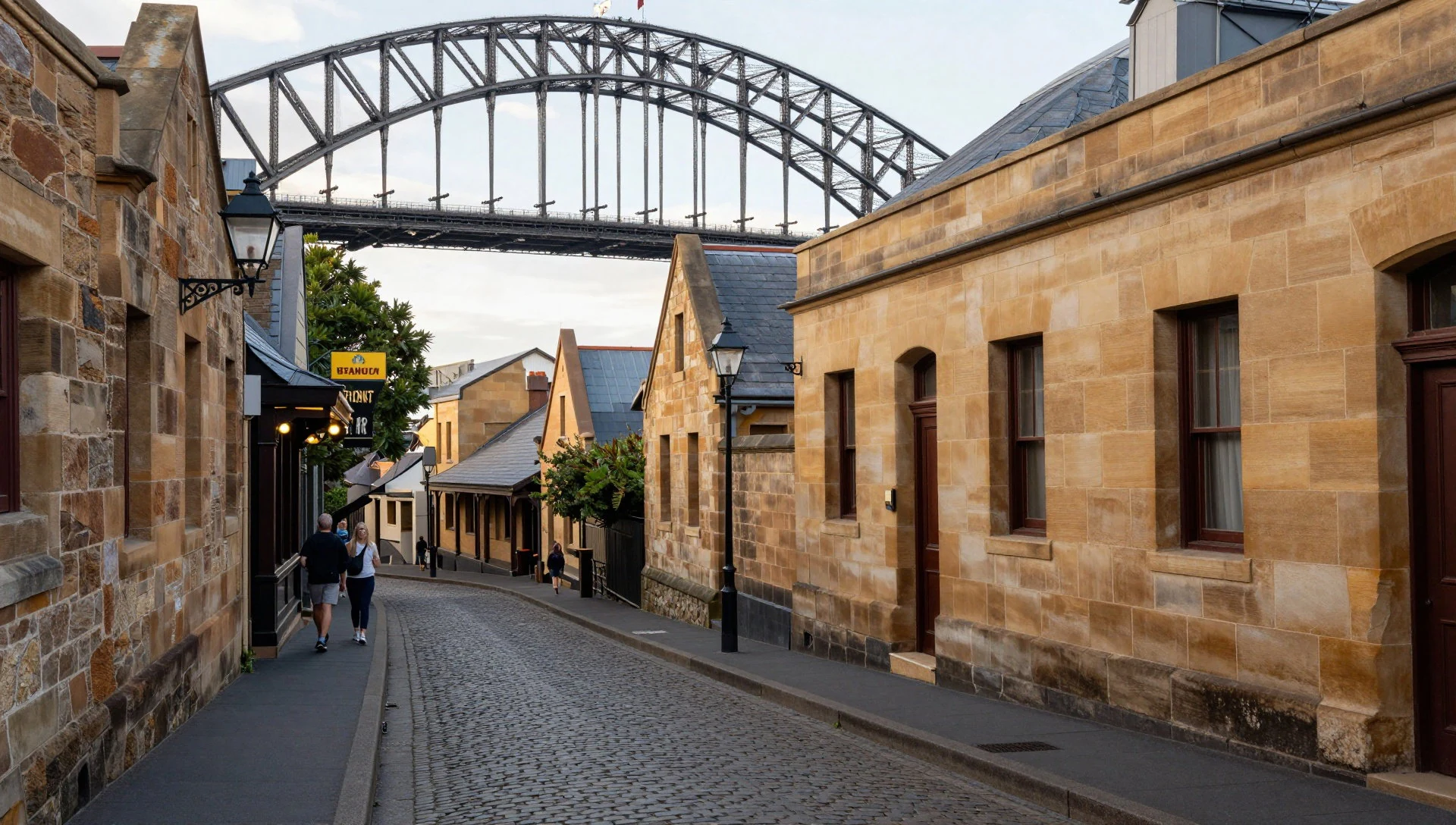
- Royal Botanic Garden — Edge of City Centre
A lush, green sanctuary wrapping around the edge of Sydney Harbour. Stroll along shaded pathways past exotic palm groves, tranquil fern glades, and historic monuments, all while enjoying uninterrupted views of the sparkling water and city skyline.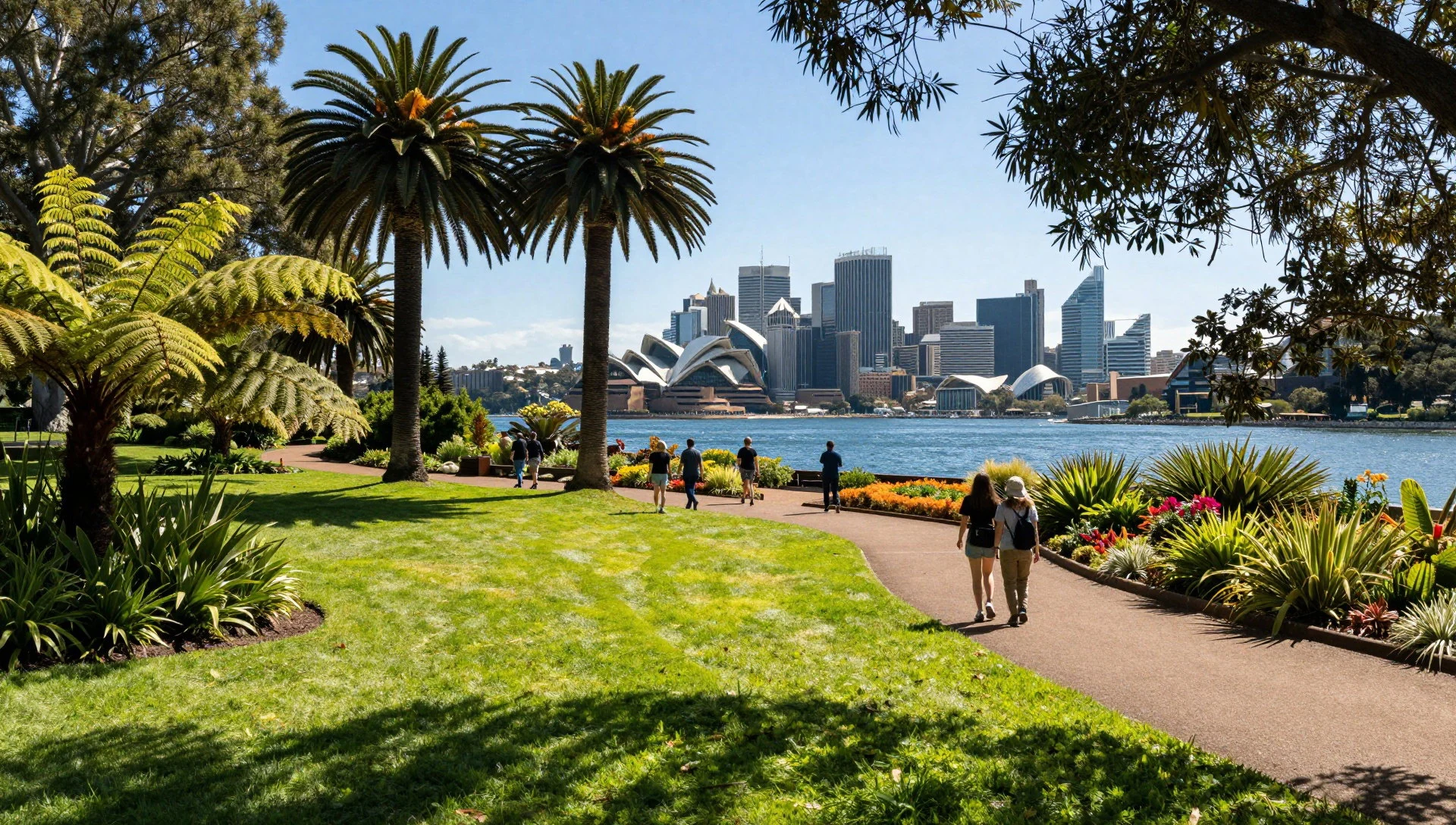
- Bradleys Head — Lower North Shore
A peaceful promontory extending into the harbour within pristine bushland that remains remarkably close to its original colonial-era state. Follow quiet walking tracks, discover historic military fortifications, and enjoy some of the finest unobstructed vantage points across the heads.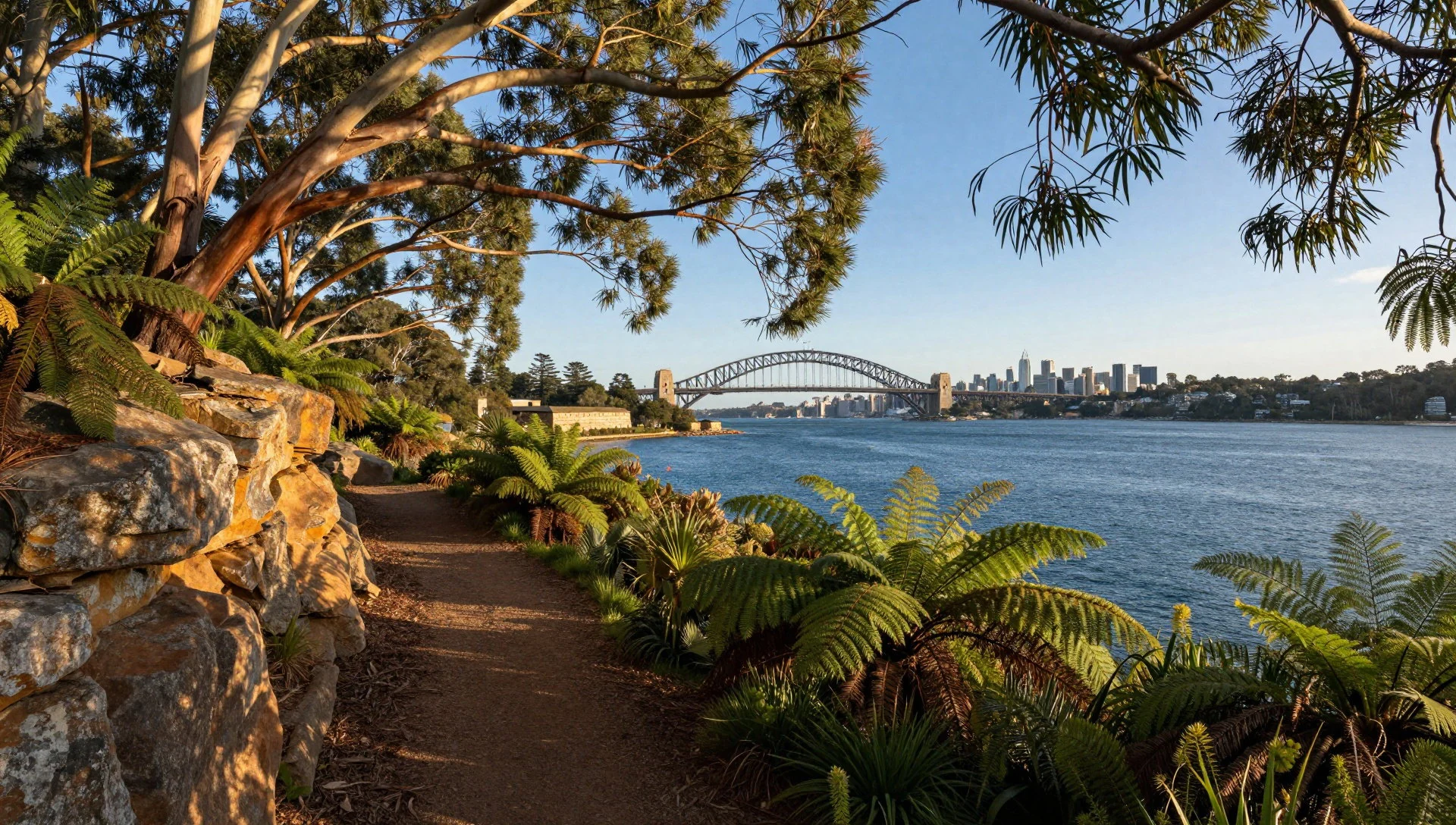
- Bondi Beach — Eastern Suburbs
The country's most famous crescent of golden sand and rolling surf. Watch surfers tackle the Pacific breakers, swim in the historic ocean pool carved into the southern rocks, or begin the breathtaking coastal clifftop walk toward Coogee.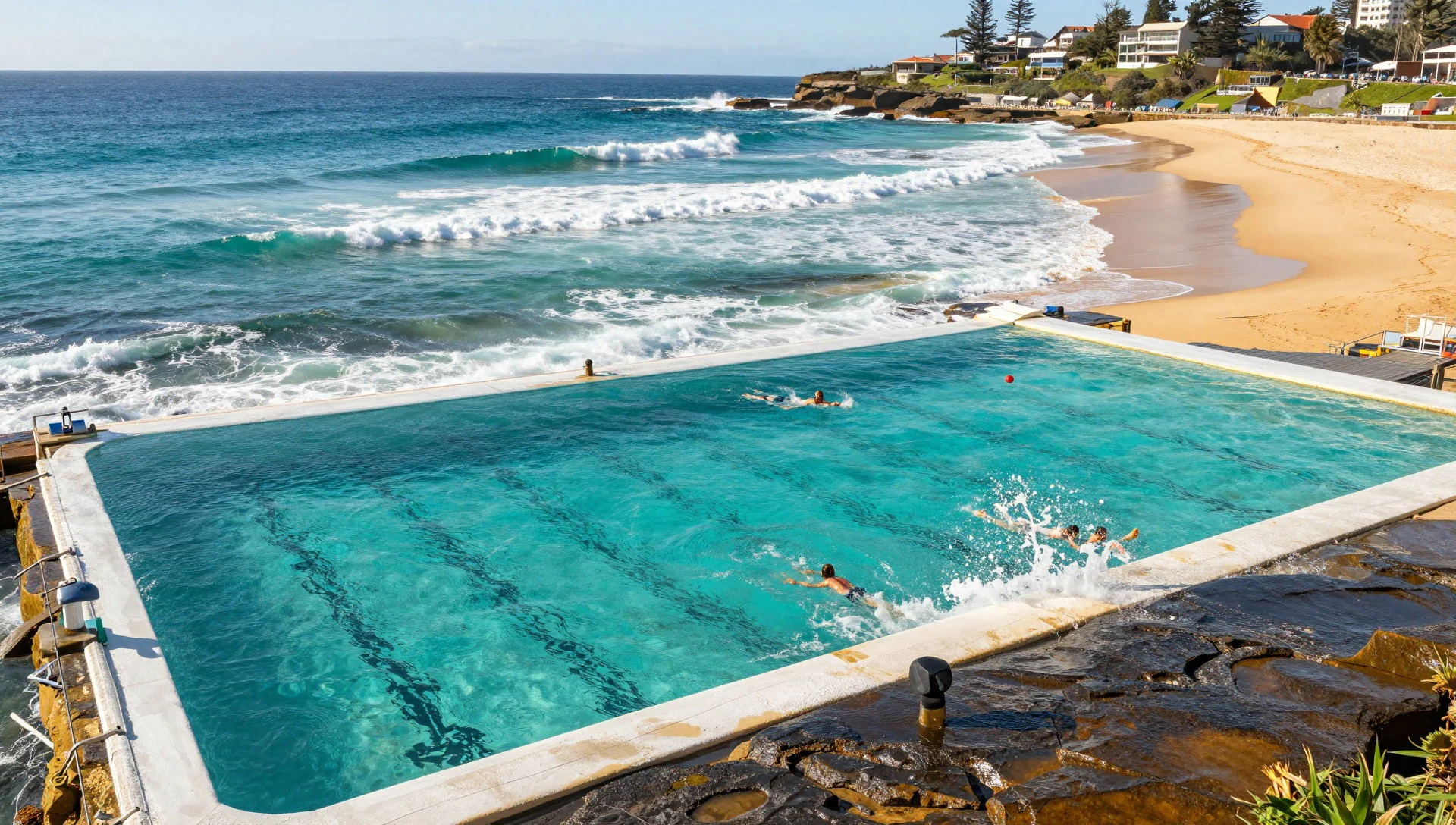
Culture
Sydney maintains a vibrant cultural landscape deeply shaped by its multicultural immigration waves and its ancient Indigenous heritage. Institutions such as the historic Australian Museum celebrate the natural history and rich biodiversity of the continent, while protected bushland areas safeguard thousands of sacred sites, including rock art, petroglyphs, and ceremonial grounds that remain culturally sensitive to Indigenous Australians. Modern Sydneysiders share a passionate outdoor lifestyle centred around beach culture, weekend barbecues, café socialising, and harbour recreation. Galleries, theatres, and outdoor festivals fill the calendar year-round, reflecting an outward-looking population that embraces diverse global traditions. Visitors should respect Indigenous sacred sites and local access restrictions when exploring national parks and heritage areas.
What to wear
Contemporary street style in Sydney is relaxed, functional, and heavily influenced by a coastal climate and outdoor lifestyle. Locals typically favour casual attire such as breathable cotton shirts, denim, shorts, and comfortable trainers or sandals for navigating the city and coastal paths. Activewear is commonly worn throughout the day, even outside of fitness settings. For a visitor, a versatile wardrobe is essential: pack lightweight layers for warm sunny days, a reliable waterproof jacket for sudden coastal showers, swimwear and sun protection for the beaches, and a smarter casual outfit if dining at upscale restaurants in the central business district. Traditional Indigenous garments historically involved animal skins and plant fibre decorations for ceremonies, but modern everyday dress across the city follows contemporary Western casual standards.
What to eat
- Chinatown Asian Stir-fry & Dumplings — Chinatown, Southern CBD
Head into the bustling laneways and food courts of Chinatown to pull up a laminate chair alongside hungry locals. Enjoy sizzling plates of noodles, freshly steamed dumplings, and authentic regional dishes at remarkably affordable prices.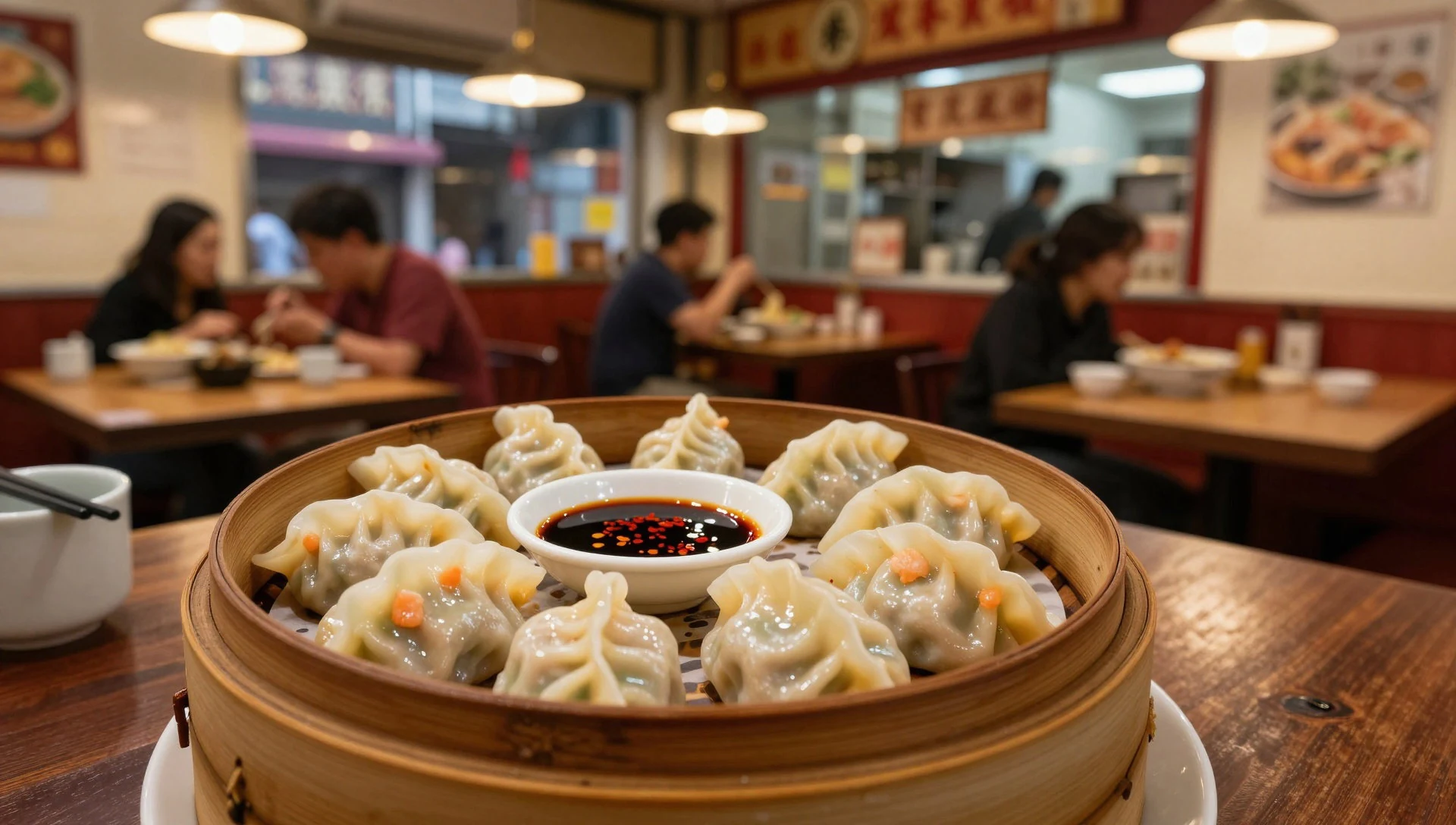
- Cafe Full Breakfast & Flat White — Neighbourhood cafes across the city
Participate in the city's legendary coffee culture at any neighbourhood corner cafe. Order a skillfully brewed flat white alongside a substantial morning plate featuring eggs, sourdough, and local accompaniments.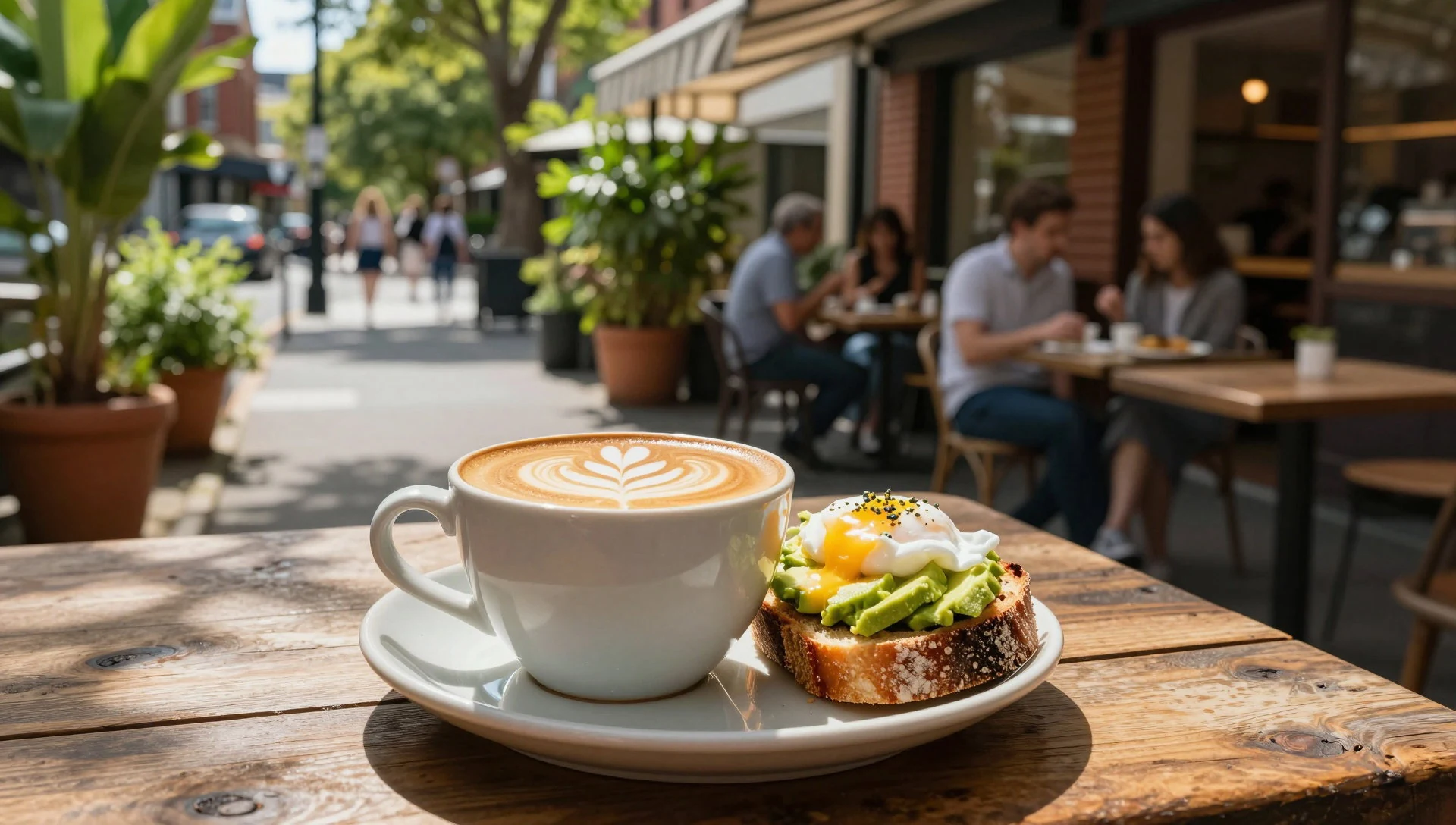
- Korean Set Lunch Specials — City Centre and surrounding districts
Many eateries throughout the central district offer budget-friendly midday specials. Enjoy a satisfying Korean set meal featuring grilled meats, rice, and traditional side dishes for a modest price. - Sydney Fish Market Seafood — Darling Harbour fringe
Visit the massive bustling market on the western fringe of the city centre to select freshly shucked oysters, grilled prawns, and classic fish and chips to enjoy by the fishing wharves.
Plan it
Best time. May to August bring the mildest temperatures and the most comfortable conditions for walking and exploring outdoors, while January and February are the hottest months of the year.
How long. 3–4
Getting there. Arrive via Sydney Airport, located a short distance south of the city centre, then take the Airport & East Hills railway line directly into the heart of the metropolis.
Budget. mid
Tips
- Purchase an Opal contactless travel card or use contactless credit cards for seamless public transport travel on trains, buses, and ferries.
- Wear high factor sun protection and a hat even on overcast days, as the local UV index is exceptionally strong.
- Book ferry rides during off-peak hours to enjoy quieter decks and scenic views across the harbour.
- Carry a refillable water bottle, as free drinking fountains are widely available in parks and coastal walkways.
Etiquette
- Stand on the left side of escalators to allow hurried commuters to pass on the right.
- Always remove litter and respect fragile coastal ecosystems when visiting beaches and national parks.
Nearby
Sources
- Wikidata Q3130 (CC0)
- Wikipedia (rev 1382503143) (CC BY-SA 4.0)
- Wikivoyage (rev 5403447) (CC BY-SA 4.0)