Lake Lanoto'o
Lake Lanoto'o, Samoa
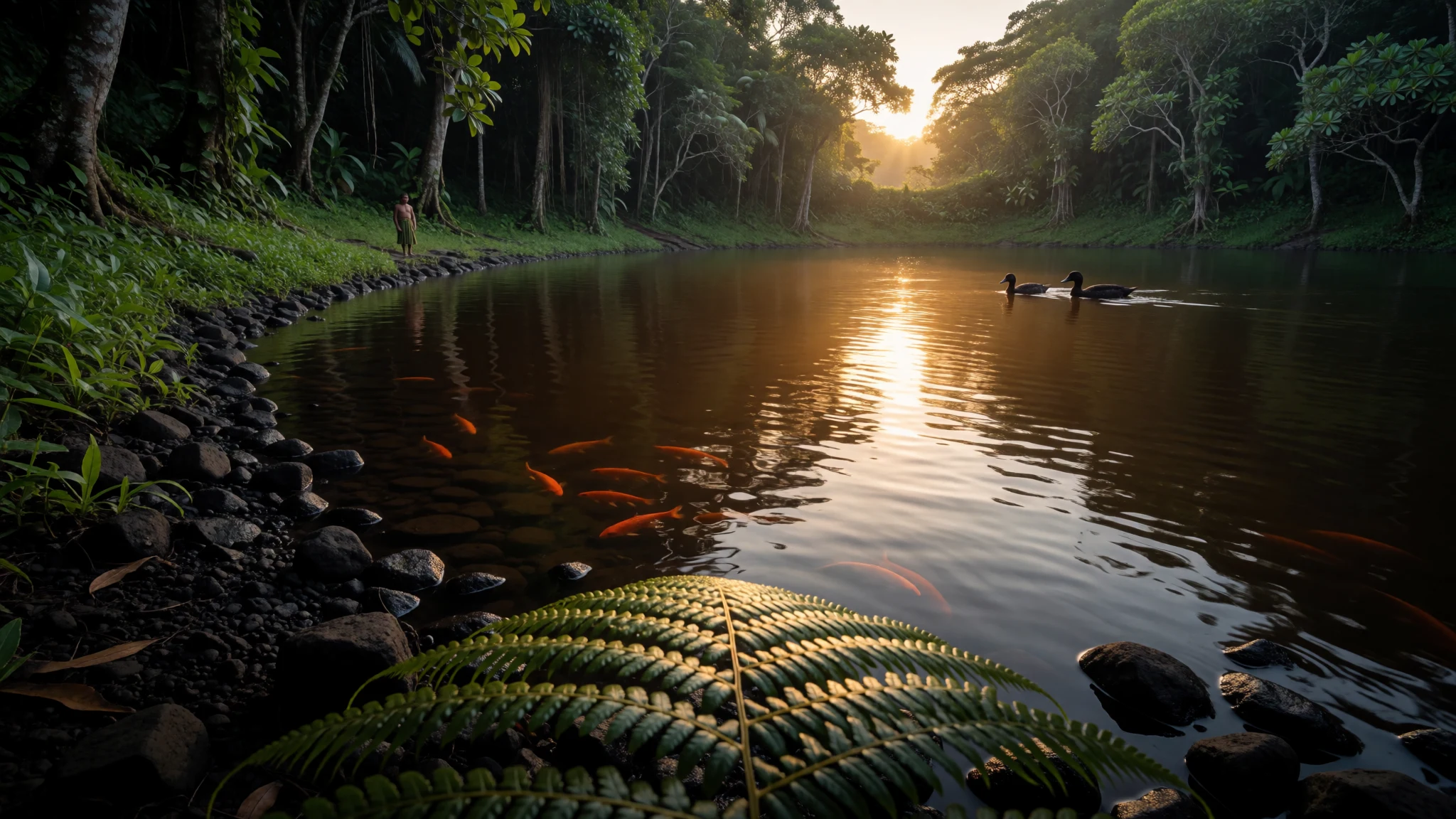
Lake Lanoto'o is a quiet volcanic crater lake high on Upolu, where forest, birdlife and unexpectedly large goldfish reward a slow, cool morning.
The place
Lake Lanoto'o fills an old volcanic crater high on Upolu, one of Samoa's two main islands, at 760 metres above sea level. That height matters: the air is cooler than on the coast, and cloud and drizzle can drift through the forest even when Apia is sunny. The lake is the largest in Samoa, but the scale is gentle. It runs about 400 metres end to end, covers 11 hectares and reaches 17 metres at its deepest. The water is slightly acidic and stays warm, close to 28 °C, with a dark, tea-like look under the trees.
The forest around it is protected as Lake Lanoto'o National Park, and the lake itself is a Ramsar wetland, a listing for wetlands of international importance. Birdlife is the real draw for quiet visitors: Pacific black ducks use the open water, and the spotless crake, a shy marsh bird, lives in the margins. Goldfish were released here during the German colonial period and have thrived, growing far bigger than any pet-shop fish.
This is inland Samoa, not postcard-beach Samoa. The island's volcanoes are all extinct, though small earthquakes still remind people of them. Little of the vegetation is original rainforest; people have farmed and managed the land for over three thousand years, so much of the green is old plantation and regrown forest. The wet season runs from October to March, with cyclone risk, and the drier months are May to October. Average annual temperature across Samoa is 26.5 °C, but the crater feels fresher and damper. Crowds are rarely the problem here; the effort is the road, not the queue.
Its story
Lake Lanoto'o is as much an archive as a lake. The crater formed somewhere between 100,000 and 1 million years ago, and since then mud has settled on the bottom year after year, locking in traces of the plants and soil that surrounded it. Researchers have drawn cores from that sediment and read them like a diary. The layers have helped date when people first settled Upolu, and Polynesia more widely, and they show how the island's climate and ecology shifted over the centuries.
The human story on the surface is long too. Samoa has been inhabited for more than three thousand years, and settlers cleared and replanted the land so thoroughly that little of the original rainforest survives. Villages, farms and semi-wild plantation forest now cover most of the islands, which is why even well-tended country can look like deep jungle from a distance.
The goldfish belong to a later chapter. They arrived during the German colonial period, and they now swim in a protected wetland, an odd detail in a place otherwise valued for its birds and its scientific record.
The ground beneath all this is volcanic history. Samoa's islands were built by countless eruptions, and none of the volcanoes is active today. The most recent eruption, in 1911, was on Savai'i, the other main island. Lanoto'o has been quiet for far longer: a still pool in a crater that keeps a record of the island's past rather than threatening its future.
What to see
- The crater shore — Lake Lanoto'o National Park, Upolu
The still water and forest edge are the heart of a visit at Lake Lanoto'o. Move slowly around the margins where access allows, watch for ducks on the open water, and look into the dark surface for flashes of orange goldfish. Mist often hangs in the trees early, so a patient hour beats a quick photo stop.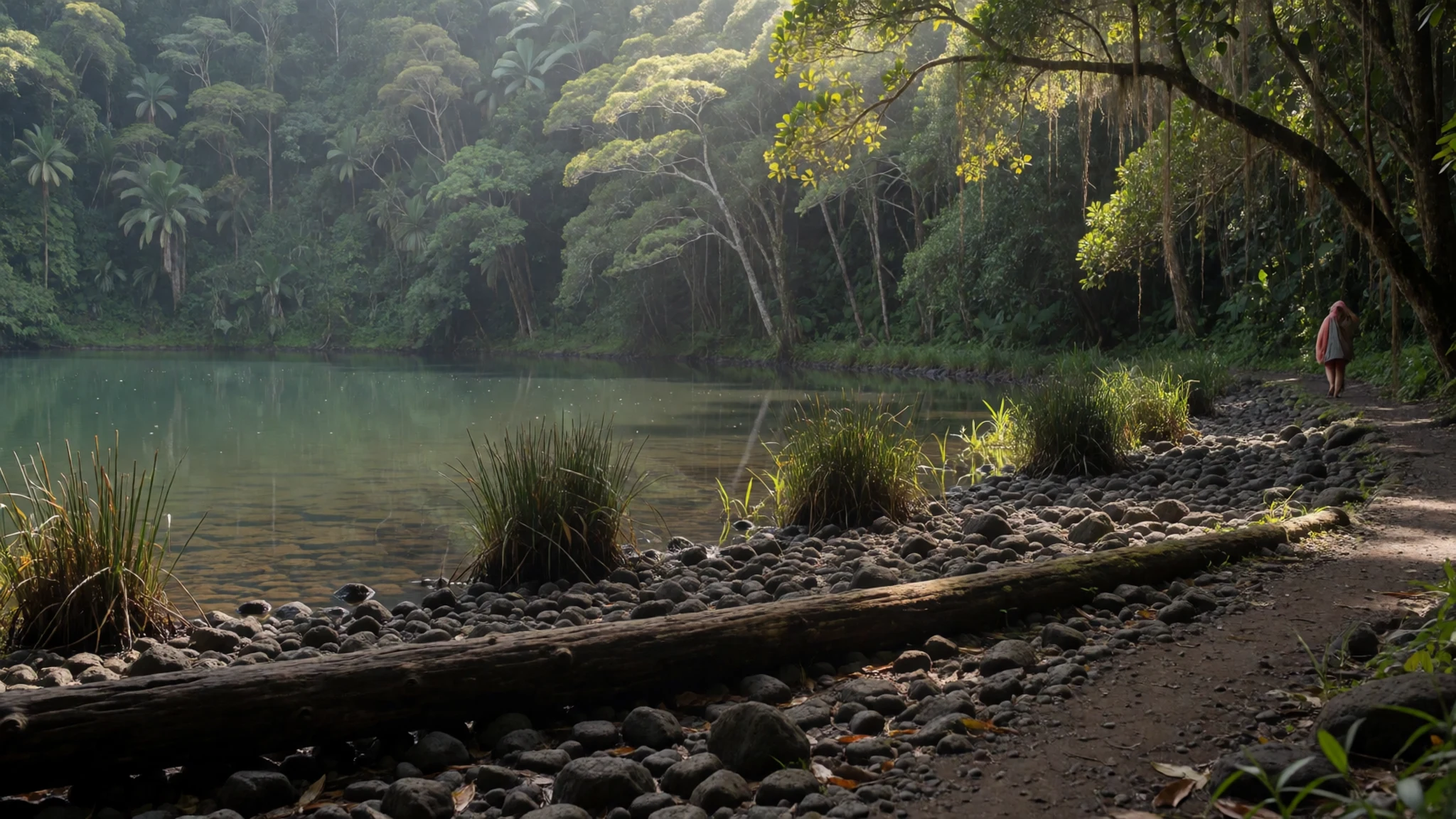
- Birds and goldfish — Lake Lanoto'o, Upolu
Pacific black ducks and spotless crakes use the lake and its reedy edges, so binoculars help. The goldfish are the surprise: released long ago, they have grown large in the warm water. Early morning is best for birds and quiet, though crakes are secretive and are often heard before they are seen.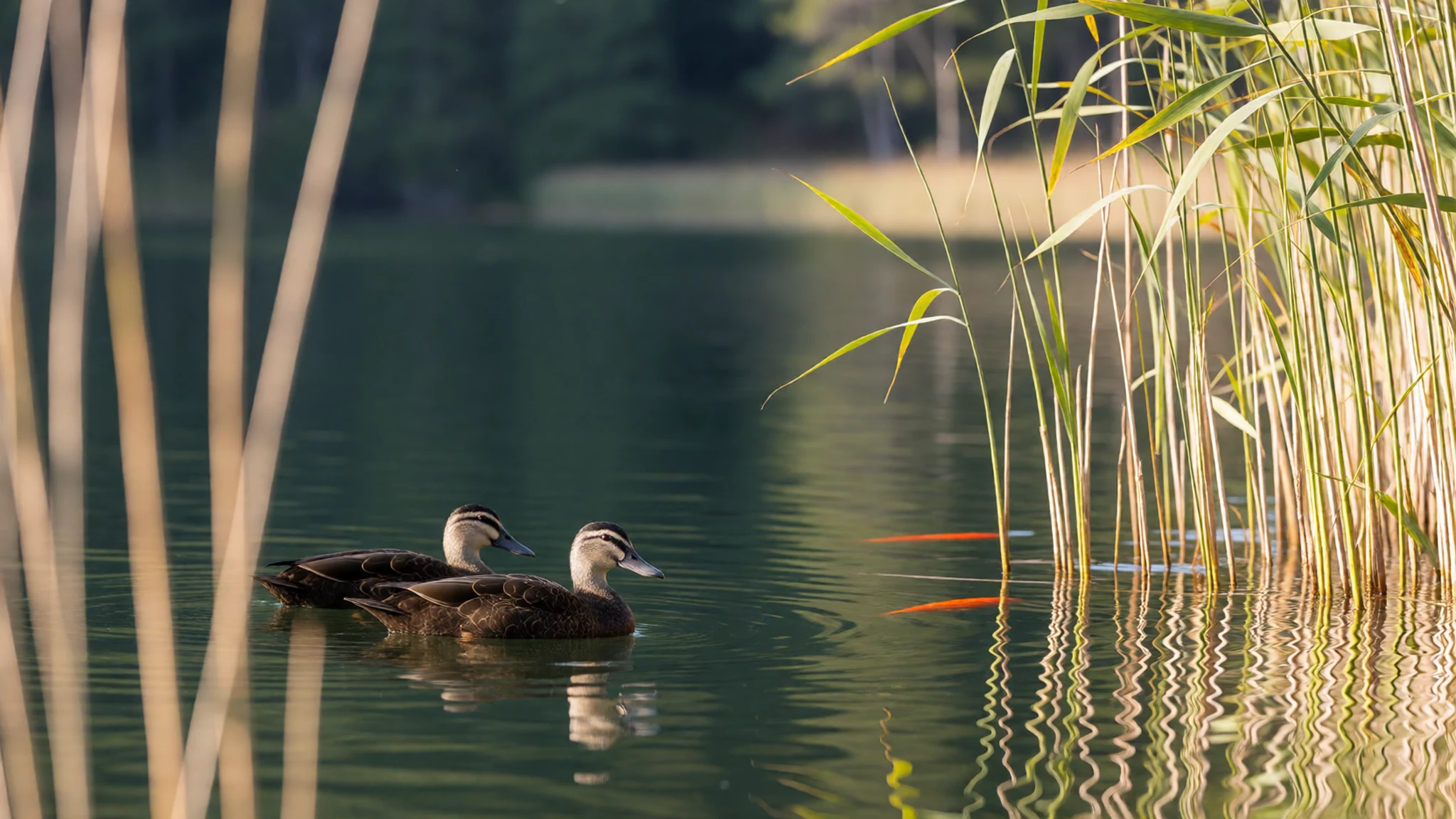
- The road to the lake — Inland Upolu
The approach to Lake Lanoto'o climbs from the coast into cooler, greener country, past plantations and village land. The journey is part of the outing and a reason to keep the day unhurried. Conditions can change after heavy rain, so ask your driver or guesthouse about the road before setting out.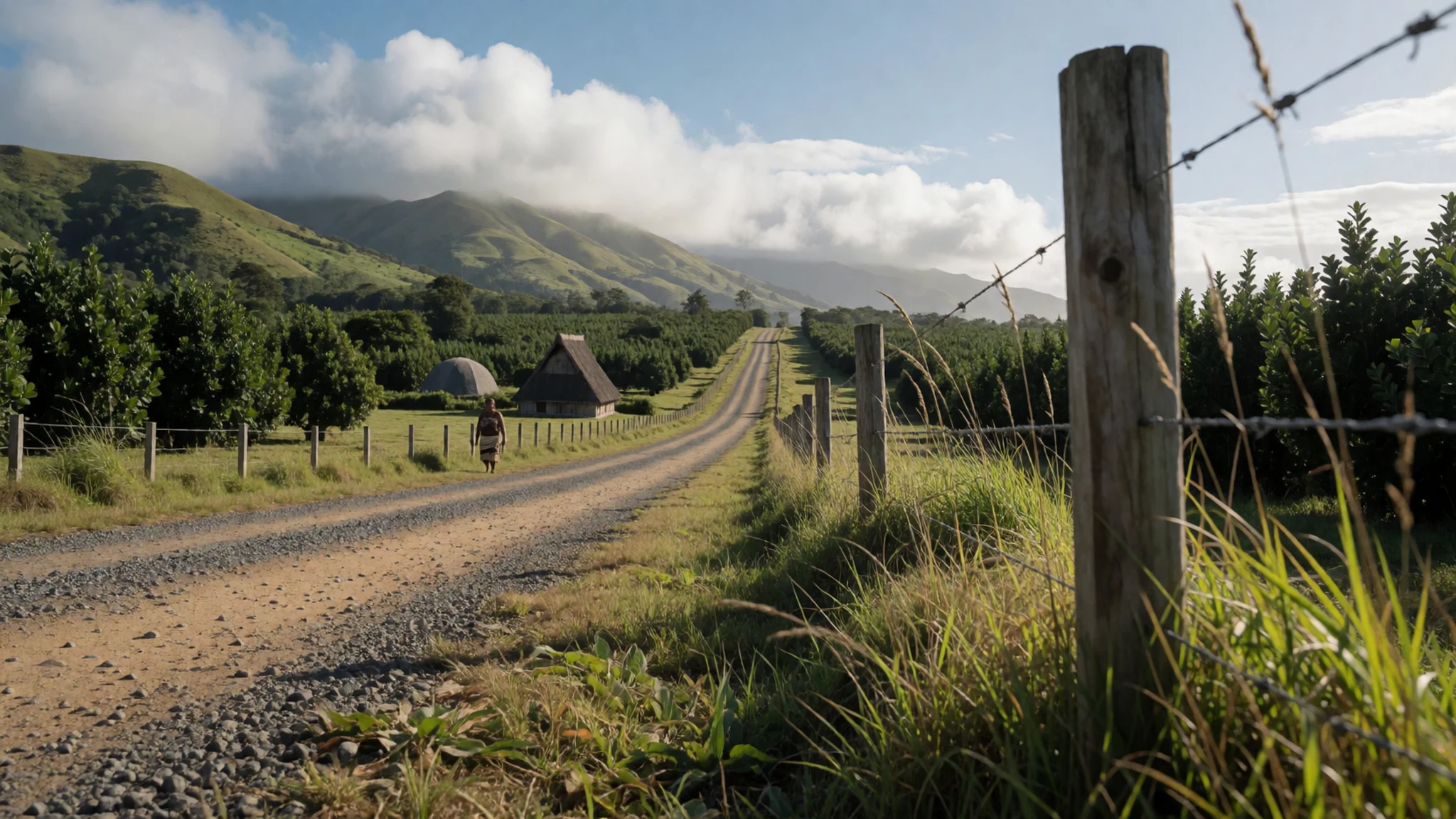
- Papase'ea Sliding Rocks — Near Apia, Upolu
A natural slide on Upolu where water runs over vegetation-covered rock into a pool below. The drop is slight, so it is playful rather than dramatic. It pairs well with the lake as a second inland stop; check locally for access arrangements and any rules in force, and take care on slippery stone.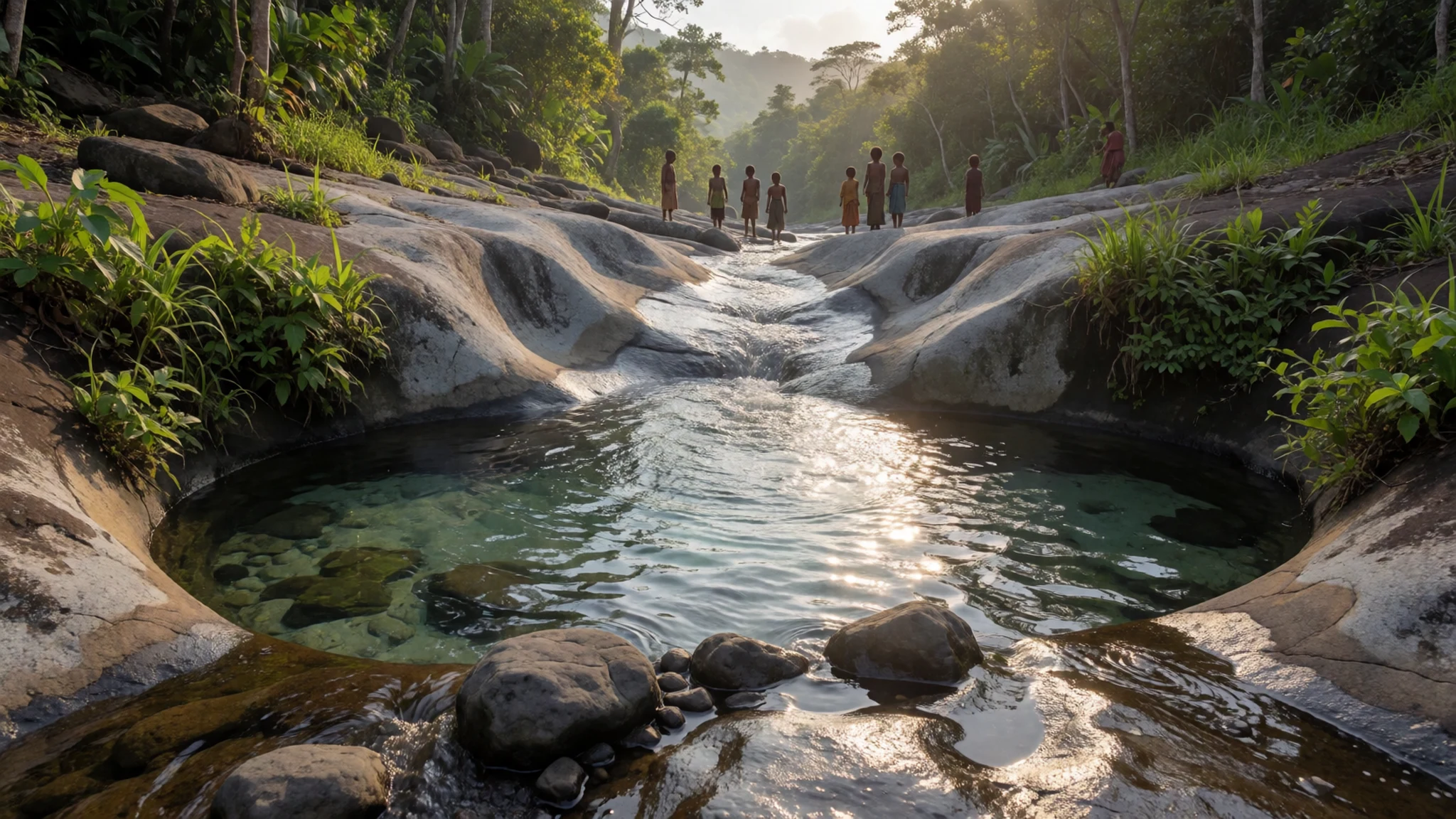
- To Sua Ocean Trench — South coast, Upolu
On Upolu's coast, To Sua offers cave-like rock formations and a very different mood from the cool crater: salt water, lava stone and open sky. It suits a day when the lake is paired with the south coast. Confirm current access and any entry conditions with local contacts before going.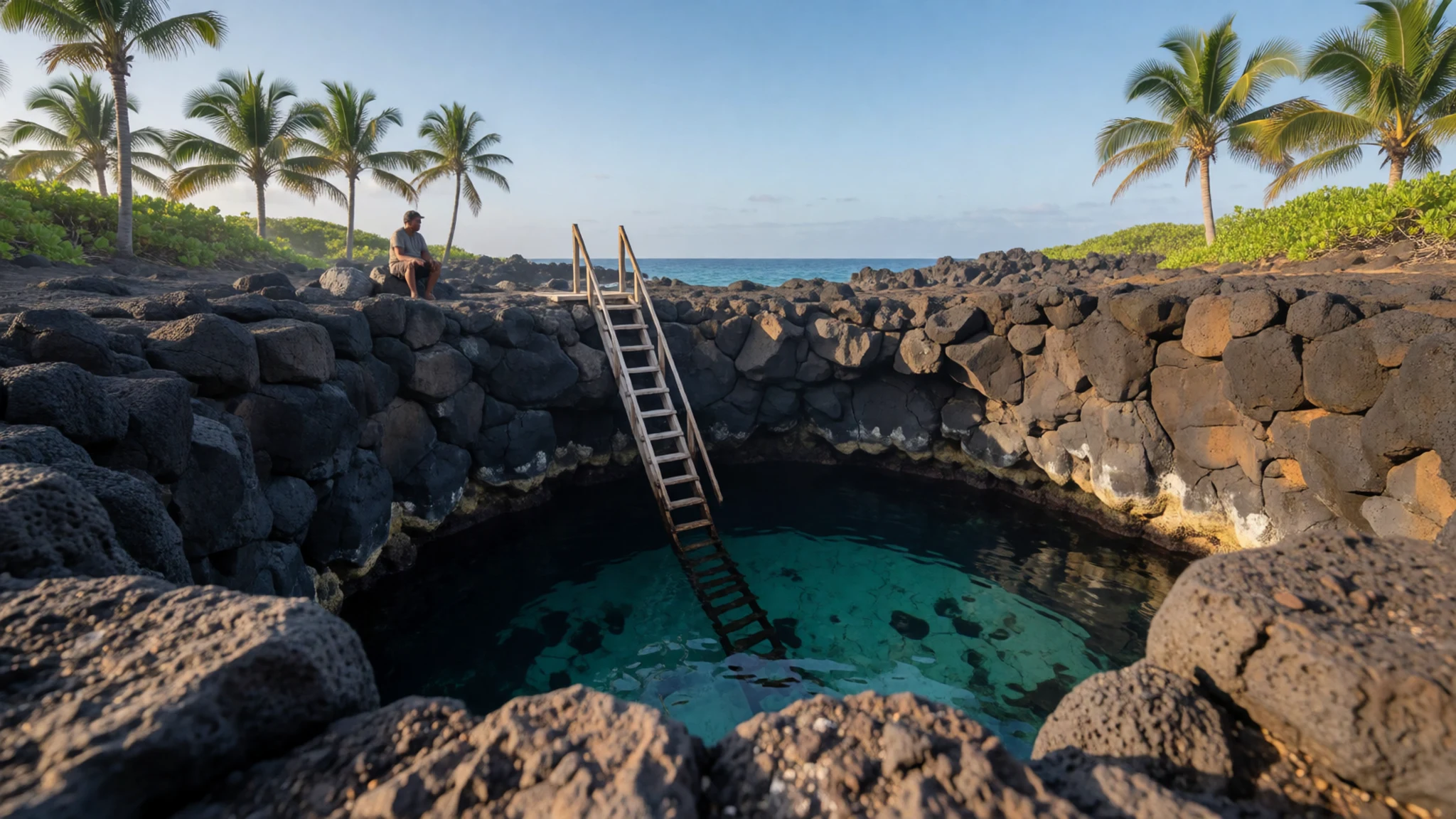
Culture
Lake Lanoto'o lies in country where village life sets the rhythm, and Samoan custom shapes what visitors can and cannot do. Samoa is deeply religious, and Sunday is kept as a day of worship, so most shops and businesses close and moving through villages is discouraged. Many villages also observe a short prayer period at sundown, usually around half an hour, when people stay put and the village goes quiet.
The village is the basic unit of Samoan society, run by councils of chiefs called matai, whose rules are enforced locally. Outsiders are given some leeway, but it is wise to follow the rules rather than test them. Apia is more relaxed than the villages, but beyond the town the old protocols matter. Land around the lake and along the approach roads may belong to families or villages, so it is sensible to ask a local contact about access and any local arrangements rather than assuming everything is open to all.
Eating and ceremony are central to community life. Gatherings traditionally begin with the 'ava (kava) ceremony, passed around under strict rules, and food is shared generously. Fales, the open-sided oval houses with domed roofs, stand in almost every village; blinds replace walls when privacy is needed, so an open fale is still someone's home or meeting place.
Avoid walking through villages on Sundays or at sundown prayer time, dress modestly in knee-length shorts and a shirt, and ask your host before entering land or photographing people.
What to wear
Traditional dress in Samoa centres on the lavalava (ie lavalava), a wrapped cloth worn at the waist by both men and women. Women also wear the puletasi, a matching tunic and wrap skirt, and men's formal wear includes the ie faitaga, a tailored wraparound worn with a shirt or jacket. Fine mats (ie toga), woven from pandanus leaf, are treasured gifts exchanged at weddings, funerals and chiefly occasions. Siapo, bark cloth made from paper mulberry and hand-decorated, appears at ceremonies and in craft stalls. Dress is at its most formal at church on Sundays, when white is common.
Day to day, people wear what suits the heat: lavalava or knee-length shorts, T-shirts, flip-flops, and neater wrapped skirts or tailored versions for offices and schools. In Apia the mood is more relaxed than in villages.
For a visit to Lake Lanoto'o, pack light, quick-drying clothes and a thin rain jacket, since the crater is cooler and damper than the coast. Sturdy shoes with grip suit muddy tracks. Away from the beach, wear a shirt and shorts or a skirt that reach the knee; keep swimwear for the beach only. A lavalava bought locally works as a sarong, a towel or a sun cover, and a hat helps on open stretches.
What to eat
- Umu feast — Family and village meals, often Sundays; ask at a guesthouse
Food cooked in an earth oven: hot stones, then taro, green bananas, breadfruit, fish or pork, all covered with banana leaves. It is the traditional way of cooking for gatherings. Visitors usually meet it at a family or village meal, or ask at a guesthouse or beach fale.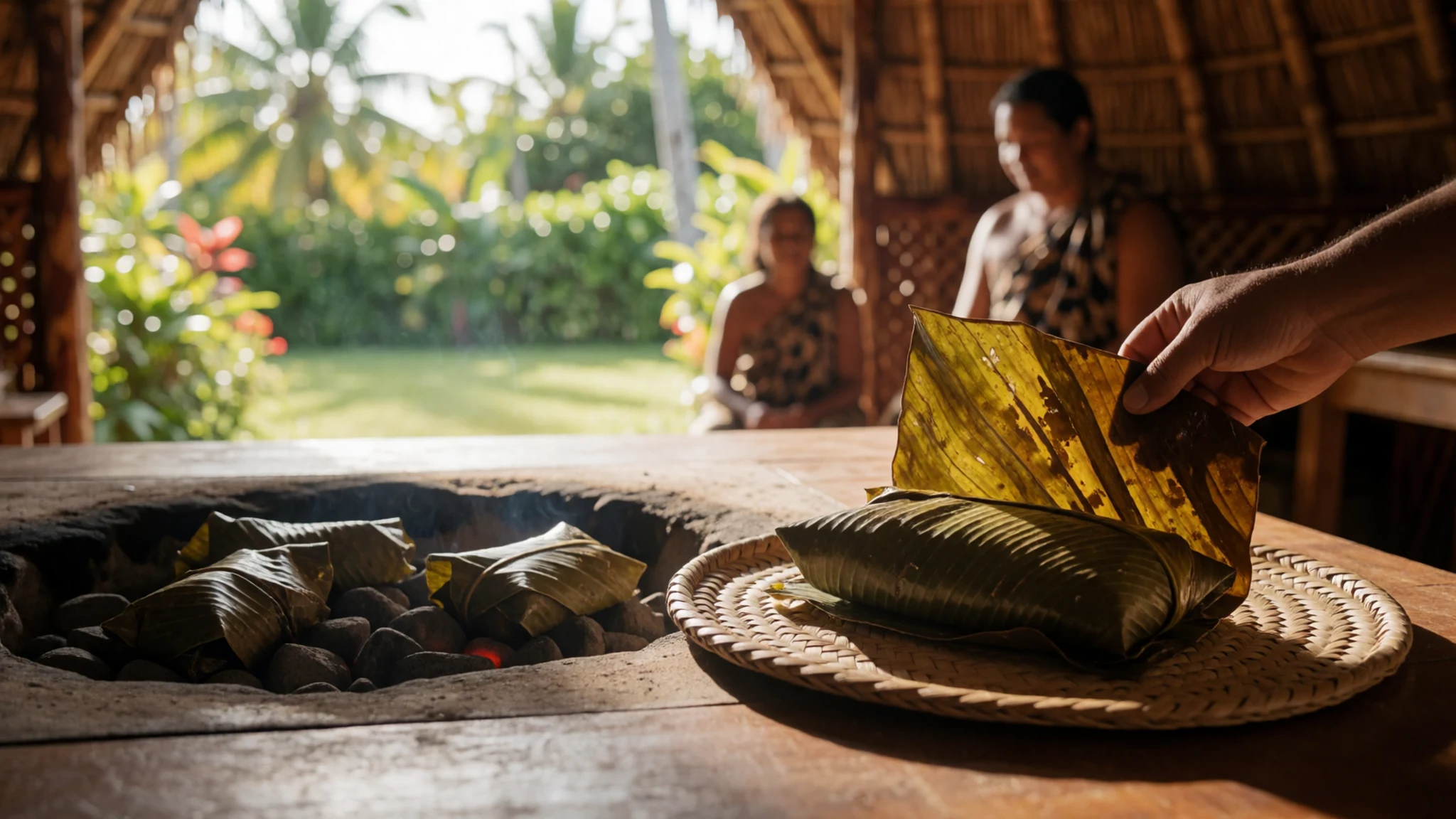
- Palusami — Local eateries around Apia and village umu meals
Taro leaves wrapped around coconut cream and onion, then baked in the umu until soft and rich. Well made, it is the dish many travellers remember. Look for it at local eateries and with umu meals rather than in the Western-style menus common in town.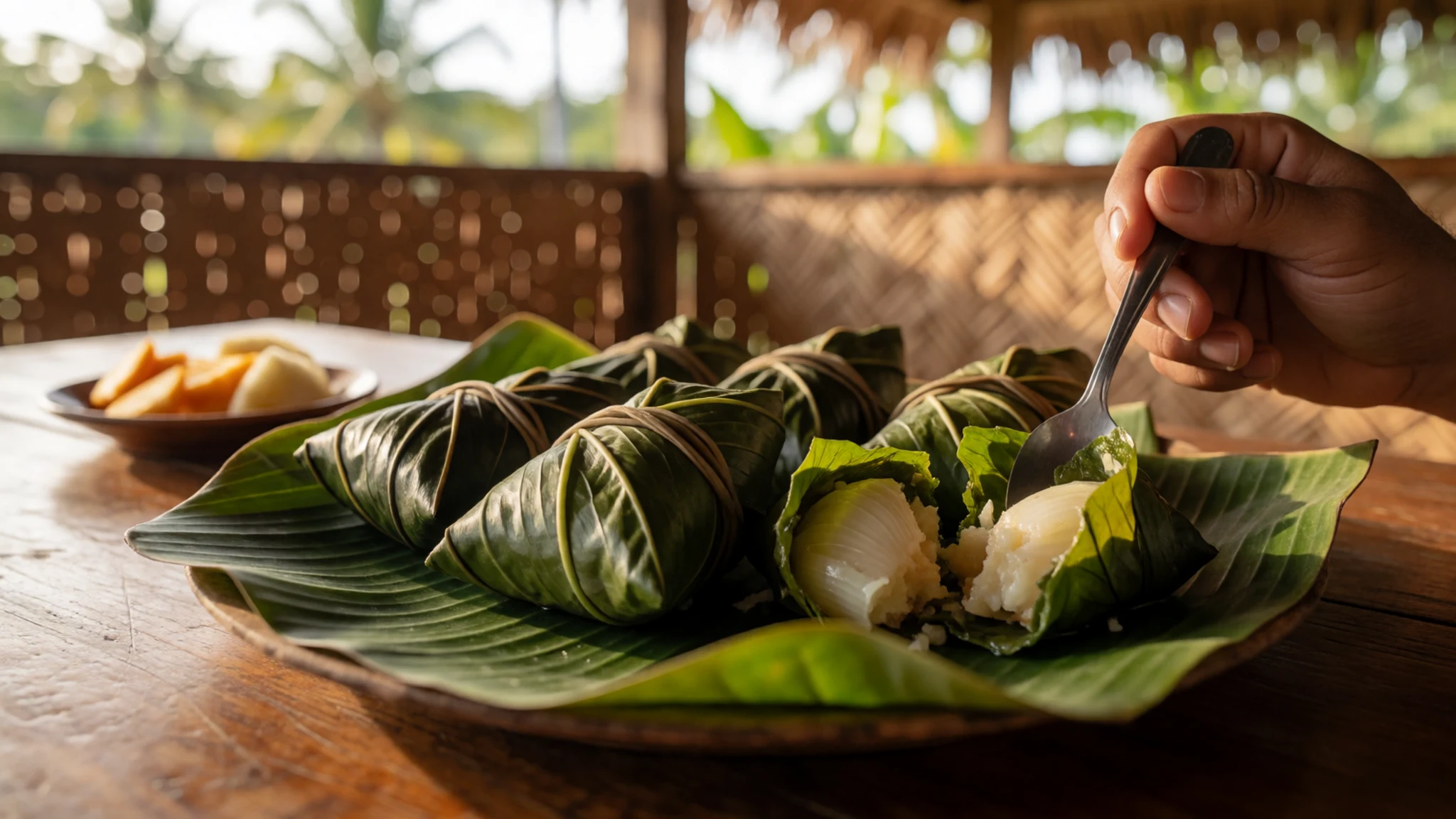
- Oka — Beach fale meals and eateries near the coast
Raw fish cut into small pieces and dressed with lemon juice, coconut cream, salt and finely chopped onion. It is fresh, cool and lightly sour, a good match for the heat. Ask for it where fishing boats land or at beachside eateries. - Taro, breadfruit and green bananas — Apia market and village meals
The staples of Samoan cooking, boiled or baked and served with fish, pork or corned beef, which Samoa adopted long ago. Flavours are mild rather than spicy, and the starch is filling after a muddy walk. The market in Apia is a good place to see them raw. - 'Ava (kava) — Apia central market (marketi fou)
A mildly numbing drink made from the root of the kava plant, central to ceremonies and gatherings. You do not need to attend a formal event to try it, as it can be bought on some days at Apia's central market. It tastes earthy; sip first and see.
Plan it
Best time. May to October, the drier season in Samoa, is the easier time for the forest road and crater walks. October to March brings the rainy season and tropical cyclone risk, and the crater is cooler and damp at any time of year.
How long. 1
Getting there. Fly into Faleolo International Airport (APW), about a 45-minute drive from Apia; flights run from Auckland, Nadi and Honolulu, among others. From Apia the last leg is a drive inland and uphill to Lake Lanoto'o National Park, best with a hire car or an arranged driver.
Budget. mid
Tips
- Go early: mornings are cooler, quieter and better for birdwatching.
- Ask your guesthouse or driver about road conditions after rain before setting out.
- Carry some cash as well as a card, and bring your own water and snacks.
- Pack a light rain jacket and shoes with grip; the crater is damp and cooler than the coast.
- Confirm access arrangements for the national park with local contacts before you go, as conditions can change.
Etiquette
- Avoid moving through villages on Sundays or at sundown prayer time.
- Dress modestly away from the beach, with knee-length shorts or skirts and a shirt.
- Ask before entering village land or photographing people.
Nearby
Sources
- Wikidata Q27925684 (CC0)
- Wikipedia: Lake Lanoto'o (rev 1366228858) (CC BY-SA 4.0)
- Wikivoyage: Samoa (rev 5362689) (CC BY-SA 4.0)
- Photo: Upolu Island, Samoa (Виктор Пинчук) (CC BY-SA 4.0)
- Photo: Lanoto'o Lake on Upolu Island (Виктор Пинчук) (CC BY-SA 4.0)
- Photo: Lanoto'o Lake on Upolu Island (2) (Виктор Пинчук) (CC BY-SA 4.0)
- Photo: Near Lanoto'o Lake on Upolu Island (Виктор Пинчук) (CC BY-SA 4.0)
- Photo: Road to Lanoto'o Lake (Виктор Пинчук) (CC BY-SA 4.0)


Wildlife
- Pacific black duck (animal)
The Pacific black duck is a dabbling duck that lives on many islands across the south-western Pacific, so you can remember it as the Pacific's very own duck. At Lake Lanoto'o you will find it out on the open water, where it is one of the pleasures of the lake for quiet visitors. Watch it patiently from a respectful distance, speak softly, and consider going with a local guide. Never feed it; let it carry on as it would without you. - Spotless crake (animal)
The spotless crake is a shy marsh bird from the rail family, so think of it as the quiet little hider of the marsh. At Lake Lanoto'o it lives in the margins, rather than out on the open water. Because it is so shy, the best way to watch is to stay still and silent, keep well back, and let a local guide help you. Never feed it or try to coax it into view. - Pacific black duck (bird)
The Pacific black duck is a dabbling duck that lives on many islands across the south-western Pacific, so you can remember it as the Pacific's very own duck. At Lake Lanoto'o you will find it out on the open water, where it is one of the pleasures of the lake for quiet visitors. Watch it patiently from a respectful distance, speak softly, and consider going with a local guide. Never feed it; let it carry on as it would without you. - Spotless crake (bird)
The spotless crake is a shy marsh bird from the rail family, so think of it as the quiet little hider of the marsh. At Lake Lanoto'o it lives in the margins, rather than out on the open water. Because it is so shy, the best way to watch is to stay still and silent, keep well back, and let a local guide help you. Never feed it or try to coax it into view.