Savai'i
Savai'i, Samoa
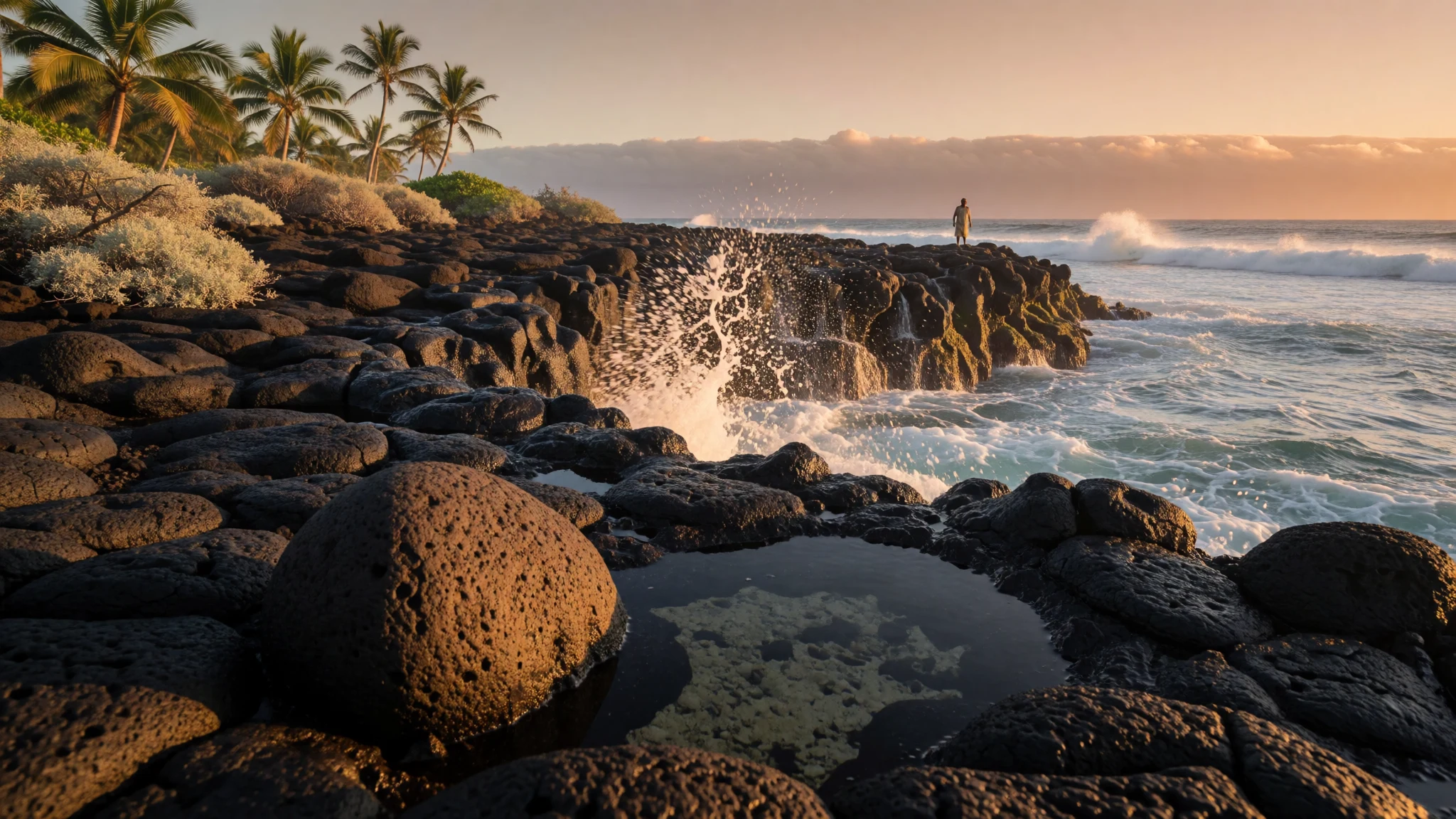
Savai'i is Samoa's big, quiet island, where lava fields, blowholes, rainforest and village life still set the pace.
The place
Savai'i is the biggest island in Samoa and rises to 1,858 m, the summit of a vast shield volcano that built the whole landmass. Its neighbour Upolu, across the strait, holds the capital Apia and most of the traffic. Savai'i has more land and far fewer people, and it feels like it. One sealed road loops around the coast and links villages whose houses open onto wide green lawns. Salelologa, at the south-eastern end, is the only township and the ferry port, so most journeys begin there, at the market and the bus stand. Beyond it the island thins out into black lava coast, coconut plantations, rainforest and quiet beaches. In formal oratory the island goes by its classical name, Salafai. Tourism runs mostly at village level: beach fales (open-sided huts), guided walks arranged through a village, and family-run guest houses rather than resorts. Local buses reach most settlements, though they are slow and rarely keep to a clock. The heat is constant, the sea is warm, and in the wet season tracks to waterfalls and caves turn muddy. Anyone wanting nightlife or a tidy circuit of sights will be disappointed. Anyone happy to swim, walk and sit through a long, slow evening will not.
Its story
Savai'i's story begins underground. The island is a shield volcano, built by runny lava flows rather than one explosive cone, which is why it slopes gently and is riddled with lava tubes, caves and blowholes. Fire is recent here. The Matavanu eruptions of the early twentieth century poured lava across northern farmland, and the field they left is still bare enough to resemble another planet. The island also sits at the root of Samoa's political history. Under colonial rule the Mau a Pule movement began here, an early strand of the Mau, the non-violent campaign for independence that spread across the islands. Later, during the Second World War, Savai'i became part of an Allied defence group covering the Samoan islands and beyond. Planners gave it the code name Strawman, and a small base grew at Fagamalo on the north coast, a village with a wharf and anchorage that was then the colonial administrative centre. American intelligence reports of the time feared that if the Allies did not hold western Samoa, Japan would. Older stories live alongside the documented ones: a cave said to shelter a race of small people, and a huge stone mound deep in the forest. On Savai'i, legend and archaeology sit close together, and villagers tend to know both.
What to see
- Alofaaga Blowholes — South-west coast
On the south-west coast, lava tubes link the cliff top to the sea. When swells arrive, water is forced up through the openings and leaps out in tall fountains. Visit at a rising tide for the best show, keep well back from the edge, and expect to ask a local family for access.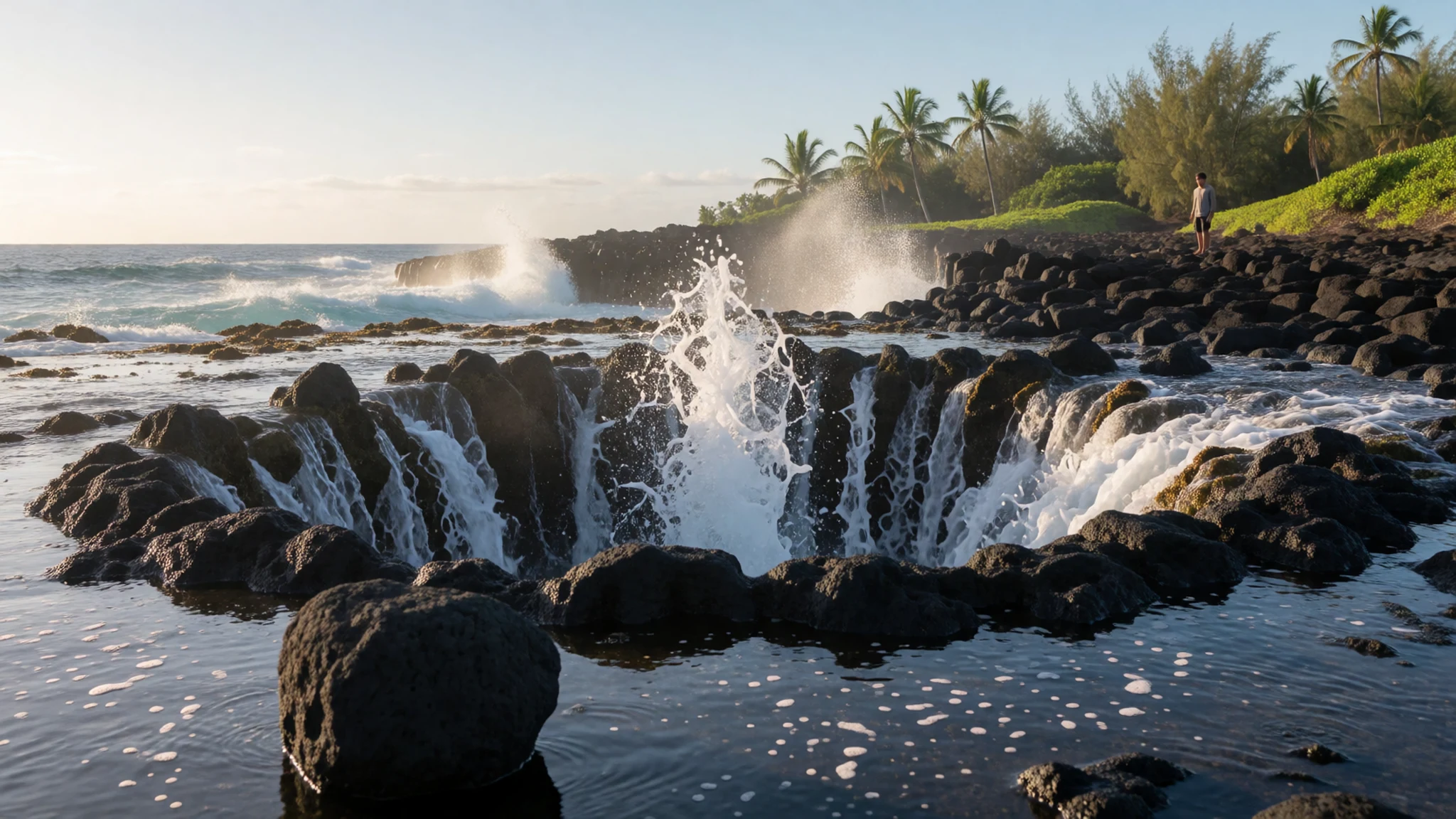
- Paia Dwarfs Cave — Paia, north-east
A long lava cave near Paia village in the north-east. Local legend says a small people live inside, and the far end has apparently never been reached, so the tale has never been disproved. Take a torch, wear shoes you do not mind getting wet, and go with a village guide.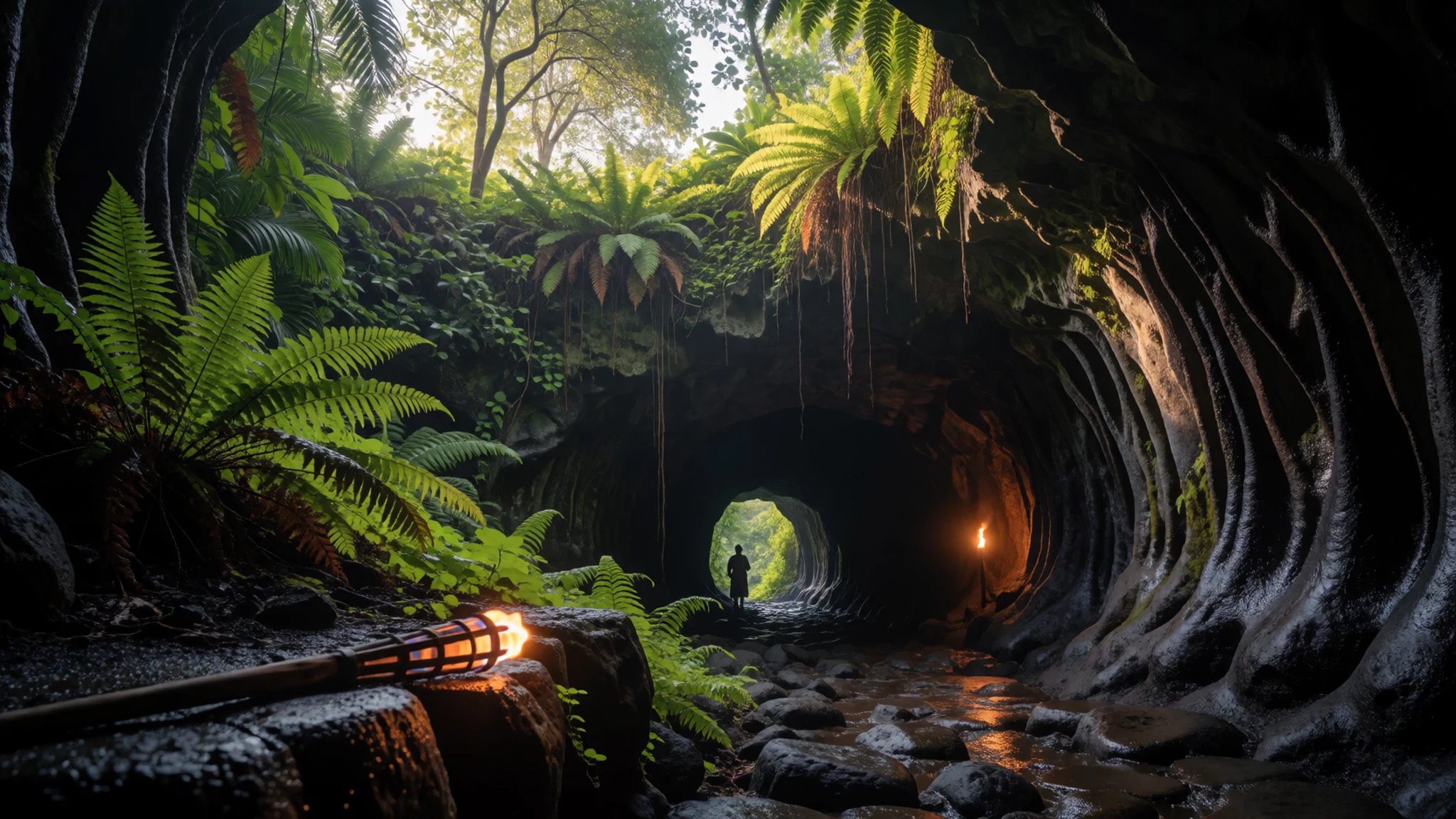
- Falealupo Rainforest Preserve — Western tip
A village-run reserve on the far western tip, where a canopy walkway lifts visitors into the treetops and a tree platform can be slept on overnight. There is no toilet up there, as the brief for visitors cheerfully warns. Early morning is best for birdsong and cooler air.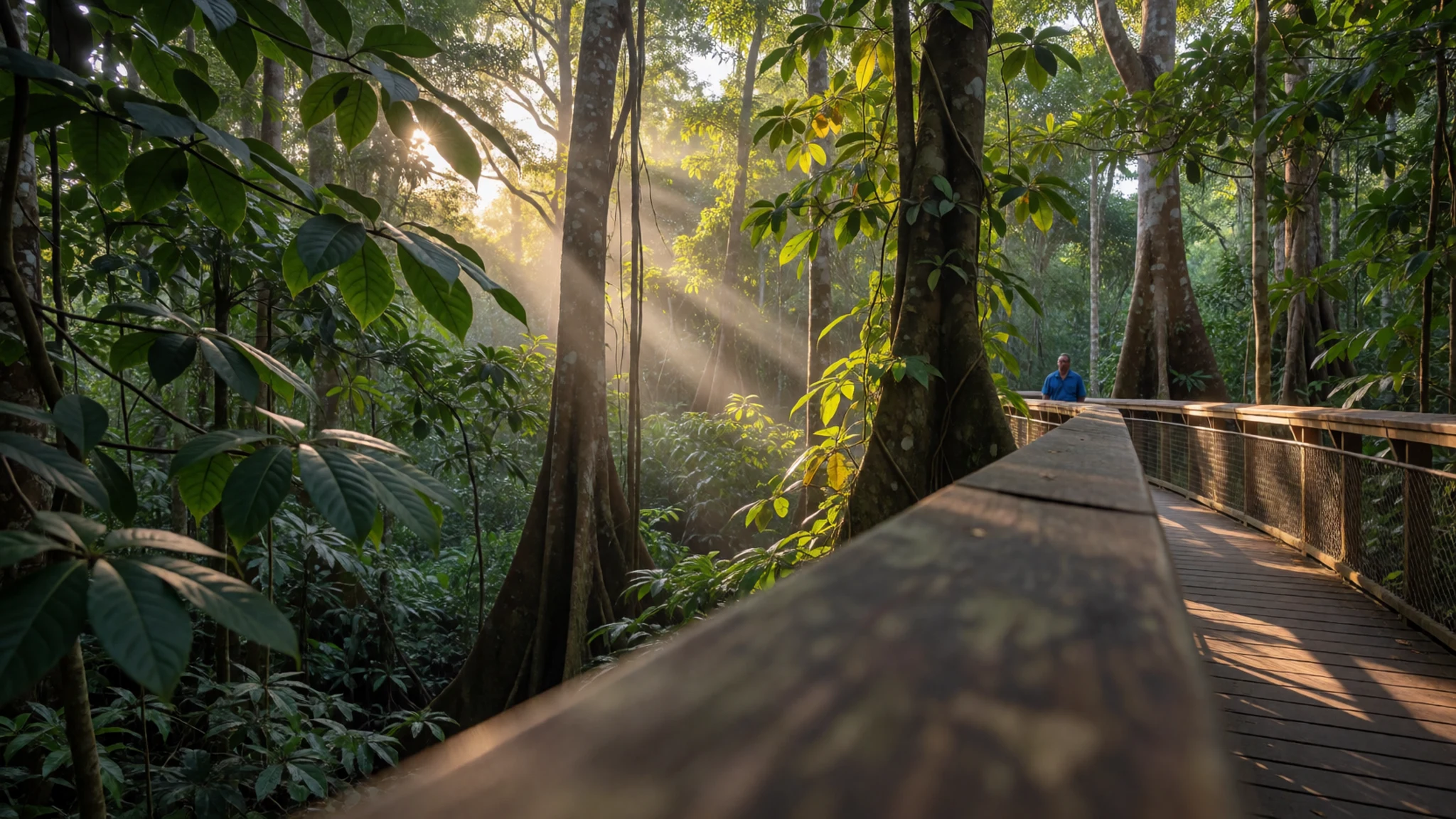
- Mt Matavanu Lava Fields — North-central
The eruptions of early last century left a barren, cracked expanse of black rock that looks like a moonscape. Reaching it takes a long walk from Paia village, so start early, carry plenty of water and sun protection, and arrange a guide through the village.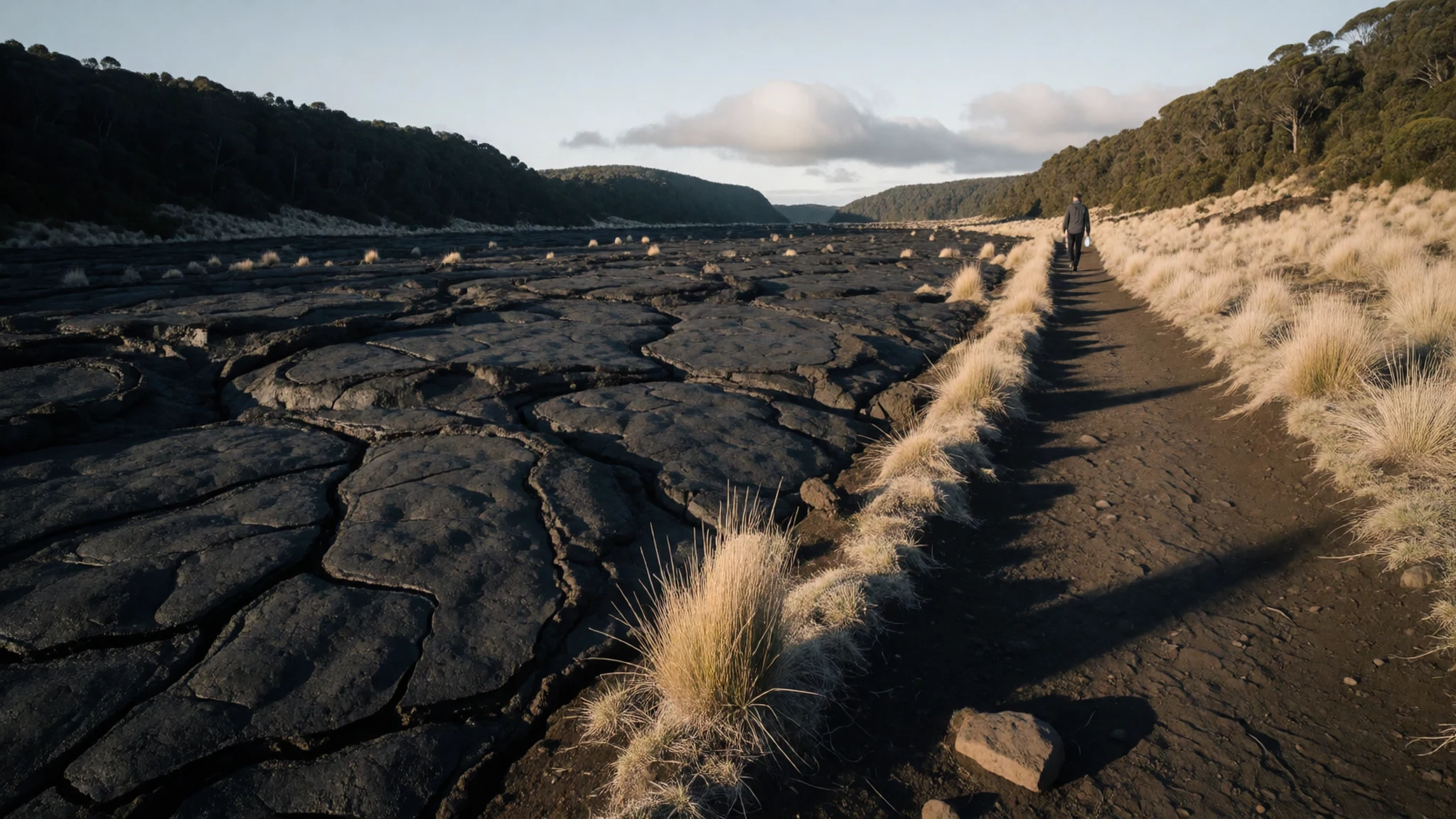
- Olemoe Falls — South-east
Wikivoyage calls it the most spectacular of Savai'i's many jungle waterfalls. A short walk from a four-wheel-drive track leads to a cool freshwater pool beneath the cascade. The path can be slick after rain, and swimming is welcome only once the landowning family has agreed.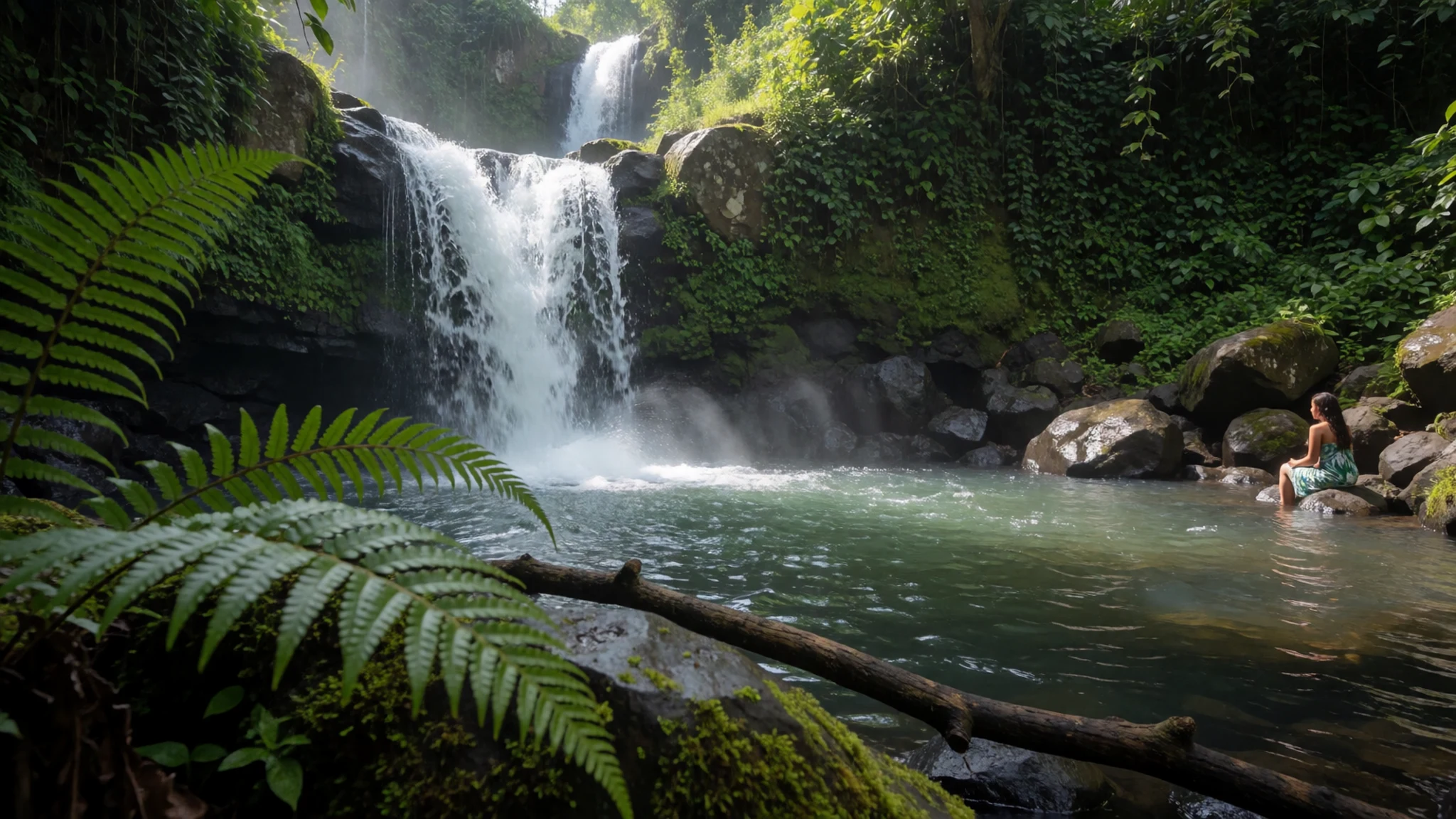
- Pulemelei Ancient Mound — South-east interior
Also called Tia Seu, this stepped stone platform in the forest is described by Wikivoyage as the largest ancient structure in Polynesia. It is overgrown, quiet and still little explained. Go for the atmosphere rather than for signage, and ask nearby villagers about access and local custom.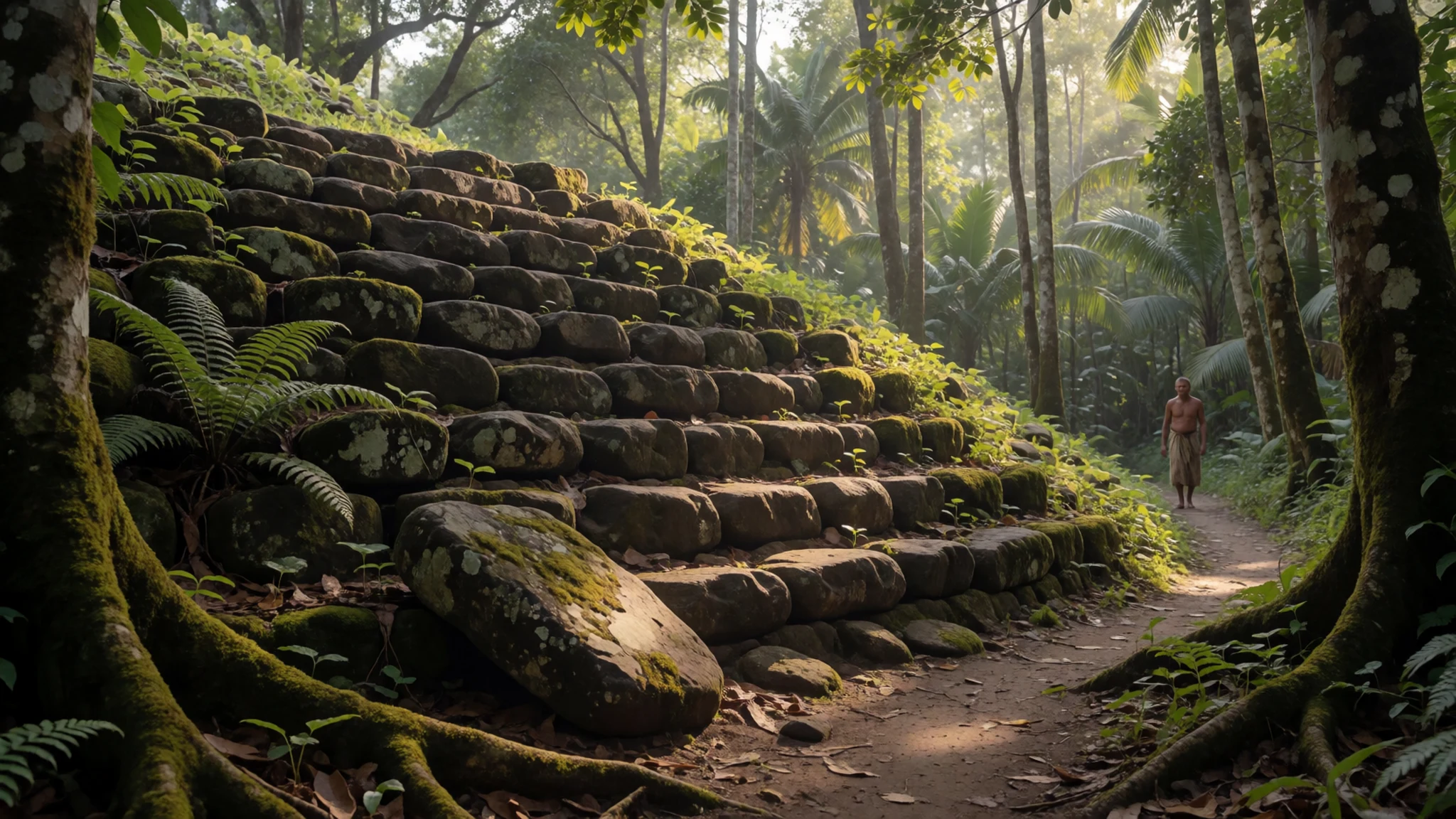
Culture
Savai'i is one of the places where fa'a Sāmoa, the Samoan way of life, is felt most strongly, with less development and fewer outside influences than on Upolu. Society is communal and built on extended families, so kinship, genealogy and obligation matter. Values such as love (alofa), service (tautua), respect (fa'aaloalo) and discipline (usita'i) shape daily life. Most land is held collectively by families, or 'aiga, rather than by individuals, and the great majority of islanders live on this customary land. Each family is led by a matai, the holder of a chiefly title, and one family can have several. Villages are governed through councils of matai, which is why tourism is usually arranged village by village: the council or a family decides who may visit a waterfall or a beach and what is expected in return. Churches are central, with services, choirs and evening prayers shaping the rhythm of the week, and Sunday is a day of worship and rest. The kava-type ceremony known as 'ava, in which the drink is prepared and shared in a set order, opens formal gatherings and marks respect. Hospitality is generous, and visitors who accept it graciously are remembered kindly. When arriving in a village, ask for the matai or the family hosting you, accept their welcome, dress modestly, and keep quiet during evening prayers and on Sunday morning.
What to wear
Traditional Samoan dress centres on the lavalava, a length of cloth wrapped at the waist. Men wear the 'ie faitaga, a tailored wrap-skirt with pockets, with a shirt for church, formal occasions and government work. Women wear the puletasi, a matching tunic and skirt in printed cotton, often chosen as a uniform by churches, schools and offices. Fine mats ('ie toga), woven from pandanus leaf, are among the most valued gifts at weddings, funerals and title ceremonies, and siapo, a bark cloth decorated by hand, appears in ceremony and as keepsake art. Traditional tattooing is a respected art in Samoa, and a full tattoo carries deep cultural meaning. Day to day on Savai'i, people wear T-shirts, shorts and lavalava in the heat, then switch to crisp white or matching colours for Sunday church. Visitors do best with light cotton or linen that dries quickly, covering shoulders and knees in villages and anywhere near a church. Swimwear belongs on the beach, not on the road or in the village. Sturdy sandals suit the sealed road, while reef shoes or old trainers help on lava rock, muddy tracks and river crossings. Pack a sun hat, a light rain jacket and a sarong, which doubles as a modest cover-up and a beach towel.
What to eat
- Umu feast — Village homes and beach fale stays, usually Sundays
A Sunday meal cooked in an earth oven of hot stones, with taro, breadfruit, fish and chicken wrapped in leaves. It is the heart of family celebrations. Visitors can often try it at beach fale stays or village-hosted lunches.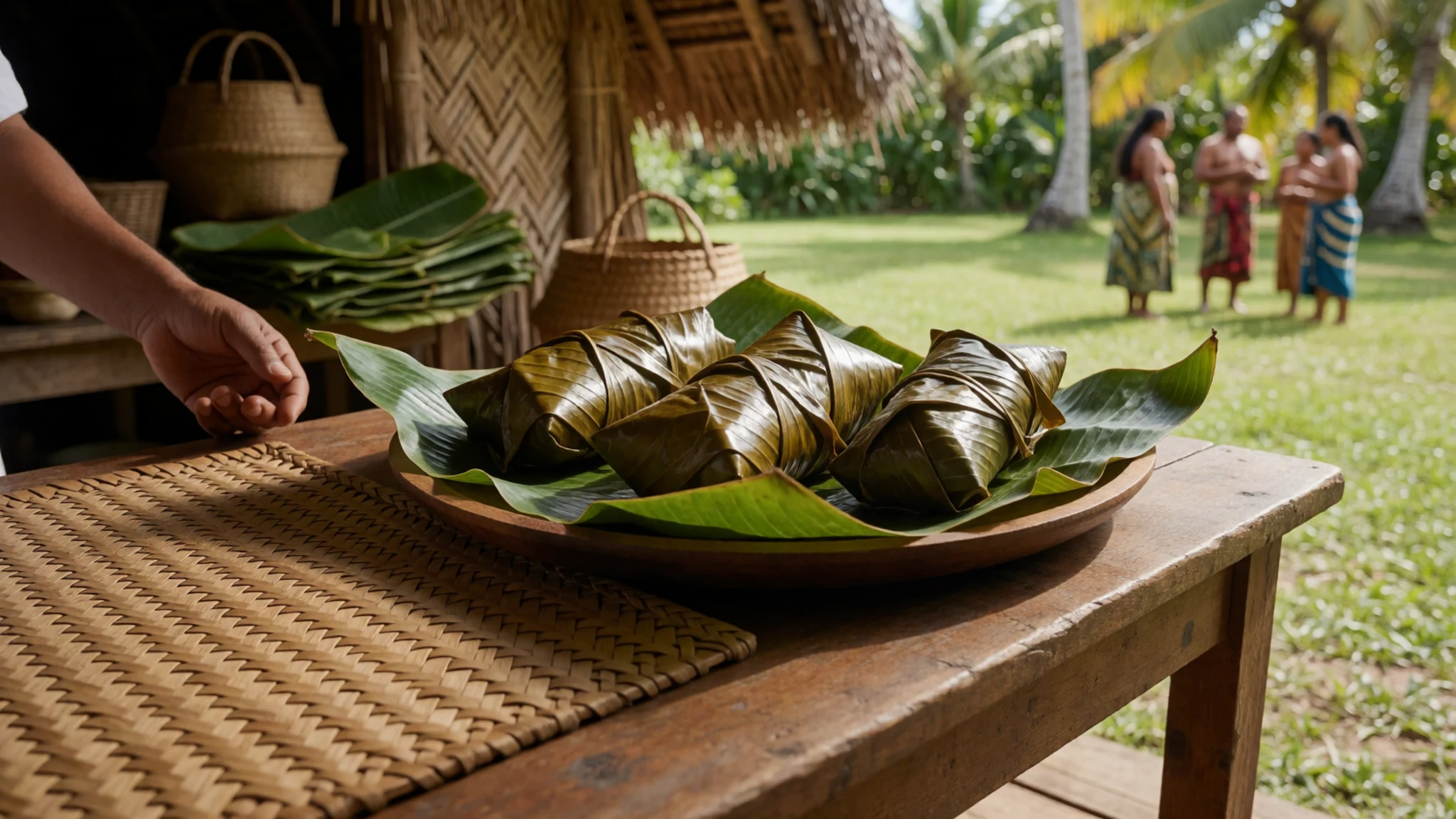
- Palusami — Family meals at guest houses and village feasts
Young taro leaves are filled with coconut cream, sometimes with onion, then wrapped and baked in the umu until soft and rich. It is savoury, creamy and a little earthy, and it often appears alongside fish.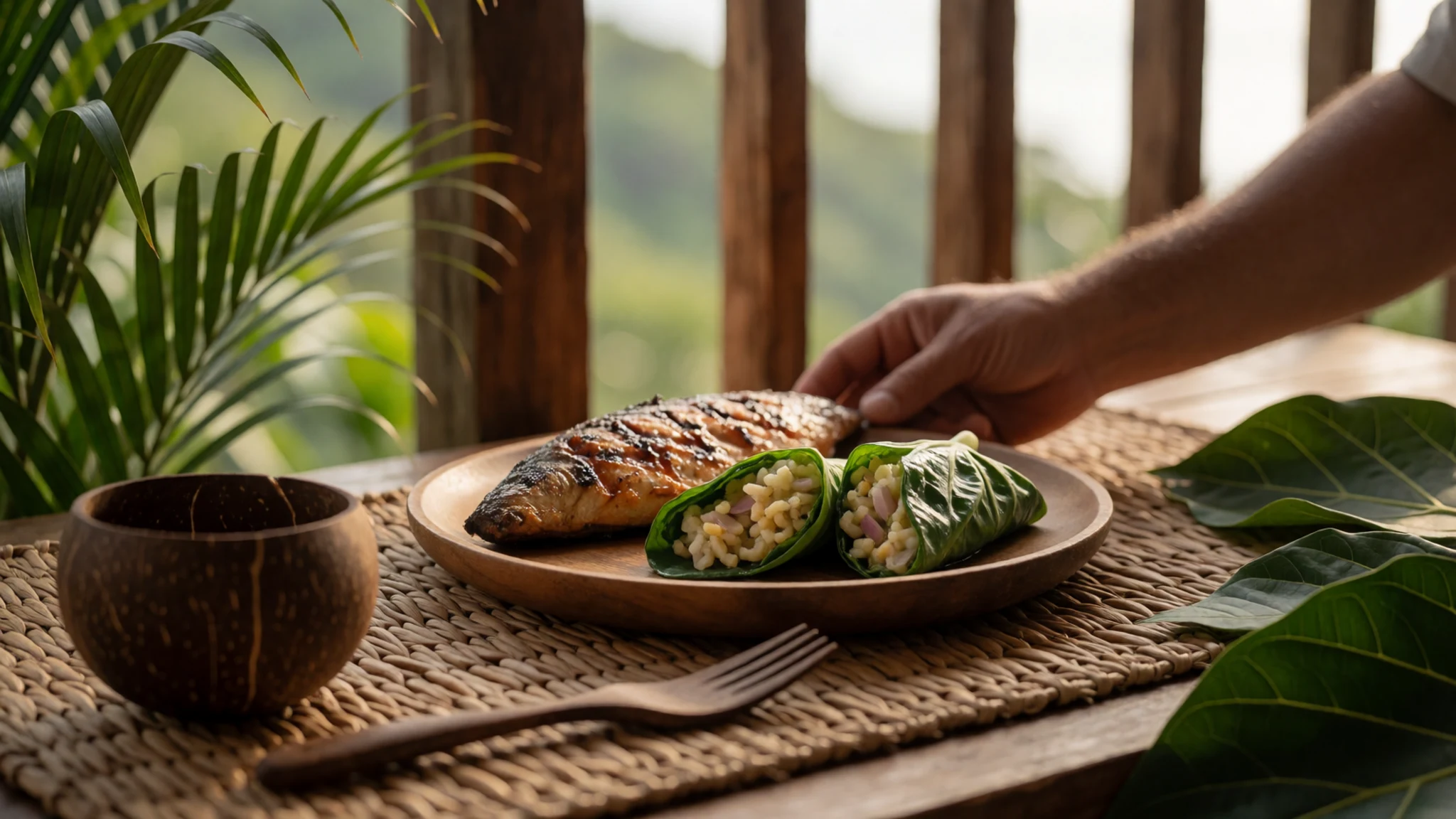
- Oka — Beach fales and guest-house kitchens near the coast
Raw fish, usually tuna, is cured in lime juice and mixed with coconut cream, onion and sometimes cucumber or tomato. It is cool, sharp and sweet at once, and suits a hot afternoon. - Taro, breadfruit and green bananas — Salelologa market and roadside village stalls
These starchy staples are boiled, baked or fried and served with nearly everything, much as rice or bread would be elsewhere. Breadfruit is especially good freshly roasted over a fire, with a soft, slightly nutty centre. - Fresh coconut and tropical fruit — Salelologa market and village roadside stalls
Drinking coconuts are cut open on request, and the flesh is scraped with a spoon. Pawpaw, bananas, pineapple and mango appear in season, and are sweetest bought direct from the market or a family stall.
Plan it
Best time. May to October is the drier, slightly cooler part of the year, better for walking to waterfalls and lava fields. November to April is hotter, wetter and more humid, with cyclone risk and muddy tracks.
How long. 3–5
Getting there. Fly to Faleolo airport near Apia on Upolu, travel to Mulifanua wharf, then take the car ferry to Salelologa on Savai'i, a crossing of just over an hour. Sailings are limited and finish in the afternoon, so check the timetable on the shipping company's site (http://www.samoashipping.com/timetable-and-fares). Local buses and hired cars cover the last leg.
Budget. low
Tips
- Pack a small overnight bag for the ferry and leave your main suitcase in Apia if the trip is short
- Check ferry times and travel advisories ahead, as government warnings have mentioned overloading on the crossing
- Eating places are mostly attached to guest houses or fales, with few independent restaurants outside Salelologa, so confirm meals when booking
- Carry cash for village fees, markets and small shops, and ask about the amount before you go
- Start lava field and rainforest walks early to avoid the midday heat, and carry plenty of water
Etiquette
- Ask the village or landowning family before swimming, walking or camping on customary land
- Dress modestly in villages and stay quiet during evening prayers and Sunday worship
- Accept offered food and drink politely, and avoid pointing your feet at others while sitting in a fale
Nearby
Sources
- Wikidata Q337519 (CC0)
- Wikipedia: Savai'i (rev 1381198106) (CC BY-SA 4.0)
- Wikivoyage: Savaii (rev 5417548) (CC BY-SA 4.0)
- Satellite image of Savai'i (NASA) (Public domain)
- Savaii, Samoa (NASA Earth Observatory) (Public domain)
- 3 Samoan girls making ava 1909 (Bartlett Tripp) (Public domain)
- Admiral Charles Wilkes (Public domain)
- Samoan fale, Lelepa village, Savaii (Teinesavaii) (CC BY 3.0)
- Samoa districts named (Golbez) (CC BY 3.0)
- Samoa scenic coastline with palm trees (Teinesavaii) (CC BY 3.0)
- Piper methysticum (Forest & Kim Starr) (CC BY 3.0)


