Lospalos
Lospalos, Timor-Leste

Lospalos is the highland gateway to Timor-Leste's far east, a quiet Fataluku town with sacred houses, long road journeys and little tourist polish.
The place
Lospalos sits in the highlands of far eastern Timor-Leste, 346 metres above sea level, and is the administrative centre of Lautém Municipality. With a population of 12,782, it is a small, spread-out town more than a city in the usual sense: a central junction, a market, government offices, schools and churches, with farmland and forested ridges close on every side. The altitude makes evenings a little cooler than on the coast, though days can still be hot.
The name looks Spanish and is often written Los Palos, but that spelling rests on a guess. It comes from Lohoasupala, the Fataluku name for the place, and Fataluku speakers today say Lospala. Fataluku is the everyday language of the surrounding villages, heard alongside Tetum and Portuguese, the official languages. English, Tetum and Portuguese all prefer the spelling Lospalos.
The climate is tropical savanna. The dry season runs from August to October, and rain falls through the other nine months, which turns side roads muddy and makes some rural tracks slow going. Travellers should expect a working town rather than a resort. Guesthouses and eateries are modest, and there are few formal attractions inside the town itself. Its value is as a base: the road east leads to villages, coast and old rock-art country, and the town gives a plain, unhurried look at daily life in a part of Timor-Leste that sees few visitors. Distances from the capital, Dili, are best thought of in terms of a long day on the bus rather than kilometres.
Its story
Lospalos owes its status as a regional capital partly to one man's argument about water. During the Portuguese colonial period, the local rulers of Lautém had to agree where the district's administrative seat should be. Cipriano Monteiro da Costa, known as Ratu-Mimiraka, a king of the Souro peoples from the Watchumura Rato clan, was chosen to speak for all of them. His case was practical: water runs down from the mountains to the sea, so the main settlement should sit in the highlands near the source, not down at the coast. Lospalos won. Portuguese officials remembered him as an able organiser and a man of dignity, and the town still counts him as its own.
The town has produced other figures from the twentieth-century struggles over Timor's future. José dos Santos, known as LOY, was born in the village of Nanakuru in Souro and became a Timorese combatant and regional commander for the eastern end of the territory in the early years of the resistance. Frederico Almeida Santos Costa, co-founder and president of the party APODETI, was also born here. Those two names sit on opposite sides of the political divisions of that era, a reminder that small towns carry big arguments.
The story of Lospalos is therefore less about monuments than about local authority, language and place. Its Fataluku name was reshaped by outsiders into a Spanish-looking word, and its choice as capital came from a local reading of geography. Visitors who ask older residents about the town's history will usually hear it told through families, clans and villages.
What to see
- Central junction and market area — Town centre
Lospalos is easiest to understand on foot around its central junction, where traffic, small shops, minibuses and market stalls meet. Go in the morning, when produce arrives and people stop to talk. It is plain and unpolished, but it shows how the town works as a hub for the surrounding villages.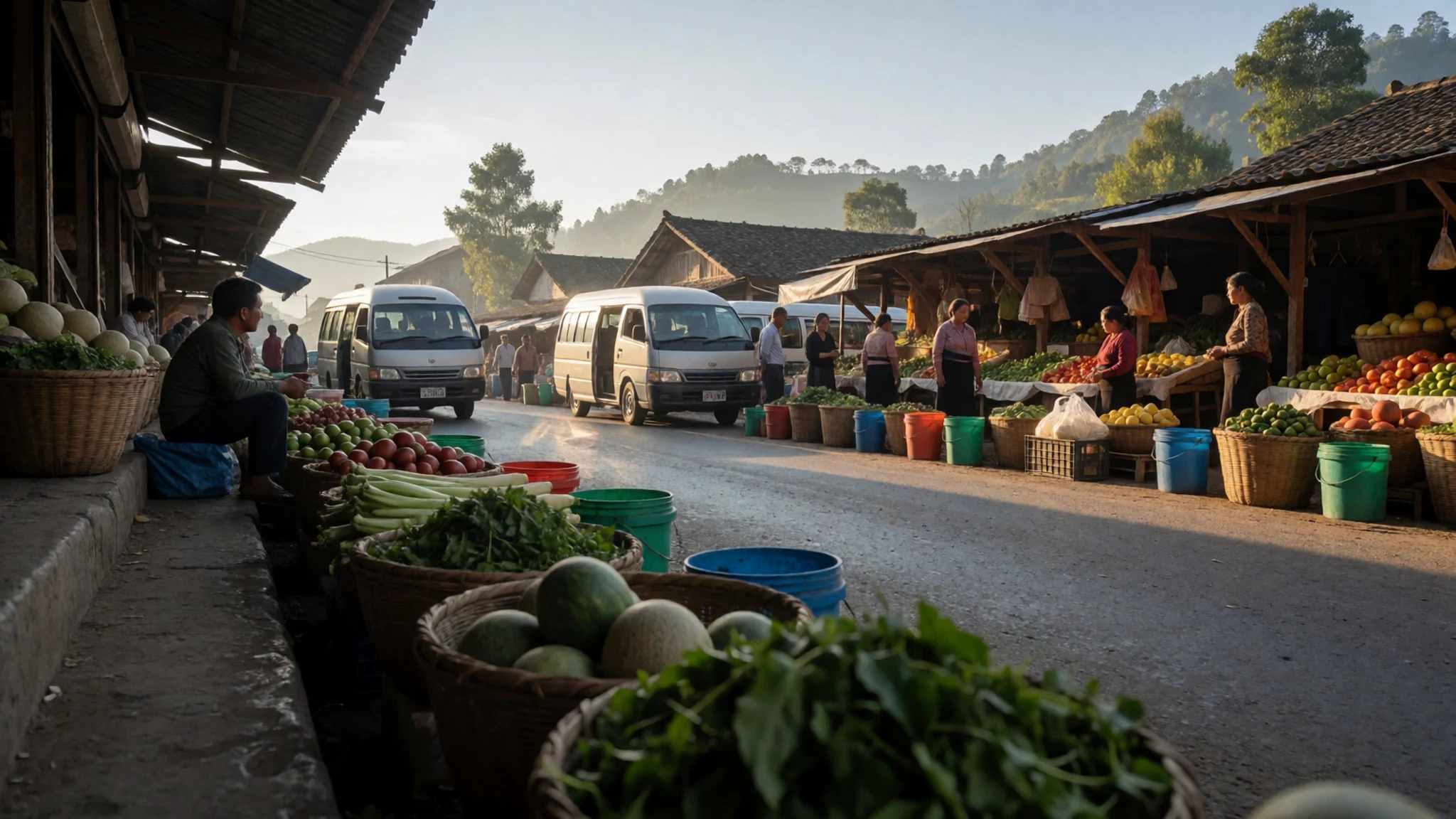
- Fataluku sacred houses — Villages around Lospalos
Villages around Lospalos are known for Fataluku sacred houses, raised timber buildings with steep roofs that serve clans as ceremonial and ancestral homes. Many are not casual attractions. Ask locally, preferably through a guide or a host, before approaching one, and accept it if the answer is no.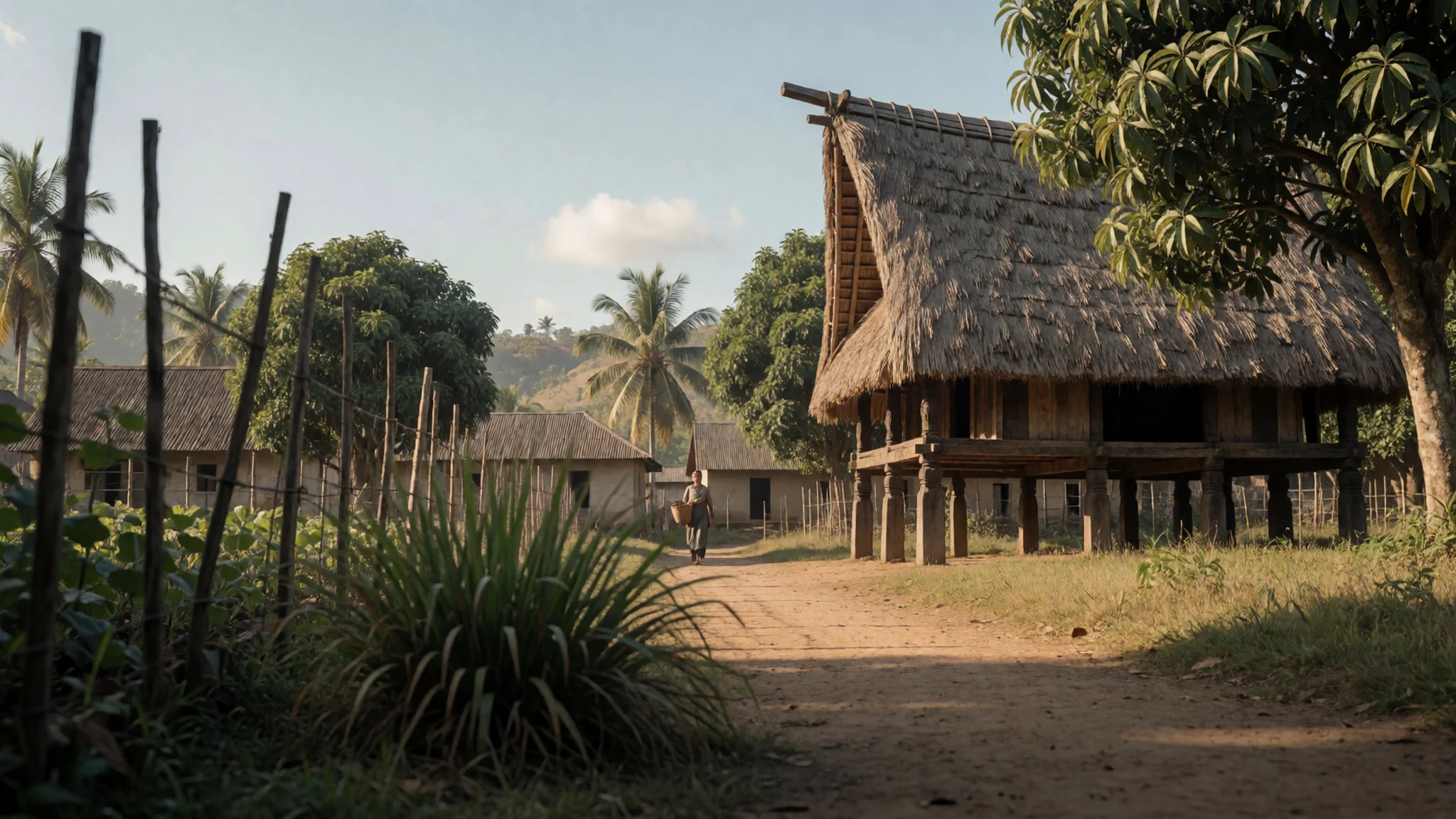
- Tutuala and the rock-art caves — East of Lospalos
Tutuala lies at the eastern tip of the mainland, and nearby caves hold ancient rock paintings. The route is slow, partly rural and weather-dependent, so it needs a full day, a local guide and a vehicle that can cope with rough sections. Ask in Lospalos about current road and access conditions.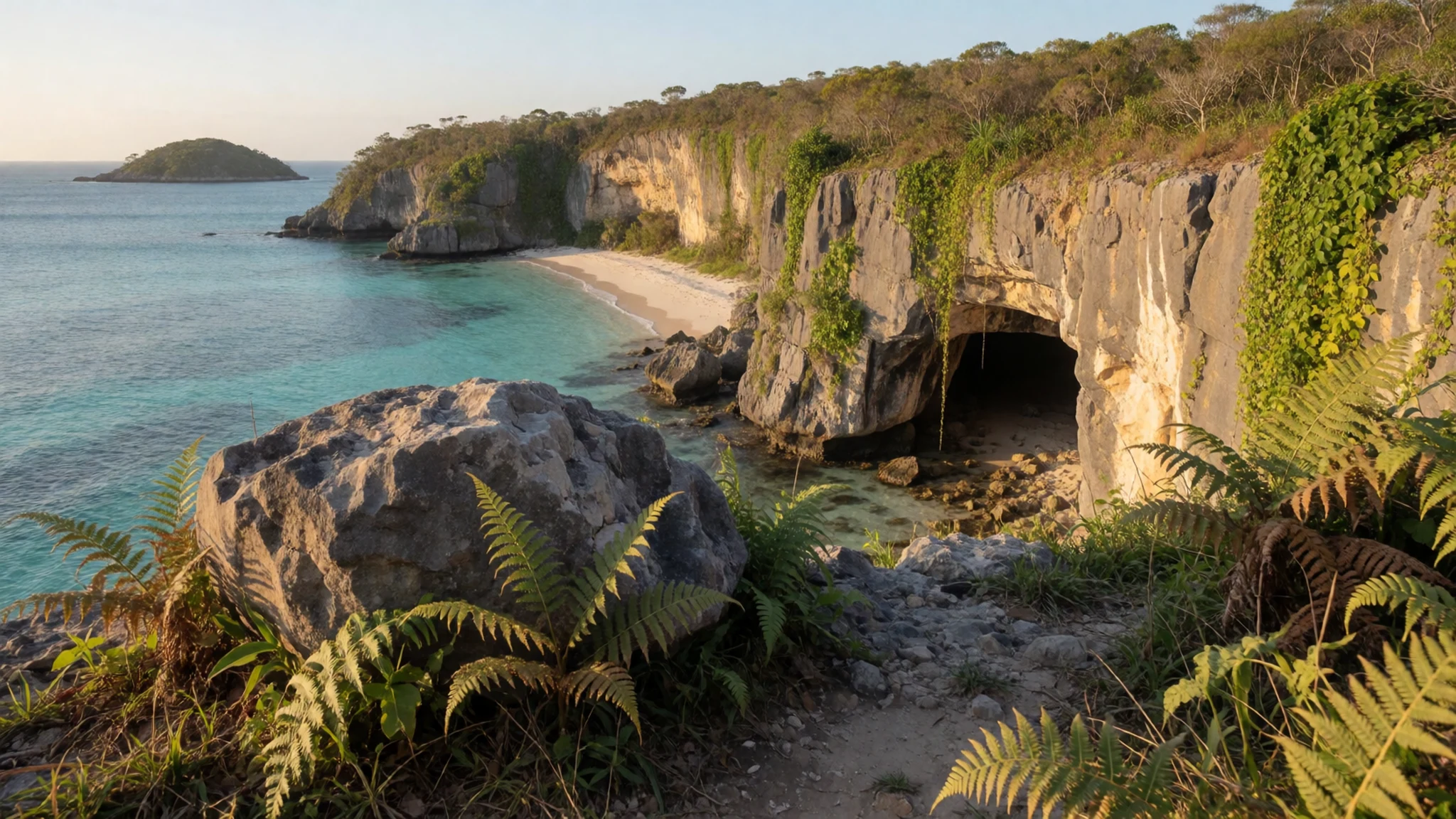
- Valu beach and Jaco Island — Far east coast
Past Tutuala the land runs out at white sand and clear water, with the small island of Jaco lying just offshore. Jaco is regarded as sacred by local people, so day visits are managed locally. Ask for current rules, and bring water, food and sun protection, as facilities are minimal.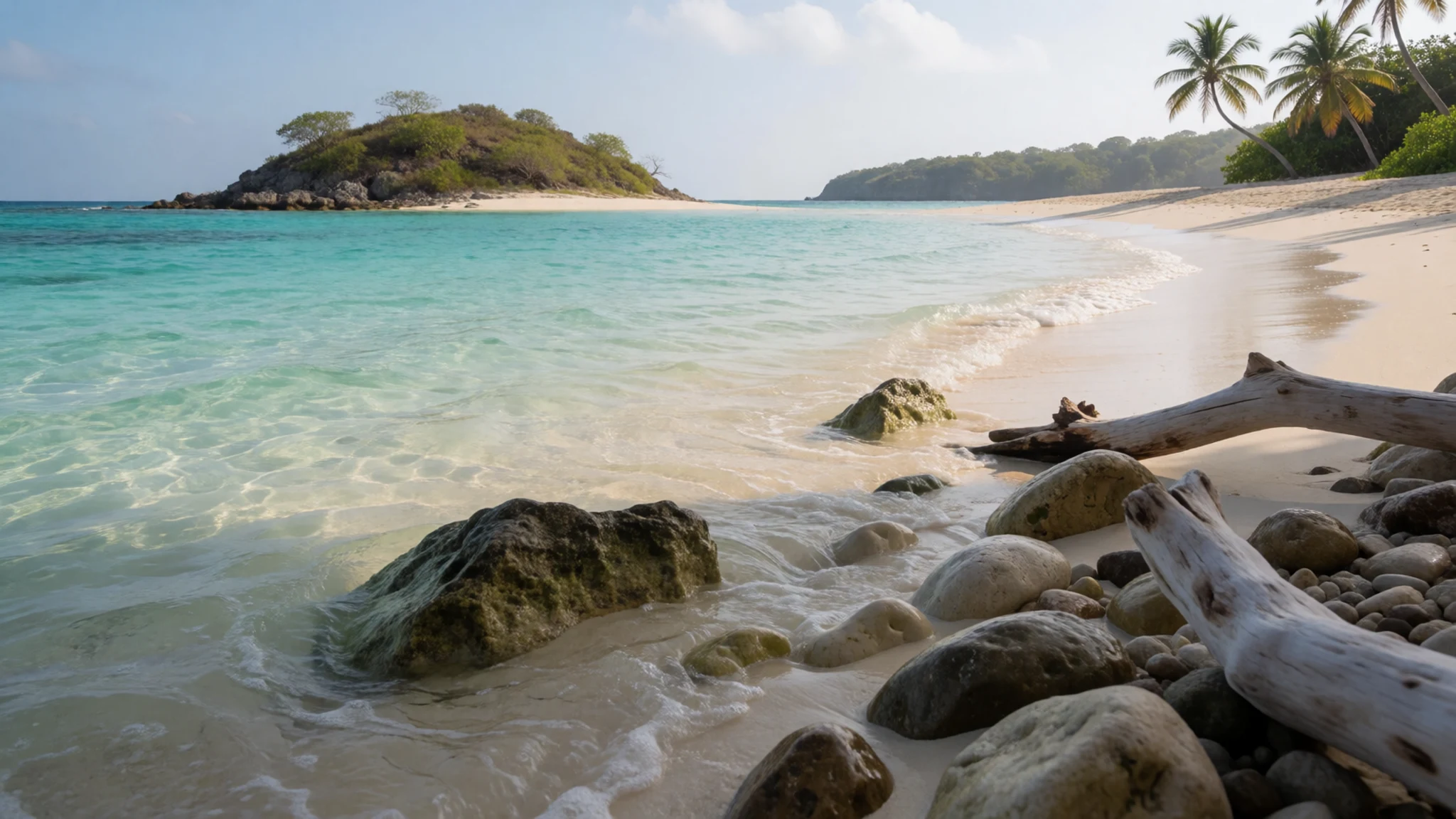
- The road out towards Baucau — Lospalos to Baucau road
Even the drive is a sight here. The main road leaves Lospalos through hill country, passing farms, small villages and long views before it drops towards the north coast. Travelling by day, with stops, gives a good sense of the country's rural east.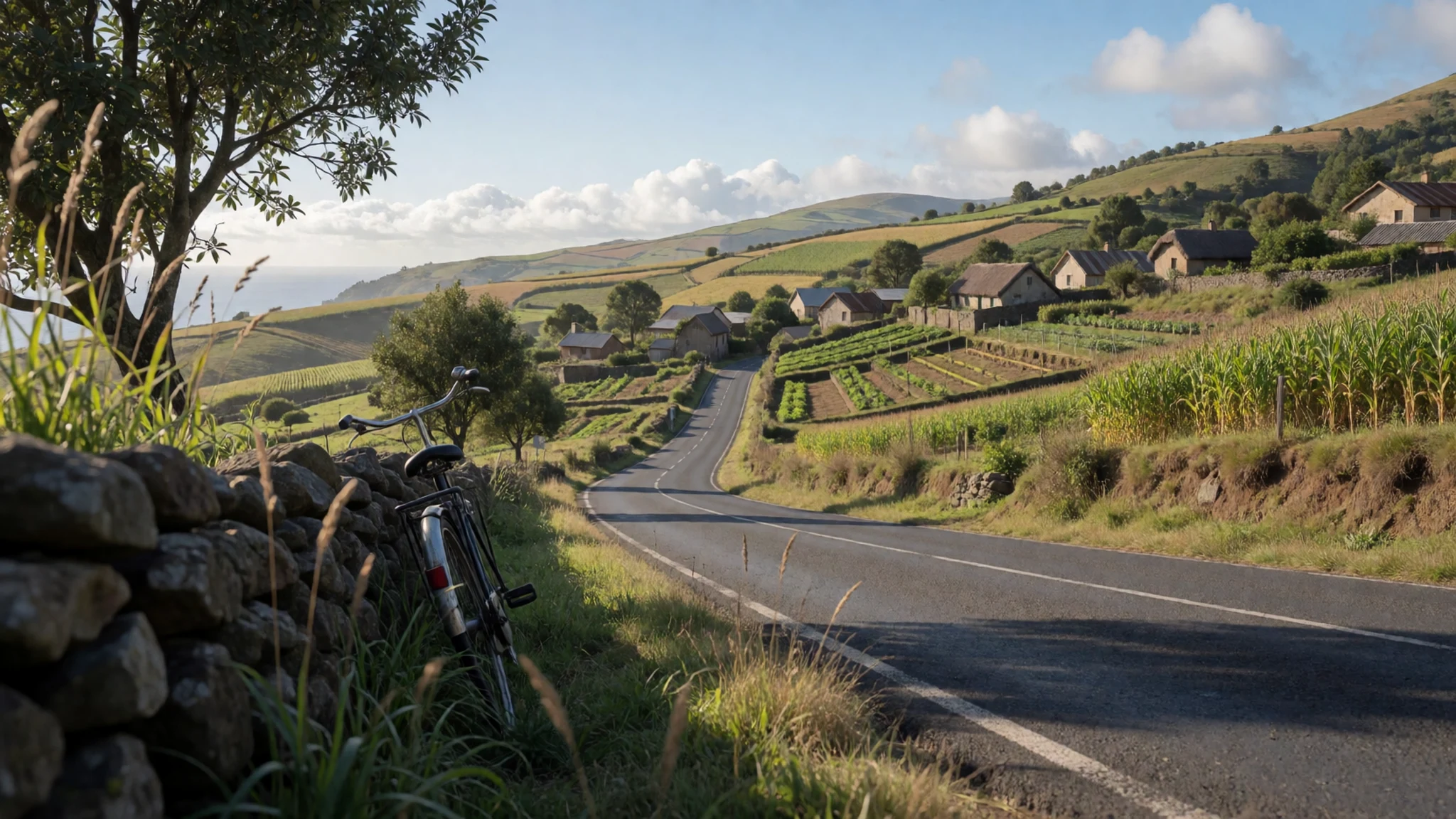
Culture
Lospalos is Fataluku country, and culture here is organised around language, clan and the house. Fataluku is the first language for many families, while Tetum is the common language across Timor-Leste and Portuguese remains an official one. Catholic churches are well attended, and Sunday mornings are for worship and family, so the town is quieter than on weekdays.
Alongside church life sits an older layer of belief tied to ancestors and sacred houses. Clans keep ceremonial buildings in villages around the town, and these are tied to ritual, memory and land. Many are lulik, a Tetum word for sacred or forbidden, and rules about who may enter, touch or photograph them are set by the families who look after them. A visitor who treats such places as living property, not scenery, will be received much better.
Traditional authority still matters. The story of the local king who helped make Lospalos the district capital is told with pride, and clan leaders are consulted over land, ceremonies and disputes. Hospitality is common: expect to be offered coffee, a seat and questions about where you come from, and take the time to answer.
Speaking a few words of Tetum helps, and greeting people before asking a question is simply good manners. Ask before photographing any sacred house, ceremony or person, and accept a refusal without argument.
What to wear
Traditional dress in Lospalos and across Timor-Leste centres on tais, hand-woven cloth made on backstrap looms, usually from cotton and often coloured with natural dyes. Patterns, colours and motifs vary by region and family, and Lautém has its own styles. Tais is worn as a skirt, sarong, shawl or sash, and is given as a gift at weddings, funerals and other family ceremonies. On formal occasions, ornaments such as metal pendants and headgear may be added.
Day to day, people in Lospalos dress simply and practically. T-shirts, football shirts, jeans, trousers, skirts and sandals are common, and farm work means old clothes and rubber boots. Sunday is the exception: families wear their smartest clothes for church, often with a piece of tais. Men and women both tend to dress modestly, with covered knees and shoulders.
Visitors should dress for a warm, humid climate, but with the same modesty. Light cotton or quick-drying shirts, long trousers or knee-length skirts, and a hat for the sun work best. Sturdy closed shoes or good sandals are sensible for muddy tracks, rocky paths and village walks. In the wet season, a light rain jacket is worth carrying. Swimwear belongs on the beach only, and shoulders and knees should be covered in town, in villages and at churches. Ask before wearing or buying tais as a souvenir, since pieces may carry family meaning.
What to eat
- Batar da'an — Family-run eateries and home kitchens in town
A comforting stew of maize, pumpkin and beans, often with greens, cooked slowly until soft. It is a staple of Timorese home cooking and is simple, filling and mild. Look for it at family-run eateries and ask locally what is cooked that day.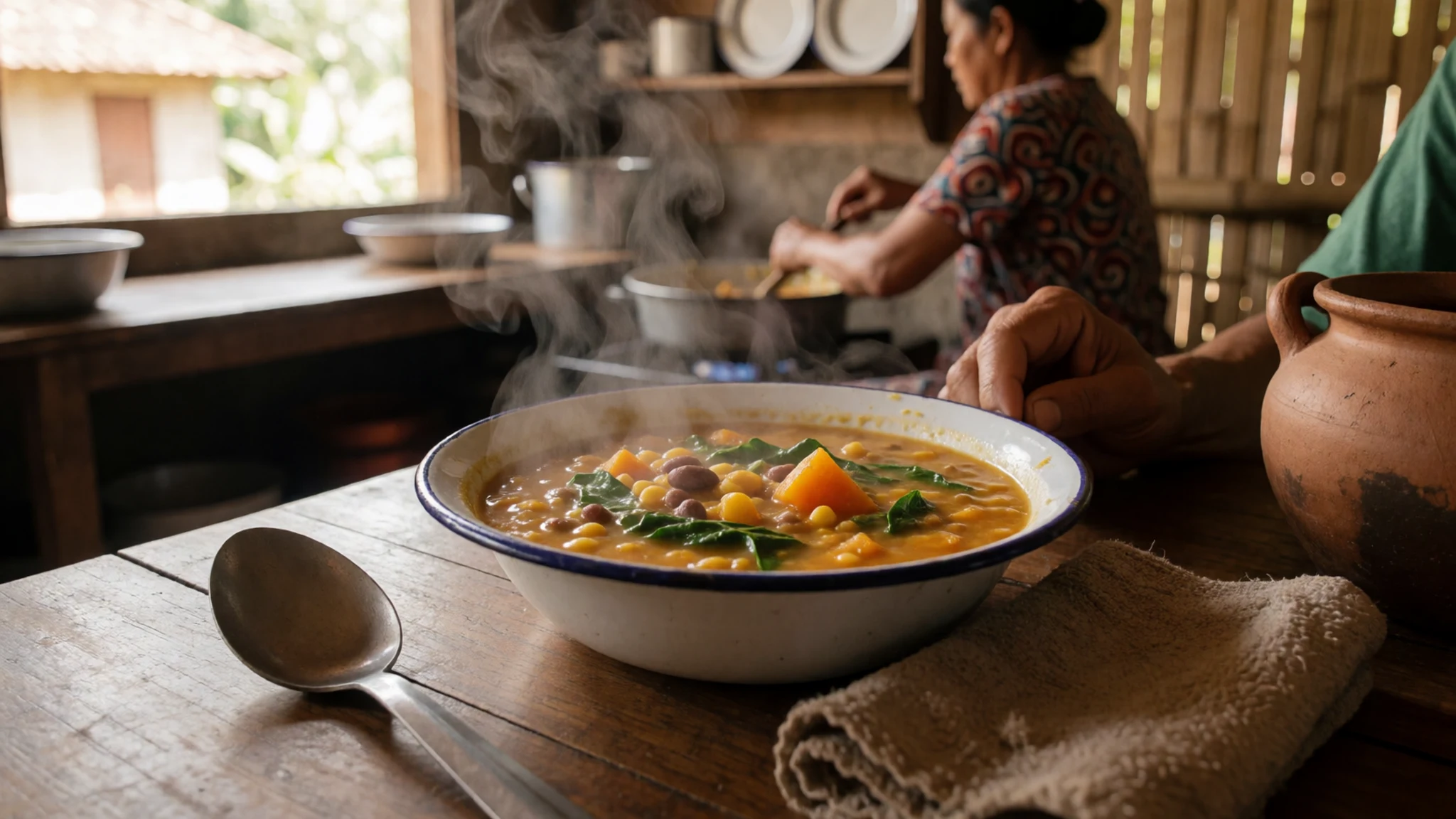
- Grilled fish with sambal — Roadside eateries and the central market
Fresh or dried fish cooked over coals and served with rice and a chilli sambal. The fish usually arrives from the coast, so quality depends on the day. It is straightforward, smoky and best eaten with plenty of the hot sauce on the side.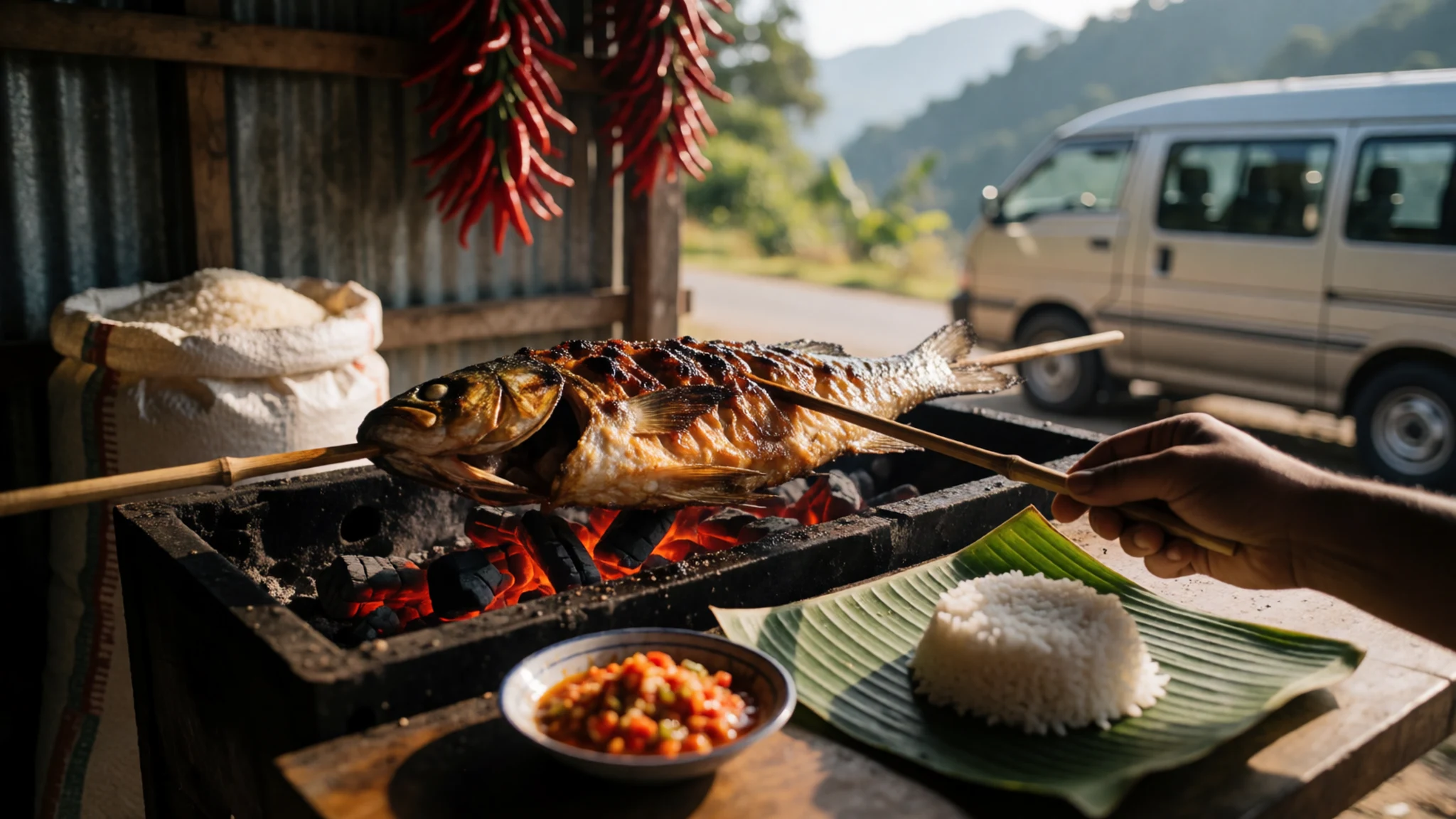
- Ikan sabuko — Simple restaurants and eateries along the main road
Fish cooked with tamarind and spices, giving a sour, savoury broth. It is a Timorese favourite, and rice is the natural partner. Ask whether it is on offer, since small places often cook only what they have bought that morning. - Cassava and sweet potato — Morning market stalls
Boiled or fried root vegetables are everyday food in the east, eaten with sambal, fish or vegetables. They are cheap, filling and good fuel for a day of walking. Look for them at market stalls, often sold alongside bananas and greens. - Timorese coffee — Cafés and tea stalls around the central junction
Coffee grown in the hills of Timor-Leste is served strong and often sweet in small glasses or cups. A cup is an easy way to start a conversation. Many cafés and stalls serve it, and beans can be bought to take home.
Plan it
Best time. August to October, the dry season, when roads are firmest and walking and beach days are easiest. The wet season covers the other nine months, with rain that can make rural tracks slow and muddy.
How long. 2–3
Getting there. Fly into Dili, the national capital, then take a long road journey east: buses run from Dili, usually early or in the afternoon, and take most of a day. Buses from Baucau pass through on the same route and can be flagged down at the roundabout. Ask at the terminal for current departure times, or hire a car with a driver for flexibility.
Budget. low
Tips
- Start bus journeys early and ask locally for current departure times, as schedules change
- Carry cash in small notes, as cards are rarely accepted outside Dili
- Bring drinking water and snacks for the road and for trips to the east coast
- Arrange a guide or driver for Tutuala, Valu and Jaco, as signs are sparse and tracks vary with weather
- Book rooms ahead where possible, since accommodation is limited
Etiquette
- Ask before photographing people, ceremonies or sacred houses
- Cover shoulders and knees in town, villages and churches
- Greet people before asking questions, and accept offers of coffee politely
Nearby
Sources
- Wikidata Q1017098 (CC0)
- Wikipedia: Lospalos (rev 1376759462) (CC BY-SA 4.0)
- Wikivoyage: Lospalos (rev 4587970) (CC BY-SA 4.0)
- Photo 01-lospalos-klein.jpg, J. Patrick Fischer (CC BY 3.0)
- Photo 02-fuiloro-suco.png, Jezinho Rosario, Direcção-Geral de Estatística DGE, Ministériu Finansas (Public domain)
- Photo 03-1965-casa-em-lospalos.jpg, unknown (Public domain)
- Photo 04-2016-07-14-na-saida-de-lospalos-estrada-nacional-lospalos-ba.jpg, José Fernando Real (CC BY-SA 4.0)
- Photo 05-2020-04-29-feuerwehr-in-lospalos.jpg, Servisu Obras Públikas (Public domain)
- Photo 06-central-lospalos-intersection-sep-2013.jpg, Colin Trainor (CC BY 3.0)
- Photo 07-et-oct-2005-disc-066.jpg, Linda Wimetal (Public domain)
- Photo 08-lospalos-2016-07-14.jpg, José Fernando Real (CC BY-SA 4.0)


