Long Island
Long Island, The Bahamas
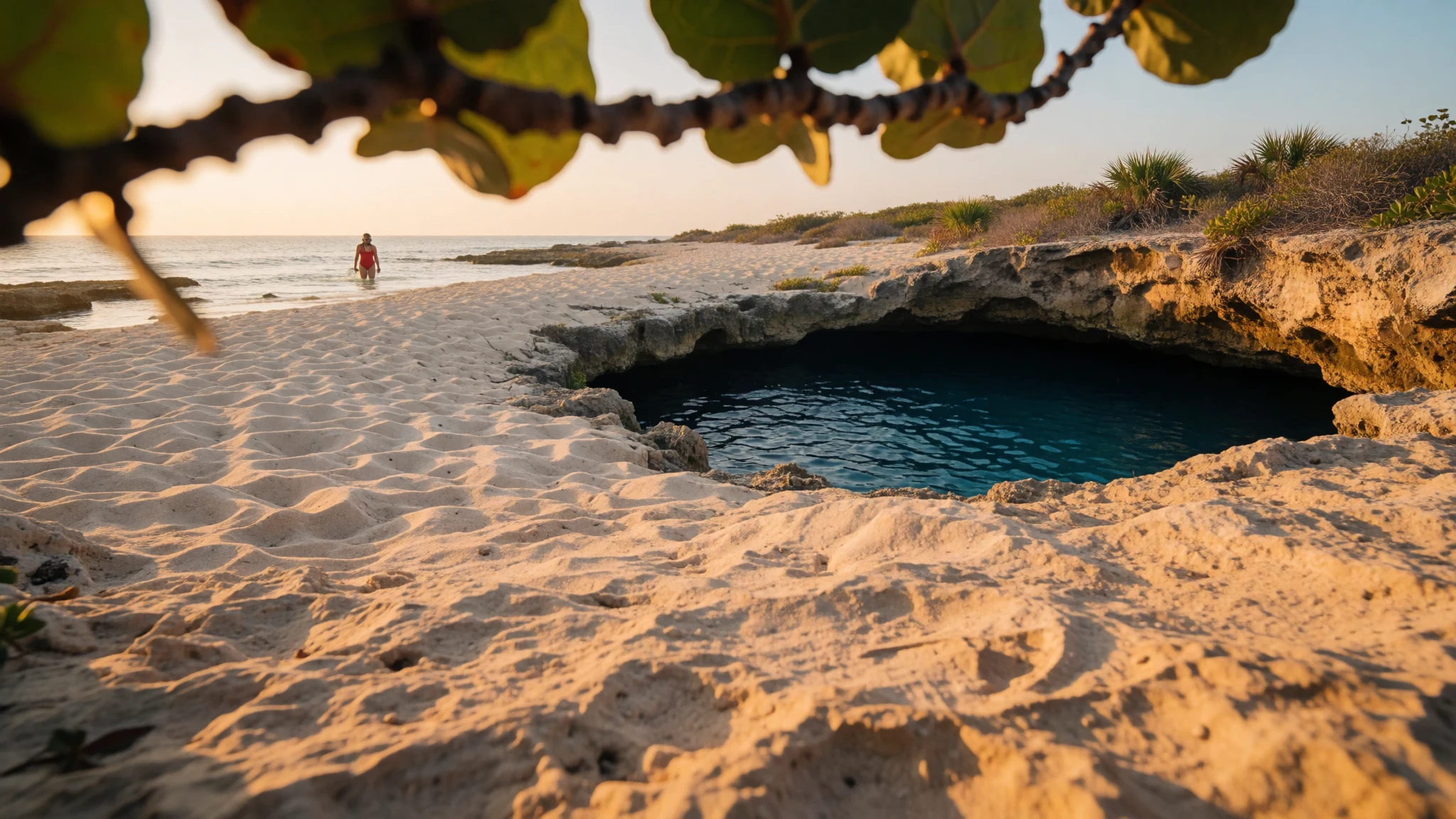
Long Island is a quiet Bahamian island of pale Atlantic beaches, a deep blue hole and slow settlements, reached by small plane or mailboat.
The place
Long Island is a thin strip of limestone in the southern Bahamas, far longer than it is wide, with the Tropic of Cancer crossing its northern part. Clarence Town is the district capital, but the island works as a string of small settlements along one main road, with Deadman's Cay and Salt Pond among the places where shops, churches and conch bars cluster. Only a few thousand people live here, and the gaps between settlements are long enough that a car matters.
The two coasts behave differently. The Atlantic side to the north-east is rough, with steep rocky headlands and heavy surf, while the sheltered south-west coast has broad, soft white beaches and calmer water. Inland the land is gentler than the coast suggests: salt flats, swampy ground, low hills in the south and higher slopes in the north. Offshore sit small cays, including Sandy Cay, and bays such as New Found Harbour near the middle of the island.
Caves are a recurring feature, in the rock and in the history. The same limestone also holds Dean's Blue Hole, west of Clarence Town. Most visitors come for the beaches, fishing on the shallow flats, snorkelling and the quiet. Expect few crowds, limited services, and a pace set by flights, boats and weather rather than by any timetable.
Its story
Long Island's recorded past begins with the Lucayan Taíno, who lived here before Europeans arrived. Archaeologists have found ceremonial stools called duhos, and the people probably sheltered in the island's caves. Their name for the island, Yuma, is usually translated as "middle high land". Some writers believe this is the island Christopher Columbus called Fernandina on his 1492 voyage, while others place Fernandina on Little Inagua, Great Exuma or Andros, so the claim is argued rather than settled. A monument to Columbus and the Lucayans stands on the island all the same.
The Lucayans did not last. They were taken as slaves to Hispaniola and Cuba, and the island had no large settlement until the Simms family arrived in 1720.
The next wave came after the American Revolution, when British Loyalists, mostly from New England and New Jersey, left the new United States and settled here. They started the first farms, raising cattle and sheep. Later, settlers from the Carolinas set up cotton plantations, which flourished for only a few years. By the time slavery was abolished in 1834, most of the plantations had failed and been abandoned.
Their ruins still stand across the island, though bush has swallowed most of them. They are the visible trace of an economy built on enslaved labour that collapsed within a generation, leaving behind the small farming and fishing communities that remain.
What to see
- Dean's Blue Hole — West of Clarence Town
Dean's Blue Hole, west of Clarence Town, is a sinkhole of intense blue water that drops 202 metres, set against a pale sheltered beach on the Atlantic side. It is popular for swimming and snorkelling, and it hosts a freediving competition. Stay in the shallow margins unless trained; deaths have occurred here.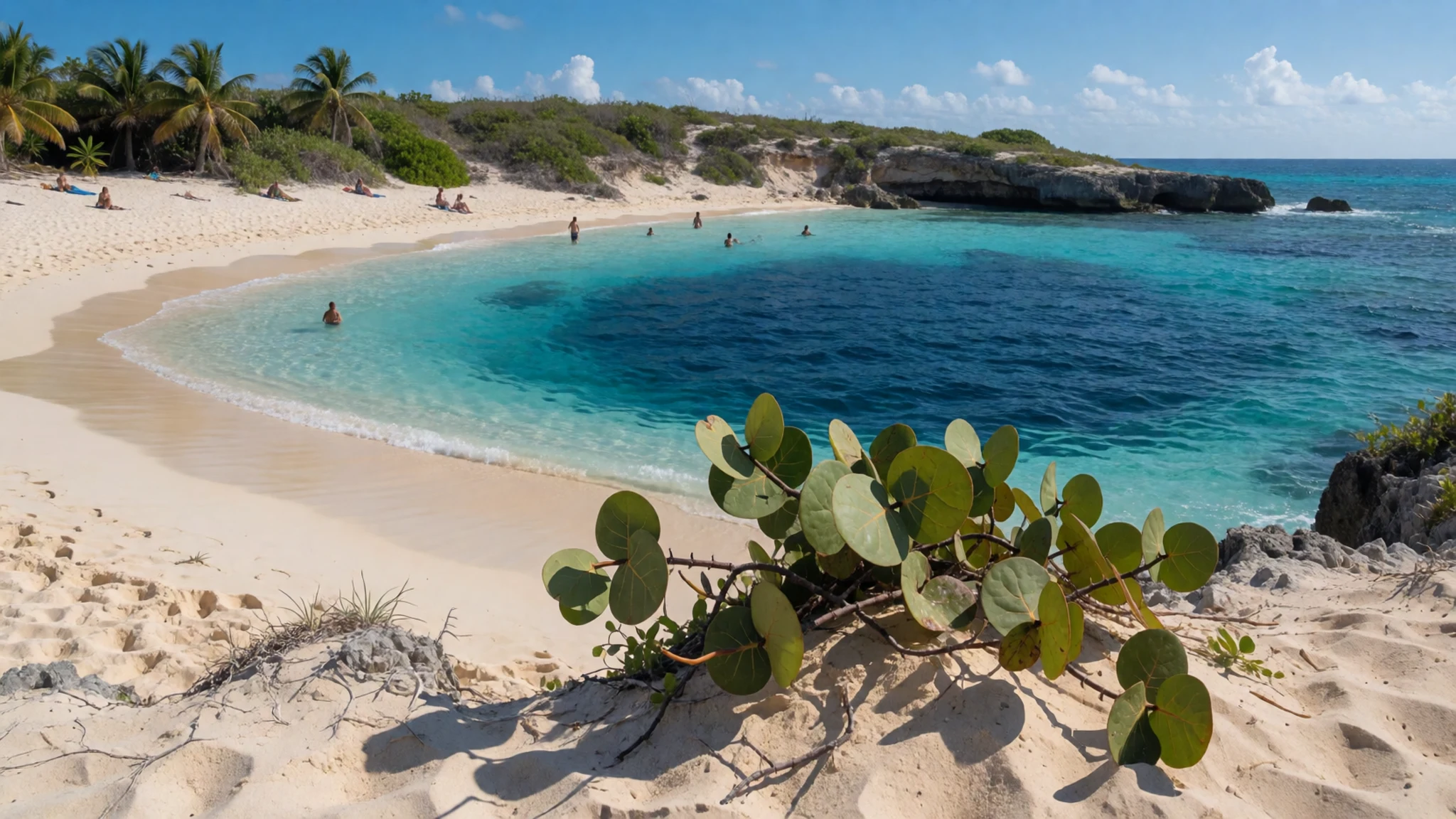
- The Atlantic shore — North-east coast
The north-east side of Long Island faces open ocean, and it shows: steep rocky headlands, wind and surf rolling onto limestone and sand. It is a place for walking and watching the waves rather than for easy swimming. Take care near the edges, and treat the water as dangerous unless locals say otherwise.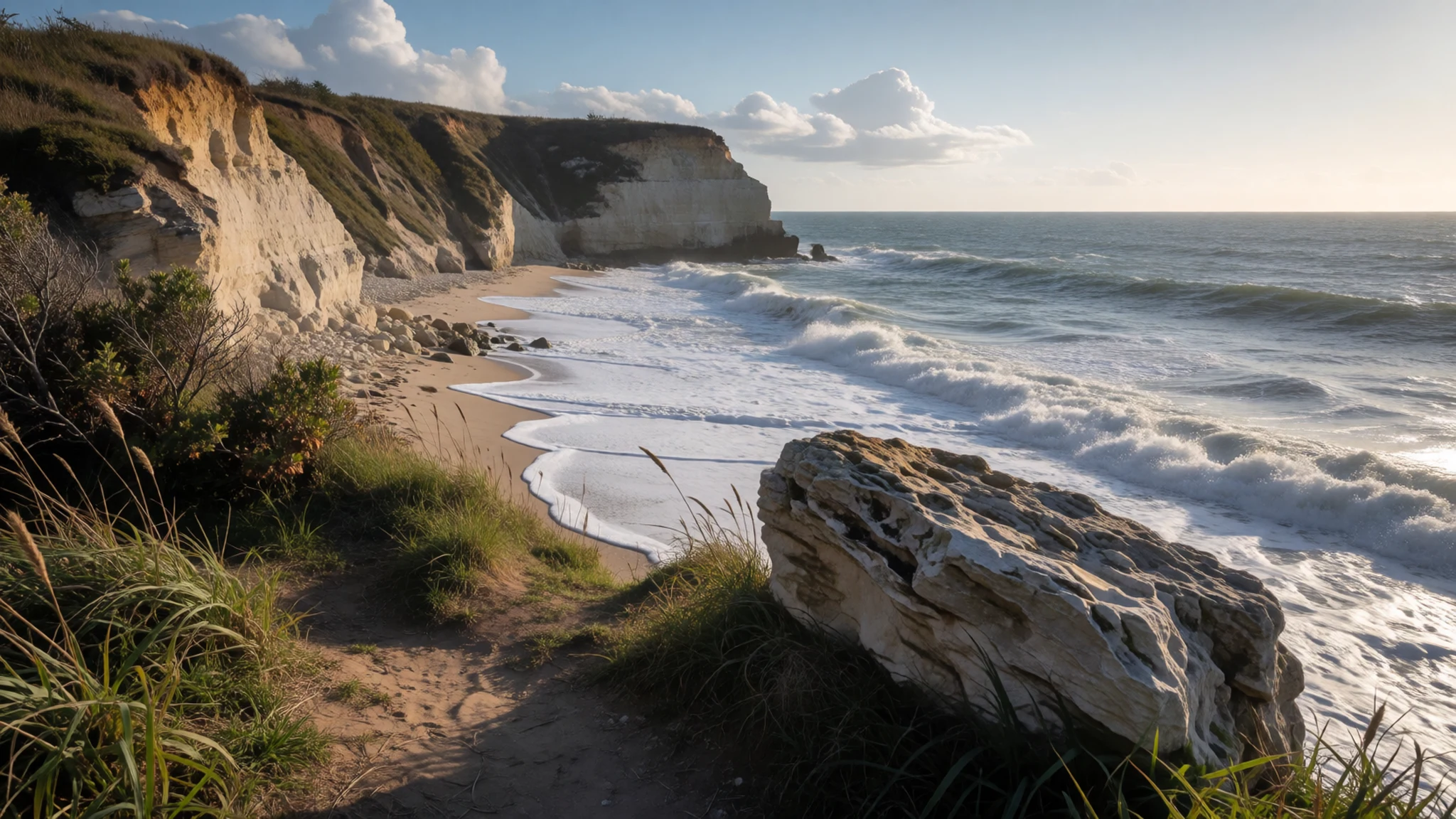
- South-west beaches — South-west coast
The sheltered south-west coast carries the island's broad white beaches, with soft sand and calmer water that suits swimming and snorkelling. Many are long and empty, with no shade or facilities, so bring water and sun protection. Local operators and guesthouses can point to the best stretches on a given day.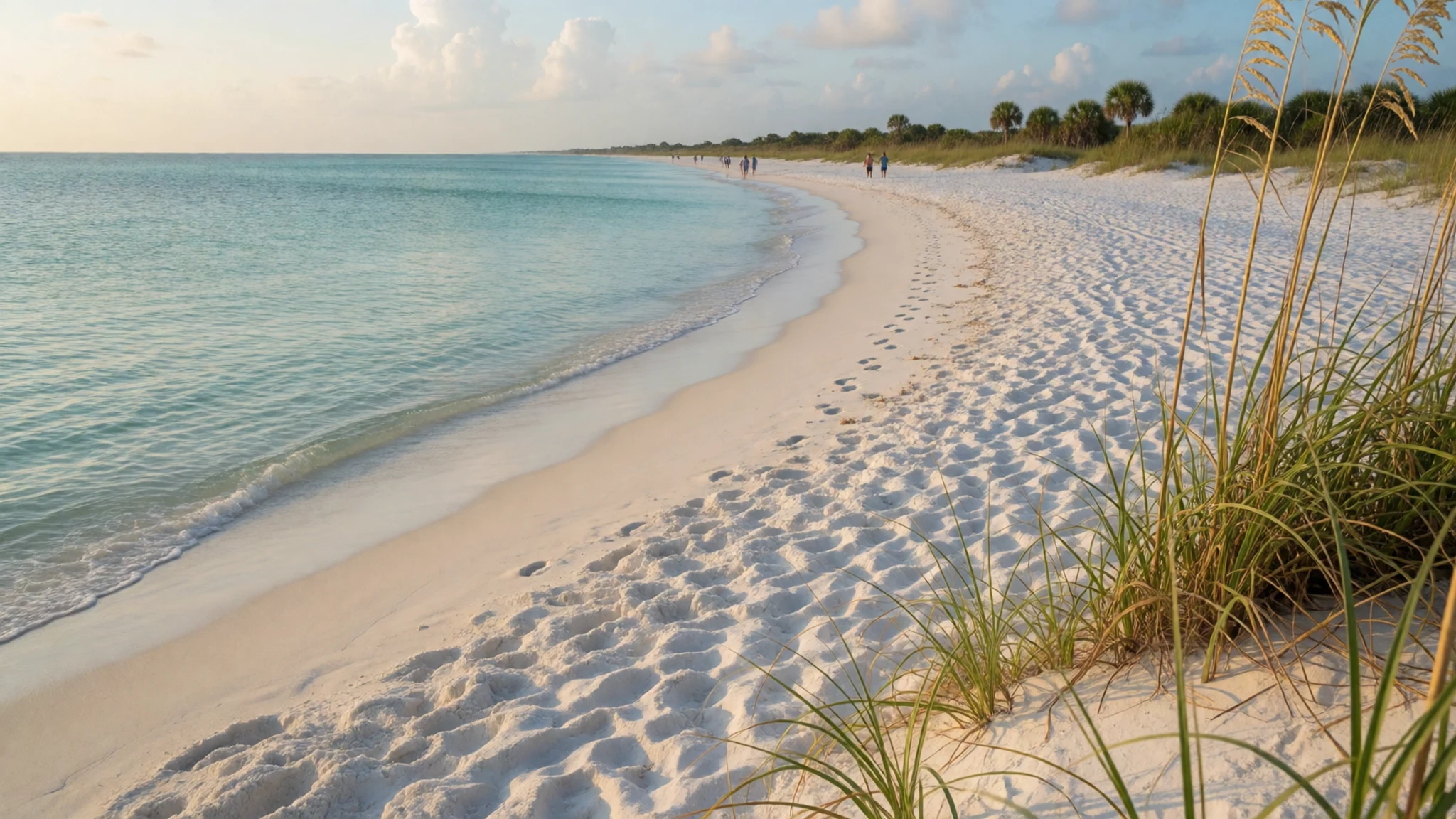
- Columbus and Lucayan Monument — Northern Long Island
A monument near the northern tip commemorates Columbus's voyage and the Lucayan people who lived here first. Whether Columbus really landed on Long Island is debated, so the site works best as a viewpoint and a prompt to think about the island's earliest inhabitants. It is quick to visit and pairs well with the northern beaches.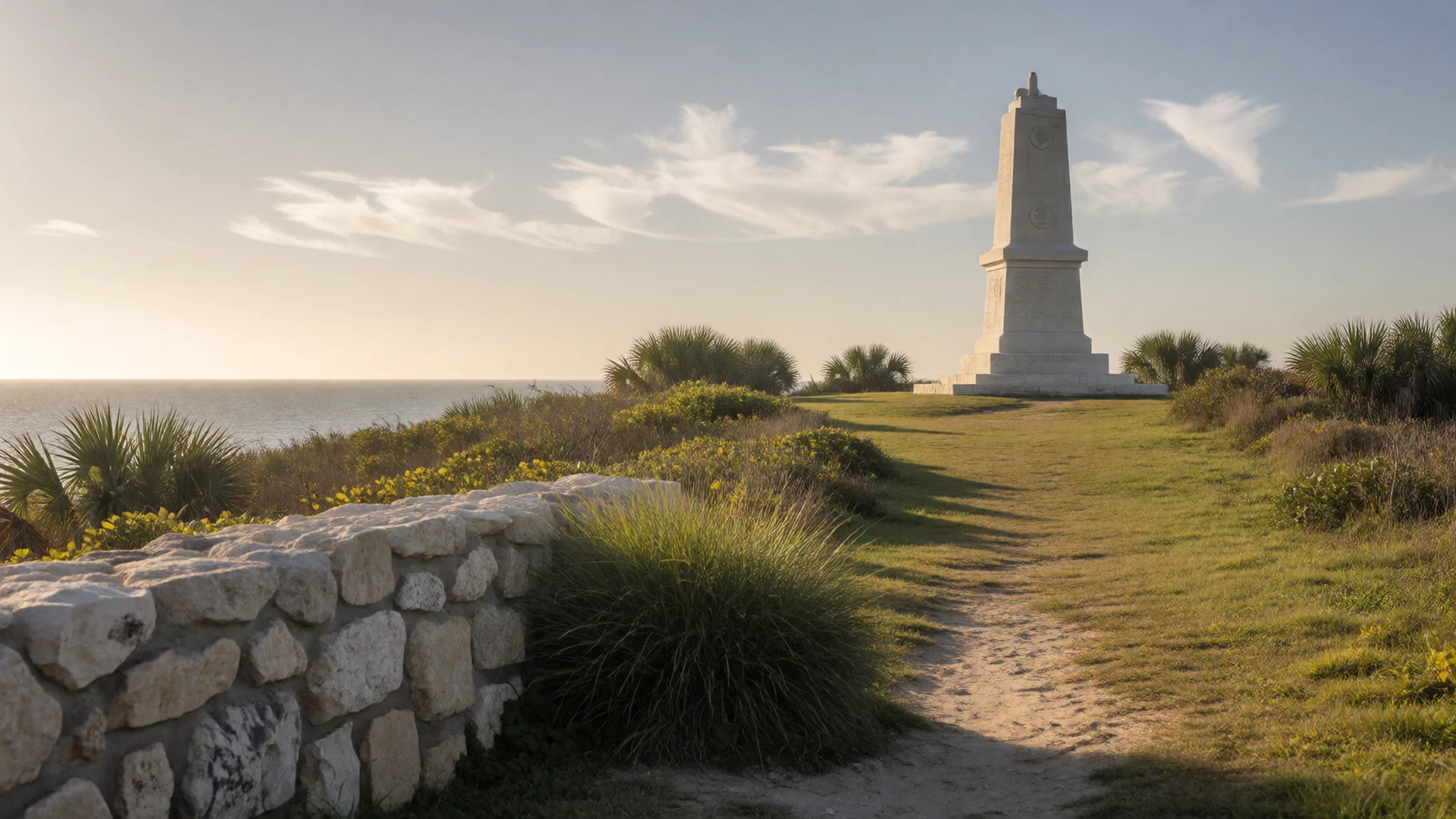
- Shrimp Hole and the caves — Ask locally for directions
Long Island is known for its caves, and Shrimp Hole is one of the places visitors are taken to swim among small shrimp in a cave pool. Go with a local guide who knows the access and the tides, wear footwear that grips wet limestone, and do not disturb the animals.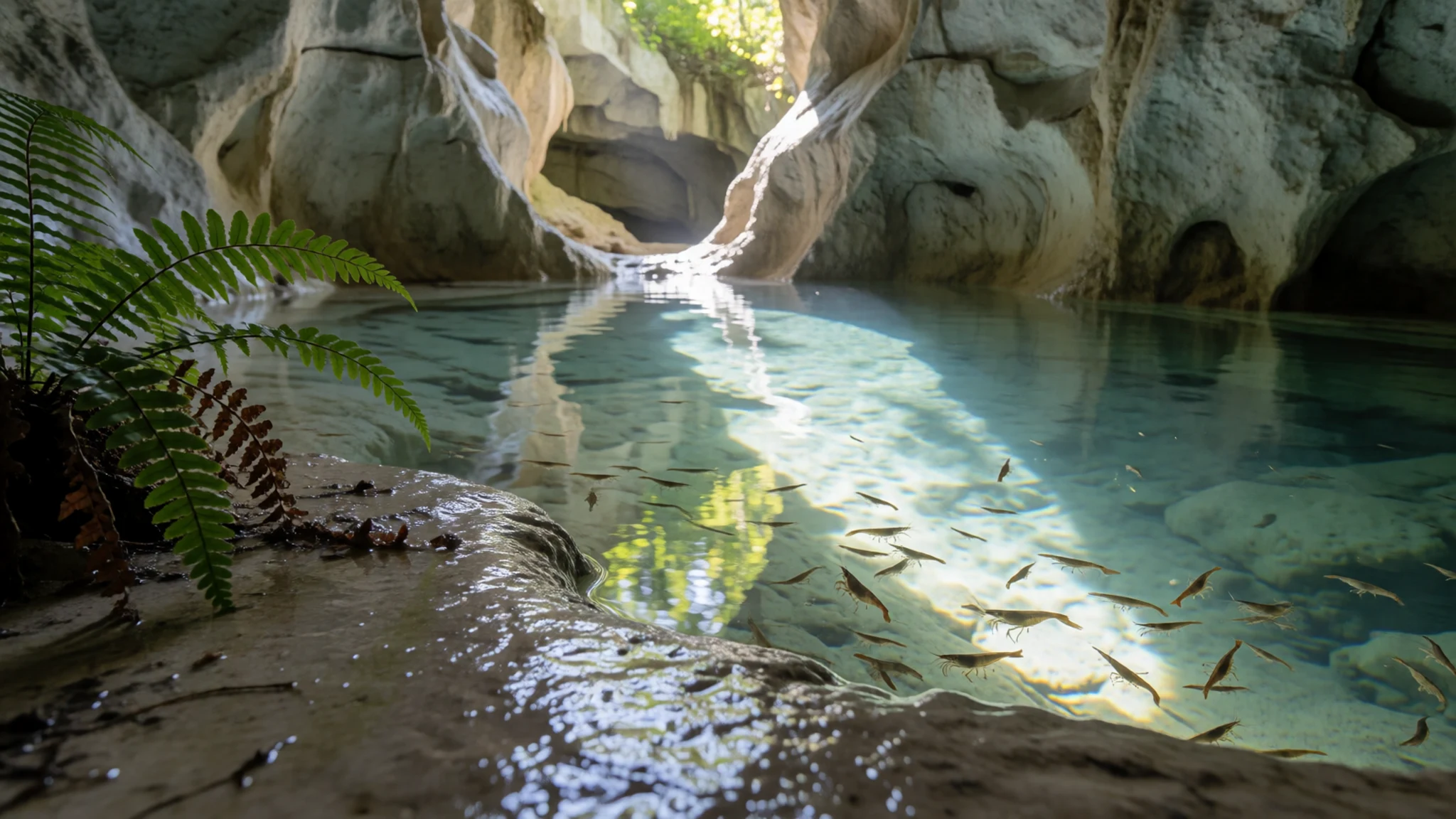
Culture
Long Island's culture is small-settlement Bahamian, shaped by church, family, fishing and the long memory of Loyalist farms and plantations. Communities are close, and people greet one another, so a spoken good morning or good afternoon on entering a shop, a conch bar or a settlement road is expected and warmly returned. Churches anchor village life, and Sunday is quiet, with some businesses closed or slow, so fuel, food and errands are best arranged around it.
Boats are central to the island's sense of itself. Fishing, conching and the racing of traditional sailing sloops are part of local identity, and the regatta tradition at Salt Pond draws people back from Nassau and abroad, with food, music and long afternoons by the water. Visitors who arrive during such events find the island noticeably busier than usual, and accommodation can be tight, so ask early.
Because services are few, hospitality runs on personal contact. Guides, taxi drivers, guesthouse hosts and cooks often know each other, and one recommendation tends to lead to the next. Conversation is unhurried, and a ten-minute chat before any transaction is normal rather than a delay. Respect for the sea, and for local knowledge of tides, weather and the cave systems, is taken seriously, as the island's history of storms and isolation explains.
Greet people before asking for anything, and ask permission before photographing residents, their boats or their catch.
What to wear
Long Island has no single formal costume, but Bahamian tradition has left its mark on what people make and wear. Plaited palm straw is the island craft most associated with the country, turned into hats, bags and mats for sun and market use. Bright plaid and checked cottons, often called madras, appear on festive occasions, and Junkanoo costumes of coloured paper, card and glitter belong to the celebrations in Nassau at Christmas and New Year rather than to daily life here.
Everyday dress now is practical and warm-weather: light cotton shirts, shorts, sundresses, caps and sandals. Fishing guides and boat crews wear long-sleeved sun shirts, wide-brimmed hats and quick-drying trousers. On Sundays, many residents dress up for church, with collared shirts, suits, dresses and often hats, and the contrast with weekday clothes is clear.
Visitors should pack for sun, salt and rough ground. Lightweight long sleeves and a wide hat help far more than a second swimsuit, and reef-safe sun cream matters around fragile shallows. Water shoes or sturdy sandals are useful on rocky shores, cave entrances and the edges of the blue hole. Away from the beach, in settlements, shops and churches, cover swimwear with a shirt or wrap, and bring a light layer for breezy boat rides and evenings.
What to eat
- Conch salad — Waterfront conch bars around Deadman's Cay
Raw conch is chopped with onion, tomato, pepper and citrus juice, made to order and eaten fresh. It is the island's signature snack, and it tastes of lime and sea. Look for it at waterfront conch bars around Deadman's Cay, where the shells often pile up outside.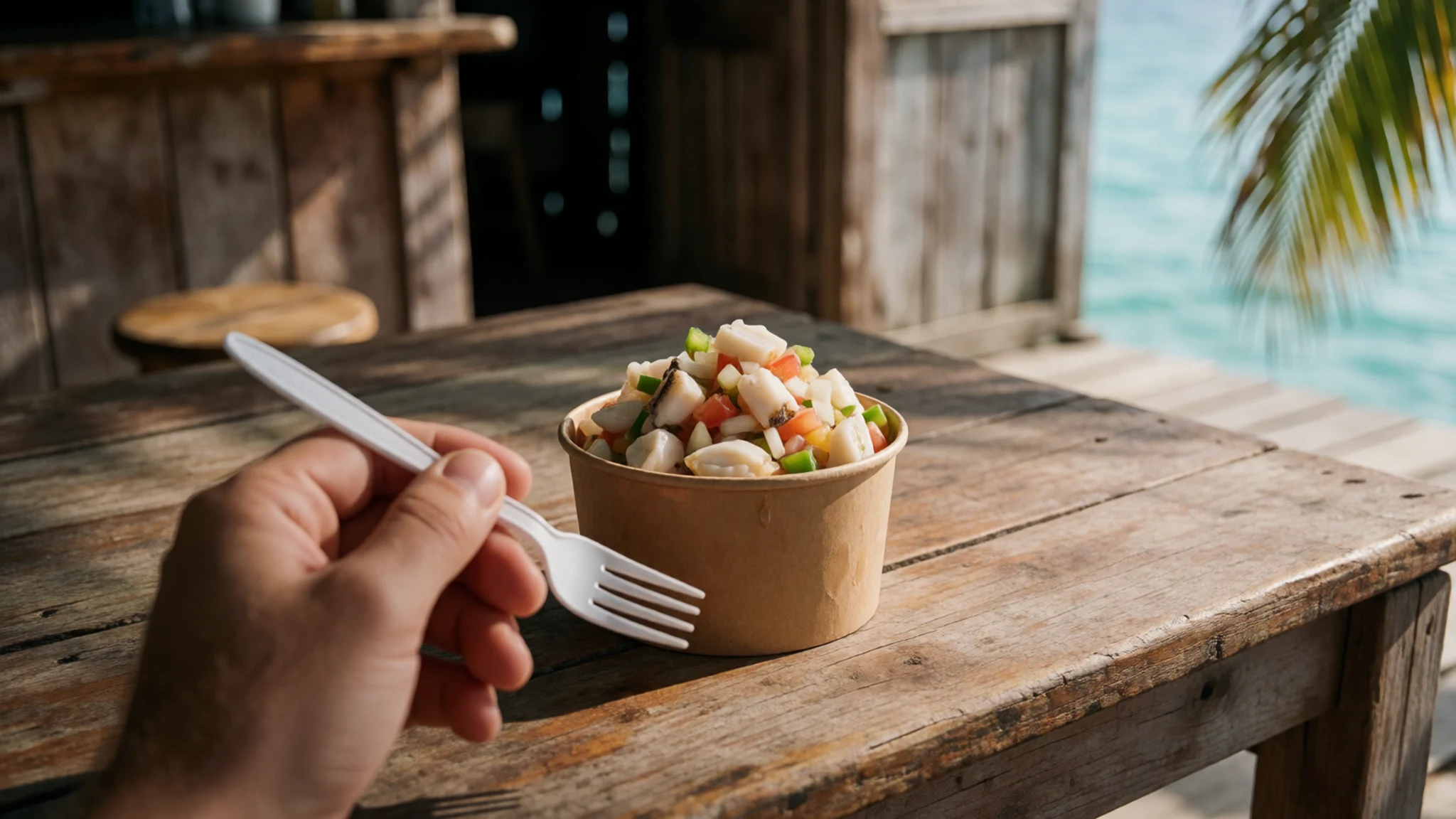
- Cracked conch — Settlement takeaways and beachside bars
Conch meat is tenderised, battered and fried until golden, then served with lime or hot sauce. It is richer and more filling than the salad, and a common lunch. Settlement takeaways and simple bar kitchens usually offer it, often alongside fries or peas and rice.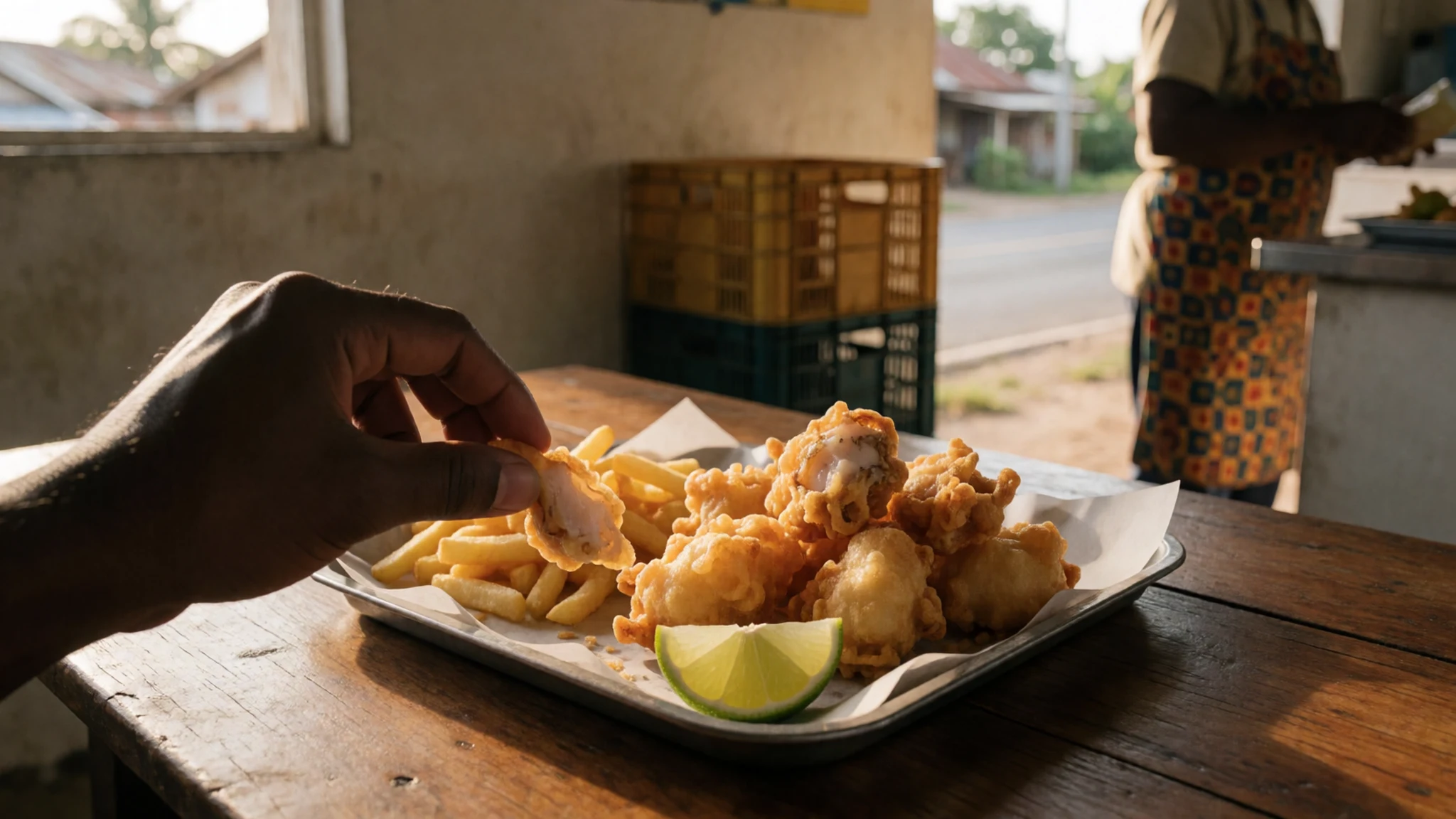
- Peas and rice — Local restaurants and plate-lunch kitchens in the main settlements
A staple side dish of rice cooked with pigeon peas, onion, tomato and thyme, usually served with fish, chicken or stewed meat. Each cook has a version, and quality varies. A plate-lunch place or a family-run restaurant is the most reliable place to try it. - Grilled or steamed fish — Waterfront restaurants and harbour-side eateries
Snapper, grouper and other reef fish come to the table grilled whole, steamed with peppers and onion, or stewed in a savoury broth. Freshness depends on the day's boats, so ask what came in. Waterfront restaurants near the main settlements usually have some on offer. - Johnny cake and guava duff — Home-style kitchens, bakeries and settlement events
Johnny cake is a dense, lightly sweet bread baked or fried, often eaten with breakfast or fish. Guava duff is a rolled, steamed pudding of guava and dough, served with a sweet sauce. Both turn up in home-style kitchens and at community events.
Plan it
Best time. December to May is the usual choice, with warm, drier, breezier weather that suits beaches, snorkelling and fishing. June to November is hotter, more humid and rainier, and it falls in the Atlantic hurricane season, so flights and boats can be disrupted. Check the forecast and travel insurance terms before booking.
How long. 4–6
Getting there. Fly to Deadman's Cay (LGI) in the south-centre or Stella Maris (SML) in the north, usually from Nassau with scheduled carriers, or by charter. Seasonal flights from Fort Lauderdale also serve Stella Maris. A ferry runs between Exuma and Long Island on certain days in the peak season. A hire car or arranged transfer covers the last leg along the main road, since schedules change, confirm everything with the operator.
Budget. mid
Tips
- Book flights, ferries, accommodation and a hire car well ahead, since services are limited and seats are few
- Fill the tank and buy supplies when passing a settlement, because distances are long and shops close early, especially on Sundays
- Carry some cash, as card machines are not guaranteed in small bars, guesthouses and with guides
- Bring plenty of drinking water, sun protection and insect repellent, since many beaches have no shade or facilities
- Hire a local guide for bonefishing, caves and boat trips, and ask them about the licence needed for flats fishing
Etiquette
- Greet people when entering shops, bars and settlements
- Ask before photographing residents, boats or catches
- Stay within your limits at Dean's Blue Hole and do not freedive without proper training
Nearby
Sources
- Wikidata Q890879 (CC0)
- Wikipedia: Long Island, Bahamas (rev 1376740223) (CC BY-SA 4.0)
- Wikivoyage: Long Island (Bahamas) (rev 5322210) (CC BY-SA 4.0)
- Photo: Dean's Blue Hole, Ton Engwirda (CC BY-SA 3.0 nl)
- Photo: Atlantic shore, Wilson44691 (Public domain)
- Photo: Road on Long Island, Wilson44691 (Public domain)
- Photo: Lee shore beach, Wilson44691 (Public domain)
- Photo: Holocene eolianite, Wilson44691 (Public domain)
- Photo: Columbus Monument, Wilson44691 (Public domain)
- Photo: Admiralty Chart No 2075, UK Hydrographic Office (Public domain)
- Photo: Mailboat to Long Island, Rüdiger Stehn (CC BY-SA 2.0)


