Little Cayman
Little Cayman, United Kingdom
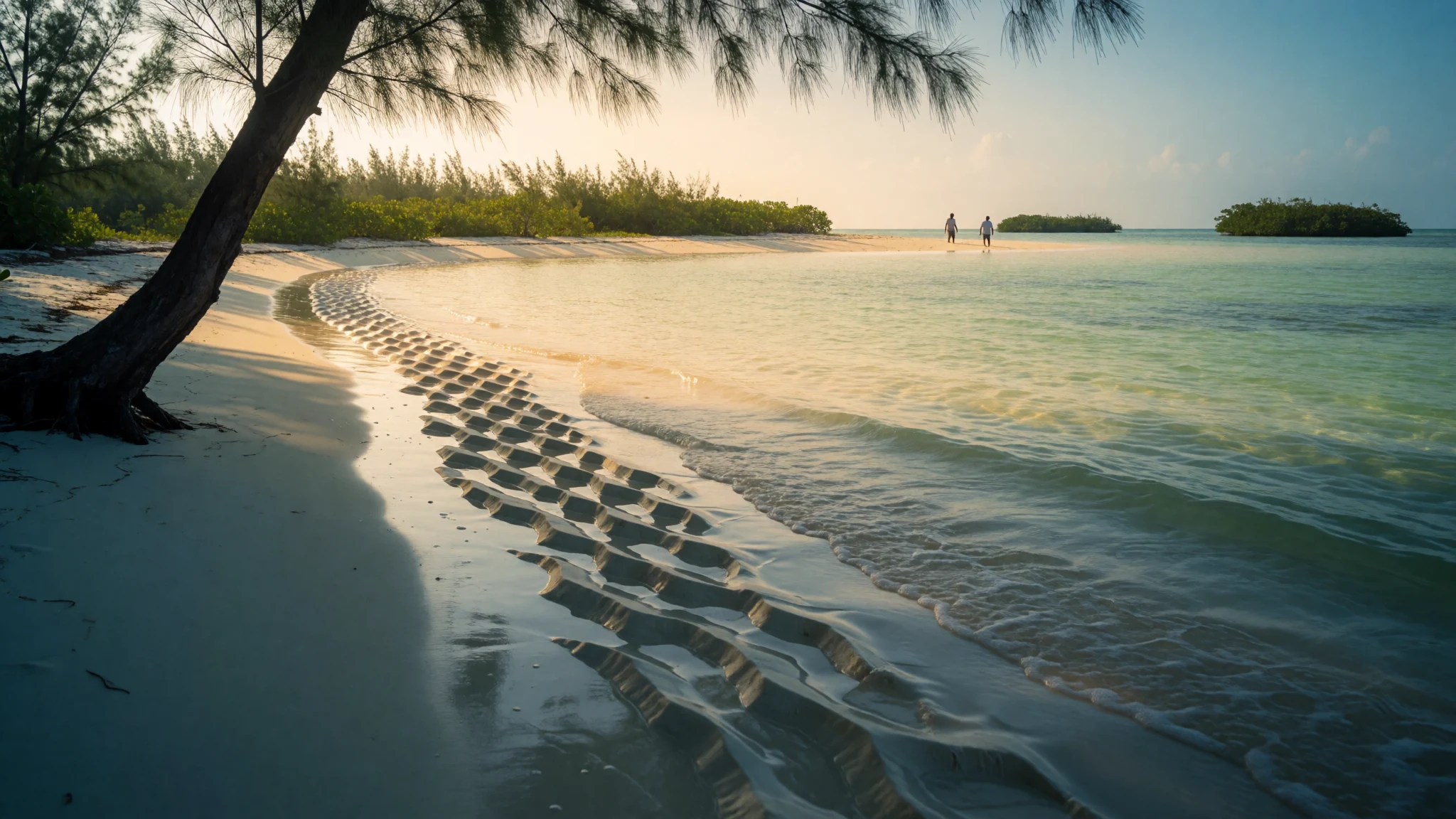
Little Cayman is a quiet Cayman sister island where the reef wall, a booby pond and empty sand still set the pace of the day.
The place
Little Cayman is the quieter, lower sister of Cayman Brac, one of the Cayman Islands, a British Overseas Territory in the western Caribbean. It lies in shallow, brightly coloured water at the edge of deep sea: reef, ironshore, scrub and a few sandy coves, not a city shore. Blossom Village, the island's small settlement, sits towards the western end beside a pond, a short airstrip and the south coast sound. Eastward the island thins into mangrove, dry woodland and an empty point.
There is no cruise pier and little night traffic. The day follows boats, birds and sun. A marine park on the north shore is where the reef falls away as a wall, and that underwater cliff is why many people come. On land the draw is room: an uncrowded beach, a boardwalk at the bird pond, and sea to either side of a narrow island. Mosquitoes thicken after rain, midday light is hard, and shade is scarce away from the lodges. Water and supplies come in by air and by small boats, so the shops stay modest.
The feel is a fishing village that learned to host divers, with Grand Cayman's banks and long beach resorts a different world and Cayman Brac the higher, more settled neighbour. Little Cayman stays flat and thinly inhabited. That thinness is the character of the place. Nights go dark early, and the sound is wind, surf and, near the pond, birds.
Its story
Little Cayman came into European view with the rest of the Cayman Islands, through the turtles that pulled ships toward these reefs. For generations it was a camp as much as a home: fishers arrived, worked the sounds and moved on. Spain and later Britain claimed the island group, yet Little Cayman stayed too exposed, and too slight in soil and shelter, for a dense colony. After hard storms, families shifted to Cayman Brac or Grand Cayman, then returned when the fishing looked kinder.
What lasted was seamanship. People learned the passes, the turtle grass and the moods of a short, steep reef. Law and language followed the British connection; ordinary life was boats, church and a neighbourly village small enough that kinship was common knowledge. Blossom Village took shape beside a pond shared with birds. Edward Bodden Airfield, a modest strip, later tied the island to Grand Cayman more reliably than a sailboat could, so post, groceries and visitors began to share the same small aircraft.
Diving altered the living without enlarging the place. Once the north-shore wall became known among travelling divers, a few lodges opened for guests who would accept a short menu and an early night. Fishing continued. The booby colony and the marine park turned restraint into part of the island's offer, with birds and coral left where they are. Little Cayman remains a turtle-fishing outpost that grew into a village of divers and birdwatchers, governed with the Cayman Islands and still organised around water.
What to see
- Bloody Bay Marine Park — North shore
Little Cayman's north shore is a marine park where the reef falls away as a wall. Boats from Blossom Village run to that wall and to shallower coral beside it. Divers come for the drop and the fish; snorkellers use the reef top in calm seas. Keep fins and hands off the coral.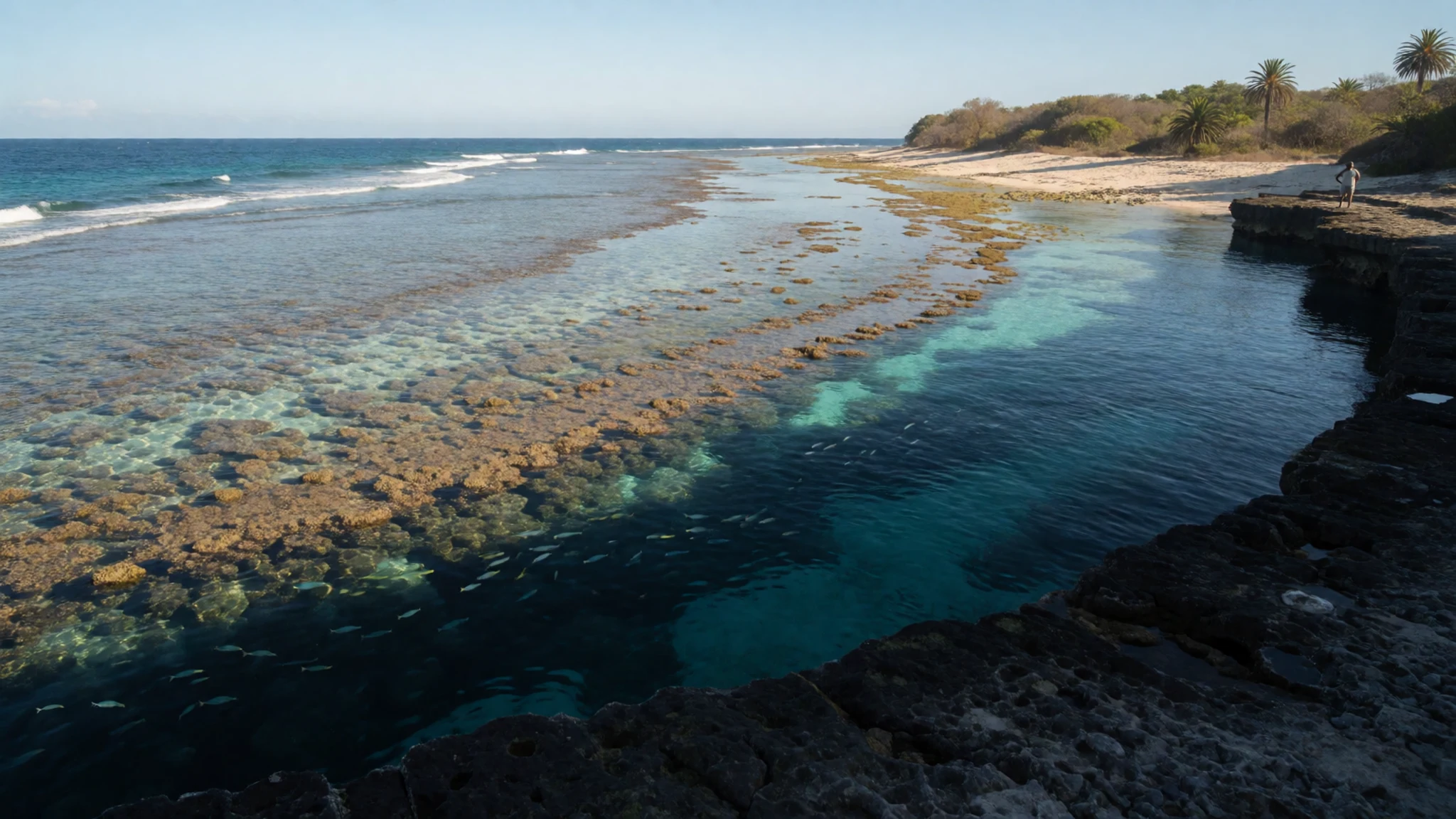
- Booby Pond Nature Reserve — Blossom Village
Booby Pond, on Little Cayman beside Blossom Village, is a mangrove-fringed wetland with a boardwalk for watching red-footed boobies in the trees. Magnificent frigatebirds often hang over the same water. Come in the morning, stay on the paths, keep voices low and do not crowd the birds for a photograph.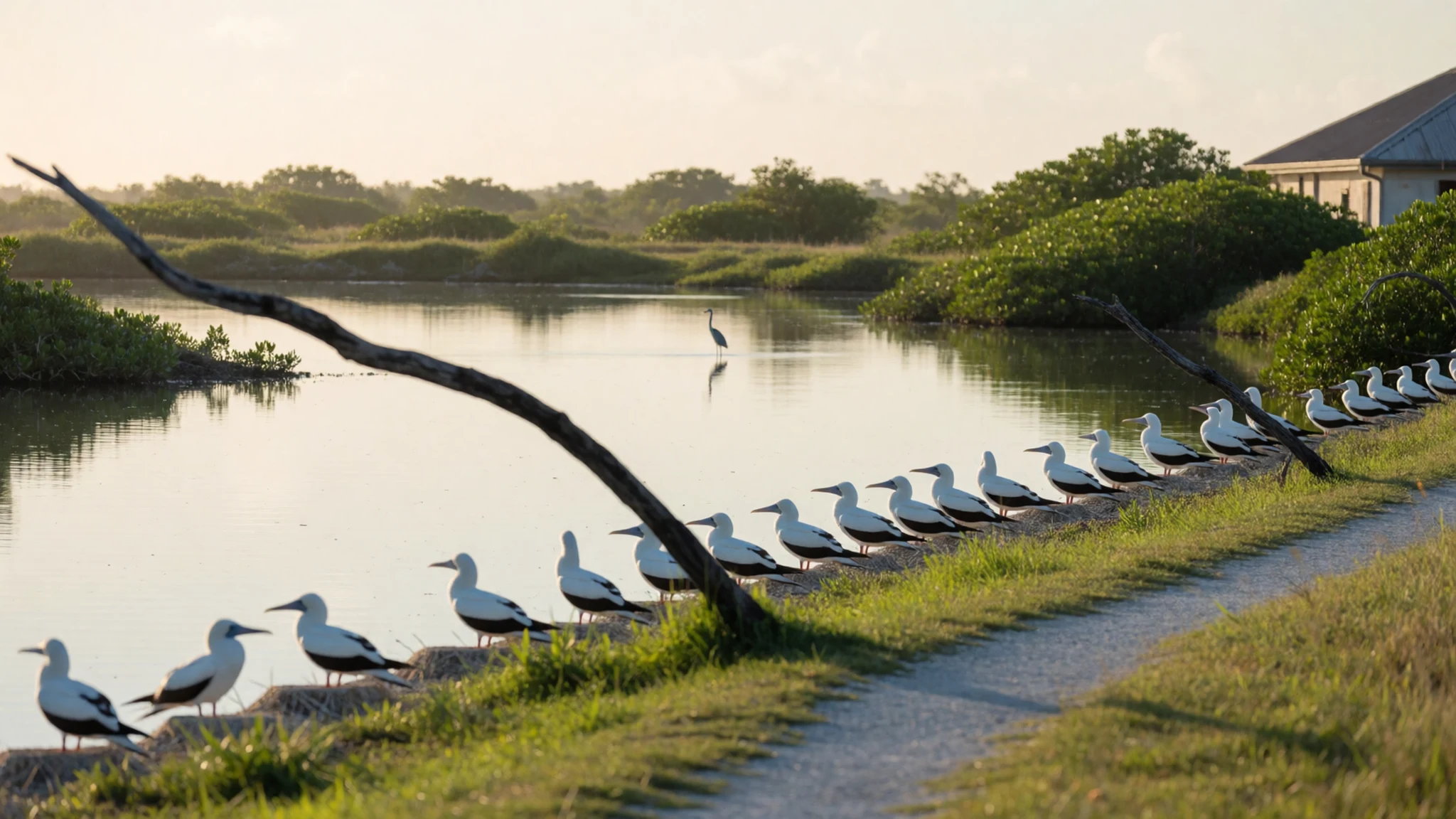
- Owen Island — South Hole Sound
Owen Island is sand and scrub in South Hole Sound, off Little Cayman near Blossom Village. In calm weather people wade or take a short hop across. The outing is the beach: clear water, a view of the main island and no facilities. Bring water and carry rubbish back.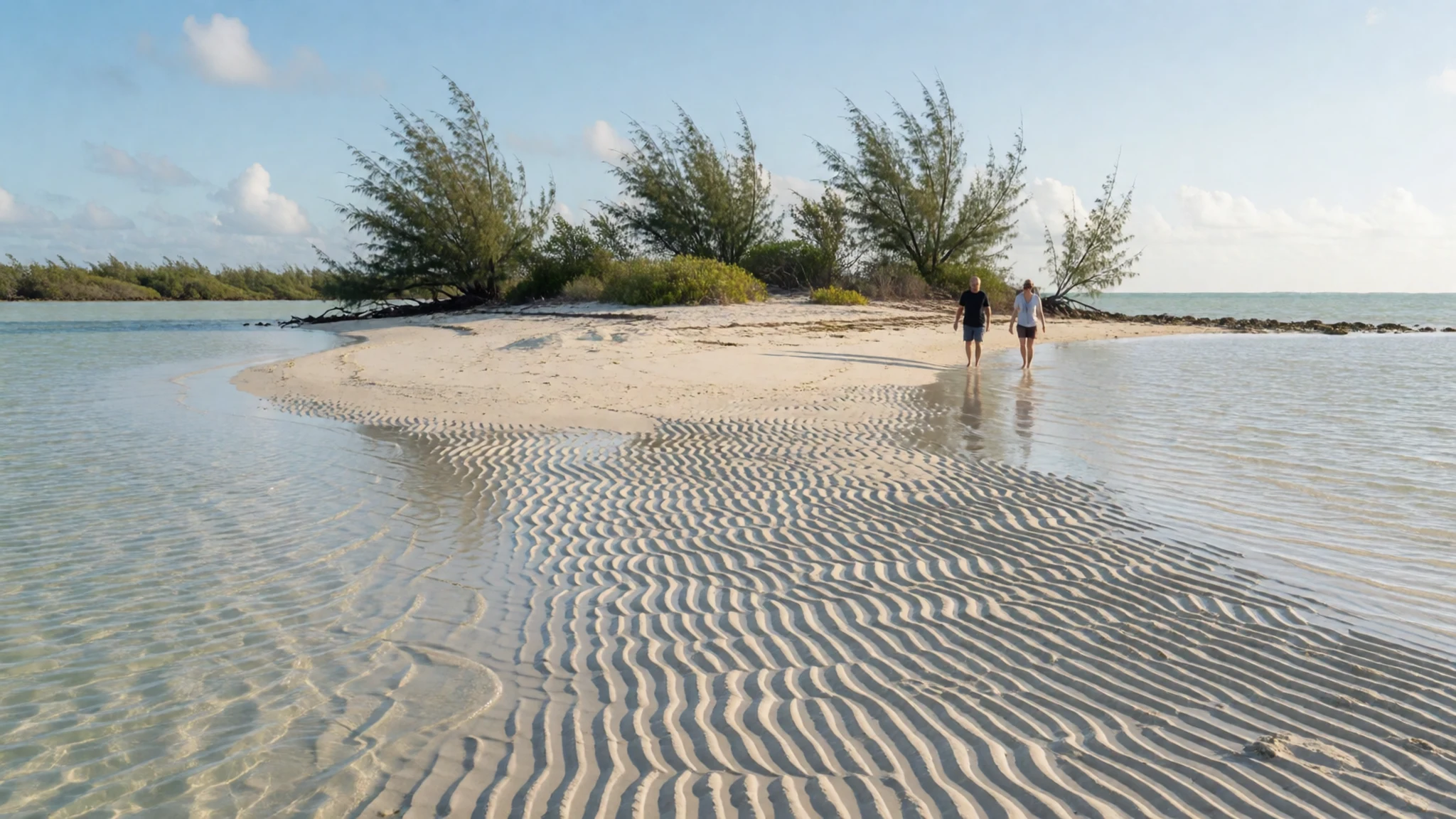
- Point of Sand — Eastern tip
Point of Sand is Little Cayman's eastern tip, a pale spit running out into shallows. The road from Blossom Village is quiet and exposed, and the reward is empty beach rather than cafes or loungers. Carry water, keep to the sand and leave the dune plants in place.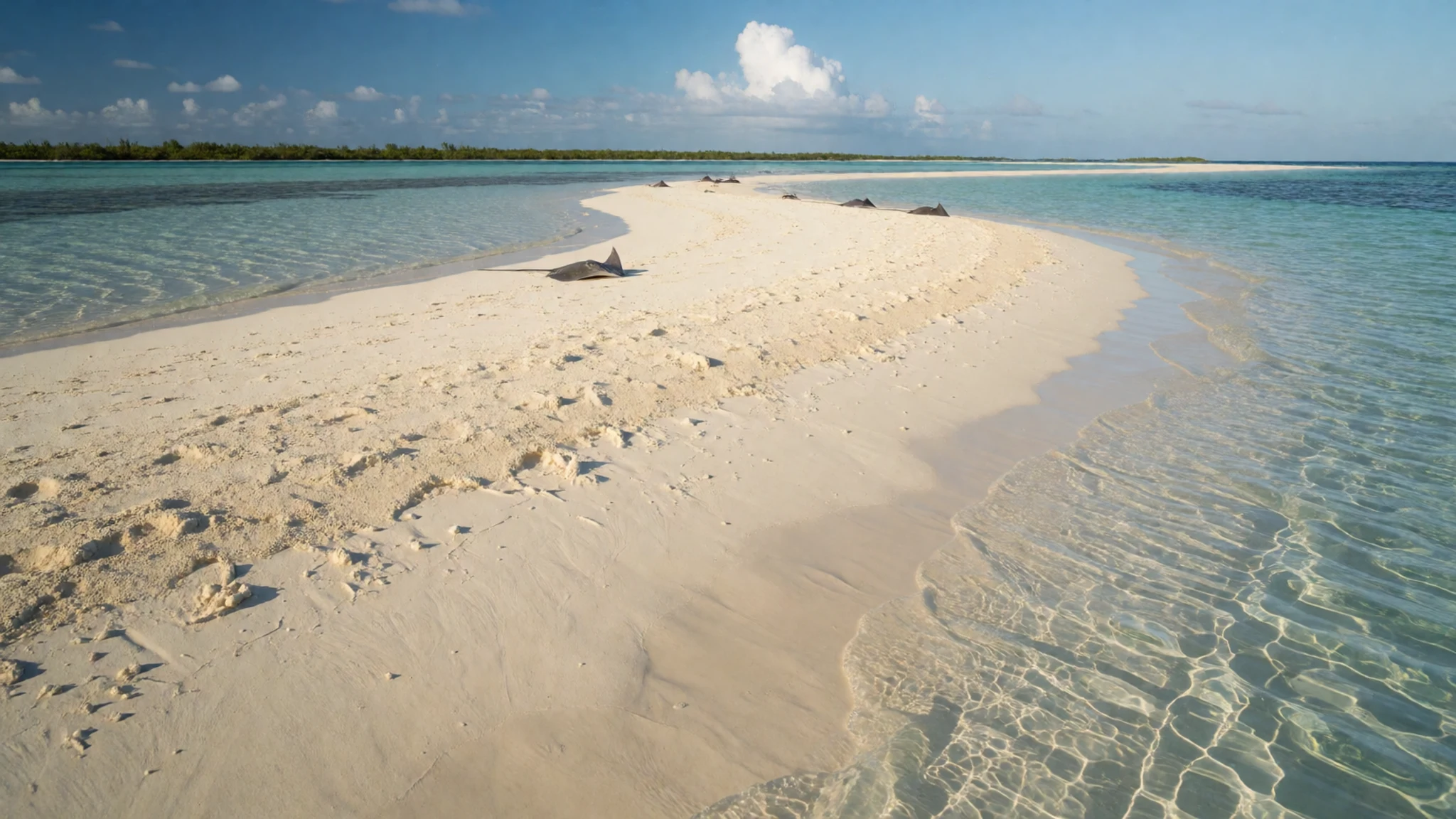
- Tarpon Lake — Inland, east of Blossom Village
Tarpon Lake, inland on Little Cayman, is a dark lake on a short path off the main road. Fish roll at the surface, so a brief stop is worthwhile even without a rod. Shade is thin and there is no stall: bring a hat and water, and leave the banks as you found them.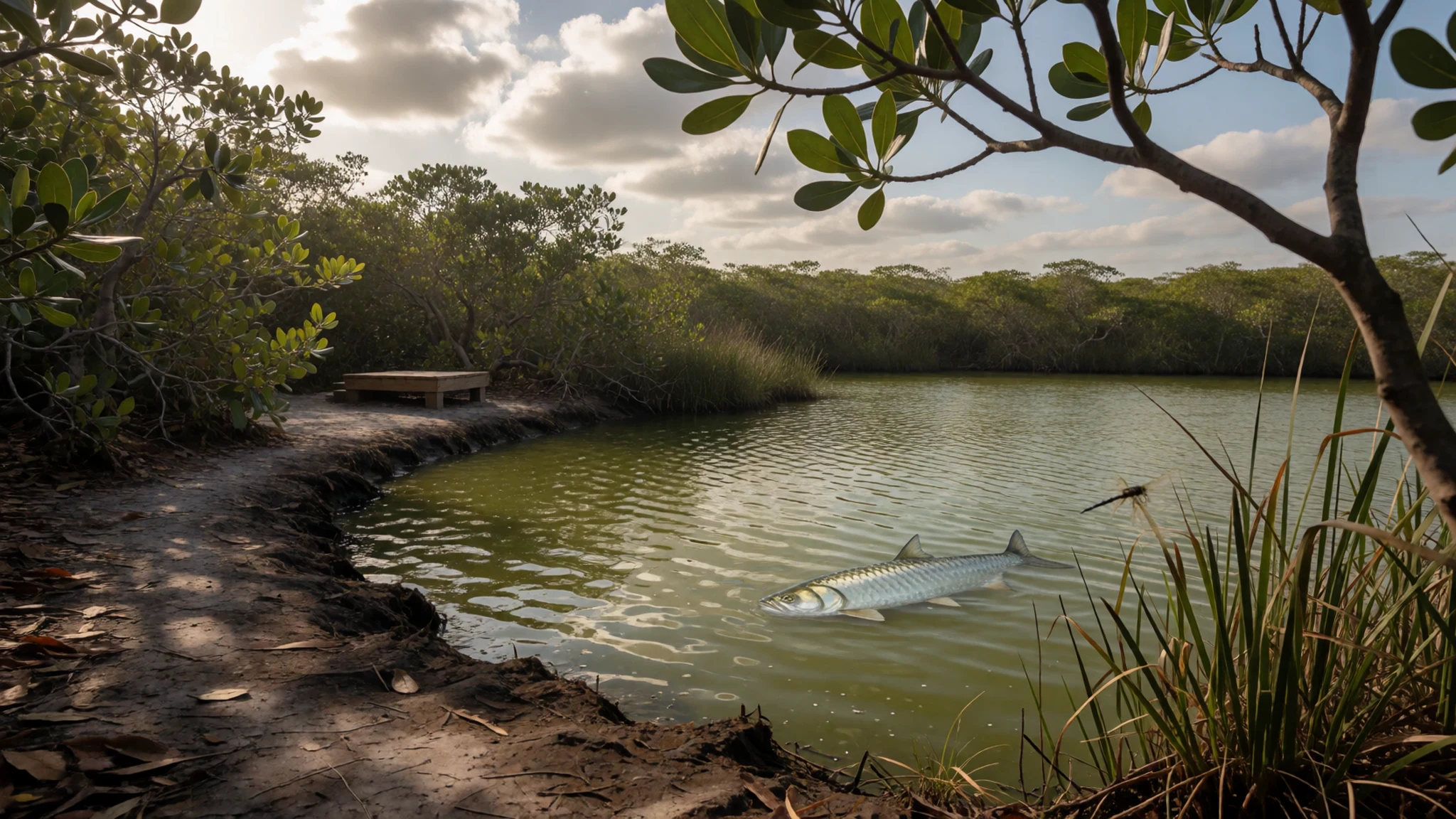
Culture
Little Cayman's culture is Caymanian and village-sized: English-speaking, church-going in its Sunday habits, and shaped by Britain on paper and by the sea in practice. People greet one another because not greeting would be strange in a place where faces repeat all week. Church, the school run, the dive boats and the small shops are the public life. There is pride in being a Sister Island, distinct from the finance towers and cruise days of Grand Cayman, and equal pride in knowing the water. Stories still turn on turtles, storms and who is related to whom. Red-footed boobies are not a mascot printed on a sign so much as neighbours at the edge of the village, and the marine park is spoken of as a working promise: the reef is what the island now has to offer, so it is not a free-for-all. Evenings are quiet. Music and a meal happen at the lodges more often than in a town centre. Visitors fit in by slowing down, accepting that a shop may be shut, and not treating the island as an empty backdrop. Ask before you photograph people, stay off nesting areas and private docks, and greet before you ask for anything.
What to wear
Little Cayman has never had a court costume that people wear in the street. The older Caymanian wardrobe was practical cotton for heat and salt: long skirts and covered shoulders for women going to church, shirts and trousers for men, a hat against the sun, and shoes that could survive ironshore and sand. Palm thatch belonged to roofs and baskets more than to clothing. What still reads as traditional on a Sunday is that church dress, neat, modest, often with a hat, rather than a folk costume brought out for visitors. Today the island dresses for boats and for air-conditioning that is limited. Dive staff wear rash vests and board shorts; lodge staff wear light collared shirts; residents run errands in T-shirts, sundresses and sandals. Swimwear is normal on the beach and on the boat, and it looks out of place in the shop or at a service. Evenings cool only a little, so a shirt you can throw over a swimsuit is the usual extra layer. A visitor should pack for sun, reef and a polite village. Bring a long-sleeve sun shirt, a hat, reef shoes or sandals with a heel strap for rough rock, and a cover-up for the walk from beach to village. If you step into a church, cover shoulders and knees. Choose clothes that can get wet and sandy, and skip formal shoes; the ground is ironshore, sand and a short airstrip.
What to eat
- Conch fritters — Blossom Village kitchens and lodge dining rooms
Conch fritters are a familiar Little Cayman snack: chopped conch in seasoned batter, fried and served with hot pepper sauce. Lodge dining rooms and the small kitchens in Blossom Village make them when conch is available. Treat them as a starter beside grilled fish.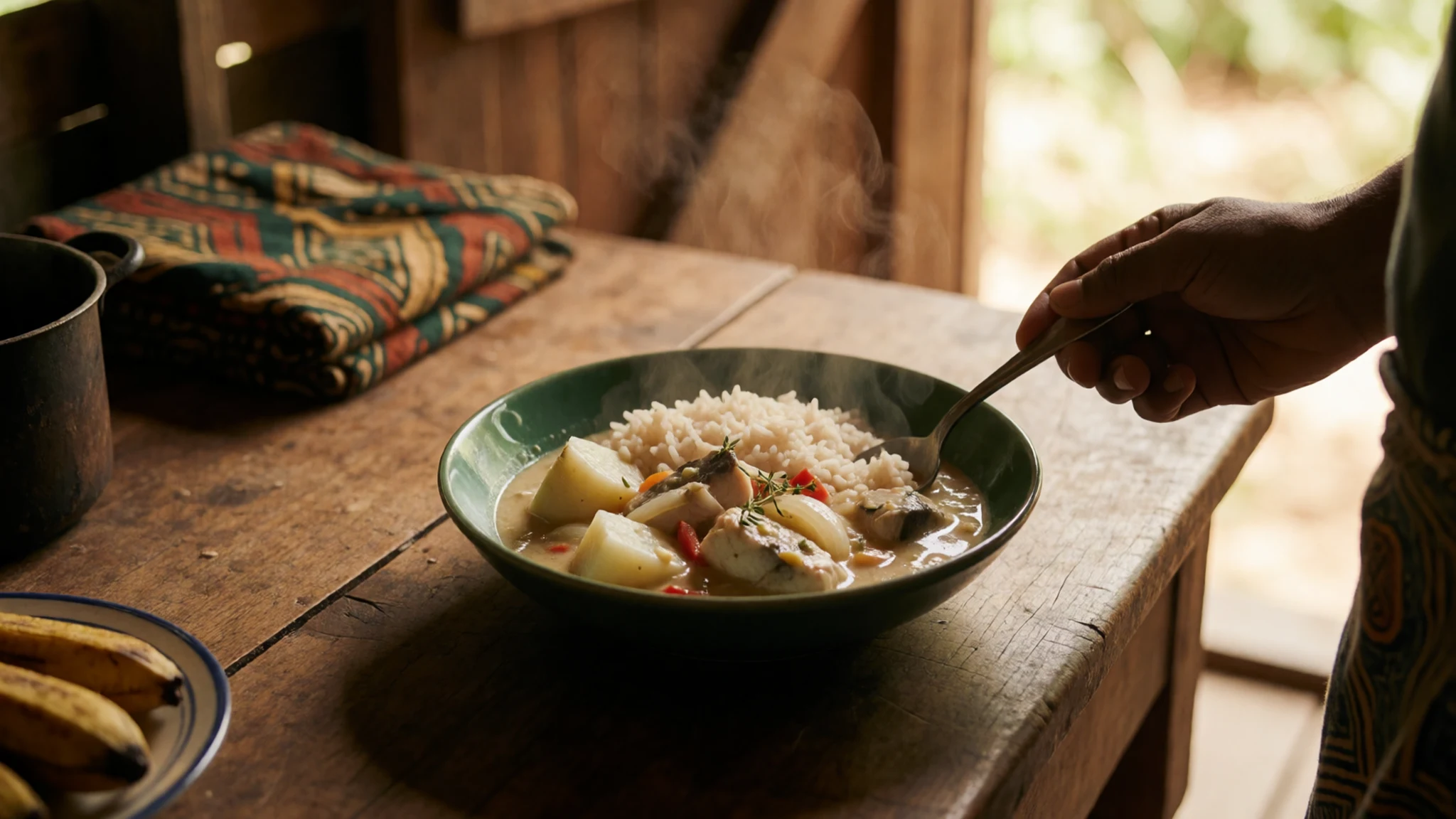
- Escoveitched fish — Lodge tables and Blossom Village eateries
Escoveitched fish on Little Cayman is fried snapper soused with onion, vinegar and hot pepper. Lodge tables and Blossom Village eateries serve it as a main plate. The vinegar and pepper make it a good dish in the heat.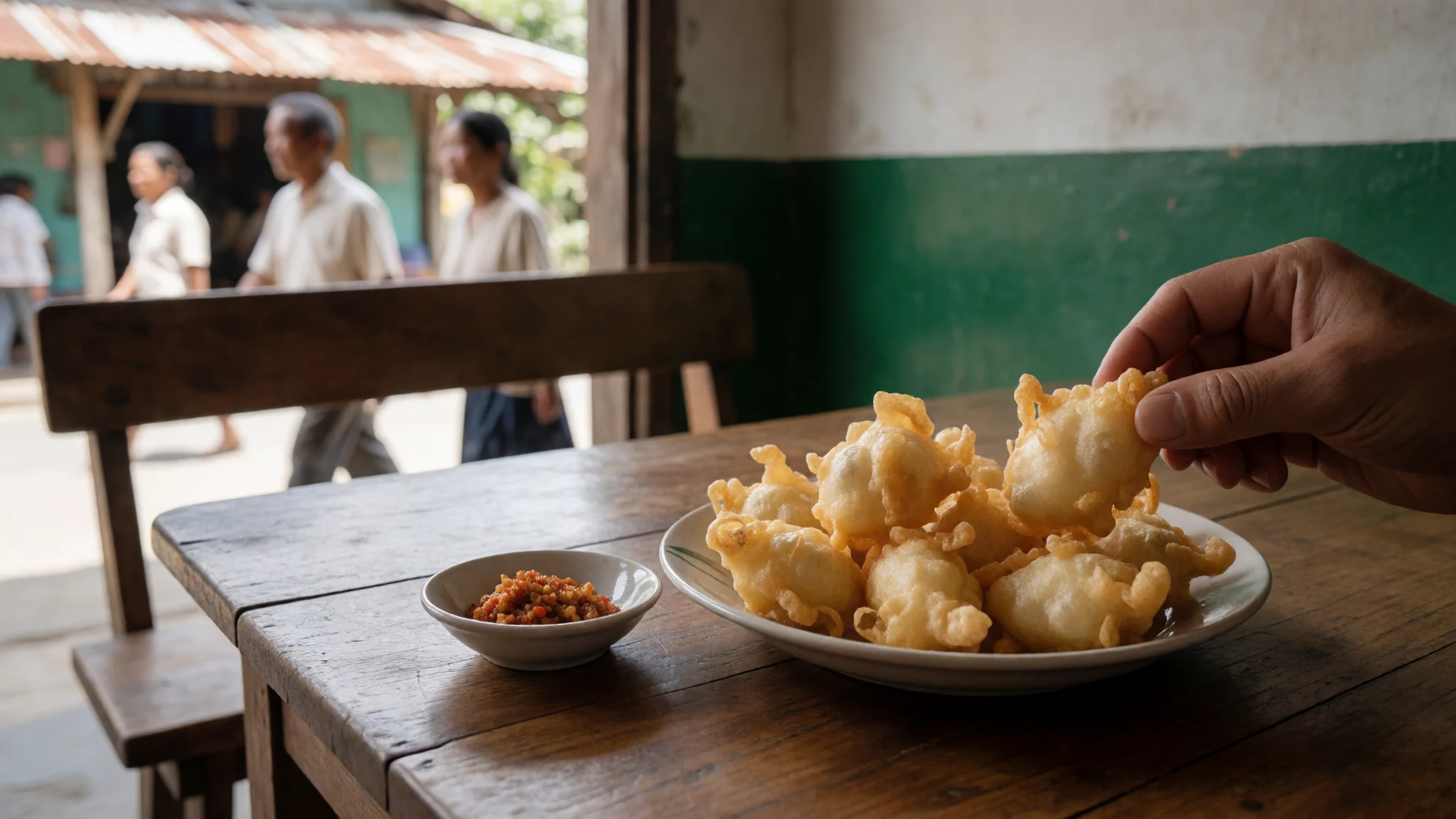
- Heavy cake — Lodge kitchens and community tables
Heavy cake is Little Cayman's dense cassava sweet, mixed with coconut and sugar, once boiled in a cloth and now often baked. Lodge kitchens and community tables offer it more often than any shop counter. A small piece is enough after a fish supper. - Johnny cake — Lodge kitchens and home tables in Blossom Village
Johnny cake is Little Cayman's coconut bread, pan-fried or baked and slightly sweet, eaten beside fish. Lodge kitchens and home tables in Blossom Village bake it; there is no street-stall trade to queue for. Look for it at breakfast. - Grilled spiny lobster — Lodge kitchens
Grilled spiny lobster appears on Little Cayman lodge menus when the season is open and the boats have done well. Kitchens grill it with butter and pepper, often with rice. It is a treat, and staff will say if the boat came back without any. - Lionfish — Lodge bars
Lionfish reaches Little Cayman lodge bars as mild white fillets or fried bites when a diver has speared some that week. It is an invasive fish the island wants off the reef, so the dish is opportunistic. Ask; it is not on every menu.
Plan it
Best time. The drier, milder stretch from December to April is the easiest time on Little Cayman: the north side is often too rough then, so boats use the deeper south-side sites, and humidity sits a little lower. May to November is hotter and wetter, with a real chance of tropical storms, though plenty of bright days remain and the island is even quieter.
How long. 3–4
Getting there. Fly into Owen Roberts International Airport on Grand Cayman, then take the scheduled light-aircraft hop to Edward Bodden Airfield on Little Cayman. There is no bridge and no visitor ferry to rely on; the air hop is the ordinary last leg. Seats are limited, so the flight is part of the booking, not an afterthought.
Budget. high
Tips
- Book the light-aircraft seats and any dive-boat days before you travel; both run small.
- Start birdwatching at Booby Pond early, before the heat and the glare.
- Carry some cash as well as a card; the village is small and a machine is not a plan.
- Bring reef-safe sunscreen, a rash shirt and more drinking water than a short walk suggests.
- Expect mosquitoes near the pond and after rain, and pack a repellent.
Etiquette
- Do not approach, feed or fly a drone over nesting boobies; watch from the paths.
- Keep fins, hands and anchors off coral, and take nothing from the reef or the beach.
- Ask before photographing people, and greet before you make a request.
- Cover shoulders and knees if you go into a church, and keep voices down on a Sunday morning.
Nearby
Sources
- Wikidata (CC0)
- Wikipedia — Little Cayman (CC BY-SA 4.0)
- Wikivoyage — Little Cayman (CC BY-SA 4.0)
Wildlife
- Magnificent frigatebird (animal)
The magnificent frigatebird, sometimes called the man o' war, is the largest frigatebird and one of the swiftest birds anywhere, a bit like a racing kite. Scan the sky above the water, where it often hovers over the same patch again and again. Enjoy it from far enough away not to disturb it, use binoculars, stay calm and quiet, take a local guide if you can, and never feed it.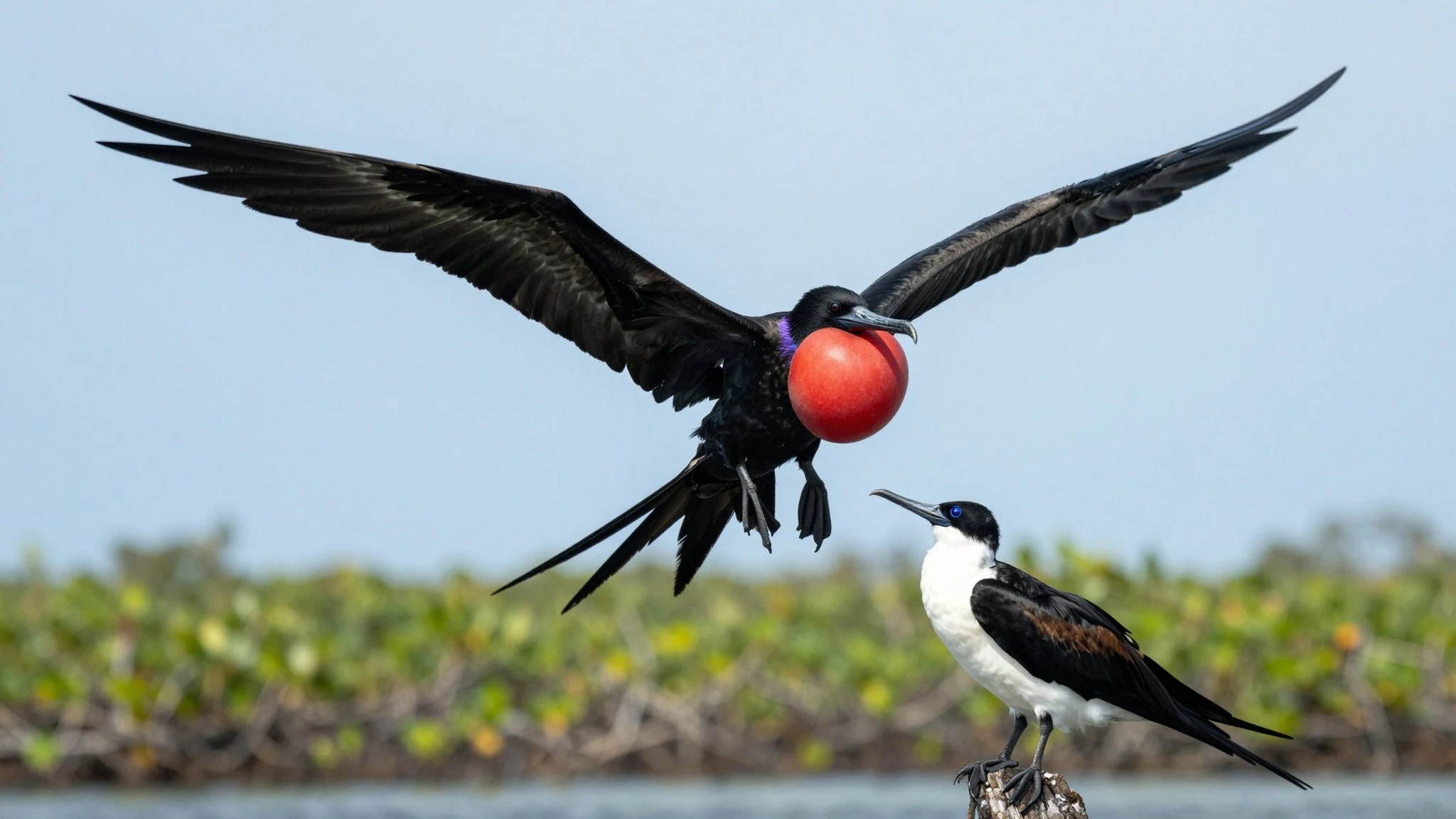
- Magnificent frigatebird (bird)
The magnificent frigatebird, sometimes called the man o' war, is the largest frigatebird and one of the swiftest birds anywhere, a bit like a racing kite. Scan the sky above the water, where it often hovers over the same patch again and again. Enjoy it from far enough away not to disturb it, use binoculars, stay calm and quiet, take a local guide if you can, and never feed it. - Red-footed booby (animal)
The red-footed booby is a big seabird with bright red feet, as if it had pulled on little red wellies. On Little Cayman, visit Booby Pond beside Blossom Village, a wetland fringed with mangroves, where a boardwalk lets you watch the birds in the trees. They fly skilfully but land clumsily, which is lovely to see. Keep your distance, stay quiet on the boardwalk, consider going with a local guide, and never feed them. - Red-footed booby (bird)
The red-footed booby is a big seabird with bright red feet, as if it had pulled on little red wellies. On Little Cayman, visit Booby Pond beside Blossom Village, a wetland fringed with mangroves, where a boardwalk lets you watch the birds in the trees. They fly skilfully but land clumsily, which is lovely to see. Keep your distance, stay quiet on the boardwalk, consider going with a local guide, and never feed them.