Liquiçá
Liquiçá, Timor-Leste
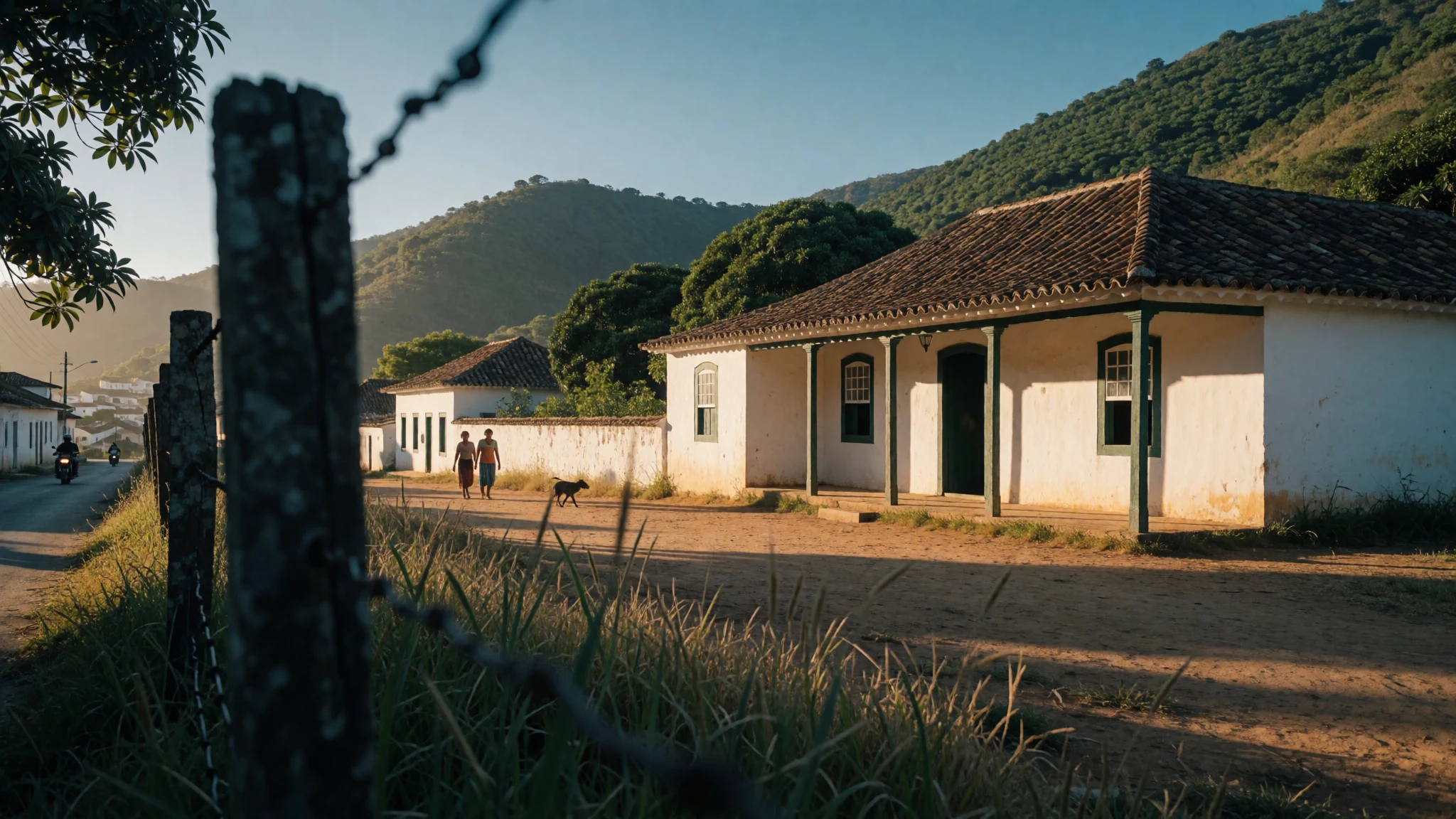
Liquiçá is a quiet north-coast town west of Dili, with a colourful reef, empty beaches, colonial ruins and a history that is still close.
The place
Liquiçá (Tetun: Likisá) is a small coastal city in Timor-Leste and the capital of the district of the same name, west of Dili along the north coast. Its population is 5152 and it stands about 87 metres above sea level, which makes it feel more like a seaside market town than a city. The road from Dili runs close to the water, crossing river mouths that swell and turn muddy in the monsoon, with steep green hills behind. Side tracks climb inland to coffee country, and lorries piled with arabica beans share the highway with minibuses and motorbikes, while avocado trees screen some of the slopes. The beaches along this stretch are quiet, often shared only with fishing families and children. Portuguese traders and officials found the coast congenial, and Timor was among their earliest footholds in Asia, so older colonial buildings turn up in the district. Visitors today come mainly for the sea: a colourful reef for divers, and calm water for swimming. Facilities are basic, and the town suits people who like slow, low-key places rather than resorts. It is also a place of memory, because the centre lost most of its buildings during the violence before the independence vote, and the survivors are few. Heat is constant, the wet season brings a risk of flooding on the coast road, and the pace is unhurried; a day here, or a stop on the way further west, rewards patience more than ticking off sights.
Its story
Liquiçá has been an administrative centre through several eras, and its history is layered. Portuguese rule left offices, schools and a church, and Dutch traders were interested enough in this coast to build a fort at nearby Maubara, which they later gave up in an exchange for islands to the west. During the Japanese occupation in the Second World War, officers of the colonial administration were arrested at Maubara and Liquiçá, and that is the reason both towns avoided the bombing that wrecked much of the rest of the island. Just east of town stand the ruins of Aipelo Prison, where the Portuguese held Timorese kings who had rebelled. In the weeks leading up to the independence vote, pro-Indonesian militia forces, operating alongside Indonesian army and police troops, assaulted the São João de Brito parish church. Many people were killed there, and the exact toll is disputed by Indonesia. Most of the town's buildings were destroyed during that period, and only a few from the Portuguese and Indonesian eras are left. Afterwards, Liquiçá became the district headquarters of the international police sent under the United Nations transitional administration, which also based a crime scene unit there. The church still stands, and the surviving old buildings are the main physical record of these layers.
What to see
- Sede de Posto do Administrador — Dato, town centre
The Sede de Posto do Administrador was the seat of the local Portuguese administrator, and it is one of the few public buildings in Liquiçá that still carries the look of colonial government. It is worth a slow look from the street rather than a long visit; it is an official building, so ask before stepping inside.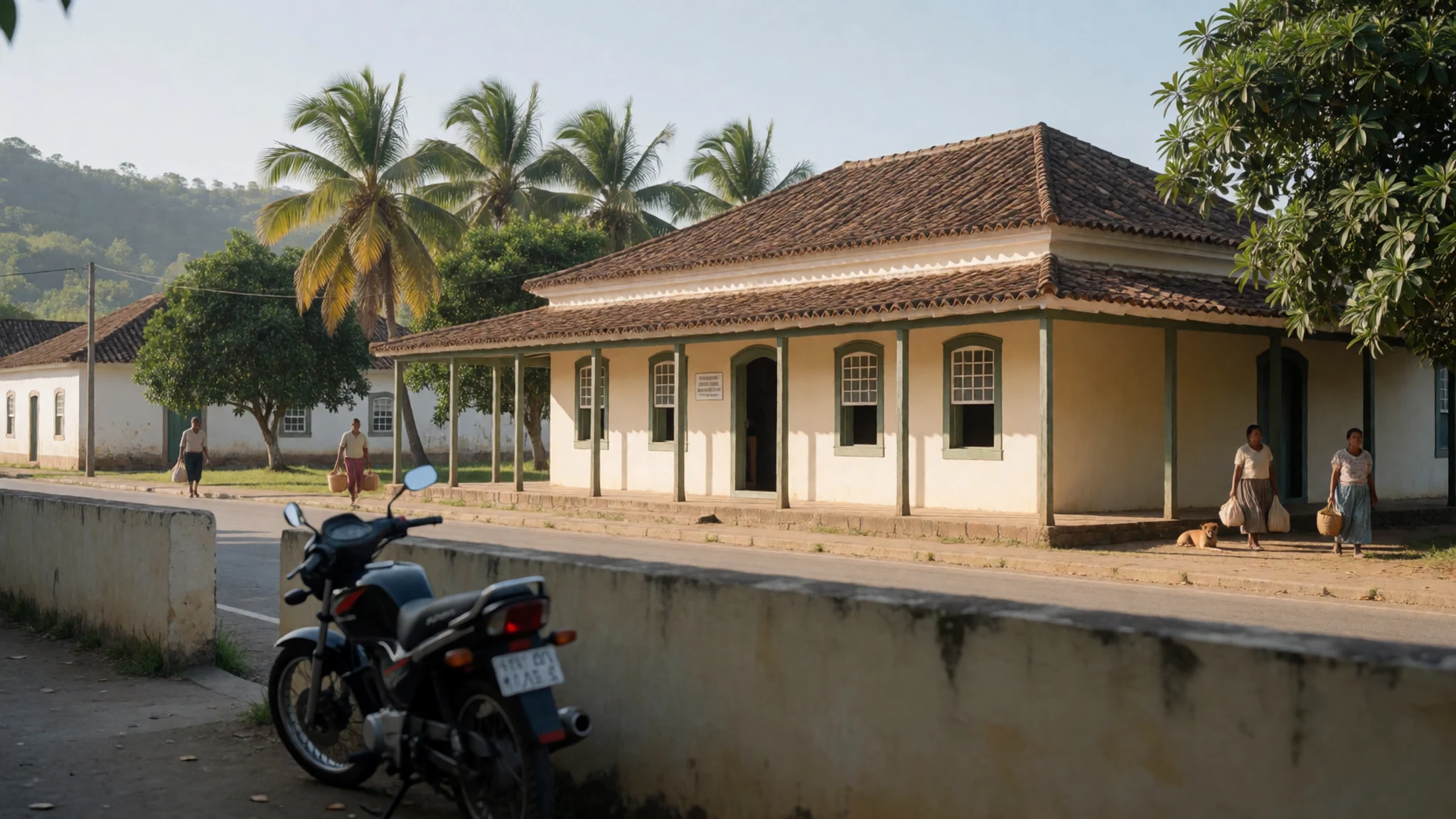
- Igreja de São João de Brito — Dato, town centre
The parish church of São João de Brito is the main place of worship in Liquiçá and carries the weight of the town's recent past, since it was attacked in the violence before the independence vote. Visitors can usually look in quietly outside services. Dress modestly, keep voices low, and treat it as a living church and a memorial, not a backdrop.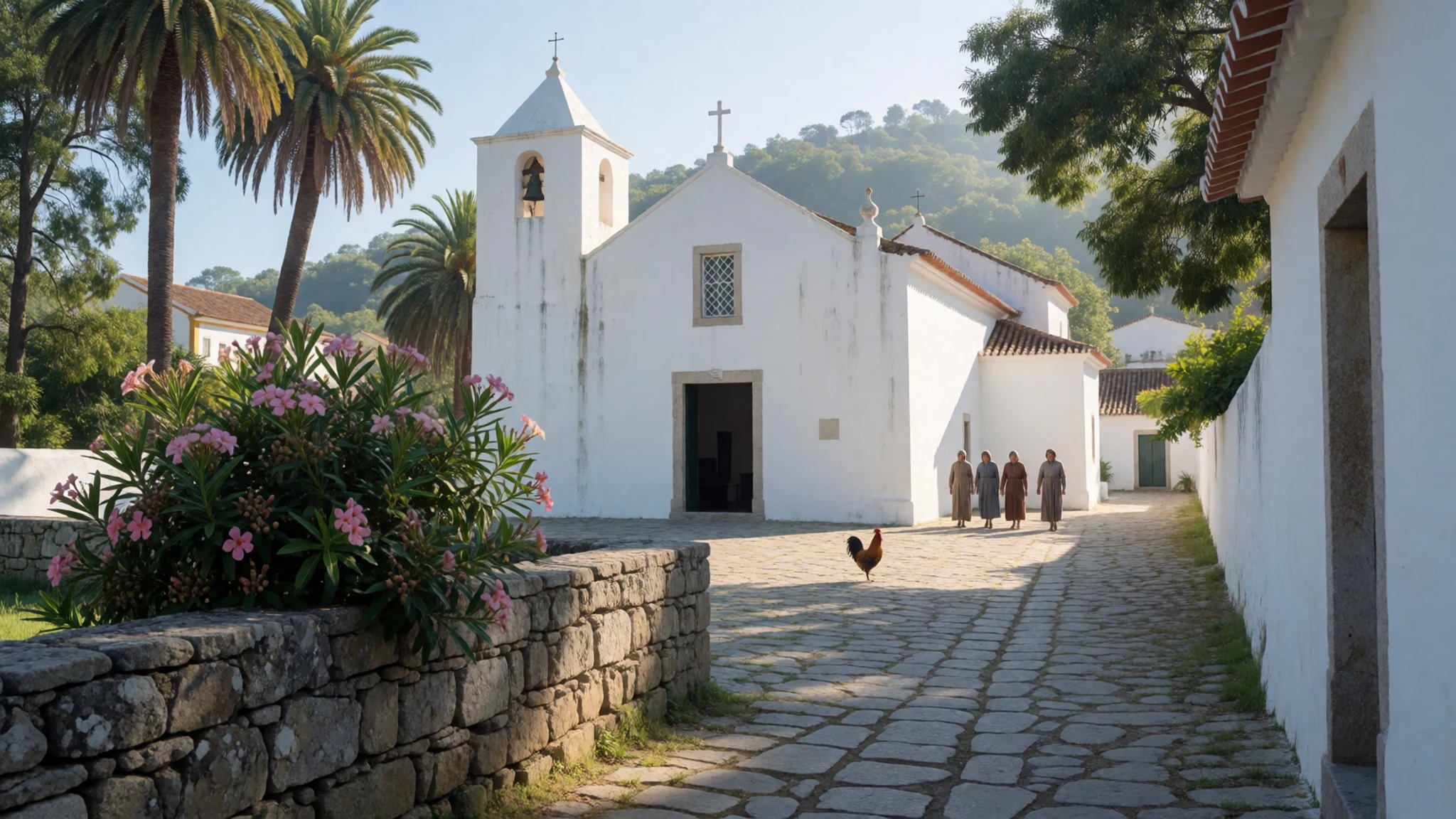
- Colonial-era buildings of Dato — Dato, town centre
Dato, the old centre of Liquiçá, holds a scattering of Portuguese-period buildings, including a former municipal school and an old public-works office. None is grand, but together they show how a small colonial outpost was laid out, and a walk past them takes well under an hour.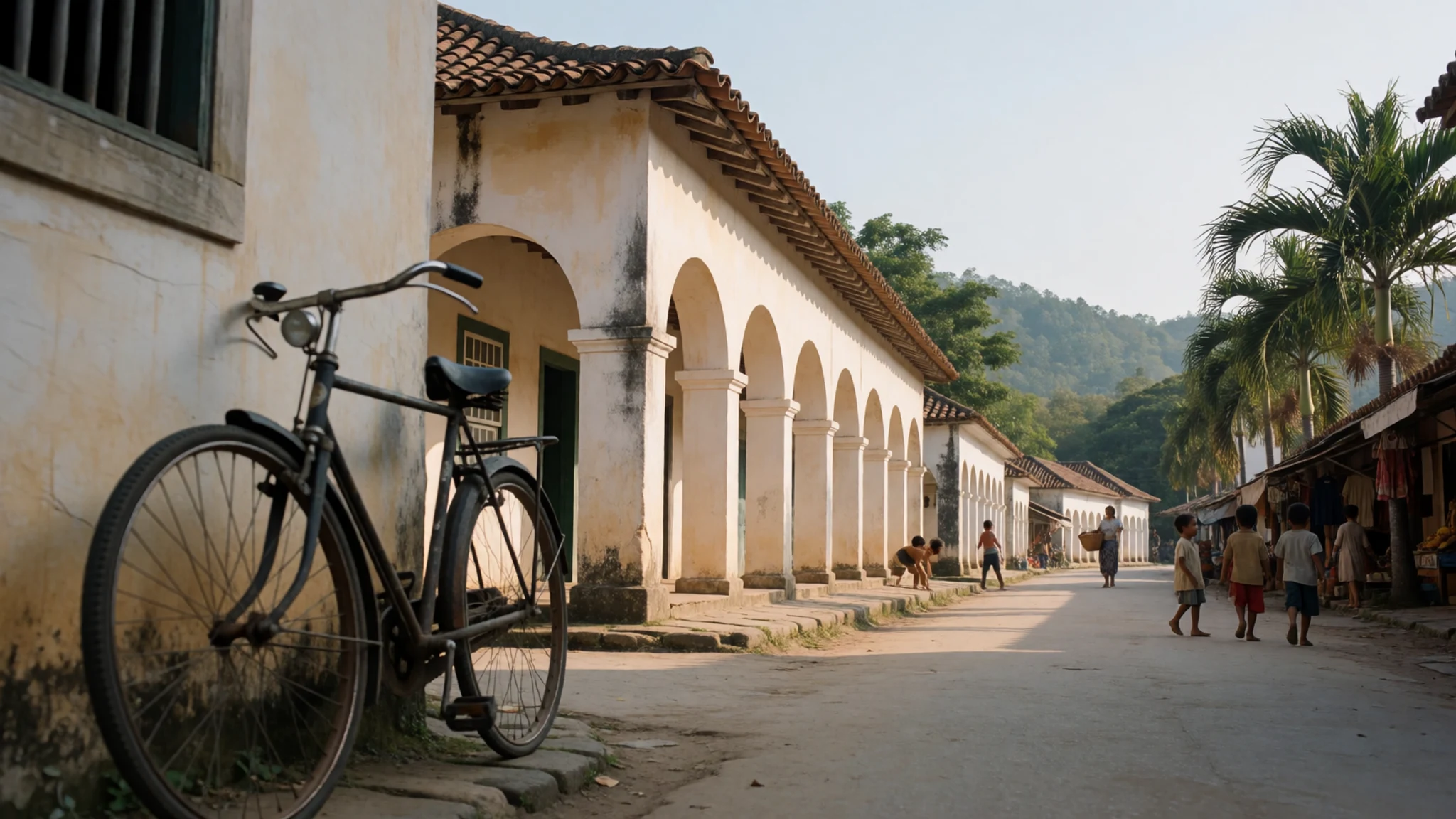
- Aipelo Prison ruins — East of Liquiçá town
Just east of Liquiçá, the ruins of Aipelo Prison mark where the Portuguese confined Timorese kings who rebelled against their rule. Little remains standing, but placards among the walls explain what happened here, and the site gives useful context for the district. Go in daylight, wear sturdy shoes for uneven ground, and carry water.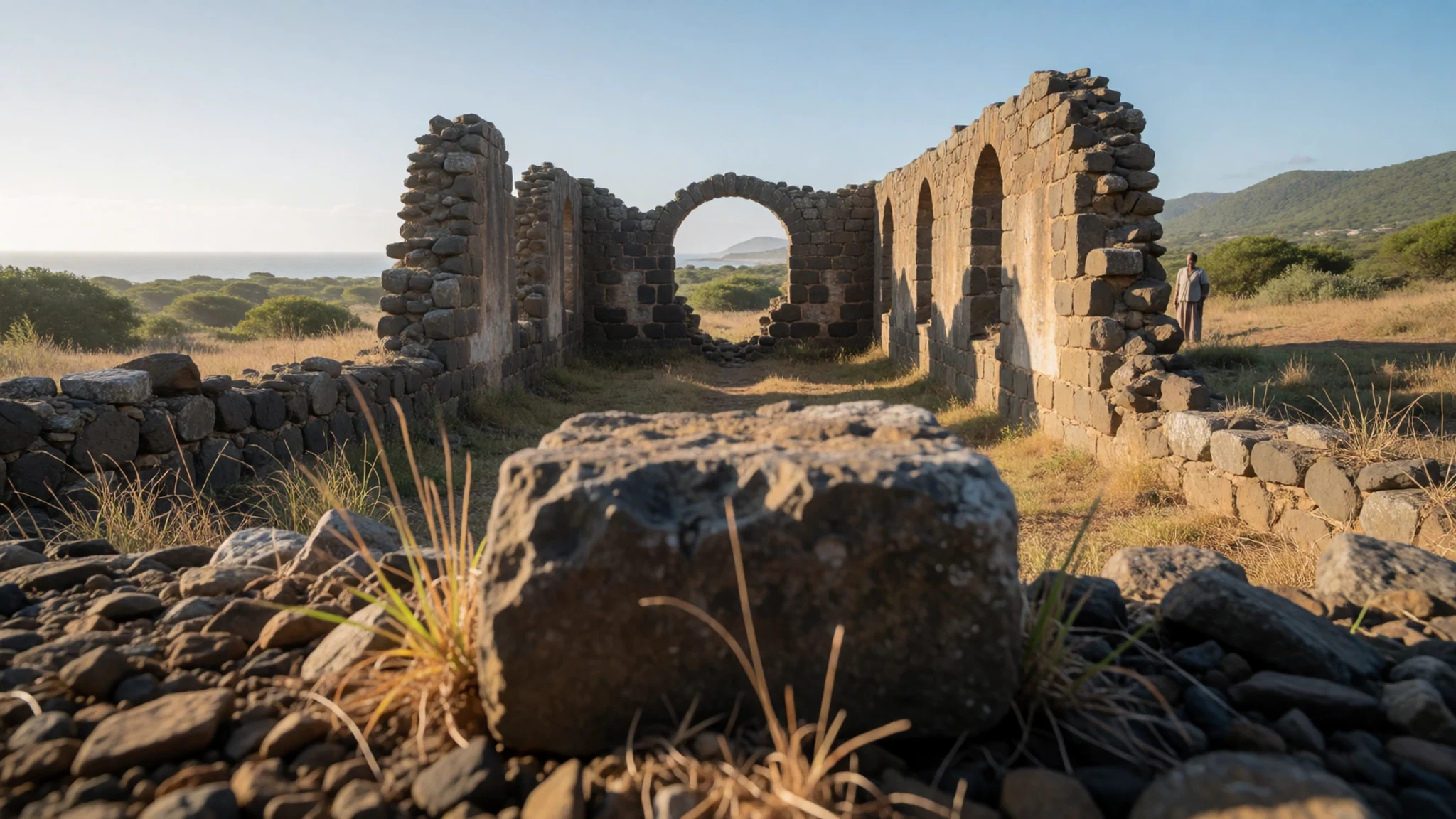
- Reefs and beaches — Tibar and the Liquiçá coast
Divers and snorkellers head for the colourful reef at Tibar, towards Dili, which is also a calm place to learn. Along the Liquiçá coast the beaches are quiet and suit swimming, fishing, beach volleyball and cycling. Whales are reported offshore in the Ombai Strait, but sightings depend on season and luck, so ask local dive operators.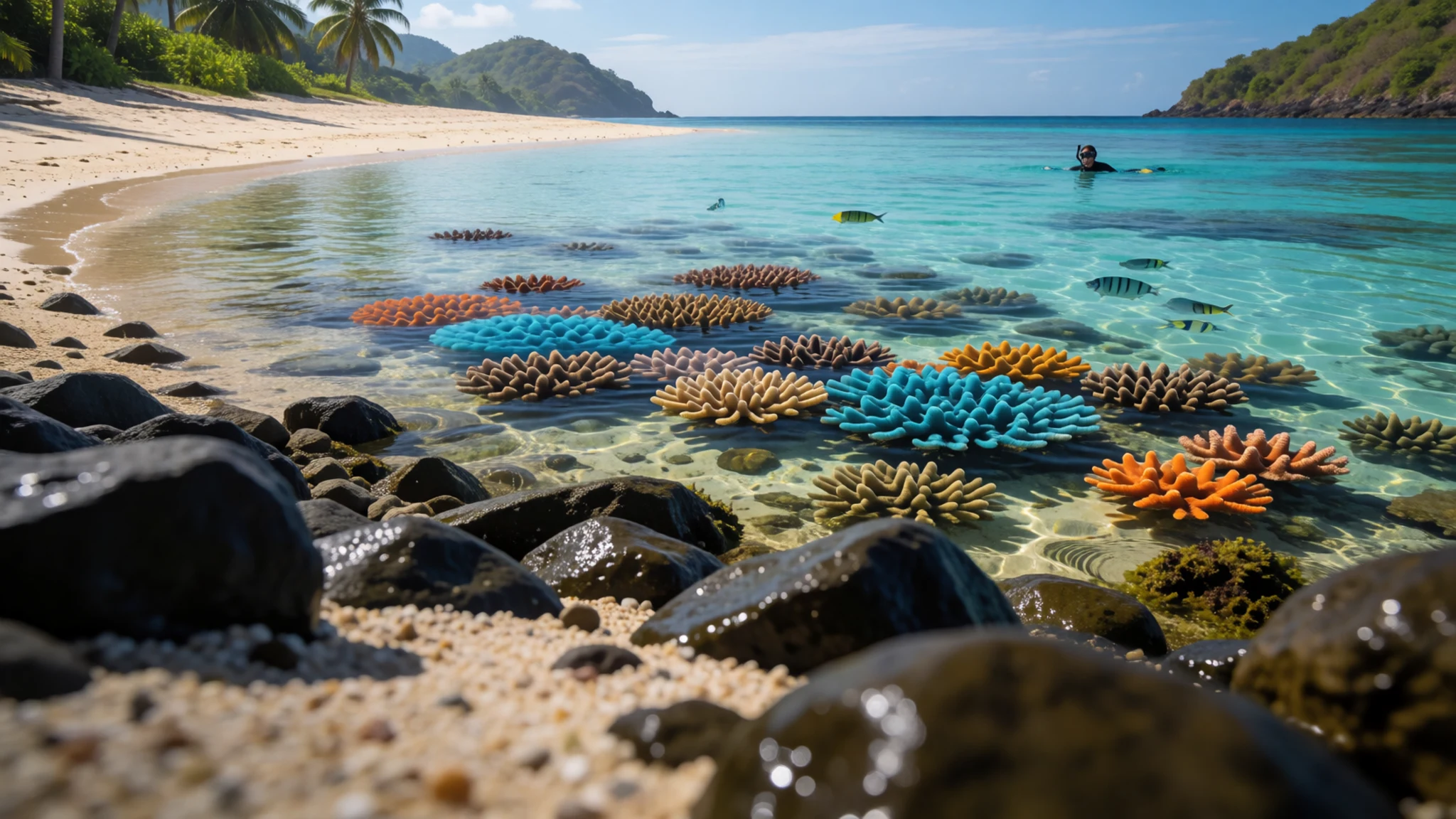
Culture
Liquiçá is a Catholic, family-centred community where church, kin and land shape the week. Portuguese rule left behind Catholicism and the Portuguese language, though Tetun is what people speak day to day, and Sunday Mass is a social event as much as a religious one. Older customs of respect for ancestors and sacred houses continue alongside the church, so ceremonies often mix the two. Coffee in the hills gives many households a seasonal rhythm of picking, drying and selling. The recent past is close at hand. Most of the town's buildings were destroyed in the violence before the independence referendum, and many families lost relatives at the parish church. Visitors who listen more than they ask are usually met with generosity, and a shared cup of local coffee is a common first gesture. Daily life is unhurried, with fishing boats going out early, schoolchildren walking along the highway in uniform and markets busiest in the morning. Ask before photographing people or the church interior, and cover your shoulders and knees and keep your voice low when you step inside the church.
What to wear
In Liquiçá, traditional dress centres on tais, the hand-woven cloth found across Timor-Leste. Women weave it on backstrap looms, mostly from cotton, with patterns and colours that vary by region and family. Tais is worn as a wrap skirt or sarong, as a shawl or sash, and as formal cloth given and worn at weddings, funerals and church feast days. Visitors may see it draped over shoulders at Mass or at ceremonies, and it is sold at markets and craft stands in the area. Most days, people in town wear what suits the heat: T-shirts, shorts or lightweight trousers, football shirts, flip-flops and caps, with neater collared shirts, dresses and closed shoes for church on Sunday. Women often wear skirts or dresses below the knee for church and official visits. A visitor should pack light cotton or linen that dries fast, with a shirt or scarf that covers the shoulders and a skirt or trousers that cover the knees for churches and memorial sites. Add a wide-brimmed hat, sunscreen and sturdy sandals; reef shoes help on rocky shores, and a light rain jacket is useful in the wet season. Swimwear belongs on the beach, so cover up with a sarong or shirt when walking through town.
What to eat
- Grilled fish — Roadside stalls and family eateries near the beaches
Fresh fish grilled over charcoal and served with rice, a squeeze of lime and a hot chilli sambal is the staple of the coast. Look for roadside stalls and small family eateries near the beaches, where the catch depends on the morning's boats.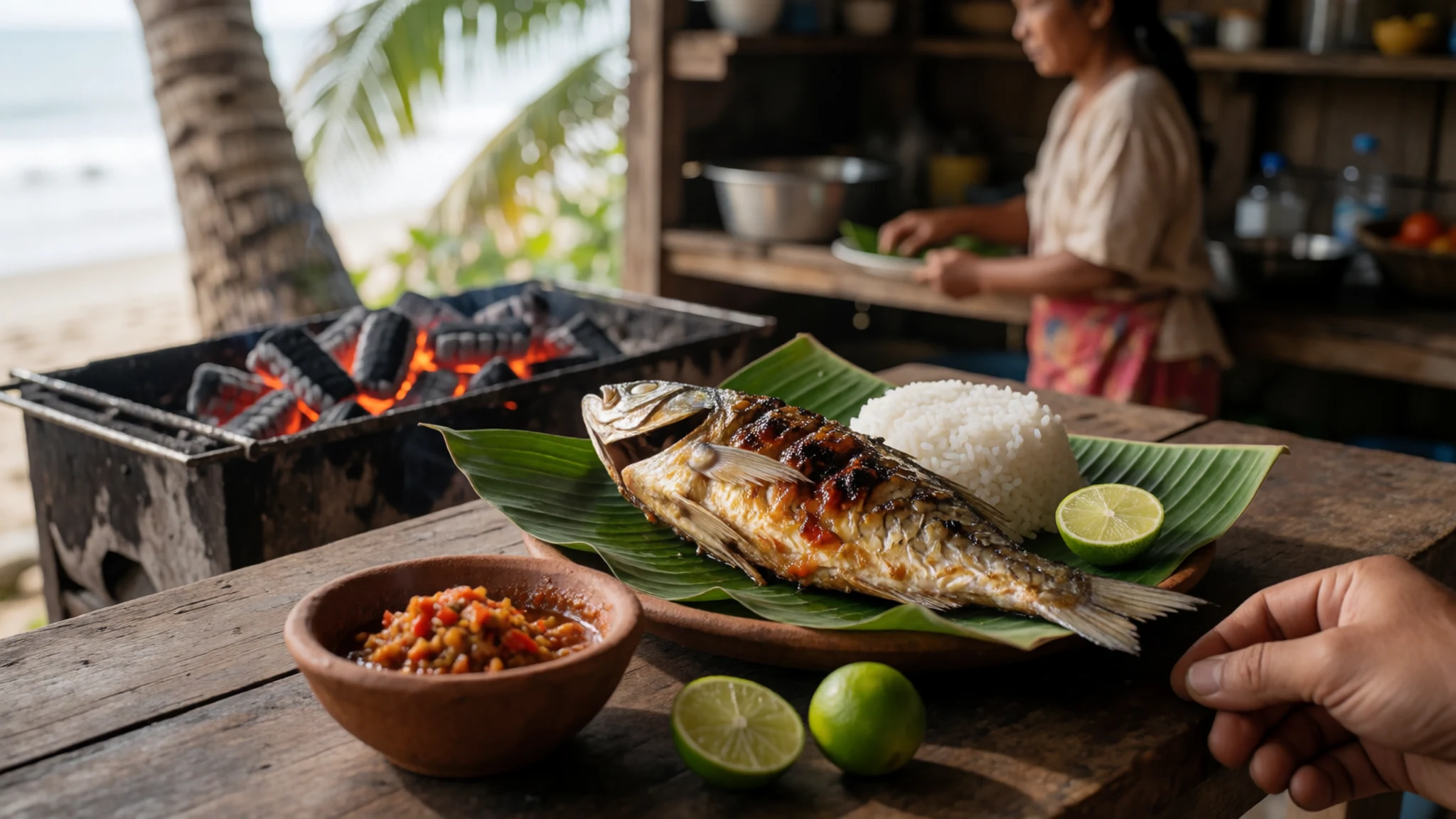
- Batar da'an — Family-run eateries in town
A comforting stew of maize, beans and pumpkin or other greens, usually cooked slowly and eaten with rice. It is everyday home cooking across Timor-Leste; ask at a family-run eatery, where it often appears as the vegetarian choice.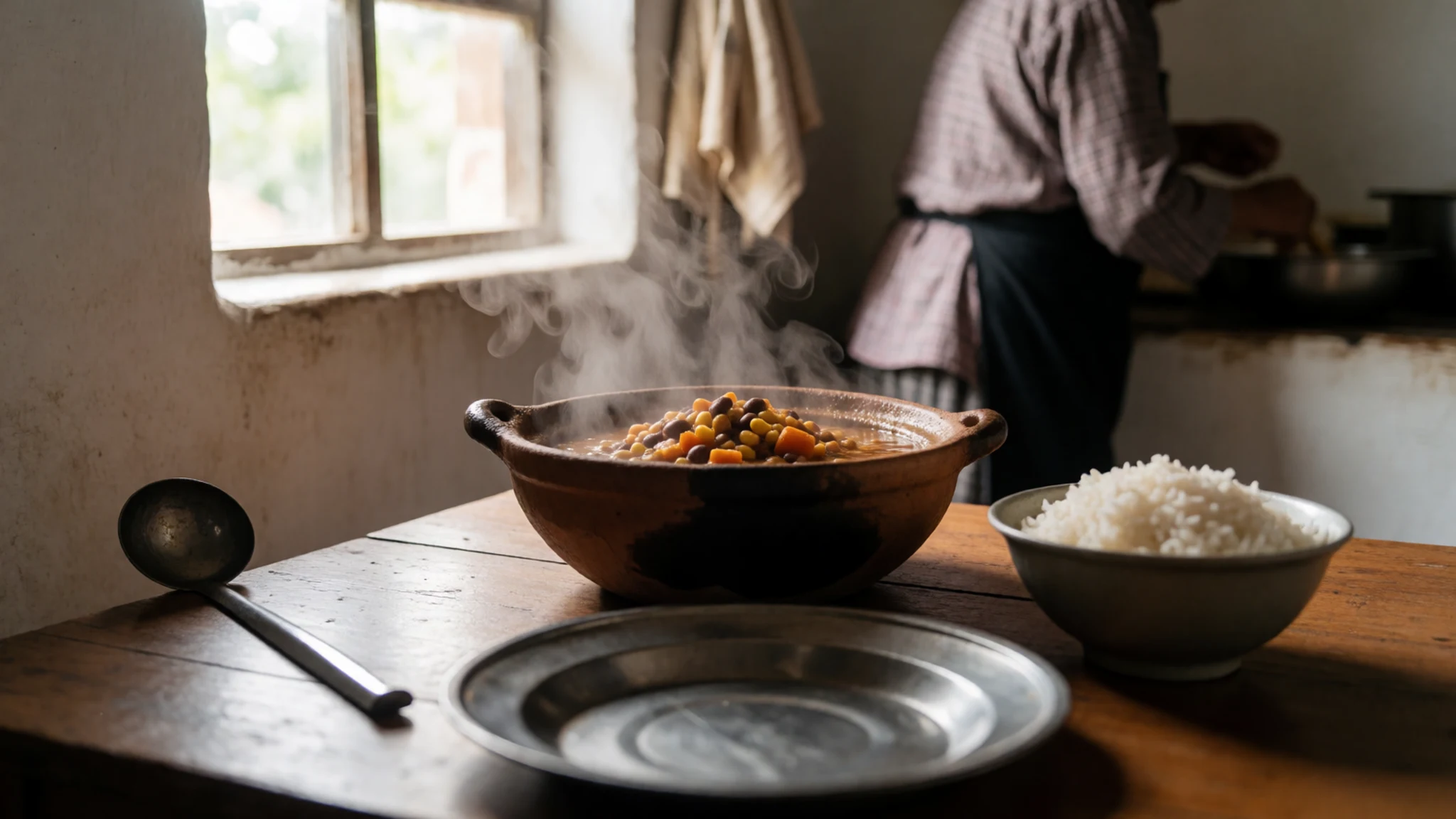
- Local arabica coffee — Roadside stands and the town market
The hills behind Liquiçá grow arabica, and coffee is served strong in small glasses or cups at roadside stands and market stalls. Packets of beans are sold at market stalls along the main road, which makes them an easy souvenir. - Avocados — The town market and roadside stands
Avocado trees grow thick on the slopes, and ripe fruit turns up on market tables and at roadside stands in season. Locals eat them plain or blend them into a sweet drink; ask at the town market what is ripe that week. - Fried banana and cassava — Near the market and minibus stops, mornings
Fried banana, cassava and sweet potato, sold in paper twists, are the usual snack to eat with a coffee. Look near the market and the minibus stops in the morning, when the oil is fresh and the batches are still hot.
Plan it
Best time. June to October, the drier months, when the sea is calmer, roads are easier and the river crossings on the coast road are less likely to flood; the monsoon swells the rivers and can disrupt travel.
How long. 1–2
Getting there. Fly to Presidente Nicolau Lobato International Airport in Dili, then travel west along the coast by road; a taxi, hired car or minibus covers the last leg in under an hour, on a reasonable road with good views.
Budget. low
Tips
- Treat Liquiçá as a day trip or short stay from Dili, and check current lodging options before arriving, as choices are limited
- Carry cash in small notes, because card payments are rare outside the capital
- Start early for cooler hours and calmer sea, and carry drinking water and sun protection
- Check the weather before driving in the wet season, when rivers along the coast road can rise
- Book dive trips with operators in Dili ahead of time and ask about current sea conditions
Etiquette
- Dress modestly and keep quiet inside the church, and ask before photographing it
- Ask before photographing people, especially children and anyone at a ceremony
- Greet people politely and accept a coffee if one is offered
Nearby
Sources
- Wikidata Q946959 (CC0)
- Wikipedia: Liquiçá (rev 1379539118) (CC BY-SA 4.0)
- Wikivoyage: Liquiçá (rev 4428516) (CC BY-SA 4.0)
- Photo: Sede de Posto do Administrador, Liquiçá (Bahnfrend) (CC BY-SA 4.0)
- Photo: Liquiçá primary school (Torbenbrinker) (CC BY-SA 4.0)
- Photo: Liquiçá administrative building (Torbenbrinker) (CC BY-SA 4.0)
- Photo: Former municipal school, Dato (Torbenbrinker) (CC BY-SA 4.0)
- Photo: Parish church S. João de Brito (Torbenbrinker) (CC BY-SA 4.0)
- Photo: Parish church S. João de Brito, second view (Torbenbrinker) (CC BY-SA 4.0)
- Photo: Former Hotel Tokodede (Torbenbrinker) (CC BY-SA 4.0)
- Photo: Women and children's community centre (Yuhui) (CC BY-SA 2.0)


