Linköping
Linköping, Sweden
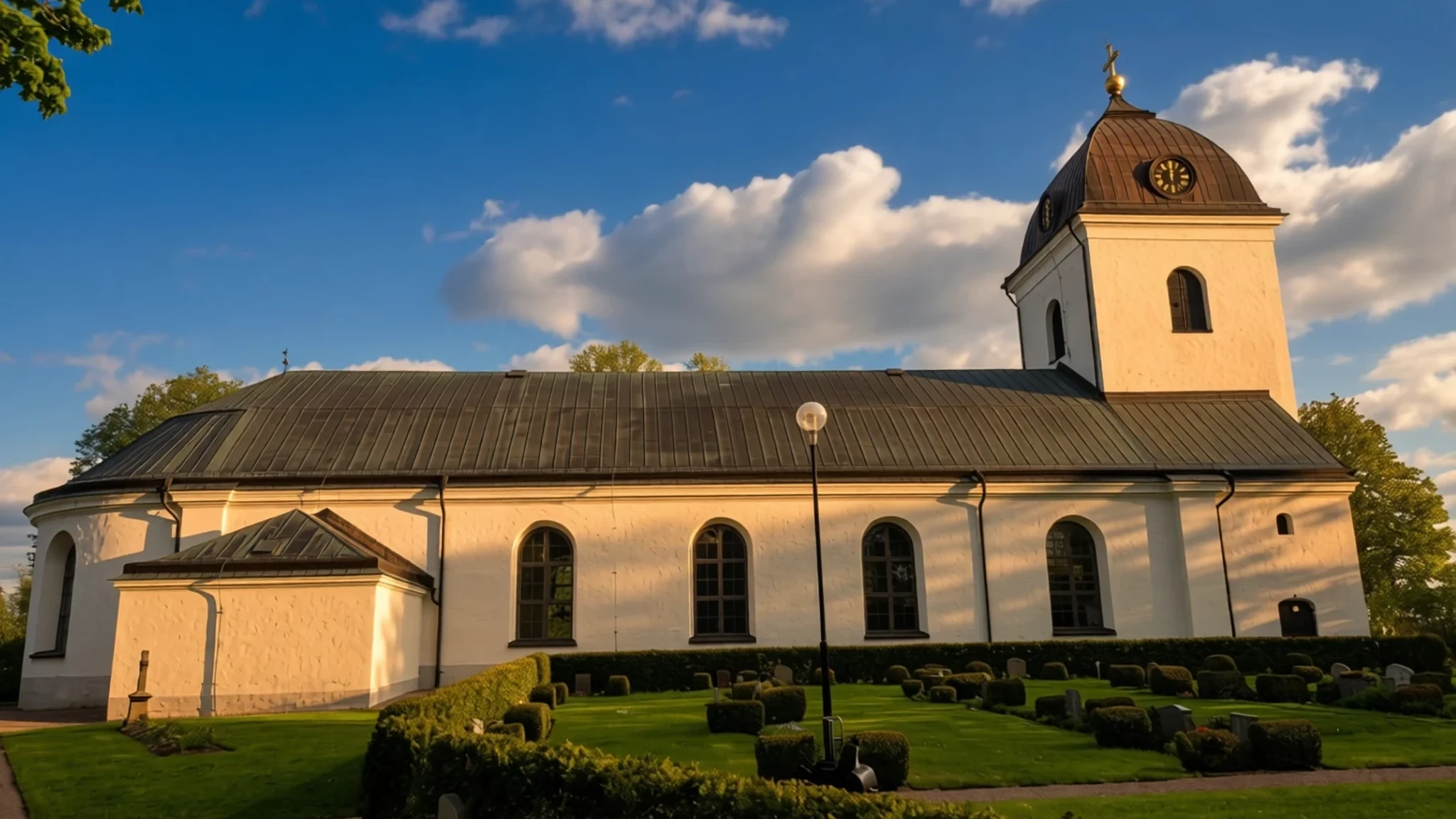
Linköping is a calm, flat university city where a medieval cathedral and an open-air old town sit beside a modern technology economy.
The place
Linköping is a city in southern Sweden, on the Östergötland Plain, in the middle of farmland that has been worked for centuries. The facts block gives it a population of 116,851 and an elevation of 45 metres, so it is a low, spread-out place with very few tall buildings. The one exception on the skyline is the copper-topped tower of the cathedral, which can be seen from a long way off across the fields.
It is the capital of Östergötland County and the seat of a bishop in the Church of Sweden, which explains the cathedral and the old castle near it. Today the city is better known for its university and its engineering and technology firms. The municipality has also spoken of sustainable growth and cutting carbon emissions, and visitors notice this in the cycle lanes and in the autonomous bus trials that have run on its streets.
The centre is compact and easy on foot. Stora Torget, the main square, sits close to the cathedral, the castle and the former school building that now serves as the town hall. The station is a short walk away. Norrköping, the neighbouring city nearer the sea, lies roughly 40 kilometres to the east, and the two are closely linked by rail and by work.
Linköping is not a city of big-ticket sights. Its pleasures are quieter: a morning in the cathedral, an afternoon among the wooden houses of Gamla Linköping, a walk in the oak woods at Tinnerö, and an ice cream in the square on a warm day. It suits a gentle weekend, or a stop on the way between Stockholm and the south.
Its story
Linköping's story begins with a market and an assembly. The name is thought to come from the Lionga ting, a regional gathering that medieval law treated as the most important in Östergötland, and the ending -köping marks a trading place. Nobody now knows exactly where the assembly met, but it lay along the Eriksgata, the route a new king travelled to be accepted by the regions.
The church then shaped the town. A bishopric existed here around 1082, which made it the second in Sweden after Skara, and it is named in a list that dates from 1104. Vreta Kloster, a monastery on the shore of Lake Roxen to the north, was founded in 1128. The oldest parts of the cathedral are also twelfth-century, though it has been rebuilt many times, and the tall copper-roofed tower is a nineteenth-century addition. When Sweden finally gained an archbishopric in 1164, Uppsala was chosen over Linköping.
Power came to the town as well as prayer. Valdemar Birgersson was crowned in the cathedral in 1251, and under Gustav Vasa several important national diets were held here. As often happens, a religious centre became a centre of learning, and a cathedral school can be traced back to 1266, an early ancestor of the schooling and research the city is known for now.
The town was drawn into war in 1598, when it took the Catholic side at the battle of Stångebro and lost. A memorial stands just outside the centre. The city later marked its seven-hundredth anniversary in 1987, a reminder of how long a market on a plain can keep going.
What to see
- Linköping Cathedral (Domkyrkan) — City centre
The cathedral is the city's anchor, begun in the twelfth century and extended again and again until the copper-roofed tower was added in the nineteenth. Inside, the long medieval nave rewards an unhurried visit. Check the official site for opening times, as services and events can change access.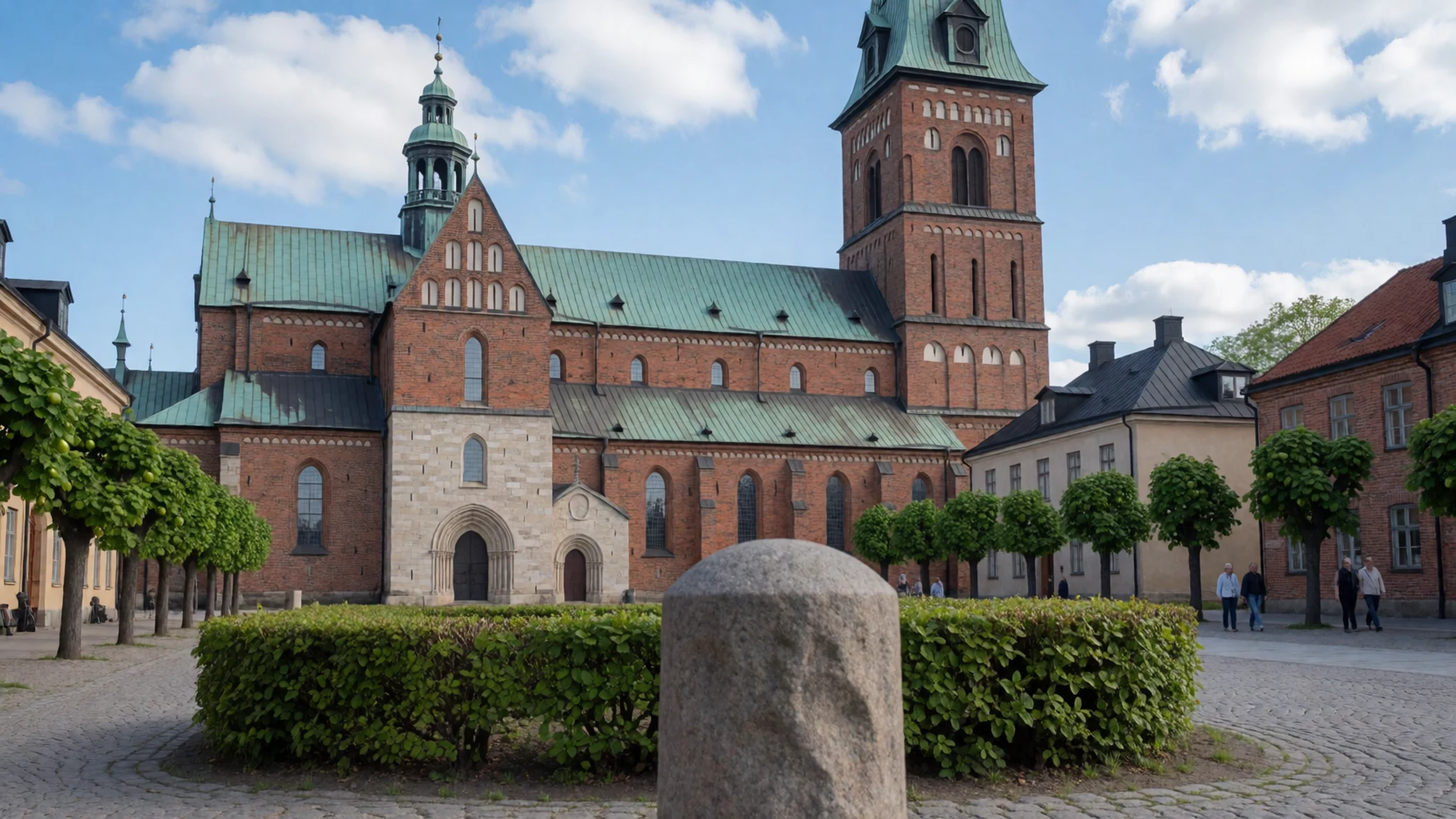
- Linköping Castle — City centre
Next to the cathedral, the castle served as the bishop's residence from the thirteenth century until the Reformation in the sixteenth. It is now the residence of the county governor, so parts are not open to the public. A museum inside tells more of its past.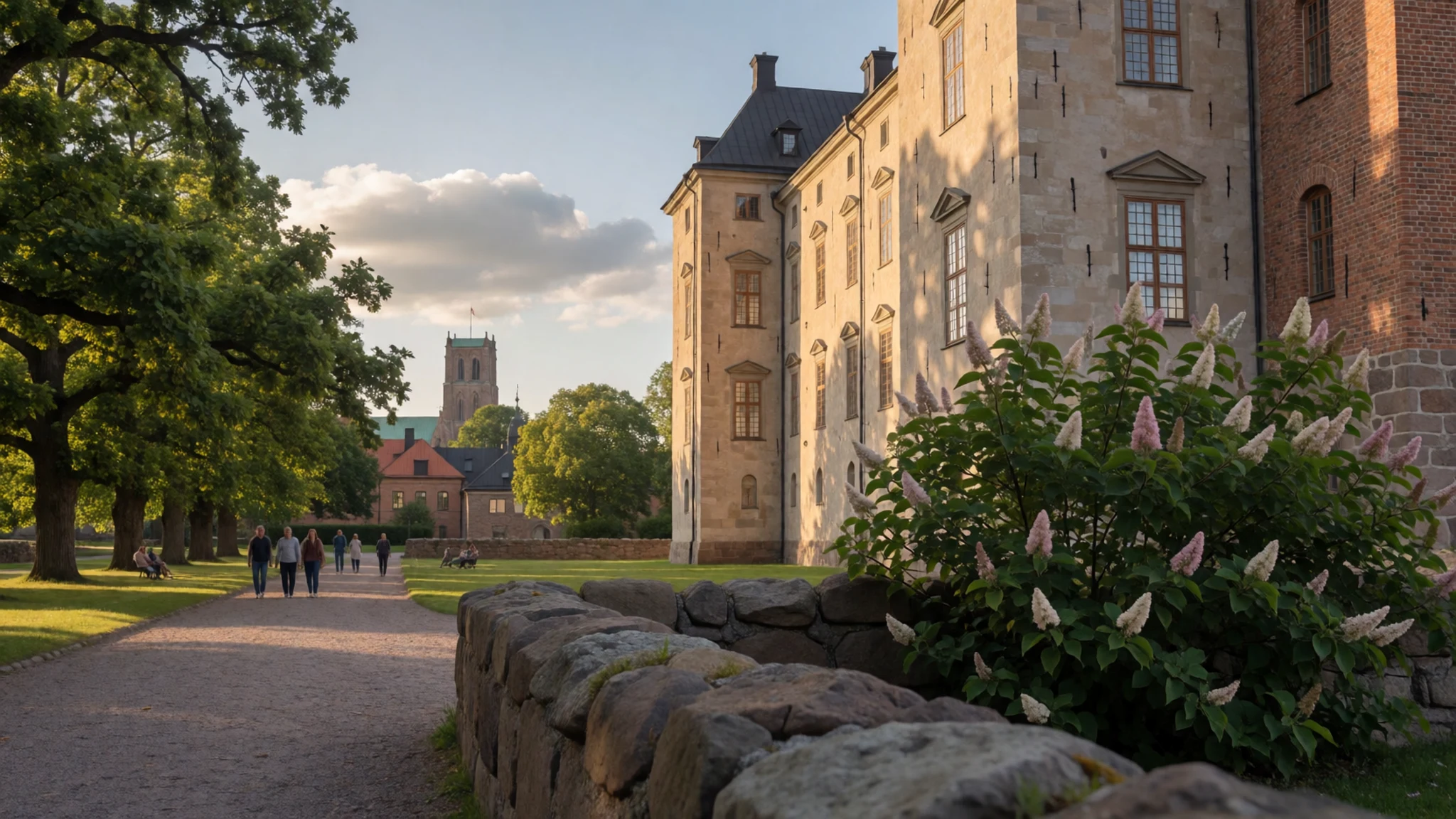
- Castle and Cathedral Museum — Beside the cathedral
This museum follows the town's long history as a bishop's seat, and it pairs well with a visit to the cathedral next door. It is a sensible choice on a wet or very cold day, when the open-air sights are less appealing.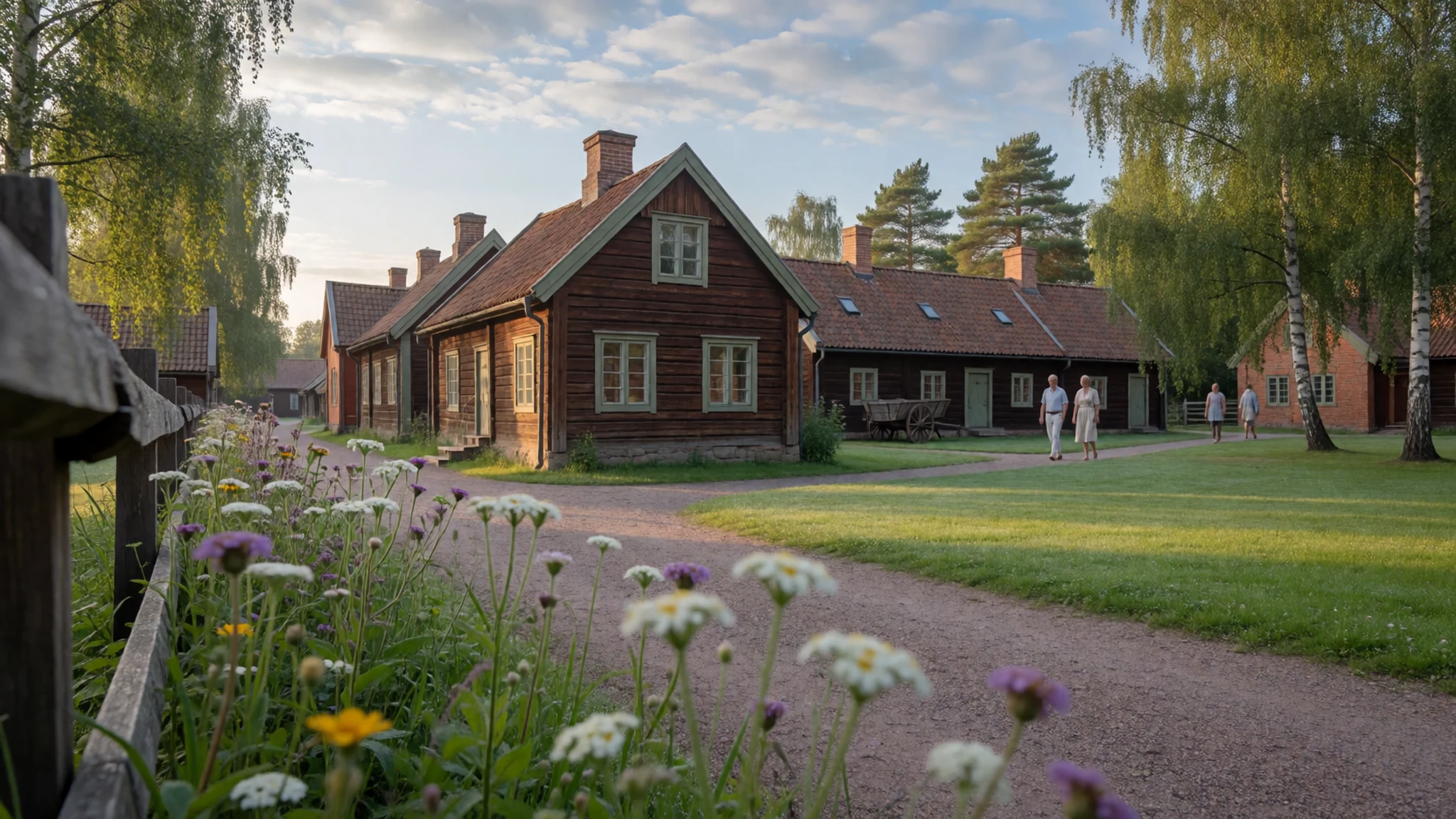
- Stadshuset — City centre
The town hall began life in 1864 as a secondary school, and a Latin motto over the door speaks of the fear of the Lord as the start of learning. It is worth a look from the outside for its civic, nineteenth-century character, and it sits just off the main square.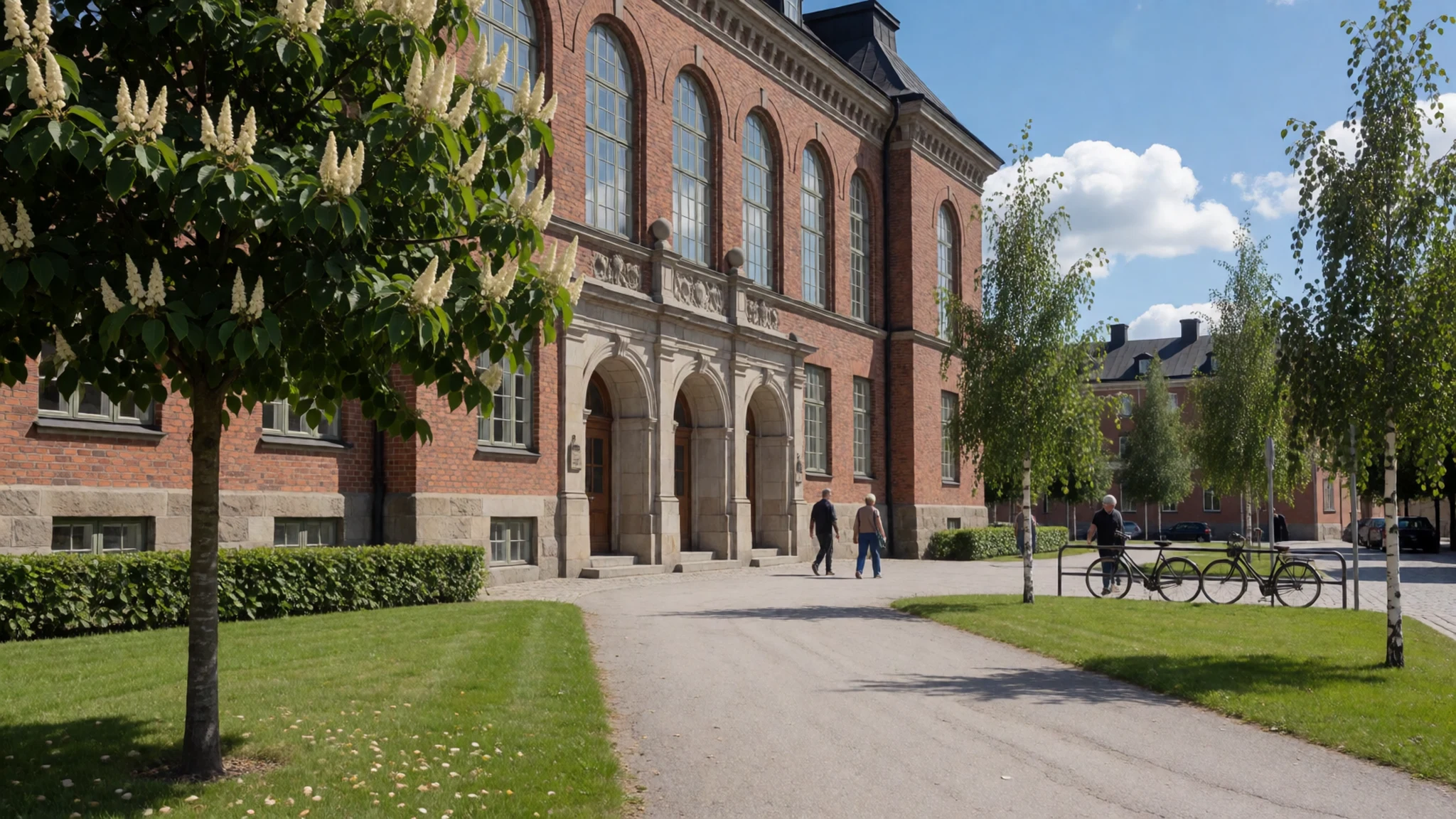
- Gamla Linköping — West of the centre
West of the centre, this open-air museum is a small town made of old wooden buildings saved from demolition and moved here from the city. Streets, courtyards and shops are set out as they once were. It sits beside the Valla recreation area, so combine it with a walk in the woods.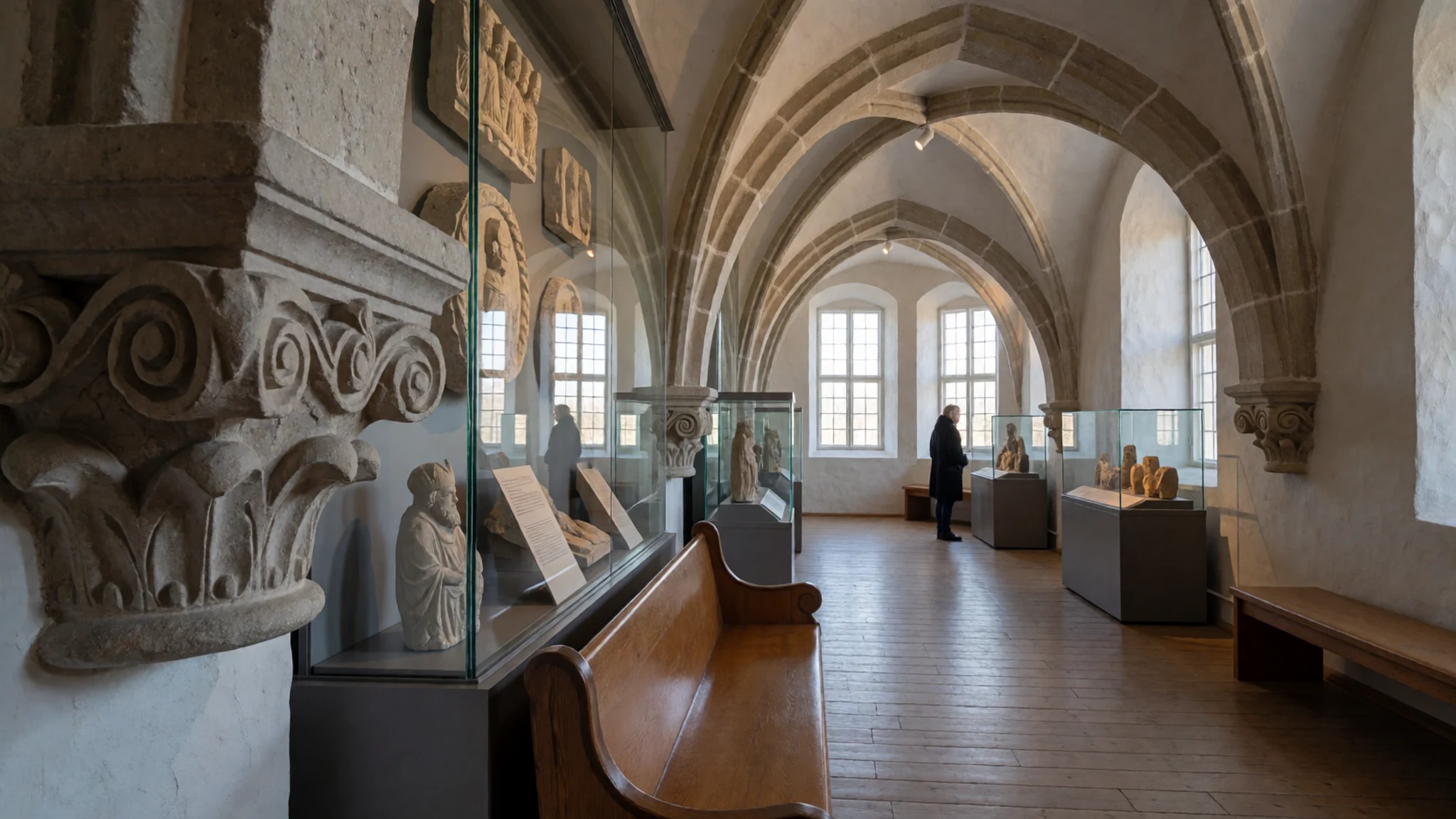
Culture
Linköping has the cultural life of a university and cathedral city: theatre, concerts, festivals, markets and sport, along with museums covering local history, the county and the air force. The Air Force Museum is a good example of the region's long link with aviation and engineering. The Konsthallen Passagen gallery sits in the main square, so art is easy to find without planning.
The city's character is shaped by two things, the church and the campus. The cathedral and castle speak of the bishops who ran the region for centuries, while the university gives the streets a young, international feel in term time and a quieter one in summer. Students and researchers fill the cafés, and bicycles are the usual way to get about.
Green space matters here. The Trädgårdsföreningen park, named after the garden society that created it, is a pleasant place to sit, and the oak woods at Tinnerö and the Valla woodland are used all year for walks, running and skiing when snow allows. Further out, the locks on the Göta Canal at Berg draw people who like boats and slow travel.
Social life is relaxed and orderly. People queue calmly, speak quietly in public and expect the same of others. Punctuality counts, and invitations to a home are taken seriously. Fika, the habit of a coffee and a bun with friends or colleagues, is a daily ritual and an easy way to meet people.
In the cathedral, keep your voice low, take your cap off and do not walk around during a service.
What to wear
Linköping has no single everyday costume. Swedish regional dress, known as folkdräkt, exists for Östergötland as it does for other provinces, usually made of wool and linen with embroidered bodices, aprons and white blouses for women, and breeches and waistcoats for men. It appears at midsummer, weddings, national day celebrations and folk dance events, rather than on ordinary days, and it is treated with real pride.
What people wear daily is plain, practical and well made. Muted colours, dark denim, knitwear, sturdy coats and good boots dominate, with a clean, understated Scandinavian look. Students bring a more casual mix of trainers, rucksacks and cycling gear. Layers matter because the weather changes fast, and almost everyone owns a proper waterproof jacket.
Visitors should dress for the season and for walking. Summer highs are usually in the low twenties Celsius, so light clothes with a jumper or rain layer for the evening are enough. Winter days often hover just above freezing and nights fall below it, so bring a warm coat, hat, gloves and boots with a good grip for ice and slush. Comfortable shoes suit the cobbles of the old town and the paths at Gamla Linköping.
There is no formal dress code for visiting the cathedral, but covered shoulders and a tidy, modest look are respectful. Restaurants are casual, and smart-casual is enough even for a nice dinner. Trainers are fine almost everywhere.
What to eat
- Ice cream from a hole-in-the-wall shop — Central streets near Stora Torget
The city's best-known summer queue forms at a tiny central ice cream shop that sells freshly made scoops. Expect a long line on hot days. Eat it on a bench in the main square or walk towards the cathedral.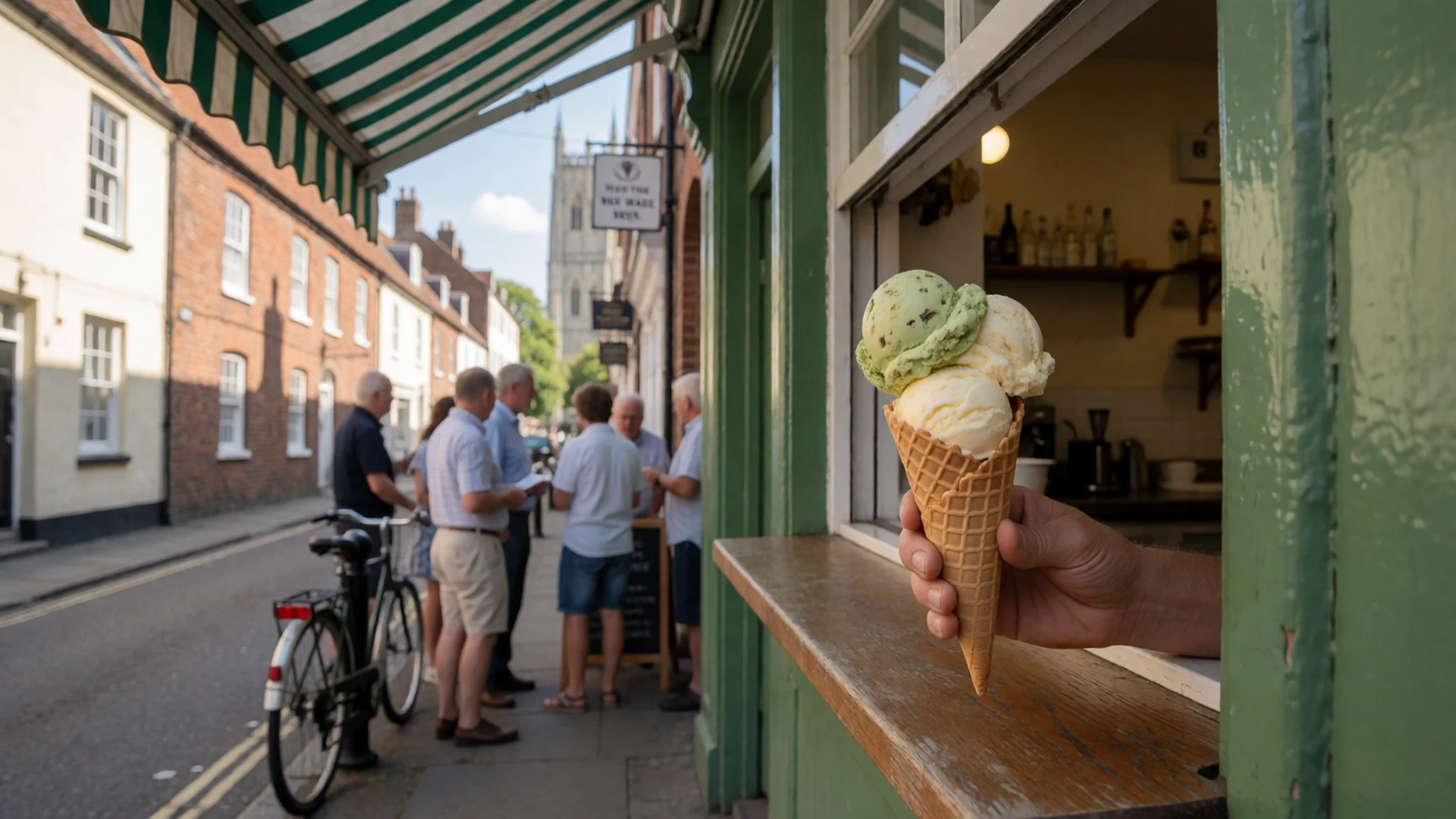
- Burgers from a street kitchen — Near Stångebro, by the river
A well-liked burger stand near the Stångebro bridge serves the sort of quick, filling food students and workers rely on. It is casual and cheap-ish by Swedish standards. Good for a simple lunch before heading along the river.
- Thai takeaway and sit-down food — Central streets around the shopping area
Thai food is a staple of Swedish town life, and Linköping has several small places serving spicy curries and noodles, some for take-away. Check whether a place serves alcohol, as a few do not. - Grilled meat dishes — Restaurants in the town centre
For a heavier dinner, meat restaurants in the centre offer steaks and grills with potatoes and sauces. They are a reliable choice in cold months and a change from fish-heavy Swedish menus. - Saturday shopping lunch — Restaurants across the city centre
On Saturdays many central restaurants offer a short, fixed-choice lunch for a modest set price, usually in the early afternoon. It is a cheap way to try somewhere new. Check each restaurant's own site for the current offer.
Plan it
Best time. June to August is warm, with summer highs usually in the low twenties Celsius and long light evenings; May and September are milder and quieter. Winters hover just above freezing by day and fall below it at night.
How long. 1–2
Getting there. The nearest big airport is Stockholm Arlanda, then a train south to Linköping Central Station, which is under ten minutes' walk from the centre. Fast SJ trains from Stockholm are among the quickest options; check the operator's site for times and fares. Long-distance buses use a terminal a short walk north of the station.
Budget. mid
Tips
- Book fast trains ahead on the SJ site for better fares
- Hire or borrow a bike, as the city is flat and compact
- Pack a waterproof layer in any season
- Cards are accepted almost everywhere, so little cash is needed
- Check the city website, linkoping.se, for event and museum details
Etiquette
- Queue calmly and keep your voice low in public
- Remove your cap and be quiet in the cathedral
- Take shoes off when invited into a private home
Nearby
Sources
- Wikidata Q25413 (CC0)
- Wikipedia: Linköping (rev 1384928147) (CC BY-SA 4.0)
- Wikivoyage: Linköping (rev 5426514) (CC BY-SA 4.0)
- Photo: Stora torget, Linköping (Thuresson) (CC BY-SA 2.5)
- Photo: Linköping Cathedral (Hieke) (Public domain)
- Photo: Campus Valla (Erik And30) (CC BY-SA 4.0)
- Photo: Tekniska verken (Tomas Hellberg) (CC BY 2.5)
- Photo: Panorama (Moritz Beller) (CC BY 3.0)
- Photo: Cloetta Center (CC BY-SA 2.5)
- Photo: Autonomous bus (Abdeaitali) (CC BY-SA 4.0)
- Photo: Gamla Linköping archive (CC0 1.0)


