Liepāja
Liepāja, Latvia
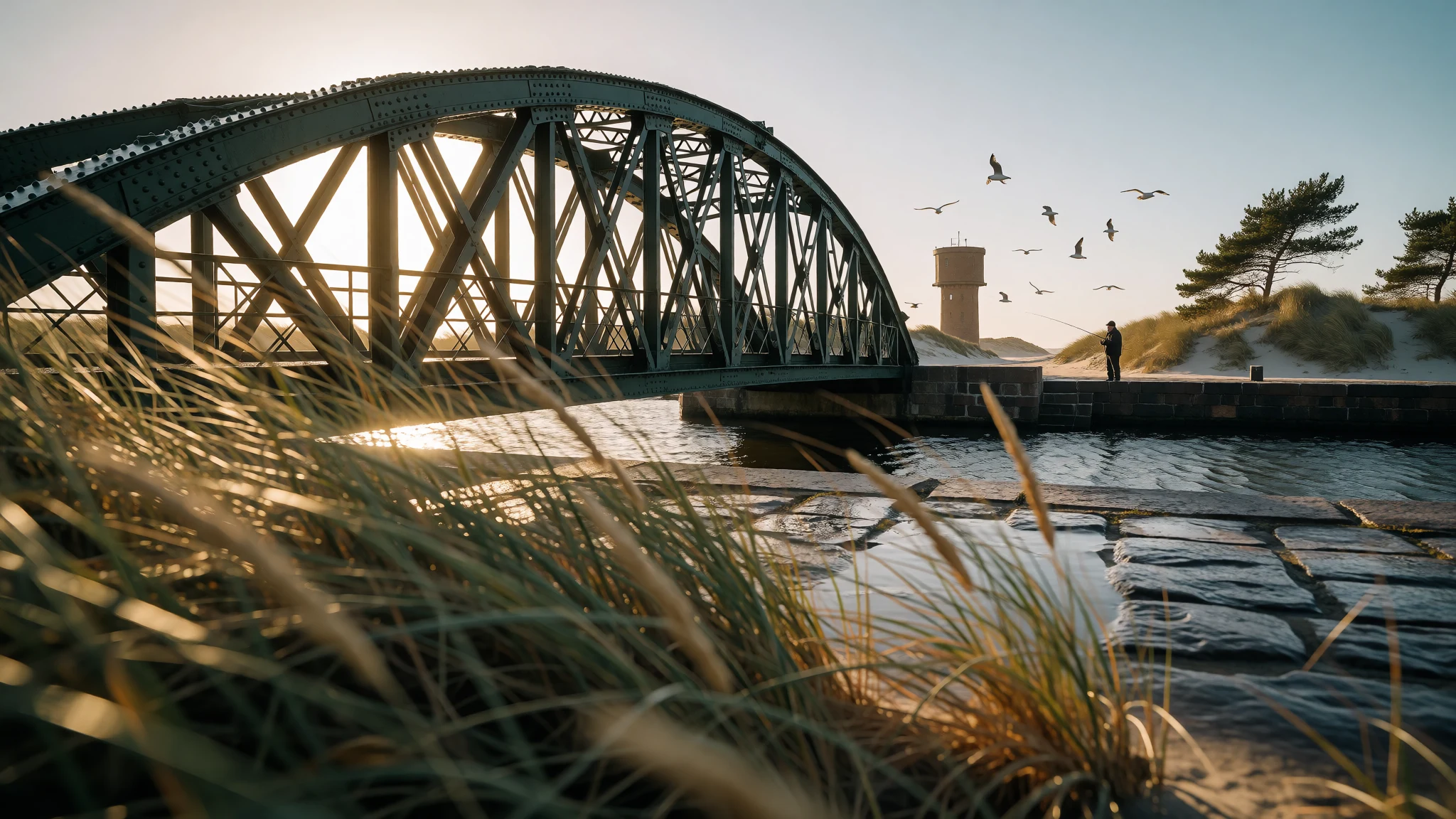
Liepāja is a windy Baltic port city of dunes, amber, red-brick churches and a former military harbour, easy to enjoy without crowds.
The place
Liepāja sits on the Baltic coast of south-western Latvia, on a narrow strip of dune and lowland between the open sea and the land behind. It ranks as the biggest city within the Courland region and, with about 67,000 residents, the third-largest in Latvia after Riga and Daugavpils. The ground is almost level, about 14 metres above sea level, so the weather is the landscape: a steady breeze comes off the water most days, and Latvians call the town the place where the wind is born. A well-loved song by Imants Kalniņš with that title has become the city's anthem.
The centre is compact and low-rise. Streets of wooden houses and brick churches run behind a long, pale beach and a seafront park, and trams still rattle along the main street. The port stays free of ice in winter, which is why the town has had harbours and garrisons for so long. To the north, across a canal, lies Karosta, a former naval district of barracks, a water tower and empty military buildings, now half museum and half wild ground.
A century or so ago Liepāja was a seaside resort, with bathers, gardens and a theatre, and some of that mood survives in the park and on the promenade. It is the westernmost city in Latvia, about 15 km north of the country's westernmost point. The feel is of a working port town rather than a polished tourist centre: unhurried, a little worn at the edges, and inexpensive for visitors from western Europe. The city holds the title of European Capital of Culture in 2027, so building work and new programmes are likely to be under way.
Its story
Liepāja's early story is murky. Tradition says Curonian fishermen first settled the spot and called it Līva, though the chronicler Henry of Livonia never mentions it. What is documented is that the Teutonic Order set up a village here in 1263 under the name Libau, a name that stayed in use for centuries and still appears on old postcards and maps. Lithuanians sacked and burned the village in 1418.
For a time the place sat on a trade route running from Amsterdam towards Moscow, remembered in the phrase "white road to Lyva portus". By 1520 the river Līva had silted up so badly that ships struggled to enter, and growth stalled. The town then passed between the rulers of the Duchy of Courland and Semigallia. In 1560 Duke Gotthard Kettler loaned the surrounding district, Libau included, to Albert, Duke of Prussia, and it came back to the duchy only in 1609, after a dynastic marriage. The Livonian War brought Swedish attack and fire.
The founding date recorded for the city is 1625, a reminder that the "beginning" of a town depends on which charter or record is chosen. After that the harbour, not the river, became the engine of the place. Over the following centuries Libau belonged in turn to the duchy, the Russian Empire, the German occupation authorities of the First World War, independent Latvia, Soviet rule, Nazi German occupation, Soviet rule again, and finally independent Latvia once more. The mix of German, Russian and Latvian names on streets and churches is the residue of that sequence.
What to see
- Amber clock — Seafront promenade
The amber clock stands on the seafront promenade, a sundial-shaped piece made from thousands of fragments of amber donated by local people and visitors. It is small and quickly seen, but it ties the city to the amber coast of the Baltic, and it sits on the easy walk between the beach and the town centre.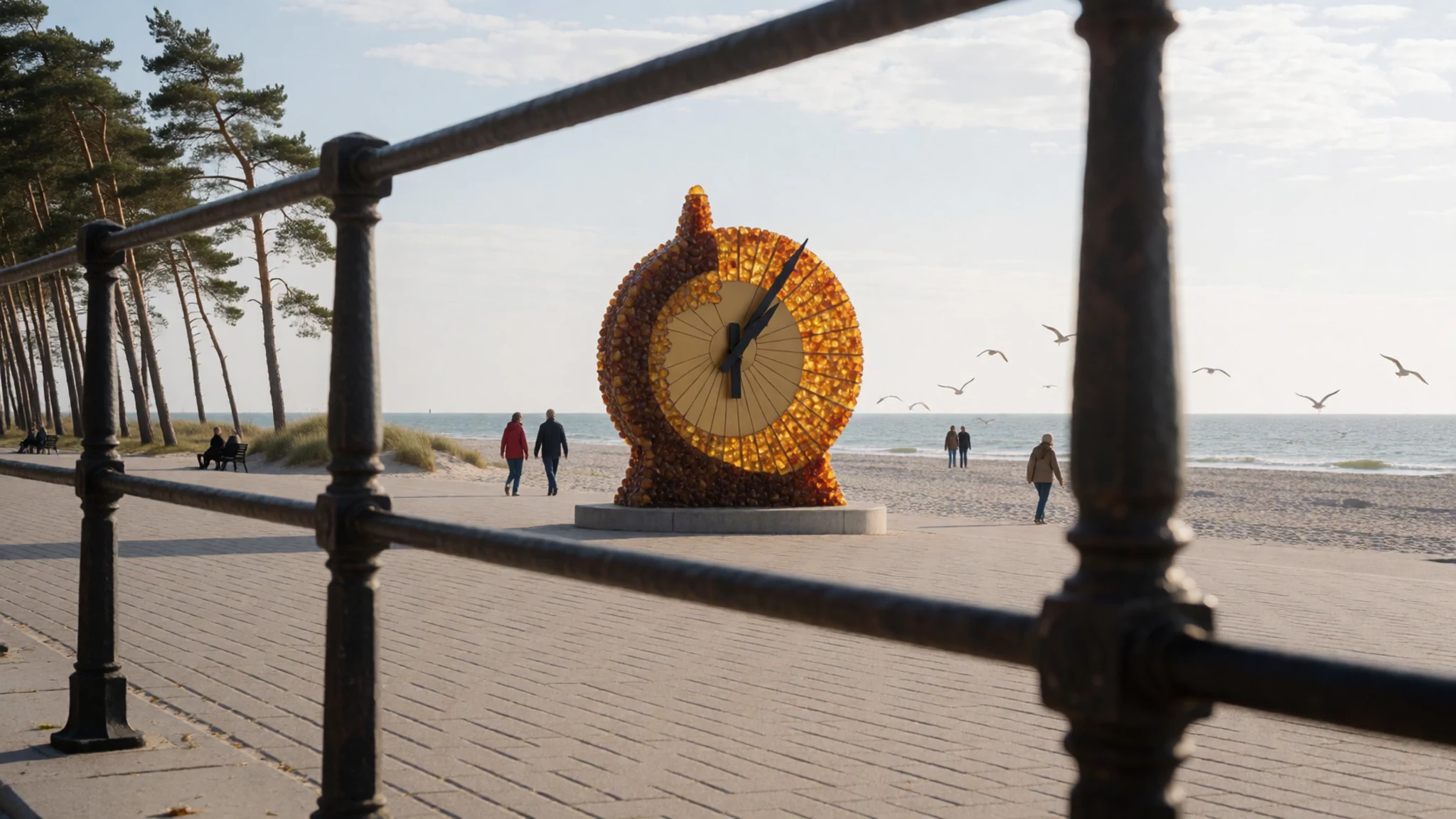
- Holy Trinity Cathedral — City centre
Liepāja's Holy Trinity Cathedral has a tower 55 m high, which guidebooks recommend as a viewpoint over roofs, port and sea. Inside, an organ of more than 7000 pipes was the biggest in the world until 1912. Concerts are the best reason to go, so check the cathedral's own programme first.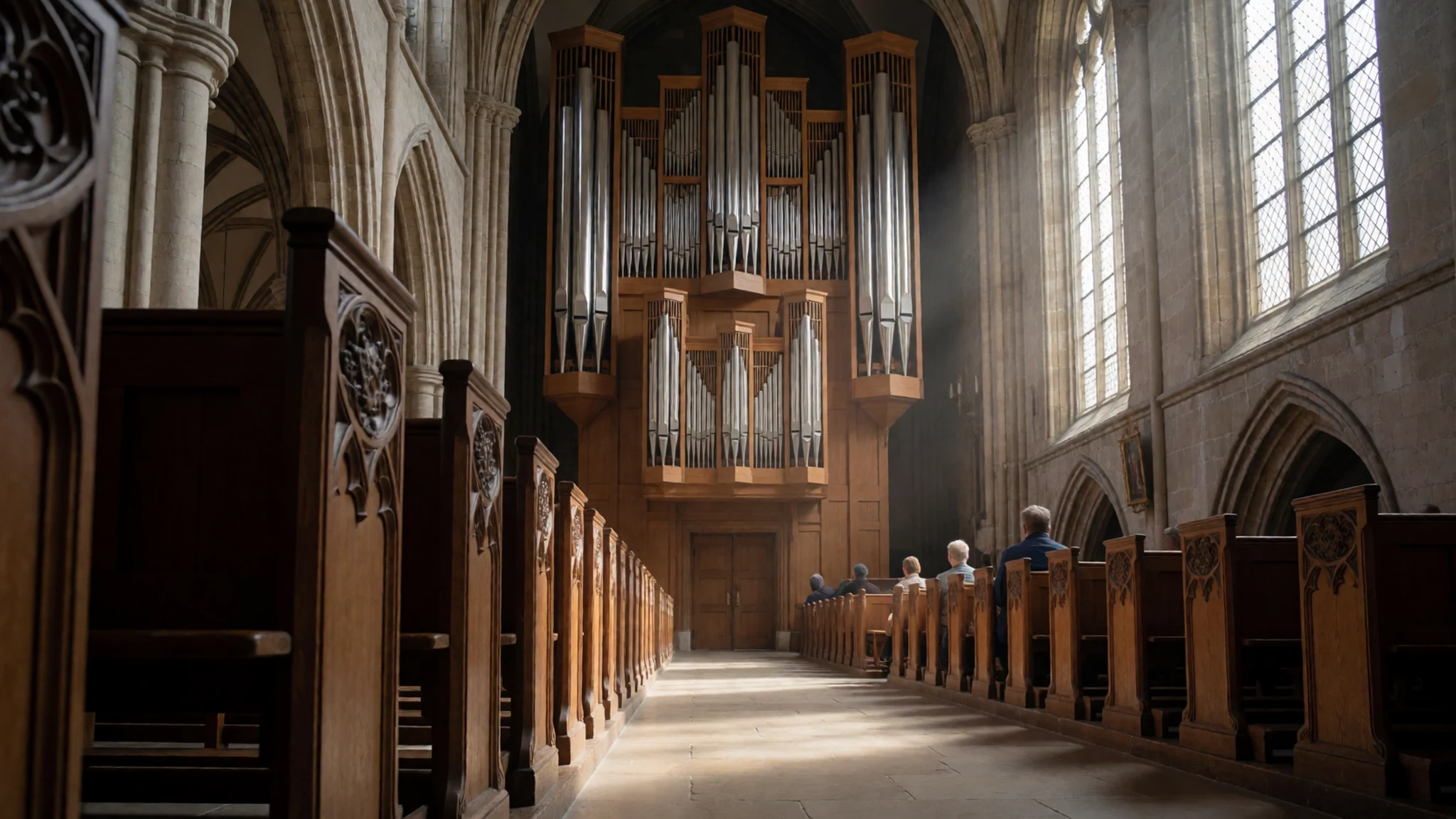
- Saint Anne's Church — City centre
Saint Anne's Church is built of red brick and is listed as the oldest of Liepāja's churches. Its organ is the third biggest in Latvia, so the interior rewards a visit when the doors are open. It stands a few minutes' walk south of the cathedral, and its plain brick walls contrast with the grander building nearby.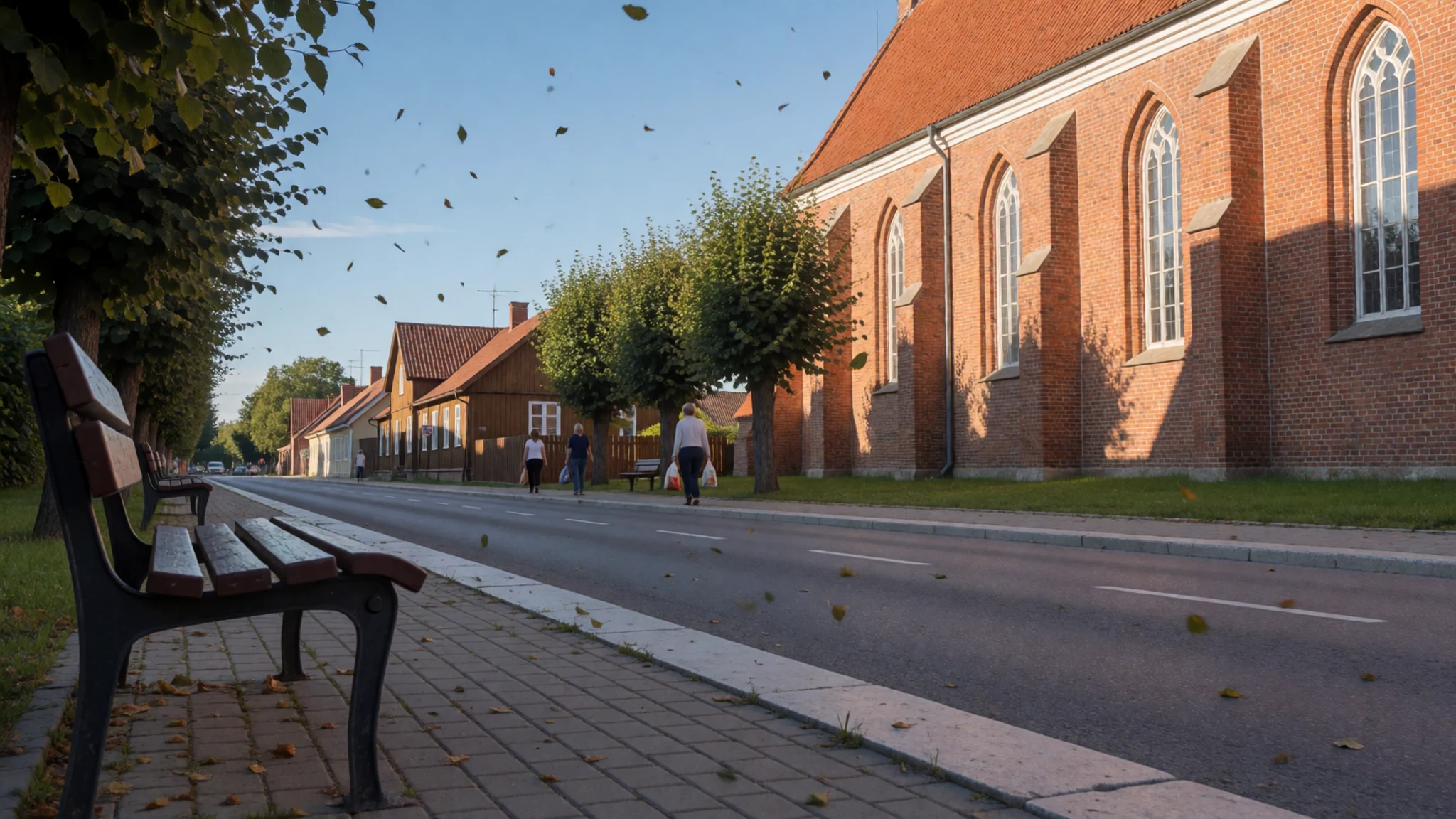
- Oskars Kalpaks Bridge and Karosta — Karosta, north of the canal
The Oskars Kalpaks Bridge is a metal swing bridge, designed by the German engineer Harald Hall and built in 1906, that carries the road to Karosta. It opens to let ships through, so a short wait is normal. Beyond it lies the former naval district, with its brick water tower, barracks and a prison museum.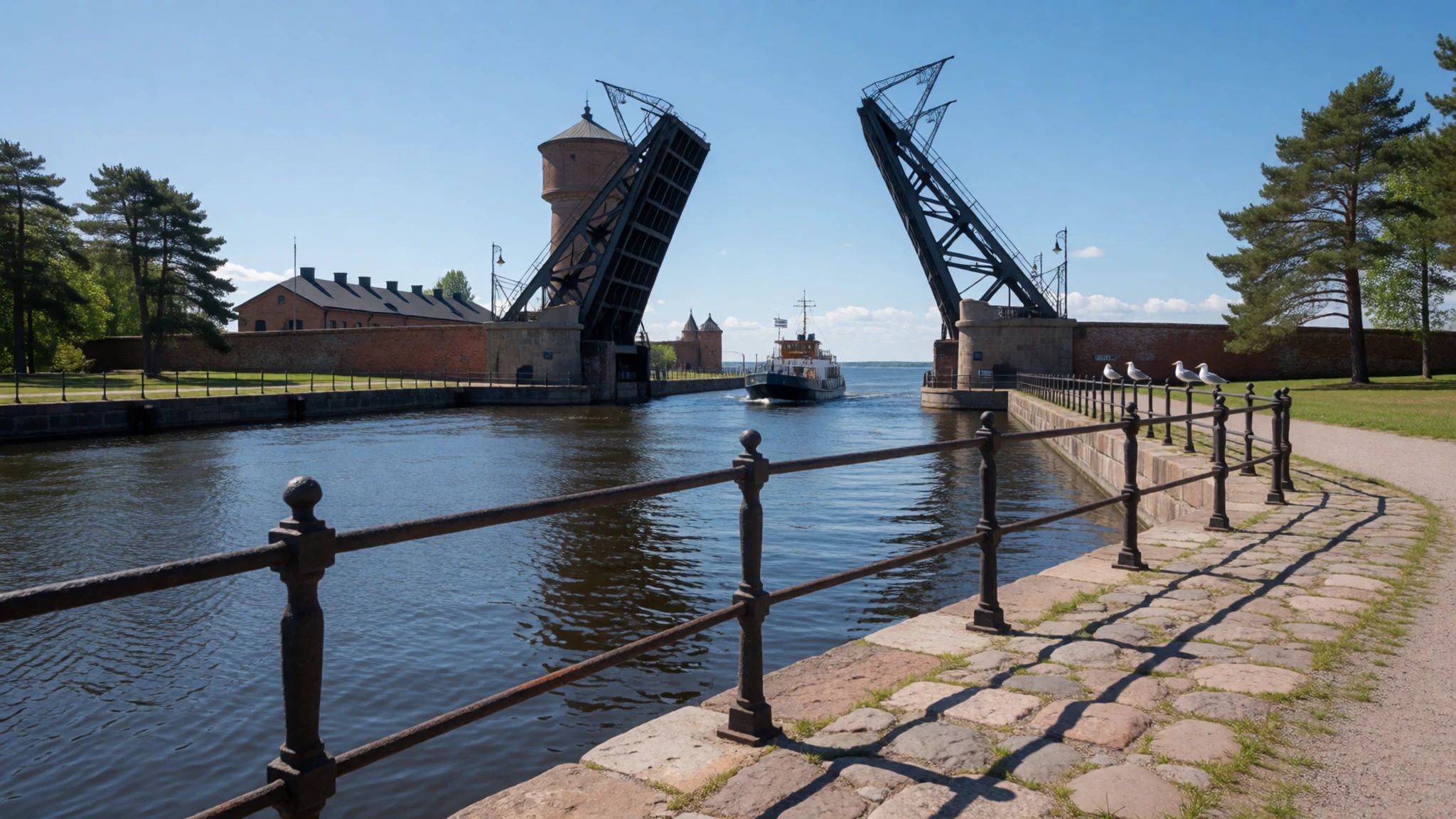
- Craftsman's house — East of the centre
The Craftsman's house, the former home of a mayor named Schröder, now shows Latvian craftwork. Its best-known exhibit is an amber necklace billed as the longest in the world, 123 m long and weighing almost 20 kg. It makes a gentle indoor stop for a wet or very windy afternoon; check opening times on liepaja.lv.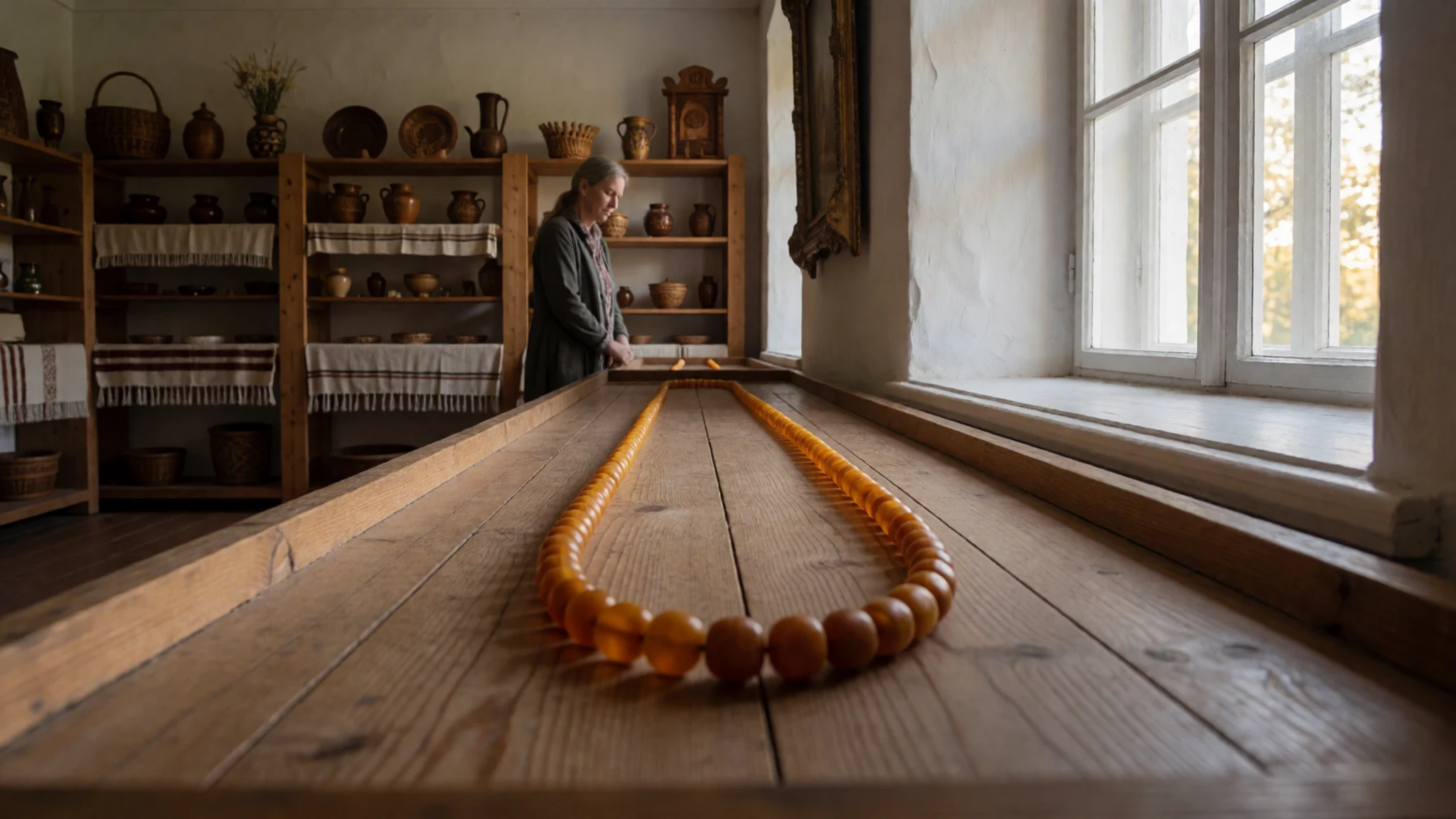
- Great Amber concert hall — Central Liepāja
The Great Amber (Lielais Dzintars) is a modern concert hall in Liepāja, named after the stone the region is known for. Whether or not a performance is on, it is worth a look from outside as a contrast to the older brick and wood of the town. Programmes are listed on the city's official site.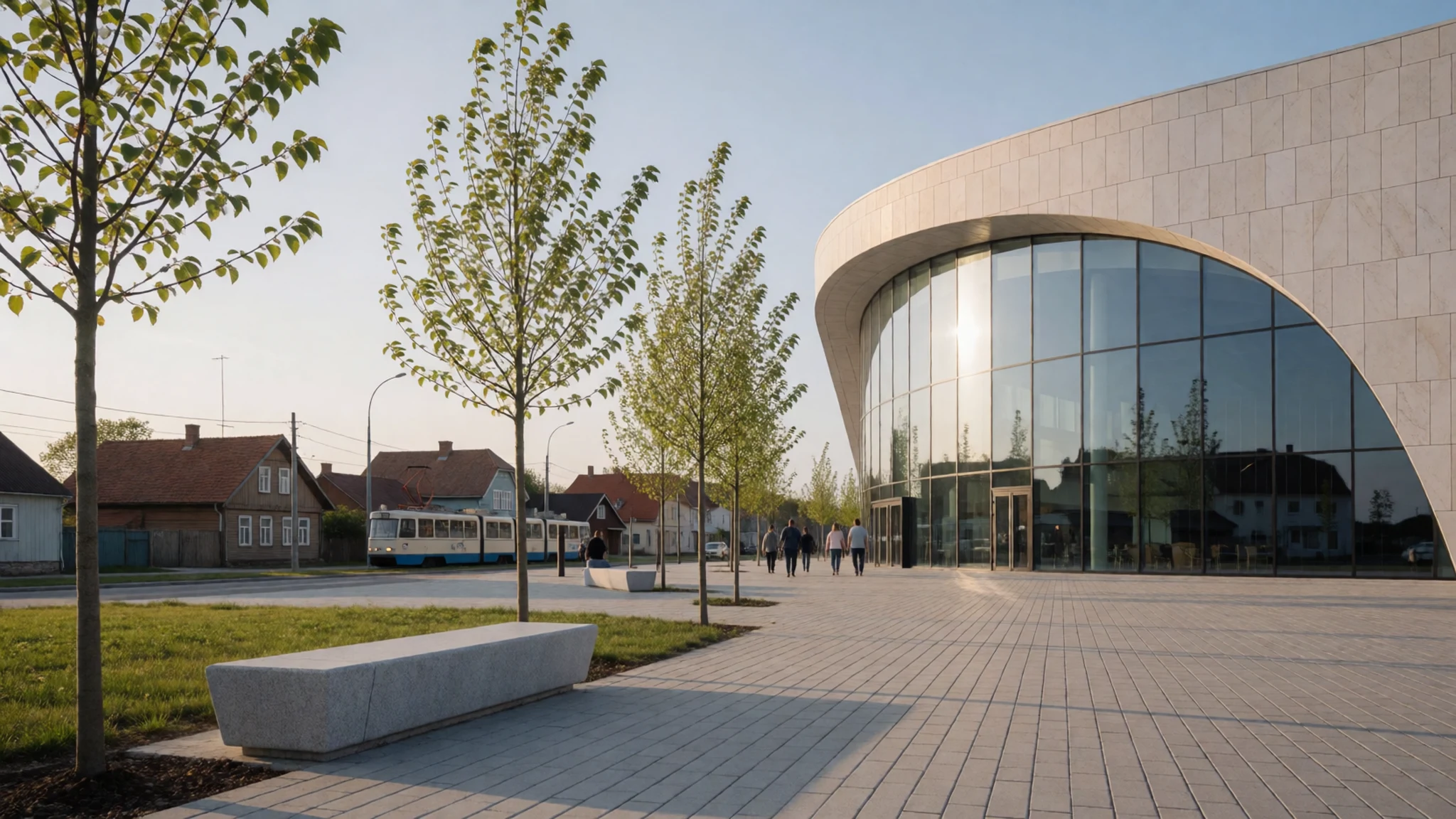
Culture
Liepāja takes its cultural life seriously, and it holds the title of European Capital of Culture for 2027. The city has a university, state and municipal institutions, museums, libraries and privately funded artistic groups, which is a lot for a place of about 67,000 people. Crafts and folk art are living traditions, practised in Latvian and within minority communities, chiefly Russian-speaking ones. Music is the best-known thread: the song Pilsētā, kurā piedzimst vējš (The city where the wind is born) is sung at local events almost like a hymn.
Two languages are heard on the street. Latvian is the official language and many older residents also speak Russian. A few words of Latvian, such as labdien (good day) and paldies (thank you), are noticed and appreciated.
The past is part of everyday life. Lutheran, Catholic and Orthodox churches stand within a short distance of one another, a legacy of the city's mixed rulers. The Soviet period is remembered in museums and in the Karosta district, and views on that history are held seriously and are not always the same from one family to the next. Listening first is the better approach.
Midsummer in June brings wreaths of flowers and oak leaves, bonfires and singing across Latvia, and Liepāja joins in.
In churches, keep your voice low, take off your hat, and ask before photographing anyone at prayer or during a service.
What to wear
Liepāja's traditional dress belongs to the wider Courland (Kurzeme) costume tradition of Latvia. Women's outfits were built from linen blouses, woollen skirts woven in stripes or checks, aprons, and a woven belt, with a metal brooch called a sakta fastening the blouse at the chest. Men wore linen shirts with wool coats and trousers in dark shades, plus belts and caps. Patterns varied from parish to parish, and amber beads were a natural ornament on this coast. Folk costume is worn today at song and dance festivals, weddings, Midsummer and school celebrations, and local ensembles keep the weaving and embroidery going.
Everyday clothes in Liepāja are practical and understated: jeans, trainers, windproof jackets and scarves, with darker colours in winter. People dress up a little for concerts and the theatre, but rarely formally. The sea wind makes a difference even in summer.
Visitors should pack layers: a windproof jacket, a light waterproof, and a warm hat and gloves outside the summer months. Comfortable shoes suit cobbles and the sandy paths to the beach, and sandals or beach shoes help on the dunes. Modest dress is appreciated in churches, with shoulders covered. A swimsuit is fine on the beach, though the Baltic stays cool even in July.
What to eat
- Smoked fish — The central market and roadside smokehouses
Fish smoked over alder or other wood is a Baltic staple, with flounder, herring, sprats and sometimes eel on offer. It is eaten with rye bread and a squeeze of lemon, often straight from the paper. Look for it at the market and at smokehouses on the coast.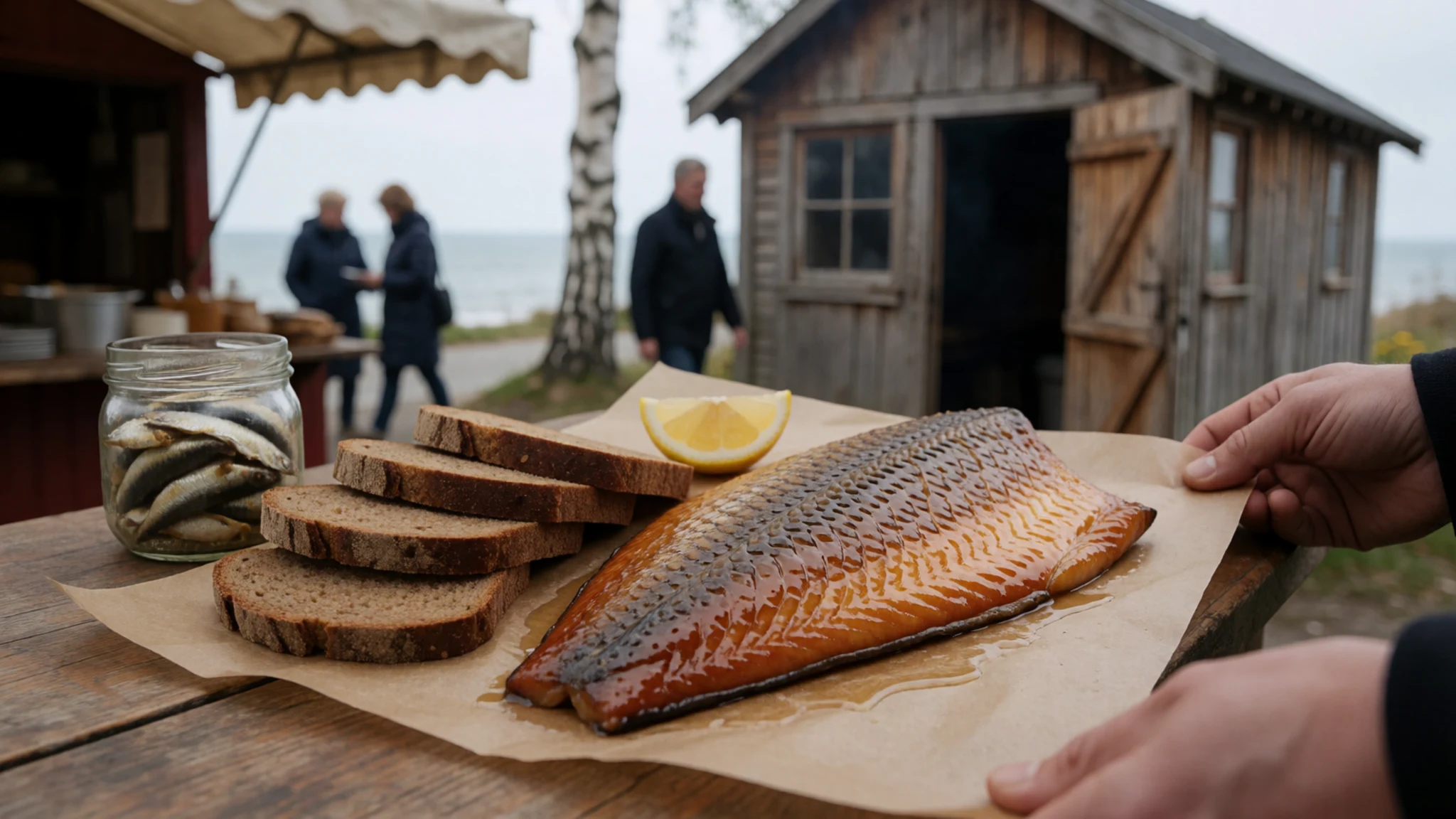
- Grey peas with bacon (pelēkie zirņi ar speķi) — Traditional Latvian restaurants and canteens in the centre
A humble dish of boiled grey peas tossed with fried bacon and onion, sometimes served with a glass of kefir. It is filling and old-fashioned, associated with winter and Christmas, though traditional Latvian restaurants serve it all year round.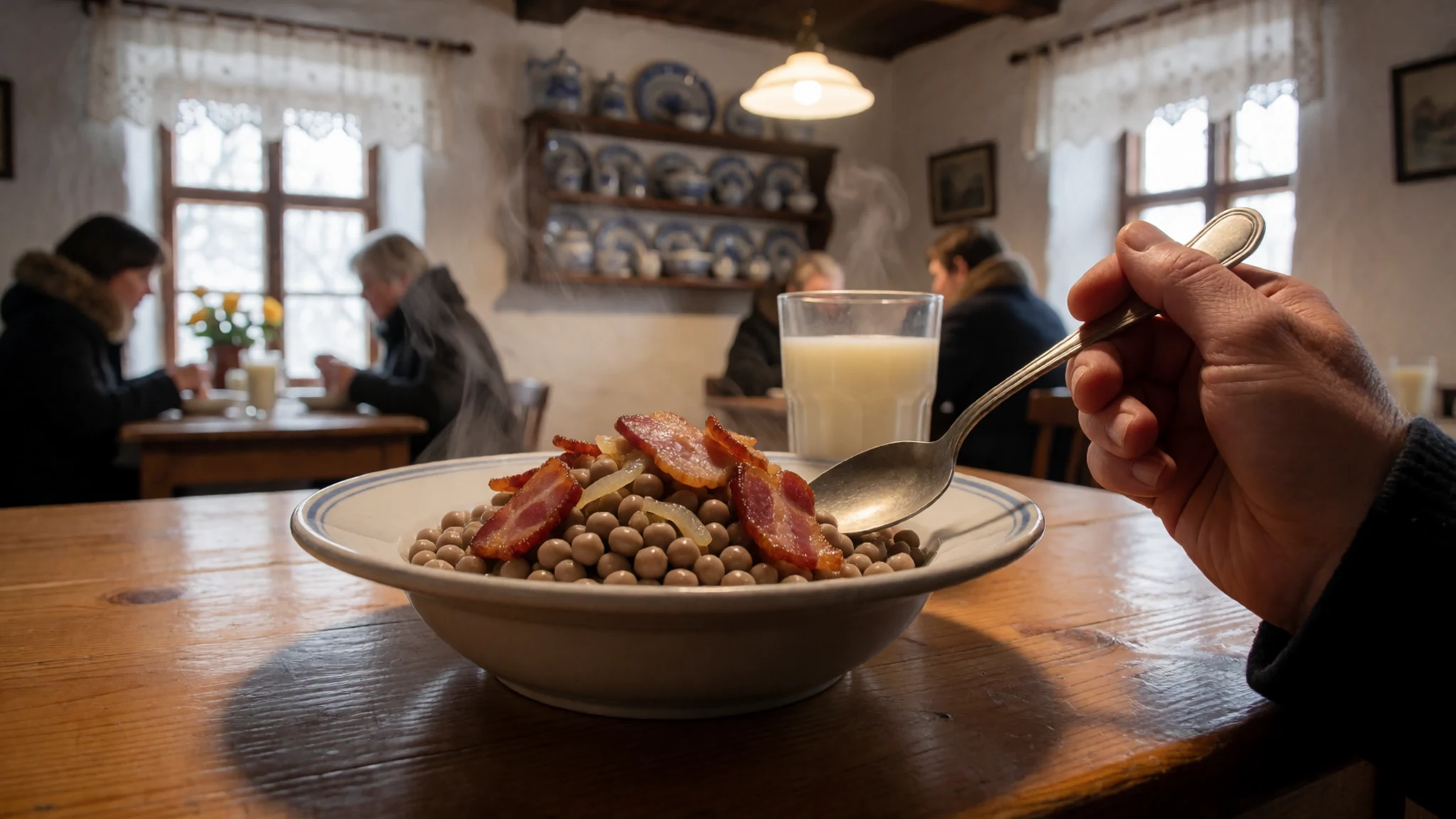
- Rye bread (rupjmaize) — Any bakery or the central market
Dark, dense, lightly sour and slightly sweet, this sourdough rye loaf sits at the centre of Latvian meals. It comes with butter, cheese or smoked fish, and turns up in the dessert rupjmaizes kārtojums, layered with cream and berry jam. - Pīrāgi — Bakeries and café counters in the centre
Small crescent-shaped bread rolls filled with chopped smoked bacon and onion, baked until glossy. They are sold warm as a snack and appear at celebrations. Two or three make a cheap breakfast on a cold, windy morning. - Cakes and pastries — Bakery-cafés on the main streets of the centre
Liepāja's bakery-cafés sell inexpensive cakes and pastries, often filled with curd cheese, poppy seed or berries. They are meant for an afternoon coffee and make a cheap, pleasant break between sights.
Plan it
Best time. June to August for beach weather, long light evenings and festivals; May and September are quieter and cooler. Winter is cold, dark and windy, though the port stays ice-free.
How long. 2–3
Getting there. Most visitors fly into Riga, then take a bus (many each day, roughly 3 to 3.75 hours) or the train; by road the A9 from Riga runs about 220 km. The bus and railway stations share a building, and a tram runs from there to the centre. Do not cross the railway tracks outside the building.
Budget. low
Tips
- Pack a windproof layer even in July; the sea breeze is constant.
- Check train times on the operator's website, since the return service to Riga leaves very early; the bus is often easier.
- Allow half a day for Karosta and check tour times on liepaja.lv before going.
- Book rooms early if you plan to visit during the 2027 Capital of Culture year.
- The beach is wide and sandy, but the sea stays cold, so bring a towel and a warm top for afterwards.
Etiquette
- Keep your voice low and avoid flash photography in churches.
- Greet shop and café staff with labdien before switching to English.
- Treat Soviet-era sites in Karosta with respect, as many families were affected by that history.
Nearby
Sources
- Wikidata Q167668 (CC0)
- Wikipedia: Liepāja (rev 1380895628) (CC BY-SA 4.0)
- Wikivoyage: Liepāja (rev 5430725) (CC BY-SA 4.0)
- Photo: Liepājas Svētā Jāzepa Romas katoļu katedrāle (Edgars Šulcs) (CC BY-SA 4.0)
- Photo: Liepājas Sv. Nikolaja pareizticīgo Jūras katedrāle (Wellstar69) (CC BY-SA 4.0)
- Photo: Liepājas pilsētas dome (Miks Emils Akmentins) (CC BY-SA 4.0)
- Photo: Great Amber Concert Hall in Liepāja, May 2019 (MichalPL) (CC BY-SA 4.0)
- Photo: Karosta water tower (Steve Haslam) (CC BY-SA 2.0)
- Photo: Liepāja tram Nr. 1 (Public domain)
- Photo: Bombardement of Libau, 2 August 1914 (Public domain)
- Photo: Libau Hafen postcard (Alfred Kühlewindt) (Public domain)


