Riga
Riga, Latvia
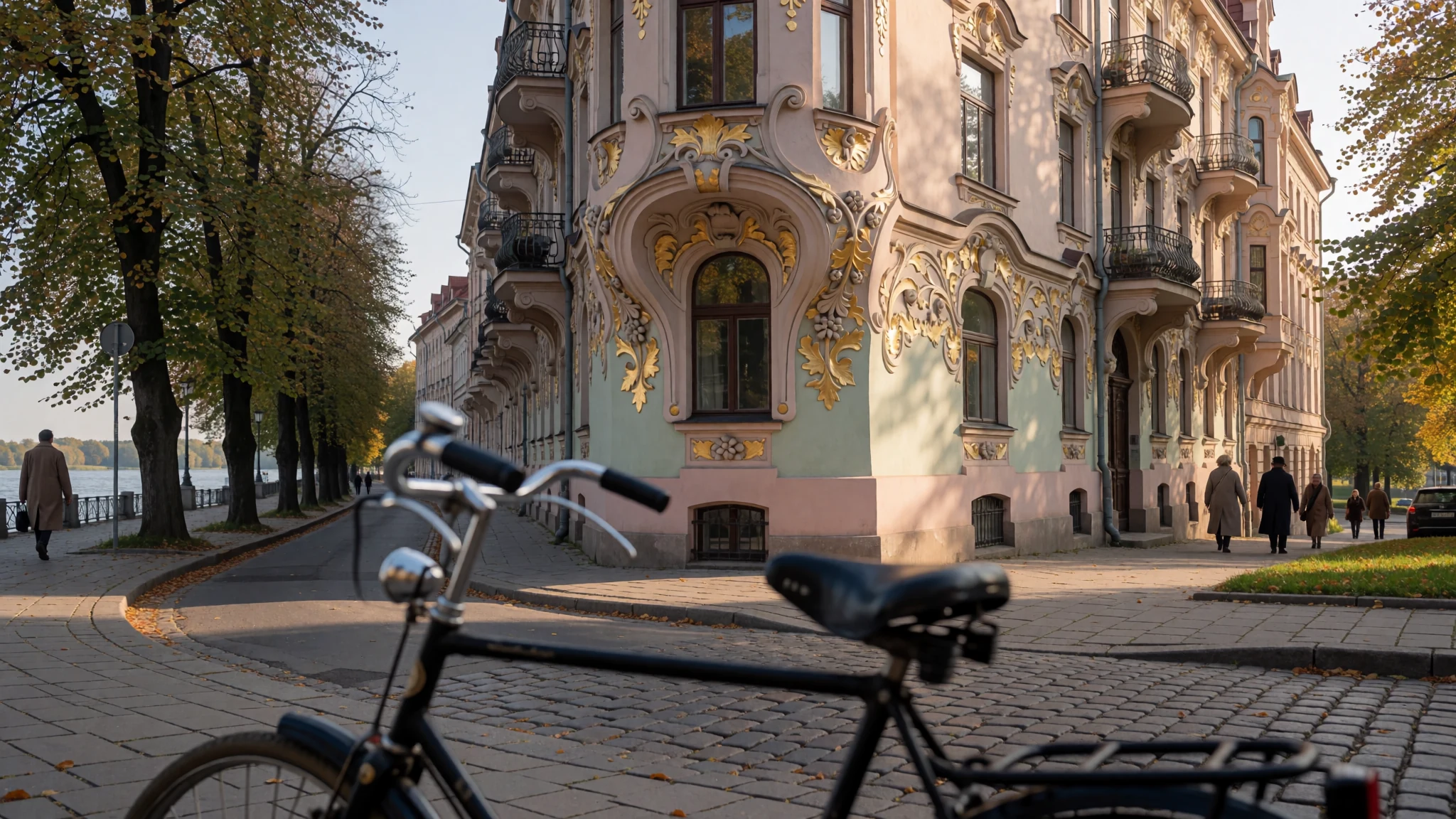
Experience a captivating blend of Hanseatic history, opulent Art Nouveau architecture, and a resilient Baltic spirit in Latvia's vibrant capital.
The place
Riga serves as the primate city of Latvia, situated where the Daugava river meets the Gulf of Riga. This coastal city is defined by its flat, sandy terrain and a deep connection to the Baltic Sea. It is a place of striking visual contrasts, where the medieval cobbled lanes of the historical centre meet the sweeping, ornate curves of late nineteenth-century apartments. The city accounts for about a third of the national population, making it the undisputed heartbeat of the country's social and economic life.
Visitors often find the city remarkably walkable, especially within the old town, though the modern centre expands into a broader metropolitan area. The atmosphere is one of quiet European elegance mixed with a gritty, industrial edge in the port areas. Because of its position as a former Hanseatic League member, the city retains a merchant's soul, visible in its old warehouses and guild halls. The weather is famously fickle, with damp winds coming off the gulf, but this only adds to the cosy, atmospheric nature of the city's many cafes and bookstores. From the neoclassical grandeur of its public buildings to the greenery of its parks, Riga manages to feel both like a provincial outpost and a cosmopolitan capital.
Its story
The story of Riga begins long before its official founding in 1201. The Daugava river acted as a vital artery for trade since antiquity, used by Vikings on their way to Byzantium. Early settlers included the Livs, a Finnic tribe who established a sheltered harbor that would eventually evolve into a major trading hub for flax, hides, and amber. For centuries, the city was a prize fought over by the great powers of Northern Europe. It shifted from the control of the Archbishopric of Riga to the Polish-Lithuanian Commonwealth and then to the Swedish Empire.
Later, the city became part of the Russian Empire, a period that saw immense growth and the rise of the wealthy merchant class. The twentieth century brought turbulence, as Riga navigated the transition to the Republic of Latvia, followed by the hardships of Nazi German and Soviet Union occupations. These layers of history are etched into the architecture; the Soviet era left behind imposing concrete structures that now stand alongside the delicate wooden houses of the interwar period. Each wave of influence—German, Swedish, Russian, and finally the independent Latvian state—has contributed to the city's complex identity. This resilience is a point of immense pride for the locals, who view their city as a bridge between the East and West of Europe.
What to see
- Old Riga (Vecrīga) — Vecrīga
The historical heart of the city is a maze of narrow streets and medieval squares. Here, the Town Hall Square serves as a central gathering point, surrounded by architectural styles that span several centuries. The area is famous for its preserved guild houses and a peaceful, pedestrian-friendly atmosphere.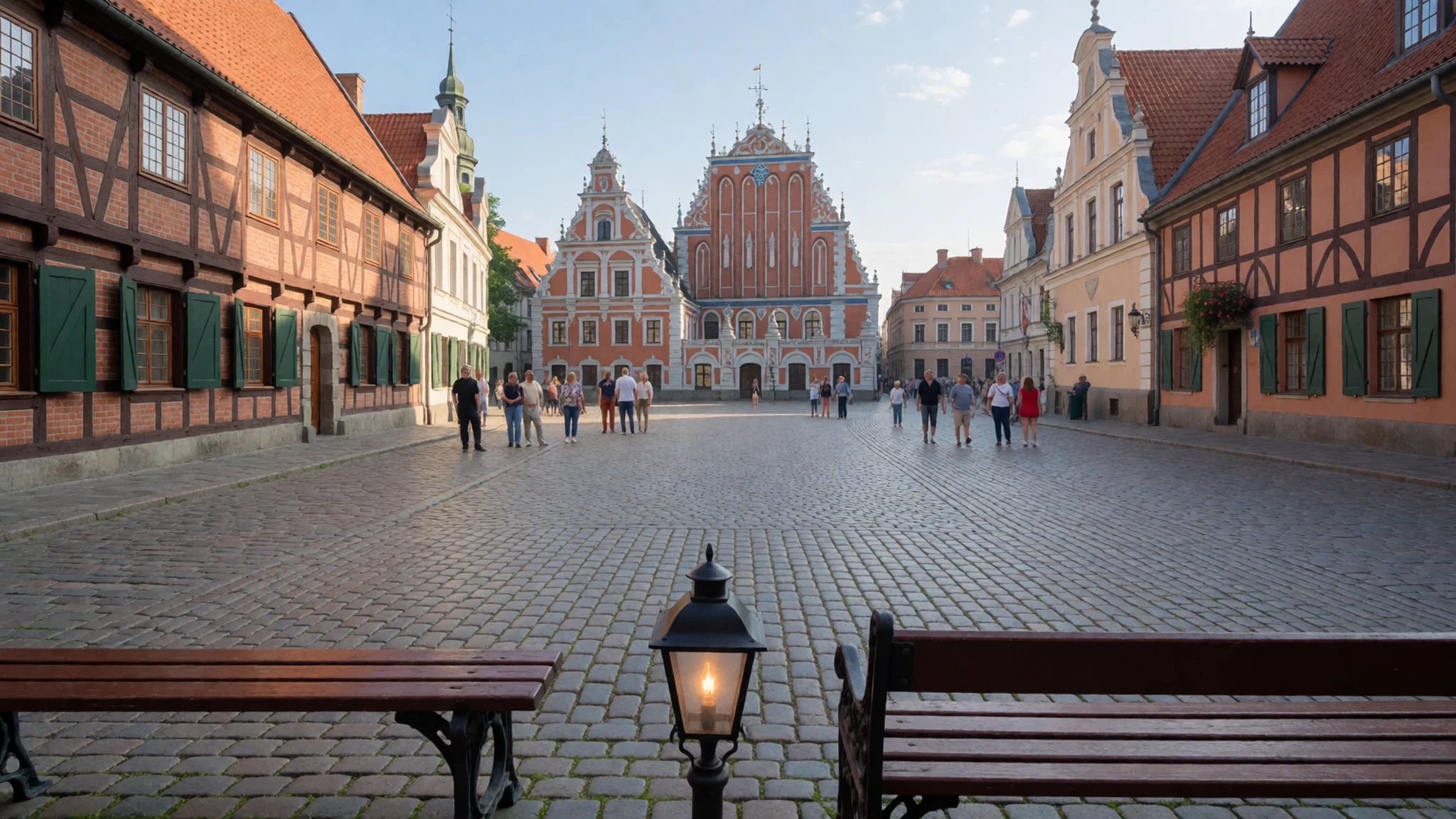
- Riga Cathedral (Rīgas Doms) — Vecrīga
This massive Evangelical Lutheran cathedral is one of the most prominent landmarks in the city. Known for its impressive acoustics and historic organ, the structure represents the religious and political power of the city's early ecclesiastical rulers and remains a focal point of the skyline.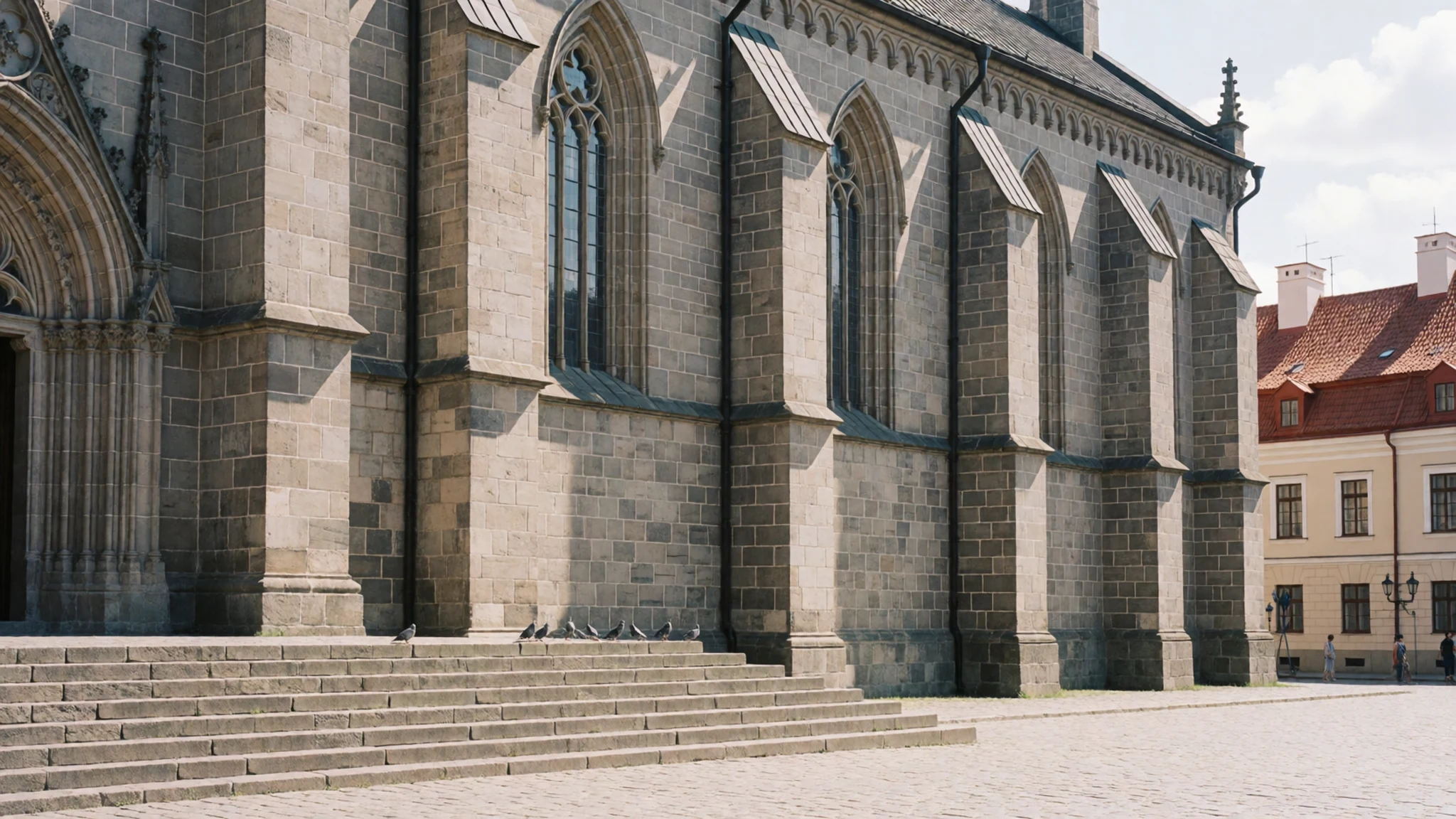
- Latvian National Opera — Centrs
Housed in a stunning neoclassical building completed in the mid-nineteenth century, this institution is a pillar of the city's cultural life. It is celebrated for its world-class ballet troupe and a repertoire of opera masterpieces that draw audiences from across the Baltic region.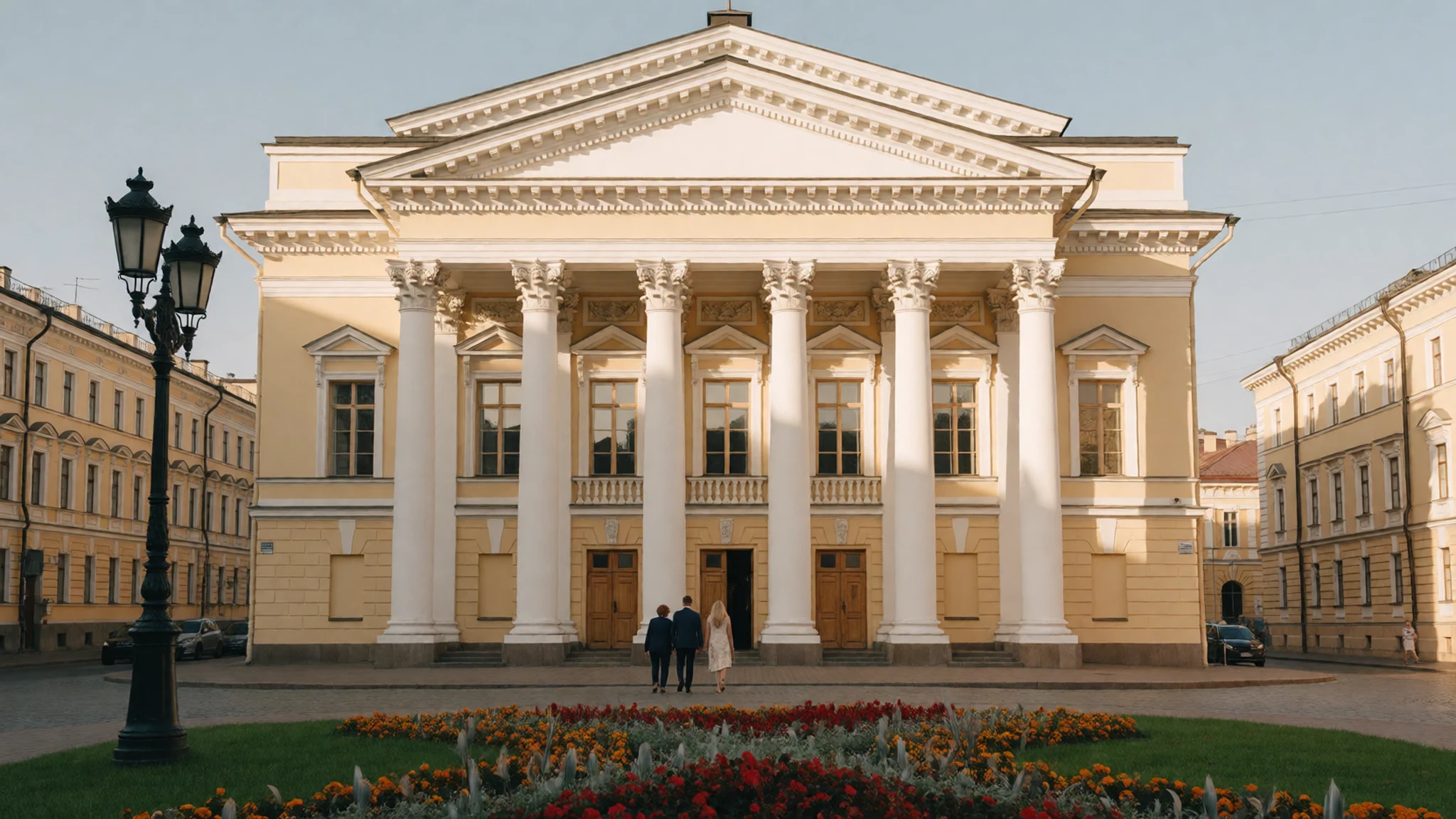
- National Library of Latvia — Pārdaugava
Often described as a 'castle of light', this modern architectural marvel sits on the banks of the Daugava. It serves as a repository for the nation's written heritage and offers a striking contrast to the medieval spires found in the old town area.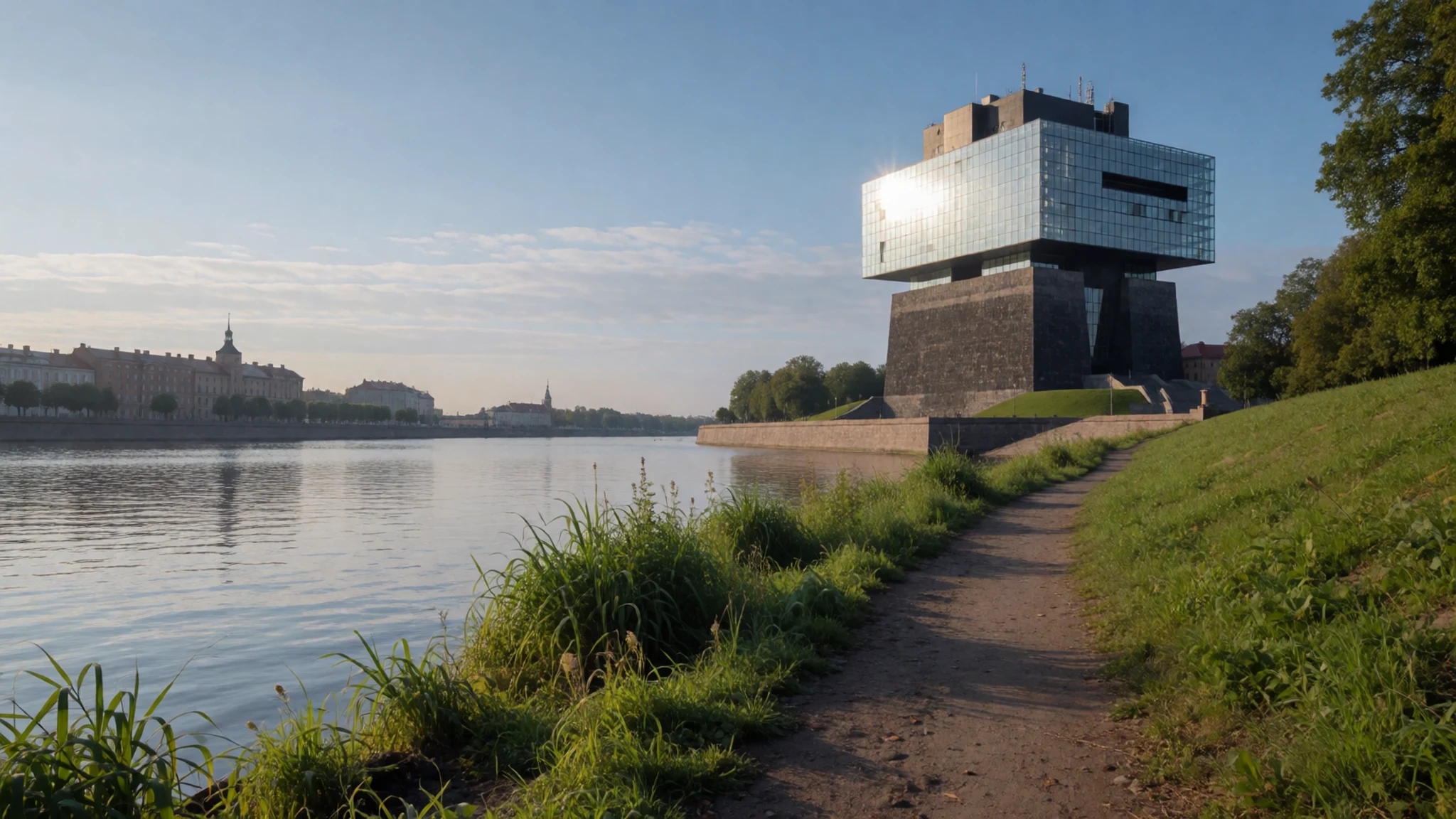
- St. Peter's Church Tower — Vecrīga
Climbing the tower of this iconic church provides the most comprehensive view of the city's layout. From the top, the red-tiled roofs of the old town and the wider urban sprawl towards the gulf are visible in a single, sweeping panorama.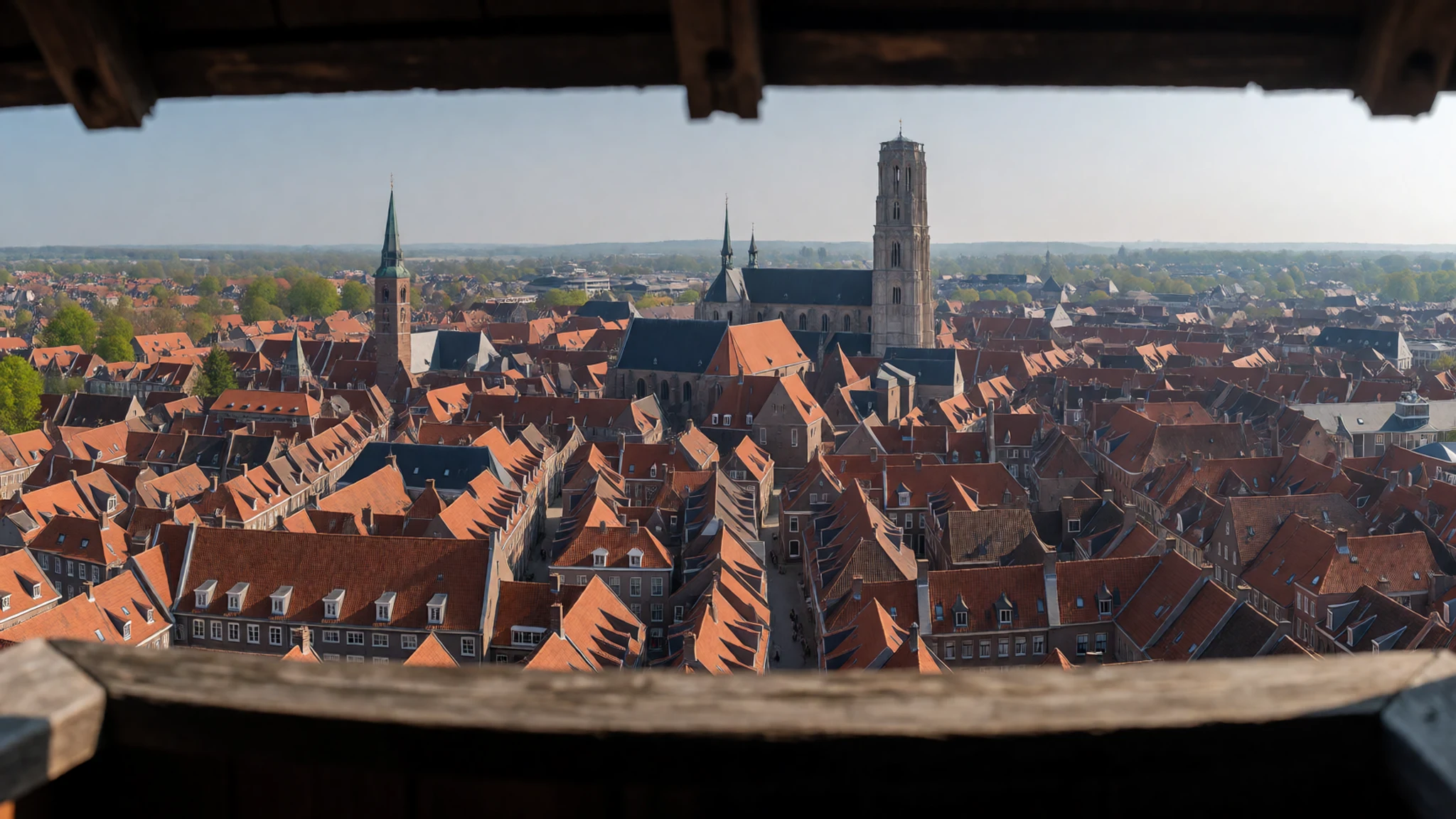
Culture
Culture in Riga is a sophisticated blend of high art and folk tradition. The city is a theatrical powerhouse, home to the Latvian National Theatre, where the nation's independence was famously declared, and the Mikhail Chekhov Riga Russian Theatre, which preserves a legacy of classical and experimental drama. Music is deeply woven into the societal fabric; the Latvian Song and Dance Festival is not just an event, but a vital expression of national identity that gathers thousands of performers in a massive celebration of heritage. Beyond the stage, the city's intellectual life thrives in its numerous libraries and galleries, reflecting a population that highly values education and the arts. There is a quiet, reserved dignity to the local social interaction, which warms up significantly during the summer solstice celebrations. When visiting theatres or galleries, please remember to silence your mobile devices and avoid talking during performances.
What to wear
Riga's approach to fashion is a mirror of its history. Traditionally, Latvian dress is characterised by intricate linen textiles and woollen weaves, often featuring geometric patterns and folk motifs that vary by region. These traditional costumes are now primarily worn during national holidays and the Song and Dance Festival. In daily life, residents of Riga favour a sleek, understated European style. Muted tones—black, grey, and navy—dominate the street scene, reflecting both the Baltic climate and a preference for professional modesty. For a visitor, the key is layering. Because the weather can shift from sunny to rainy in minutes, a waterproof jacket and a sturdy umbrella are essential. Comfortable, closed-toe walking shoes are necessary for the uneven cobblestones of the old town. While the city is modern and relaxed, modest dress is appreciated when visiting the various cathedrals and historic churches.
What to eat
- Hearty Pork and Cabbage Stews — Traditional eateries in the Centrs district
Traditional Latvian cooking relies on root vegetables and slow-cooked meats. These thick, warming stews are a staple of the local diet, providing necessary calories for the cold Baltic winters.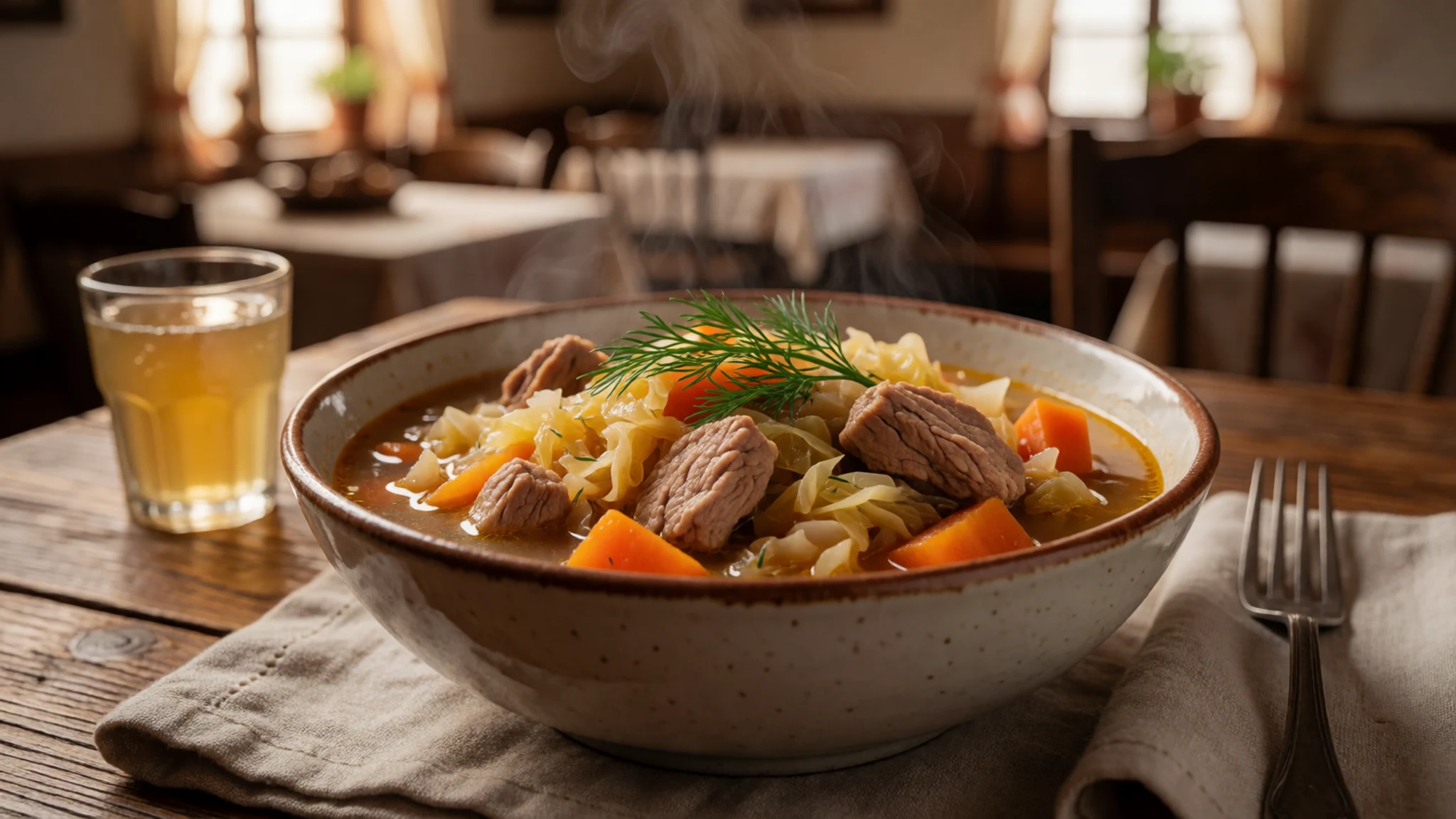
- Smoked Baltic Fish — Central Market stalls
Given its coastal location, Riga offers an array of smoked and salted fish. Salmon and herring are particularly popular, often served with a side of sour cream or dill.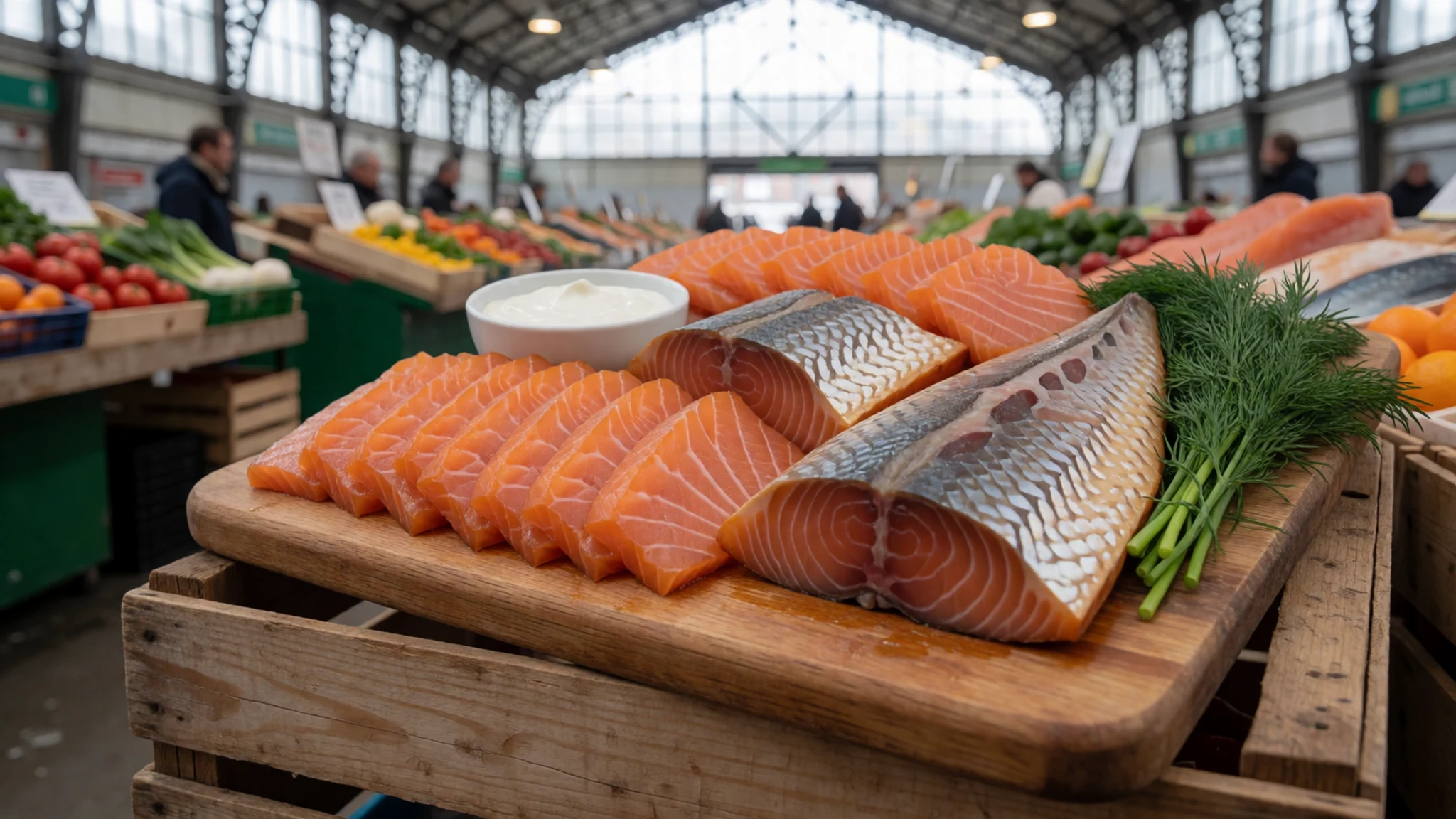
- Rupjmaize (Dark Rye Bread) — Any local bakery or market
This dense, slightly sour dark bread is the cornerstone of Latvian cuisine. It is eaten with almost every meal, often topped with butter, honey, or salted fish.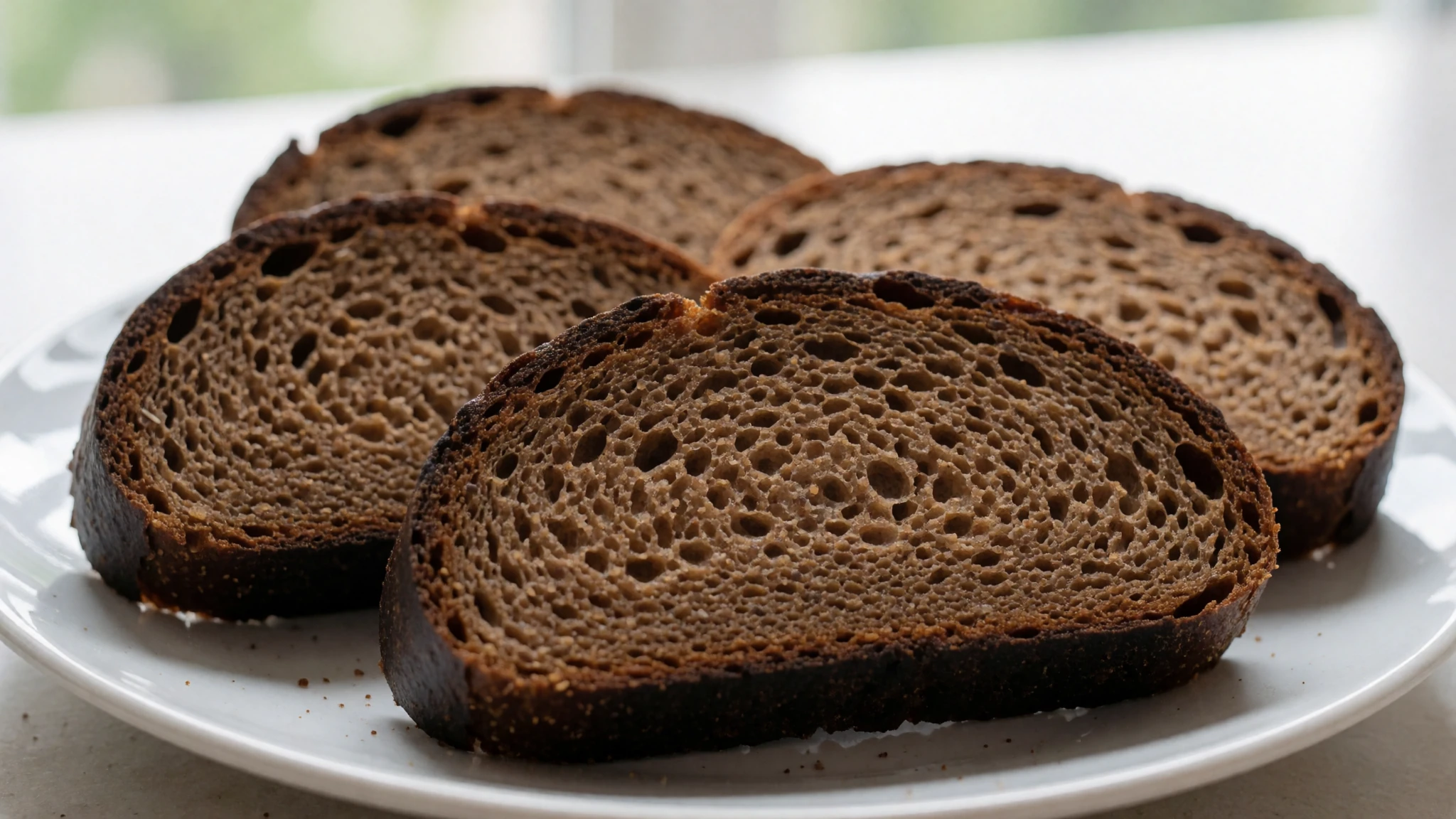
- Potato Pancakes with Sour Cream — Lido restaurants
Potatoes are a primary crop in Latvia, and these crispy, golden pancakes served with a dollop of cool sour cream are a beloved comfort food across the city. - Fresh Sushi — Contemporary restaurants in Vecrīga
Reflecting the city's cosmopolitan nature, high-quality sushi has become incredibly popular among locals and is found in numerous modern establishments across the city centre.
Plan it
Best time. May to June for the summer solstice and blooming parks, or September to October for the crisp autumn colours and fewer crowds.
How long. 2–3
Getting there. Fly into Riga International Airport; from there, take a public bus or taxi to the city centre (approximately 30–40 minutes).
Budget. mid
Tips
- Use a contactless card for public transport to avoid hunting for ticket machines
- Explore the Art Nouveau district on foot to see the detailed facades
- Visit the Central Market early in the morning to avoid the heaviest crowds
- Carry a compact umbrella regardless of the forecast
- Check official websites for theatre ticket booking windows
Etiquette
- Keep noise levels low on public transport
- Queue patiently at ticket kiosks and cafes
- Dress modestly when entering the city's cathedrals
Nearby
Sources
- Wikidata Q1773 (CC0)
- Wikipedia (CC BY-SA 4.0)
- Wikivoyage (CC BY-SA 4.0)