Rāzna National Park
Rāzna National Park, Latvia
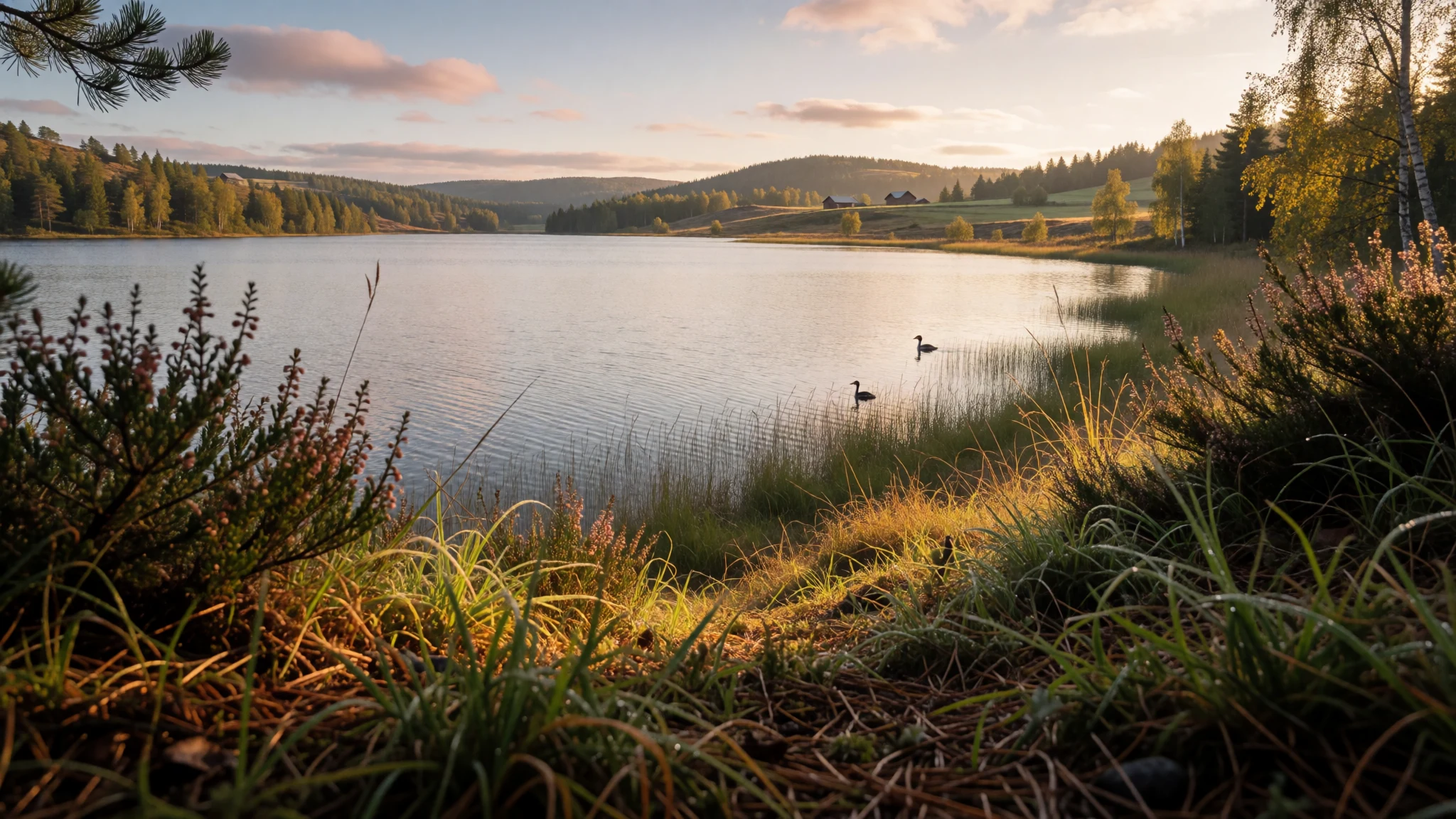
Rāzna National Park is lake country in Latvia's Latgale Highlands, where wooded hills, open water and working farms share one boundary.
The place
Rāzna National Park lies in the Latgale Highlands of eastern Latvia. It was founded in 2007, and it is both a national park and a Natura 2000 site, so that Lake Rāzna and the country wrapped around the lake would be looked after. In Latvian the name is Rāznas Nacionālais parks. The boundary runs through the Rēzekne, Ludza and Krāslava municipalities, and through the parishes of Andrupene, Andzeļi, Čornaja, Ezernieki, Kaunata, Lūznava, Mākoņkalns and Rundēni.
People did not move out when the line was drawn. Something like 5,000 residents still live inside it, and most of that housing stands on land in private hands, so yards, gardens and worked fields belong to the protected scene. The relief is glacial. More than twenty lakes sit among moraine ridges and low hills, with broadleaf and needle woods, marsh, meadow and ploughed ground fitted between the slopes. Lake Rāzna is the wide water at the centre, and the Rēzekne River rises from it.
Rules are not the same everywhere. A core reserve, about 6 per cent of the park, is the strictest portion. Beyond it, light forestry and farming may continue. A further zone is meant to hold on to older patterns of using the land, and a lighter-touch zone lets ground already shaped by people keep changing. A walker therefore meets shore, wood, wet ground and field in a single outing.
The same mosaic is an EU Important Bird Area. Species lists run past 340 birds, great bittern and grebes among them, and the mammals include beaver, otter and wolf.
Its story
Rāzna National Park is a recent legal frame around a much older piece of Latgale. The designation dates from 2007, when Lake Rāzna and the highland country around it were brought inside a national-park boundary. The hills and the hollows that hold the lakes go back to ice, on the order of 16,000 years, which piled moraine into ridges and left the rolling ground the park still stands on. Human settlement did not arrive with the paperwork. Farms were already here.
That is why the park was never cleared into an empty reserve. Private homes and ordinary rural work stay inside the line, and the rules bend to match. One share of the land is a core nature reserve. In other shares, forestry and farming continue at a low intensity, older habits of land use are specifically meant to be kept, and some already human-shaped ground is allowed to change with only light control. The point of that uneven map is Lake Rāzna itself: a lake left in a landscape people still use, rather than a shore sealed off from its parishes.
The water is also a river's beginning. Drainage from the highlands collects in Lake Rāzna and leaves as the Rēzekne River, so the lake sits at the head of a system, not only at the centre of a view. Woods, marsh, grass and fields around that water are nesting and feeding country. The bird tally recorded for the park passes 340 species, with great bittern and grebes on the list, and beaver, otter and wolf live in the same mosaic. The 2007 decision was about holding those habitats and those farms in one boundary.
What to see
- Lake Rāzna — Centre of the park, Latgale Highlands
Lake Rāzna is the water Rāzna National Park was created to look after, a wide lake in the Latgale Highlands and the source of the Rēzekne River. Wooded banks, wet margins and open sightlines share the shore. The lake is not a backdrop to the park. It is the middle of a landscape where fields and houses still stand.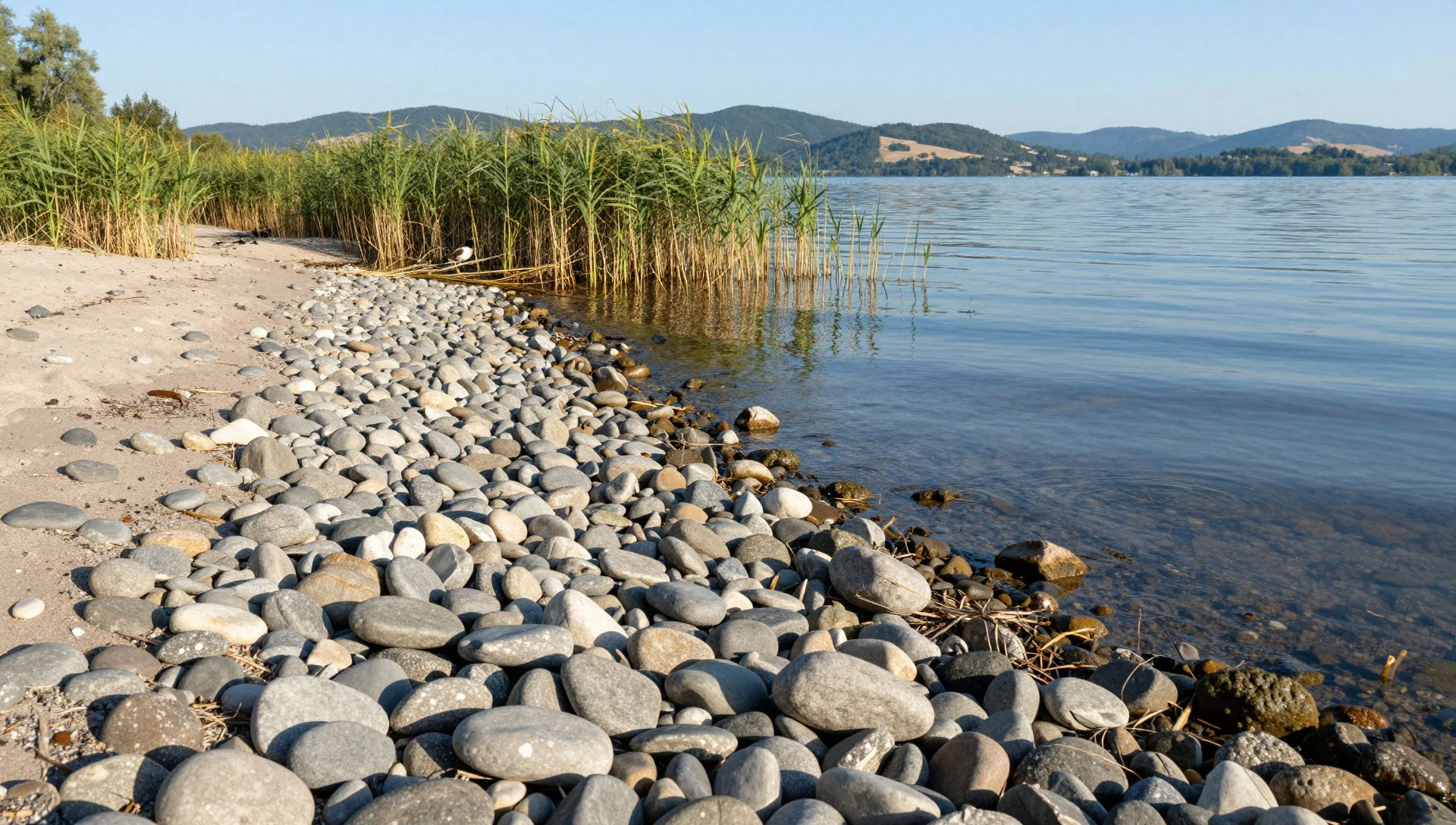
- Mākoņkalns — Mākoņkalns parish
Mākoņkalns is the high lookout over Lake Rāzna, and the same name marks a parish inside Rāzna National Park. From here the water sits in a bowl of wooded ridges, which is the simplest way to grasp the glacial shape of the park: hills holding lakes, forest and fields beyond. The sight is that prospect, not a building or a monument. The approach is on foot over uneven ground.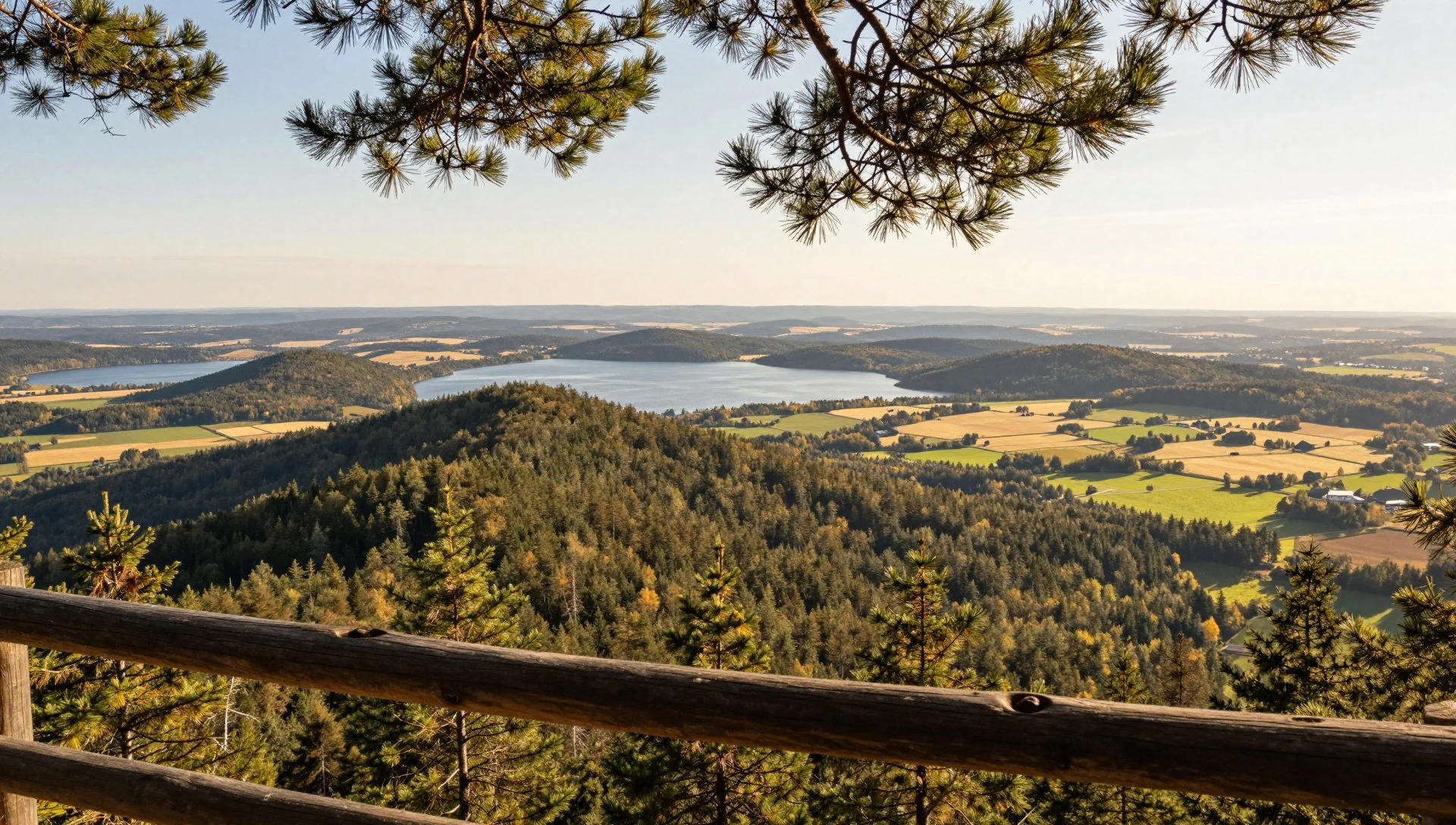
- The smaller lakes — Scattered through the park's parishes
Rāzna National Park holds more than twenty lakes besides Lake Rāzna. They lie in the same ice-shaped hills and are easy to pass by if a day stays on the main shore. Farmland and trees come down to the water, so a small lake reads as part of its parish. Wet edges are where grebes and other waterbirds are most readily seen.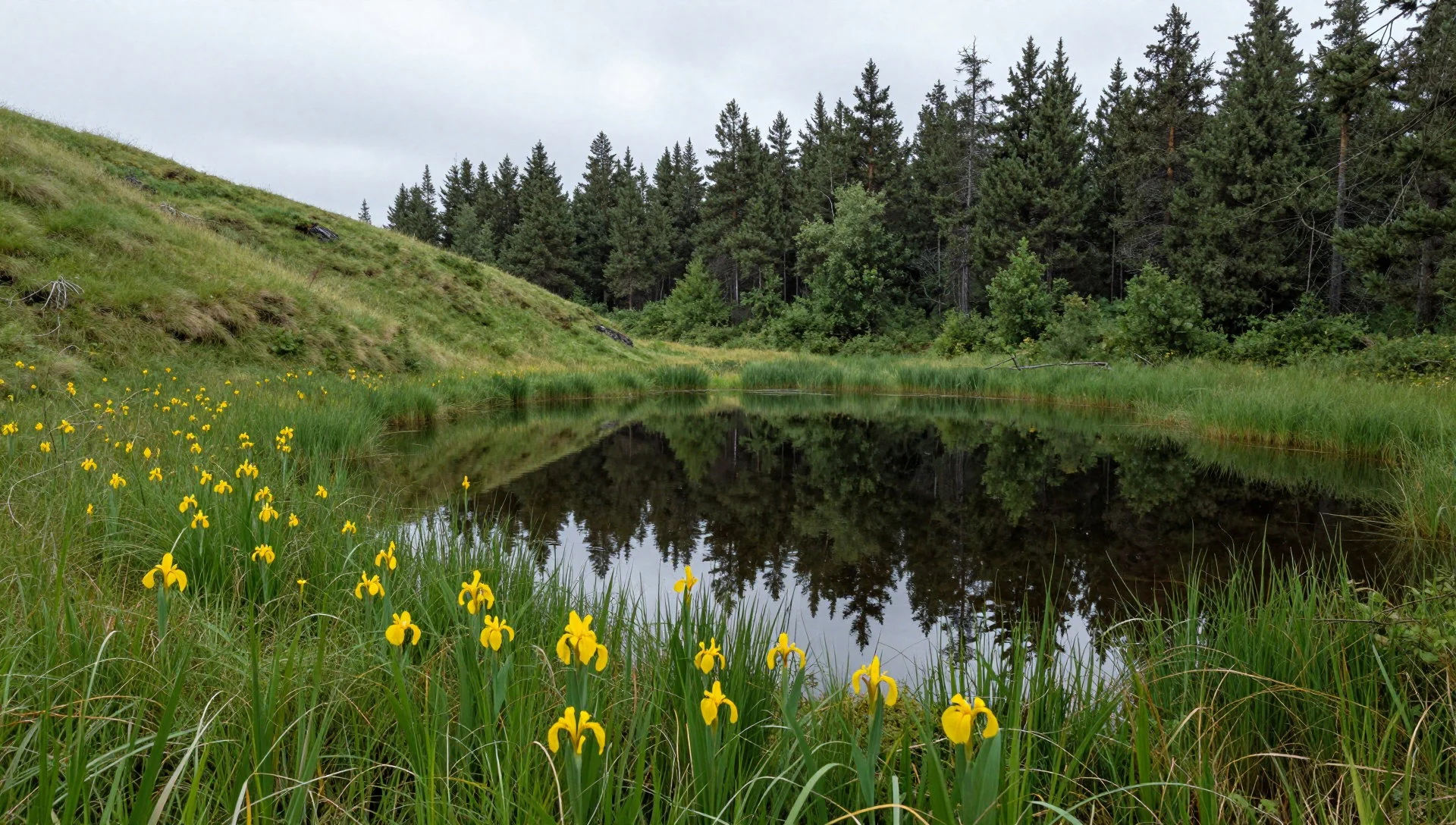
- Mixed woods and wetlands — Ridges and wetlands across the park
The woods in Rāzna National Park are a mix of broadleaf and conifer, broken up by marsh and meadow instead of standing as one block of forest. That broken cover is both the everyday view and the habitat. Outside the core reserve, light forestry still happens, so some stands look recently cut and others thick with regrowth. Beaver sign belongs where wet wood meets slower water.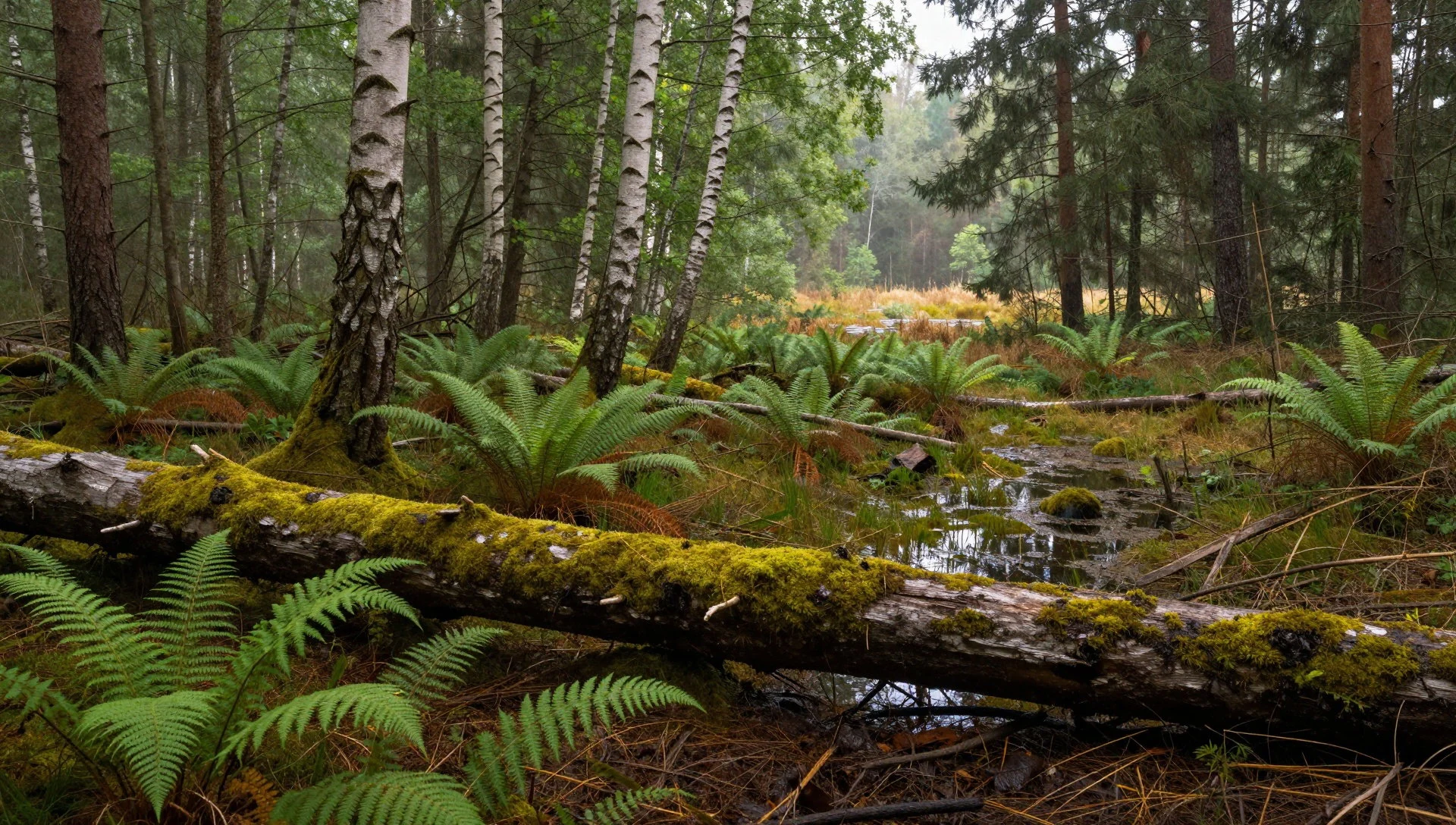
- The inhabited parishes — Rēzekne, Ludza and Krāslava municipalities
The parishes of Rāzna National Park — Andrupene, Andzeļi, Čornaja, Ezernieki, Kaunata, Lūznava, Mākoņkalns and Rundēni — are sights in their own right. Fields, lanes and farmsteads sit on private land between the lakes, and one zone of the park exists to keep that older pattern of land use intact. The open country is meant to stay inhabited.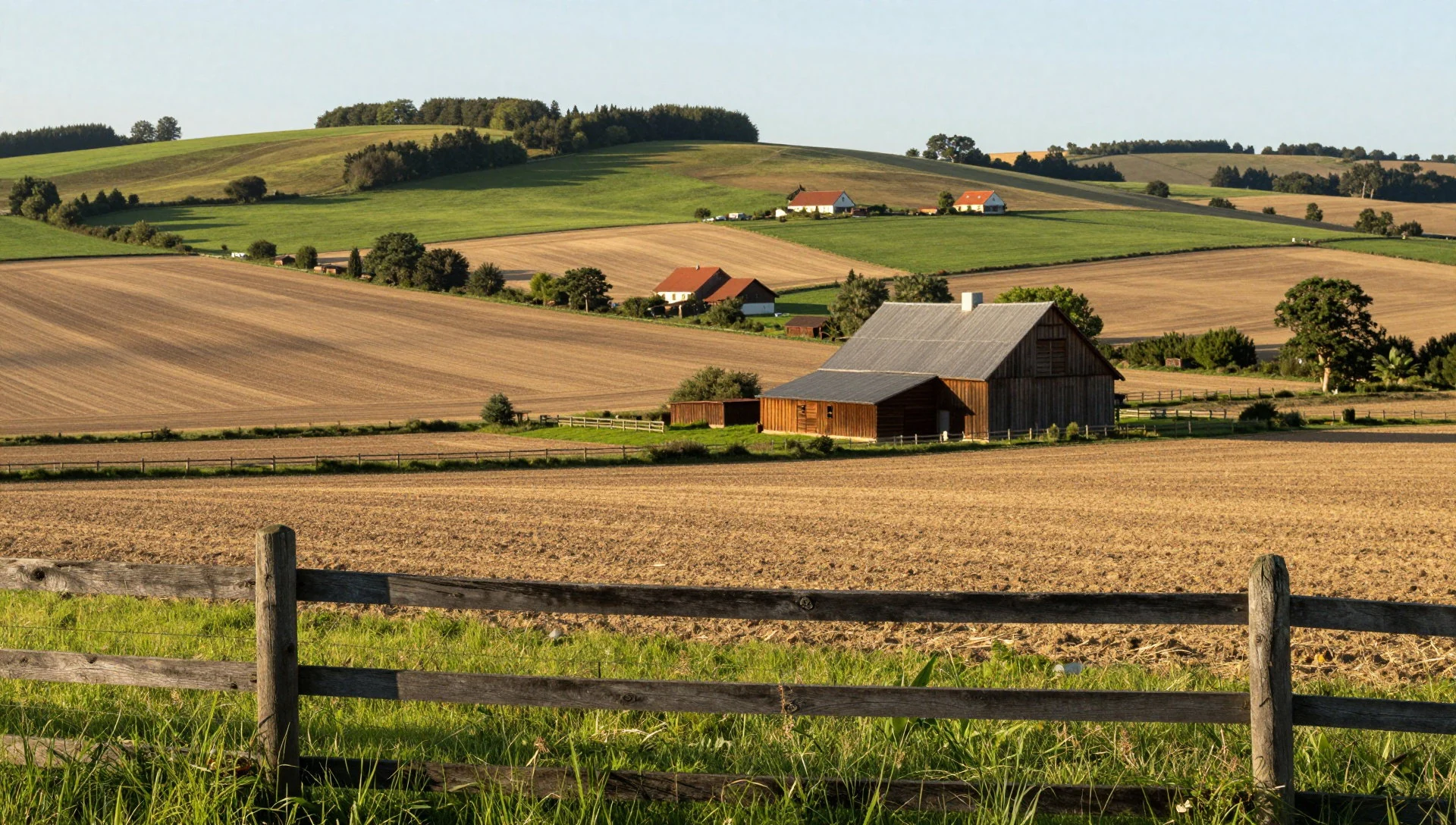
Culture
Rāzna National Park's residents share the quiet social style of rural Latvia. People tend not to open a conversation with someone they have not been introduced to, and they leave a clear gap of personal distance in queues, on paths and in shops. Earnings, one's own or anyone else's, stay off the table. So do beliefs: faith, party and private opinions are for friends, not for a first chat on a lakeside lane. The Soviet past is especially tender ground; local people should be the ones to raise it.
Everyday politeness is small and concrete. Doors are held for the person behind. On a bus or a train, others board first, and men are expected to give women that priority. Dropped rubbish is both rude and illegal, and on these shores it also lands in habitat the park is there to protect.
Needlework and souvenirs sometimes carry the ugunskrusts (pērkonkrusts), a fire-cross or thunder-cross, an old ornament of good fortune long used in Latvian needlework. It has no link to Nazi Germany, and drawing that link is offensive.
Visitors to Rāzna National Park should keep to lanes, stay out of farmyards, and ask before photographing residents.
What to wear
Clothing around Rāzna National Park divides into festival dress and working dress. The traditional costume of Latvia is built from linen and wool: an embroidered shirt, a woven belt, and for women a wool shoulder-cloth over a full skirt, with colours and cuts that change from region to region. Embroidery is the detail most outsiders notice, and it can include the ugunskrusts, or pērkonkrusts, the fire-cross motif. Those clothes appear at song festivals, midsummer, weddings and folk performances. They are not what people wear to the fields. The same stitches do show up on small souvenirs in the towns nearby.
Ordinary days look like the rest of rural northern Europe. Jeans, knitted layers, a practical jacket and boots cover most of the year, with a lighter shirt in the warm months and a heavier coat once the inland winter arrives. Lake wind, mud and long grass matter more than a smart outfit.
Visitors should pack for a wet, changeable highland rather than for Riga. A waterproof shell, a warm mid-layer and shoes or boots with a firm grip will handle shore paths, forest tracks and farm lanes. Everyday modest clothes suit the villages. At a church in the Latgale towns round the park, covered shoulders and a quiet voice are the right form. Folk costume is best left to the festivals it belongs to.
What to eat
- Rupjmaize — Village shops and bakeries towards Rēzekne and Ludza
Rupjmaize, dark rye bread, is the staple to eat around Rāzna National Park. Dense and slightly sour, it is taken with butter or cheese and sits beside pork and potato. Village shops and bakeries in the Latgale towns towards Rēzekne and Ludza sell it as everyday bread.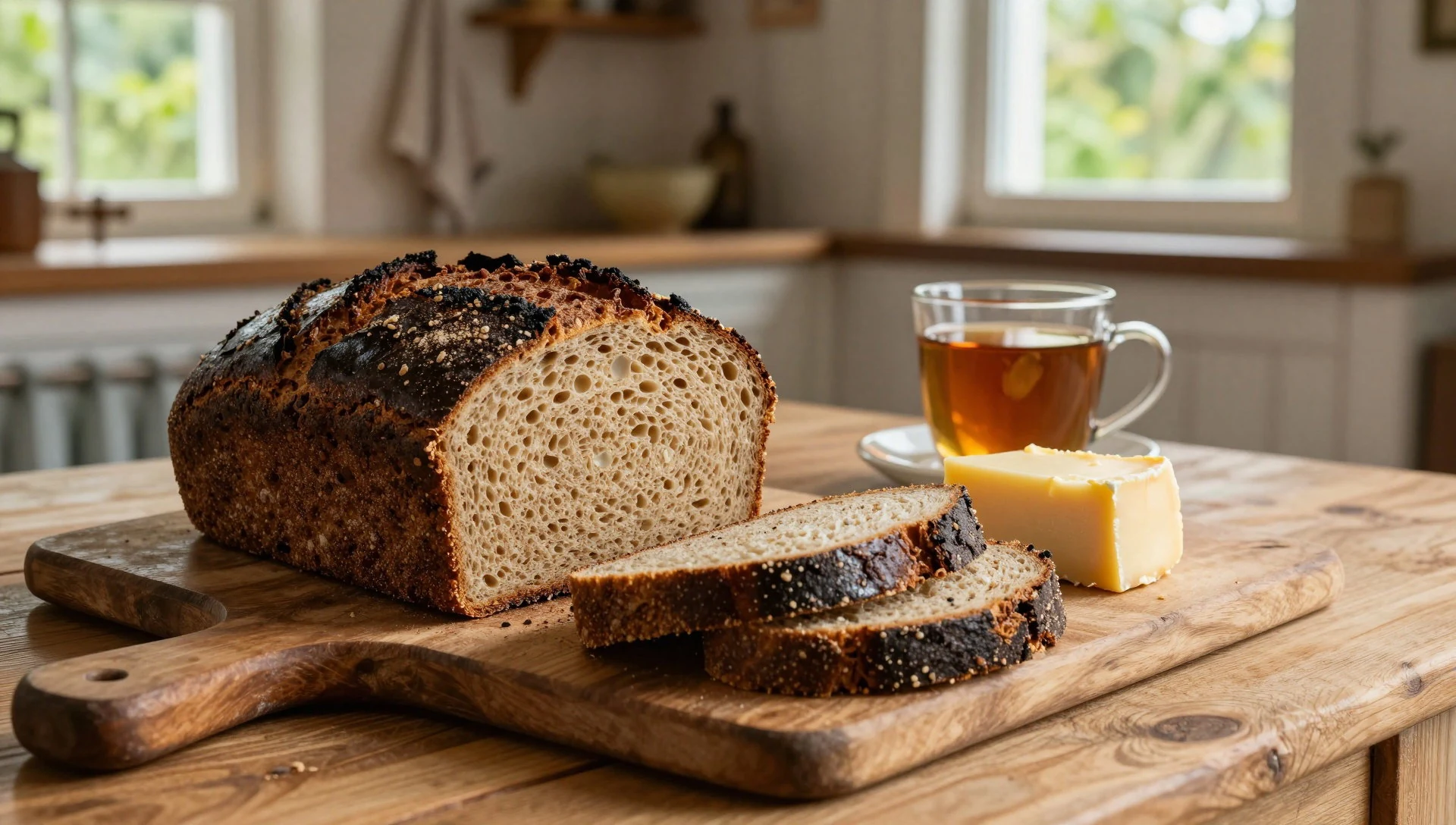
- Pork with potatoes — Parish eateries and town dining rooms in Latgale
Pork with potatoes is the main meal around Rāzna National Park. Pork is the usual meat, potato the usual partner, and bacon fat flavours even a lightly meaty pan. Dill, caraway or black pepper does the seasoning. Parish eateries and town dining rooms in Latgale cook it as ordinary food.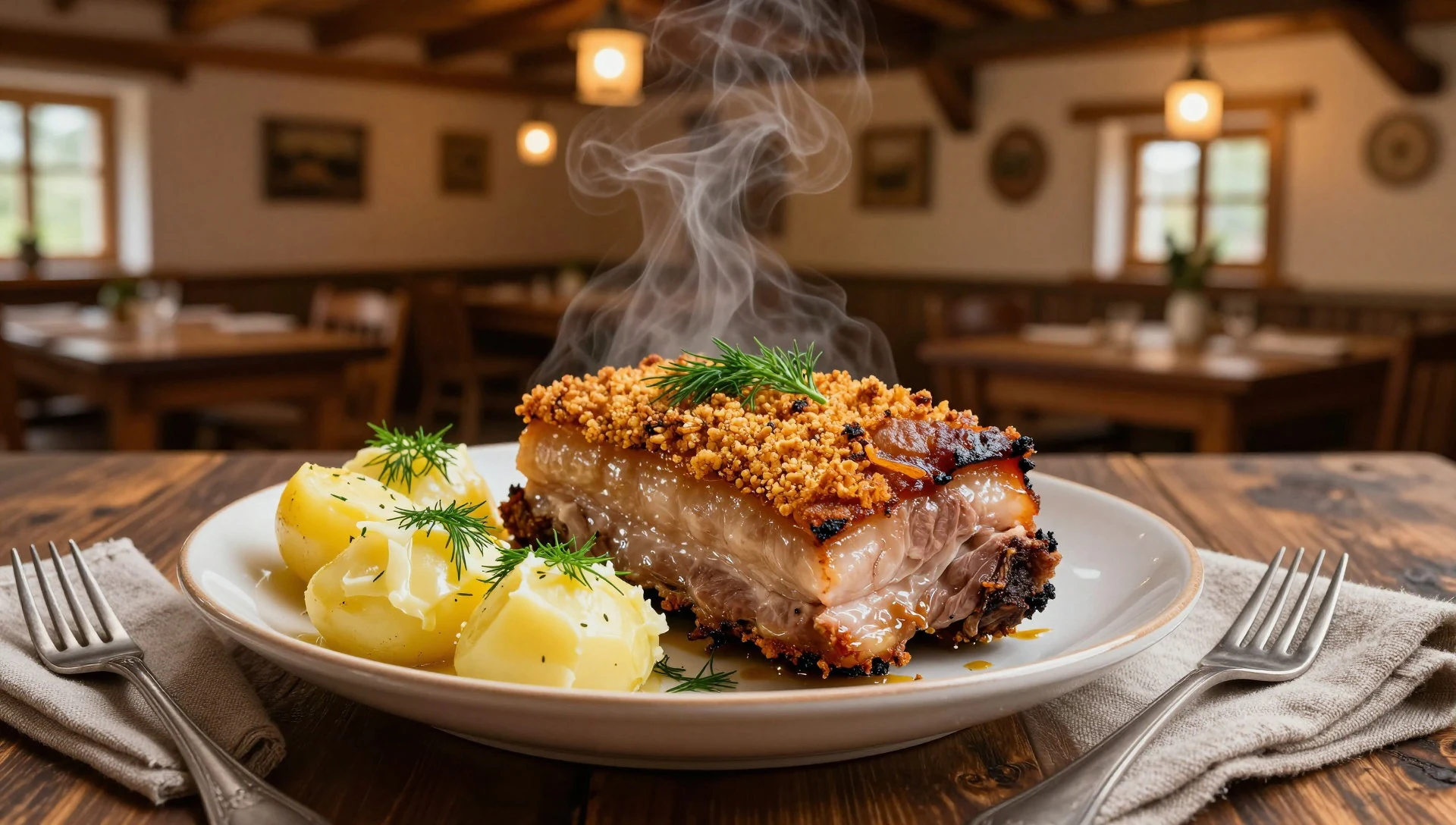
- Smoked fish — Markets and grocery counters in Latgale towns
Smoked fish brings the Baltic into a meal near Rāzna National Park. Latvian cooking treats smoked and raw fish as ordinary, from the coast and older Livonian habits. It is eaten with rye bread. Markets and grocery counters in Latgale towns are the place to buy it. - Peas, beetroot and cabbage — Canteens and farm kitchens in Latgale towns
Peas, beetroot and cabbage are the plant dishes near Rāzna National Park. With oats and potato they form the old farm larder, as a side or a plain stew, sometimes with bacon fat in the pot. Canteens and farm kitchens in the Latgale towns are where to eat them. - Curd cheese and sour cream — Town markets and village shops
Milk foods belong on the table around Rāzna National Park just as firmly as bread. Curd cheese, sour cream and other dairy staples appear at breakfast and beside savoury plates. Caraway sometimes seasons a fresh cheese. Town markets and village shops are the place to buy them.
Plan it
Best time. May to September for walking the shores and woods of Rāzna National Park, with long daylight and unfrozen ground. High summer is warmer and busier around the lake. From October the days shorten and an inland winter sets in, so later visits need proper cold-weather kit.
How long. 2–3
Getting there. Riga International Airport is the Latvian airport with regular international flights. From Riga the onward leg is by road or rail into Latgale, towards the Rēzekne, Ludza and Krāslava municipalities, then by local roads to the parishes around Lake Rāzna. Confirm times and fares with the operator; nothing here is a timetable. Latvia sits in the Schengen area, so check official entry advice for your own nationality before you travel.
Budget. mid
Tips
- Treat tracks inside the park as shared with residents, and stay on obvious routes rather than crossing yards.
- Begin at the shore early if you want birds active and the banks quiet.
- Carry some cash; a small parish shop may not take a card.
- Bring drinking water. Do not count on a tap along the shore or in the woods.
- Arrange a bed in a Latgale town before a summer visit, and recheck the place on its own site.
Etiquette
- Do not drop litter; in Latvia it is illegal as well as rude, and here it falls straight into the habitat.
- Ask before photographing residents or their farmsteads.
- Do not call the ugunskrusts on local textiles a Nazi symbol.
Nearby
Sources
- Wikidata Q549295 (CC0)
- Wikipedia (rev 1362959219) (CC BY-SA 4.0)
- Wikivoyage (rev 5421488) (CC BY-SA 4.0)
- Raznas ezers.JPG (Unknown author) (CC BY-SA 2.5)
- View of Lake Rāzna from Mākoņkalns (anakes) (CC BY 3.0)
- Rāznas Nacionālais parks 01 (Dana Krauliša) (CC BY-SA 4.0)
- Muna zeme (Dana Krauliša) (CC BY-SA 4.0)
- Rāznas Nacionālais parks 03 (Dana Krauliša) (CC BY-SA 4.0)
- Rāznas Nacionālais parks 04 (Dana Krauliša) (CC BY-SA 4.0)
- Rāznas Nacionālais parks 05 (Dana Krauliša) (CC BY-SA 4.0)
- Rāznas Nacionālais parks 06 (Dana Krauliša) (CC BY-SA 4.0)


