Gauja National Park
Gauja National Park, Latvia
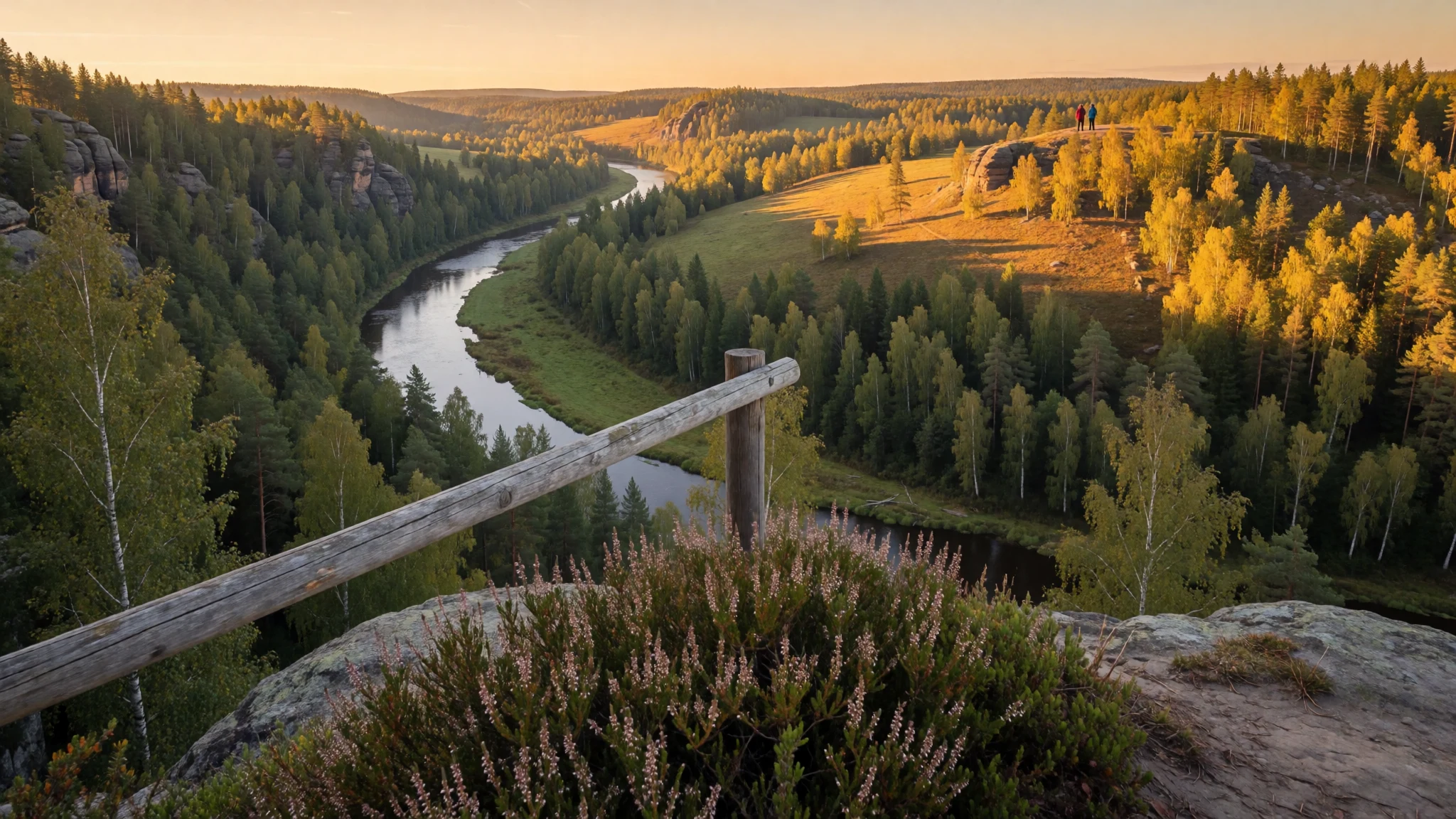
Gauja National Park pairs river-valley hiking with stone cliffs, springs, forests and a surprising layer of old history.
The place
Gauja National Park (Latvian: Gaujas nacionālais parks) sits in the Vidzeme region and stretches along the Gauja River valley, taking its name from the watercourse that shapes everything here. In practical terms, it runs between the north-east of Sigulda and the south-west of Cēsis, so it feels less like a sealed-off wilderness and more like a long, wooded corridor of paths, viewpoints and small towns.
The landscape is the headline. Expect old river valley scenery, rock outcrops and varied terrain, plus springs and forests that change the mood from one trail segment to the next. You’ll also find an overlay of culture: different centuries’ worth of monuments show up alongside nature tourism and “healthy recreation”. The park’s administration is based in Sigulda, which is handy because it’s a familiar jumping-off point rather than a remote visitor-only area.
A key thing to know is how the protection is managed. Some zones are strict nature reserves where visits are prohibited; elsewhere, activities are allowed as long as the landscape stays intact. That balance is part of the appeal: the hiking feels real, not staged, and you can spend a full day walking without feeling like you’re constantly battling traffic.
Seasonally, the park is at its best when the weather gives you light and traction—spring (March to May) and autumn (September to November) for comfortable walking, and winter (December to February) when the quieter river valley can feel extra atmospheric (bring proper footwear and be mindful of ice). In the warmest months—June to August—expect more people on the viewpoints and main trails, especially around the well-known areas near Sigulda and Cēsis.
Its story
Gauja National Park has a longer relationship with visitors than you might expect for a place that still feels wild on a map. There’s a long history of hiking in the Sigulda area with walking sticks, stretching back to the 19th century, and you can feel that early tourism thread in the way the valley has been used for recreation for a long time.
That historical habit matters because it explains the park’s rhythm. There’s nature at the centre—forests, plant life, birds and mammals—but the valley also makes it easy to “move between scenes”: a patch of woodland shade, then a bend of river, then a viewpoint where rock tells a geological story. Those Devonian-era sandstone cliffs along the Gauja River (like the Ergelu Cliffs area) are a perfect example of how the park’s geology gives you drama without needing big elevation.
Over time, the park has also shifted from a tourism landscape to a conservation landscape. It was established in 1973, with the aim of protecting natural areas, supporting nature tourism and keeping development sustainable. Later, it joined the Natura 2000 network from 2004, which is a hint that the biodiversity here isn’t just a marketing line—conservation is built into the management.
If you like walking that mixes “look” and “learn”, Gauja is satisfying. You’re never far from the next fork in the trail or the next piece of local history, but you’re also unlikely to feel like you’re walking through a theme park. The best days tend to start early, when the river valley is cooler and the trails haven’t filled up with everyone else chasing the same views.
What to see
- Ergelu Cliffs (Gauja River) — Gauja River valley near Sigulda/Cēsis corridor
Devonian sandstone cliffs along the Gauja River are the park’s classic photo moment—rock faces cut by the river’s long shaping power. It’s a great stop for taking in the valley shape, then continuing onto nearby walks when the light is right.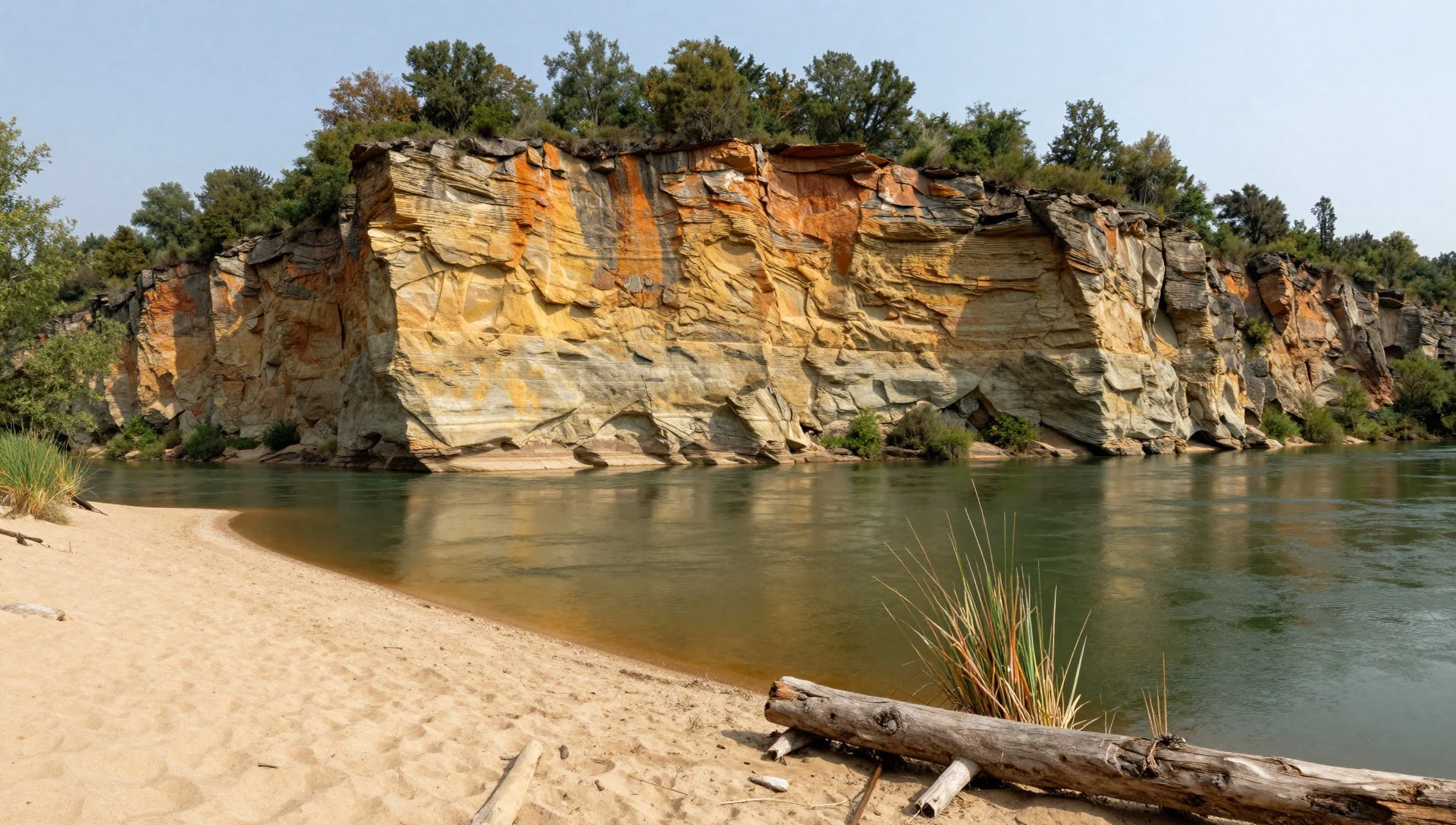
- Zivju Dzīētī (trail and natural heritage settings) — River-side natural areas around the Gauja
Follow forest paths that lead you through natural heritage terrain around the river corridor. This is the kind of place where the scenery shifts from dense greenery to open river views, making even short detours feel worthwhile.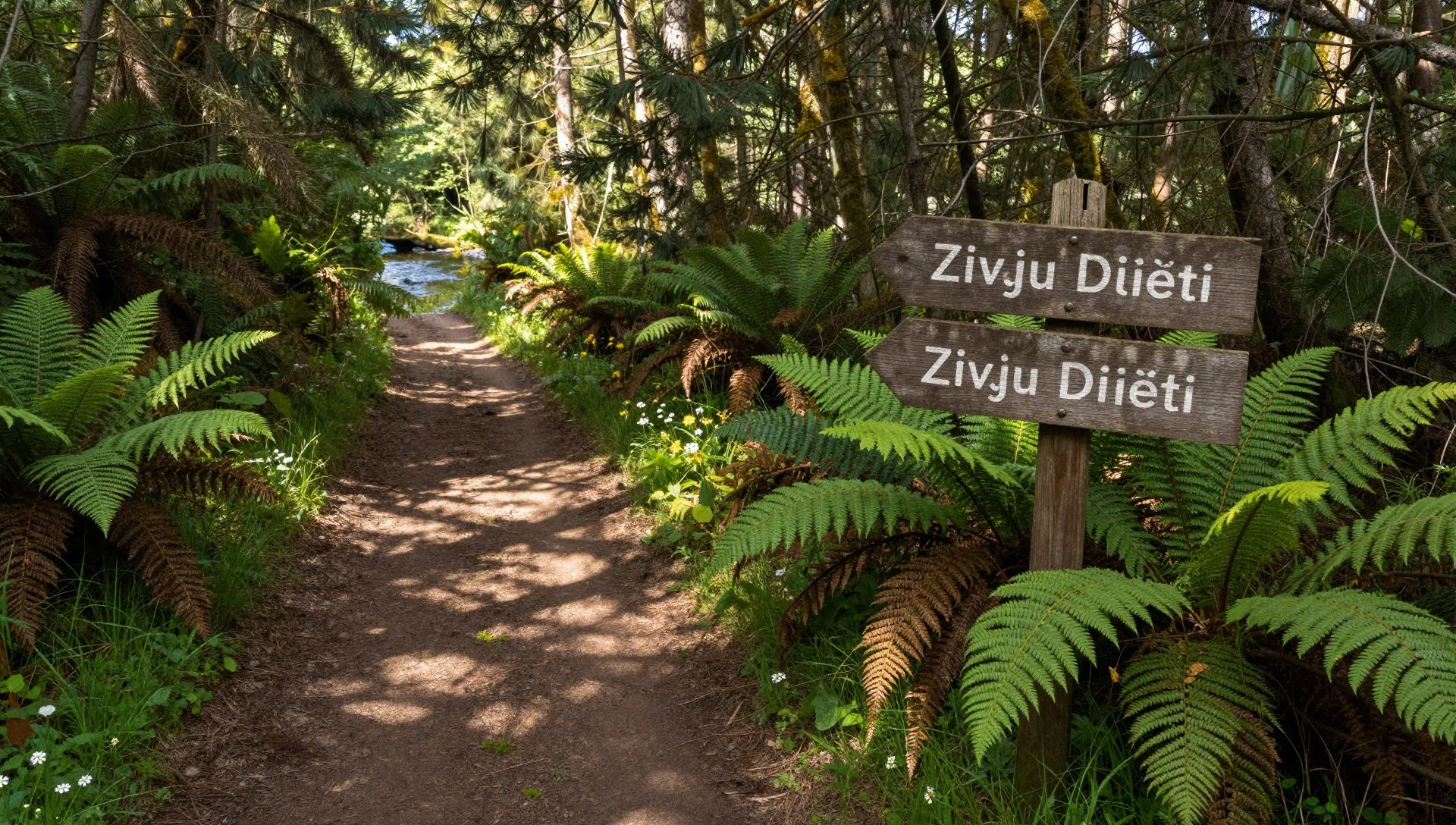
- Ergelu Cliffs viewpoint near Cēsis area — Gauja River near the Cēsis side
If you’re heading closer to Cēsis, look for cliff-and-river vantage points that give you a wide sense of the valley. The rocks and greenery together make it feel like a whole landscape, not just a single lookout.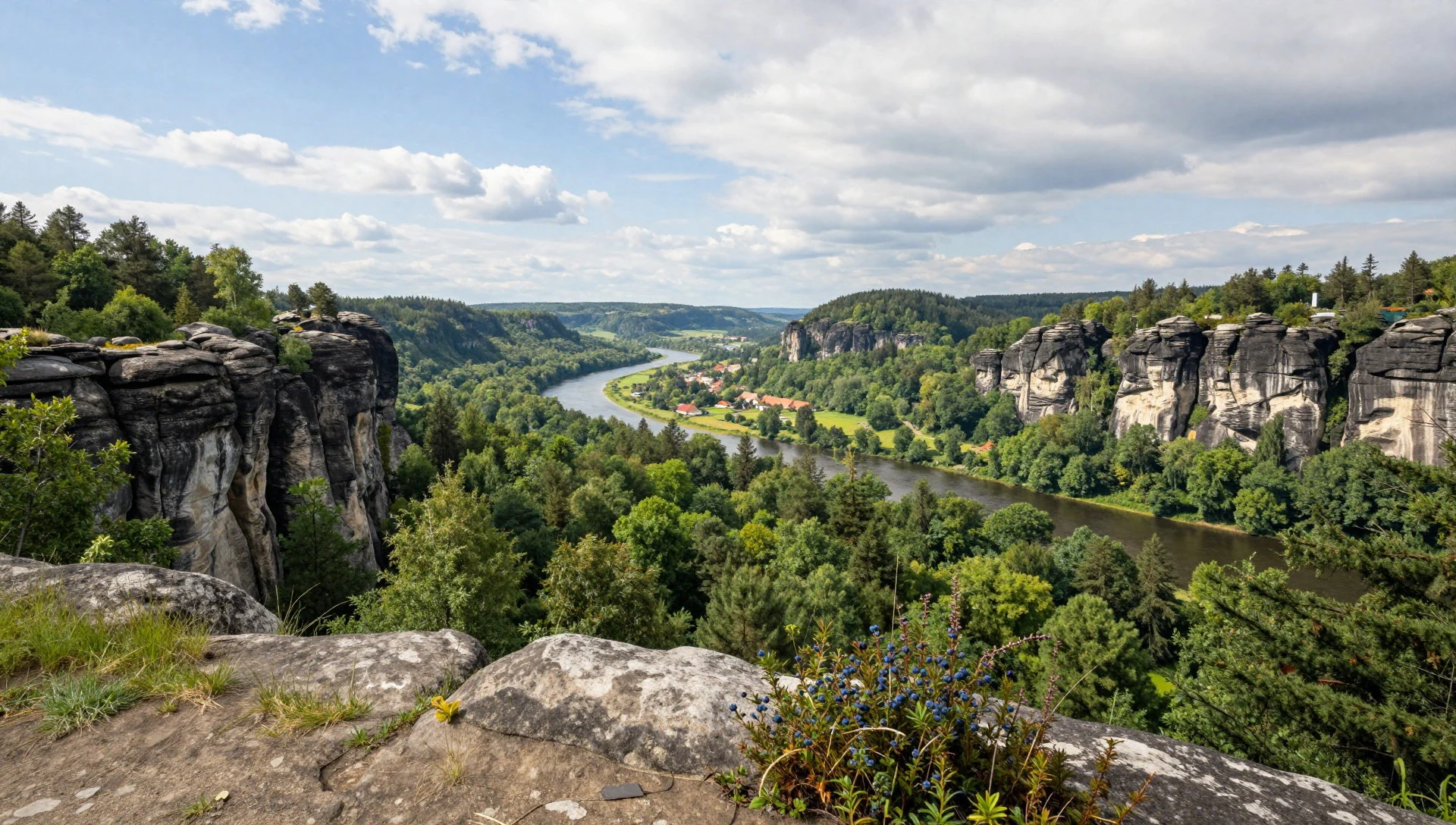
- Amata River / Amatas Upe surroundings — Amata watercourse areas in the wider park region
The Amata-area waterways add another texture to the park feel—more of a flowing, wooded landscape than just cliff viewpoints. It’s a good contrast walk when you want fewer rock photos and more green river atmosphere.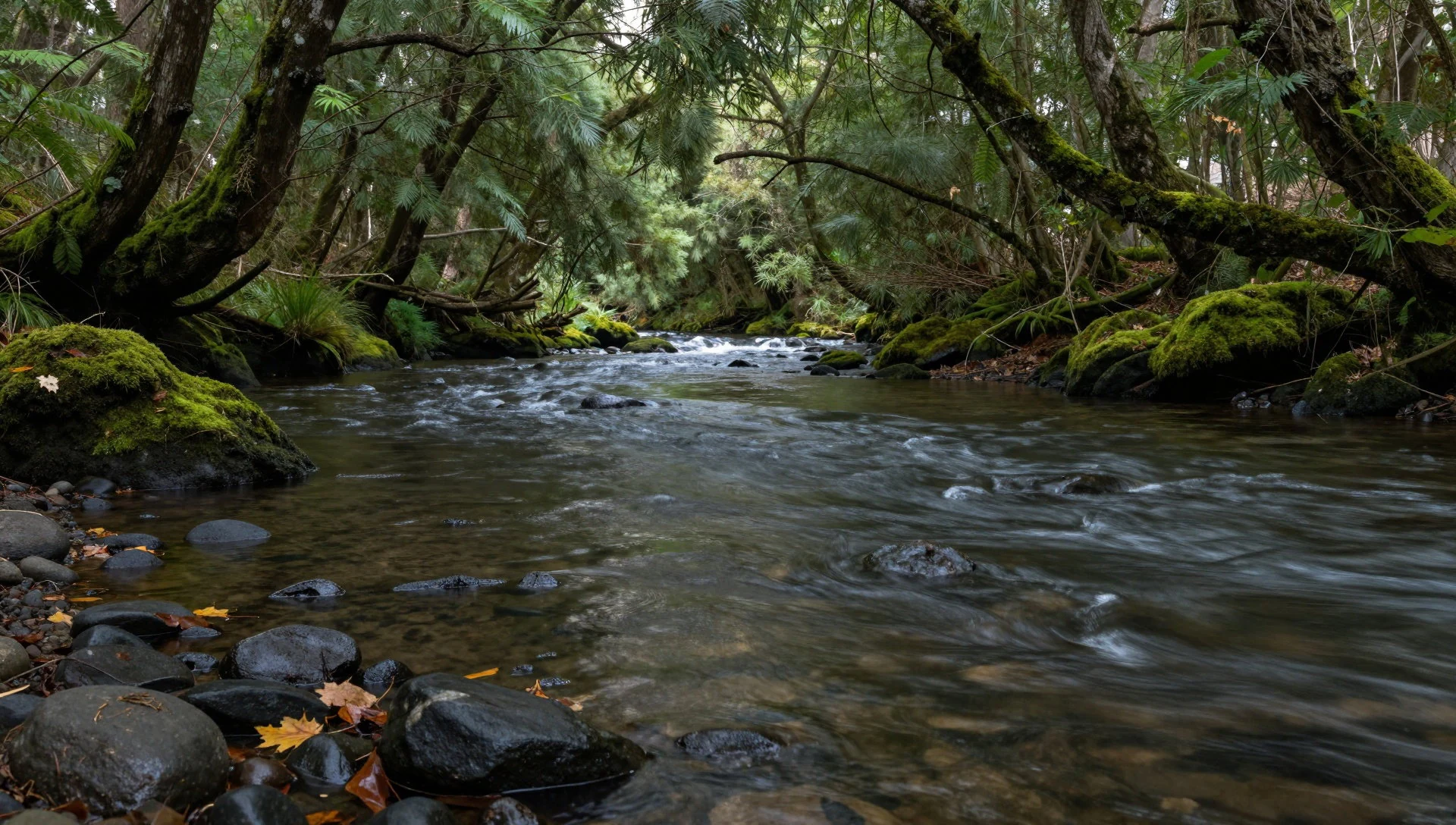
- Braslas Ūdenskrātuve (reservoir nature trails) — Brasla reservoir area
Braslas Ūdenskrātuve brings a calmer, water-focused landscape into the mix. Expect tree cover, riverside views and the sense that you’re moving through a lived-in natural area rather than a single monument.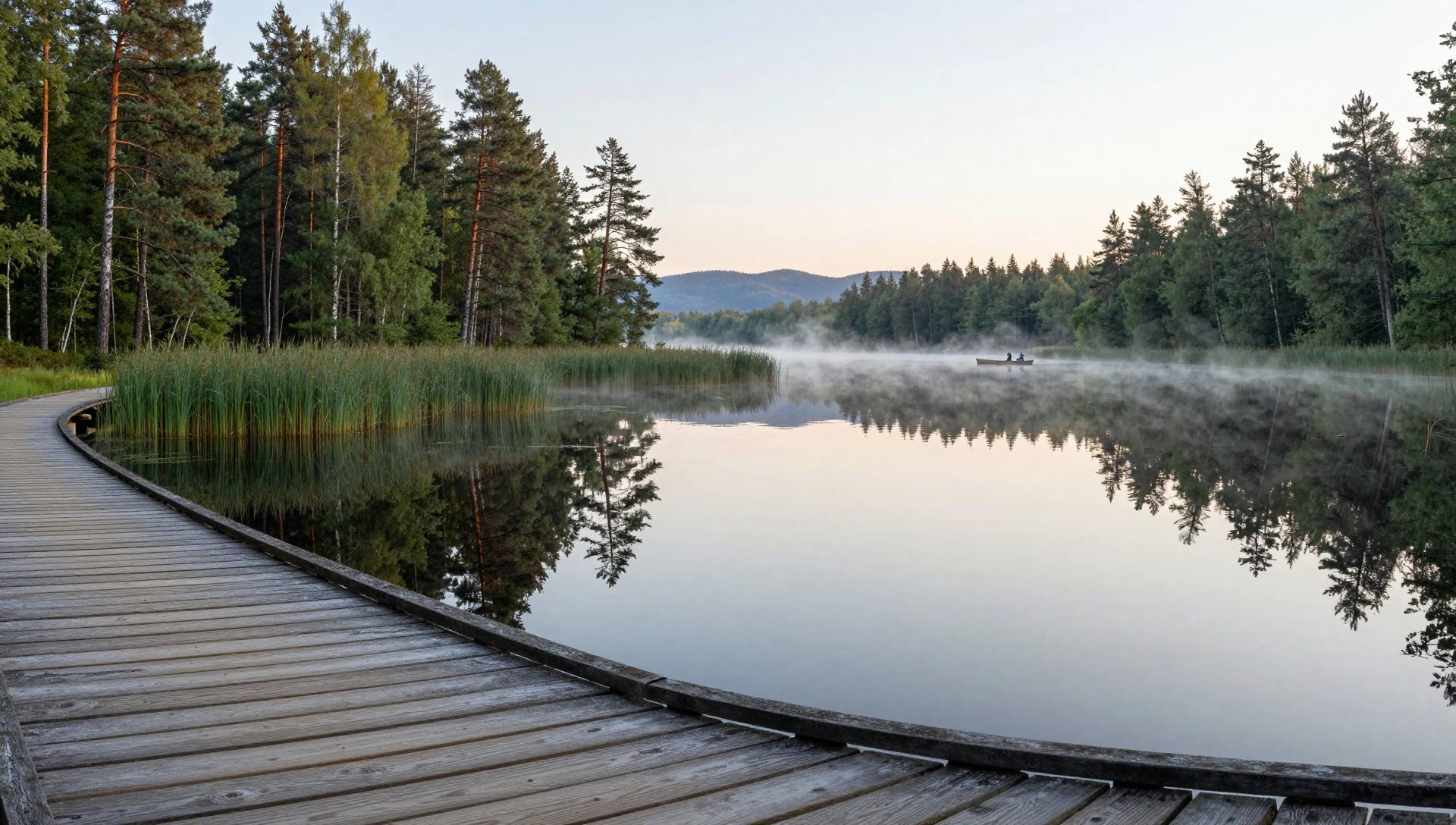
Culture
Gauja National Park is in Latvia, and the local social tone can shape the small moments of a trip—like how conversations start at trailheads or how people behave in public spaces. Latvians are generally fairly reserved and tend to respect personal space, so it’s common to keep your distance until you’re drawn into a natural conversation. If someone doesn’t greet strangers, that’s normal rather than unfriendly.
There are also topic boundaries worth knowing. Asking direct questions about someone’s salary or talking loudly about personal politics and religion can come across as intrusive, especially with people you haven’t known for long. On the practical side, littering is seen as bad manners and is illegal, so it’s worth carrying a small bag for rubbish even on short hikes.
Around buildings and transport stops, Latvian politeness tends to show up in simple door-and-queue behaviours—holding a door, letting others board first, and generally moving with the group rather than against it. The park itself is nature-first, but these everyday manners make it easier to share spaces with other visitors.
Visitor etiquette: Keep voices low on trails, take litter home, and follow posted signs—especially where certain areas are off-limits.
What to wear
For Gauja National Park, dressing is mostly about traction and weather flexibility rather than looking “outdoorsy”. Traditional Latvian dress exists in festivals and cultural events, but on the trails you’ll mostly see everyday clothing adapted to the season.
Traditional Latvian outfits often feature embroidered folk details and are closely associated with local textile craft. You’ll most commonly encounter these garments in folk costumes, performances and souvenir settings rather than during routine walks in the park. If you do attend an event, look for the cultural context: embroidery and ornamentation can be significant, and it’s usually worn as part of a performance or celebration.
What people actually wear day to day now is practical: layers for changing temperatures, a waterproof outer layer if the forecast is unsettled, and comfortable walking footwear. In the Gauja River valley, expect uneven ground, damp patches and muddy sections—especially after rain—so avoid smooth soles.
What a visitor should wear: breathable base layers, a warm mid-layer for cooler river-valley mornings, and sturdy shoes with grip. If you’re visiting any historical sites or religious buildings in the wider region, choose modest clothing that covers shoulders and knees, and carry a light layer you can adjust once you’re inside.
What to eat
- Rye bread and other breads — Local bakeries and regional markets in the Sigulda–Cēsis area
Latvian meals often start with rye bread, alongside other bread styles common in the Baltic. Look for bread at local bakeries and the kinds of food halls or markets where you can buy staples and small snacks for a picnic-style hike.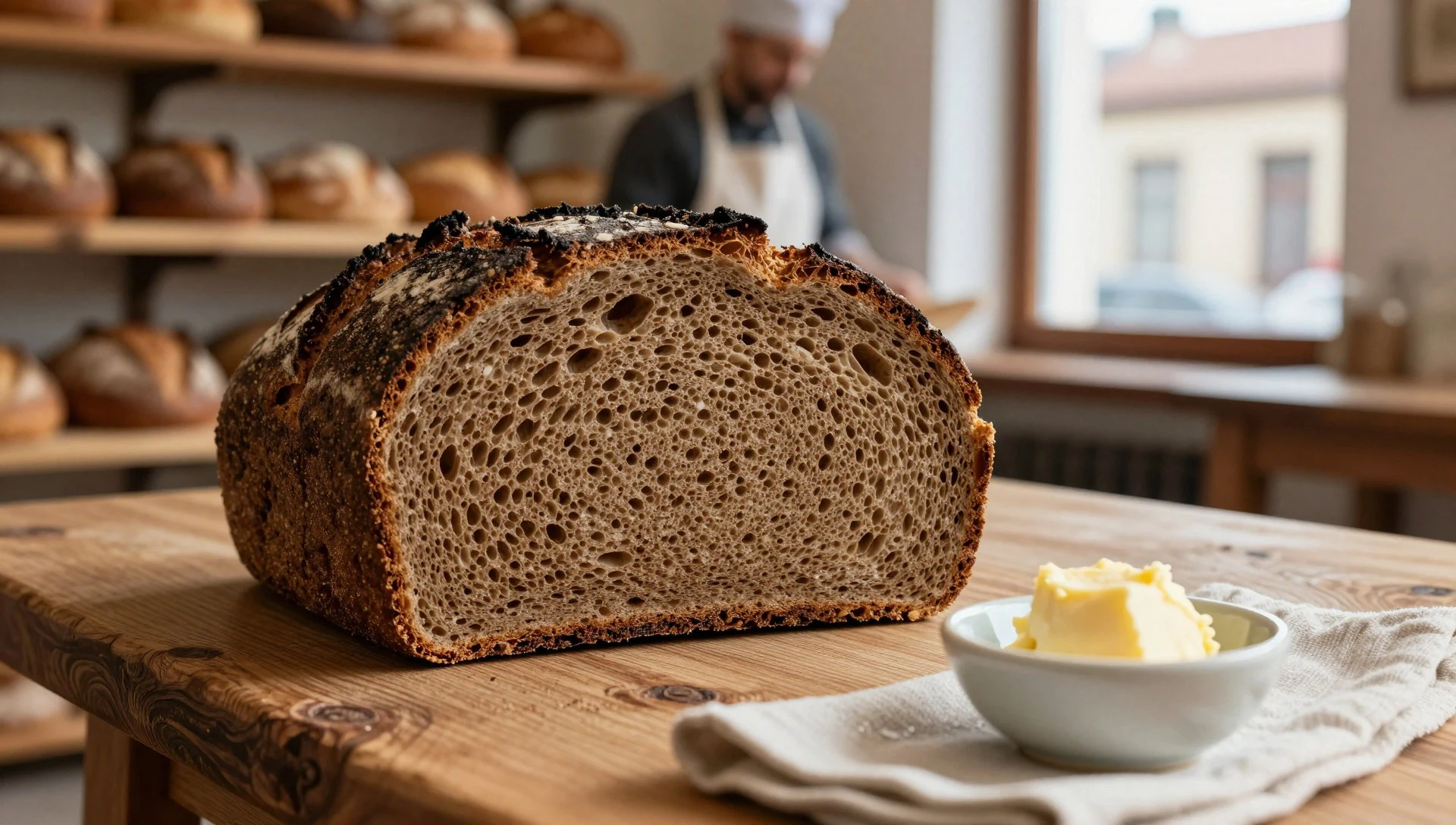
- Potato and pork main dishes — Everyday restaurants and traditional eaters in town centres
Many hearty Latvian main meals lean on potatoes and pork, shaped by crop staples and peasant traditions. For practical trail-day fuel, you’ll usually find these flavours as warming comfort-food options at everyday restaurants and regional eateries.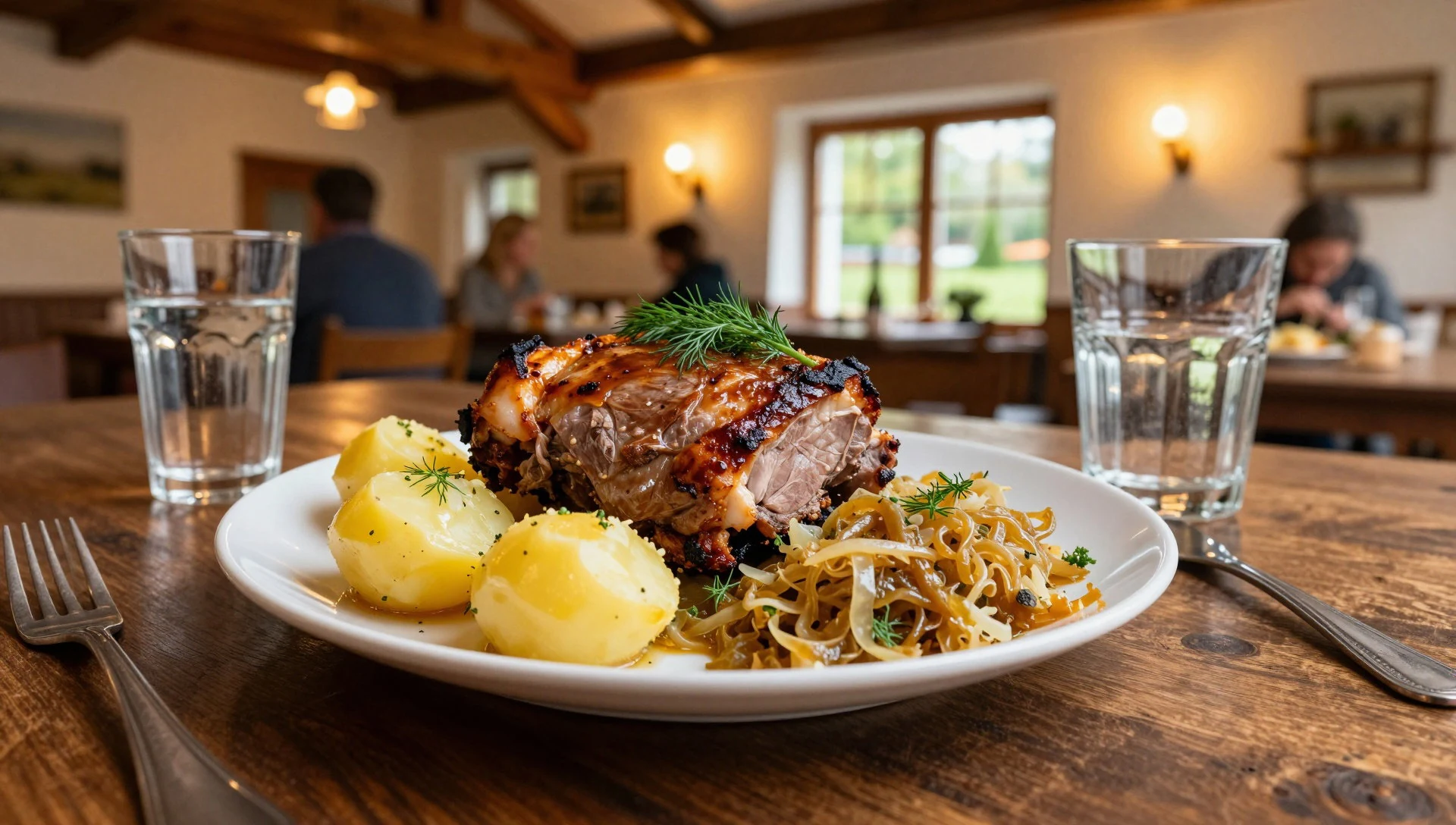
- Milk products (including dairy sides) — Market stalls and casual cafés
Milk and dairy products show up across Baltic-style cooking, often paired with bread and simple sides. A good place to look is a market stall or a casual café counter offering regional staples rather than menu-only fine dining. - Dill and black pepper seasons with grains/seeds — Set-menu eateries and local restaurants
Latvian cooking typically keeps spices restrained—black pepper and dill are common, and grains or seeds (like caraway) add flavour depth. You’ll taste this profile most clearly in everyday set meals at regional restaurants. - Cabbage and beet dishes — Traditional restaurants and regional lunch spots
Cabbage and beets are part of the crop base, often turning up in both hot and cold preparations. These are useful “shareable” choices when you’re trying a few different things before heading back to your accommodation. - Butter-forward Baltic-style treats — Bakeries and cafés in Sigulda and Cēsis
Latvian food often feels rich because butter and fat are common, balanced with straightforward ingredients. For something light-ish but satisfying, try local baked goods or simple dessert options in town centres after a hike.
Plan it
Best time. March–April for blossom, late October–November for maple colour; June is the wettest month (with the most rain), and July–August are the warmest.
How long. 3–4
Getting there. Fly into Riga International Airport (RIX). From there, use bus 22 to reach the centre of Riga, then continue onward to Sigulda/Cēsis area by your chosen rail or road option (the last leg into the park is the part you’ll plan most carefully).
Budget. mid
Tips
- Base a trip around Sigulda or the Cēsis side so valley walks feel connected rather than fragmented
- Start early in the day to avoid the busiest times on the better-known viewpoints
- Plan for wet conditions in June—pack a waterproof layer and keep spare socks if you’re walking all day
- Carry a small amount of cash for small purchases and roadside snacks if card payment isn’t available everywhere
- Bring a refillable water bottle and take breaks in shaded forest stretches, especially in hot months
Etiquette
- Follow signs strictly: some zones are nature reserves where visits are prohibited
- Keep noise down on trails and respect personal space in shared viewpoints and paths
- Take litter away with you—no bins is often the reality on smaller trail segments
Nearby
Sources
- Wikidata Q743754 (CC0)
- Wikipedia (Gauja National Park) (CC BY-SA 4.0)
- Wikivoyage (Latvia) (CC BY-SA 4.0)
- Photo: Ergeljuklintis424aug037qg.jpg (CC BY 3.0)
