Lappeenranta
Lappeenranta, Finland
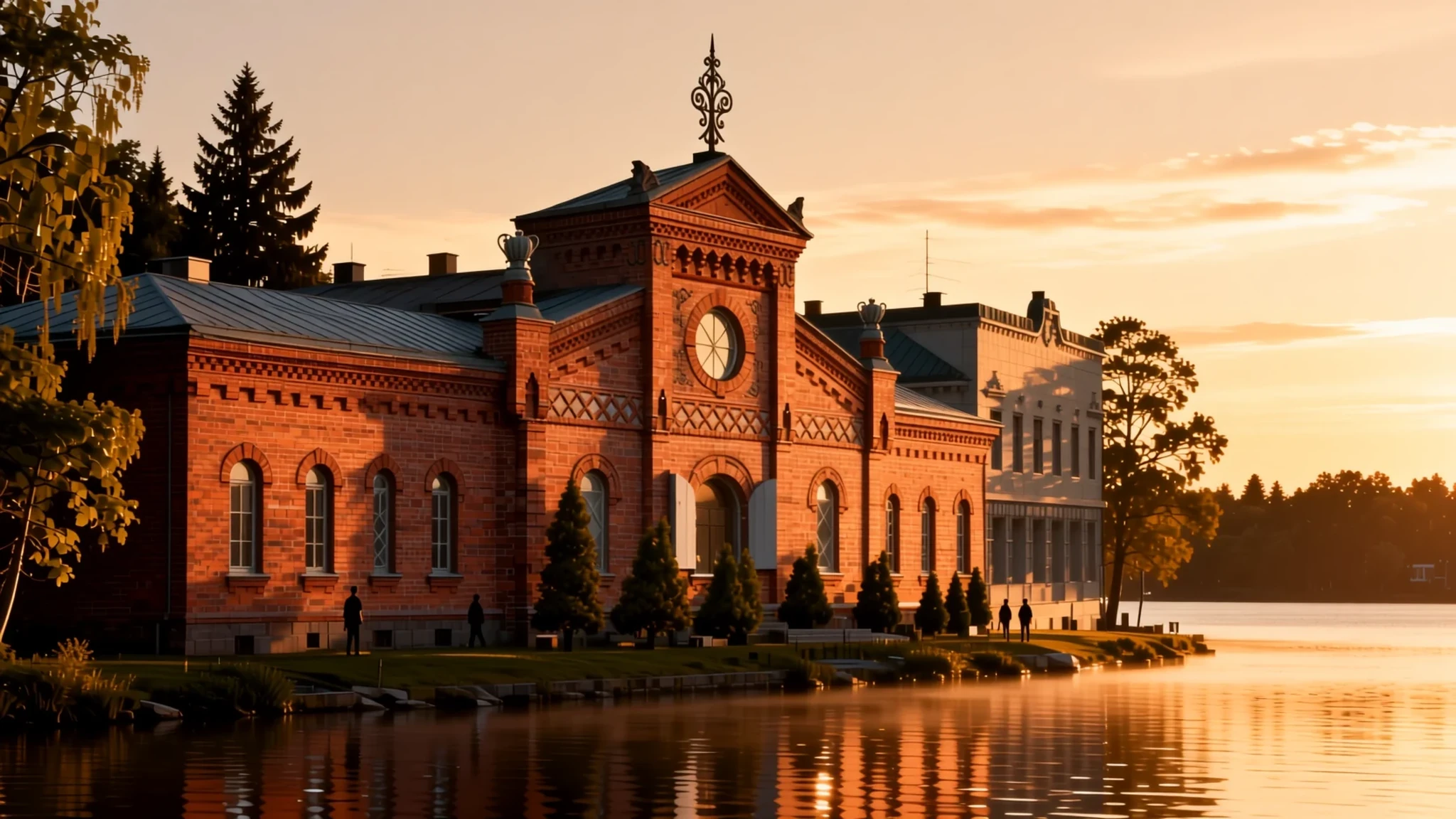
Lappeenranta is a lakeside Finnish city near the Russian border, with a fortress, a summer harbour and a town built around Lake Saimaa.
The place
Lappeenranta sits on the southern shore of Lake Saimaa in south-eastern Finland, the regional capital of South Karelia. About 73,000 people live here, and the wider sub-region holds a good many more. The Russian border is only about 30 kilometres away, and Vyborg is a little over twice that distance, so the city has long worked as a gateway between two countries. That shows in the shops, the signage and the visitors, many of whom cross over for the day to shop tax-free.
The town has grown by absorbing its neighbours. Lappee and Lauritsala were merged into it in 1967, Nuijamaa followed in 1989, and Joutseno and Ylämaa joined in more recent years. The result is a municipality that stretches well beyond the compact centre, taking in villages, forest and lake shore.
For a visitor the centre is easy: a harbour, a fortress headland, a pedestrian shopping street and a grid of low streets running uphill from the water. Lake Saimaa dominates everything. In summer it is the stage for boats, terraces and beaches; in winter the town quietens, and life moves to ice rinks, ski tracks and the theatre.
The city also promotes itself as a clean-energy and clean-living place, and it was a finalist in an international WWF climate challenge. Expect a tidy, calm, practical Finnish town rather than a grand one, and one that is very used to foreign visitors.
Its story
Lappeenranta's story starts on a headland jutting into Lake Saimaa, where a market grew up beside the water. The settlement was known as Lapvesi, later Lappee, and traders gathered there so reliably that a Swedish governor, Count Per Brahe the Younger, urged the crown to give it town rights. Queen Christina granted the charter in 1649, which is the founding date the city counts from. Tar was the cargo that mattered then, shipped out through the lake and river routes.
The area is far older than its charter. The village of Kauskila, a few kilometres south of the centre, was a significant Karelian settlement in the Middle Ages and has been lived in for roughly two thousand years.
Borders then shaped everything. The Swedes built the fortress in stages in the early eighteenth century, when the town was an administrative capital. In 1741 Swedish and Russian armies fought here during the Russo-Swedish War; the Russians won, the town was pillaged, and wooden buildings including the provincial chancellery were burnt. Under the Treaty of Turku, Lappeenranta passed to Russia.
It stayed under Russian rule, latterly as part of the Grand Duchy of Finland, until 1917. Finland's independence then brought a brief upheaval in 1918, after which the town has been Finnish. The fortress area, with its workshops and churches, is what survives of that layered past.
What to see
- The fortress quarter — Linnoitus, harbour headland
The old fortress on the headland is the original town centre, dating from the mid-seventeenth century. Wooden buildings now hold artists' workshops, and two museums, the Museum of South Karelia and the Art Museum of South Karelia, sit within the same compact area. It is an easy walking loop with lake views.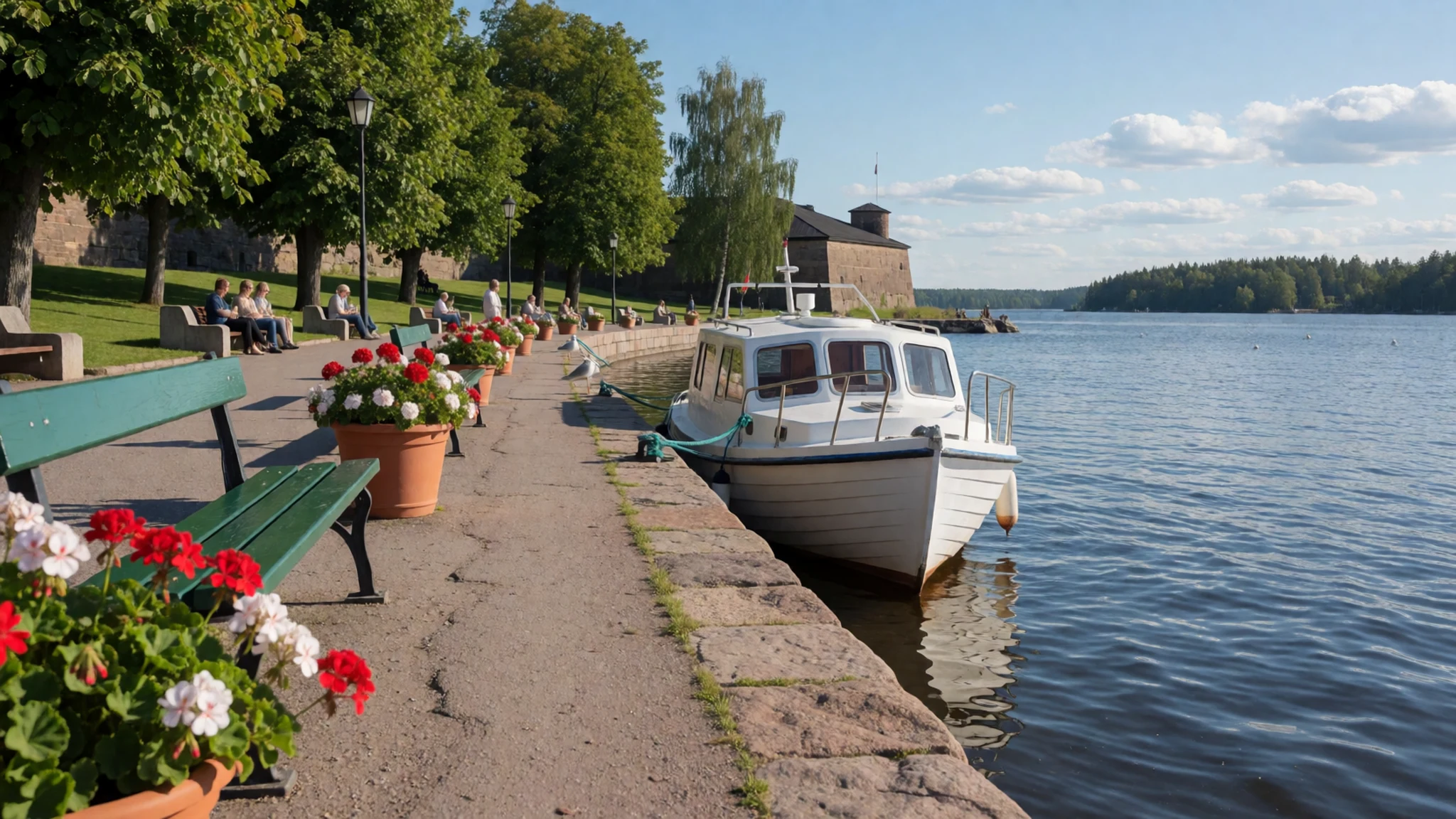
- Orthodox church — Fortress quarter
Inside the fortress stands the oldest Orthodox church in Finland, finished in 1785. It reflects the Russian era and the Karelian Orthodox community that remains part of the region. Check opening times on the city's official site before going, as they change with the season.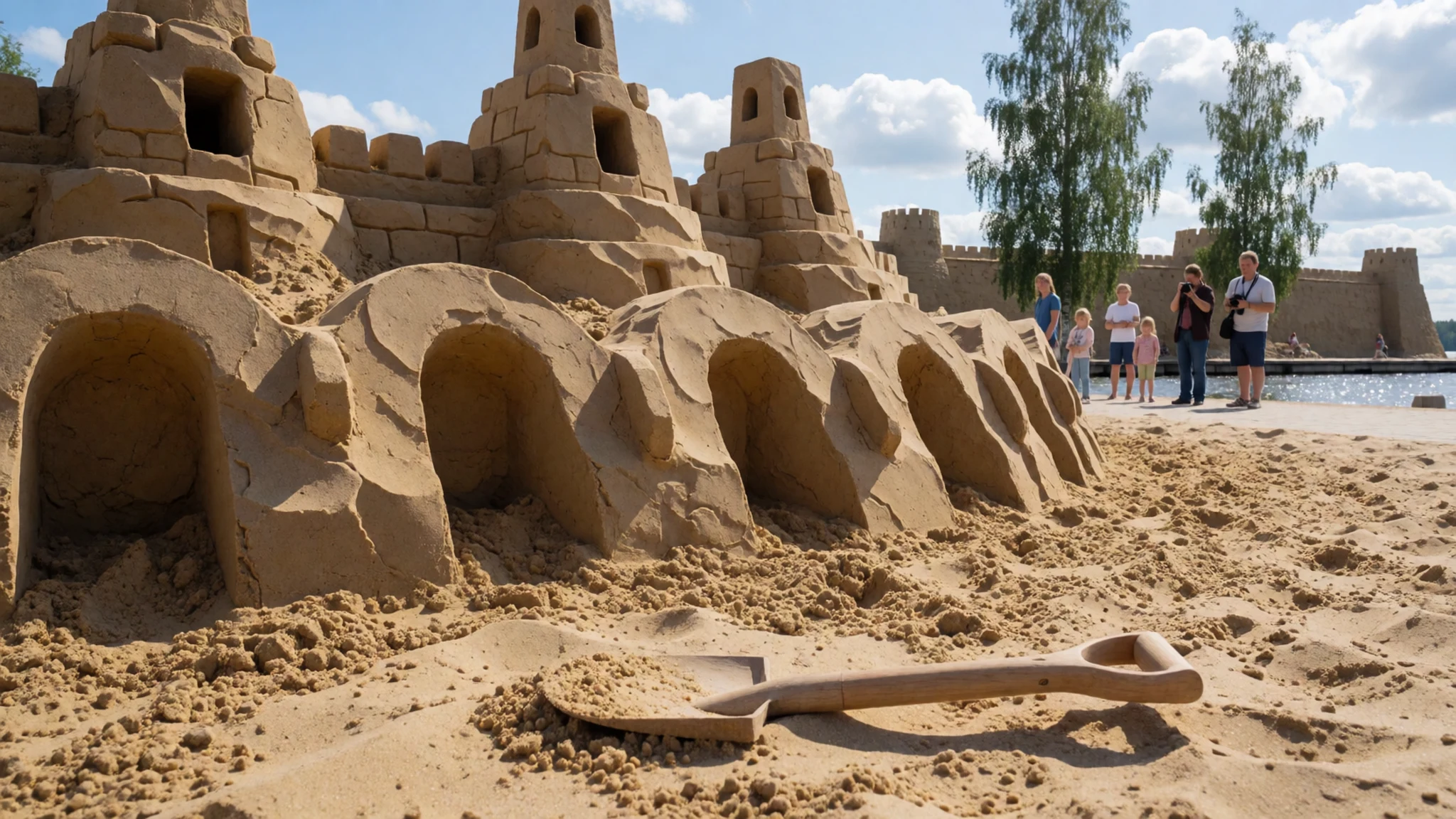
- Harbour and Myllysaari beach — Satama, the harbour
The harbour, nearby parks and Myllysaari beach form the summer living room of the city. People sit on terraces, watch boats and swim from the sand. In autumn the same waterfront turns quiet and colourful, and a walk uphill from the quay brings you into the town centre.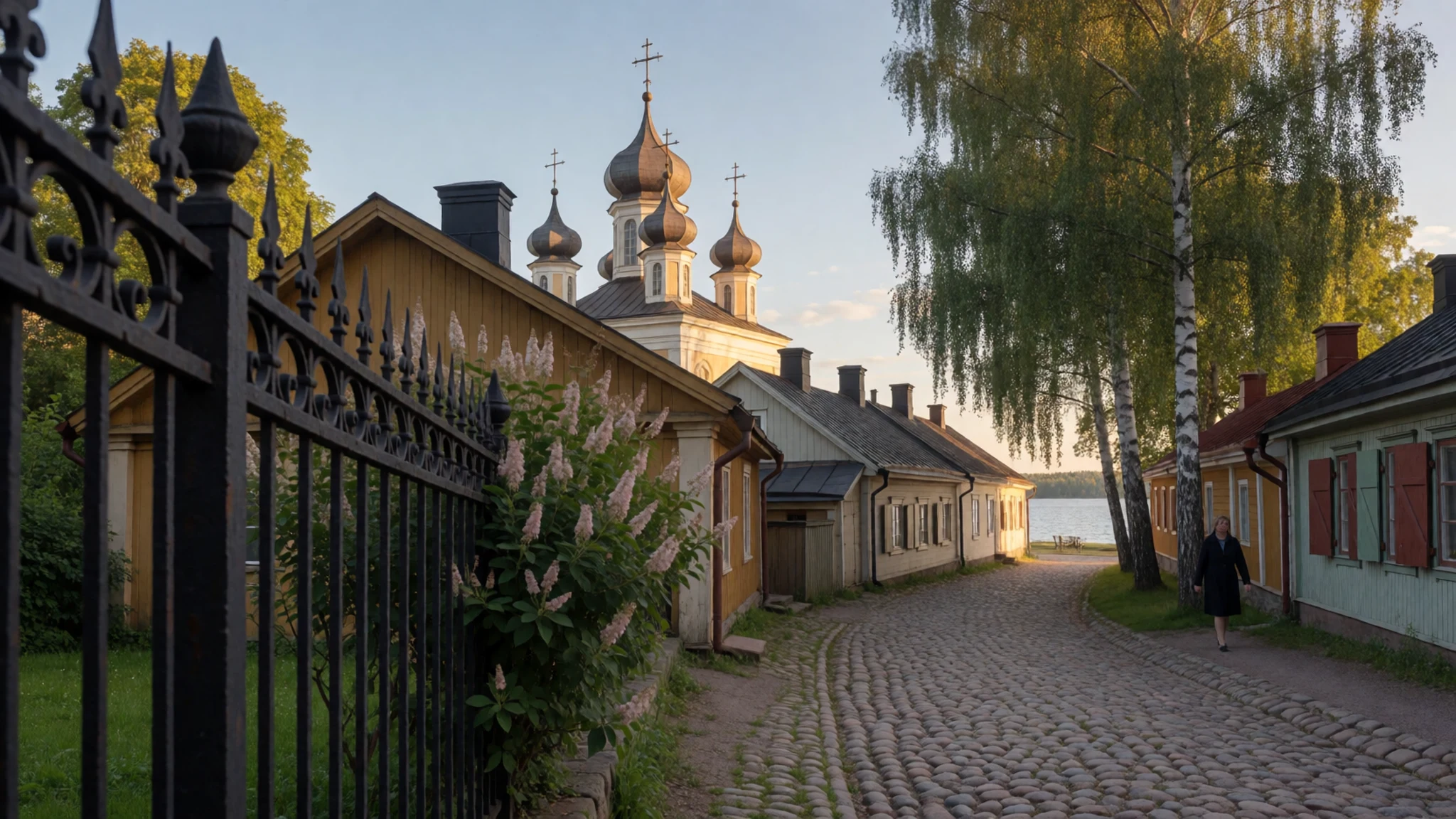
- The sandcastle — Northern harbour area
Each summer artists build a large sandcastle at the northern end of the harbour area, and it grows more elaborate from year to year. It is a family-friendly stop and an easy addition to a harbour walk. Dates depend on the season and weather, so confirm locally.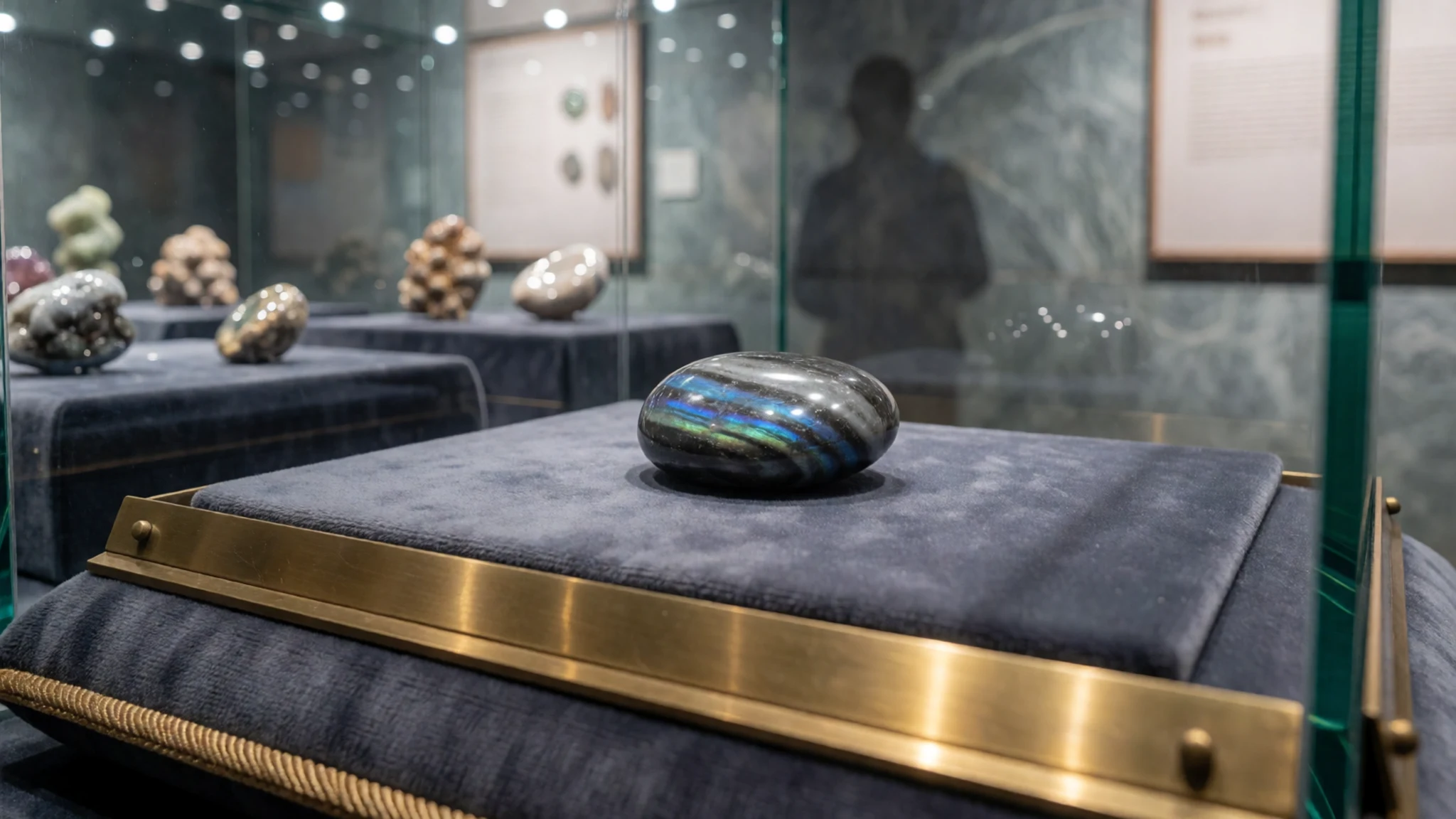
- Jewellery museum and quarry — Out of town, south
South of the city, a museum shows Finnish and foreign gemstones and minerals, with particular attention to spectrolite. Guided visits can include the quarry itself, and sometimes a local history museum. It needs a car or a taxi, so plan a half day.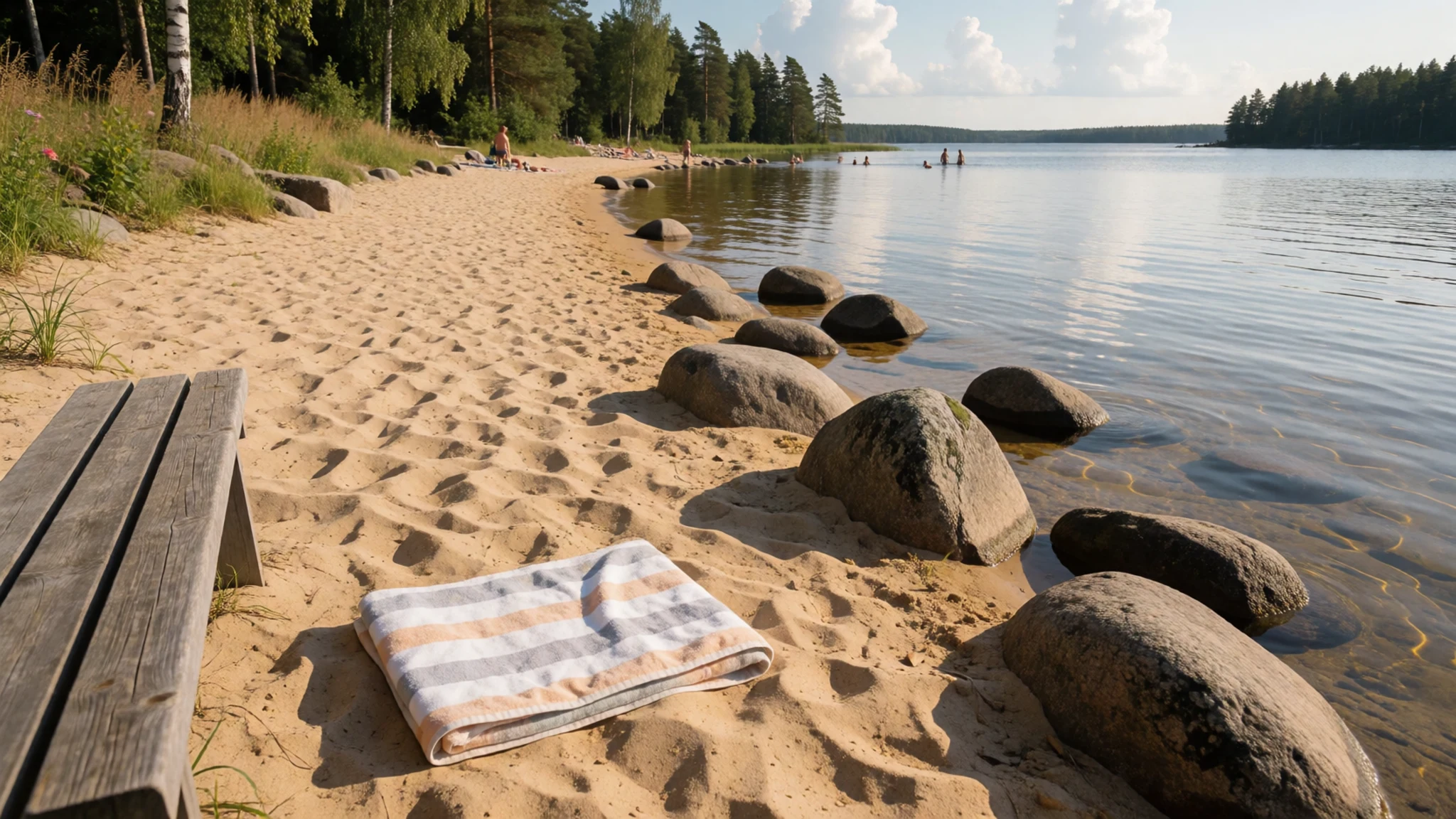
Culture
Lappeenranta has a Finnish character with a strong Karelian and Russian undertone. The Karelians, who lived on both sides of today's border, left their mark in the Orthodox church, in food habits and in a certain warmth that sits alongside Finnish reserve. Russian is heard on the streets and in shops, particularly in summer and at weekends.
Finns generally value quiet, personal space and punctuality. Conversation in queues and on buses is sparse, and that is politeness, not coldness. Once a conversation starts, people are direct, practical and friendly, and many speak good English.
The lake shapes social life. Summer evenings are spent on terraces and beaches, and saunas are part of everyday life, often by the water. Winter belongs to sport: ice hockey, basketball and bandy draw loyal crowds, and cross-country ski tracks run for tens of kilometres, one popular stage circling the airport. The local bandy history even includes a women's world championship held here in 2004.
The city has a calm, safe reputation and is well used to foreigners, so visitors can relax, ask for help and expect honest answers.
When you enter a sauna or a church in Lappeenranta, follow local custom: speak softly, and in the Orthodox church dress modestly and ask before taking photographs.
What to wear
Lappeenranta has no single everyday costume today, but Karelian dress is the regional tradition. Historically it used homespun linen and wool, with white linen blouses, embroidered trims and woollen skirts or waistcoats, and red and white patterns on cloths and borders. Such clothing now appears mainly at folk festivals, dance performances and museum displays.
Day to day, people dress practically. Layers, jeans, sturdy shoes and a good jacket are standard, with outdoor wear chosen for function over show. In winter, down coats, wool hats, mittens and boots with grip are universal, and in summer people go light, with shorts and sandals on the harbour front. Evenings at restaurants are casual; smart-casual is more than enough.
Visitors should plan around the weather. In winter bring thermal underlayers, a windproof coat, insulated waterproof boots, gloves and a hat. In summer pack light layers, a rain jacket, sunglasses and insect repellent for lake and forest walks. Comfortable walking shoes suit the cobbled fortress area and the uphill streets, and a swimsuit is useful for beaches and saunas. In the Orthodox church, cover shoulders and knees, and remove hats.
What to eat
- Karelian pies (karjalanpiirakka) — Bakeries and the market square
Thin rye crusts filled with rice porridge and crimped at the edge, usually eaten with egg butter. This is the signature Karelian snack, and you can find it in bakeries, cafés and the market hall.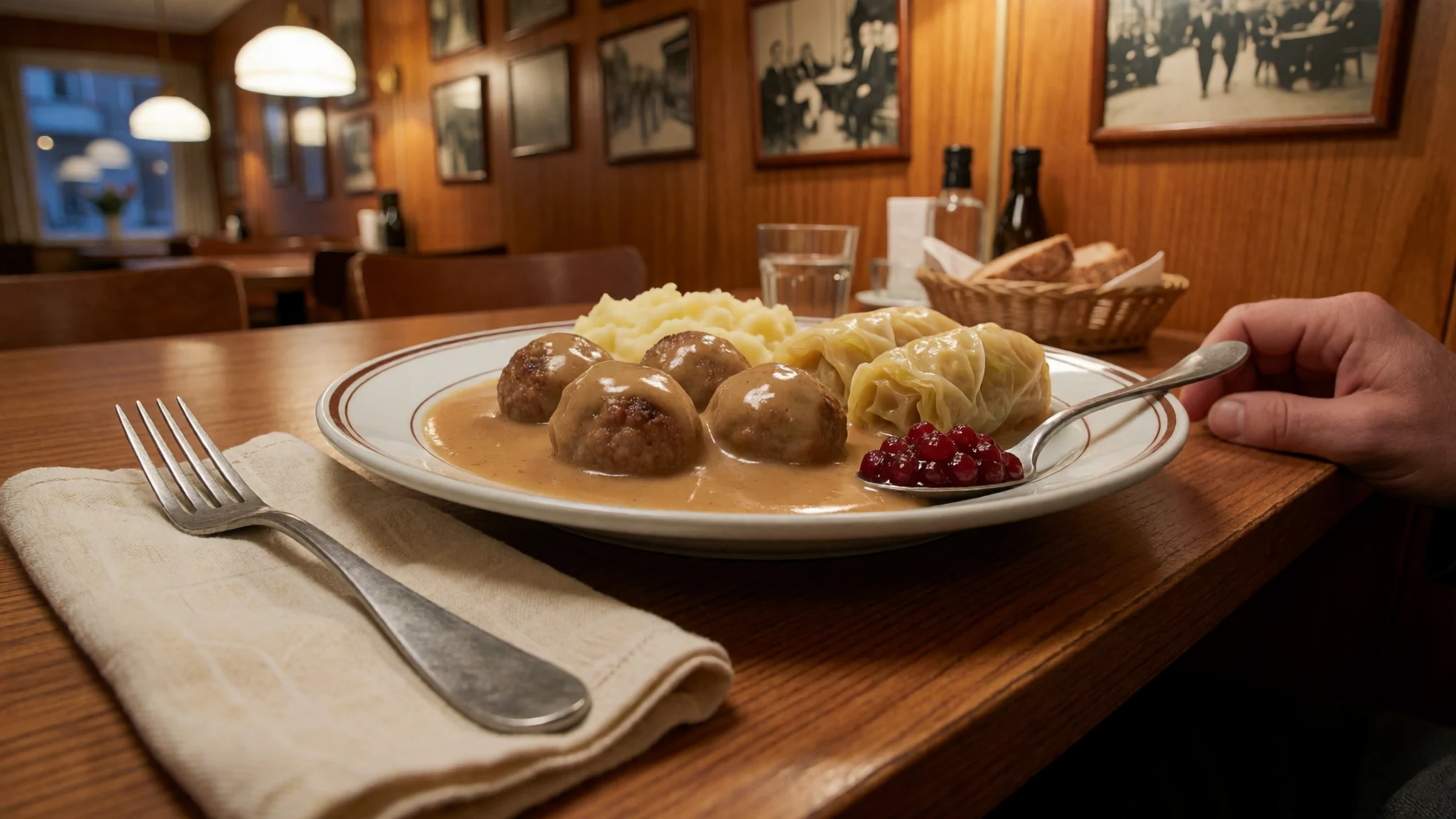
- Meatballs and cabbage rolls — Traditional restaurants in the town centre
Finnish comfort food, served with potatoes, gravy and lingonberries. Nostalgic restaurants in the centre often keep these on the menu, in a style that recalls home cooking from past decades.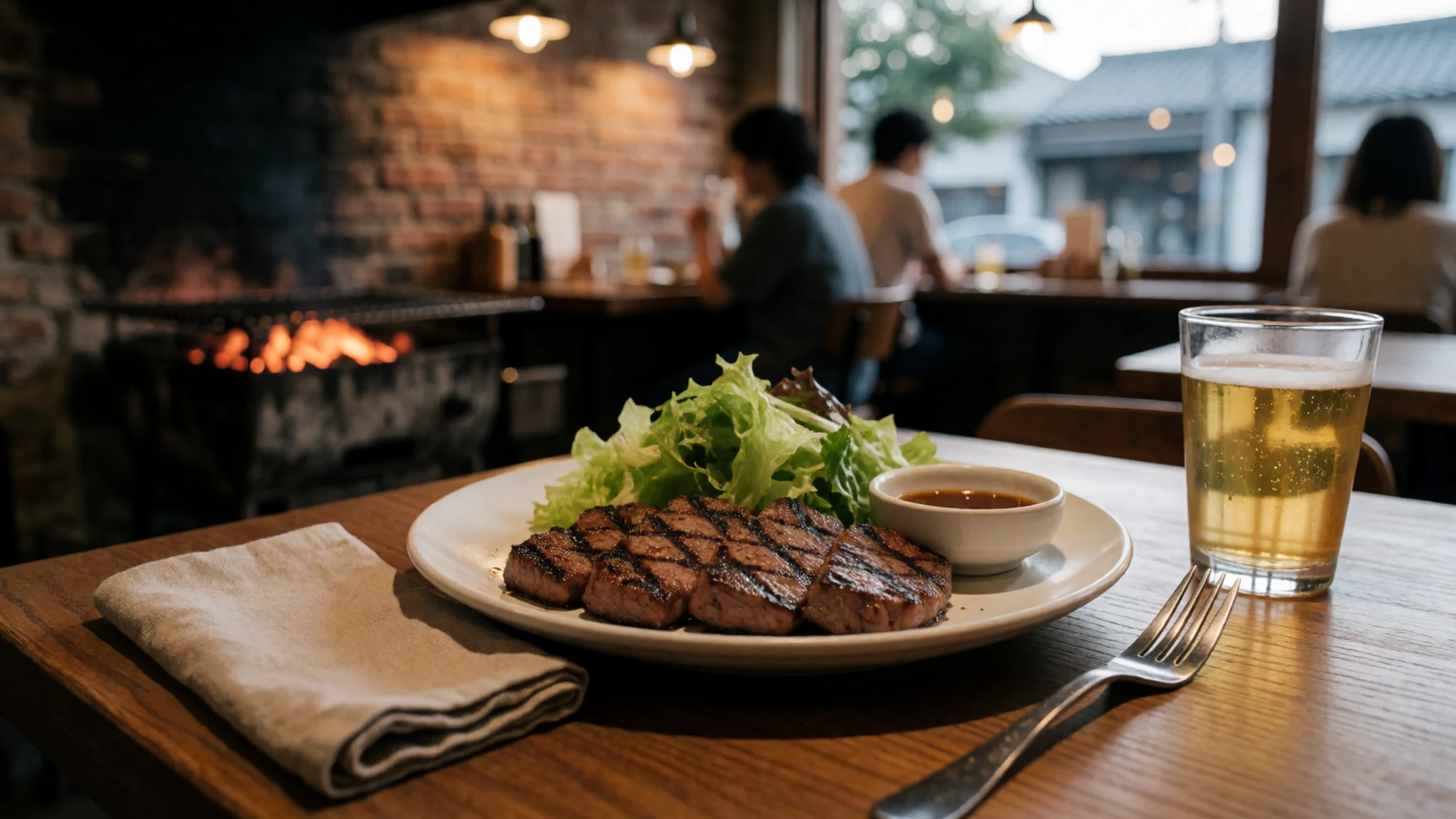
- Lake fish — Harbour restaurants and the market
Saimaa supplies perch, whitefish and vendace, served grilled, smoked or fried with dill and potatoes. Ask what is local that day; the menu often changes with the catch and the season. - Charcoal-grilled dishes — Central streets near the pedestrian zone
Several casual restaurants cook meat, burgers and vegetables over charcoal, a good option after a day outdoors. Portions are filling and the atmosphere is relaxed. - Sourdough pizza and craft beer — Harbour area taprooms
A brewery taproom near the harbour serves Neapolitan-style sourdough pizza alongside local craft drinks, with a terrace in summer. It is a popular, easy evening stop. - Lunch buffet — Waterfront lunch restaurants
Finnish lunch buffets are good value and filling, usually with soup, salads, hot dishes and bread. A historic waterfront restaurant offers one, and lunch is the best time for local eating.
Plan it
Best time. June to August for warm weather, long light evenings, the harbour terraces and beaches; February for snow, skiing and skating if you like winter. Autumn is quiet and colourful but cooler, and the town is calmest in winter.
How long. 2–3
Getting there. Lappeenranta has its own small airport, though most visitors arrive from Helsinki by VR train, which takes about two to two and a half hours to the main station. The bus station is next to the railway station. By road, highway 6 runs from Helsinki, and the border crossing at Nuijamaa lies roughly 25 km away. Rail services from Russia have been suspended since 2022.
Budget. mid
Tips
- Visit the harbour and fortress in the morning or on a summer evening for the best light
- Book trains early for lower fares, and check the VR site for current times
- Cards are accepted nearly everywhere, so you need little cash
- Hire a car or taxi for the gemstone museum and villages outside town
- Pack insect repellent for summer and thermal layers for winter
Etiquette
- Keep voices low in public spaces and on transport
- Dress modestly and ask before photographing in the Orthodox church
- Respect sauna customs and shower before entering
Nearby
Sources
- Wikidata Q181854 (CC0)
- Wikipedia: Lappeenranta (CC BY-SA 4.0)
- Wikivoyage: Lappeenranta (CC BY-SA 4.0)
- Photo: Lappeenranta Stadt und See, Clemensfranz (CC BY 3.0)
- Photo: Lappeenranta Landscape, Toni (CC BY-SA 4.0)
- Photo: Map of Lappeenranta 1894 (Public domain)
- Photo: Harbour autumn, Japsi2 (CC BY 3.0)
- Photo: Kävelykatu Oleksi, Nokkatölkki (CC BY-SA 4.0)
- Photo: Lappeenranta, Finland panoramio, Николай Кузьмин (CC BY 3.0)
- Photo: Damebandy, Scissorhill (Public domain)
- Photo: Flughafen Lappeenranta, Smertsch (CC BY-SA 1.0)


