Häme Castle
Häme Castle, Finland
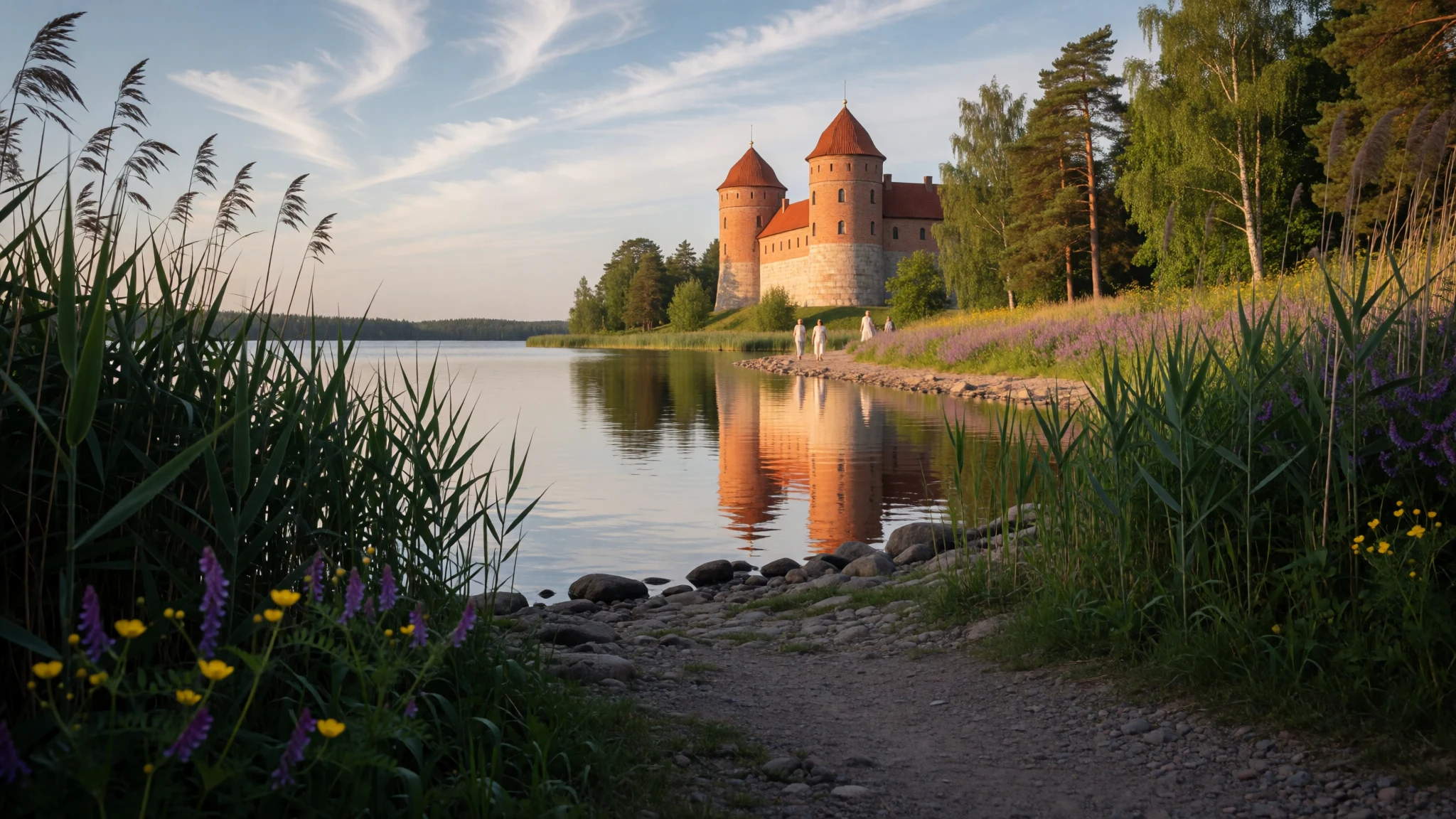
Häme Castle is a red-brick medieval fortress on a Finnish lake shore, easy from Helsinki and worth pairing with Sibelius and Aulanko.
The place
Häme Castle (Hämeen linna in Finnish, Tavastehus slott in Swedish) stands in Hämeenlinna, the town that lies between Helsinki and Tampere in southern Finland. The site is about 93 m above sea level, at the edge of lake Vanajavesi. It once stood on an island, but the shoreline has shifted and the fortress now sits on the mainland, ringed by a moat. The plan is easy to read: a heavy central keep, with a lower curtain wall wrapped around it. Two turrets still crown the keep, though it once carried more. The outer wall has an entrance block with defensive walkways, a round tower for guns and an eight-sided corner tower in brick. Colour tells the building's age in layers, with granite blocks forming the lower stages and red brick laid on top. From the opposite shore across the narrow strait, the red upper walls against water and trees make the classic view. Today it is a museum run by the national heritage agency, and its courtyard and halls also host events, including Renaissance-style fairs. The town has grown up around it, so the castle works as the centre of Hämeenlinna rather than a remote ruin. Helsinki is close enough for a day trip, though the lakeside paths and parks nearby reward a slower stay. The foundation is usually given as c. 1300, though scholars argue over it. Summer brings the most life; winter is quiet, dark and cold.
Its story
Häme Castle has an uncertain birth date. Tradition links it to Birger Jarl's Swedish crusade in the mid-13th century, yet no archaeological find from the site can be firmly placed before the 1320s. A rival fortress at Hakoinen, a short way off, complicates matters further: a royal document from 1308 lists only one castle in Häme, and a Novgorod chronicle describing a raid in 1311 seems to fit Hakoinen better. Historians therefore treat the founding as roughly c. 1300 and keep arguing about the detail. Through its long Swedish period the castle was a military post and a residence for nobles, but later attention moved to the southern Baltic and the building was left to decay. Some repairs were made in the seventeenth century, the same century the settlement beside it was given city status as Hämeenlinna. Russian forces held the castle for a short time during the Great Northern War. After the Finnish War, when Finland became a grand duchy under Russia, the building was converted to a prison, a role it kept until 1953, when a major restoration began. It has been open as a public museum since 1979, and visitors now walk through rooms that once held prisoners and nobles alike. That layered past is the real draw: granite below, brick above, and a story that still has open questions.
What to see
- Häme Castle
The castle itself is the reason for the trip. Granite lower walls give way to red brick above, and the keep, courtyard and curtain wall can be explored as a museum, with guided tours on offer. Check the official site for opening arrangements, as events and fairs sometimes change what is open. The best photographs are taken from across the strait.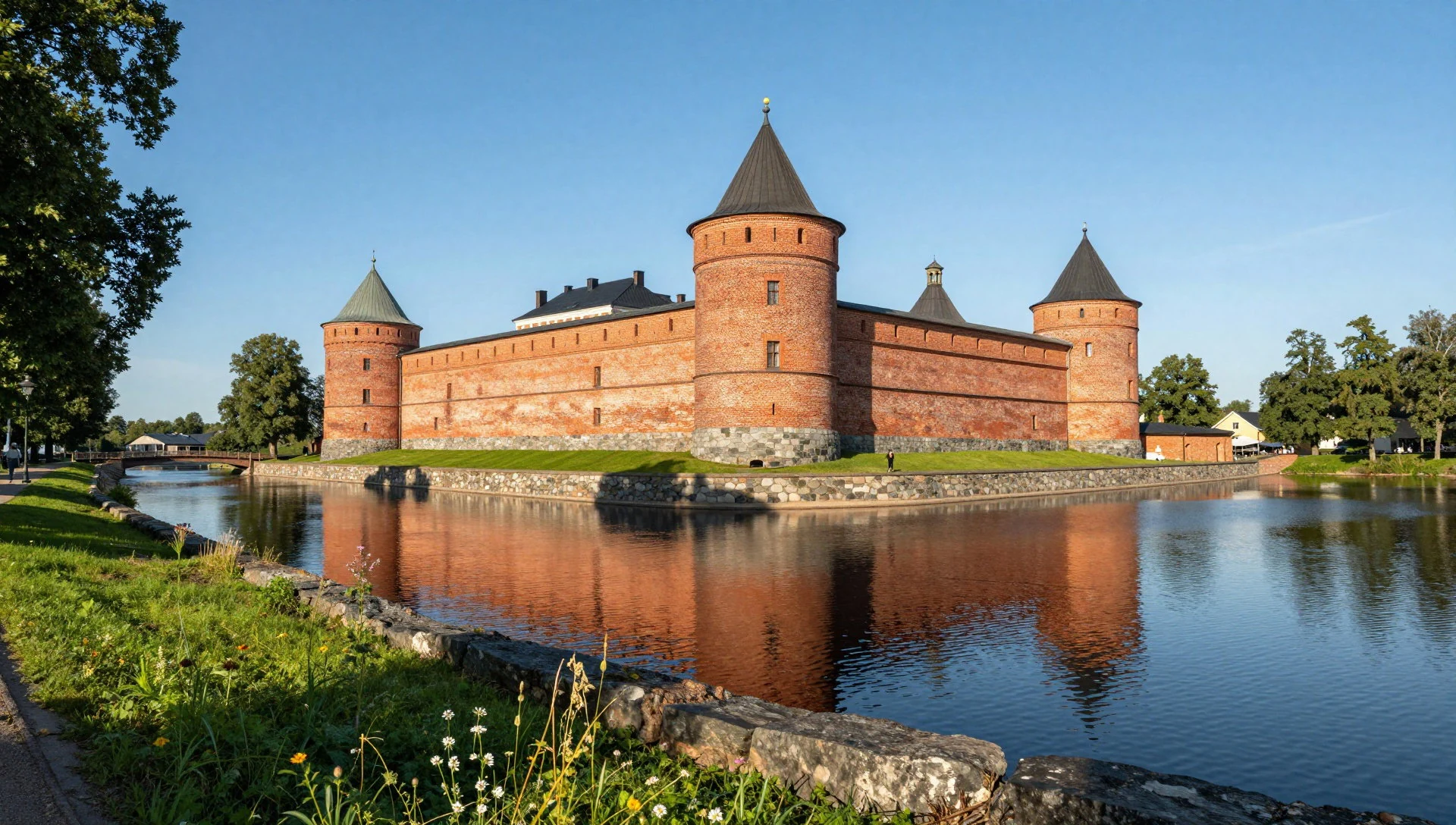
- Sibelius birthplace
The composer Jean Sibelius was born in Hämeenlinna, and his birthplace on Hallituskatu is now a small museum about his childhood. The old wooden house survives between larger modern buildings, which makes it easy to walk past. It suits a short, quiet visit after the castle, especially for anyone who knows his music.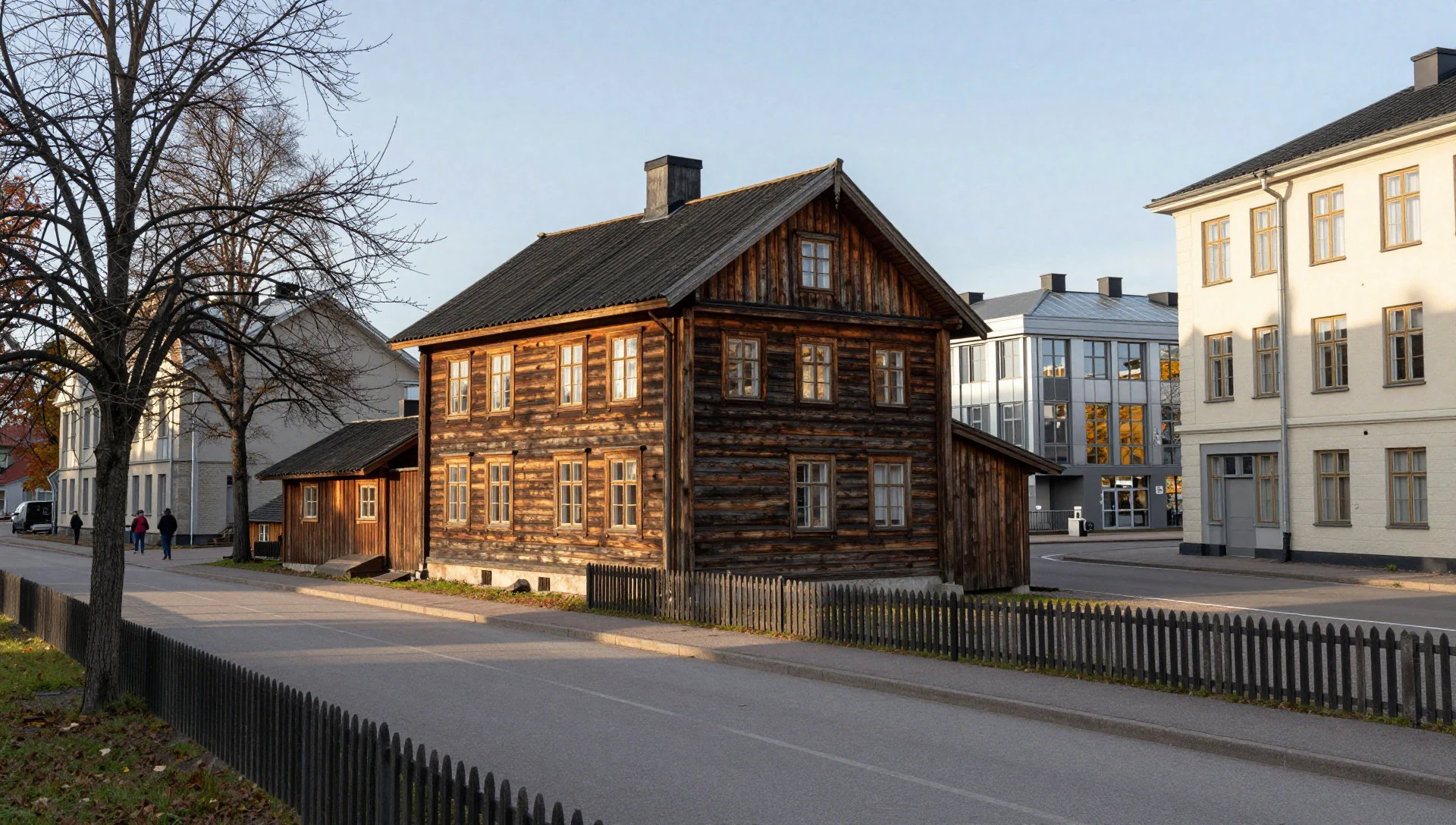
- Aulanko Nature Park
Aulanko is a landscaped park just north of the town centre, shaped in the late nineteenth and early twentieth centuries with an observation tower, stone buildings, artificial ponds and unusual plants. Paths wind through forest and along water, so it works for a long walk or a gentle half day in any season.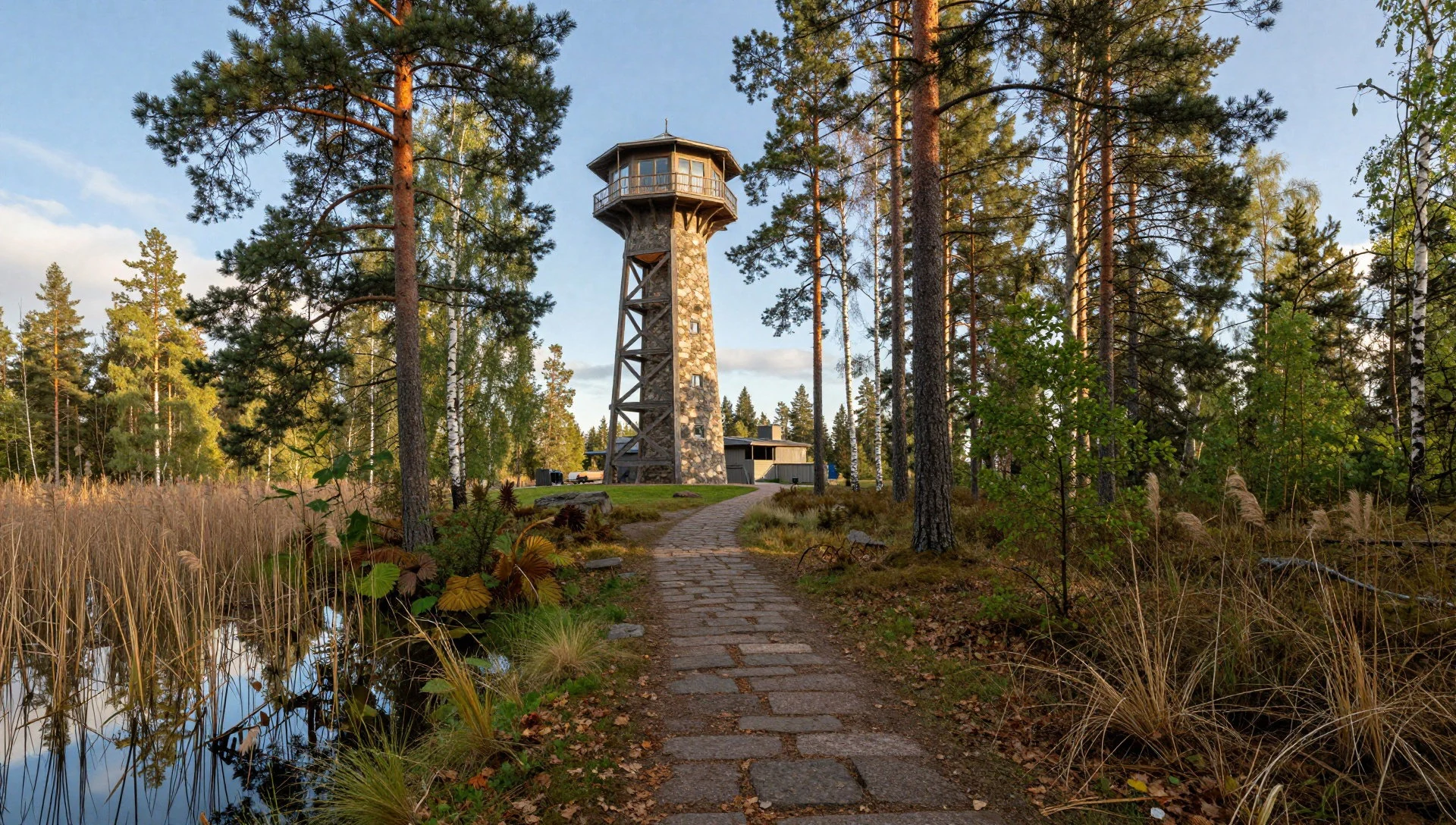
- Holy Cross Church
The Holy Cross Church lies north-west of the centre, a medieval Gothic building made mostly of red brick. Inside are paintings and sculptures that reward a slow look. It is a good companion to the castle for anyone who likes brick Gothic architecture. Check local listings for visiting times, since parish churches vary.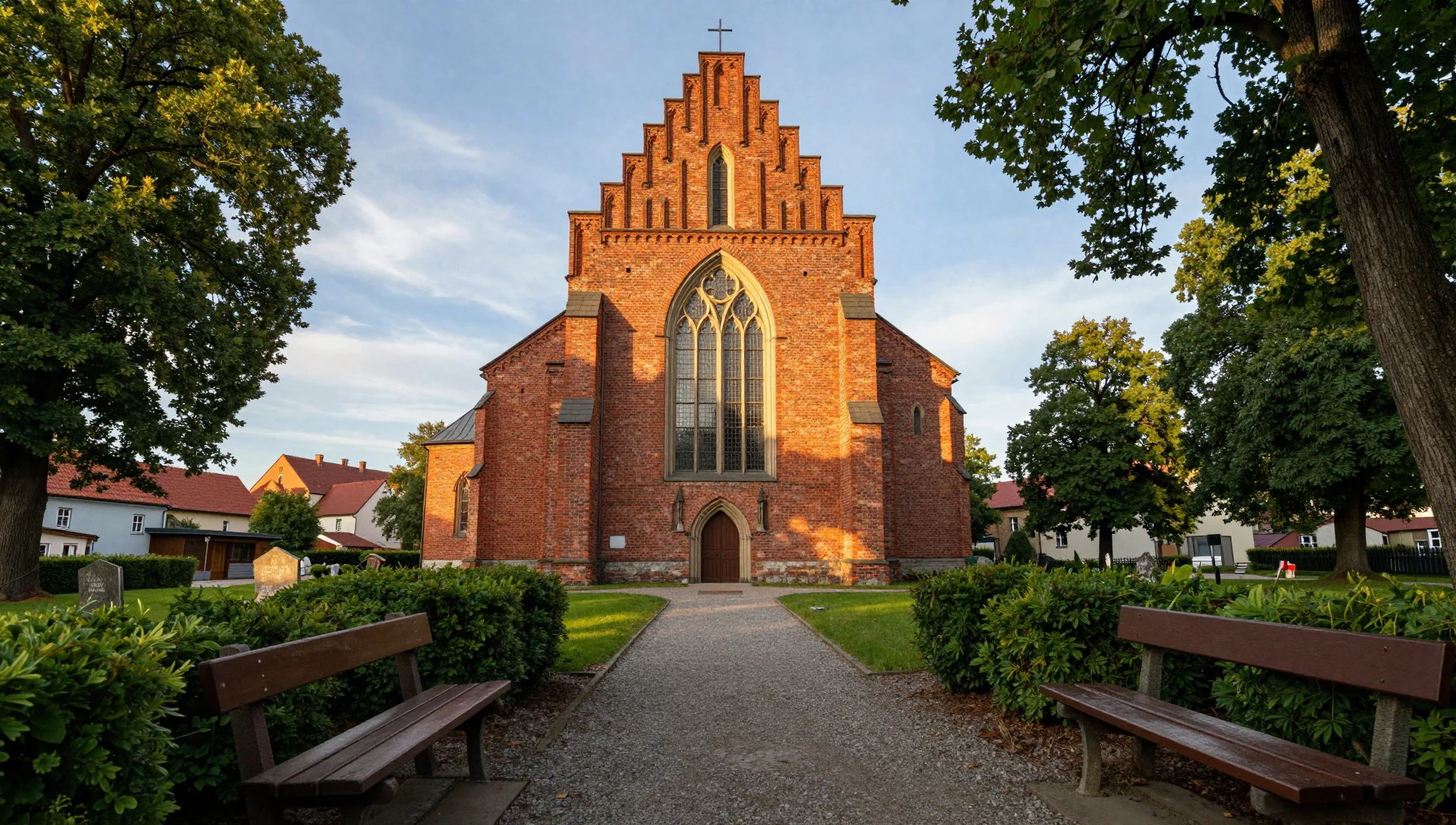
- Lake cruise with Hopealinjat
Hopealinjat runs lake cruises from Hämeenlinna, from short outings to longer route trips towards Tampere or Visavuori with stops along the way. Seeing the castle and shoreline from the water in summer gives a different sense of why the site was chosen. Food can be added on board; check the operator's site for timetables.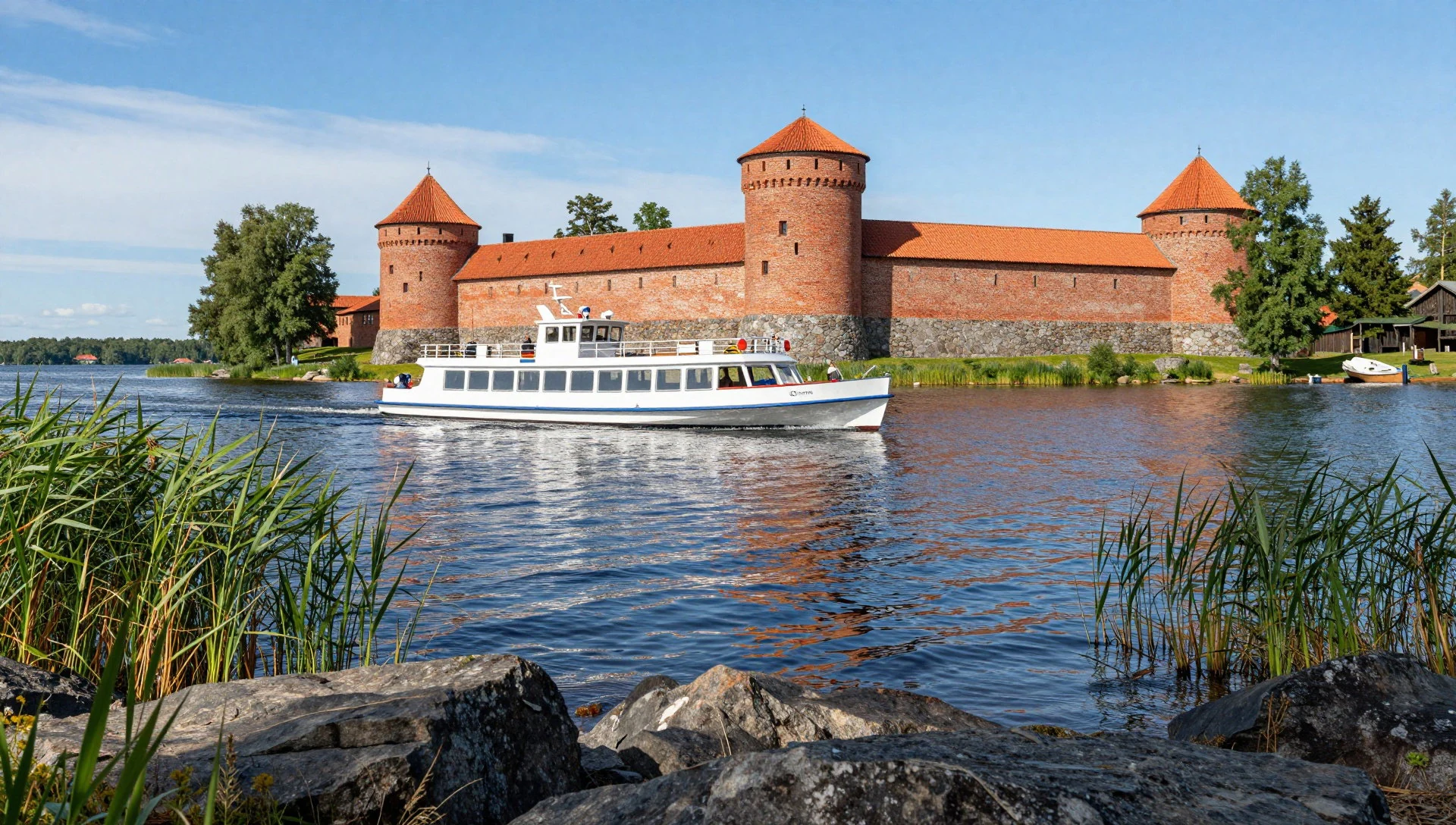
Culture
Häme Castle sits in the old province of Häme, also called Tavastia in English, and local identity here is tied to the lake country and to the fortress that gave the city its name. Finnish manners are reserved rather than cold: people value quiet, personal space and punctuality, and conversations tend to be direct and short. Silence on a bus or in a lift is normal, not rude. Nature is part of daily life, with lakes, forest paths and the sauna central to how Finns relax, and the castle's lakeside setting fits that habit of walking by water. Music matters in Hämeenlinna, thanks to Jean Sibelius, who was born in the town, and concerts, fairs and Renaissance-style events use the castle as a stage in the warmer months. The building's later life as a prison still shapes how the place is presented: it is a heritage site first, with sober exhibitions and guided tours rather than theme-park staging. Finnish is the main language, with Swedish as the second national language, and English is widely understood. In the castle's rooms and courtyard, keep your voice low, follow the museum's signs about photography and touching the old walls, and wait your turn on narrow stairs.
What to wear
Around Häme Castle, traditional dress means the regional national costumes known as kansallispuku, made from wool, linen and sometimes silk, with embroidered aprons, bodices and headwear that differ by area. They are worn mainly on special days such as weddings, folk-dance performances, Midsummer and heritage events, and at the castle's Renaissance fairs some visitors and performers dress in period clothing. Everyday wear in Hämeenlinna is practical and understated: dark or muted colours, jeans, knitwear and technical jackets, with good boots in winter and trainers in summer. Finns dress for the weather rather than for show, and hiking gear on a town street draws no attention. Visitors should dress in layers. Summer is mild but can turn cool and wet by the lake, so carry a light waterproof, and in the cold months bring a warm coat, hat, gloves and shoes with a good grip, since the courtyard and paths can be icy. The castle has uneven stone and cobbles, so flat, sturdy footwear is better than heels. Stone rooms stay cool even in warm weather, so a thin sweater is useful. No special modesty rules apply to the castle, though covered shoulders and knees are a courteous choice when stepping into a church.
What to eat
- Hotsi — grill kiosks in the town centre
Hotsi is Hämeenlinna's own version of the hot dog, sold from grill kiosks around town. It is more a cheap, quick snack than a destination meal, but it is the nearest thing to a local speciality on offer.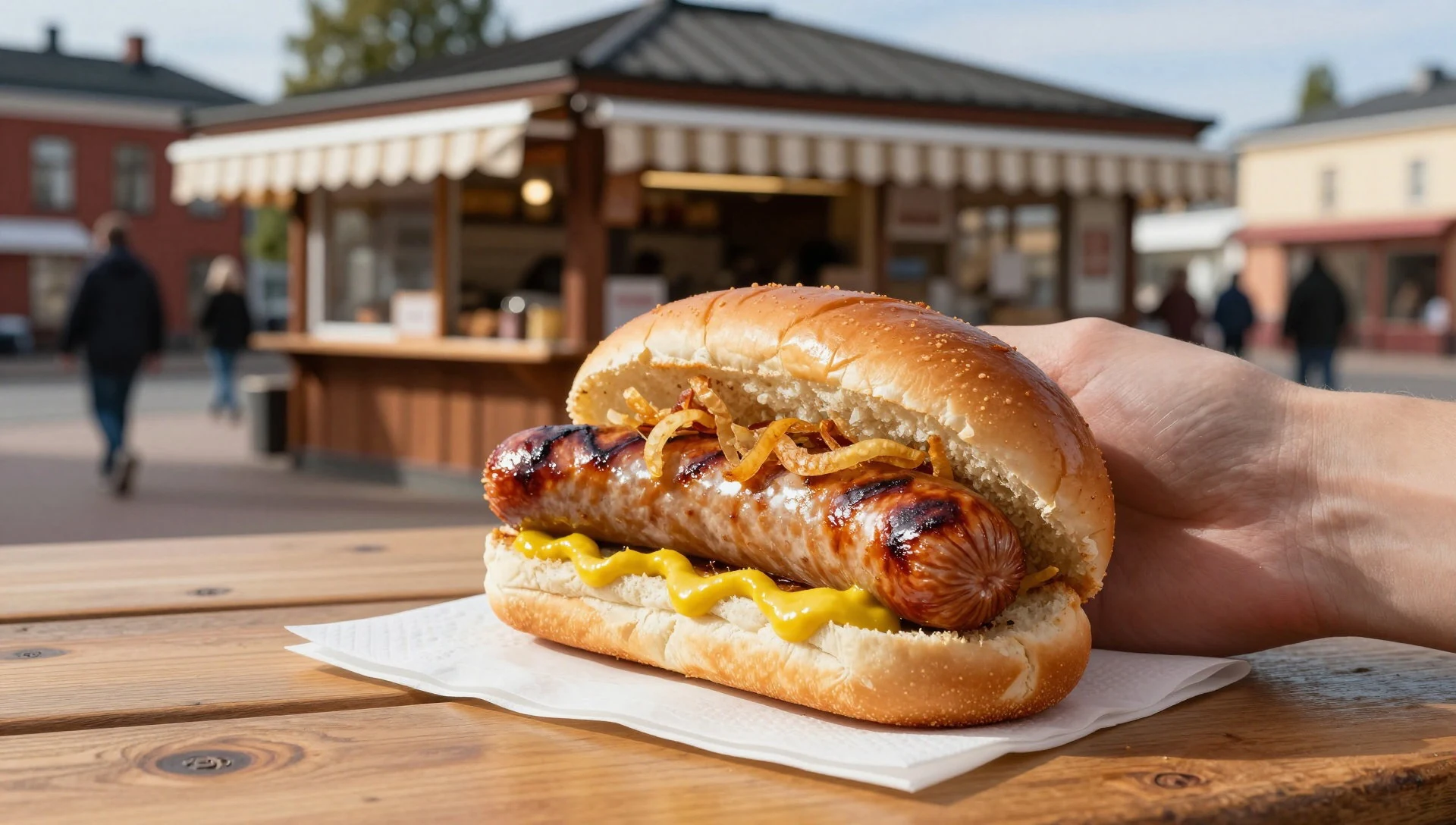
- Lohikeitto (salmon soup) — lunch restaurants around the town centre
Lohikeitto is a creamy salmon soup with potato, dill and leek, a staple of Finnish lunch menus. Many eateries serve it with rye bread. A good choice on a cold or wet day after walking the castle walls.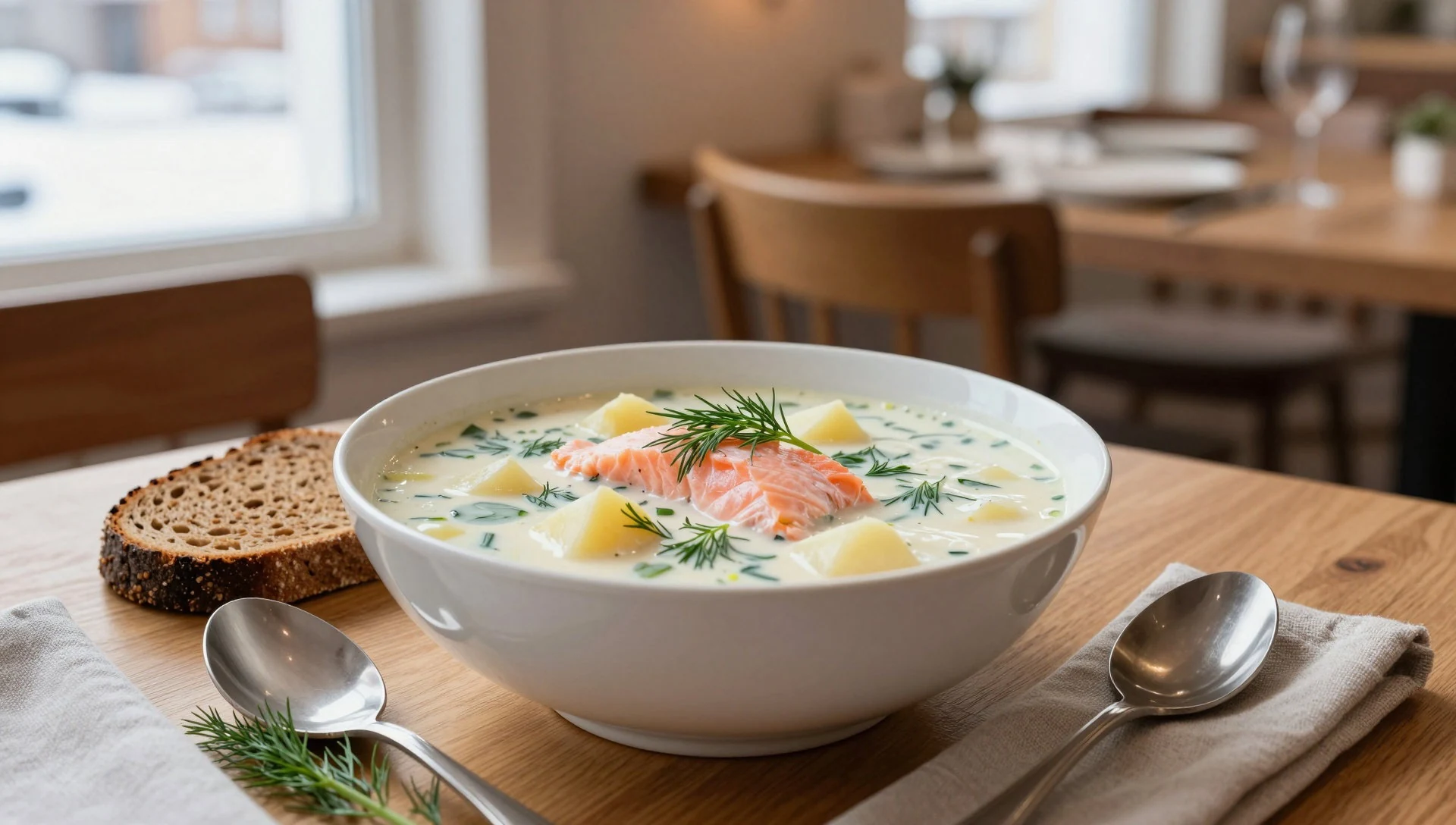
- Home-cooked lunch (lounas) — lunch restaurants in the centre and near the old barracks area
Many Hämeenlinna eateries serve a weekday lunch of home-style Finnish dishes, often with salad, bread and a drink included. Expect meat or fish with potatoes and sauce, a simple and filling way to eat well. Some sit in historic buildings, including former barracks. - Karjalanpiirakka — bakeries and the market square
Karjalanpiirakka is a thin rye pastry filled with rice porridge, usually topped with egg butter. It is sold in bakeries and supermarkets across Finland, and makes a portable breakfast or picnic snack for a walk to Aulanko. - Pulla and coffee — cafés near the market square
Pulla is a cardamom-scented sweet bun, served with coffee in cafés across Finland. A coffee break is a daily ritual, and a café near the market square or by the church is a pleasant place to rest after the castle.
Plan it
Best time. June to August for long daylight, mild weather and lake boats; May and September are quieter and still pleasant. Winter is cold and dark, though the castle looks striking in snow.
How long. 1–2
Getting there. Most visitors fly into Helsinki and continue by train on the western main line to Hämeenlinna; intercity buses and the motorway north from Helsinki also serve the town. For the last stretch from the station to the castle, check local bus and taxi options. In summer a lake boat from Tampere is possible but slow.
Budget. mid
Tips
- Check the official site (https://www.kansallismuseo.fi/fi/haemeenlinna) for opening arrangements and guided tours before travelling
- Pick a summer weekday for fewer crowds, or check event dates if the Renaissance fairs are the draw
- Photograph the castle from across the strait for the classic view
- Carry a light waterproof, as lake weather changes quickly
- Pair the castle with Aulanko park or a lake cruise to fill a second day
Etiquette
- Keep voices low inside the castle and follow signs on photography and touching walls
- Queue patiently and give people personal space on narrow stairs and in small rooms
- Ask staff before using flash or tripods
Nearby
Sources
- Wikidata Q1012561 (CC0)
- Wikipedia: Häme Castle (rev 1377960575) (CC BY-SA 4.0)
- Wikivoyage: Hämeenlinna (rev 5427010) (CC BY-SA 4.0)
- Häme Castle in Hämeenlinna, viewed from Varikonniemi across Linnansalmi (Kanta-Hämeen kuvapankki) (CC0 1.0)
- Suecia 3-126; Tavastehus from the west (unknown author) (Public domain)
- Hämeen linna (Mikkoau) (CC BY-SA 4.0)
- Lake Vanajavesi and Häme Castle from air (Janne Räkköläinen) (CC BY-SA 2.0)
- Häme Castle (Ninara) (CC BY 2.5)
- Restored roof of King's Hall in the Castle of Hame (RicHard-59) (CC BY-SA 4.0)
- Hämeen linna, Hämeenlinna, Finland 48934377898 (Kanta-Hämeen kuvapankki) (CC0 1.0)
- Hämeen linna, Hämeenlinna, Finland 48934924531 (Kanta-Hämeen kuvapankki) (CC0 1.0)


