Lemmenjoki National Park
Lemmenjoki National Park, Finland
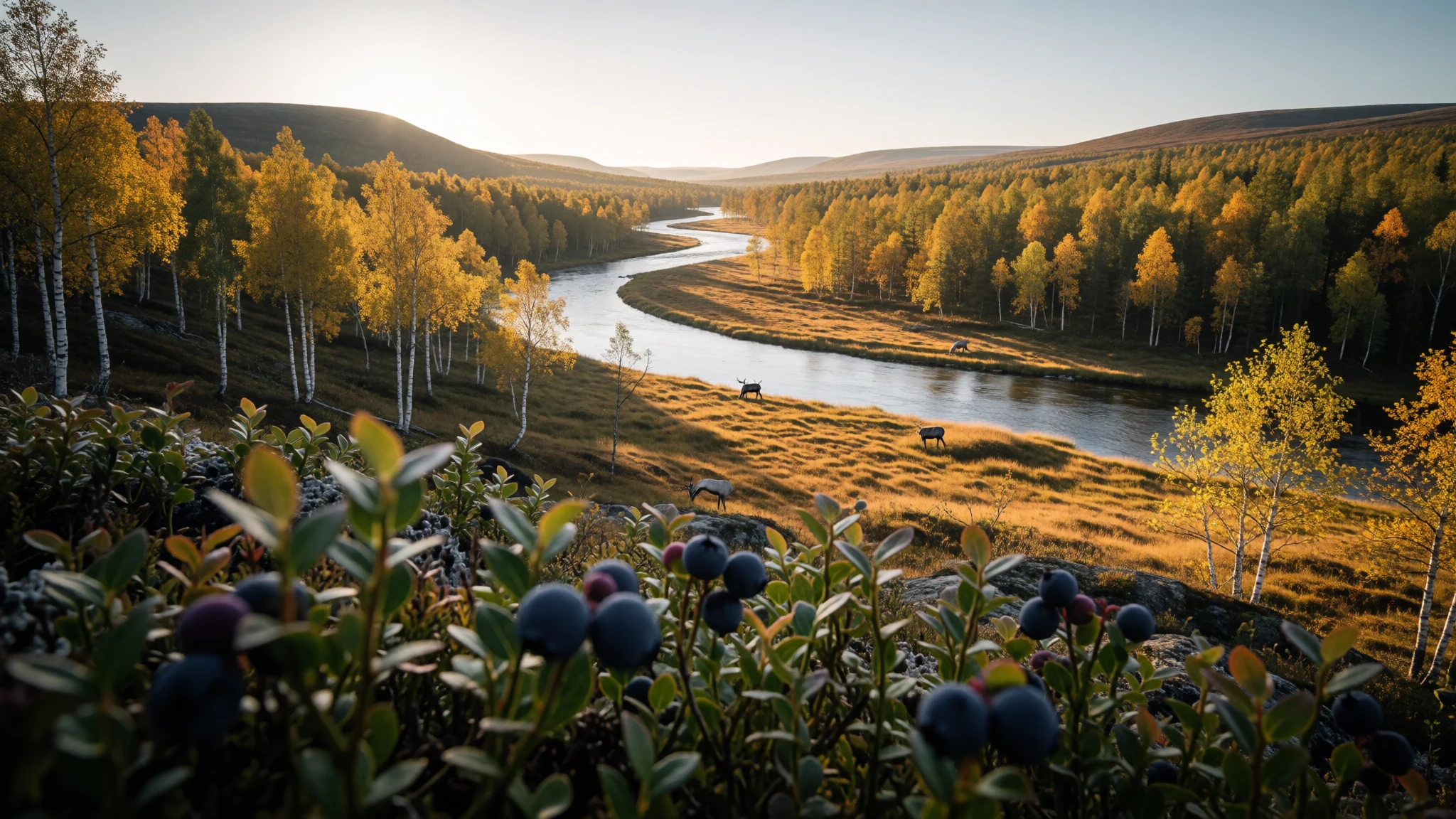
Lemmenjoki feels properly remote: a big Lapland river valley with wilderness huts, canoe routes and the kind of quiet you can hear.
The place
Lemmenjoki National Park (Lemmenjoen kansallispuisto) sits in Lapland, in the municipalities of Inari and Kittilä in northern Finland. It’s named for the Lemmenjoki River, which runs through the park and helps shape everything: the valley views, the wetlands, and the long stretches where boat travel makes sense. The park was founded in 1956, and since then it has been expanded twice.
What stands out is how the landscape switches between “recreational zone” and “remote zone”. Near the main valley areas there are marked trails, nature trails, huts and visitor services, with the river acting like a natural route through the forest. Go farther away and the vibe changes: fewer hikers, more open wilderness, and a slower rhythm where planning matters more than improvising.
Crowds are light by default. Most visitors are backpackers, and the numbered feel of a well-trodden itinerary is missing—you’ll share the wider river area with others on popular routes, then spread out quickly. The gold theme also adds texture. In summer, people still dig at claims in the area, and the park’s history of airstrips and small landing fields reflects how practical this region has always been.
Seasonal timing matters because Lapland weather can turn fast. Even when conditions are workable, Lemmenjoki rewards patient travel: boots on, layers ready, and a willingness to spend time moving between huts, viewpoints and river bends.
Its story
Lemmenjoki National Park is the sort of place that makes a person feel small in a good way. The Lemmenjoki River valley pulls you in—partly because water travel is genuinely useful here, and partly because the forest keeps showing new angles as the light shifts. On a calmer day, mornings along the river feel almost stage-set: mist in the trees, slow colour changes on the water, and the quiet that only arrives when you’re far enough from roads.
The park’s history adds another layer. Gold digging isn’t just a dusty label in a museum; the area still sees people out in summer, working claims and keeping a tradition alive. That practical frontier story also connects to aviation—small airfields exist for landing or take-off with propeller aircraft, a reminder that “access” in this part of Lapland has always been about flexible routes.
Then there’s the modern visitor rhythm. Many hikers bounce between wilderness huts and marked paths, while canoe routes follow river stretches that can be enjoyed as a multi-day commitment or (depending on the route) as a longer day in motion. In the recreational zone the infrastructure is there—designated fireplaces, huts and trails—so travel feels doable. In the remote zone, you rely more on your gear, your judgement and your ability to read conditions.
The best days in Lemmenjoki don’t feel scheduled. They feel earned: a hut reached before dark, a waterfall sighted on the way through, and a final stretch on the water that makes the cold air seem worth it.
What to see
- Ravadasköngäs Waterfall — Lemmenjoki River area
Ravadasköngäs Waterfall is a classic stop in Lemmenjoki’s river landscape—one of those places where the terrain suddenly makes sense. Expect moving water sounds, wet rocks and a short walk feeling longer in cool wind.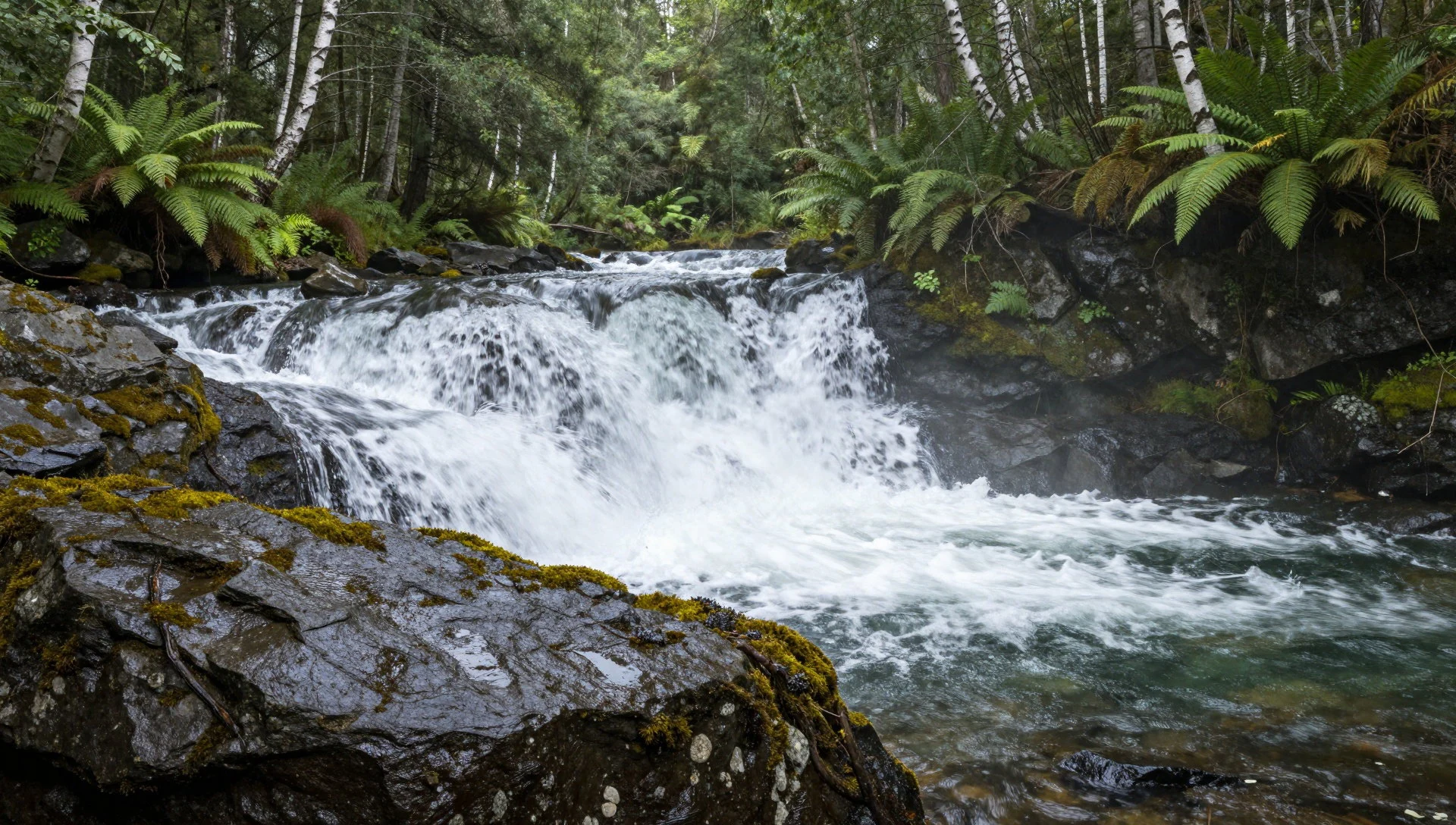
- Sallivaara Reindeer Round-up Site — Trail to Sallivaara round-up site (from Repojoki), southern edge area
Sallivaara is tied to the local reindeer round-up tradition, reached via a trail from Repojoki. Visiting here is more about the setting and the seasonal work than ticking off a viewpoint—time outdoors, plus a chance to watch routines unfold.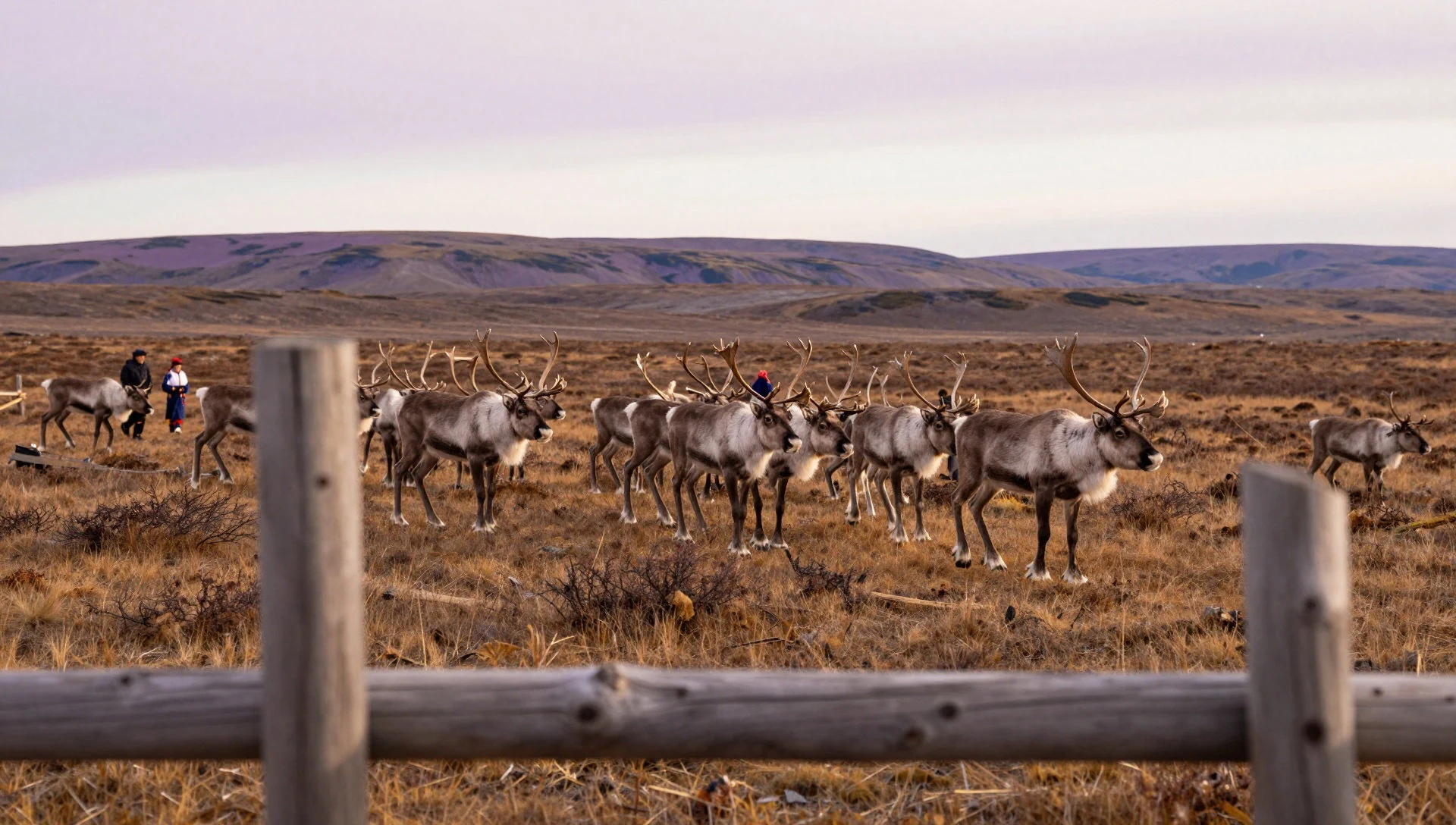
- Lemmenjoki River Valley & trail network — Recreational zone along the Lemmenjoki River valley
The Lemmenjoki River valley is the spine of the park, with marked hiking paths and nature trails in the recreational zone. From hut to river bend, the walking tends to feel connected—easy to start from main access points and gradually move outward.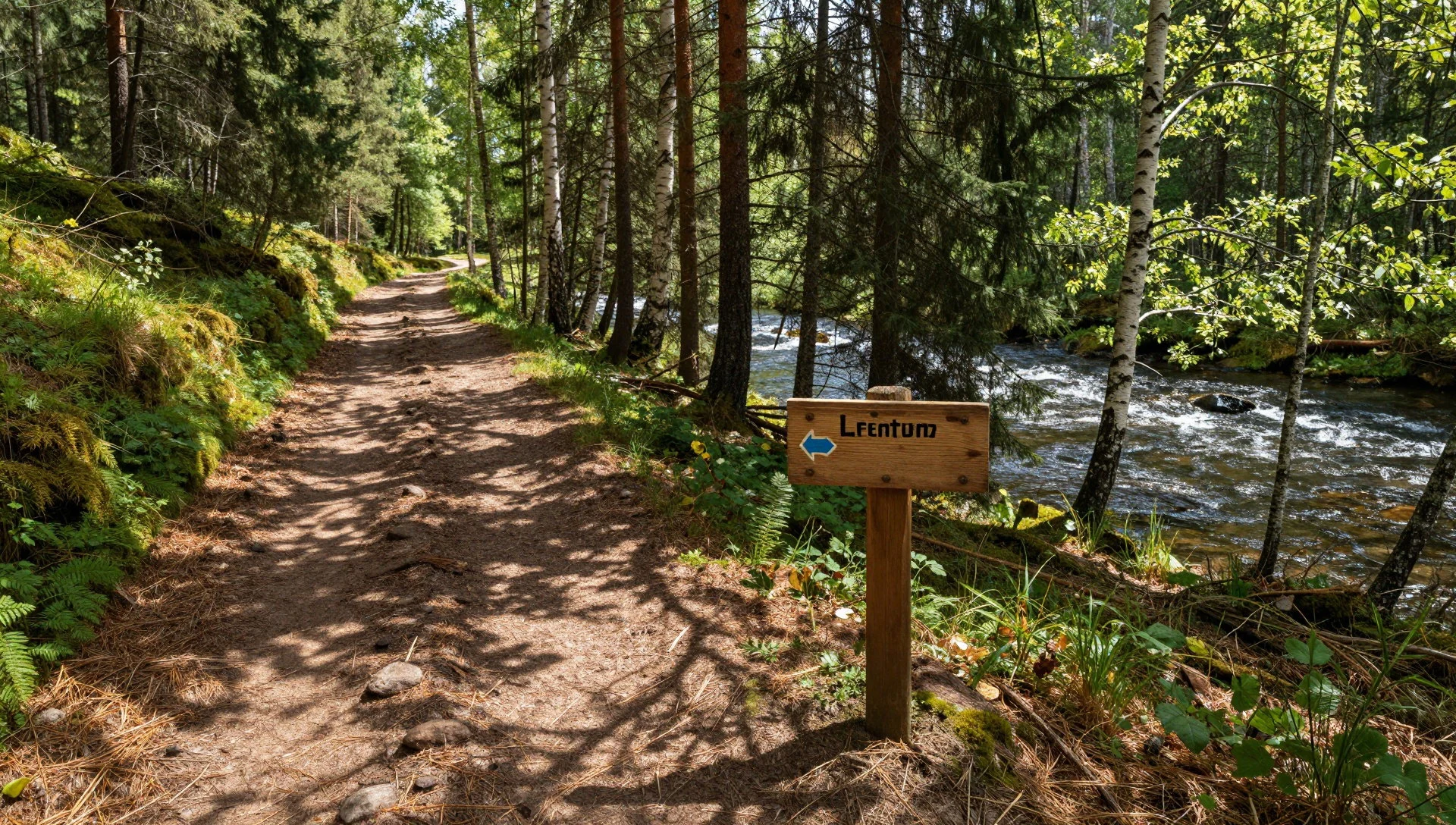
- Gold digging grounds — Gold-digging area near Lemmenjoki River valley
Gold digging grounds sit within the wider Lemmenjoki area, where summer visitors may see people working claims. Even if you don’t pan yourself, the sites make the park feel lived-in—less wilderness fantasy, more frontier landscape.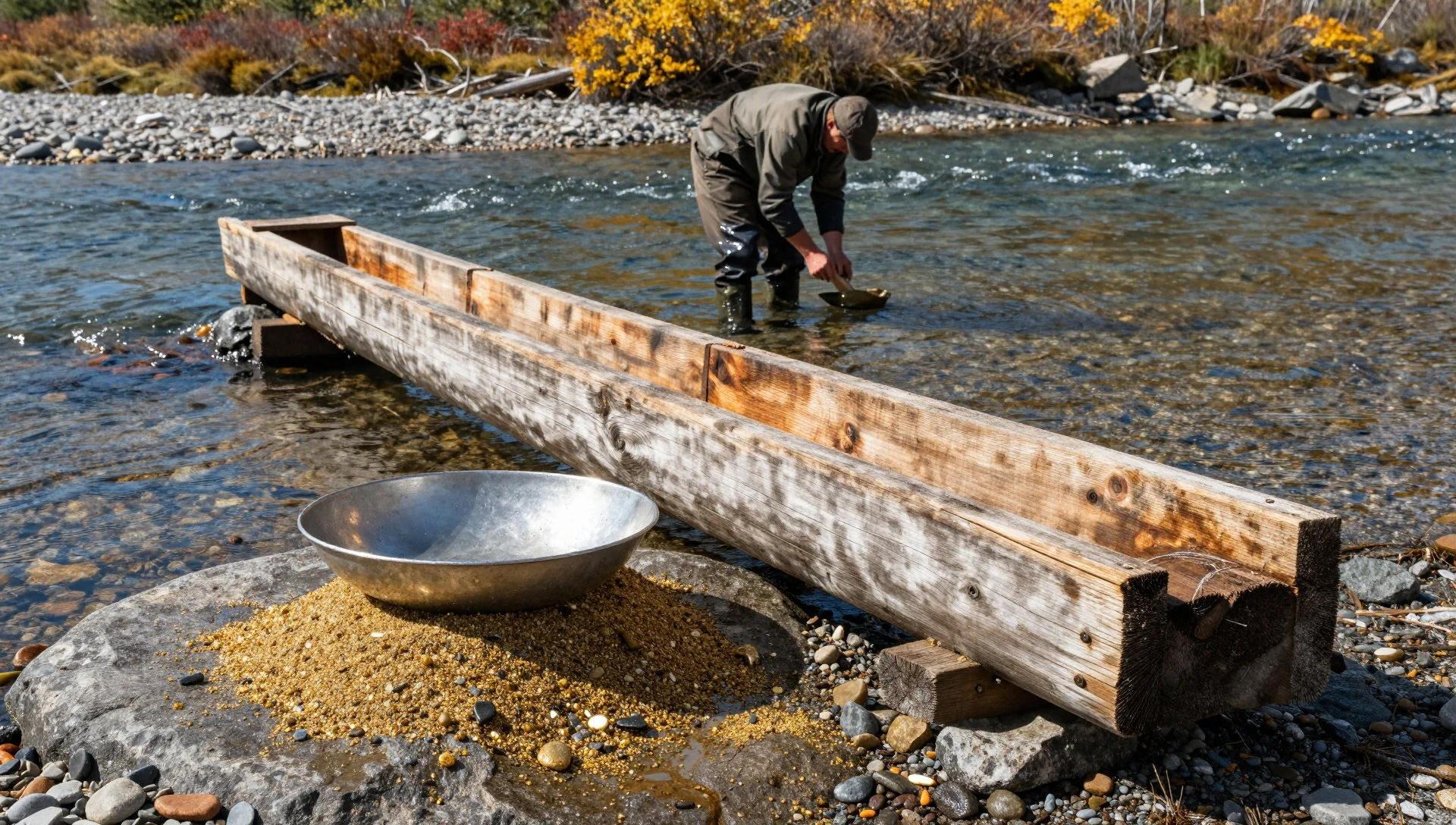
- Karhu-Korhonen library — Karhu-Korhonen library area near an old airstrip service building
The Karhu-Korhonen library is a small former airstrip service building turned into a library, created as an 80-years birthday present for Karhu-Korhonen. It’s an odd, charming link between aviation history and everyday quiet browsing.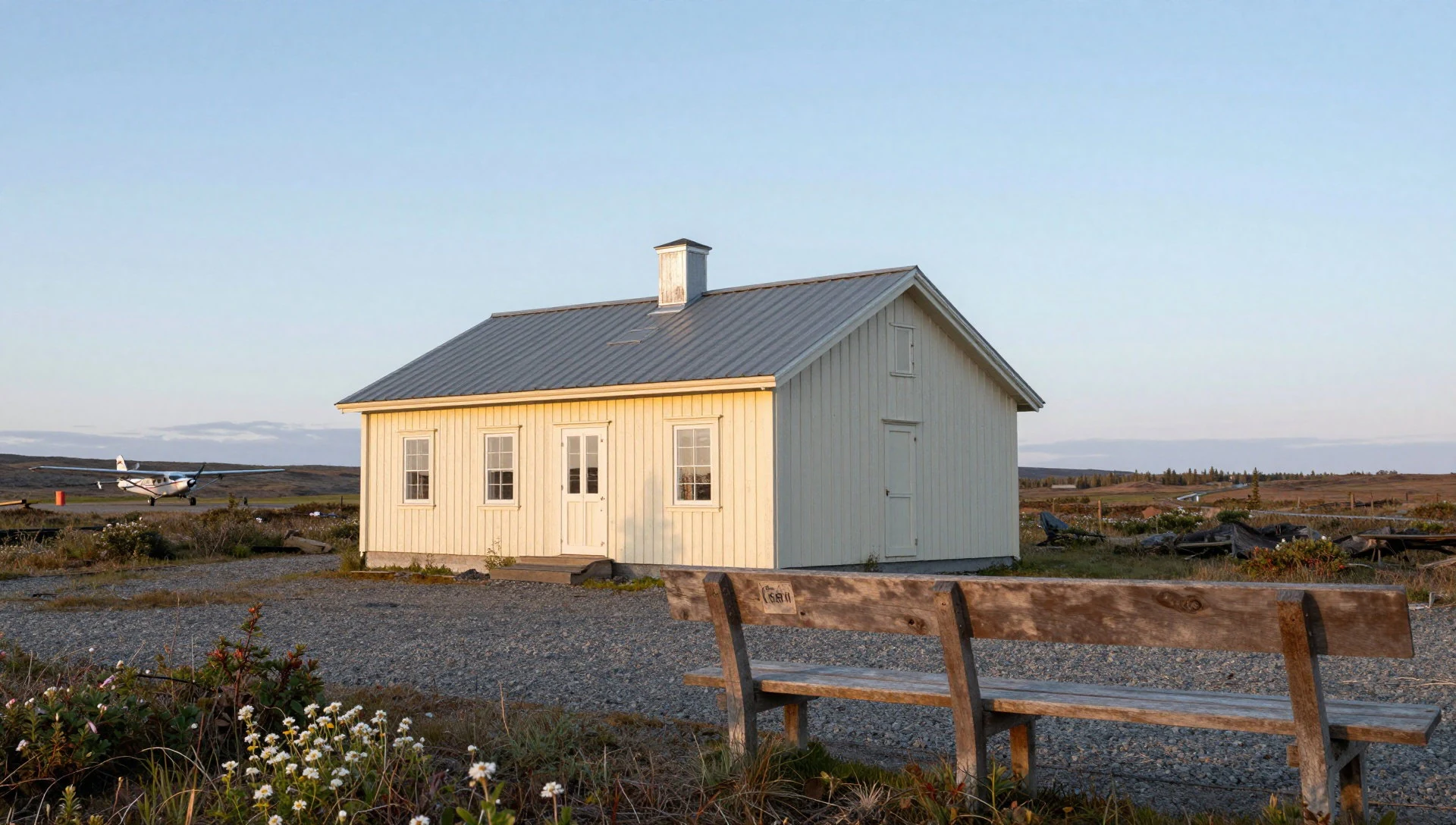
- Boating and canoe routes on Lemmenjoki — Lemmenjoki River route (including Njurkulahti–Kultasatama canoe route)
Boating and canoeing are built into the way Lemmenjoki is explored. Motorboat trips can be shorter or longer, and canoe routes run along the river, covering distances that suit both confident day travel and multi-day plans.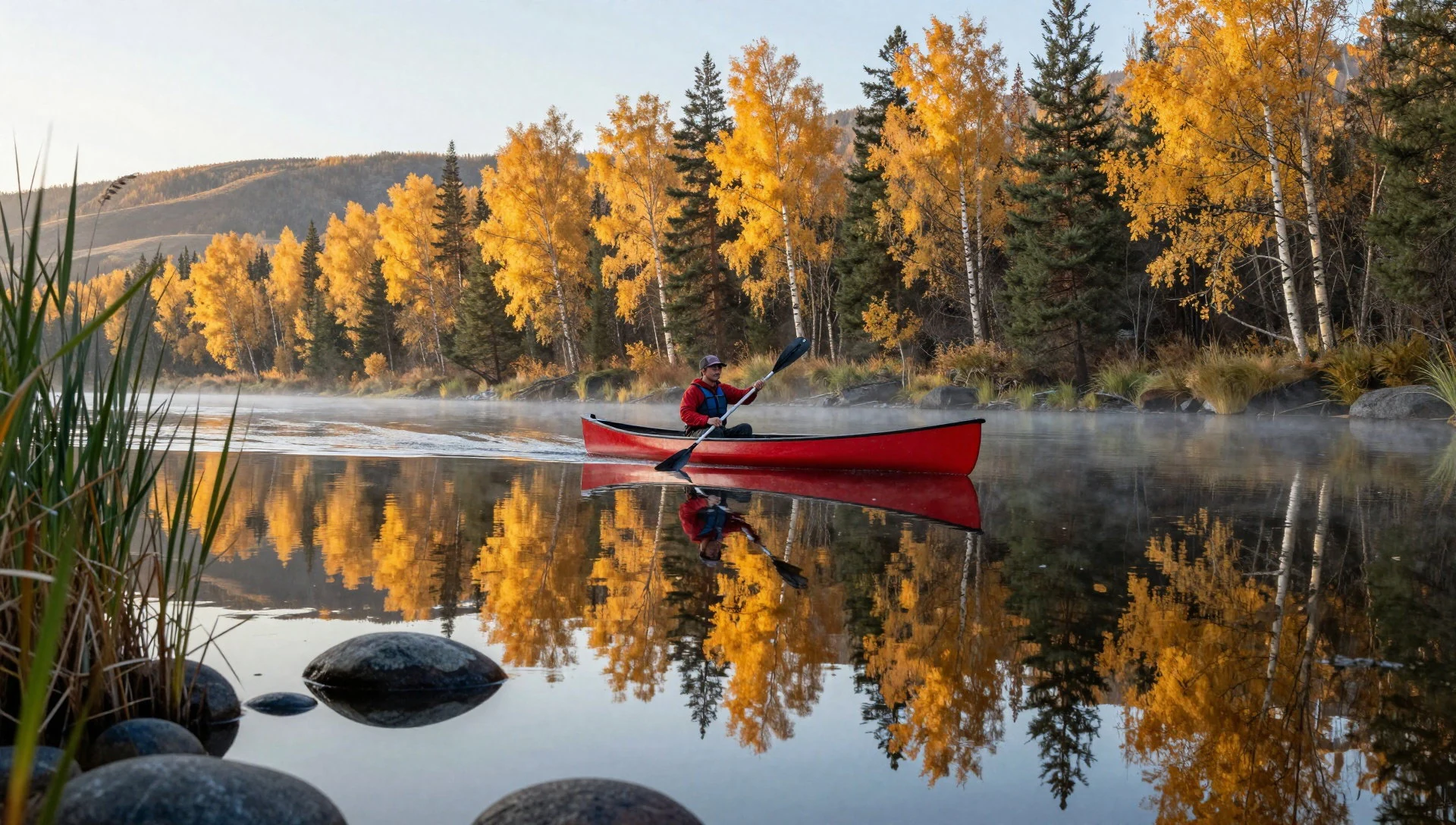
Culture
Lemmenjoki National Park’s culture is strongly shaped by season, craft and the way people live with the land. Reindeer herding is part of the region’s ongoing story, and sites such as the Sallivaara round-up area connect visitors to that seasonal work. Gold digging adds another human thread: in summer, the park still hosts activity on claims, continuing a legacy tied to past rushes and frontier settlement.
Daily “culture” for visitors is mostly about self-reliance. The park includes free wilderness huts and also some bookable, chargeable huts, and travellers often plan around where stoves, fireplaces and river access make the next day easier. Even in the recreational zone, where trails and huts are set up for visitors, being prepared matters—especially when you’re moving away from obvious routes.
It’s also worth respecting how quietly the landscape behaves. This is not a place for loud groups or litter-hunting. Locals and other hikers typically share space with a sense of consideration, from how you queue on a short trail section to how you move through hut areas.
Visitor etiquette: keep noise down, follow marked routes, and in huts and shelters leave areas tidy so the next group can settle in quickly.
What to wear
Traditional dress in this part of Finland is often associated with Sami clothing, typically built around layered textiles designed for outdoor life. You’ll see colours and patterned elements used in traditional garments, alongside practical winter materials suited to cold and wet conditions. The exact look varies by group and occasion, but the common theme is warmth through layering and sturdy fabric.
What people actually wear day to day in and around Lemmenjoki is more about weatherproof practicality than display. In cool shoulder seasons, expect warm layers, a windproof outer, insulated hats and gloves; on long hikes, dry socks and breathable mid-layers matter more than a “best outfit” photo.
For visitors, pack for a wide temperature range and sudden shifts. Even in warmer months, river air can feel cooler, and any hike off the main walking lines can mean more time in damp shade. Solid waterproof boots with grip are a non-negotiable, because trails and hut approaches can be muddy or icy. Bring an extra insulating layer for evenings at wilderness huts, and keep rain protection handy in case conditions change.
What to eat
- Sami family café-restaurant meals at Ahkun tupa — Ahkun tupa area (In the Lemmenjoki region)
Ahkun tupa is a Sami family firm with café-restaurant service, and it can also handle meals connected to wilderness time such as boat trips, gold panning and hiking. It’s a good anchor point for eating before heading out.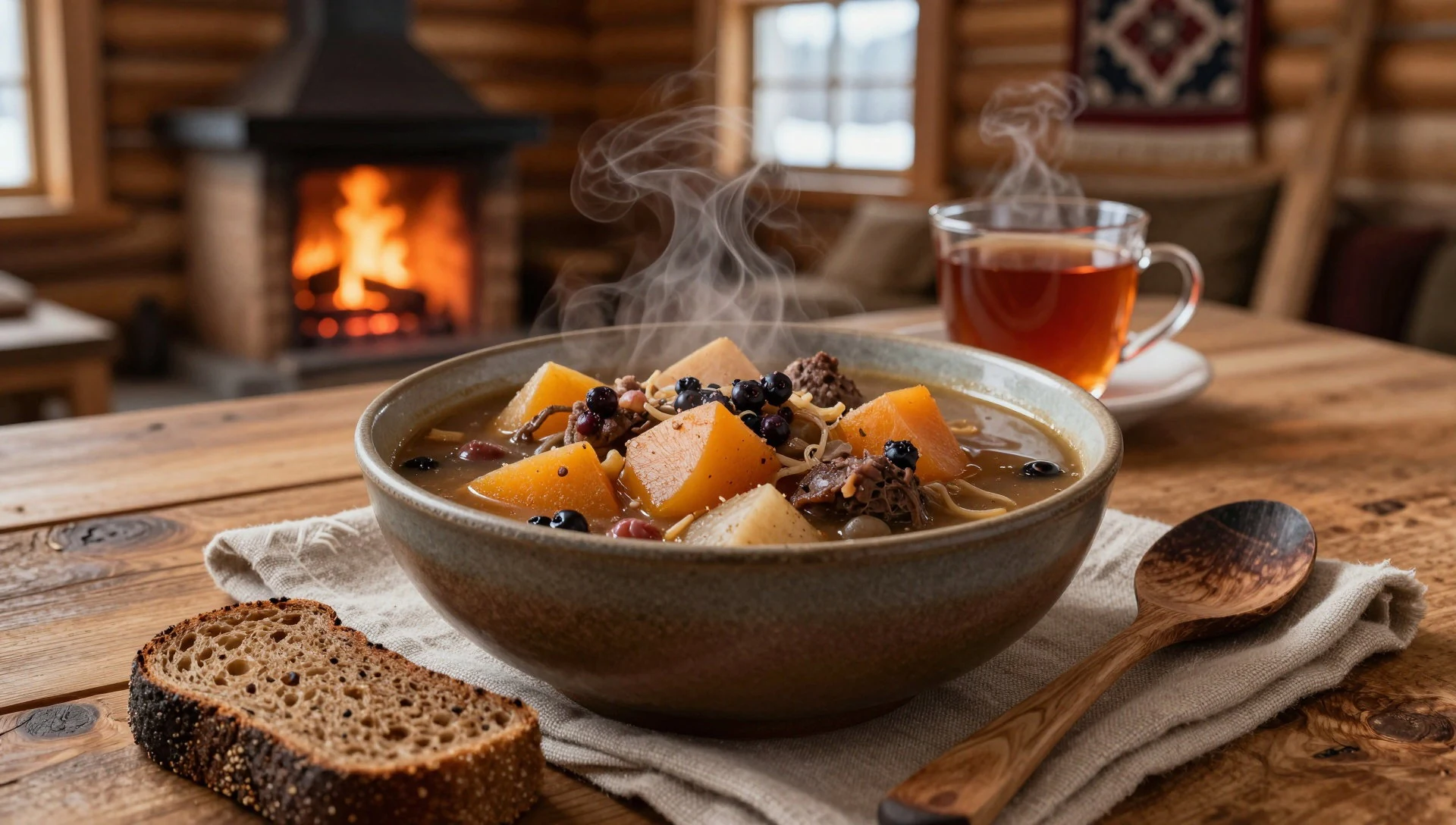
- Restaurant-cafés at Njurkulahti — Njurkulahti (main entrance area)
At Njurkulahti there are two restaurant-cafés that also have some food for sale. It’s a practical place to refuel near the main entrance, especially if you’re starting hikes or planning a river day.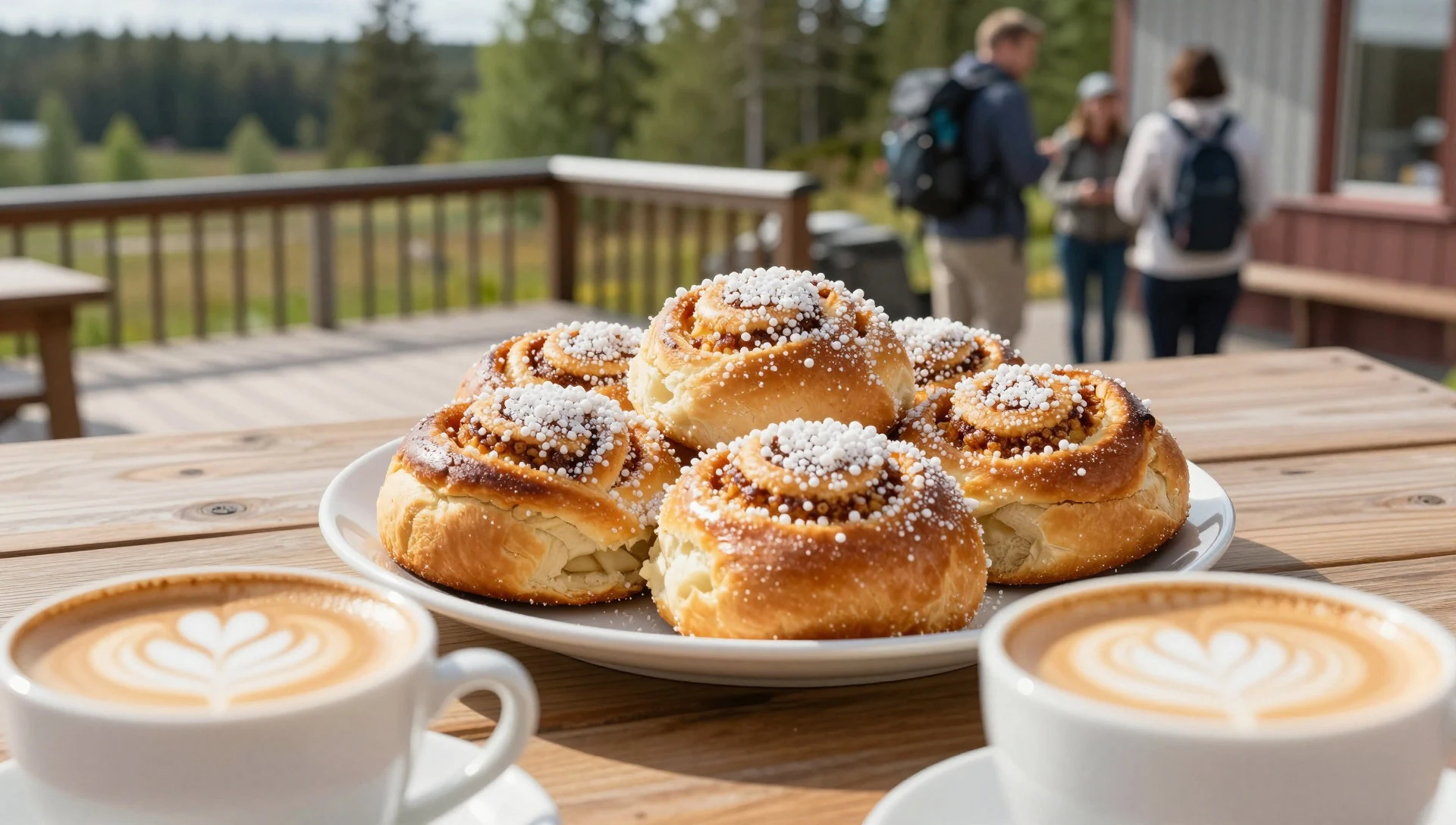
- Hotel restaurant at Korpikartano (by request) — Korpikartano hotel area (Inari/Lemmenjoki region)
The restaurant at hotel Korpikartano can be open at request, rather than on a fixed walk-in schedule. If a meal stop on the way matters, plan ahead and check what can be arranged before turning up. - Inari restaurants for proper townside meals — Inari town
For full restaurant-style meals, Inari is the clearer choice. After days in the park, a proper town meal feels great, and it’s also useful if packing or planning needs a reset before the next trip. - Wilderness hut cooking and simple hot meals — Wilderness huts across the park
In the wilderness huts there are stoves for cooking, and some huts include a separate gas stove. Many travellers keep it simple: hot drinks, quick meals and reheat-friendly staples, with water drawn from streams and lakes as needed.
Plan it
Best time. Late summer can be good for long days on the river, while September can already bring snow, so shoulder-season planning helps. The facts also note best months as March–April and October–November, which are typically the most comfortable windows for hiking without the deepest midsummer extremes.
How long. 3–4
Getting there. Fly into Finland’s Lapland region and then get to Inari for the last leg; the main entrance is in the village Njurkulahti (Sámi: Njurggoluokta) at the east edge of the park, and it serves as a starting point for hiking and motorboat service along the river. For access along the northern border, roads near Angeli (Ánŋŋel) connect into the park area, with a shared taxi service along the road.
Budget. mid
Tips
- Decide early whether the trip is centred on the recreational zone or aims for a more remote route, because the hut and trail feel changes.
- Plan around the main access point at Njurkulahti for hiking starts and river travel, then branch out from there.
- If heading towards the Sallivaara round-up area, base the day on the trail starting from Repojoki.
- For longer days off the marked trails (or any winter travel), book guidance or make sure you’re properly equipped and experienced.
- Order meals in advance when using local services in the park area, especially when food is linked to trips.
Etiquette
- Use stoves and fireplaces responsibly: read instructions, check stove condition, and follow wildfire warning guidance for open fires.
- In huts and shelters, keep shared spaces tidy and avoid leaving equipment scattered for the next group.
Nearby
Sources
- Wikidata Q938172 (CC0)
- Wikipedia (Lemmenjoki National Park) (CC BY-SA 4.0)
- Wikivoyage (Lemmenjoki National Park) (CC BY-SA 4.0)
- Photo photos/01-lemmenjoki-autumn.jpg (CC BY 3.0)
