Olavinlinna Castle
Olavinlinna Castle, Finland
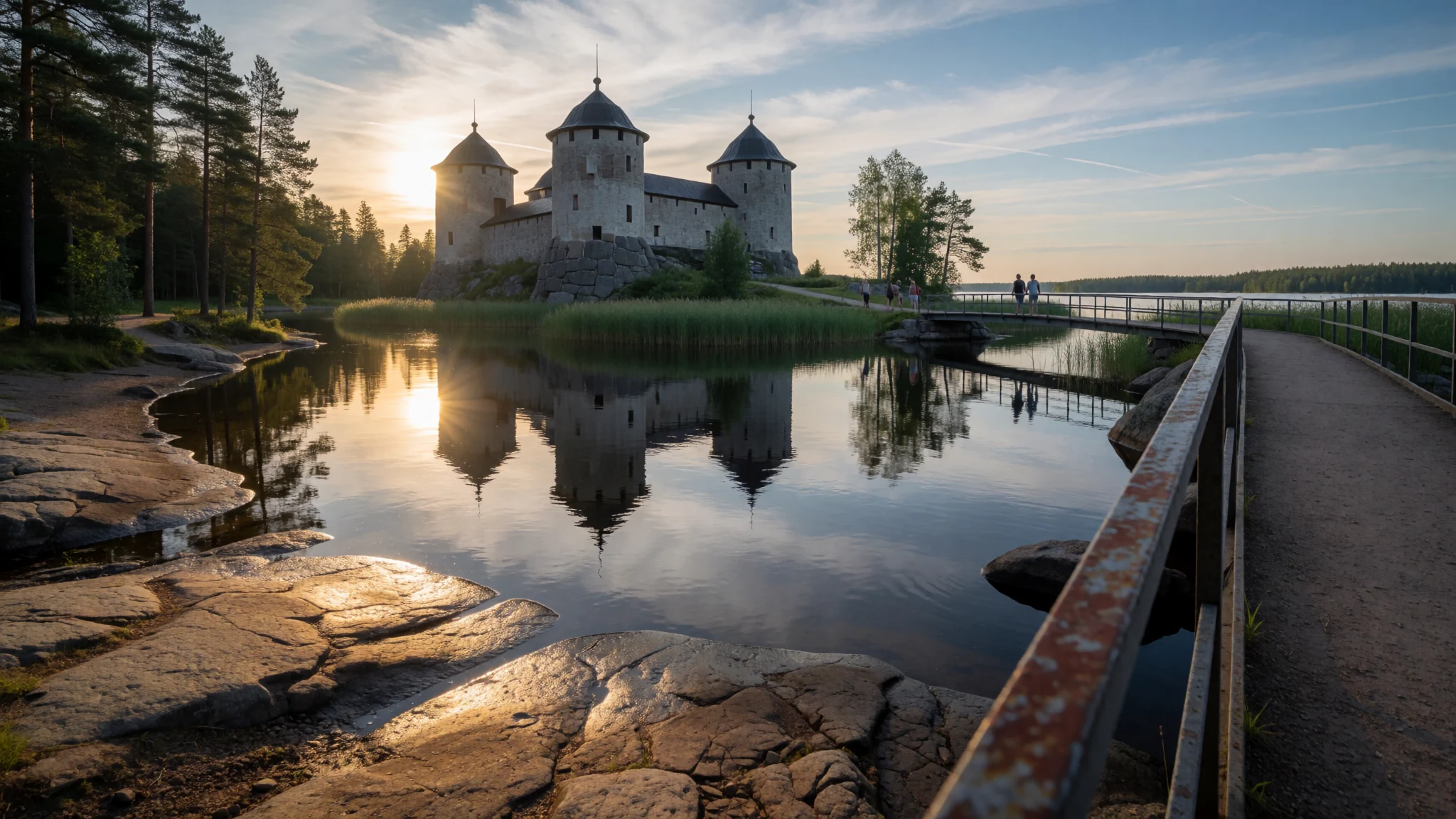
Olavinlinna Castle is a grey medieval fortress on a lake island in eastern Finland, and in July its courtyard becomes an opera stage.
The place
Olavinlinna Castle stands on a rocky island in the Kyrönsalmi strait, the narrow channel linking lakes Haukivesi and Pihlajavesi in eastern Finland. Three round grey towers rise almost straight from the water, and a short footbridge connects the island to the town of Savonlinna on the shore. The setting does most of the work: dark pines, pale granite, and a fortress that doubles itself in the lake on a still evening. The site sits about 78 metres above sea level, though the feeling is of being right at the water's edge. Inside, the castle is run as a museum with guided visits, and the official site (https://www.kansallismuseo.fi/fi/olavinlinna/etusivu) is the place for current opening details and tickets. Savonlinna grew up around the fortress as a trading town on the Saimaa waterway, and by the late nineteenth century it had become a lake resort with a reputation for culture. The composer Jean Sibelius and the writer Juhani Aho both spent time here. The town was bombed during the Second World War, then rebuilt, and today it is a relaxed, mostly low-rise place that serves as a leisure centre for the surrounding region. In July the Savonlinna Opera Festival turns the castle courtyard into a stage and fills the town with visitors, so rooms and tickets need planning well ahead. Outside festival weeks the pace is slower, and the castle is easier to enjoy in relative quiet.
Its story
Olavinlinna Castle was founded around 1475 by Erik Axelsson Tott, who named it Sankt Olofsborg after Saint Olaf. The timing was political. Ivan III had just absorbed the Novgorod Republic, and the Swedish realm wanted to stake a claim on the eastern frontier set by the Treaty of Nöteborg. A castle in Savonia, on the Russian side of that line, was both a defence and a statement. Tott's letters mention foreign builders being brought in, probably from Reval, where town walls were then being extended. The result was the first Swedish castle with thick round towers designed to stand up to cannon fire. The lakes helped as well, since a maze of water and narrow straits would slow any army moving west. The three-tower keep was finished first, and the outer curtain walls with their two towers followed straight afterwards. Over the centuries the castle withstood several Russian sieges during the wars between Sweden and Russia. Not everything survived. One keep tower, Saint Erik's, had poor foundations and collapsed, and the Thick Tower of the outer bailey exploded in the late eighteenth century, with a bastion built in its place. At that time the whole castle was remodelled as a fort in the French style, with angled bastions added around the older walls. A nineteenth-century painting by Oscar Kleineh shows it before a later restoration, a reminder that what stands today has been repaired as well as inherited.
What to see
- Olavinlinna Castle — Savonlinna, castle island
The keep, courtyard and towers are the reason to come. Guided visits lead through chapels, halls and exhibitions, and the walls show clearly how a lake fortress worked. The ground plan has an odd truncated shape, with the keep on the western side and the outer bailey to the east. Check the official site for current tour times.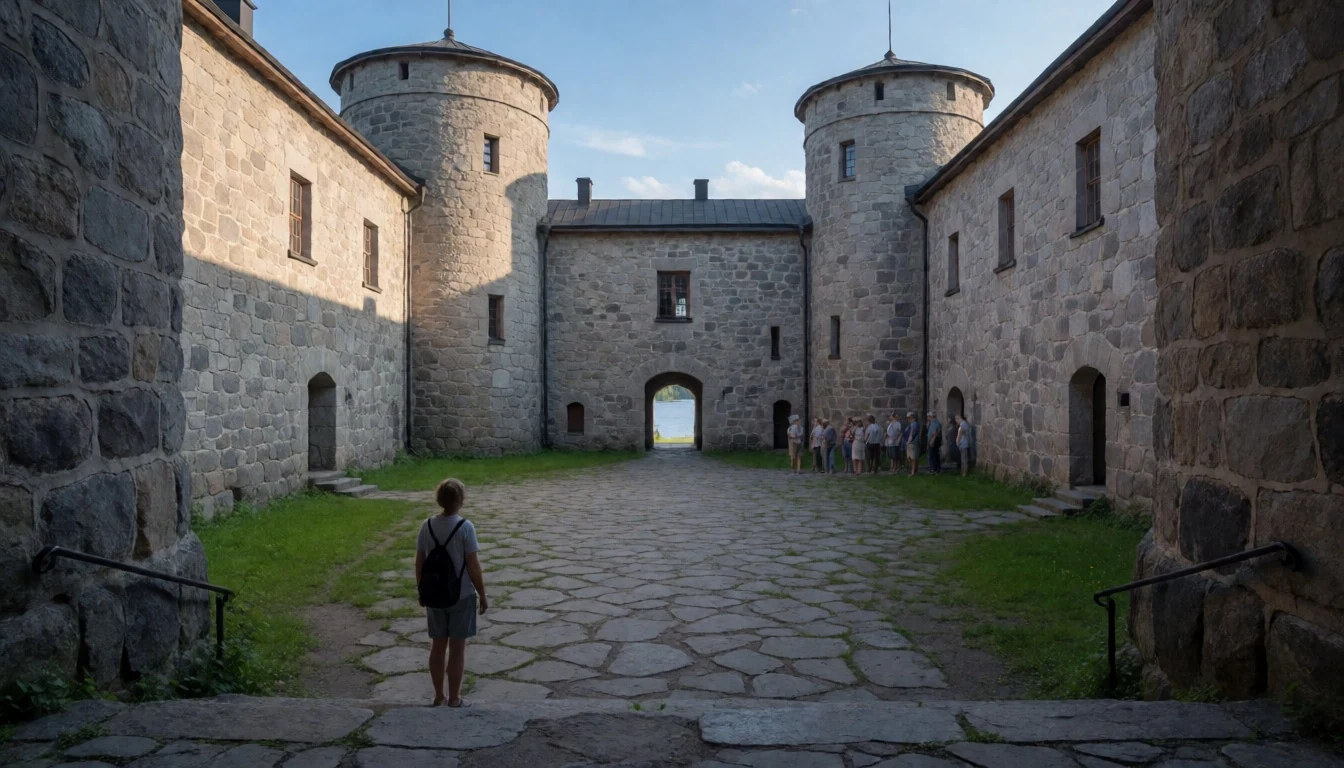
- Riihisaari Museum — Riihisaari island, Savonlinna
Riihisaari is the island beside the castle, and its museum covers the cultural history and natural environment of the Lake Saimaa region. A forest-service exhibition on nature sits alongside it. It makes a useful rainy-day stop and helps explain why the lakes mattered so much to the people living around them.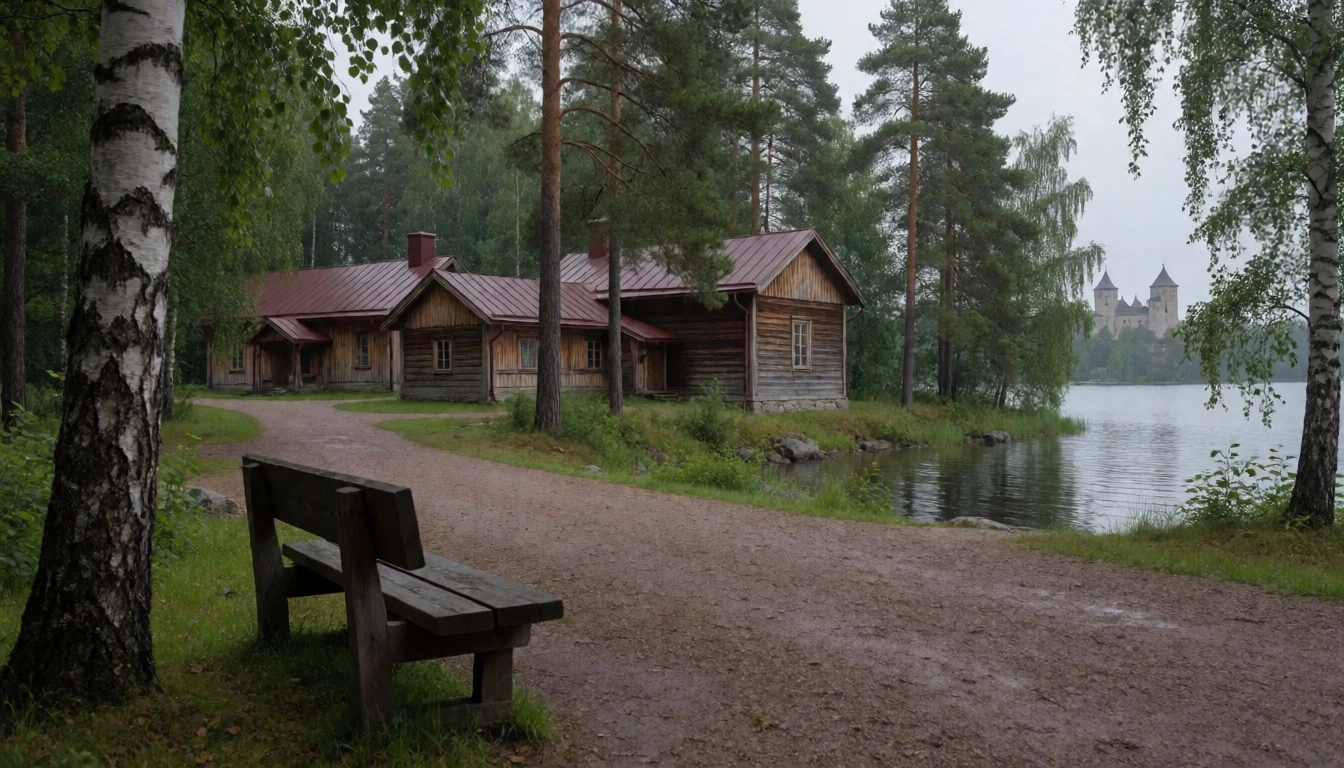
- Savonlinna Cathedral (Tuomiokirkko) — Central Savonlinna
This is the town's main church, opened in the late nineteenth century. It housed a bishop for a few decades, which earned it the right to be called a cathedral. It is a calm place to step in out of the weather, and it sits within easy reach of the harbour and market area.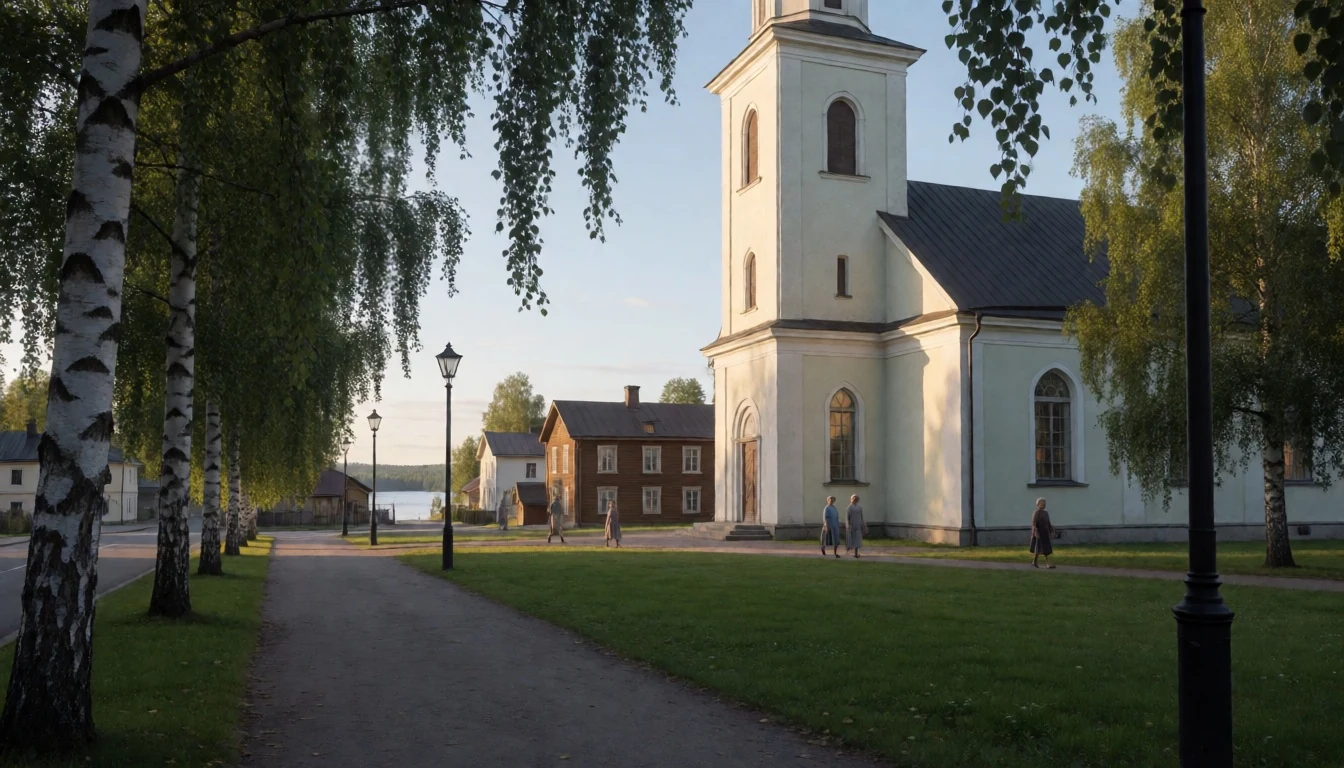
- Saints Zachary and Elisabeth Church — Central Savonlinna
Built as an Orthodox church in the mid-nineteenth century, it became a Lutheran church before the Second World War and was handed back to the Orthodox parish in recent years. Its history mirrors the town's position between Swedish, Russian and Finnish worlds. Opening times vary, so check locally before making a special trip.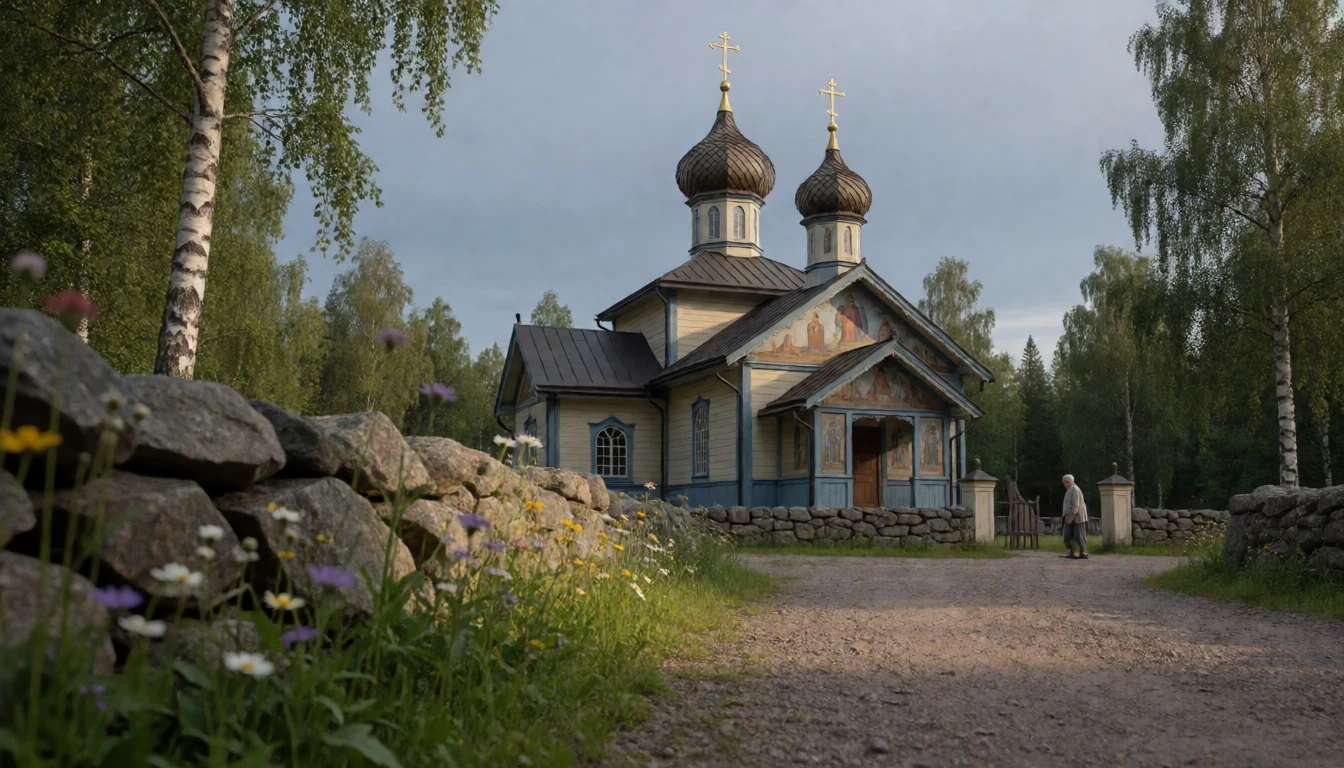
- Kasinonsaaret — Islands near the town centre
A cluster of islands close to the town centre, popular with locals who want some nature without going far. Paths run through woodland, and there are places for swimming and barbecues in summer. It suits a slow afternoon by the lake, or a walk to clear the head after a long festival evening.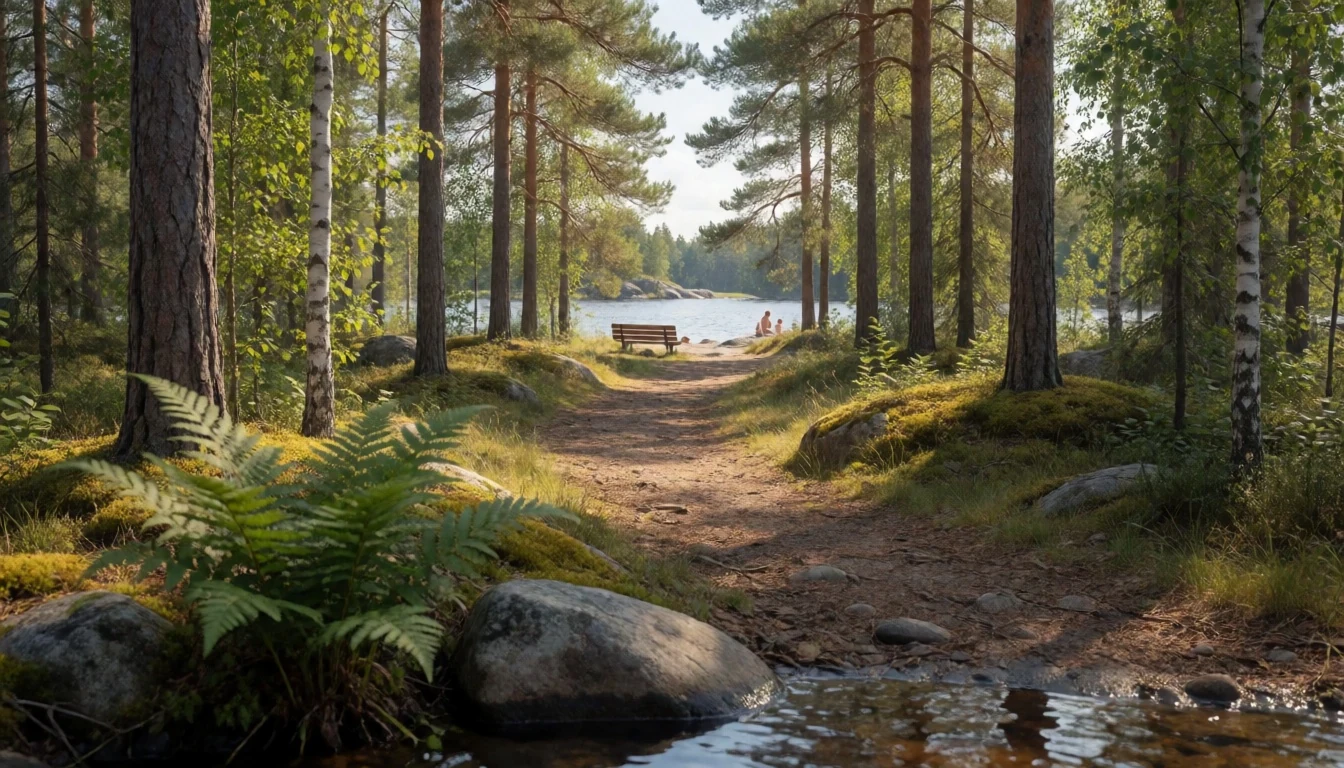
- Lake cruises — Passenger harbour by the market square
Small cruise boats leave from the passenger harbour next to the market square and show the town and lake scenery from the water. Seeing the castle from a boat gives a better sense of how isolated an island fortress was. Sailings are seasonal, so ask at the harbour or the tourist office.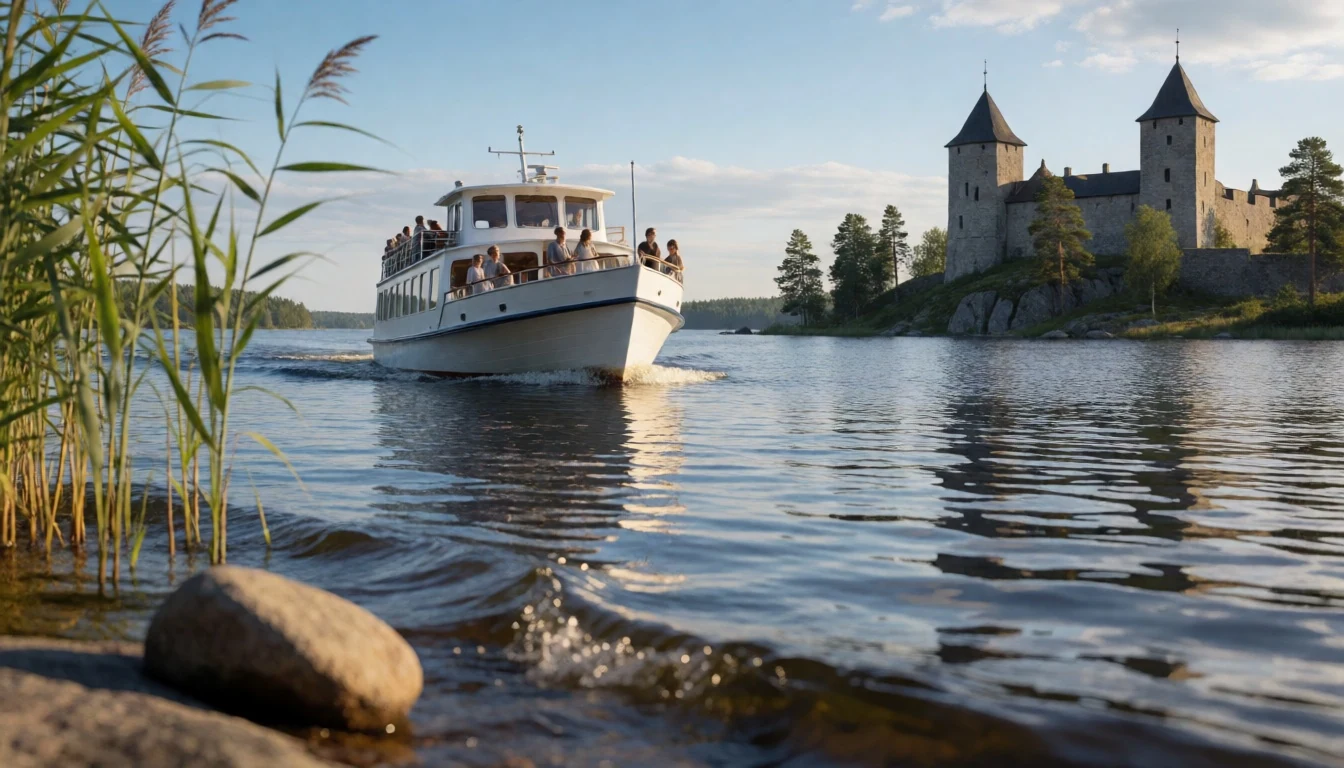
Culture
Olavinlinna Castle sits where Swedish, Russian and Finnish history meet, and the culture of Savonlinna still carries that mix. Lutheran and Orthodox churches stand a short walk apart, and the castle itself was named for Saint Olaf, a medieval Scandinavian saint. Today the castle is best known for music. The Savonlinna Opera Festival, held each July, uses the courtyard as its stage and draws audiences from across Finland and abroad. Dressing up for an evening performance is part of the occasion for many, though nobody expects more than smart-casual. Outside the festival, local life leans on the lake: summer cottages, saunas, swimming, fishing and boat trips. Finns tend to be reserved with strangers, quiet in public spaces and comfortable with personal space; politeness shows up as calm rather than chatter. Punctuality matters, and queues are orderly. The sauna is an ordinary part of life rather than a spectacle, and smoked fish and meat pies at the market square are everyday food rather than tourist novelties. The artistic past of the town, including its links with Sibelius and Juhani Aho, is part of how Savonlinna sees itself, and local people take pride in the festival tradition. Keep voices low and phones silent in the castle halls and during any performance, and follow staff instructions about where photography is allowed.
What to wear
Olavinlinna Castle lies in Savonia, in eastern Finland, where traditional dress survives as regional folk costume rather than everyday clothing. Historic rural dress here was made from wool, linen and homespun cloth, often with woven bands and simple embroidered detail. Such costumes are worn today mainly for weddings, folk festivals and national celebrations, and styles differ from parish to parish. In daily life, people in Savonlinna dress practically and plainly: jeans, knitwear, waterproof jackets and sturdy trainers, usually in muted colours. Festival evenings bring out dresses, suits and smart separates, but even then the look is understated. Visitors should dress for the lake climate. Summer days can be warm, yet evenings by the water turn cool and the stone interior of the castle stays chilly, so a warm layer is sensible even in July. Flat shoes with good grip matter, because courtyards, stairs and old floors are uneven and can be slippery when wet. A light rain jacket and insect repellent are worth packing for the lakeside. There is no strict modesty code at the castle, but a covered shoulder and knee is polite when stepping into an Orthodox church. In winter, thermal layers, a hat, gloves and boots with a proper tread are essential.
What to eat
- Lörtsy — Market square by the lake, morning and afternoon
A folded pastry, often filled with meat, sold hot at stalls in the market square by the lake. It is a classic eastern Finnish snack that is easy to eat while strolling along the harbour. Fillings vary, so read the stall signs.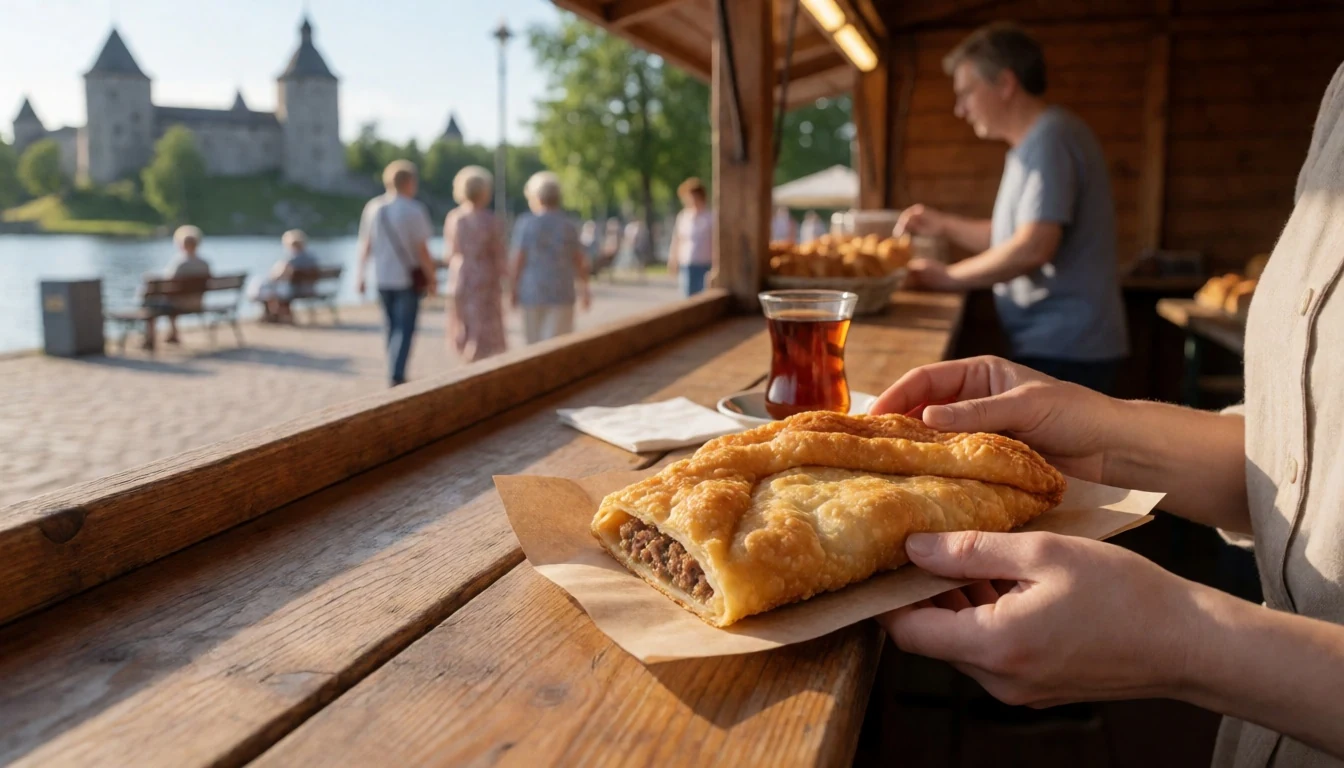
- Fried muikku — Market square stalls by the harbour
Muikku is vendace, a small freshwater whitefish, and here it is freshly fried until crisp. It is a plain, honest lake meal and the most typical thing to try in town. Look for stalls with a short queue and a hot pan.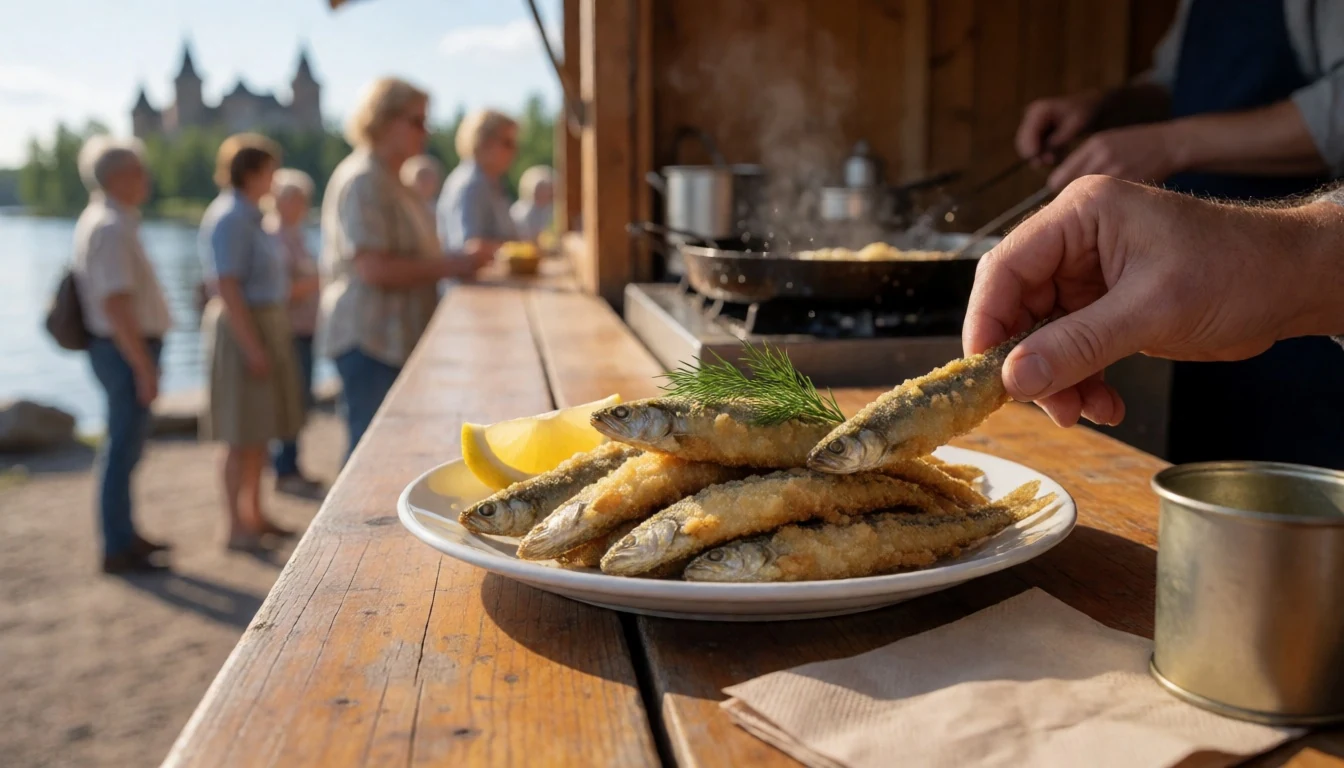
- Savumuikku — Market square and local supermarkets
Smoked vendace has a deep, salty flavour and is eaten as it comes or alongside bread and potatoes. Cans of savumuikku also make an easy gift to carry home. They are sold in the market and in ordinary supermarkets. - Finnish lunch with salad buffet — Lunch restaurants in the town centre
Many lunch restaurants in the town centre serve a simple home-style Finnish main dish with a generous salad buffet included. It is filling, good value by local standards and a sensible way to eat well on a sightseeing day. - Training-restaurant lunch — The catering school restaurant in town
Savonlinna has a restaurant school where students cook and serve lunches under professional supervision. The food is usually careful and well presented, and it gives an easy view of how modern Finnish cooking is taught.
Plan it
Best time. June to August for long light evenings, lake cruises and open-air life; July for the opera festival, which is busy and needs early booking. Winter is cold, snowy and quiet, with fewer boats and shorter days.
How long. 1–2
Getting there. Fly to Helsinki (HEL) and continue by train or coach; Lappeenranta (LPP) also has a few international flights. Trains connect via Parikkala with onward services to Savonlinna, and direct coaches run from Helsinki. The last leg is a short walk from the town centre to the castle island.
Budget. mid
Tips
- Book festival tickets and rooms as early as possible, as July fills up
- Check the official site for current opening times and tour details before travelling
- Wear flat, grippy shoes for the uneven stone floors and stairs
- Bring a warm layer and insect repellent, even in midsummer
- Cards are widely accepted, but a little cash is handy for market stalls
Etiquette
- Keep noise low inside the castle and silent during performances
- Follow staff instructions on where photography is permitted
- Queue in an orderly way at the market and the harbour
Nearby
Sources
- Wikidata Q251272 (CC0)
- Wikipedia: Olavinlinna (rev 1370630435) (CC BY-SA 4.0)
- Wikivoyage: Savonlinna (rev 5417557) (CC BY-SA 4.0)
- Photo: Olavinlinna in Savonlinna (Mikko Paananen) (CC BY-SA 2.0)
- Photo: Olavinlinna Savonlinna Finland (HENKKA5) (CC0 1.0)
- Photo: Olavinlinna2 (Miraceti) (CC BY 3.0)
- Plan: Olavinlinna ground plan (Ohto Kokko) (CC BY 3.0)
- Drawing: Pehr Adolf Kruskopf, Sawonlinna (Public domain)
- Painting: Victoria Åberg, A View over the Castle Olavinlinna (Public domain)
- Painting: Olavinlinna by Victoria Åberg (CC BY 4.0)
- Painting: Oscar Kleineh, Olavinlinna (Public domain)


