Kotka
Kotka, Finland
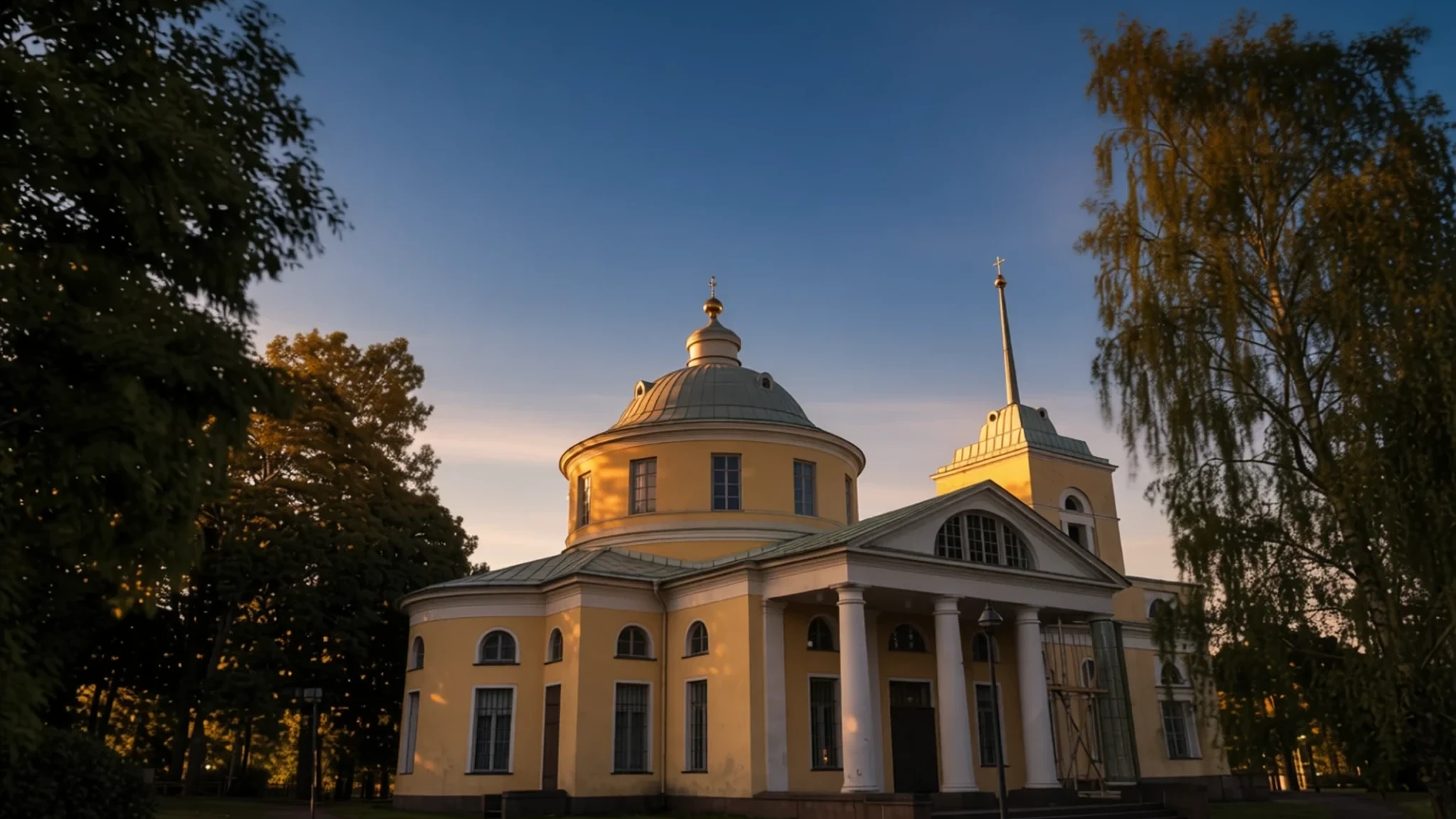
Kotka is a Finnish port town on the Gulf of Finland, where Russian-era churches, a fine maritime museum and river rapids sit close together.
The place
Kotka sits on Finland's south-eastern coast, where the Kymi River finishes its run into the Gulf of Finland. The name means eagle, and the centre stands on Kotkansaari, an island tied to the mainland by bridges and causeways. Much of the municipality is water, so the town feels strung along channels, bays and rocky shores rather than laid out on one solid block of land. About 50,000 people live here. Kotka is a working port and industrial city, handling trade for both Finland and Russia, and cranes, stacked timber and mill chimneys are part of the skyline. Several once-separate places have been folded in over time, including Karhula, a former market town, and the island of Haapasaari, so the municipality is a patchwork of districts with different characters. Most residents speak Finnish as a first language, with a small Swedish-speaking minority and a growing mix of other tongues. The main road, the E18, runs west towards Helsinki and east towards St Petersburg, which says a good deal about the town's position on an old trade corridor. Visitors should expect a modest, unshowy place: more harbour walks, parks and museums than glossy sights. Summer is the lively season, with long light evenings and boats heading out to the islands. Winter is cold, dark and quiet, and the sea can freeze along the shore.
Its story
Kotka is a young town by European standards. It was created in 1879, when the Senate of the Grand Duchy of Finland, then part of the Russian Empire, carved the islands of Kotkansaari and Hovinsaari out of the old Kymi parish and gave them city status. The reason was timber and trade: a deep-water harbour at a river mouth, close to St Petersburg, was ideal for shipping sawn wood abroad. Sawmills, and later pulp and paper mills, made this one of the first heavily industrialised corners of Finland. Imperial attention followed. The Russian emperor, who was also Grand Duke of Finland, came here to fish, and older fortifications of the Ruotsinsalmi maritime fortress still stand in the parks. Swedish was the official language of the town until the early twentieth century, then it briefly shared that role with Finnish. A Swedish-language school still operates, though speakers are now only about one resident in a hundred. In the summer of 1907 the town also hosted a conference of Russian Social Democrats, a footnote from the years when revolutionaries slipped across the Finnish border. Since the 1980s the population has slowly shrunk as people move to the Helsinki region, and several factories have restructured, leaving unemployment higher than locals would like. Paper and pulp still matter, but the city, the health services body and the stevedoring firm Steveco are now among the largest employers.
What to see
- Maritime Centre Vellamo — Old port, Kotkansaari
Vellamo stands in the old port and houses the Maritime Museum of Finland, the Kymenlaakso regional museum and the Coast Guard museum under one roof. It is the best wet-weather choice in town, and the building's sea-inspired architecture is worth a look from the outside as well.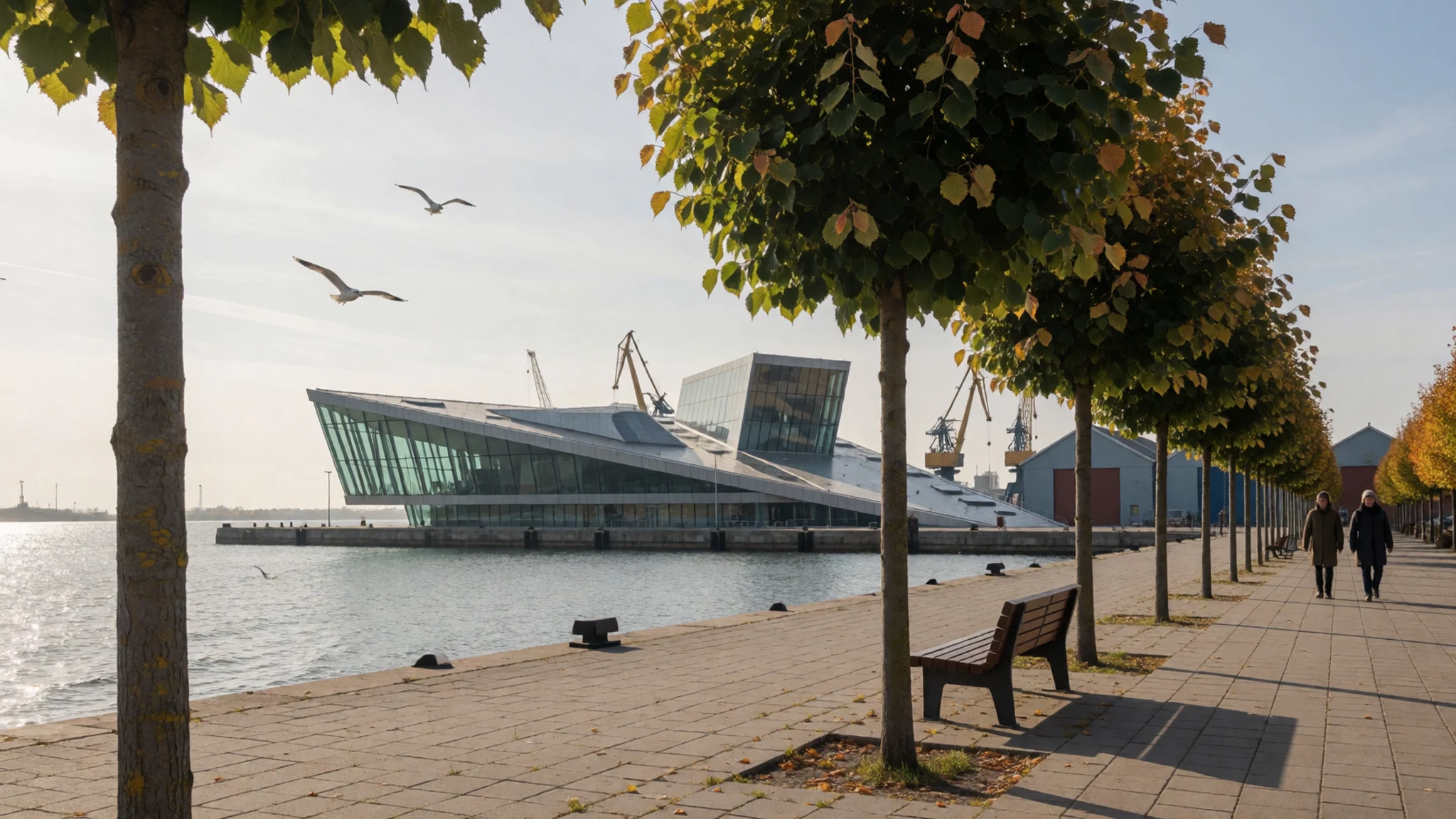
- Orthodox Church of St Nicholas — Central Kotka
This small Orthodox church dates from the turn of the nineteenth century and was designed by Jakov Perrin, the architect of the Admiralty in St Petersburg. It is a reminder that Kotka's coast was long a Russian military and naval frontier. Opening times vary, so check locally before going.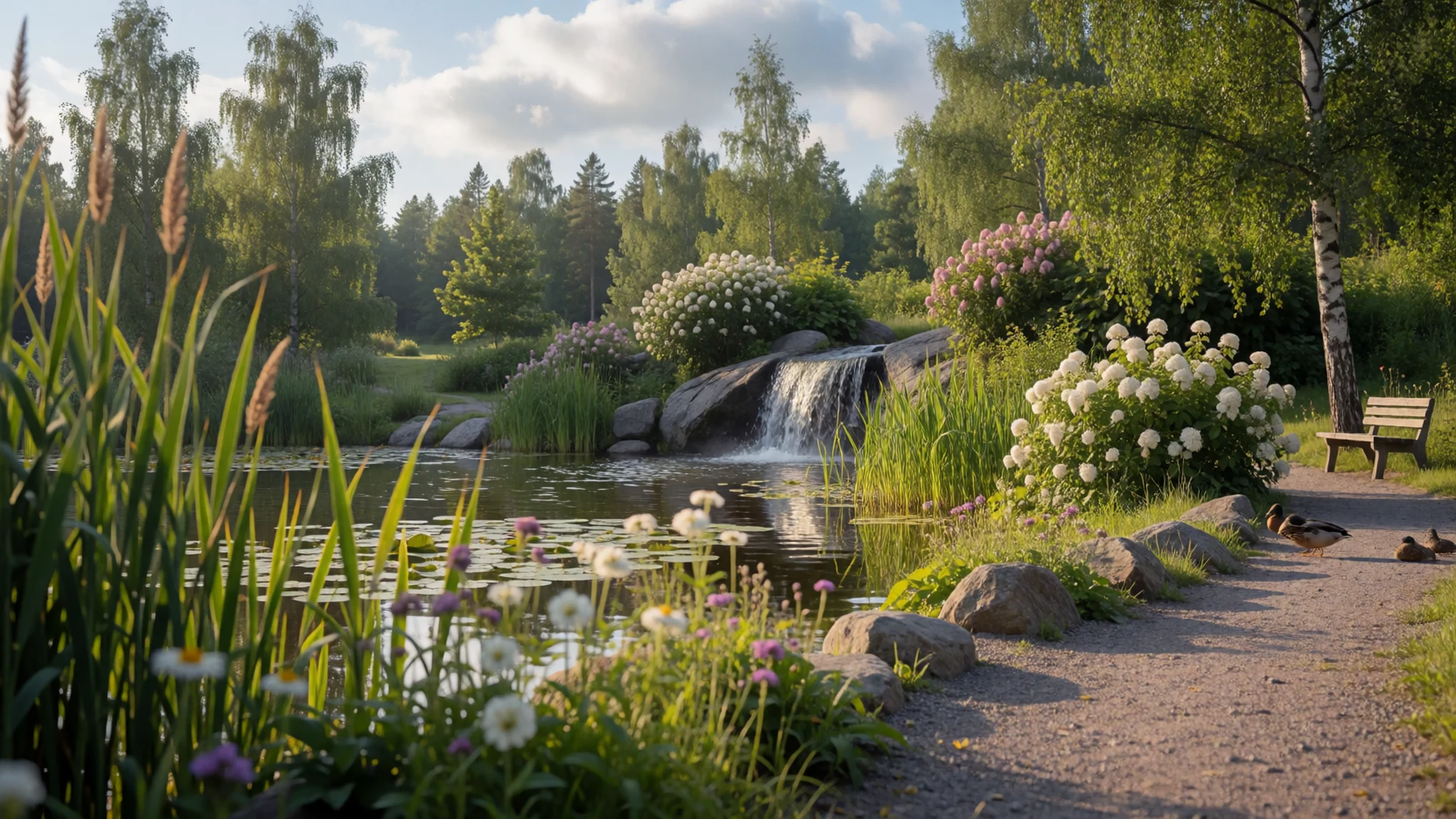
- Langinkoski Imperial Fishing Lodge — Kymi River, north-west of the centre
A timber lodge built for Alexander III, set between two branches of the Kymi on a island of rapids and old trees. It is also a nature reserve, so the walk matters as much as the building. Best on a dry day, with time to linger by the water.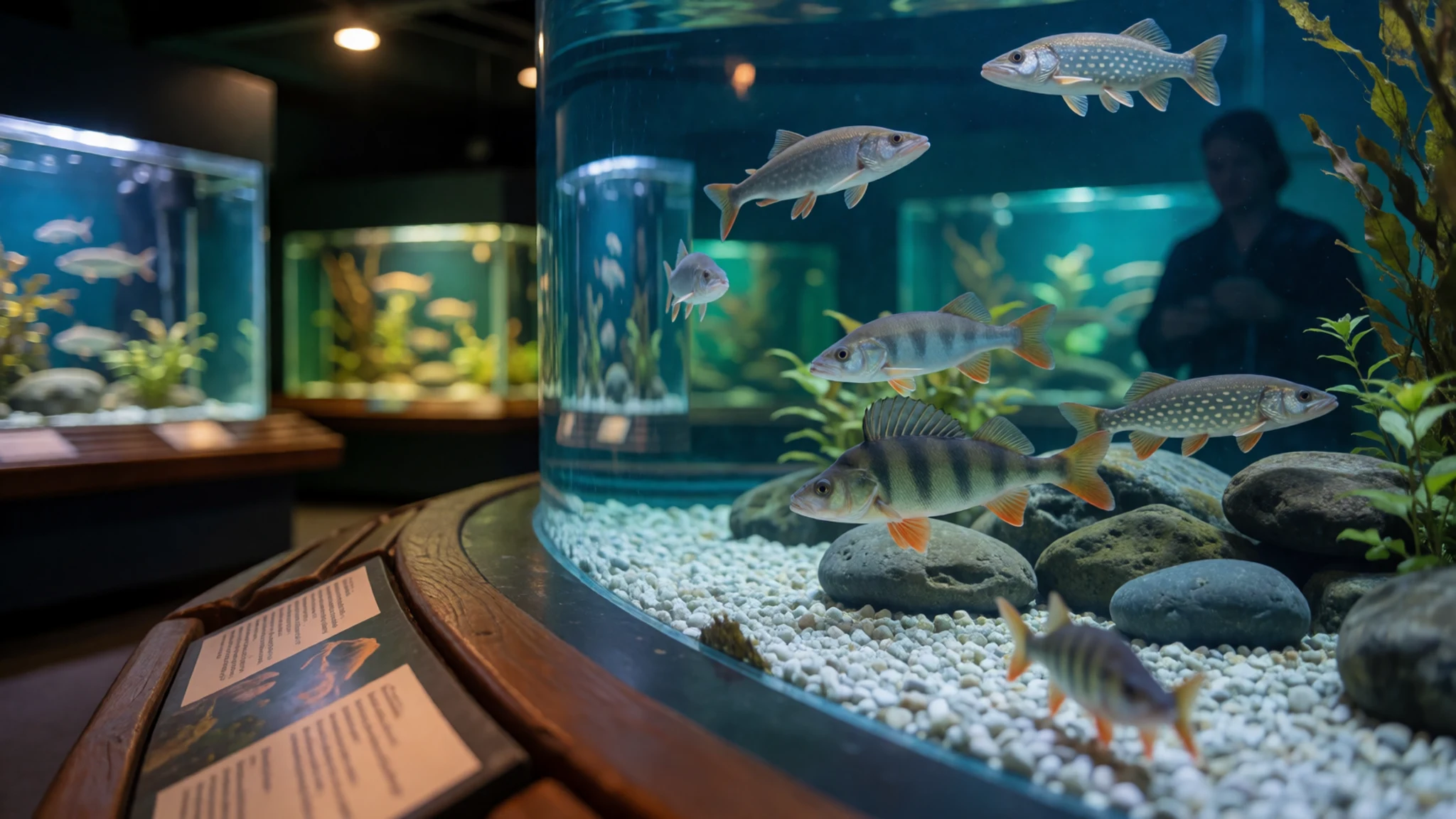
- Haukkavuori observation tower — Haukkavuori hill, central Kotka
A former water tower, now a lookout over the whole of Kotka, its islands and its port. On a clear day the view stretches out over the gulf as far as Suursaari. Go on a bright morning or evening, because haze flattens the scene.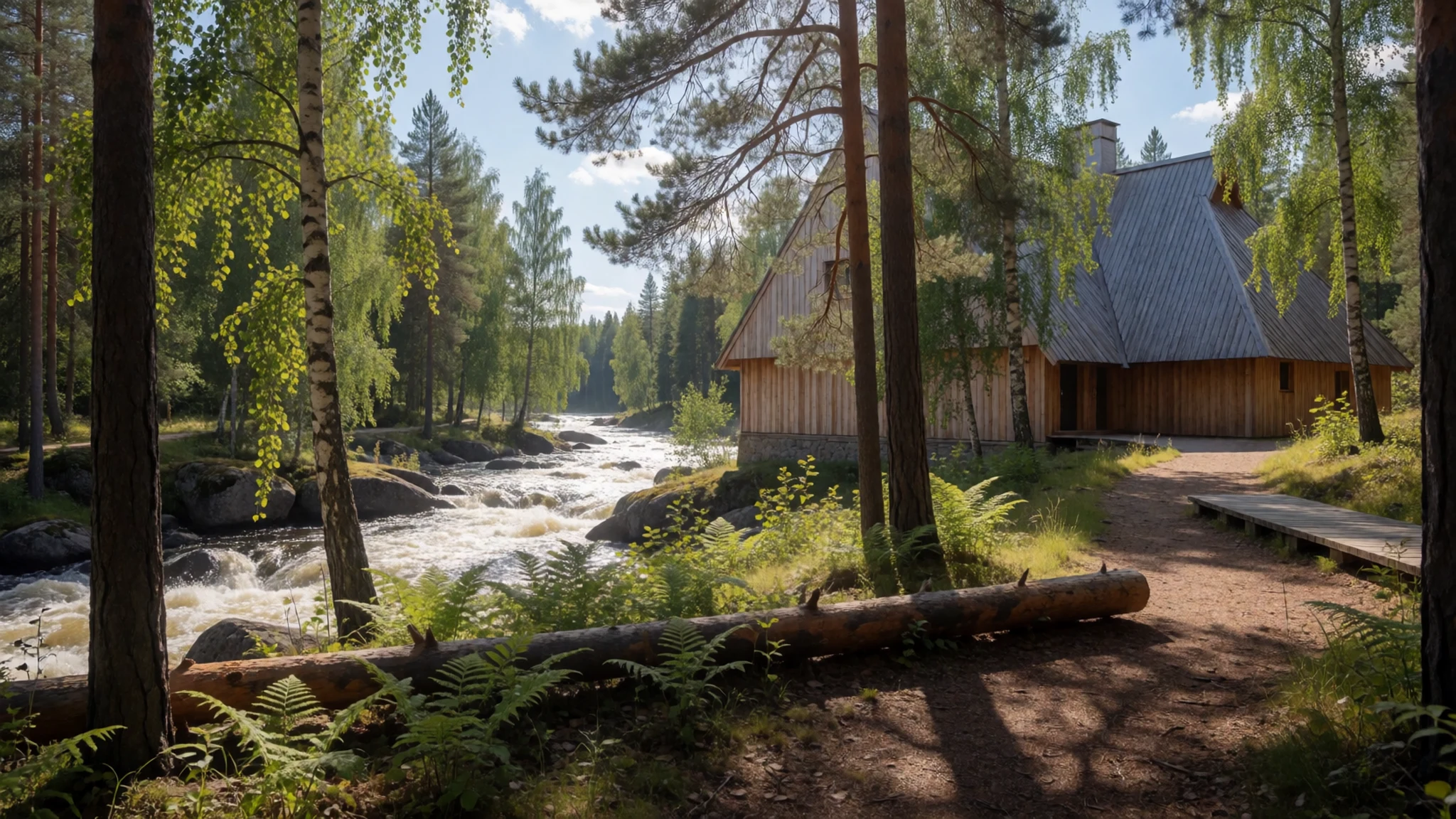
- Sapokka Park — Sapokka, south of the centre
A pleasant, well-kept seaside park with ponds, mature trees, flower beds, a small waterfall and a rock exhibition. It suits a slow stroll and a picnic in summer, and the paths are easy for children and older walkers. Local families treat it as the town's green room.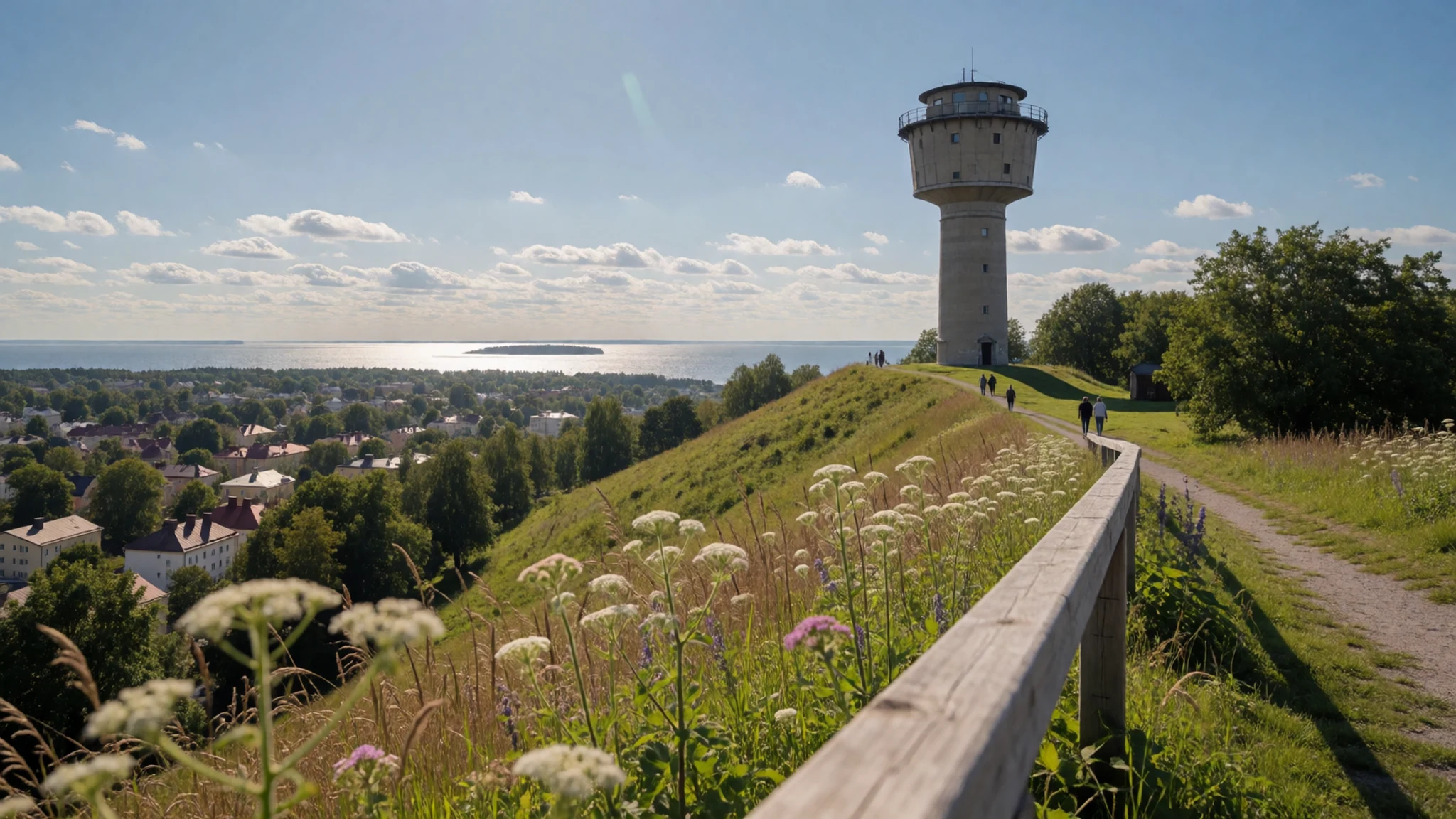
- Sunila housing area — Sunila, north of the centre
Sunila is a planned workers' housing district designed by Alvar Aalto beside the pulp mill, and it forms part of the wider Aalto Works. Architecture fans will enjoy its terraces and plain materials, but it is a living neighbourhood, so keep to public paths and respect residents' privacy.
Culture
Kotka's culture is a mix of Finnish maritime working life, Russian imperial echoes and the quiet pride of an industrial town. The sea shapes everything: the museum at Vellamo, the summer boat trips to island fishing villages such as Kaunissaari, and the annual Maritime Festival all celebrate it. The Orthodox church and the imperial lodge are leftovers from the years when this coast belonged to the Russian Empire, while the Swedish-language school is a trace of an older Finland. The Finnish habits you meet here are the familiar ones. People value personal space, speak quietly, and do not chatter with strangers on buses, but they are friendly and direct once you ask for help. Saunas are part of everyday life, and many summer cottages sit on the islands and lakeshores around the town. Punctuality matters, and queues are respected. Evenings out are modest, with more beer in a pub than dancing in a club, though the late-night hot dog kiosks have a rowdier reputation after closing time. The town is also proudly local in its sport, with ice hockey, football and even a rugby club playing in green. Queue patiently, never jump the line at a late-night hot dog kiosk, and keep your voice low in the Orthodox church.
What to wear
Kotka has no distinctive local costume of its own. Finland's traditional dress belongs to regions, with wool skirts, linen blouses, embroidered aprons and woven belts, and these now appear mostly at folk festivals, weddings and midsummer events. Textiles such as wool and linen remain important in Finnish craft tradition, and the coast's fishing families long wore thick knitted jumpers and oilskins. Today people in Kotka dress for practical weather: padded jackets, waterproof shells, wool hats and sturdy boots in winter, and plain jeans, trainers and light layers in summer. Style is understated, often dark or neutral, and there is little interest in dressing up for an ordinary evening. Visitors should pack for a cool, damp, windy coast. In summer bring a rain jacket, a warm layer for boat trips and comfortable shoes for park paths, harbour fronts and uneven rocks on the islands. In winter, thermal underlayers, insulated waterproof boots with good grip, gloves and a hat are essential, as pavements can be icy. Churches, including the Orthodox church, are not strict, but covered shoulders and knees show respect, and men should remove hats indoors. Swimwear belongs at the beach, and the sauna is traditionally used without clothes in single-sex groups, so ask the host.
What to eat
- Lihapiirakka kahdella nakilla — Hot dog kiosks (nakkikioski) in the town centre
A small fried meat pie served with two frankfurters, the classic Finnish late-night snack. It is filling, cheap and unfussy, and best eaten standing up in the cold. Expect mustard and ketchup, and some queueing near closing time.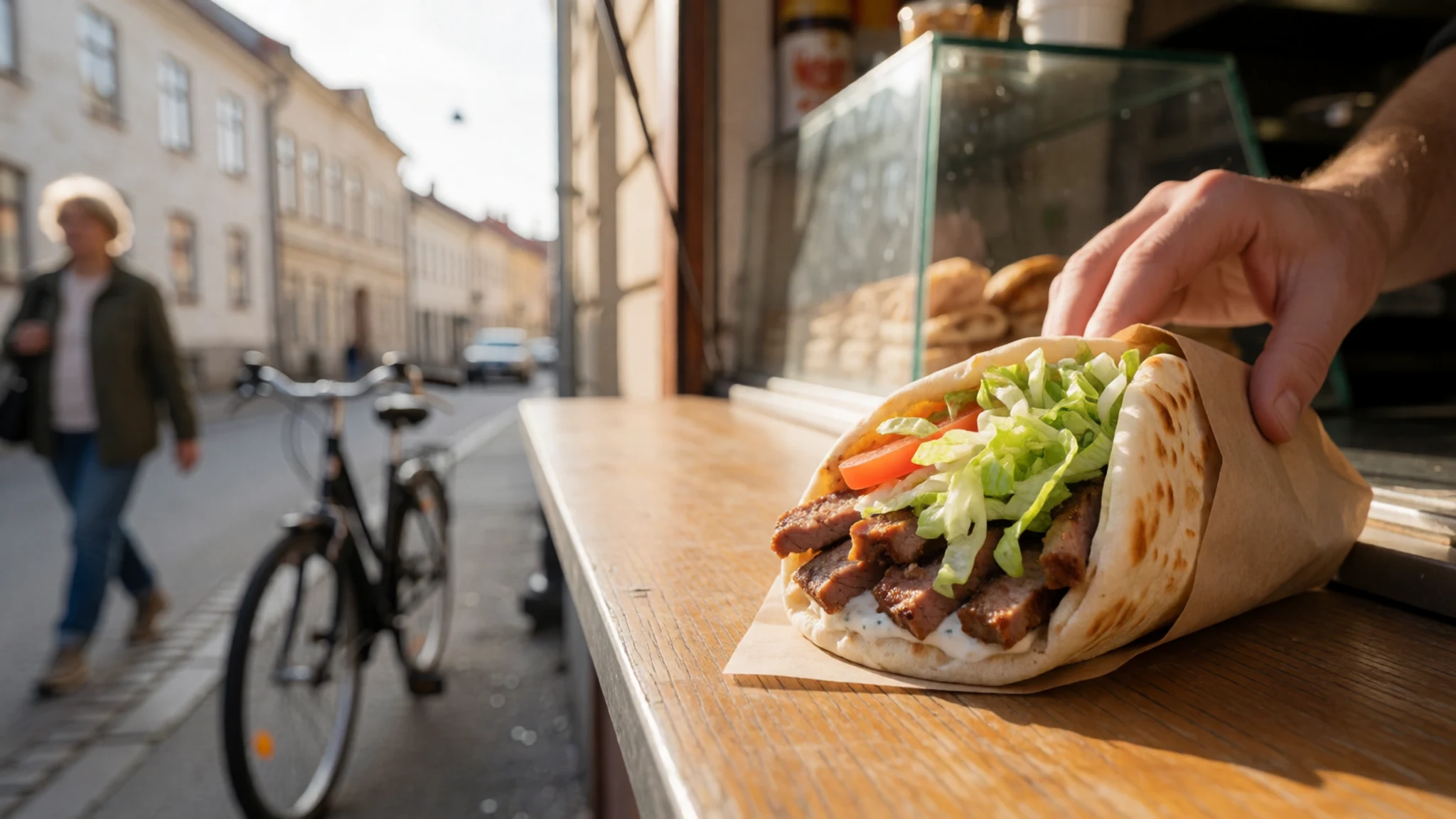
- Salmon soup (lohikeitto) — Harbourside cafés and fish-focused eateries, especially in summer
A creamy, mild soup of salmon, potatoes and herbs, with plenty of dill. It is the dish most often associated with Finnish coastal cooking and tastes best after a windy walk. Many harbourside cafés serve it with bread at lunchtime.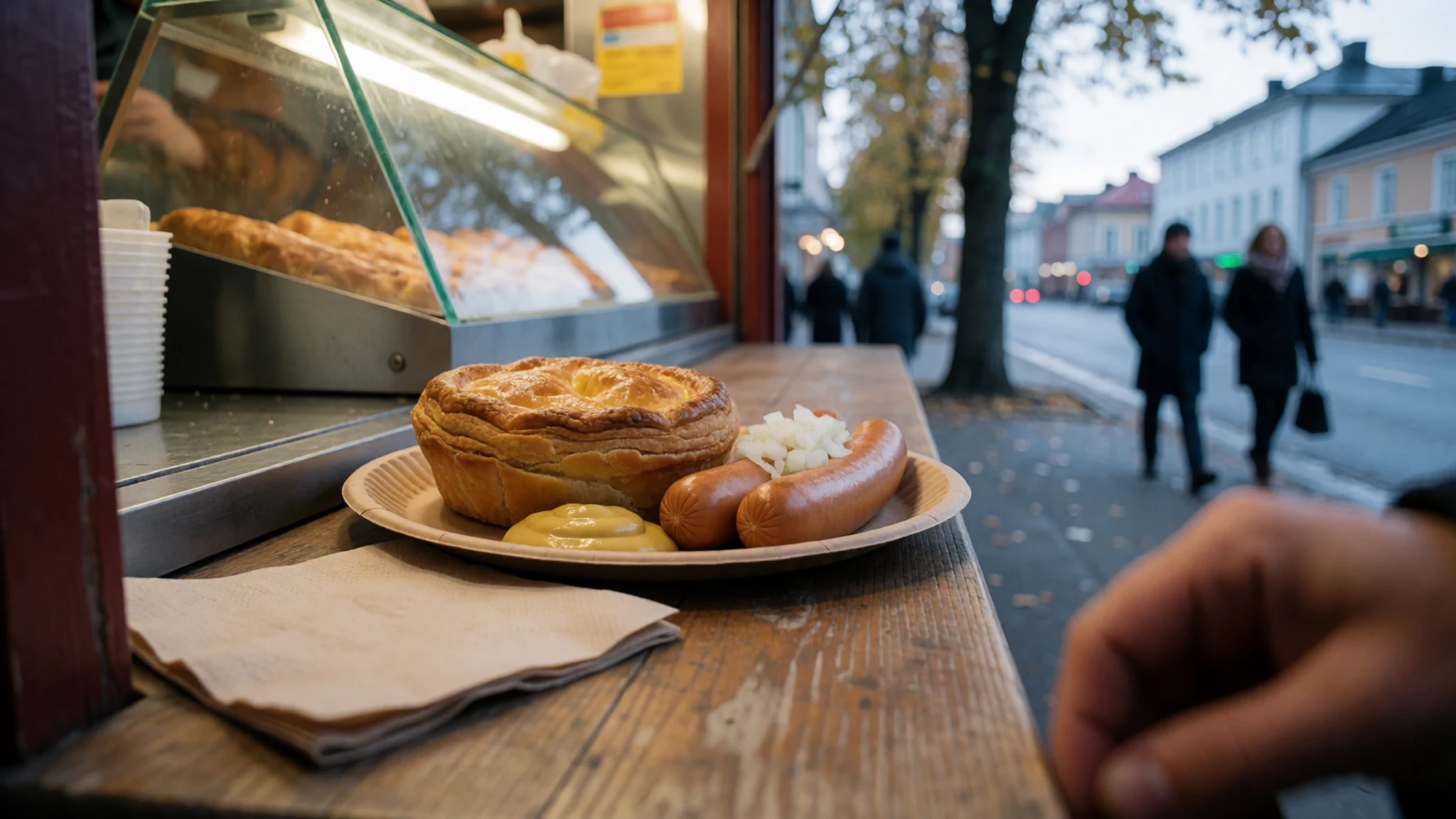
- Salmon bread — Harbourside cafés and lunch counters near the shore
An open or filled bread with salmon, typically cold-smoked or lightly cured, served as a quick lunch alongside soup. It is simple and fresh, and shows how much the coast's fish shapes everyday eating. Ask what the day's salmon is. - Kebab with chips (kebab ranskalaisilla) — Pizzeria and kebab houses around the centre and bus station
The town's everyday fast-food staple: gyros-style meat served over a heap of fries, often with salad and a spicy or garlic sauce. It is cheap, large and no-frills, and a good way to join the local lunch crowd without spending much.
Plan it
Best time. June to August for long light evenings, island boat trips and open parks; the climate is humid continental with a sea influence, so summers are mild and winters are cold and dark. May and September are quieter but cooler.
How long. 2
Getting there. Helsinki is the usual gateway. From there, coaches run frequently to Kotka, and local trains link Kotka with Kouvola and Lahti, where you change for Helsinki. By road, the E18 runs from Helsinki, and highway 15 comes from Kouvola.
Budget. mid
Tips
- Check the Matkahuolto and Onnibus timetables in advance, because some long-distance coaches stop only at Karhula, a few kilometres out, and a local bus takes you the rest of the way
- Go to the Haukkavuori tower on a clear day for the best view
- Book island cruises in summer and check sailing days on the official site, https://www.kotka.fi/
- Carry a waterproof layer even in summer, as the coast can turn windy and wet
- Cards are accepted almost everywhere, so little cash is needed
Etiquette
- Queue politely, especially at late-night hot dog kiosks, where jumping the line can start arguments
- Keep voices low on public transport and in churches
- Ask before photographing people or private homes, including in Sunila
Nearby
Sources
- Wikidata Q192155 (CC0)
- Wikipedia: Kotka (rev 1385063458) (CC BY-SA 4.0)
- Wikivoyage: Kotka (rev 5426107) (CC BY-SA 4.0)
- Photo: Kotka church from Haukkavuori (MKFI) (Public domain)
- Photo: City of kotka (Ktp1927cool) (CC BY-SA 4.0)
- Photo: Arms of Kotka 1881 (Public domain)
- Photo: Kotkan meripäivät 2008 (Teme) (CC BY 3.0)
- Photo: Langinkoski (Mikkoau) (CC BY-SA 4.0)
- Photo: Kotka Orthodox Church (CC BY-SA 2.5)
- Photo: Sapokka Park (Алексей Решетников) (CC BY 3.0)
- Photo: Griffins RFC Kotka (IA) (CC BY-SA 4.0)


