Helsinki
Helsinki, Finland
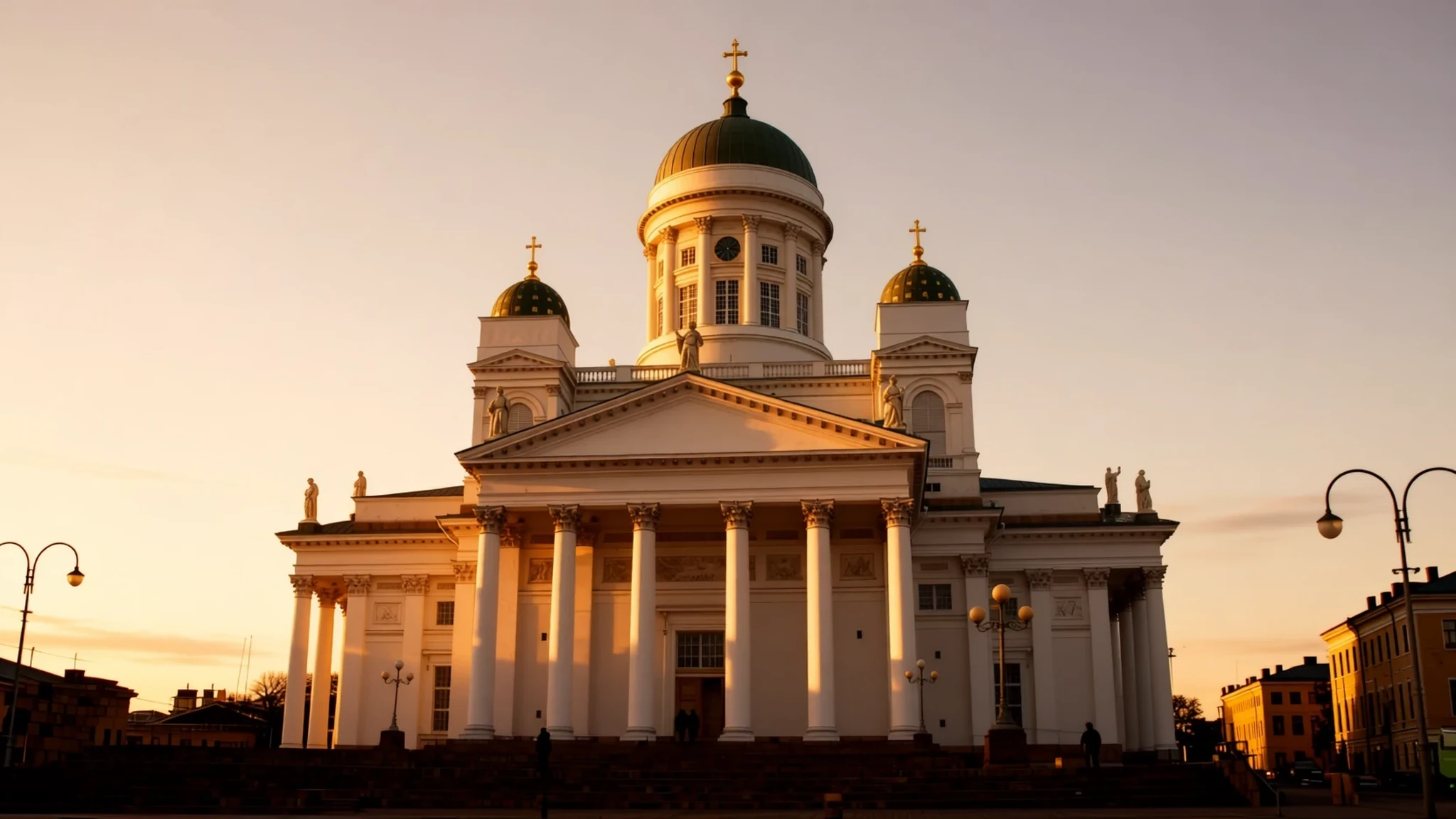
Helsinki is a compact Nordic capital where harbour, island fortress and design-led streets make an easy first stop in Finland.
The place
Helsinki sits on the shore of the Gulf of Finland, and the sea shapes nearly everything about it. Ferries cross to the islands, harbour stalls fill the quayside in summer, and most central sights sit within a comfortable walk of the water. The municipality has about 694,000 residents, but the wider capital region holds around 1.3 million people, so the city feels larger on a map than it does on foot.
Finnish and Swedish are both official languages, which you will notice on street signs and on the names of older buildings. Many people speak excellent English, so getting around and ordering food rarely causes trouble. The city is the country's centre for government, universities, finance, research and the arts, and that mix shows in the civic architecture, the design shops and the student cafés.
Helsinki is a city of neighbourhoods more than one grand centre. Kallio has a gritty, bohemian edge, Punavuori and Kamppi are where the boutiques and bars cluster, and the waterfront around the Market Square carries the city's most formal face. Distances are short, trams are reliable, and cycling works well in the warmer months.
Many places wind down early on weekday evenings, and winter days are short and dark. Summer brings long light and crowded terraces, so plan museum visits for daytime and carry warm layers whatever the season.
Its story
The land around Helsinki was under ice until the last Ice Age ended, and the first people followed the retreating ice into the region. Archaeologists have found traces of these early settlers in the wider area, in places that now lie within the neighbouring town of Vantaa and nearby suburbs. Lasting villages came much later, in the Iron Age, when the Tavastians lived here. They fished, hunted and kept small farms. Medieval written records describe Tavastian settlements along this coast, although the picture is still patchy.
Christianity arrived slowly in Finland, and objects linked to the faith appear in the archaeological record only from around the eleventh century. Older accounts credit Swedish expeditions with bringing the region into Christendom and into the Swedish realm. Modern historians now doubt that these campaigns matched the heroic story told for centuries, and the debate continues.
The town that became Helsinki has an official founding date of 1550, but for a long time it remained a modest port beside the bigger towns. Under Russian rule in the nineteenth century the city grew into a capital, and its centre was remade largely in stone under the architect Carl Ludvig Engel. That neoclassical core gives the squares their unified look today. The city was known in English as Helsingfors until about 1930, when the Finnish name Helsinki took over. Much of its history is still legible along the waterfront and in the civic buildings.
What to see
- Helsinki Cathedral — Senate Square, city centre
Helsinki Cathedral, known in Finnish as Tuomiokirkko, stands on a raised plaza above the Senate Square, its white walls and green domes forming the skyline you will recognise from the harbour. It is a working Lutheran church, so keep your voice low inside. The steps are a good place to sit and watch the ferries come and go. Visit on a clear day for the best view across the water.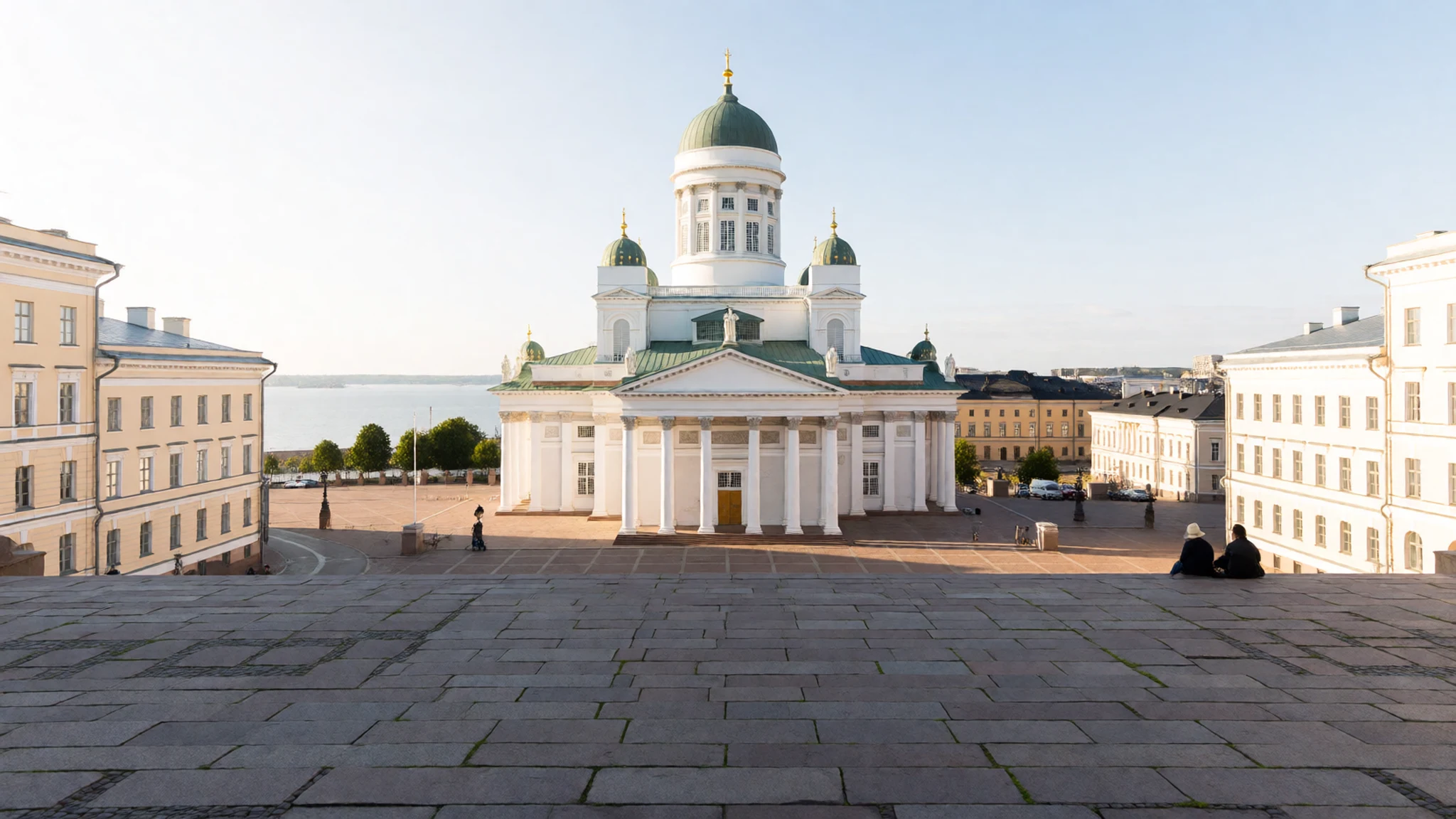
- Suomenlinna sea fortress — Ferry from the Market Square
Suomenlinna is an island fortress spread across a cluster of islands just offshore, reached by a short ferry from the Market Square. Its walls, batteries and tunnels are open to walk through, and people still live among the old buildings. Pack a picnic, wear sturdy shoes for the cobbles and uneven grass, and check ferry times before you go, because the timetable changes with the season.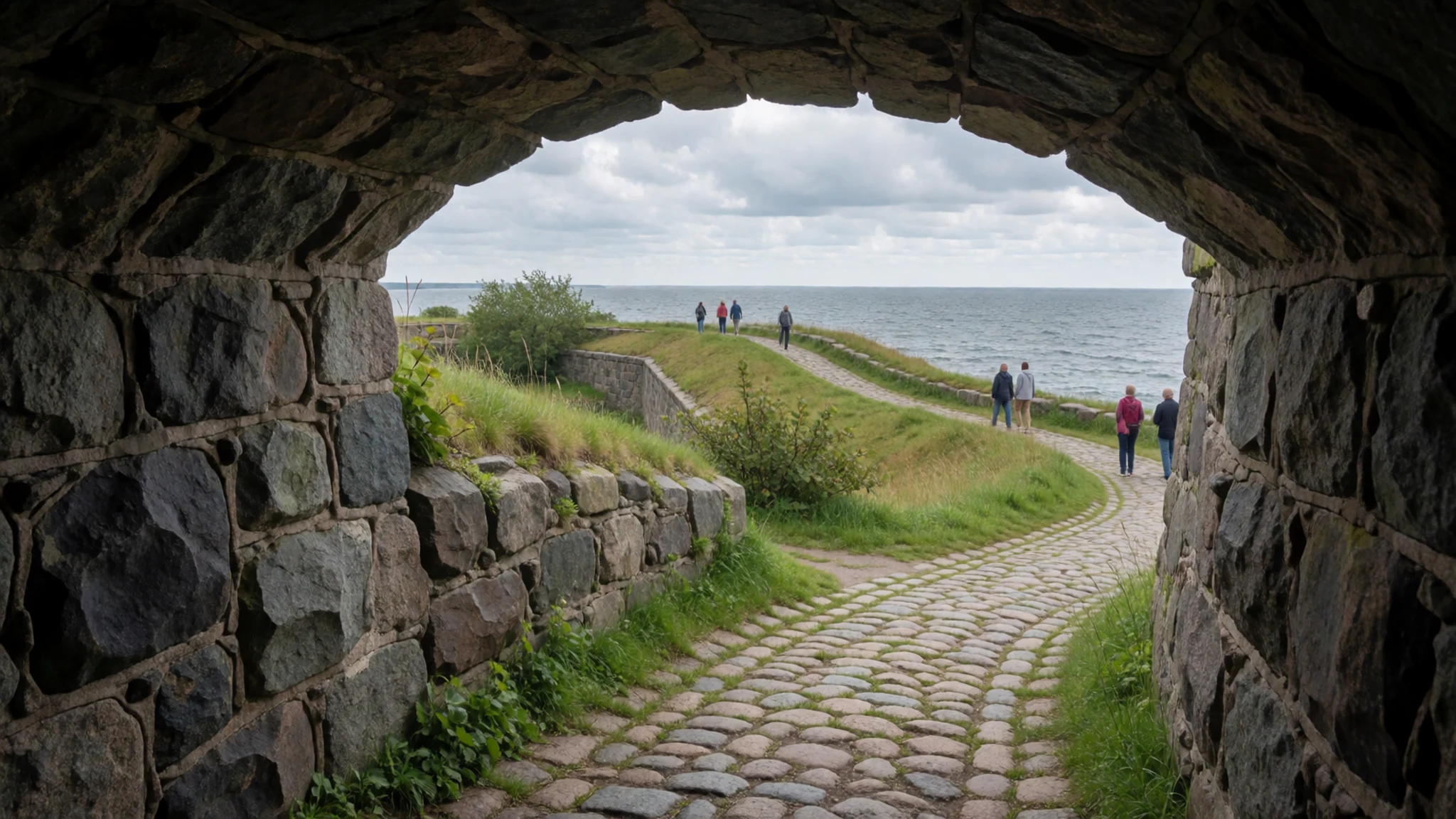
- National Museum of Finland — Central Helsinki, near the railway station
The National Museum of Finland is the biggest historical museum in the city, with a collection that runs from prehistoric finds to the present day. The building is a national romantic castle in a neomedieval style and is worth seeing even if you skip the galleries. It makes a good rainy-afternoon stop and a natural lead-in to the country's wider story.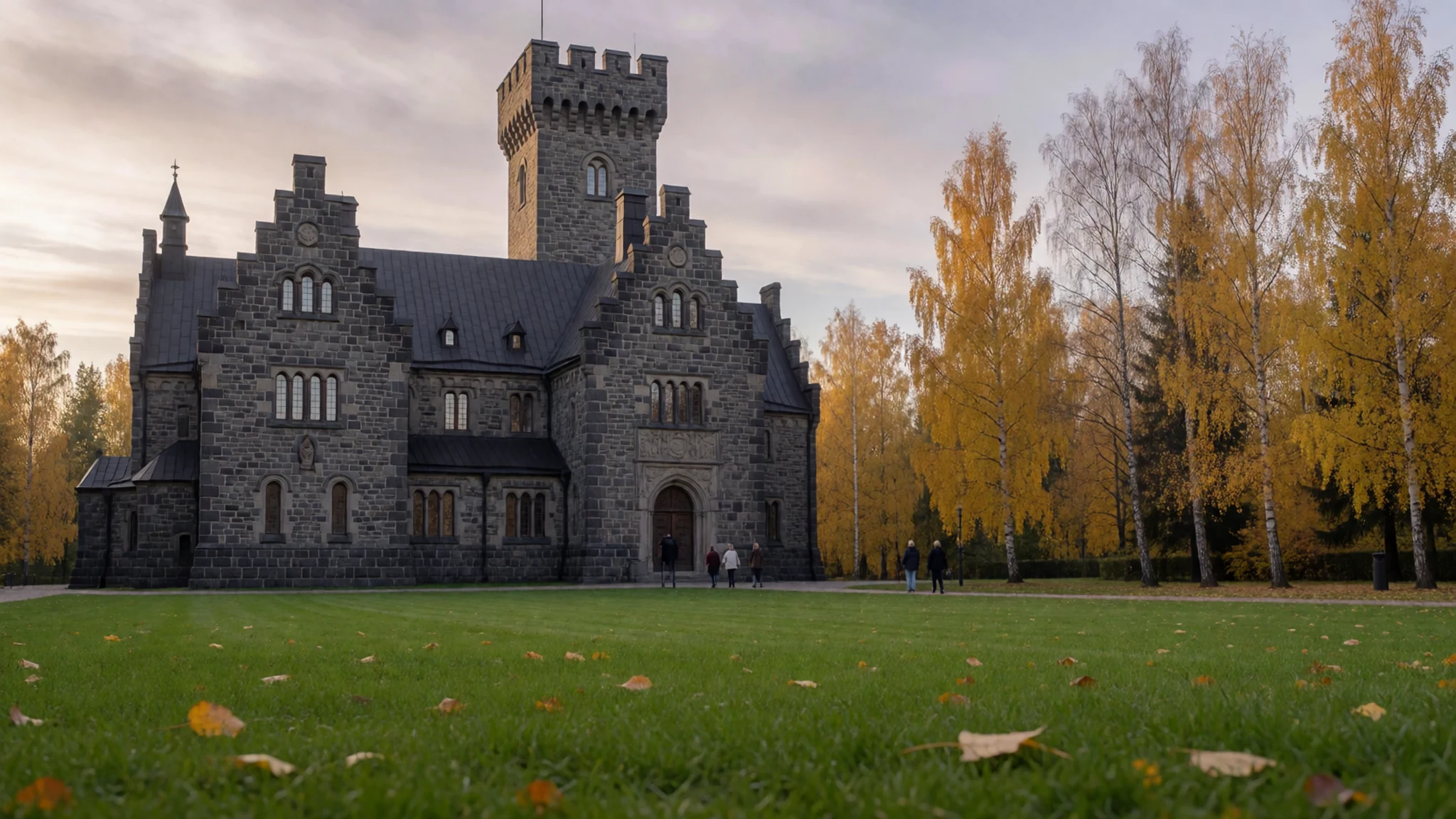
- Kiasma and the Finnish National Gallery — Museum district, city centre
Kiasma is the modern art museum within the Finnish National Gallery, housed in a curving building by the architect Steven Holl. The gallery also runs Ateneum for classical Finnish art and Sinebrychoff for classical European art, so one ticket-buying session can cover three very different collections. Kiasma is a good choice if you want contemporary work after a morning of older painting.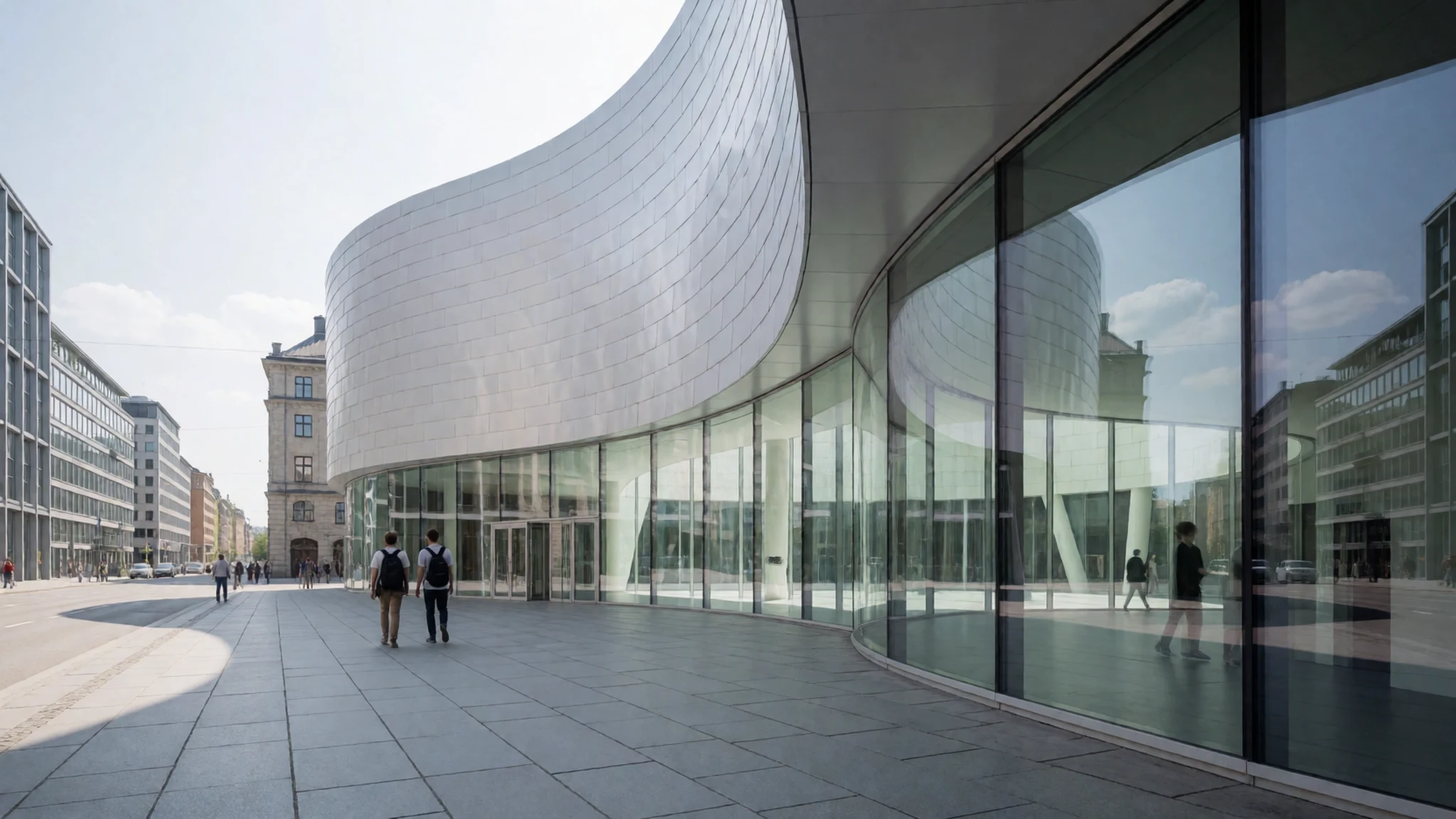
- Söderskär Lighthouse by boat
Söderskär Lighthouse stands on a secluded island far out at sea, inside a bird reserve, and is reached on a day trip by boat. The lighthouse may have inspired Tove Jansson's Moominpappa at Sea, which gives the outing a literary touch. Expect roughly an hour on the skerry. Trips are cancelled in high seas, so keep a backup plan for the day.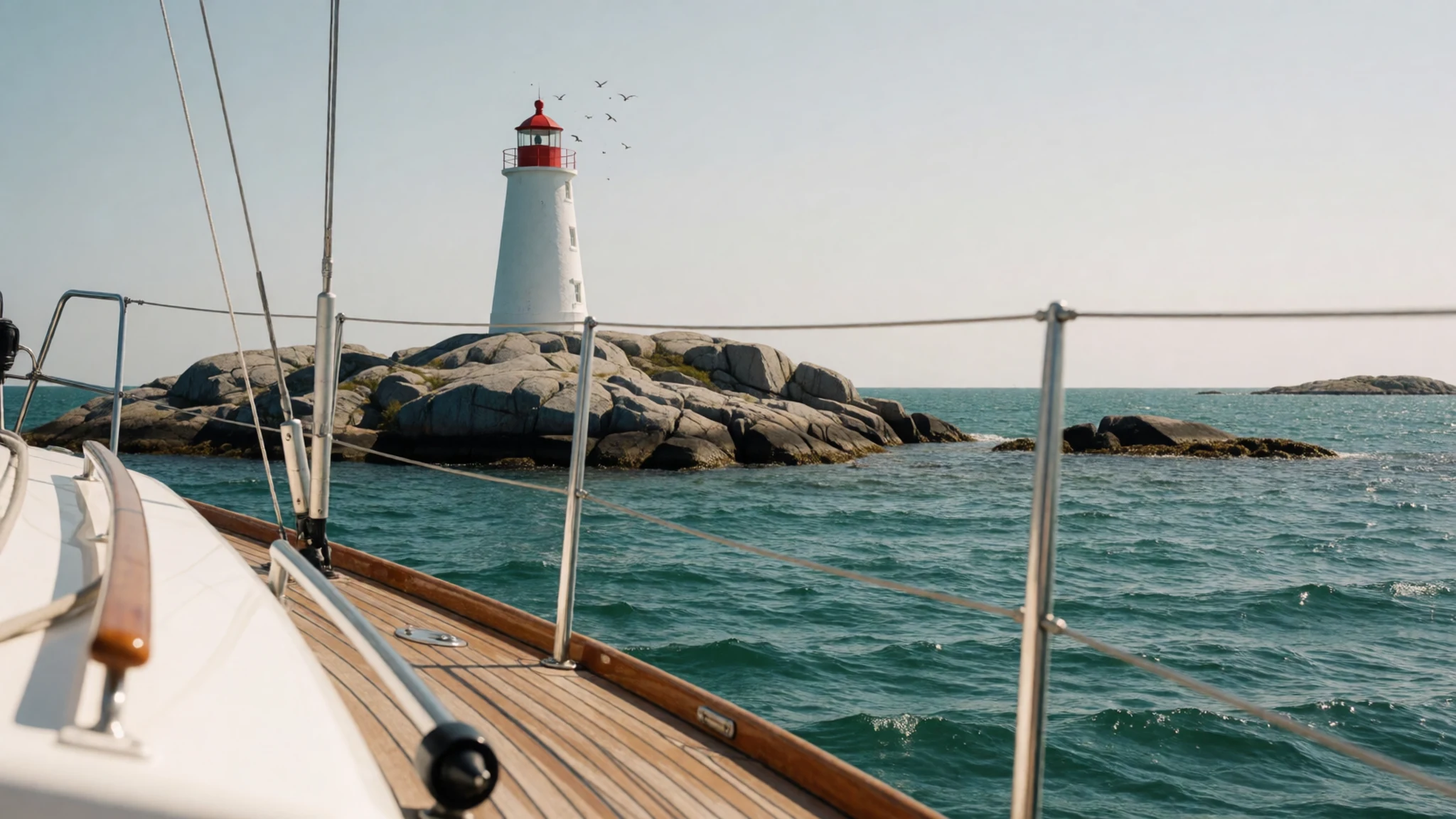
Culture
Helsinki's public life is calm and orderly, and most visitors find the pace easy. The National Gallery's three museums, the university collections and the natural history museum reward a slow afternoon. Music is taken seriously: the Helsinki Philharmonic and jazz groups such as UMO perform regularly, and some dress rehearsals on selected days are a cheap way in, so check with the venue. Public transport is quiet by default, and people expect conversation to stay low on trams and ferries. Sauna is central to Finnish life, and a sauna visit is a social occasion rather than just a bath. In a sauna, shower before you enter, sit on your own towel, and ask before ladling water onto the hot stones.
What to wear
Traditional Finnish dress is mostly regional. Folk costumes are built from wool and linen, in dark or bright colours, with embroidered bodices, aprons and head scarves, and you will see them at festivals, folk-dance events and some formal occasions rather than on the street. Textiles matter more in everyday life than costume. Woven and printed cotton, wool blankets and knitwear have a long design tradition, and Helsinki is home to design houses such as Marimekko, whose bold printed fabrics are worn and carried across the country.
Day to day, Helsinki dresses in a practical, understated way. Dark coats, wool hats, layered knitwear and waterproof boots are common through autumn and winter, while summer brings light cotton, linen and sandals on the terraces. Casual dress is the norm, and even smarter restaurants rarely expect much dressing up.
For a visit, pack layers. Summer evenings can turn cool, and winds off the Gulf of Finland feel chilly even in sunshine. Bring a windproof outer layer, sturdy shoes for cobbles and the rocky paths of Suomenlinna, and a light scarf for churches. Covering shoulders and knees inside churches is a considerate choice, though it is not strictly required.
What to eat
- Smoked and cured fish — Old Market Hall and the Market Square, by the harbour
Finland's fish traditions show up in the smoked salmon, whitefish and cured fish sold at the Old Market Hall and at the Market Square stalls in warmer months. Ask for a portion to eat standing at the counter, or take it in paper to the harbour steps nearby. Vendors are used to visitors buying a small piece to try before committing to more.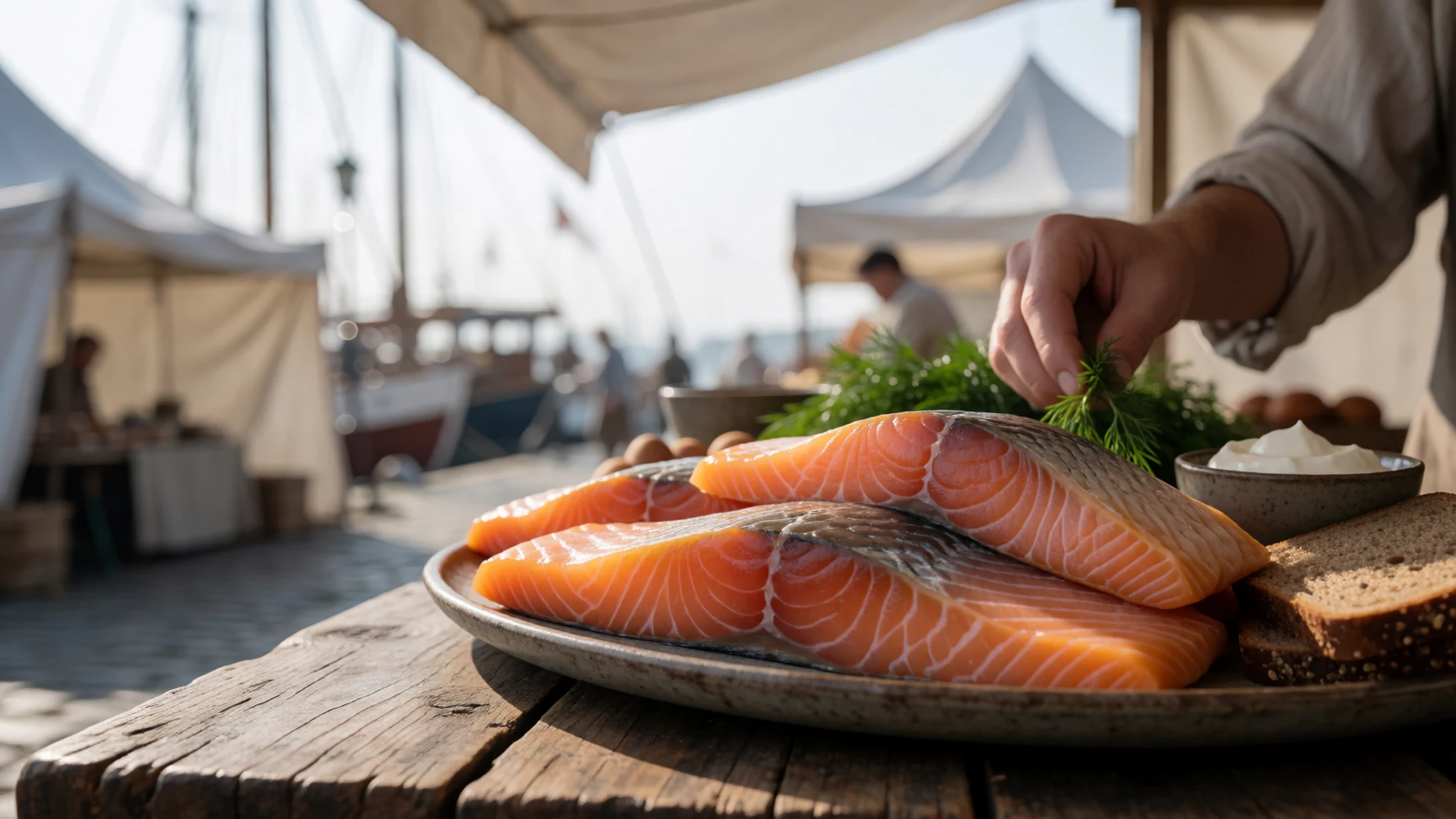
- Lohikeitto, creamy salmon soup — Lunch sets at restaurants across the city centre
Lohikeitto is a creamy soup of salmon, potato and dill, usually served with rye bread. It is the classic lunch-set dish. Lunch is the cheapest way to eat well in central Helsinki, because most restaurants offer a set lunch through the middle of the day.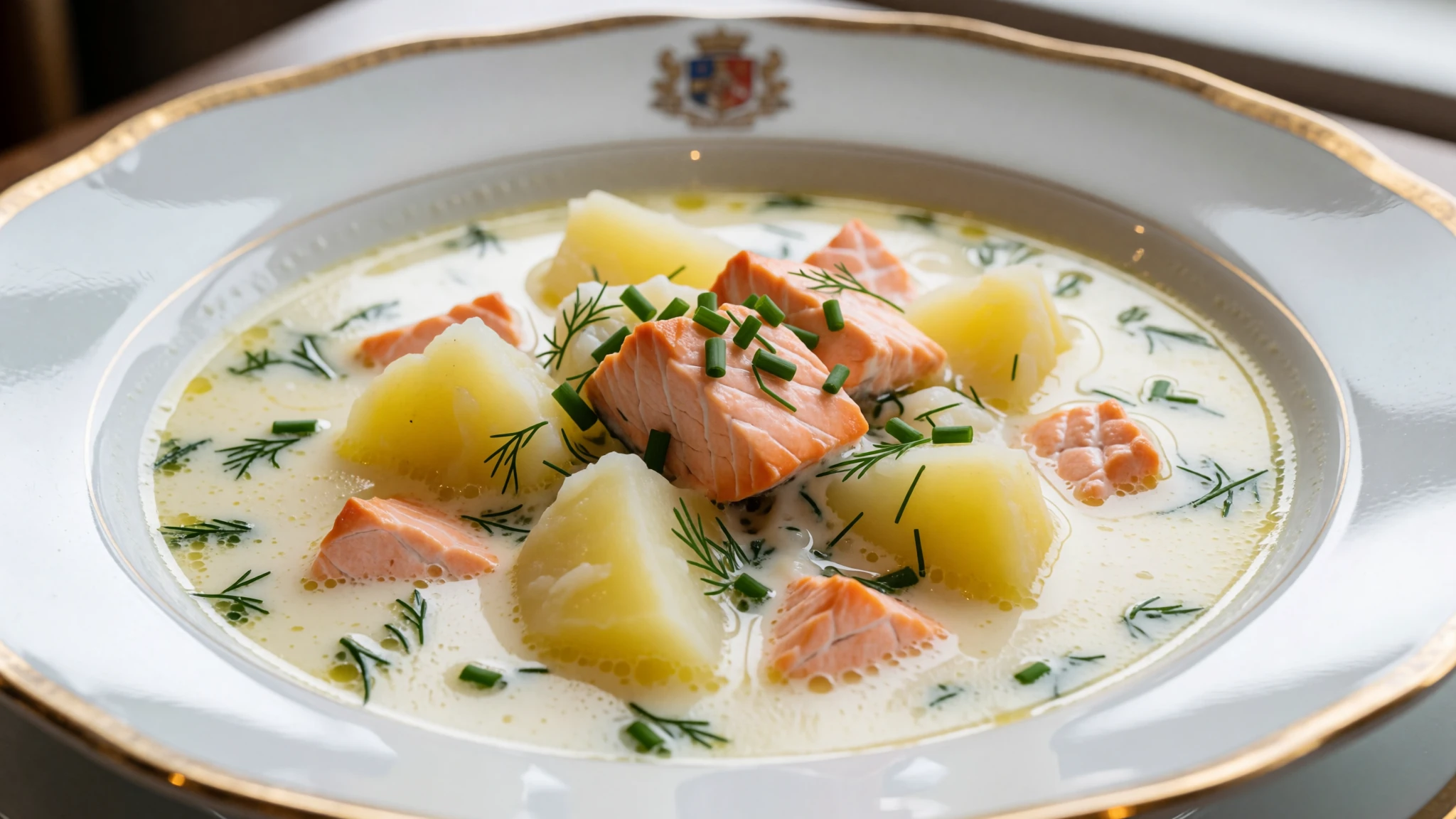
- Karjalanpiirakka, rye pastry with egg butter — Bakeries and cafés in Kallio and the city centre
Karelian pasties are thin rye shells filled with rice porridge or mashed potato, and traditionally spread with a mix of boiled egg and butter. They are a cheap, filling snack best eaten warm. Cafés and bakeries in Kallio and around the central streets usually have them in the morning.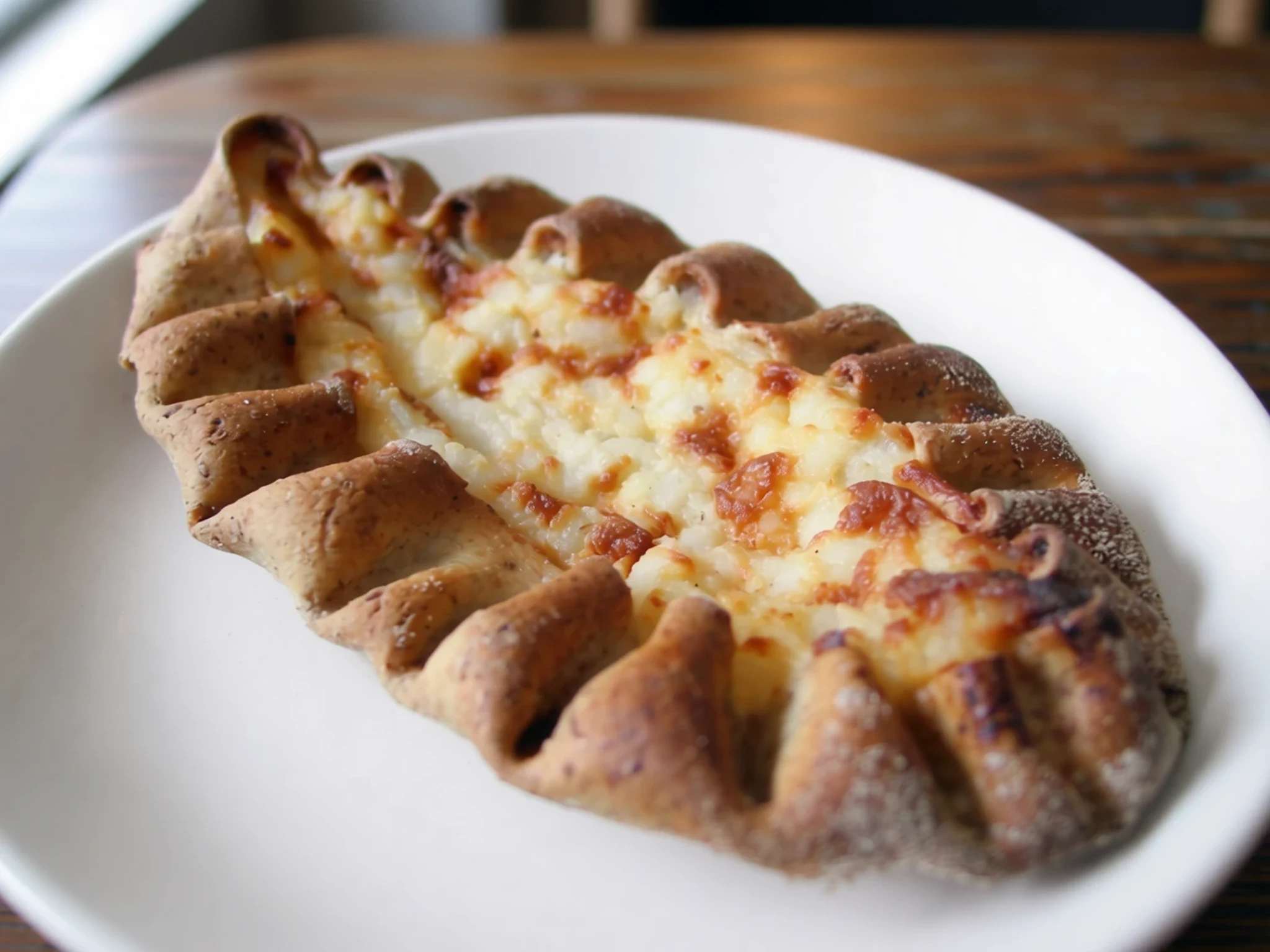
- Korvapuusti, cinnamon buns — Any café in the city centre
Korvapuusti, literally slapped ears, are cinnamon buns that appear in almost every café. They are best with a cup of coffee in the afternoon, when the café culture is at its busiest. Many cafés also serve a simple salad or soup alongside. - Reindeer, roasted or stewed — Traditional Finnish restaurants in the city centre
Reindeer is a traditional Finnish meat, usually roasted thinly or served in a stew with lingonberries and potatoes. It is a good dish to order at a restaurant that focuses on Finnish food. Expect it to be lean and rich, served in modest portions.
Plan it
Best time. May to September gives long daylight, outdoor terraces and boat trips, with June to August the warmest months. Winter days are short and dark, so plan museums for daytime and carry warm layers all year.
How long. 2–3
Getting there. Helsinki-Vantaa airport lies about 20 km north of the centre, and a commuter train reaches the city in about 30 minutes, running frequently through the day. Ferries link Tallinn, and intercity buses and trains connect with other Finnish cities.
Budget. mid
Tips
- Eat lunch at a restaurant offering a set lunch, served through the middle of the day.
- Check boat times for Suomenlinna and Söderskär before you go, and leave a spare day for weather.
- Visit Helsinki Cathedral early or late to avoid the midday tour groups.
- Cards are widely accepted, but carry a little cash for small kiosks and market stalls.
- In January, the Lux Helsinki light installations brighten the city through its darkest weeks.
Etiquette
- Keep voices low on public transport, on ferries and inside churches.
- Queue in order at bakeries and market counters.
- Ask before taking close photographs of people at markets.
Nearby
Sources
- Wikidata Q1757 (CC0)
- Wikipedia (rev 1382243127) (CC BY-SA 4.0)
- Wikivoyage (rev 5406670) (CC BY-SA 4.0)
- Helsinki Lutheran Cathedral panorama, Old Pionear (CC BY-SA 4.0)
- Central Helsinki from Erottaja, Otso Kivekäs / Jonik (CC BY 3.0)
- Suomenlinna, Michal Pise (CC BY 2.5)
- Eduskuntatalo Helsinki, Janne Hellsten (CC BY 2.5)
- Helsinki July 2013, Alvesgaspar (CC BY 3.0)
- Kalasatama in Helsinki, Safa Hovinen (CC BY 2.5)
- Helsinki and Uusimaa location map, Rutlandbaconsouthamptonshakespeare (CC BY-SA 4.0)
- City Hall Square 1820, Carl Ludvig Engel (Public domain)


