Kauhaneva–Pohjankangas National Park
Kauhaneva–Pohjankangas National Park, Finland
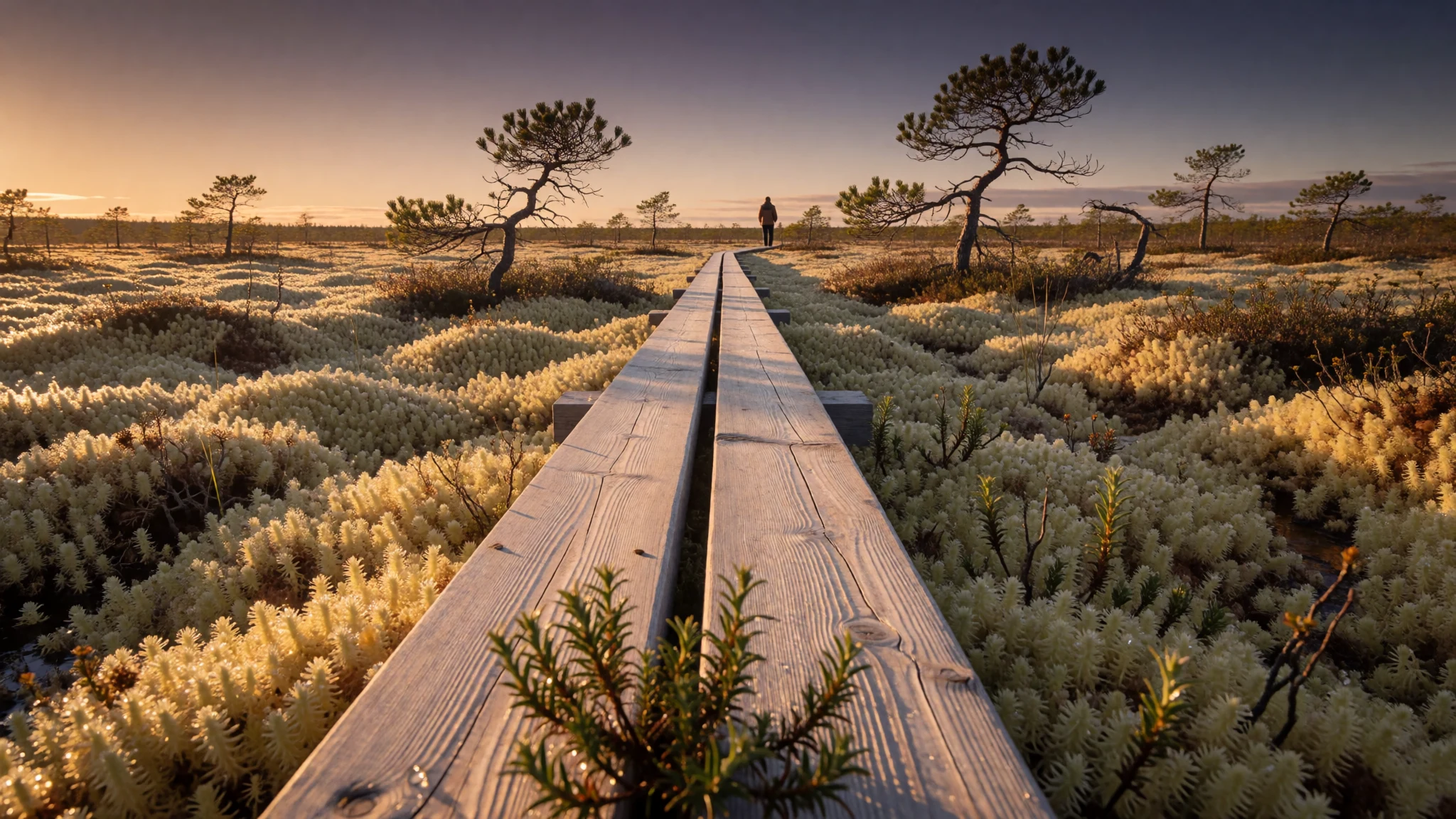
Kauhaneva–Pohjankangas National Park offers wide, quiet bogs and pine ridges in western Finland, explored on easy boardwalks and short forest trails.
The place
Kauhaneva–Pohjankangas National Park lies in western Finland, where the regions of South Ostrobothnia and Satakunta meet, and it is shared between the municipalities of Kauhajoki and Karvia. Protected since 1982, it covers about 57 square kilometres, and most of that is wet ground: open bogs and mires, with strips of pine forest on slightly higher land. The bog that gives the park its first name, Kauhaneva, spreads over roughly 16.3 square kilometres. Part of it is a raised bog, domed with peat; part is an open, aapa-style mire, flat and wide, where water seeps slowly through the moss. Pohjankangas, the second name, is a different landscape altogether: a forested esker, a ridge of gravel and sand left behind by meltwater, drier underfoot and shaded by pines. The whole area sits in the south-western part of the Suomenselkä watershed, where water divides towards different coasts. Peat covers most of the ground, and the bedrock below is porphyritic granite. Height hardly varies. The northern bog lies at about 170 to 177 metres above sea level and the southern and western parts nearer 160, so the drama here is sky and horizon rather than slope. That flatness is why the mires matter to birds, and in 2004 the park was added to the Ramsar list of internationally important wetlands. The nearest town is Kauhajoki, a farming and light-industry place, from which the park is easy to reach by road.
Its story
Kauhaneva–Pohjankangas National Park is a young-looking landscape with a long back-story. The mires began forming after the last ice sheet retreated, when meltwater laid down the gravel ridge of Pohjankangas and the hollows in the flat ground filled with water and moss. Over many centuries, dead plants failed to rot fully in the cold, wet conditions and built up as peat, which is why the ground is soft and the bog slowly domes upward. People passed through long before anyone thought of protection. A museum road with medieval heritage runs past the bog and the Salomaa and Nummikangas campfire sites, and today's bike route follows it, so the park still carries a trace of older travel. Farming shaped the surrounding district, and drained fields and peat cutting changed much of the wider countryside, which is part of why an intact mire is worth keeping. In the twentieth century this region was far from the front lines, and during the Winter War the Finnish Parliament was moved to Kauhajoki for safety; a museum in the town tells that story. The park itself was established in 1982, and in 2004 it gained Ramsar status for its wetlands. Since then the emphasis has been on keeping the water table steady and letting visitors in along boardwalks rather than across the moss.
What to see
- Kauhaneva mire — Centre of the park
Kauhaneva, the bog at the heart of the park, is best taken in from its boardwalks, where the horizon opens out over pale moss, tiny pools and stunted pines. Spring brings cranes, whooper swans and wood sandpipers, so a pair of binoculars earns its weight. Go quietly, because birds move off at the first loud voice.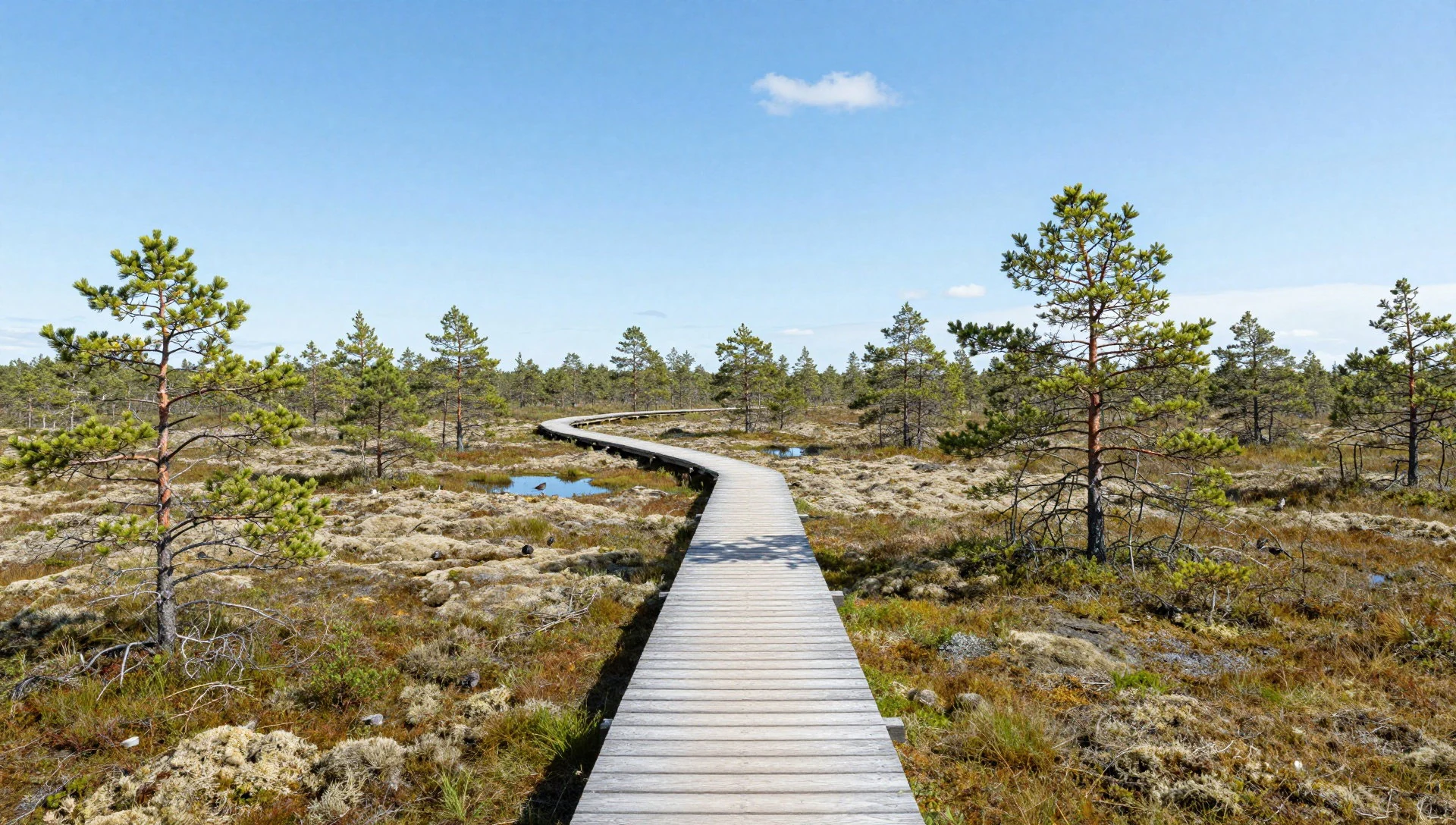
- Kauhalammi trail — Beside Kauhaneva, from the Salomaa trailhead
The Kauhalammi circuit is the gentlest introduction, about 2.6 km long, with covered boardwalk in places and a jetty at the little lake. It can be managed with an assisted wheelchair, though that is demanding. The Salomaa campsite at the trailhead is accessible too, which makes this a sensible first walk for families.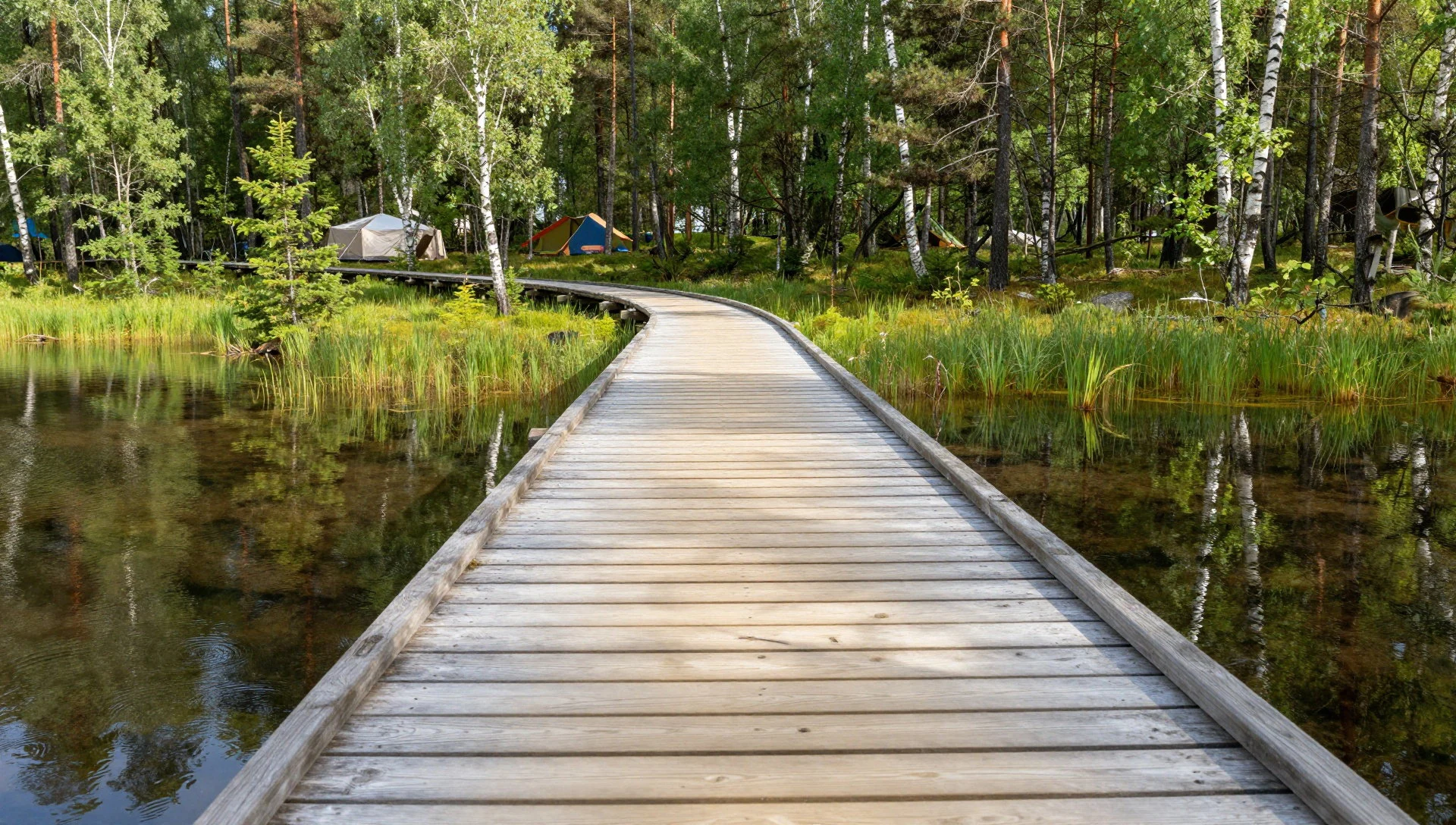
- Katikankanjoni ravine trail — North-west of the park
For a change from flat ground, the Katikankanjoni ravine, toward the park's north-western edge, has a steep circular trail of about 2 km. It drops into a small gorge and climbs out again, so proper boots matter. A lean-to shelter stands at Katikanluoma, a handy place for a flask of coffee.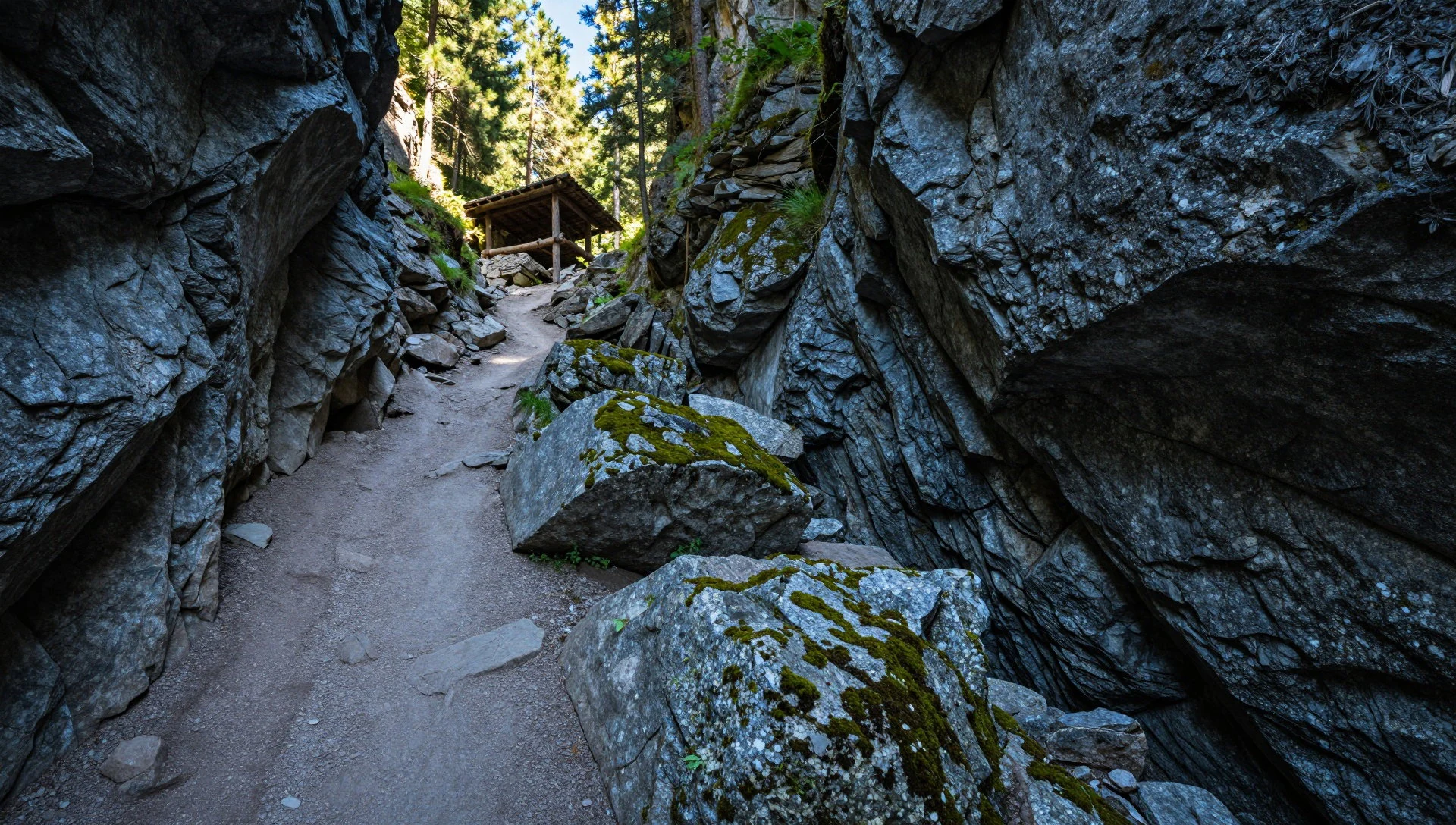
- Pohjankangas esker and campfire sites — Southern and western parts of the park
Pohjankangas is the forested esker that gives the park its second name. Its dry, sandy ridge, shaded by pines, makes a pleasant contrast with the wet bog. The Salomaa and Nummikangas campfire sites lie along the old museum road, which bikes can use, so the area suits a slow day of walking, riding and grilling.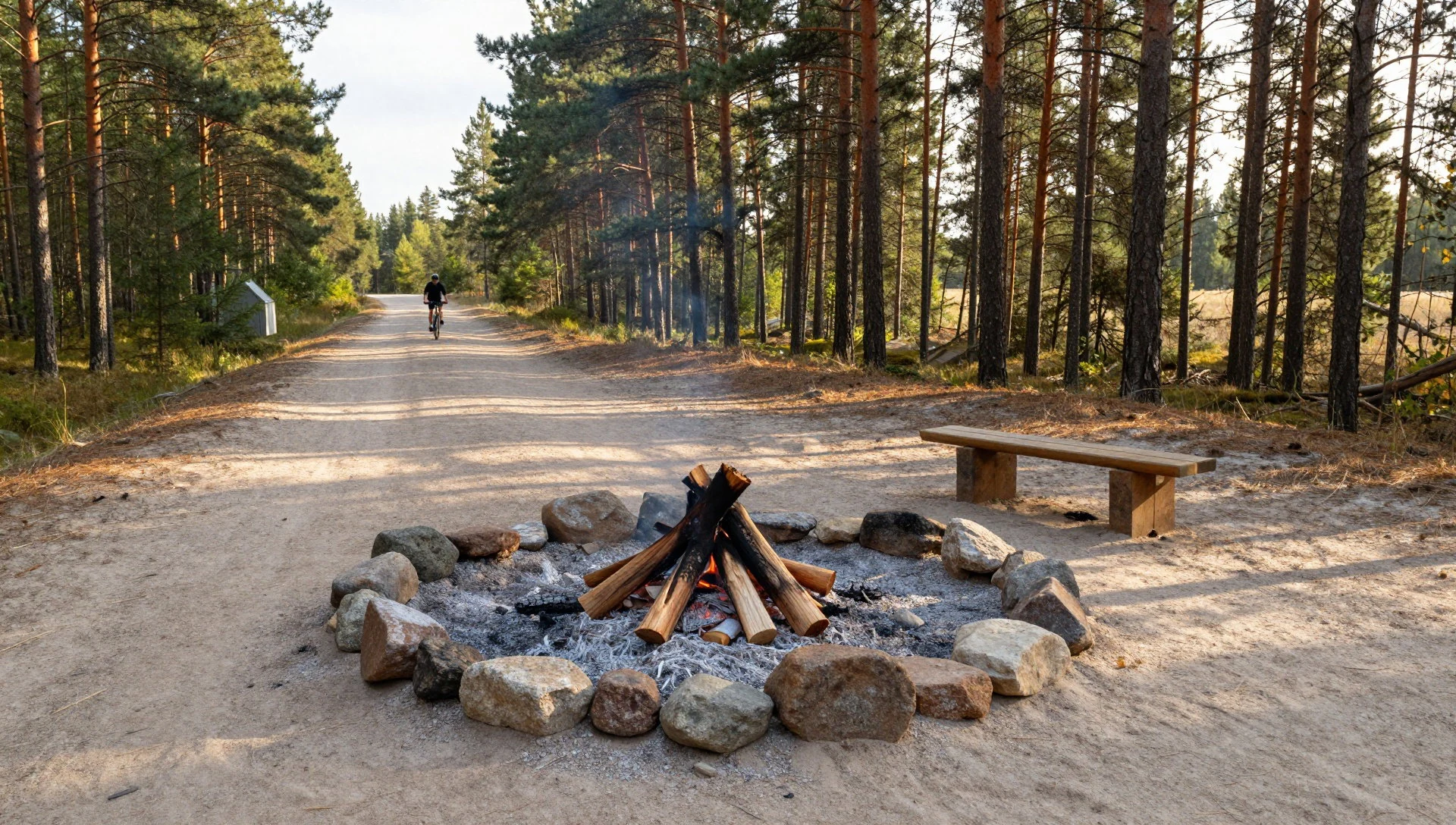
- Eduskuntamuseo — Kauhajoki town
The Eduskuntamuseo in Kauhajoki tells the story of the wartime weeks when the Finnish Parliament was evacuated here from the capital. It is a small, local museum rather than a big institution, and it pairs well with a rainy day when the bog is not appealing. Check opening times with the municipality before going.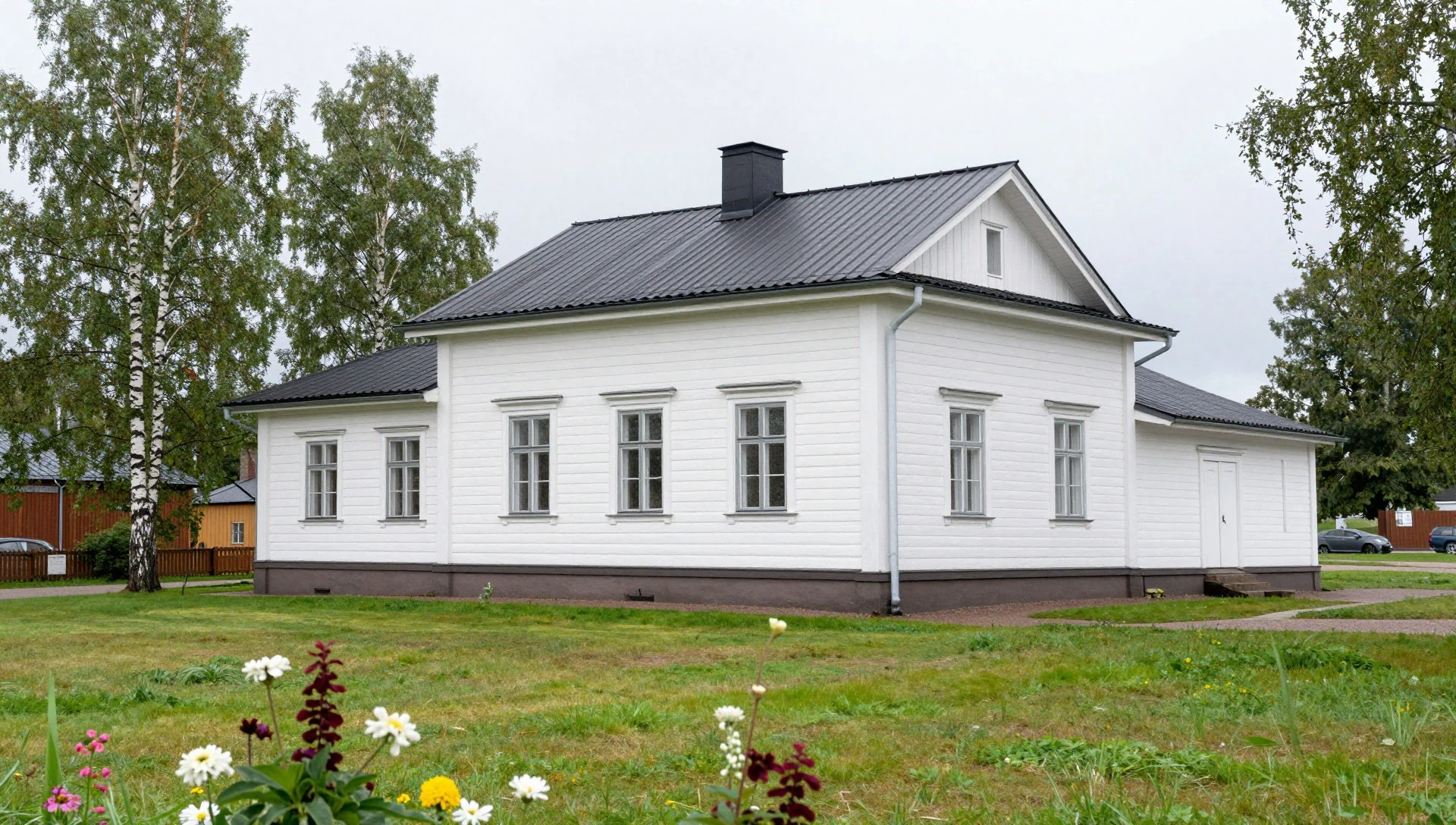
- Alpon savanni — Countryside near Kauhajoki
Alpon savanni is a sculpture park with a gallery, a café and a campfire site, set in open countryside east of Kauhajoki. It makes an easy, low-effort stop after the park, and the outhouse toilet is wheelchair-accessible. Check what is open on the day, as the café and gallery may keep seasonal hours.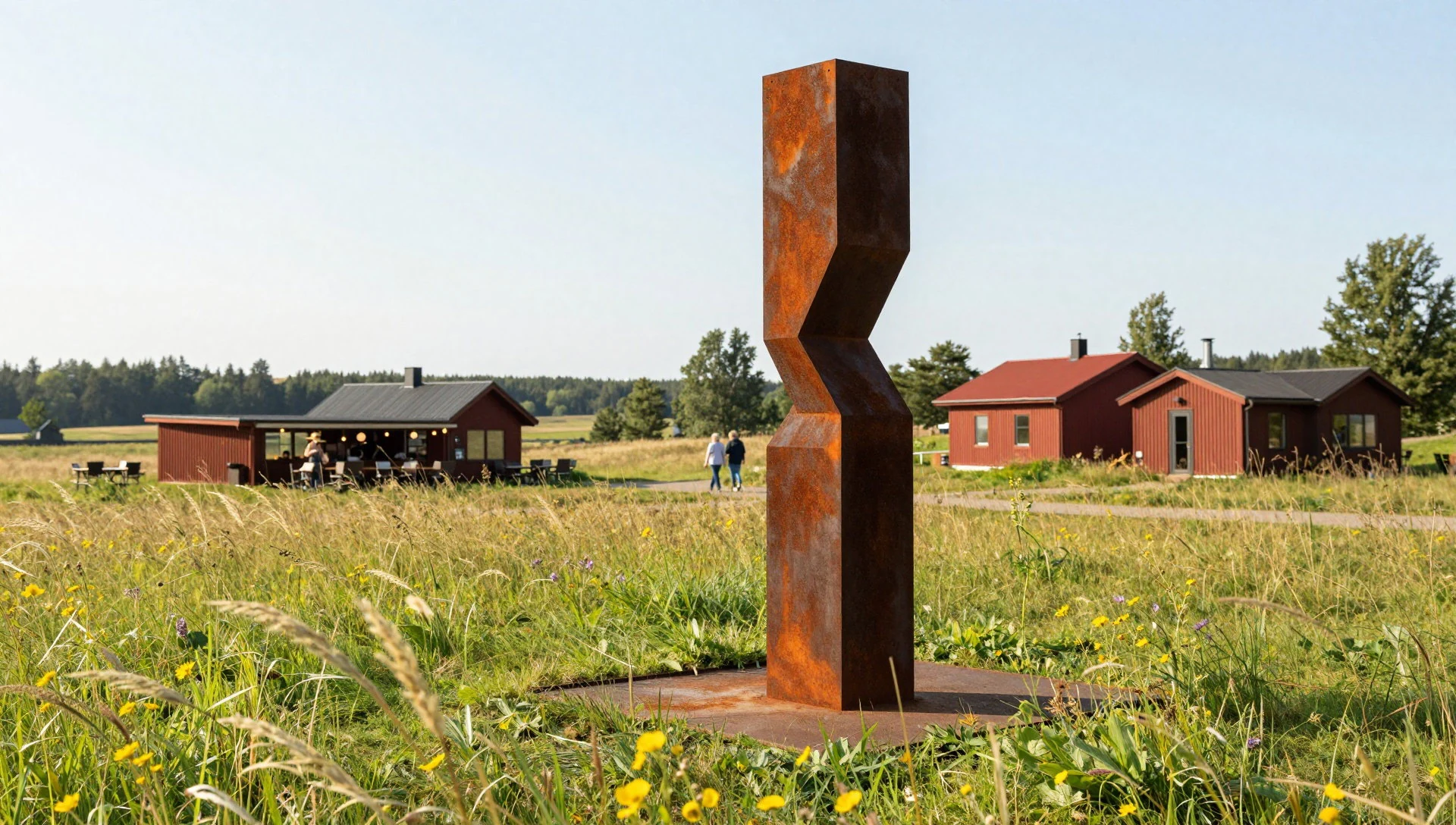
Culture
Kauhaneva–Pohjankangas National Park sits in a part of Finland where life has long been tied to land and weather. South Ostrobothnia is farming country, known for practical, plain-spoken people, and Kauhajoki still reflects that, with its fields, workshops and small factories. Nature is treated as a shared space rather than a spectacle. Finns walk, pick berries, fish and light small cooking fires as ordinary weekend habits, and the park's marked campfire places and lean-to shelters fit that easy relationship with the outdoors. Peat has its own place in local memory, as fuel, as a hazard for farmers and now as something to protect. The town also has a social side that surprises some visitors: dance venues with live music, bakery cafés that fill up with locals for coffee and pastry, and a slow, unhurried pace in the evenings. Conversation tends to be brief and kind rather than effusive, and silence is not awkward. The old museum road, medieval in origin, is a reminder that people have crossed this wet country for a very long time, usually by choosing the dry ridges. Visitors who follow that logic, sticking to the paths and the boardwalks, will have a better day and do less harm. Stay on the duckboards, keep voices low near nesting birds, take all rubbish home, and light fires only at the marked campfire places.
What to wear
Kauhaneva–Pohjankangas National Park is a place for practical clothes, and the dress traditions of the region follow the same spirit. Finnish regional costumes, known as kansallispuku, are made mainly from wool and linen, with embroidered or woven trims, aprons and bodices for women and waistcoats and knee breeches for men, and each area has its own pattern. They appear at weddings, folk dance events, midsummer gatherings and national holidays rather than in daily life. Everyday wear around Kauhajoki is plain and weatherproof: wool jumpers, padded jackets, rubber boots and caps, with bright outdoor gear on weekends. In the nearby town people dress neatly but casually, and no one will mind trainers or walking shoes in a café. Visitors should think layers first. Summer evenings can be cool and the bog is open to wind, so a light waterproof and a wool or fleece mid-layer are sensible. Midges and ticks are part of wet-ground walking in warm months, so long trousers and a repellent help. Waterproof walking shoes or light boots are better than canvas shoes on damp boardwalks and muddy forest paths. In winter, add thermal underlayers, a warm hat and gloves. No special dress code applies at any site in or around the park.
What to eat
- Korvapuusti and coffee — Bakery cafés in Kauhajoki town centre
Korvapuusti is a cardamom-scented cinnamon bun, eaten with strong filter coffee as a daily Finnish ritual. It goes well after a walk on the boardwalks, when hands are cold and legs are tired.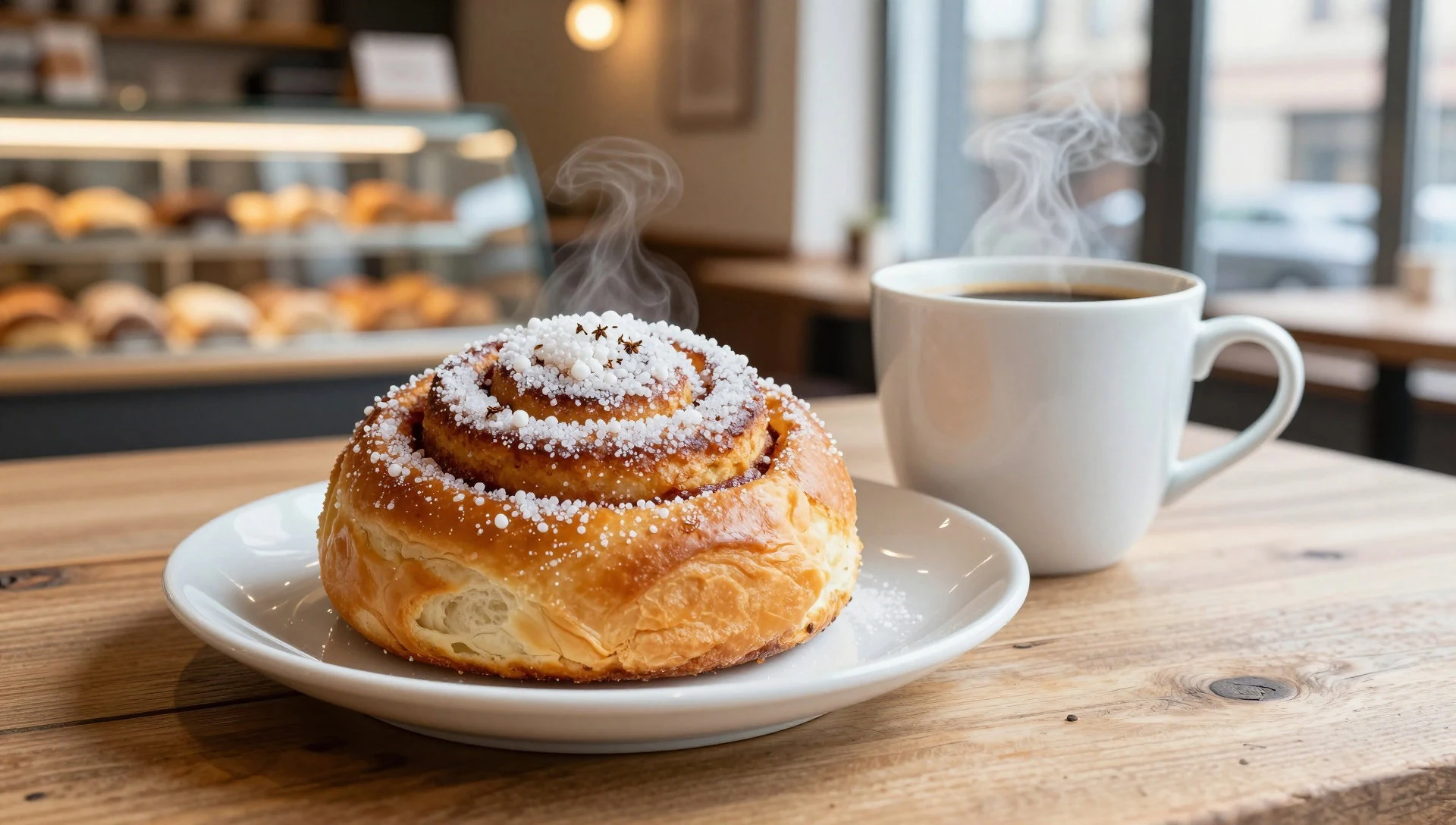
- Sweet and savoury waffles — Waffle and coffee cafés in Kauhajoki
Waffles in Finland can be dessert or lunch: sweet with berry jam and cream, or savoury with cheese, ham or vegetables. A waffle café in town makes a warm, filling stop before or after a day in the park.
- Lunch of the day (lounas) — Restaurants in the town centre, on weekday lunchtimes
Many Finnish restaurants serve a set weekday lunch, often a main dish with salad, bread and coffee. It is the most economical hot meal in town and usually based on plain, seasonal cooking. - Cakes and pastries in a historic café — Historic-building cafés in Kauhajoki
Café cakes, sweet pastries and light lunches are served in older wooden or period buildings in the area, giving a taste of small-town Finland. Sit down, order coffee, and take your time over the cake. - Campfire sausage — Marked campfire places in the park; supplies from local grocery shops
Grilling sausage over a campfire is the classic Finnish outdoor meal. Bring sausages, bread and mustard from a shop in town, and use the park's marked campfire places such as Salomaa or Nummikangas.
Plan it
Best time. Late May to September is the easiest period for boardwalks and forest trails, with long daylight in June and July and good colour on the bog in early autumn. Spring migration brings cranes, swans and waders, so April and May suit birdwatchers who pack for cold, wet ground. Winter is possible but needs proper cold-weather kit.
How long. 1–2
Getting there. Fly to Helsinki or another Finnish airport and continue by rail or coach. The nearest railway stations are Seinäjoki (57 km) and Parkano (89 km), and long-distance buses run from Seinäjoki; the nearest Onnibus stop is Jalasjärvi (36 km). The last leg to the trailheads is realistically by car or taxi, so check the official site for current access.
Budget. low
Tips
- Check the official site for trail conditions, closures and fire rules before setting out
- Bring your own food and water, since there are no shops at the trailheads
- Wear waterproof shoes and carry insect repellent in warm months
- Go early in spring for bird activity and quiet boardwalks
- Download maps or ask at the visitor information in town, as mobile coverage can be patchy
Etiquette
- Stay on the duckboards and marked trails so the moss and peat are not damaged
- Keep noise low near nesting birds and take all rubbish home
- Light fires only at the marked campfire places and follow any posted restrictions
Nearby
Sources
- Wikidata Q1737079 (CC0)
- Wikipedia — Kauhaneva–Pohjankangas National Park (rev 1362778953) (CC BY-SA 4.0)
- Wikivoyage — Kauhajoki (rev 5425909) (CC BY-SA 4.0)
- Photo 01-kauhaneva.jpg — Clem23 (CC BY 3.0)
- Photo 02-kasvillisuutta-kauhalammin-rannassa.jpg — Nr3 datacom (CC BY 4.0)
- Photo 03-kauhalammin-kierros.jpg — Nr3 datacom (CC BY 4.0)
- Photo 04-kauhalammin-ranta.jpg — Nr3 datacom (CC BY 4.0)
- Photo 05-kauhaneva-10.jpg — Roquai (Public domain)
- Photo 06-kauhaneva-11.jpg — Roquai (Public domain)
- Photo 07-kauhaneva-2.jpg — Roquai (Public domain)
- Photo 08-kauhaneva-28.jpg — Roquai (Public domain)


