Lamma Island
Lamma Island, People's Republic of China
Lamma Island is a car-free Hong Kong island of village harbours, easy ridge walks and beaches a short ferry ride from the city.
The place
Lamma Island sits south-west of Hong Kong Island, a hilly green island whose lanes and footpaths take the place of roads. There are no cars. People walk, cycle, or ride the small village vehicles that serve the houses, and the ferry piers at Yung Shue Wan and Sok Kwu Wan are the front doors. Between those harbours a paved path climbs a low ridge, passes sandy beaches, and drops into a second fishing village, so the island can be crossed on foot in a morning.
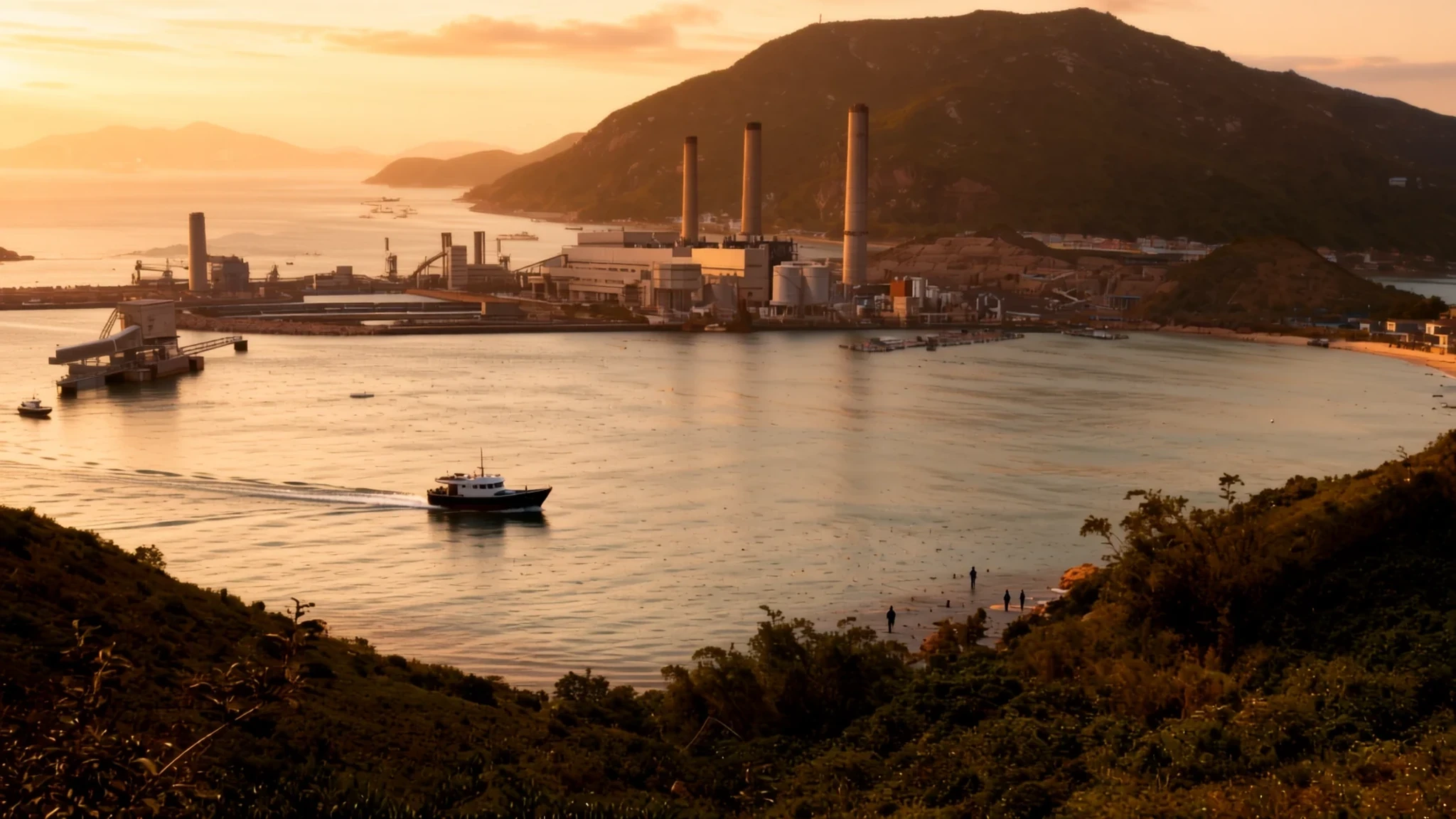
The north, around Yung Shue Wan, is the busier face: a narrow waterfront of seafood tables, grocery shops and a Tin Hau temple, with residential lanes just behind. Along the coast the Lamma Power Station stands behind its seawall, chimneys visible from the ferry and from the Hong Kong shore, a plain reminder that the island also helps power the city. South of the ridge, Sok Kwu Wan opens onto a bay of fish rafts, and the hills run on toward Sham Wan and the steeper southern slopes. Hung Shing Yeh and Lo So Shing, the beaches of the middle crossing, are backed by trees rather than by towers.
Daily life still turns on the sea and the villages. Weekends fill the paths with picnickers and hikers who want lunch away from the city; weekdays leave those same paths quiet. Summers are hot, humid and open to typhoons that stop the ferries. Cooler, drier months make the walks easy. Lamma Island is part of Hong Kong: Cantonese in the villages, English often heard on the waterfront, the Hong Kong dollar in the shops. The pace follows the pier and the tide.
Its story
Lamma Island (南丫島) is the name on the ferries and the charts, and the one villagers use among themselves. The island's long occupation shows up in the ground rather than in a palace skyline. Coastal sites, Sham Wan among them, have yielded pottery and stone tools from Hong Kong's prehistoric centuries, evidence that people were landing, fishing and burying their dead here long before the city across the water existed. For most of the recorded centuries that followed, Lamma Island was a scatter of fishing and farming hamlets turned toward the sea goddess Tin Hau, with clan graves on the hillsides and very little reason for outsiders to stay.
The island entered the modern city's story when the outlying islands came under British Hong Kong, and again during the Japanese occupation. Near Sok Kwu Wan, tunnels cut into the rock were prepared for explosive boats that never sailed; walkers still pass those openings. After the war the villages returned to fishing, and rafts of farmed fish spread across Sok Kwu Wan. Later in the twentieth century a different crowd arrived: people from the city and from overseas who wanted a house without a tower and a pier instead of a station. Yung Shue Wan took on that mixed character and has kept it.
The power station and its chimneys later tied Lamma Island to Hong Kong's electricity, visible on almost every approach. A collision of passenger vessels off the island, still spoken of quietly, ended the idea that the ferry was only a gentle hop. What remains is a lived-in place: family shrines, a protected turtle beach at Sham Wan, weekend seafood tables, and a ridge path that residents use on ordinary days.
What to see
- Yung Shue Wan — Yung Shue Wan
Yung Shue Wan is Lamma Island's main village and the usual ferry landing from Central. The waterfront bends past seafood tables, small shops and bicycles, with houses in the lanes behind. A Tin Hau temple sits near the pier, and the path toward the beaches starts at the far end of the promenade. Saturday crowds the landing; a weekday morning is mostly residents with shopping bags.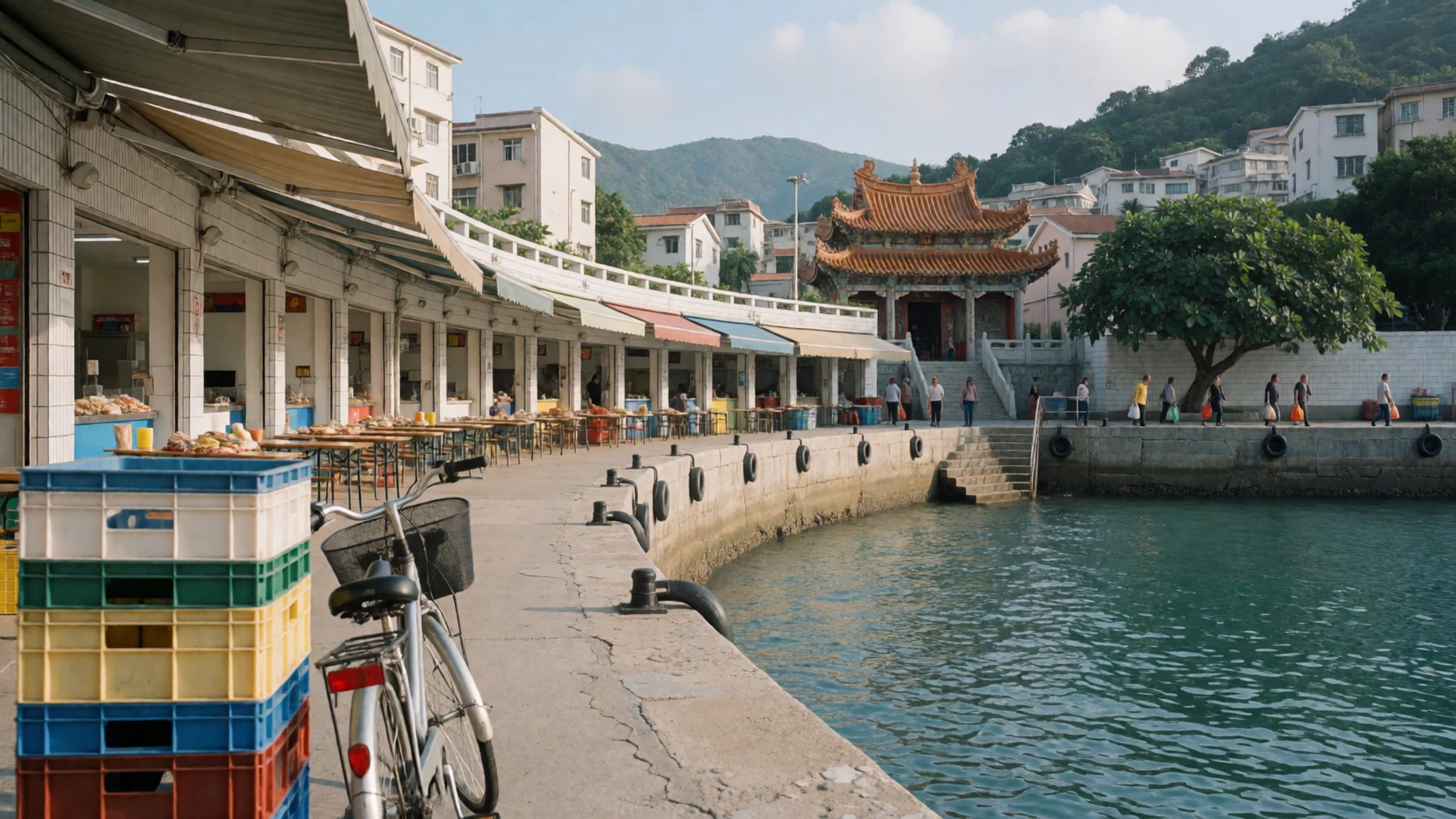
- Family Trail — between Yung Shue Wan and Sok Kwu Wan
The Family Trail is the paved walk linking Lamma Island's two ferry villages, Yung Shue Wan and Sok Kwu Wan, over a low ridge. It is wide and signed, and weekend groups, dogs and pushchairs fill it as far as the first beach. Past Hung Shing Yeh it passes Lo So Shing and drops to the seafood quay. Shade is scarce on the open ridge.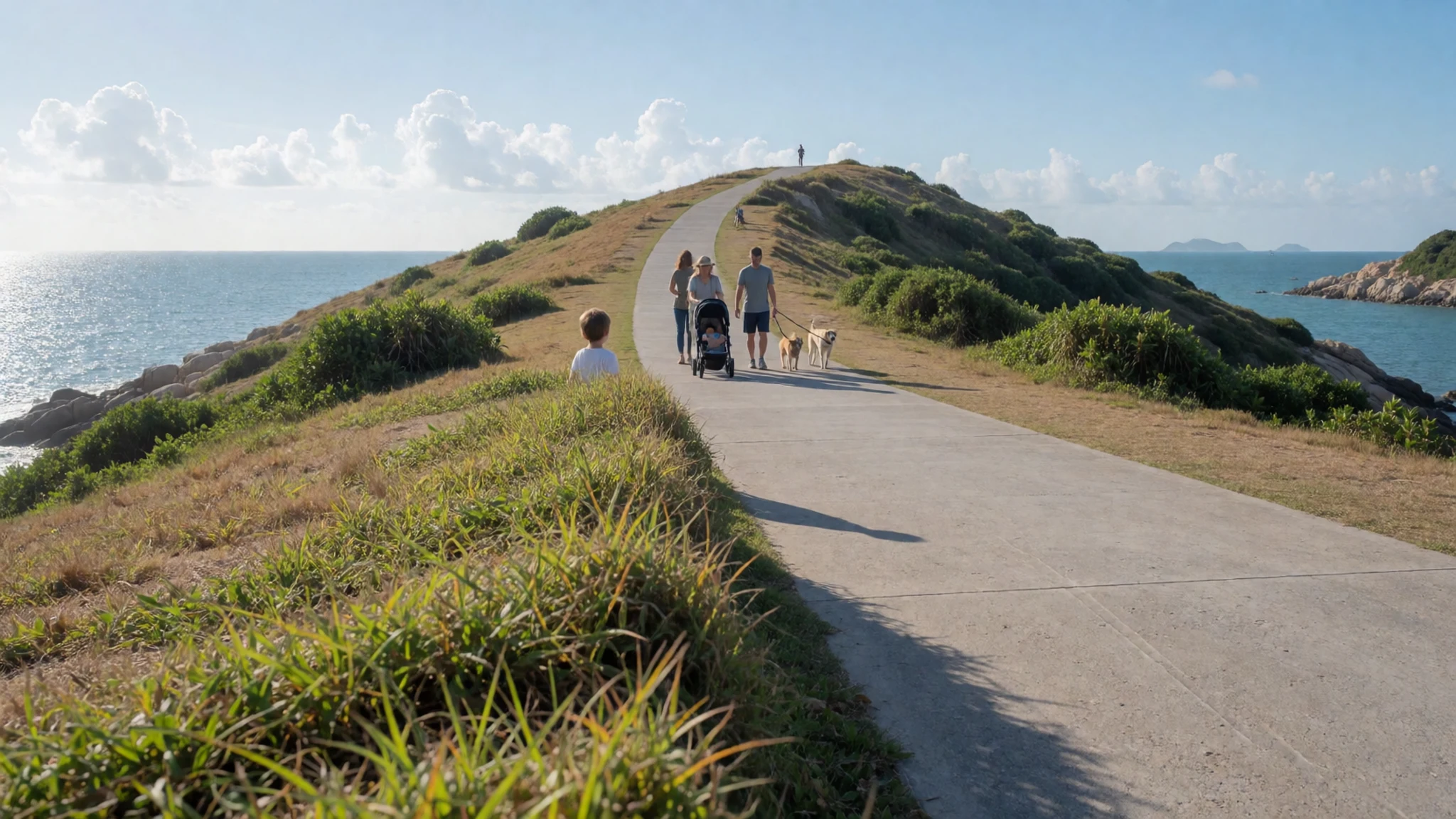
- Hung Shing Yeh — Hung Shing Yeh
Hung Shing Yeh is the first beach on Lamma Island's paved crossing from Yung Shue Wan, a sandy crescent with showers, snack stalls and a view of the power-station chimneys. The family walk runs behind the sand and then climbs inland. The water is usually calm enough for families, though summer weekends leave little empty beach and the afternoon sun is fierce.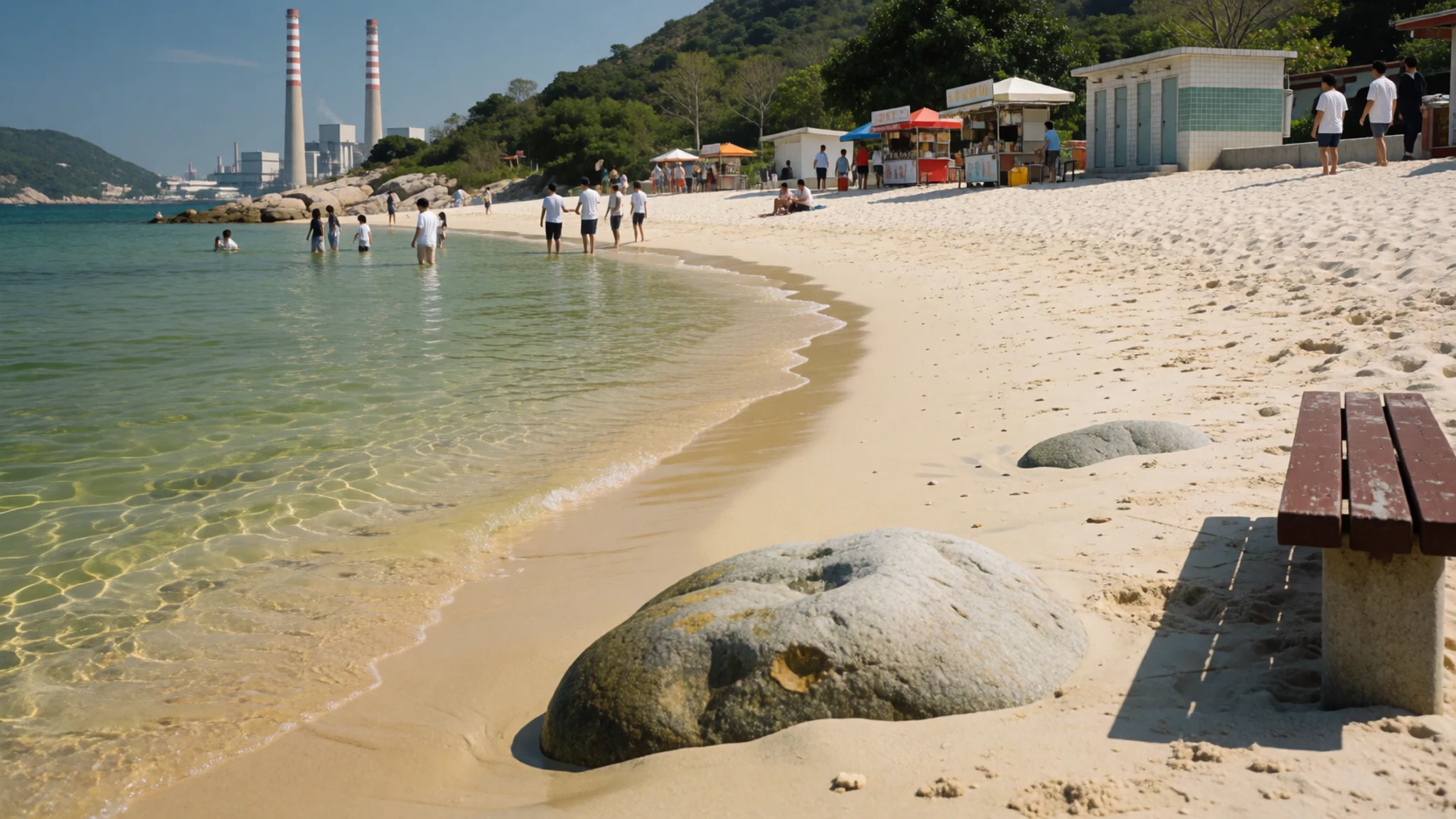
- Sok Kwu Wan — Sok Kwu Wan
Sok Kwu Wan, also called Rainbow Bay, literally Cable Fishing Net Bay, is Lamma Island's southern ferry village, on a long inlet of fish-farm rafts. Seafood restaurants line the promenade, tanks facing the water, and the paved walk from Yung Shue Wan arrives at one end. Rock openings in the hillside were cut during the Japanese occupation. The quay smells of the sea and of the kitchens.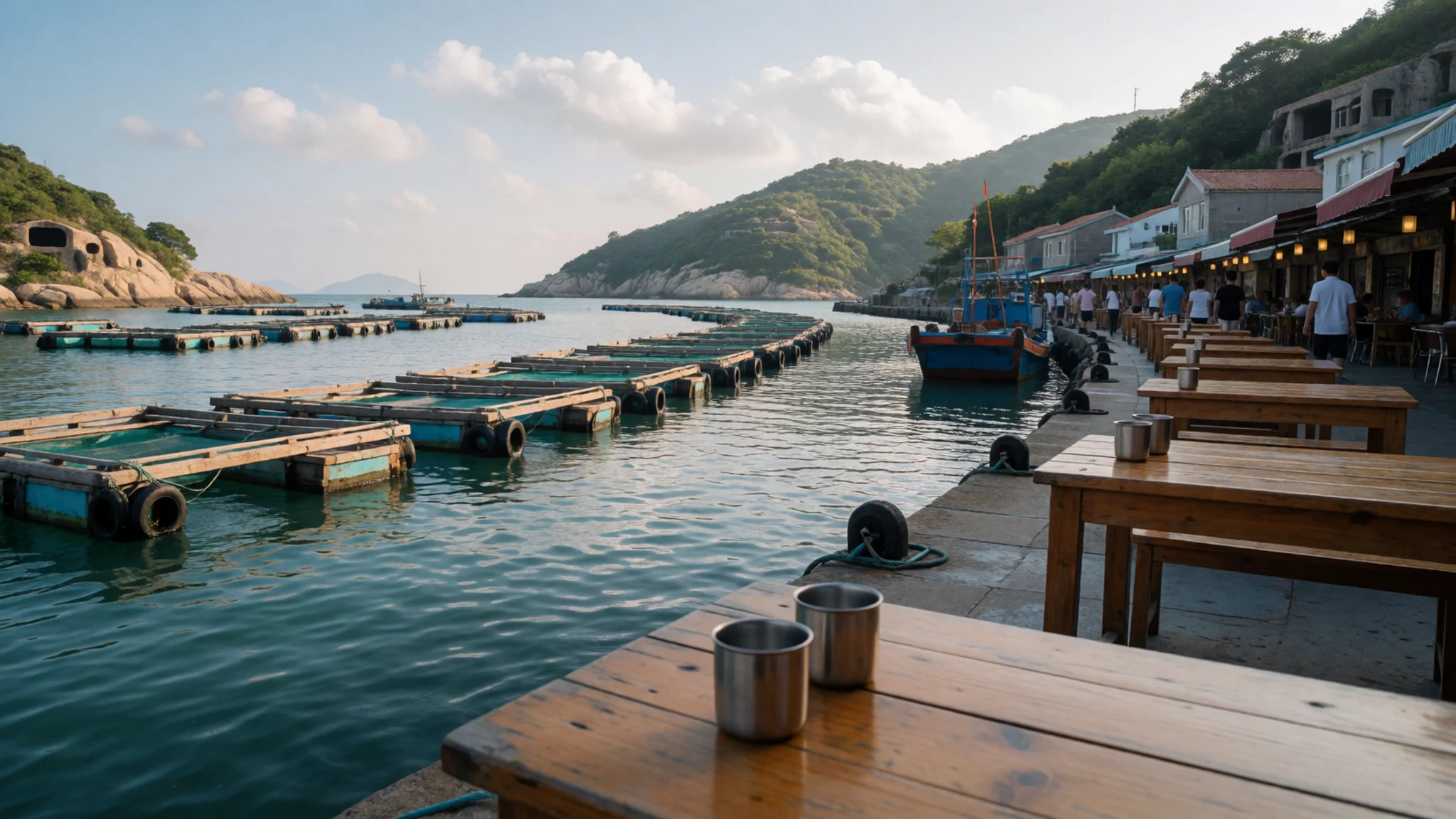
- Sham Wan — Sham Wan, south Lamma
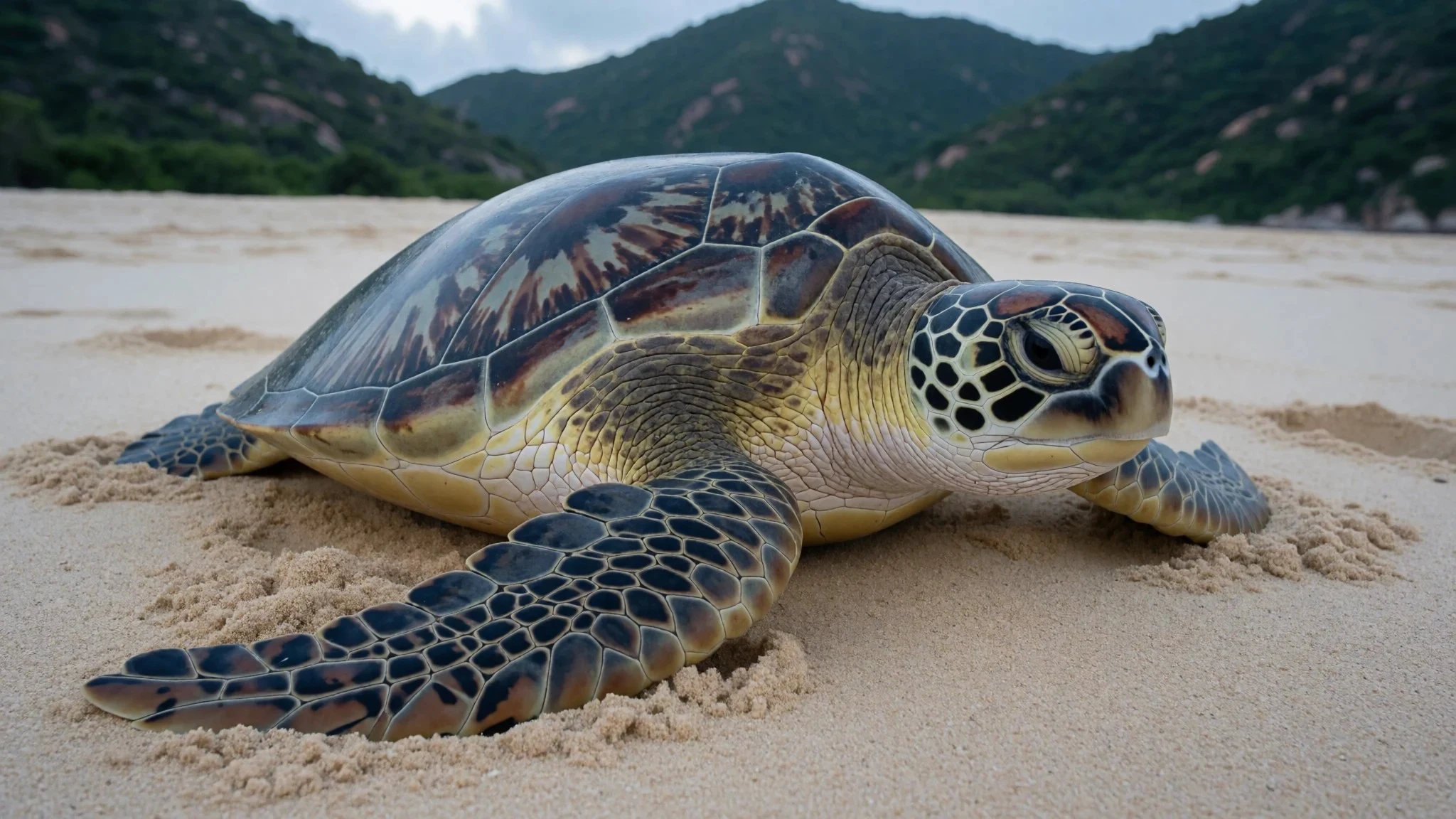
Sham Wan is a south-facing beach on Lamma Island, a nesting place for green sea turtles and kept under official protection. It is not a casual swimming stop. Access is restricted, and in the nesting months the beach is closed so the animals are left alone. The hills around it stay quieter than the ferry villages.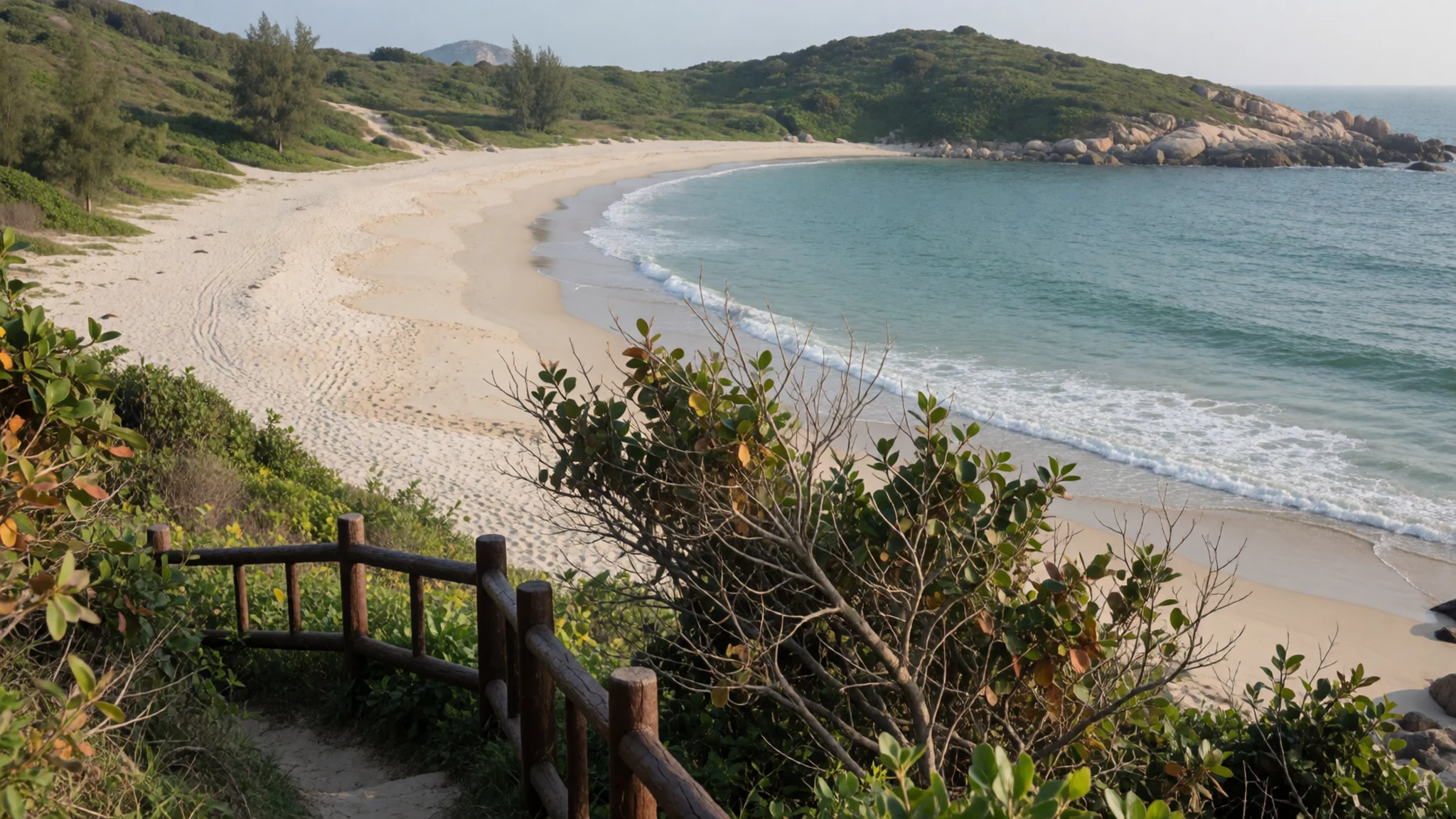
Culture
Lamma Island's culture is village Hong Kong with a long outsider streak. Cantonese fishing families, Tin Hau festivals and clan ties sit alongside a community of painters, writers and city people who moved out for the quiet and stayed. The Tin Hau birthday, on the 23rd of the third lunar month at the small temples, is still a local festival rather than a show staged for ferries: incense, Cantonese opera and floral paper offerings, and a lot of people who already know one another. Paper offerings and hillside graves are part of the landscape on the walks; they are family places, not viewpoints.
The island also has a reputation, earned over decades, as Hong Kong's slower, slightly scruffy alternative. Bicycles outnumber private cars because private cars are not part of ordinary life here. Noticeboards carry lost-dog messages, yoga classes and ferry complaints in Chinese and English. Seafood lunch can look like tourism, and on weekends it is, but the shops selling milk and hardware are for people who sleep here. English will get a visitor through a menu; Cantonese greetings are what neighbours use.
Visitors should keep to the paths around graves and temples, and should not treat a village lane as a backdrop for a posed photograph of residents.
What to wear
Lamma Island has no court costume of its own. What people wore for work was the same practical southern Chinese clothing seen in other Hong Kong villages: a samfu of cotton tunic and trousers, often indigo-dyed or plain dark cloth, with a wide hat of straw or bamboo against the sun on the boats and in the fields. Festival days, especially around Tin Hau, are when a few families still bring out brighter jackets; the textiles were about durability and dye, not about display. Those clothes now belong mostly to older residents and to festival photographs.
On an ordinary day the island dresses for heat, salt and a walk. Fishermen and shopkeepers wear T-shirts, shorts and sandals; hikers arrive in trainers and quick-drying shirts; a lot of the waterfront looks like a beach town that also has to carry groceries home. Linen and loose cotton show up in the cooler months, and a light raincoat appears as soon as the humidity breaks into rain. Nobody is performing a costume for the ferry.
A visitor will be comfortable in the same range: breathable clothes, a hat, and shoes that can manage a paved ridge rather than flip-flops alone. Swimwear is for the sand; a shirt or cover-up belongs on the village waterfront and inside a temple. In the hot months, sun cream and a bottle of water matter more than an extra layer, and a light rain jacket earns its place in a summer bag.
What to eat
- Steamed fish — Sok Kwu Wan promenade and Yung Shue Wan waterfront
Steamed fish is Lamma Island's usual seafood plate: a whole fish with ginger, spring onion and soy, eaten in sight of the rafts. The species changes with the morning's catch. Ask for it at seafood restaurants on the Sok Kwu Wan promenade or the Yung Shue Wan waterfront.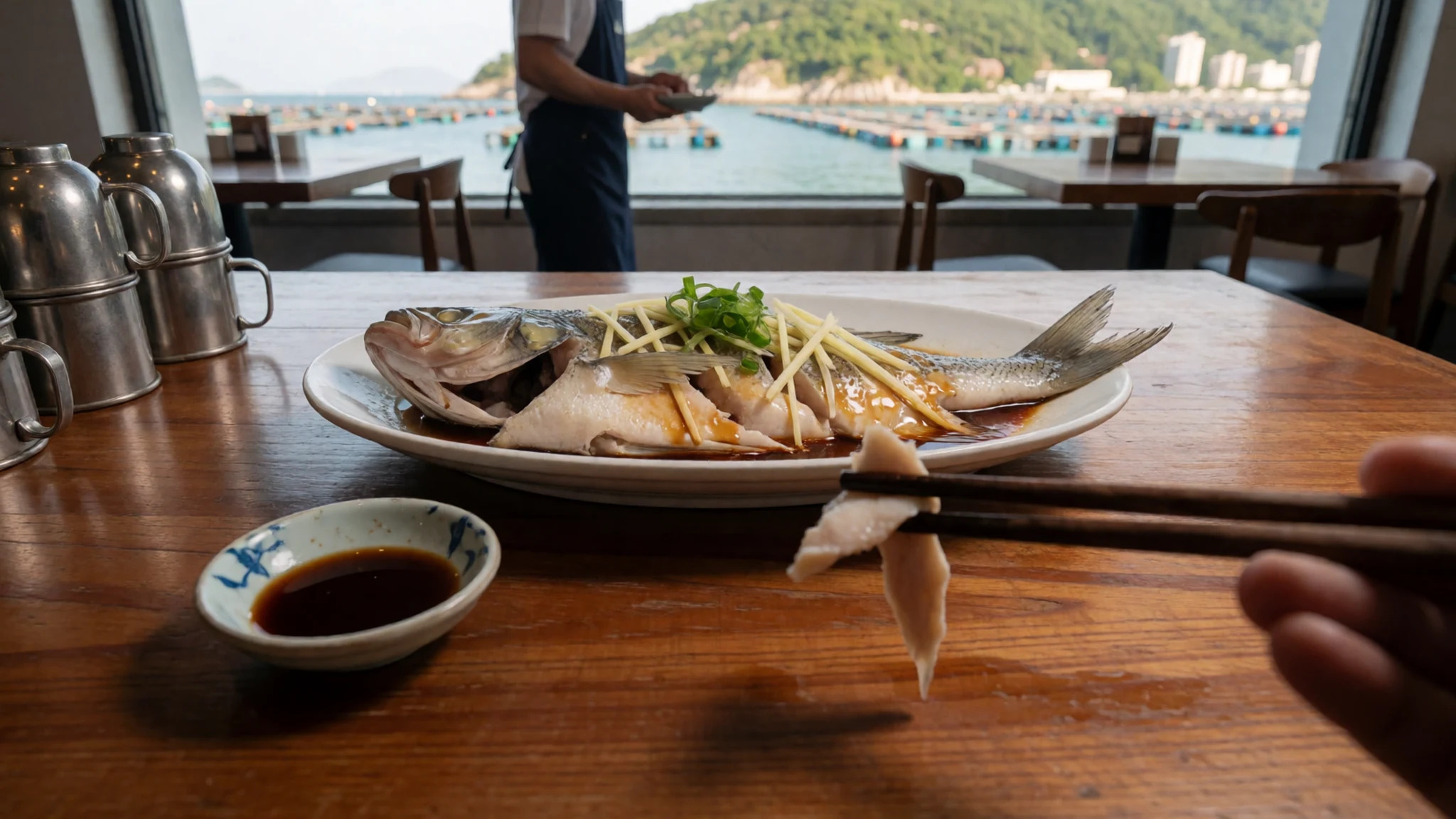
- Salt-and-pepper squid — waterfront seafood restaurants in Sok Kwu Wan and Yung Shue Wan
Salt-and-pepper squid is the crunchy plate beside steamed fish on Lamma Island: deep-fried, hot with chilli, and tossed with garlic and peppers. Tables share it while the fish is still on its way. Waterfront seafood restaurants in Sok Kwu Wan and Yung Shue Wan both serve it.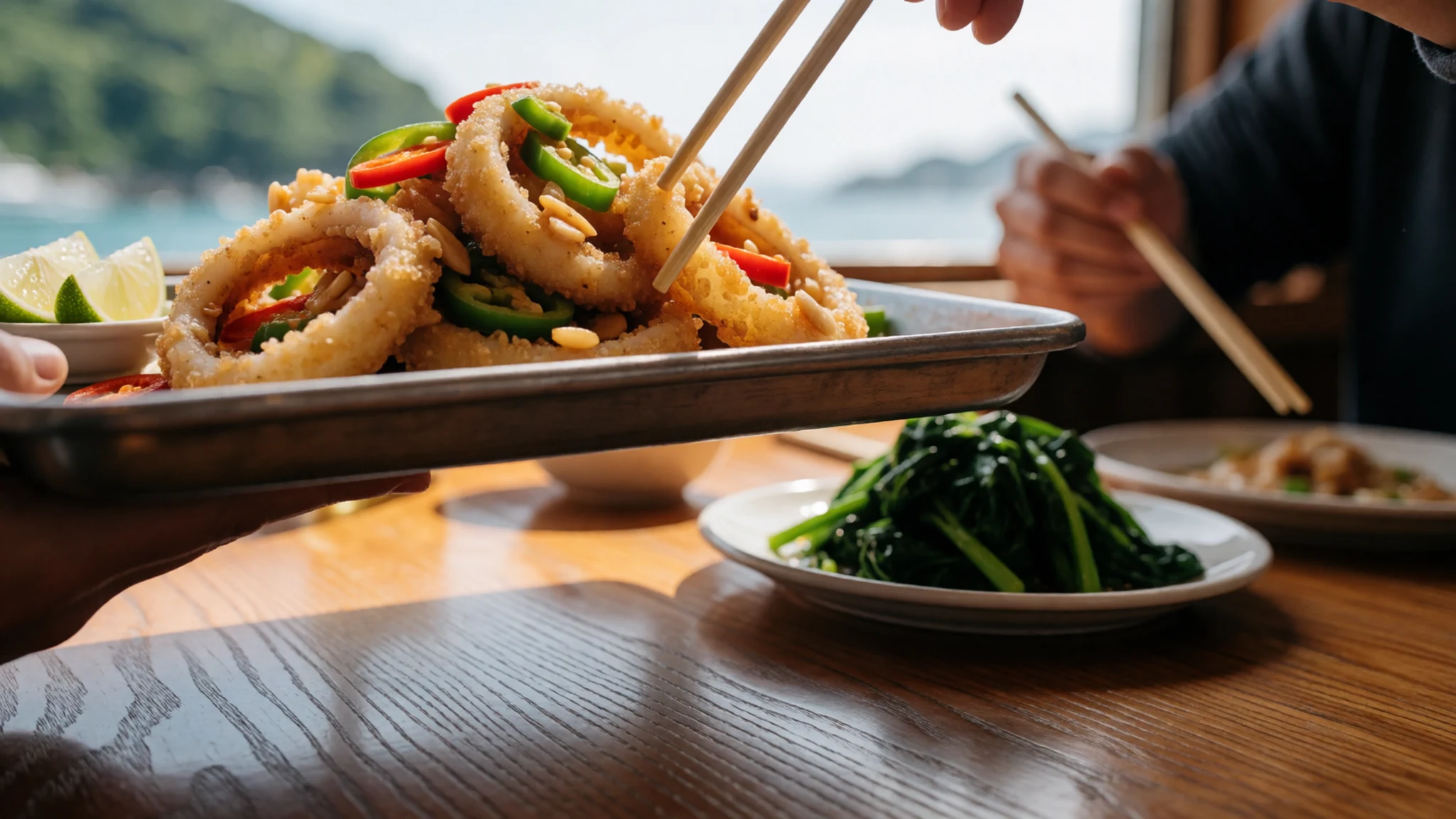
- Clams in black-bean sauce — ferry-village seafood waterfronts
Clams in black-bean sauce are a Lamma Island lunch staple: small shellfish with fermented beans, garlic and a little heat, eaten with rice while the sauce still sizzles. They suit a table that wants something briny without a whole fish. Both ferry-village waterfronts list them. - Ginger and spring onion crab — Sok Kwu Wan promenade
Crab with ginger and spring onion is the messy centrepiece on Lamma Island: the crab cut up, wok-fried with strips of ginger and onion, and eaten with the fingers. Kitchens along the Sok Kwu Wan promenade are the place to ask for it. - Shrimp-wonton noodles — noodle shops and canteens in Yung Shue Wan
Shrimp-wonton noodles are the ordinary Lamma Island meal when a banquet is too much: egg noodles, prawn dumplings and a clear broth, eaten before or after the ridge walk. Noodle shops and casual canteens in Yung Shue Wan serve them, off the seafood promenade.
Plan it
Best time. November to February is the comfortable season for walking Lamma Island, cooler and drier. July and August are the hottest, June the wettest, and typhoons can stop ferries, so treat June to September as swim weather with a backup plan.
How long. 1–2
Getting there. Lamma Island has no airport and no bridge. Ferries run from Central to Yung Shue Wan and between Aberdeen and Sok Kwu Wan; check the operator for the day's boats. From Hong Kong International Airport, continue to Central or Aberdeen and change to the ferry.
Budget. mid
Tips
- Begin the ridge walk early at the weekend, before the path fills.
- Check ferry sailings and summer storm signals before you leave.
- Carry water and a way to pay small stalls.
- If Sham Wan is signed closed, stay off the sand.
Etiquette
- Remove shoes where a temple already has shoes waiting outside.
- Ask before photographing residents, and leave family graves undisturbed.
- Keep quiet in village lanes at night, and take rubbish off the beaches.
Nearby
Sources
- Wikidata: Lamma Island (CC0)
- Wikipedia: Lamma Island (CC BY-SA 4.0)
- Wikivoyage: Lamma Island (CC BY-SA 4.0)
Wildlife
- Green sea turtle (animal)
The green sea turtle is a big sea-going reptile named for the green fat beneath its shell, because it eats only seagrass; the shell itself is olive to black. On Lamma, look to Sham Wan, a south-facing beach where these turtles nest and which is officially protected. I cannot promise a season or hour, so ask locally before you go. Keep well back, stay quiet, go with a guide if you can, and never feed or touch them.