Hong Kong
Hong Kong, People's Republic of China
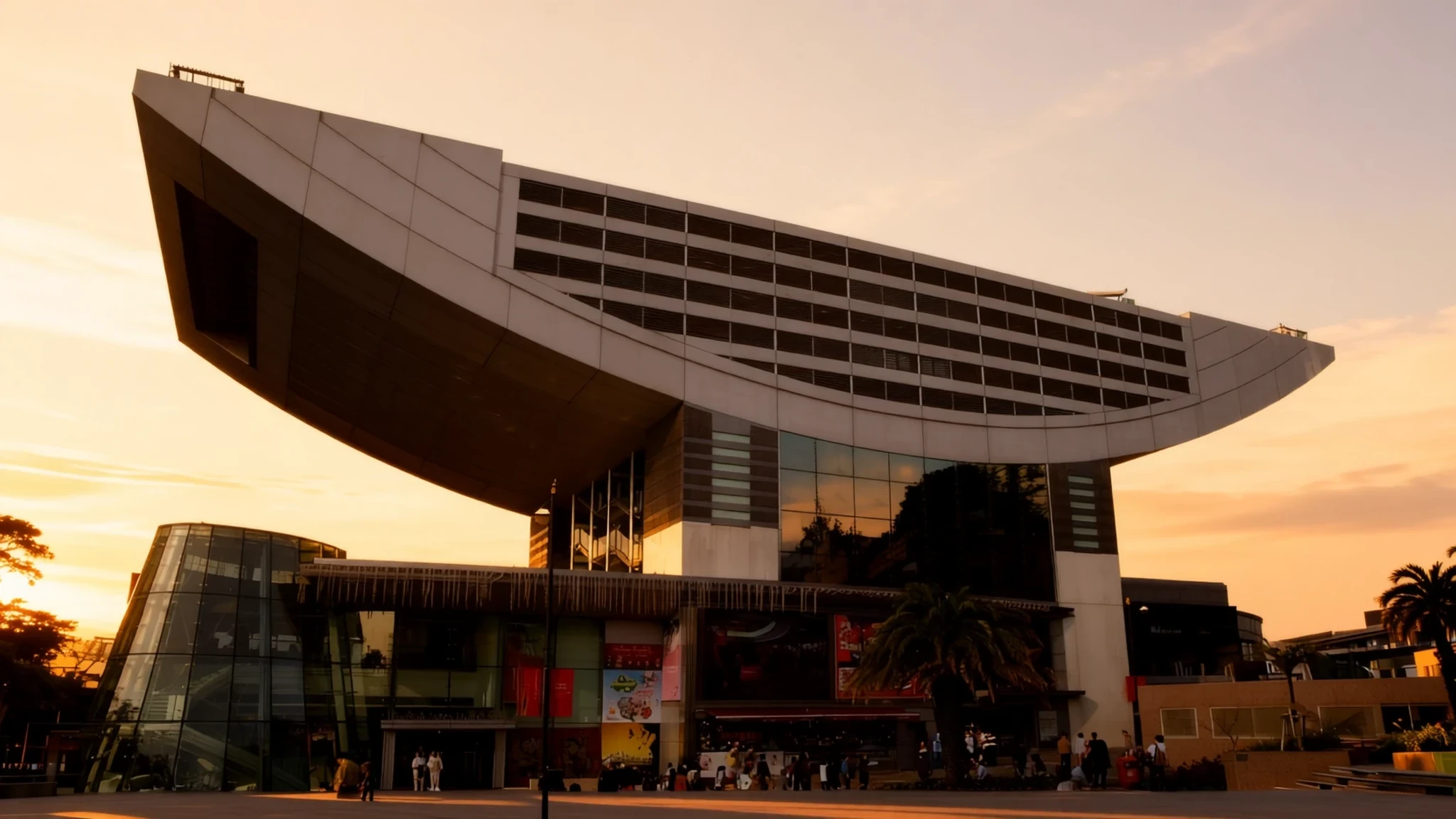
Hong Kong fuses high-octane modern finance with deep Cantonese heritage, towering green peaks, and an incomparable street food culture.
The place
Hong Kong stretches across Hong Kong Island, Kowloon, and the vast New Territories, positioned at China's southern edge immediately beneath Shenzhen. With over 7 million residents packed into a compact territory, it stands as one of the most densely populated places on earth. High-rise apartment blocks climb precipitously up steep, forested slopes, while neon-lit thoroughfares buzz with relentless energy right down to the busy harbour's edge.
The territory was established as a British colonial outpost after the Qing dynasty ceded Hong Kong Island following the First Opium War. The territory later grew to include the Kowloon Peninsula and the New Territories under a 99-year lease. Following decades of rapid economic expansion that transformed humble fishing and farming villages into a global economic powerhouse, sovereignty was handed over to China. Today, Hong Kong operates under a distinct governance framework separated from the mainland, blending British institutional legacies with vibrant Chinese traditions.
As a premier international financial hub, the city pulses with ambition and wealth. Towering corporate headquarters overlook heritage trams and bustling ferry piers, creating a visual dialogue between past and present. Visitors walk through a labyrinth of covered walkways, underground malls, and bustling street markets where the scent of roasted meats mingles with sea salt. Space is at a premium here, driving a culture that moves at a brisk, purposeful pace from dawn until late into the night.
Its story
Long before colonial traders arrived, the islands and coastline supported human communities through changing eras. Archaeological investigations point to human presence reaching back tens of thousands of years into the Paleolithic period, evidenced by stone tools recovered from coastal peninsulas. By the Neolithic period, semi-coastal groups inhabited the area, leaving behind pottery, jade ornaments, and early evidence of rice cultivation.
The region entered the imperial Chinese fold when the Qin dynasty conquered the indigenous Baiyue populations. Control shifted through subsequent dynasties and the Nanyue kingdom before solidifying under Han administration. For centuries, the territory remained a scattering of quiet farming settlements, salt pans, and fishing hamlets.
The nineteenth century brought profound disruption. Defeat in the Opium Wars led the Qing dynasty to cede Hong Kong Island to the British Empire, setting the stage for rapid urbanisation. The territory experienced dramatic turbulence during the twentieth century, including occupation during the Second World War. Post-war decades saw hundreds of thousands of refugees arrive from the mainland, swelling the population and fueling the industrial drive that shaped modern Hong Kong.
The final chapters of colonial administration concluded when sovereignty transferred back to China. Throughout these turbulent shifts, local residents forged an independent identity—one rooted in resilience, entrepreneurial drive, and a unique cultural synthesis born of East meeting West.
What to see
- Victoria Peak — Hong Kong Island
Rise above the skyscrapers to the wok-shaped Peak Tower for sweeping panoramas across the harbour and islands. Historically the exclusive domain of the territory's elite during colonial times, the summit now offers scenic walking trails, observation decks, and shaded gardens amid the cooling hillside breezes.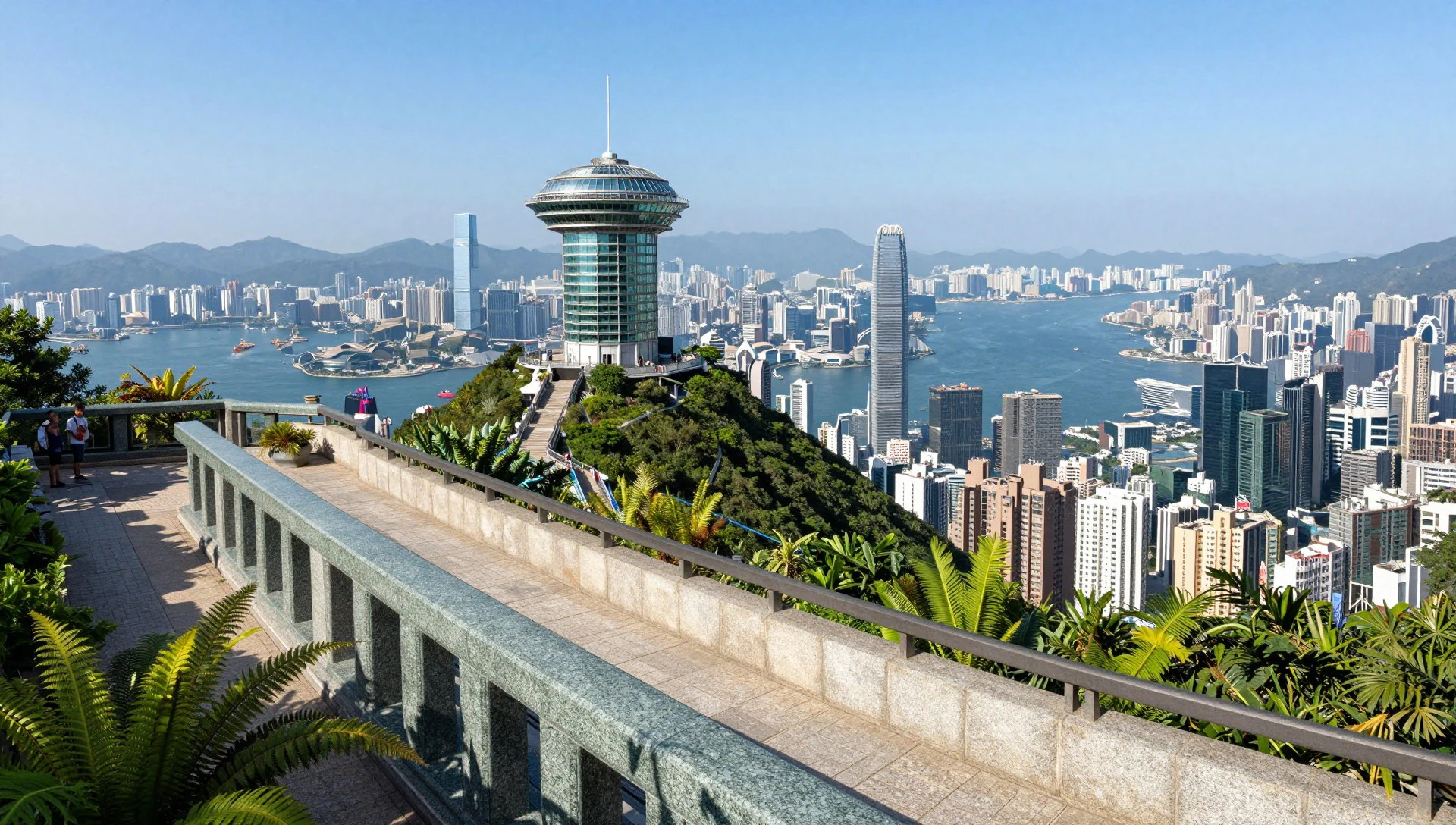
- Sung Wong Toi Garden — Kowloon
Explore this historic Kowloon park preserving a treasured memorial stone carved from the remnants of a Song dynasty boulder. Amid the surrounding urban density, this pocket of greenery offers a quiet glimpse into medieval imperial history and the legendary flight of young emperors.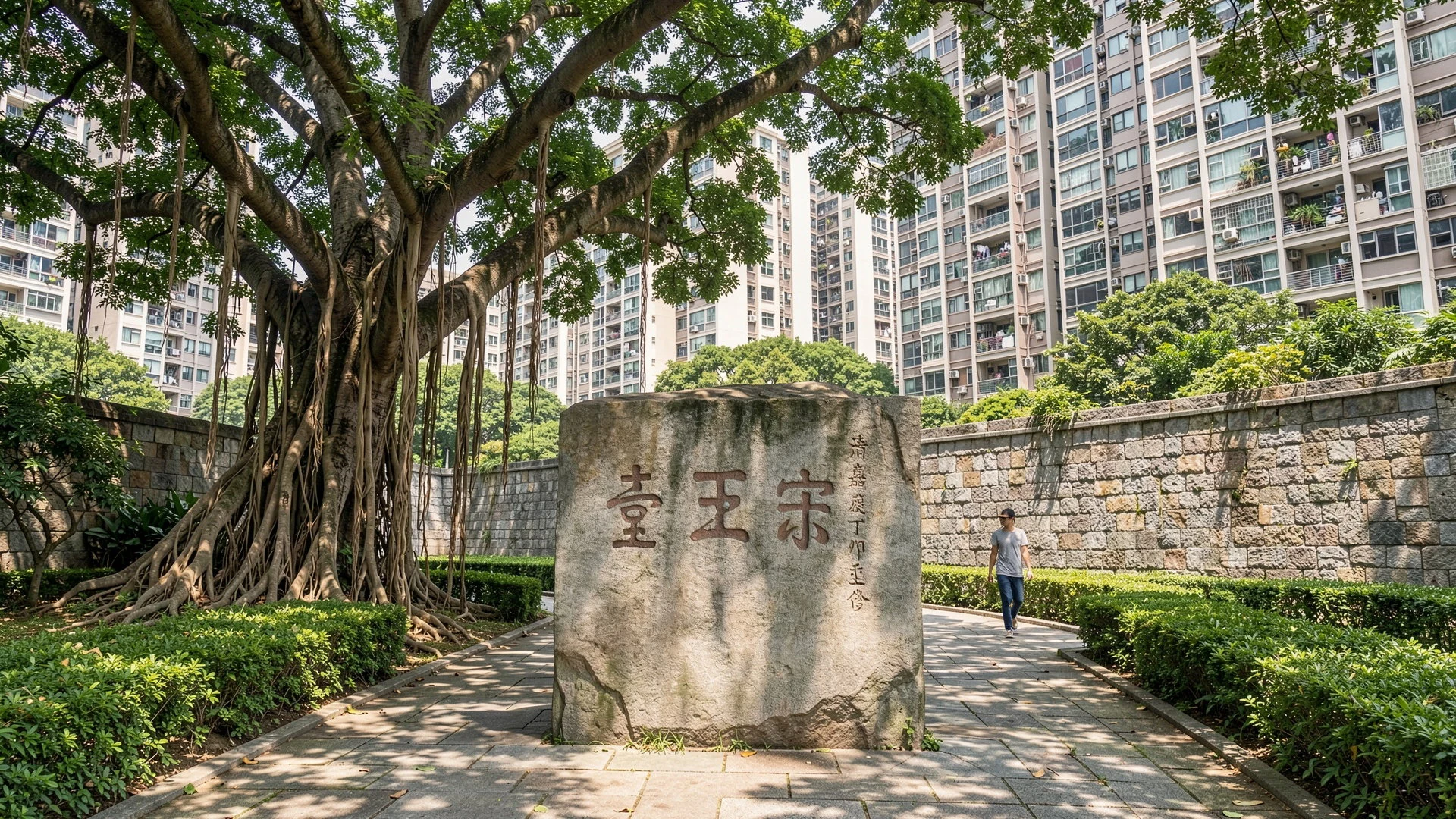
- Avenue of Stars — Kowloon
Stroll along the Tsim Sha Tsui waterfront promenade to celebrate the legends of Cantonese cinema. Set against the dramatic backdrop of the skyline across the water, the walkway features bronze statues, handprints, and prime views of the evening light show.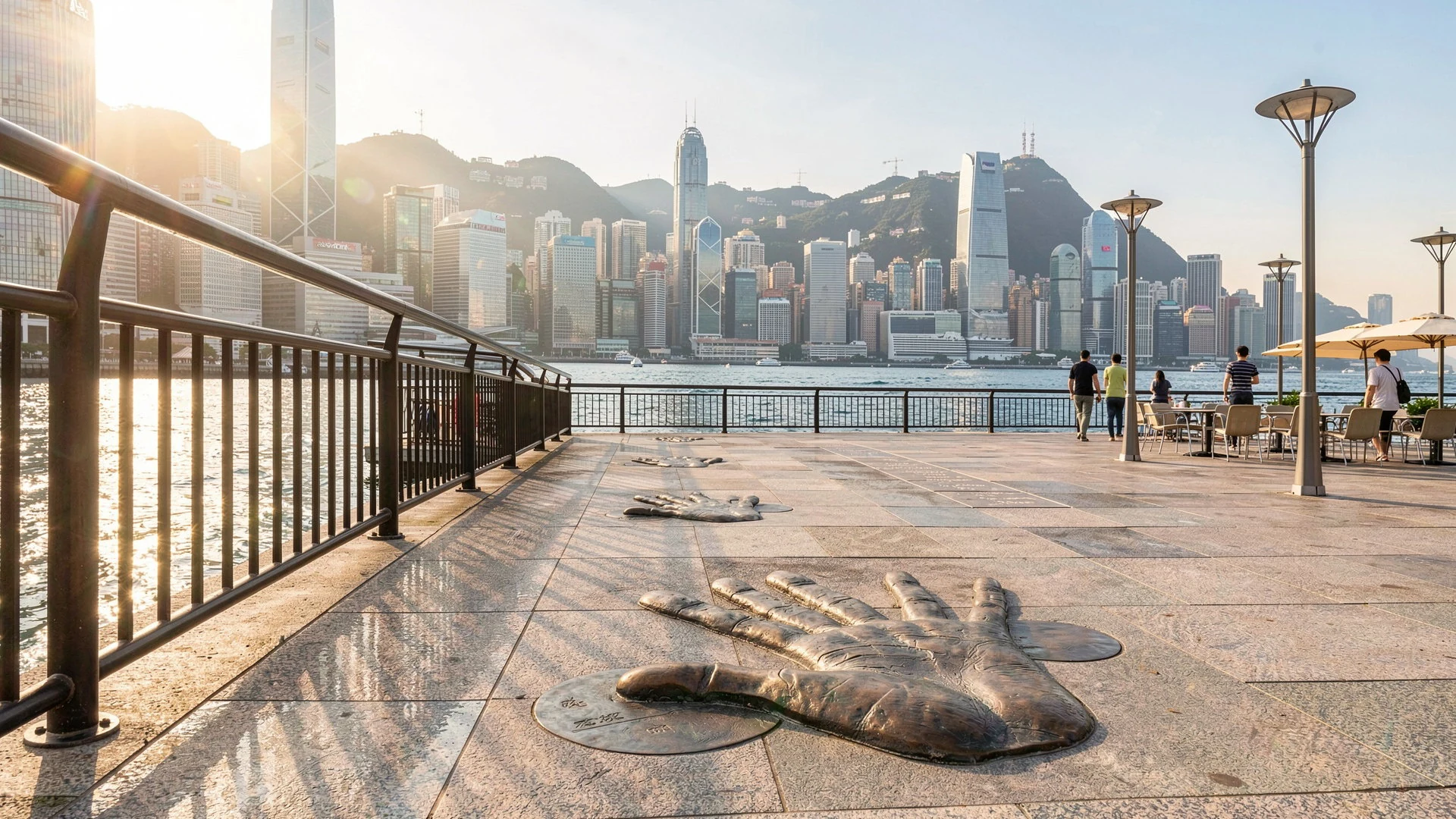
- Hong Kong Tramways — Hong Kong Island
Board the iconic double-deck tram—affectionately known by locals as the ding-ding—for a slow, low-cost journey through the bustling arteries of the northern shore. These vintage cars have trundled along the island tracks for over a century, offering an intimate perspective on street-level daily life.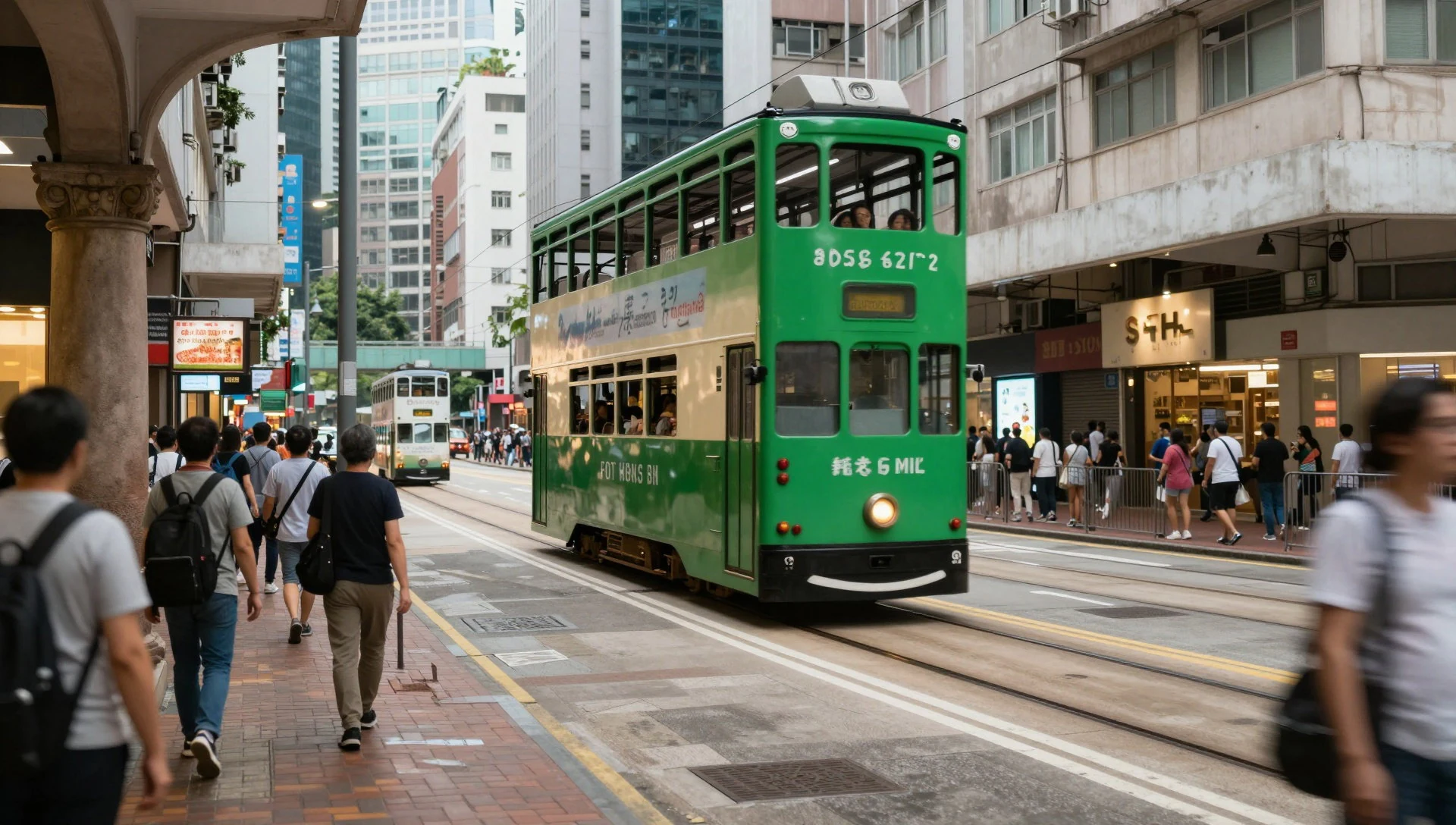
Culture
Hong Kong culture thrives as a dynamic hybrid where traditional Chinese values centred on family and education merge with Western legal and economic frameworks. While the vast majority of residents are ethnically Chinese, generations of distinct social development under colonial administration have fostered a proud, singular identity. Many families trace their lineage to mainland migrants who arrived seeking refuge from war and poverty, instilling a pragmatic work ethic and a deep appreciation for enterprise and self-reliance.
Daily interactions reflect this blend of influences: polite restraint meets brisk efficiency in crowded MTR stations and tea houses. Cantonese is the primary language of daily life, while English remains widely used in business and public signs. Respect for elders and communal harmony underpin social etiquette, even amidst the fast-paced rush of metropolitan living. Always wait patiently in queues, keep voices moderated on public transport, and avoid leaving chopsticks standing upright in your rice bowl.
What to wear
Traditional attire in historical Hong Kong reflected southern Chinese practicality, featuring simple cotton garments suited for subtropical humidity, alongside the tailored elegance of the qipao and changshan during formal occasions. Over decades of trade and cultural exchange, Western tailoring merged seamlessly with Cantonese craftsmanship.
Today, local dress in the urban districts leans towards sleek cosmopolitan minimalism. Office workers favour sharp, lightweight European-cut suits and tailored shirts, while younger crowds embrace contemporary streetwear influenced by global trends and Japanese fashion. Practicality remains paramount given the humid climate and miles of air-conditioned indoor walkways.
Visitors should dress in breathable, lightweight layers that transition easily from hot outdoor streets to heavily air-conditioned indoor spaces. Bring comfortable, broken-in walking shoes for navigating steep hills, uneven pavements, and extensive metro networks. Modest clothing that covers shoulders and knees is appropriate when visiting temples or rural shrines.
What to eat
- Dim Sum — Traditional tea houses citywide
Savour delicate steamed dumplings, flaky pastries, and savory buns served alongside hot tea. Enjoy these small plates in bustling tea houses across bustling neighborhoods.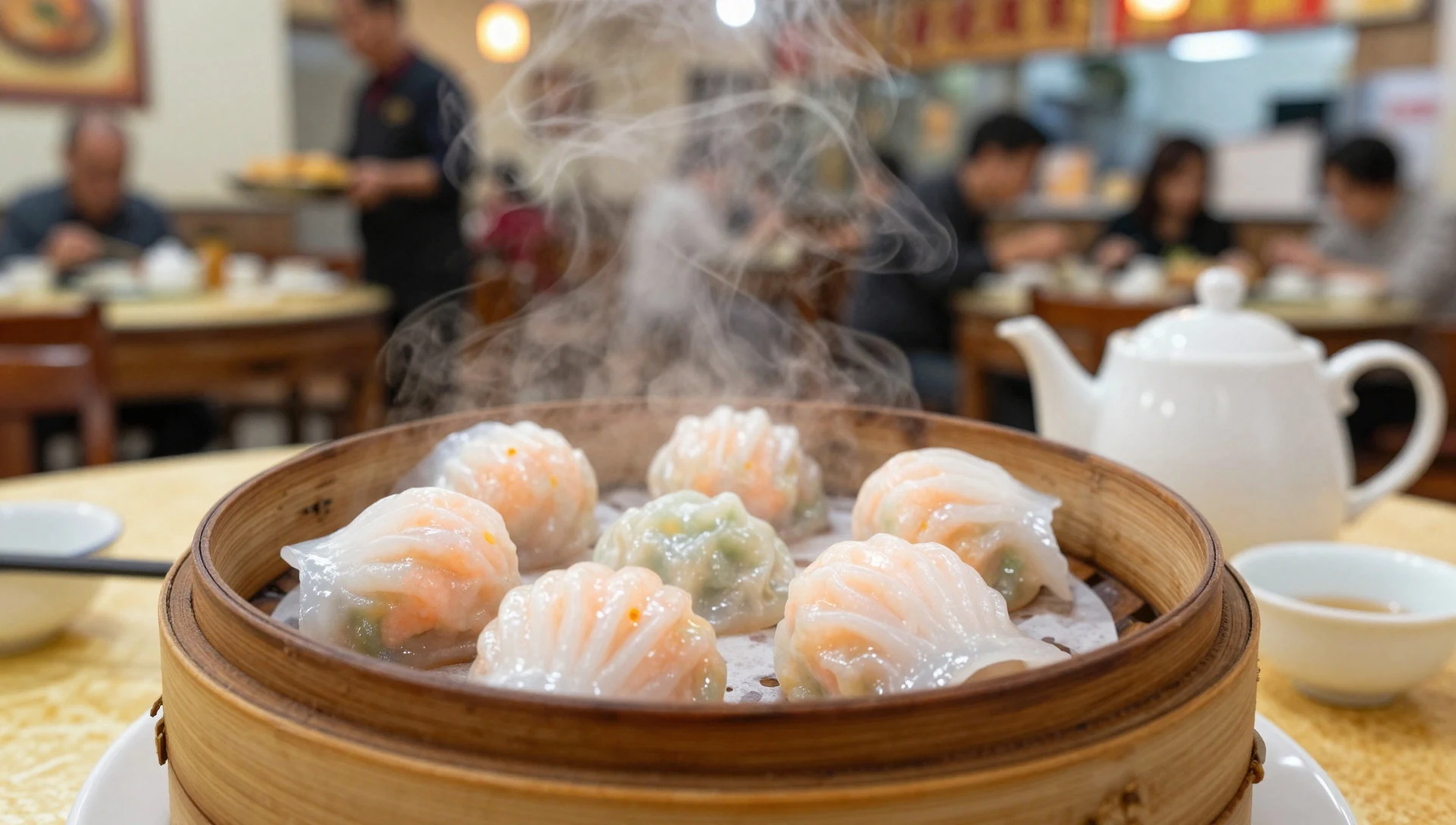
- Roast Meats — Neighborhood eateries and street markets
Sample glistening plates of crispy-skinned roast pork, honey-glazed char siu, and succulent roast goose served over seasoned rice. Look for windows displaying hanging meats in local markets.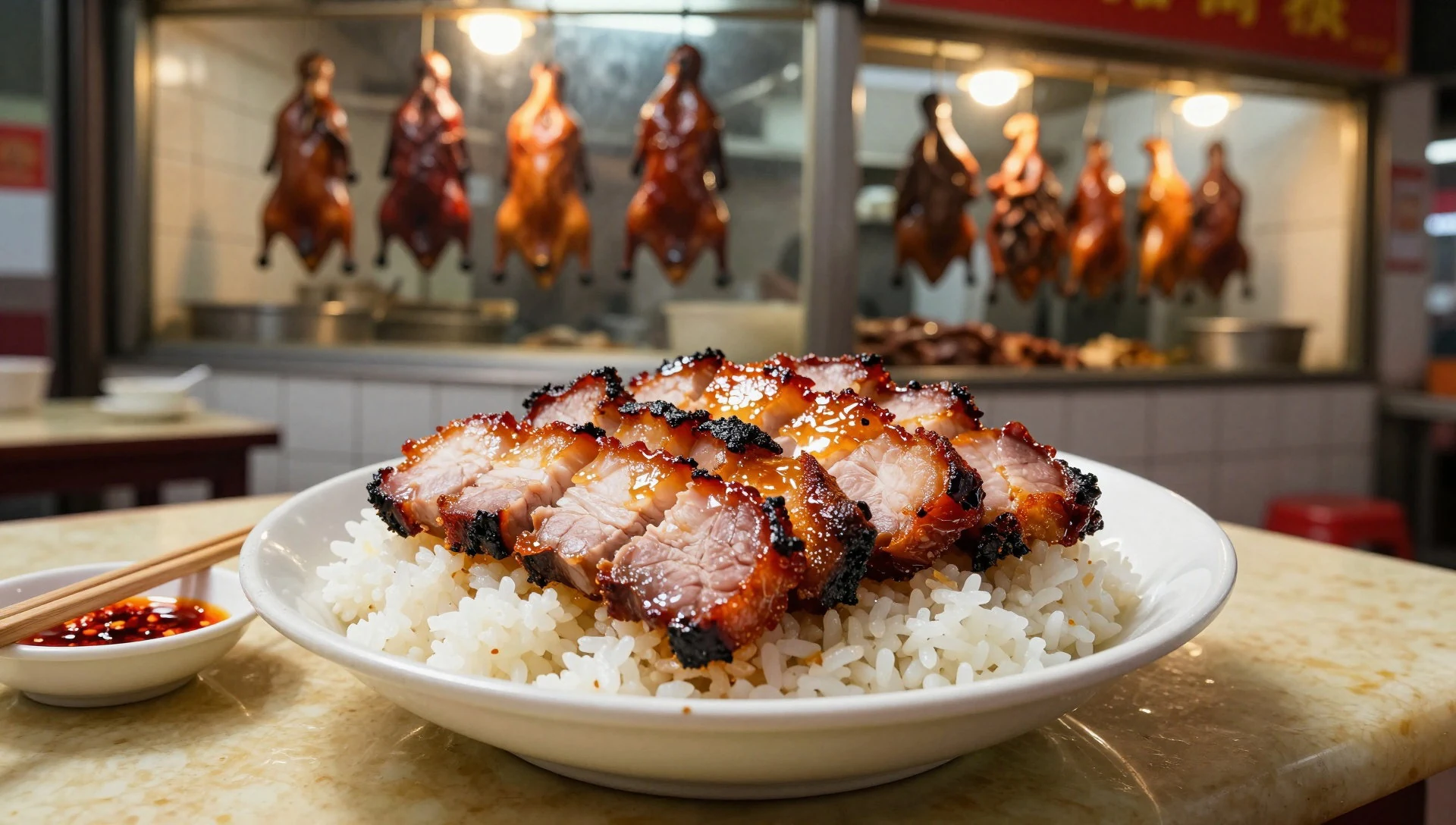
- Hong Kong-style Milk Tea — Cha chaan teng diners
Enjoy a robust brew of Ceylon tea filtered through a cloth sack and enriched with sweetened condensed milk. Order this silky staple at any traditional local diner. - Egg Tarts — Traditional local bakeries
Bite into flaky pastry crusts filled with silky, caramelized custard straight from the oven. Find these beloved treats in old-school bakeries across the districts.
Plan it
Best time. October to November and March to April offer pleasant temperatures and lower humidity; June brings heavy monsoon rains, and August is intensely hot and humid.
How long. 3–4
Getting there. Fly into Hong Kong International Airport on Chek Lap Kok, then take the Airport Express train or a bus directly to the city centre in under thirty minutes.
Budget. mid
Tips
- Get an Octopus card upon arrival for seamless travel on trams, ferries, and the MTR.
- Wear comfortable walking shoes, as you will spend considerable time on your feet.
- Carry cash for small market stalls and older noodle shops.
- Drink plenty of water when exploring during humid summer months.
Etiquette
- Stand on the right side of escalators and wait your turn patiently in queues.
- Keep your voice low when travelling on public transport.
- Remove hats inside temples and respect local worshippers.
Nearby
Sources
- Wikidata Q8646 (CC0)
- Wikipedia (rev 1381597913) (CC BY-SA 4.0)
- Wikivoyage (rev 5408641) (CC BY-SA 4.0)
- Photo photos/01-hong-kong-from-victoria-peak1.jpg (CC0 1.0)
- Photo photos/02-sung-wong-toi.jpg (CC BY 3.0)
- Photo photos/03-hong-kong-1868.jpg (Public domain)
- Photo photos/04-578a-hong-kong-1971-51321892645.jpg (CC BY 2.5)
- Photo photos/05-avenue-of-stars-hong-kong-2052819038.jpg (CC BY 2.5)
- Photo photos/06-hong-kong-anti-extradition-bill-protest-48108527758.jpg (CC BY 2.5)
- Photo photos/07-hong-kong-tramways-103-z05-shau-kei-wan-to-happy-valley-06-0.jpg (CC BY-SA 4.0)
- Photo photos/08-legco-complex-chamber-20240420.jpg (CC BY 4.0)


