Taipei
Taipei, Taiwan
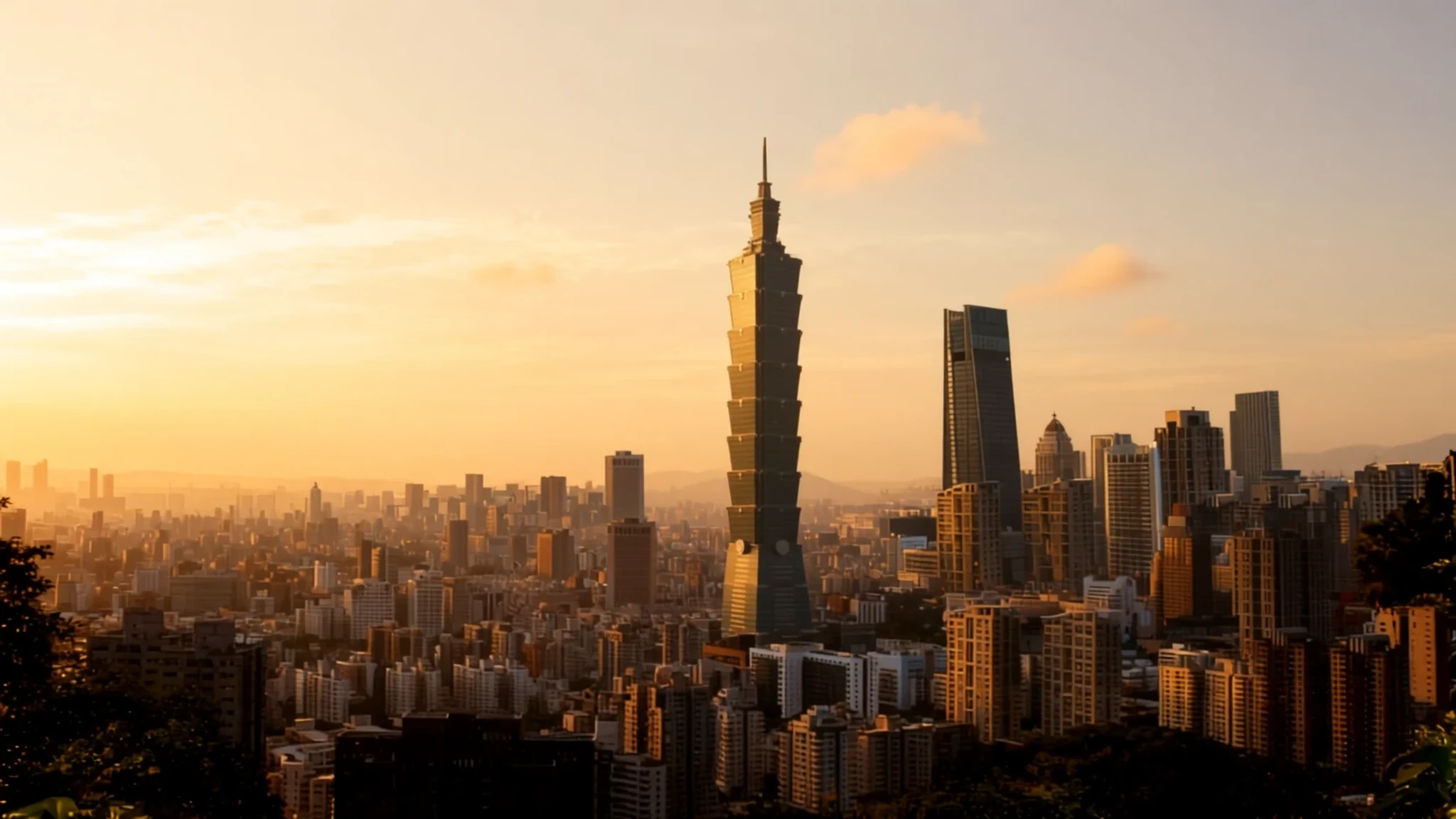
Taipei pairs ancient temples and night markets with verdant volcanic peaks, crafting an energetic capital where tradition meets modern life.
The place
Taipei sits in Northern Taiwan within an ancient basin surrounded by rolling hills and river valleys. As the capital and a special municipality, Taipei functions as the political, economic, and cultural core of the island. The urban fabric is a dense, intricate grid where gleaming commercial avenues run parallel to quiet residential lanes, and modern high-rises stand alongside ornate shrines that have anchored community life for generations. Much of Taipei rests on flat terrain framed by narrow river courses that converge along the western edge of the municipality, shaping the layout of the streets and bridges connecting the wider metropolitan area. The climate brings warm, humid summers and milder winters, encouraging an outdoor street culture that spills out onto pavements after dark. Parks and green spaces punctuate the dense concrete, offering quiet pauses beneath banyan trees. Mountain trails rise directly from the edge of the urban districts, allowing travellers to transition from city streets to forested ridges within minutes. Public transport networks span every corner of the municipality, making navigation straightforward for visitors exploring distinct neighbourhoods, each with its own character, architectural heritage, and local culinary traditions.
Its story
Long before the arrival of Han Chinese settlers, the Taipei Basin was home to the Ketagalan, a Plains Indigenous people who fished its rivers and cultivated the fertile valley floor. During the early Qing dynasty, government restrictions on migration gradually eased, encouraging farming families to cross the strait and establish homesteads across the northern territory. By the late nineteenth century, the settlement had gained official recognition as a fortified administrative centre, serving briefly as the provincial capital before the island was ceded to the Empire of Japan in the late nineteenth century. Under Japanese administration, the city underwent a major transformation. Planners laid out wide avenues, constructed advanced railway links, and erected administrative buildings that blended European architectural styles with local materials. Following the Second World War, administration of the island returned to the Republic of China, and Taipei was reconfirmed as the seat of government. Throughout the twentieth century, the city expanded rapidly, absorbing surrounding farming villages and industrial zones into a continuous urban expanse. Today, remnants of Qing dynasty gates and colonial-era public offices stand alongside contemporary architecture, recording the layers of administration, migration, and trade that shaped the modern municipality over the centuries.
What to see
- Yangmingshan National Park — Northern Taipei
Located in the mountainous northern sector of the municipality, Yangmingshan National Park is celebrated for its volcanic geography, sulfur vents, and seasonal flora. Visitors wander through sweeping valleys where cherry blossoms and calla lilies bloom in spring, following well-maintained footpaths that lead up to panoramic viewpoints overlooking the entire metropolitan basin.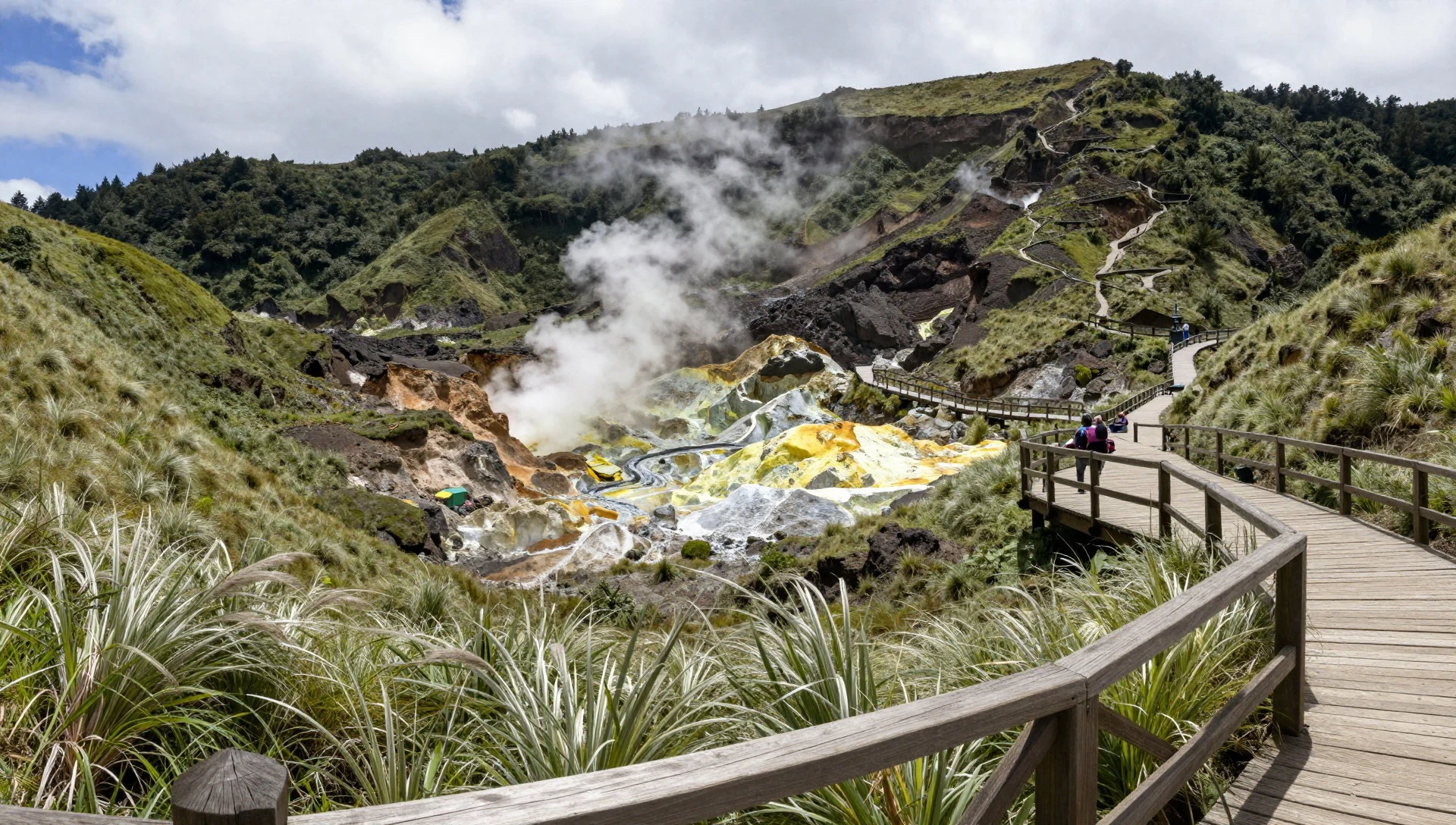
- Bangka Lungshan Temple — Wanhua District
Situated in the historic Wanhua district, Bangka Lungshan Temple stands as one of the most revered spiritual sites in the capital. Built during the Qing dynasty, the temple complex features intricate wood carvings, colourful ceramic roof ornaments, and quiet courtyards where worshippers offer prayers amid drifting incense smoke every single day.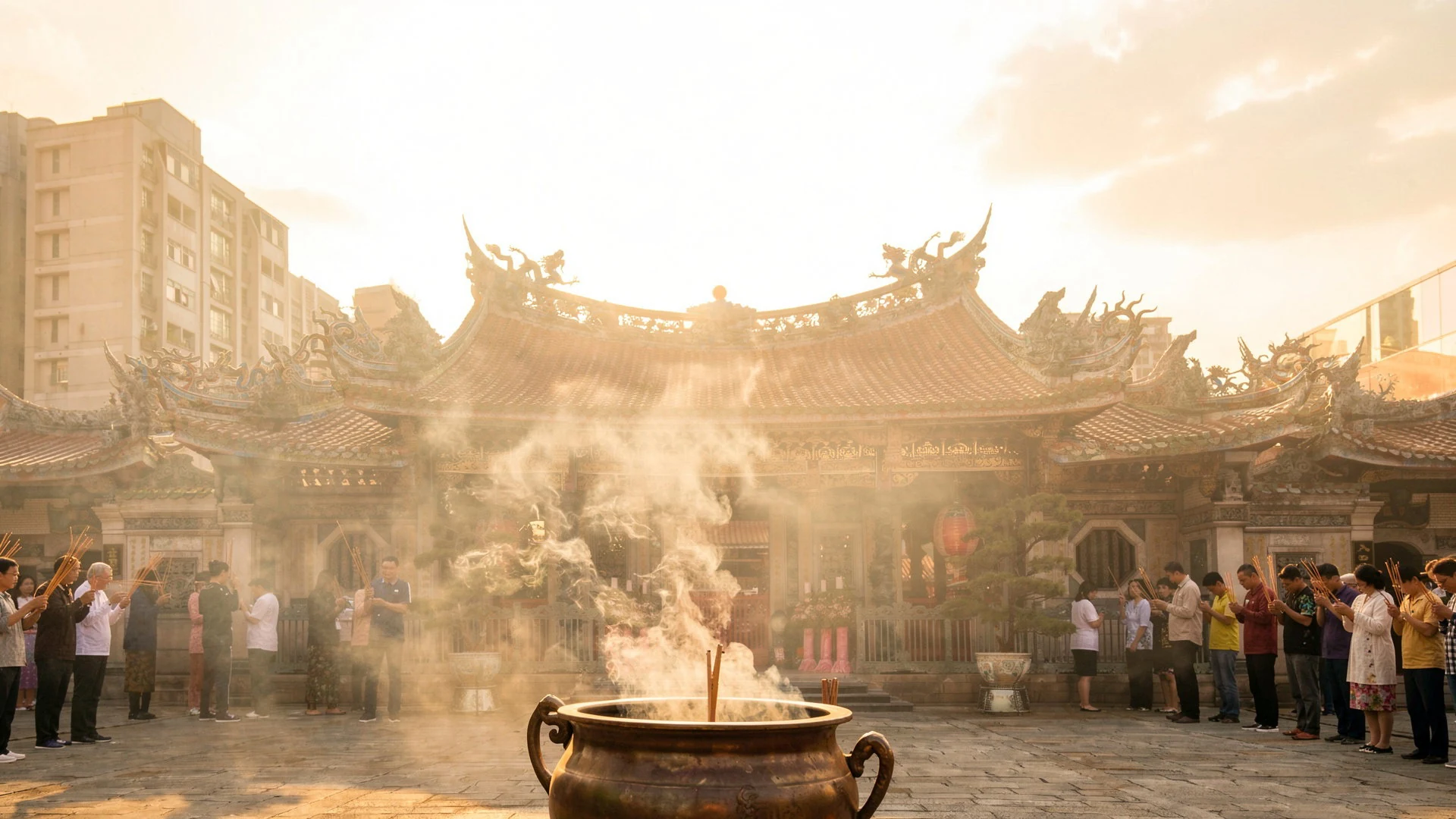
- National Palace Museum — Shilin District
Housing an immense collection of imperial Chinese artefacts, ceramics, calligraphy, and jades, the National Palace Museum preserves centuries of artistic heritage. Galleries wind through quiet exhibition halls displaying historical treasures that span multiple dynasties, offering deep insight into the artistic achievements and material culture of East Asia.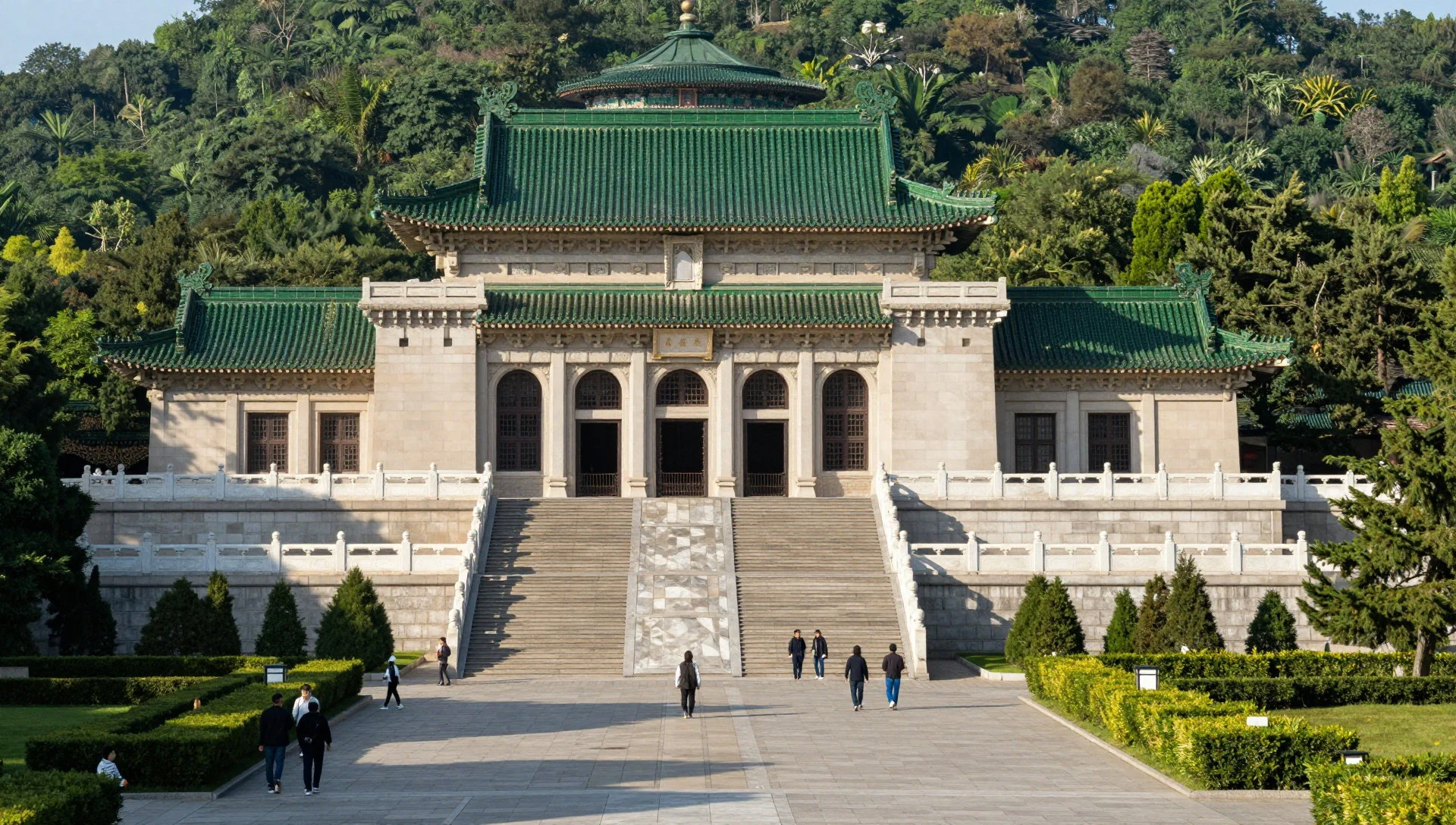
- North Gate of Taipei City — Zhongzheng District
Formally known as Chengen Gate, this stone structure is the only surviving city gate from the Qing dynasty fortifications that once enclosed the historic settlement. Surrounded by modern traffic overpasses, the carefully restored gate retains its traditional tiled hip roof and defensive masonry, marking a direct link to the ancient walled town.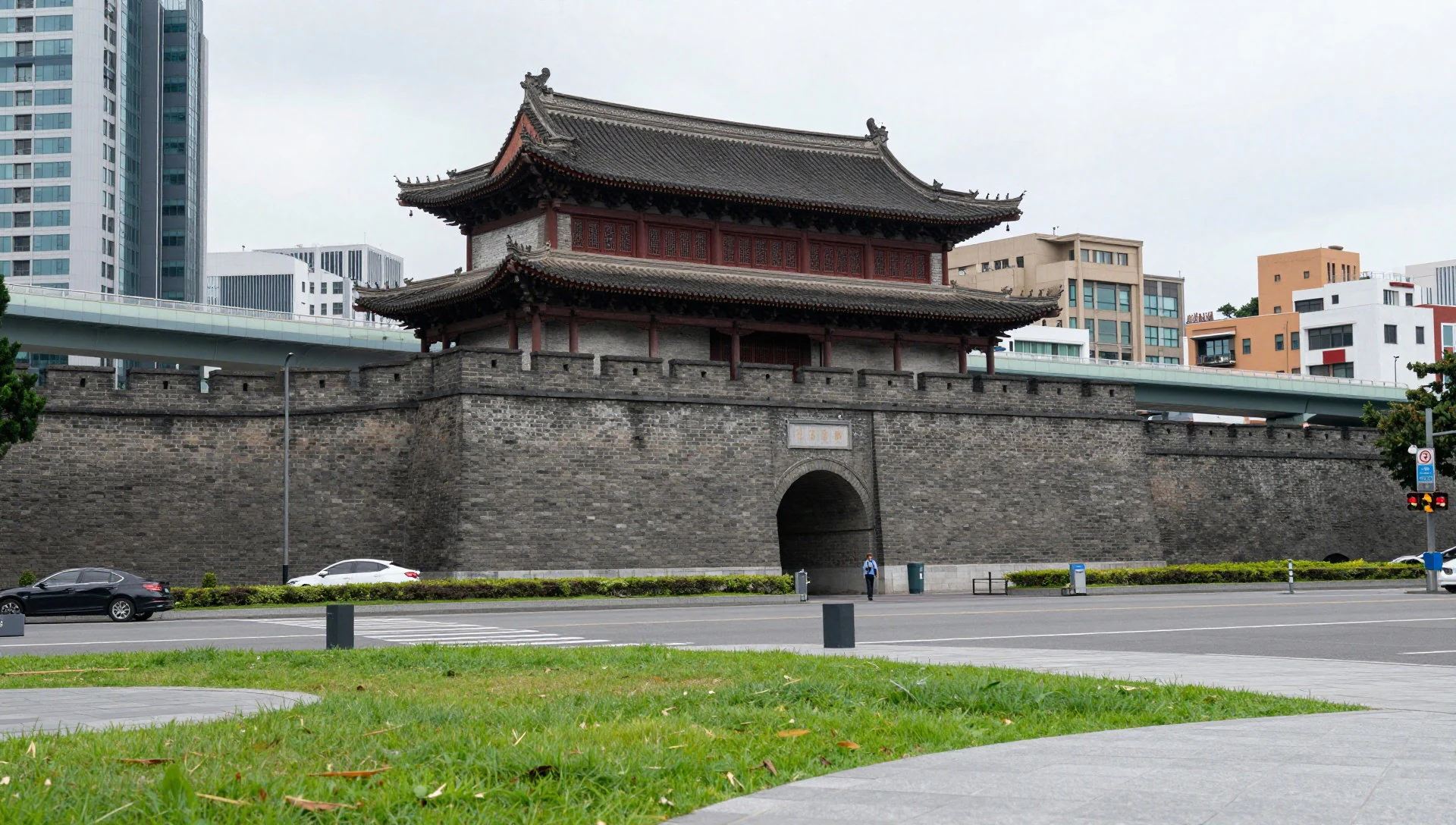
- Mount Elephant Trail — Xinyi District
Rising steeply near the eastern commercial zone, the forest path up Mount Elephant offers the classic viewpoint looking back over the urban grid and surrounding peaks. Stone staircases wind up through dense secondary woodland, bringing hikers to viewing platforms that frame the city against the horizon.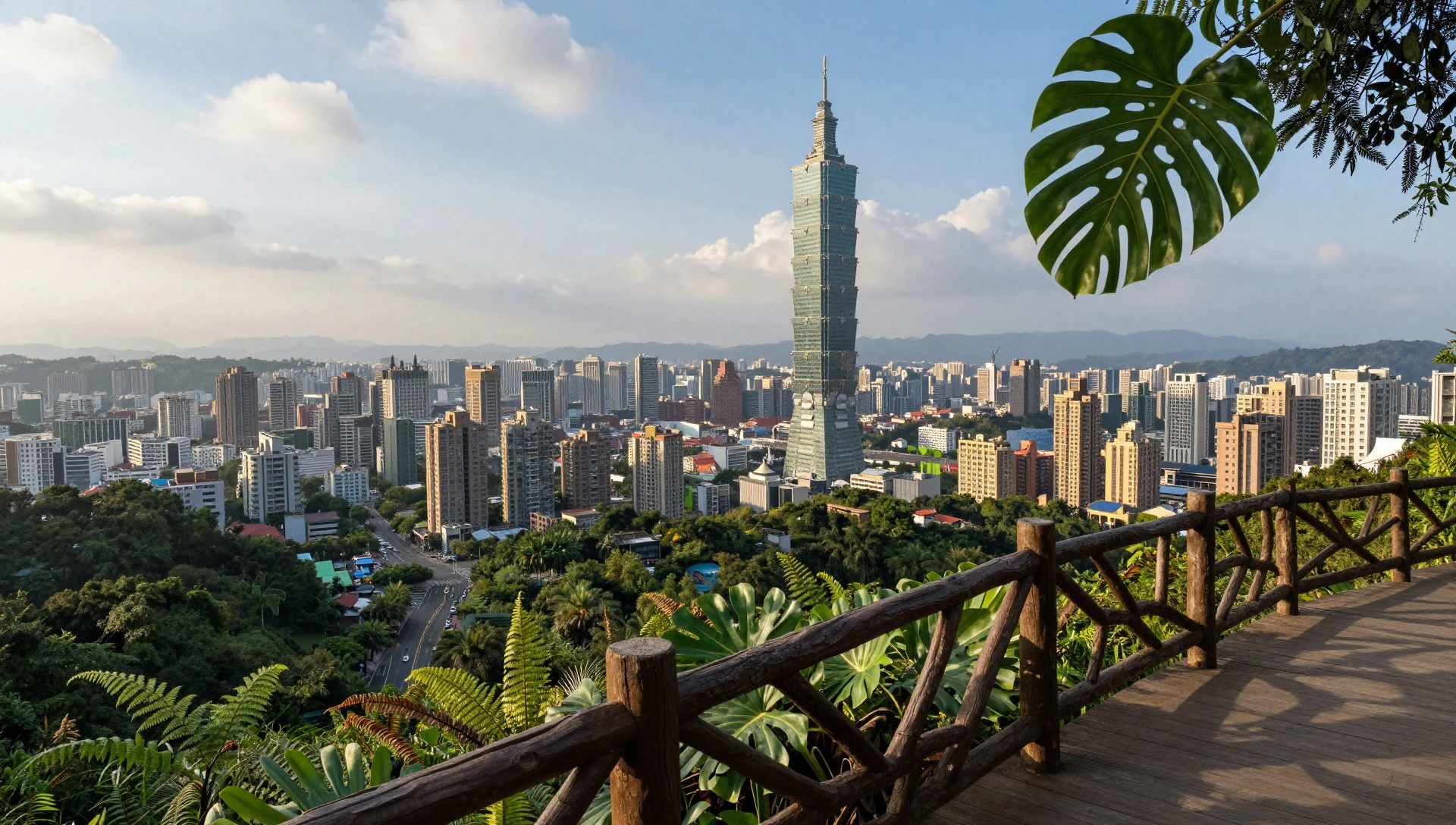
Culture
Taipei society is characterised by an easygoing warmth, courtesy, and a deep appreciation for culinary rituals and community gatherings. Neighbourhood life revolves around local temples, neighbourhood parks, and evening markets where residents converse across small tables. Traditional customs are observed alongside modern secular habits, creating an environment where ancient festivals are celebrated with drumming and parades right next to contemporary art galleries and digital hubs. Public spaces are generally orderly, with citizens queuing patiently for trains and buses, maintaining a quiet consideration for shared environments. Generosity towards travellers is common, and residents are often willing to offer directions or recommendations even across language barriers. Respect for elders and family traditions remains a strong social pillar, visible in daily interactions and multigenerational outings. When entering a traditional temple or a private home, remove your shoes if instructed and speak in a subdued tone. Always keep your voice down in temples and residential areas.
What to wear
Traditional clothing in Taipei historically reflected southern Fujian styles adapted to a subtropical climate, utilizing light cottons and silks suitable for warm, humid weather. While historical garments are now reserved for ceremonial events, theatrical performances, and traditional festivals, everyday fashion in the capital is contemporary, practical, and heavily influenced by international urban trends. Residents favour comfortable streetwear, layered casuals, and functional garments suited for rapid transitions between air-conditioned indoor spaces and warm outdoor environments. For visitors, lightweight, breathable fabrics such as linen and cotton are ideal during the warmer months, while a light waterproof jacket or umbrella is essential due to frequent rain showers. When visiting temples or religious sites, dress modestly by covering shoulders and knees out of respect for local customs. Comfortable walking shoes are indispensable for navigating uneven pavements, hillside walking trails, and extensive underground transit stations.
What to eat
- Beef noodle soup — Any neighbourhood noodle shop
A beloved staple featuring tender braised beef, wheat noodles, and a rich, aromatic broth seasoned with soy sauce and spices. Sample bowls at local noodle shops tucked into alleys across the central districts.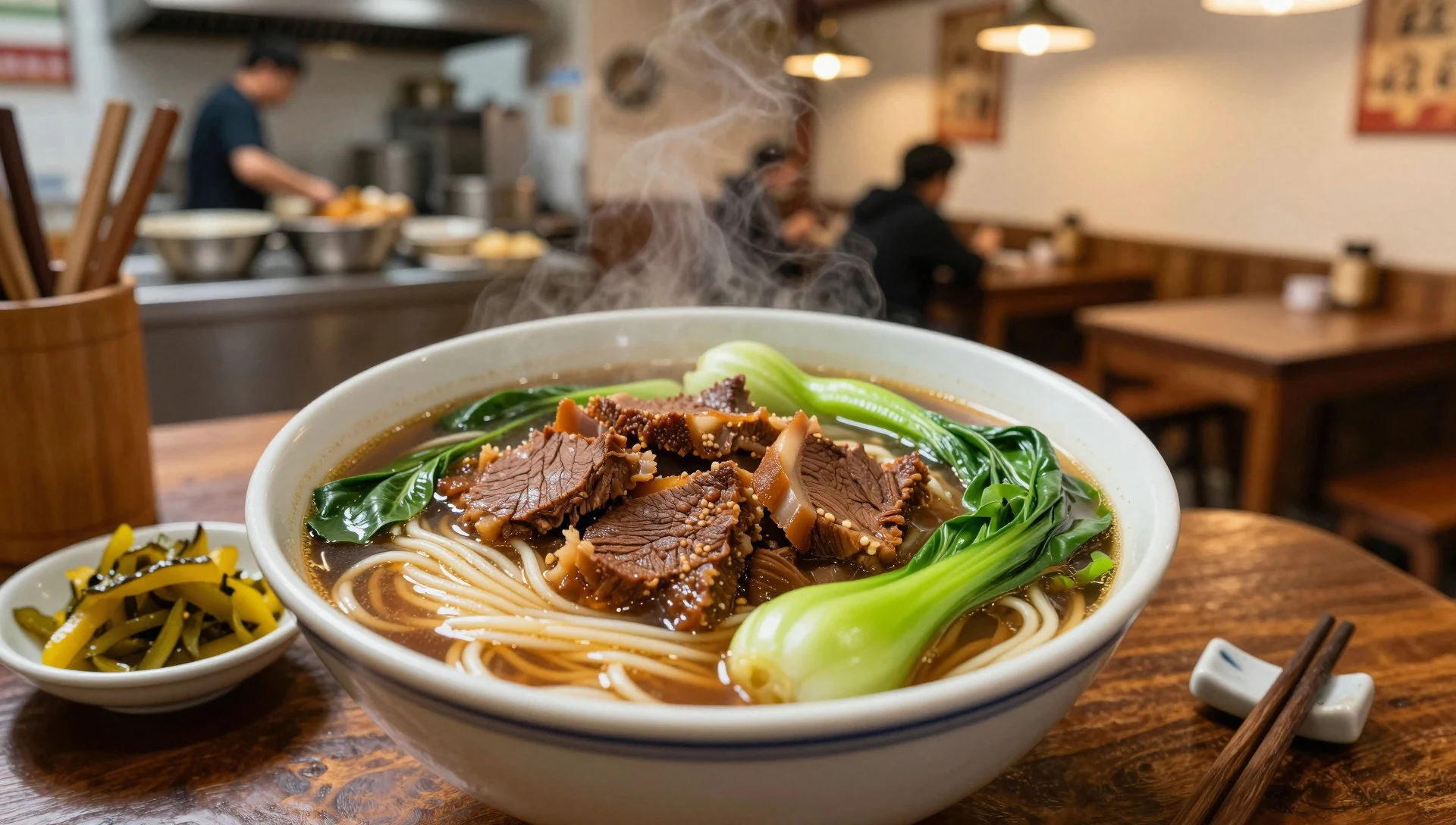
- Xiaolongbao — Specialist dumpling restaurants
Delicate steamed pork dumplings filled with hot soup and savoury broth, carefully pinched at the top. Enjoy them freshly steamed at dumpling houses throughout the metropolitan area.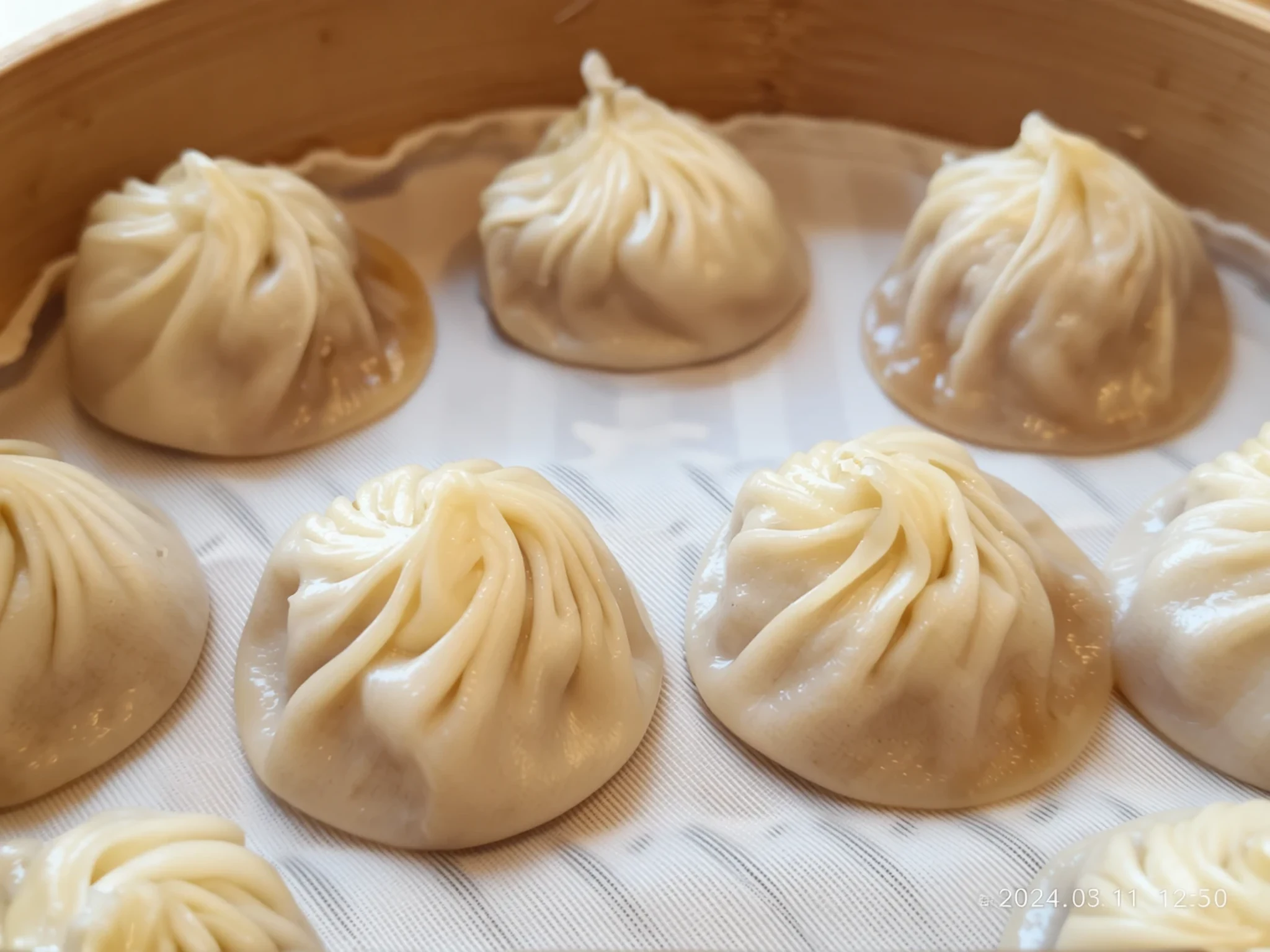
- Lu rou fan — Traditional neighbourhood eateries
Finely minced pork belly simmered in a fragrant soy-based broth and served over a hot bowl of steamed white rice. This comforting dish is found at traditional neighbourhood eateries.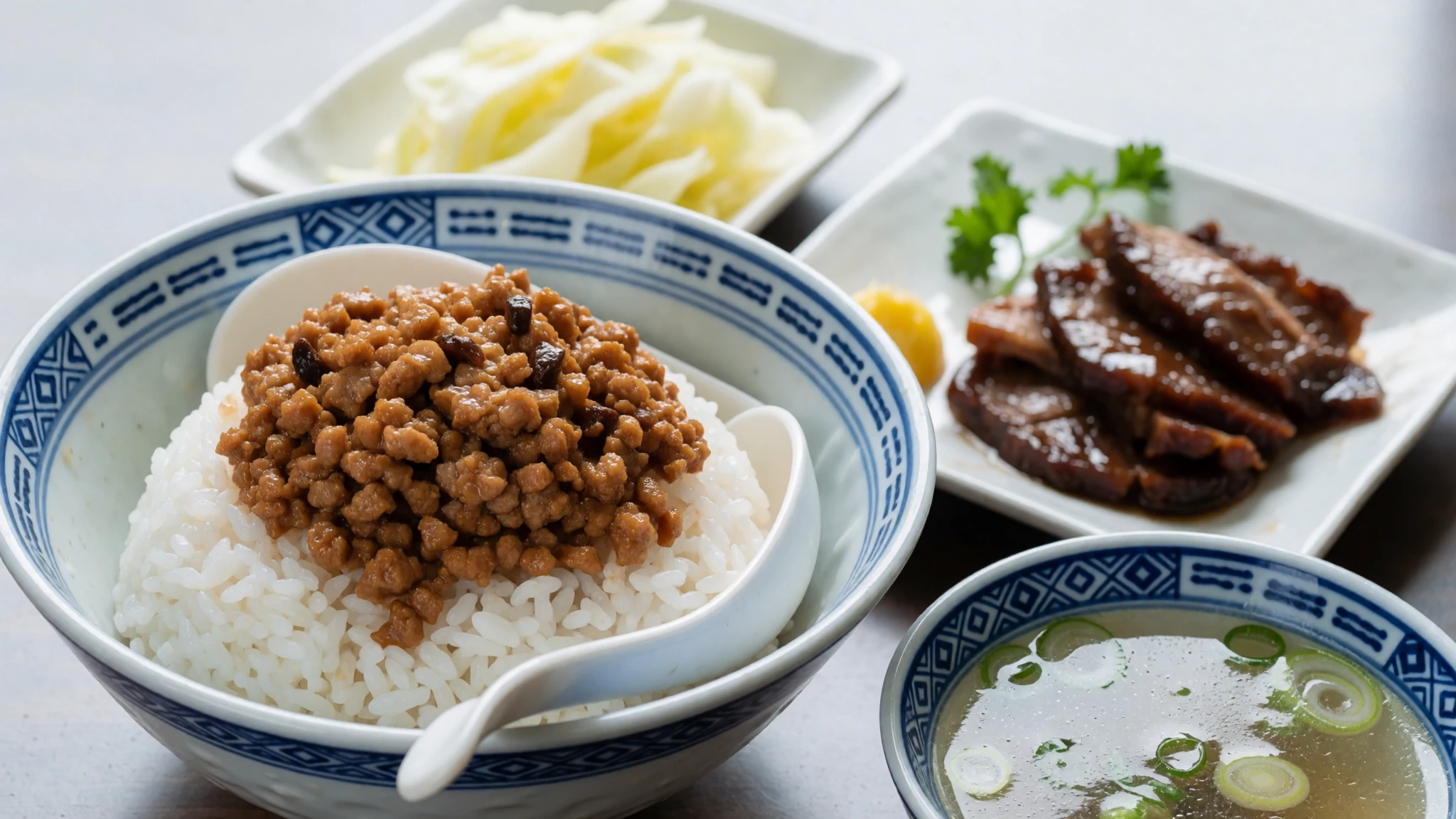
- Oyster omelette — Evening market food stalls
A savoury pan-fried dish combining fresh small oysters, eggs, sweet potato starch, and leafy greens, finished with a tangy sweet chilli sauce. Savour it at open-air evening market stalls. - Bubble tea — Specialised beverage shops
The iconic local beverage consisting of freshly brewed tea mixed with milk and chewy tapioca pearls, served iced or warm. Order a cup at specialised tea shops found on nearly every commercial street.
Plan it
Best time. February to April is damp and gloomy, so aim for October to November, the most comfortable season with clear autumn skies; June brings heavy rain, and July is the hottest month, with August also hot and humid.
How long. 3–4
Getting there. Fly into Taiwan Taoyuan International Airport, then take the Taoyuan Airport MRT rail directly to Taipei Main Station.
Budget. mid
Tips
- Purchase an EasyCard upon arrival for seamless travel on buses, the metro, and at convenience stores
- Carry a compact umbrella year-round to prepare for sudden tropical rain showers
- Keep small cash notes handy for purchases at traditional markets and small family eateries
- Start visits to popular temples and mountain trails early in the morning to enjoy quieter surroundings
Etiquette
- Remove your shoes when entering traditional residential homes and specific temple halls where requested
- Wait patiently in single-file queues on metro platforms and escalators
Nearby
Sources
- Wikidata Q1867 (CC0)
- Wikipedia (rev 1381377799) (CC-BY-SA 4.0)
- Wikivoyage (rev 5393080) (CC-BY-SA 4.0)