Chaka Salt Lake
Chaka Salt Lake, People's Republic of China
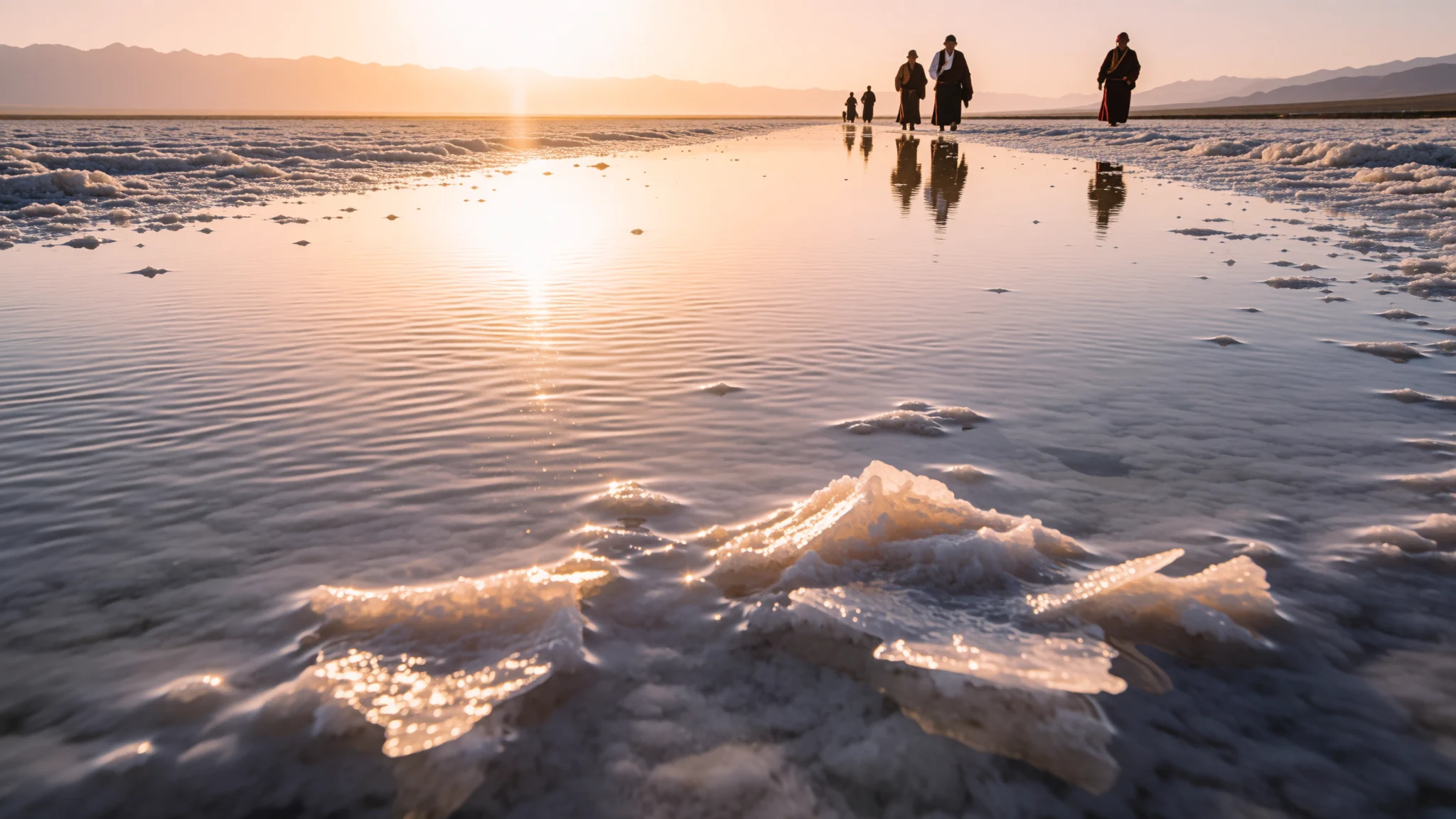
Chaka Salt Lake is a high, shallow salt lake on the Qinghai plateau where still water turns the sky into a mirror.
The place
Chaka Salt Lake sits in western Qinghai province, on a high, dry plateau at an elevation of 3059 metres. The setting is stark: pale salt flats, low brown hills, a very large sky and very little else. Nothing tall interrupts the horizon, so cloud and light do most of the work. The lake is a working salt lake as well as a visitor draw. Salt has long been taken from this basin, and the shoreline still carries the marks of that industry, from crusted pans to rail lines and sheds. Tourism has grown alongside it, and the best-known scene is the reflective sheet of shallow water that forms over the salt on calm days, when walkers appear to stand in the clouds.
The lake belongs to the Haixi Mongol and Tibetan Autonomous Prefecture, a region of grassland, desert and salt basins where herding and mining share the land. Settlements are small and far apart, and the nearest town of any size is a drive away. At this height the air is thin, the sun is fierce even when it is cold, and the weather can change within an hour. Summer brings the most reliable skies and the busiest paths. Winter is quiet, bitterly cold and much less photogenic. Visitors who treat it as a half-day stop on a longer Qinghai journey tend to enjoy it most, because the lake rewards patience with light rather than with a long list of sights.
Its story
Chaka Salt Lake owes its fame to something humbler than scenery: salt. The name is generally understood to mean salt lake in the languages of the plateau, and herders and traders knew the basin as a source of salt long before it had any reputation as a view. Salt was gathered from the surface and the shallows, carried out by animal and cart, and exchanged across a wide area where it was hard to come by.
In the modern period the lake became an industrial site. Salt works, processing sheds and rail lines tied the basin to the rest of China, and the lake became part of the story of how the interior was developed. Many workers came from elsewhere, and the plateau's small communities grew around the work. The industry did not vanish when the visitors arrived. It still shapes the shoreline, and parts of the lake remain off limits for that reason.
The tourist chapter is recent. Photographs of the lake's mirror effect spread through social media and travel writing, and the nickname for it as a sky mirror followed. Paths, viewing areas, small trains and shops were added, and the shore began to receive crowds in the warm months. The balance between a working landscape and a place for sightseeing is still being worked out. That tension is part of the interest: the same crust that photographs so well is the product the lake was valued for in the first place.
What to see
- The shallow mirror flats — Visitor shoreline, Chaka Salt Lake
The reflective stretch of Chaka Salt Lake forms where a thin film of water lies over the salt crust. On a calm, clear day it doubles the sky and the walkers. Wind ruins the effect, so a still morning is the best bet. Expect to wade through cold, salty water.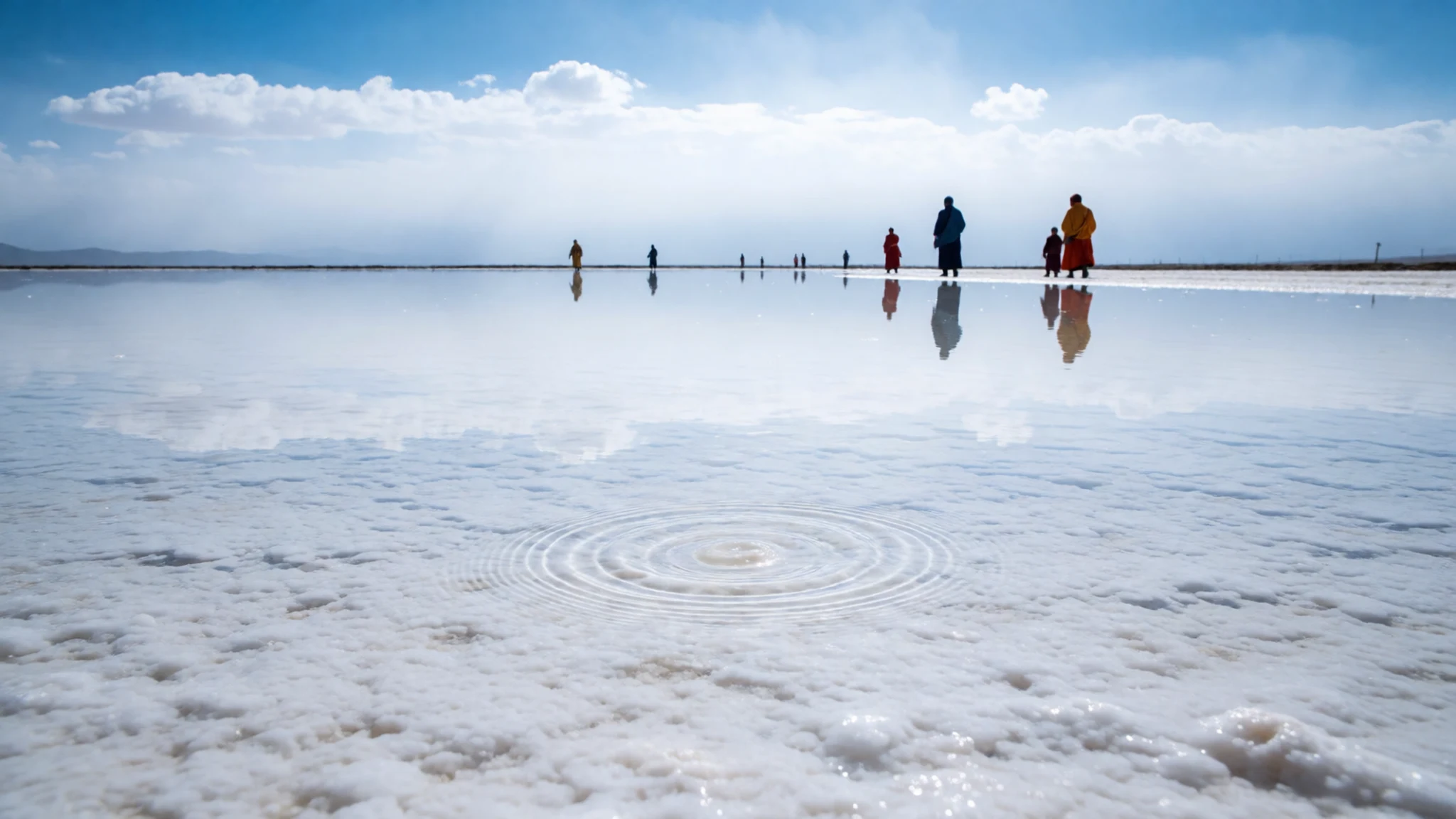
- The salt-crystal shoreline — Lake edge, near the visitor area
Along the edge of Chaka Salt Lake the ground turns into a hard, glittering crust, with ridges and crystals that crunch underfoot. Look closely at the patterns where water has dried. It is a gentle, quiet walk, and a good place to understand what the lake actually produces.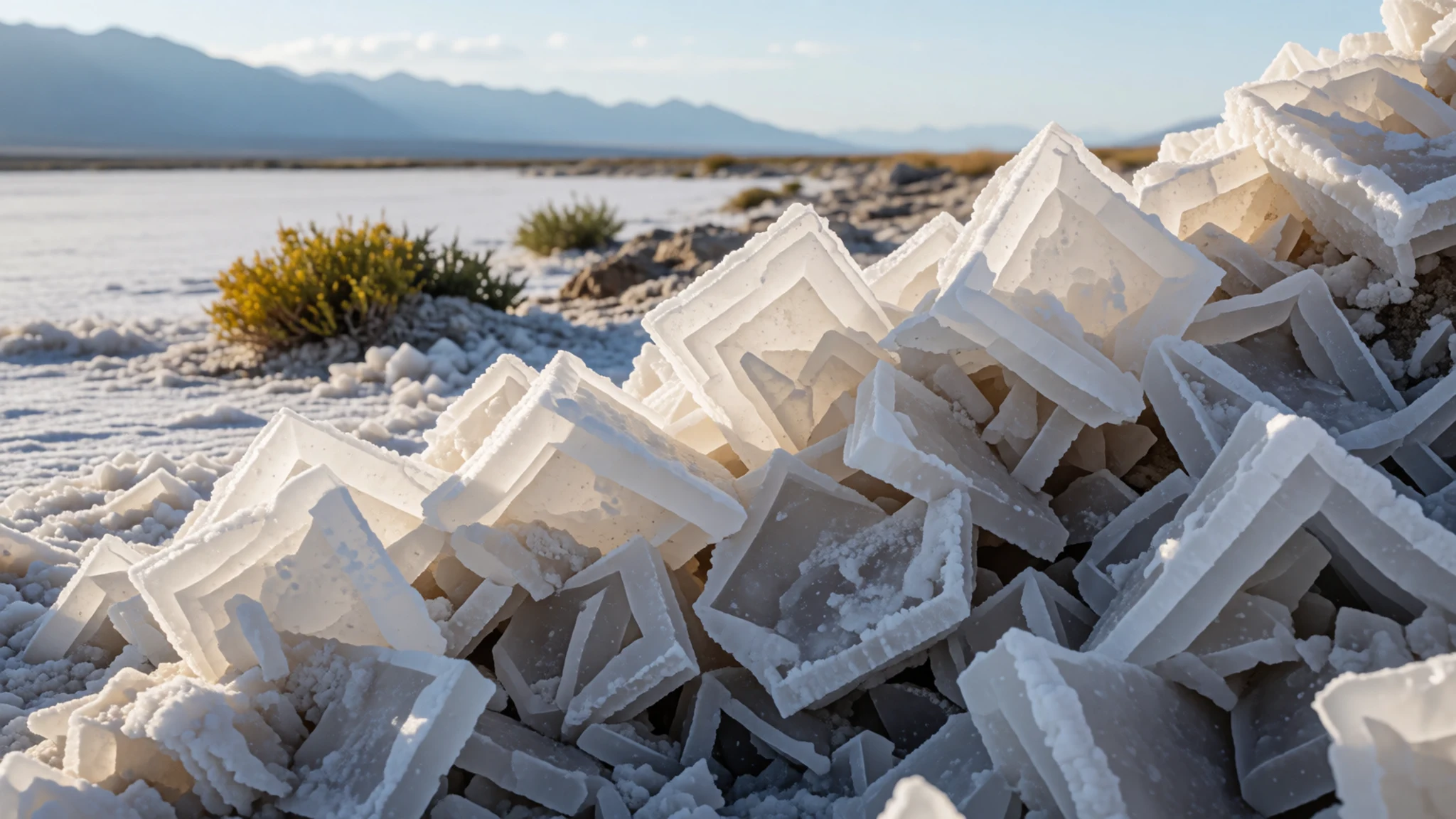
- The salt-works railway — Rail line across the salt basin
Rail lines still cross parts of the basin, tying the salt works to the wider network. A small train for visitors has run along part of the lake, and the older freight tracks add an industrial note to photographs. Check locally whether the visitor train is running before planning around it.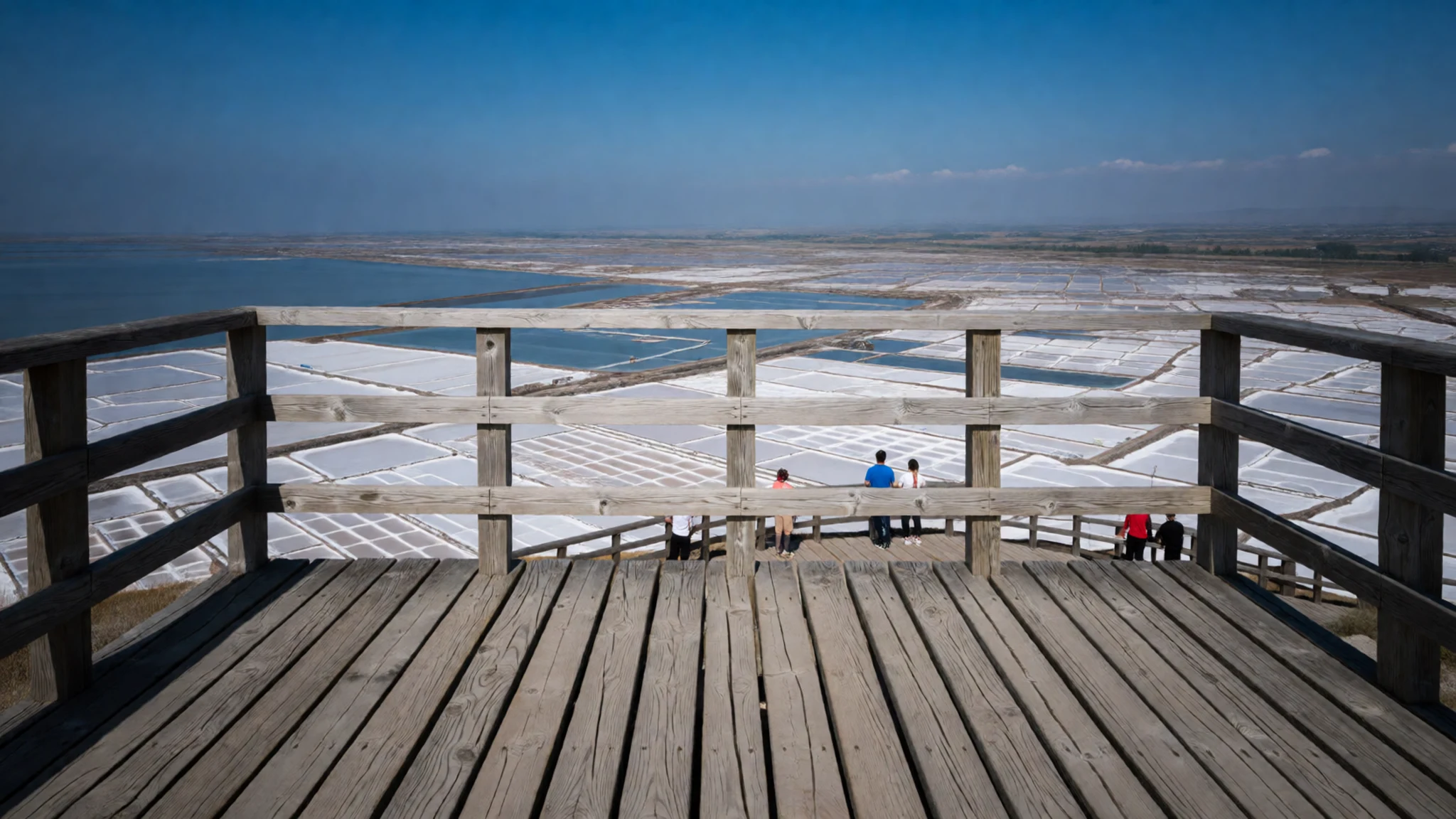
- Sunrise and dusk at the water — Open shoreline, Chaka Salt Lake
Low light is when Chaka Salt Lake looks its best, with the sky colouring the water and the crust turning pink and gold. It is also cold, so wrap up. Staying near the lake overnight, or arriving early, spares you the middle-of-the-day crowds and glare.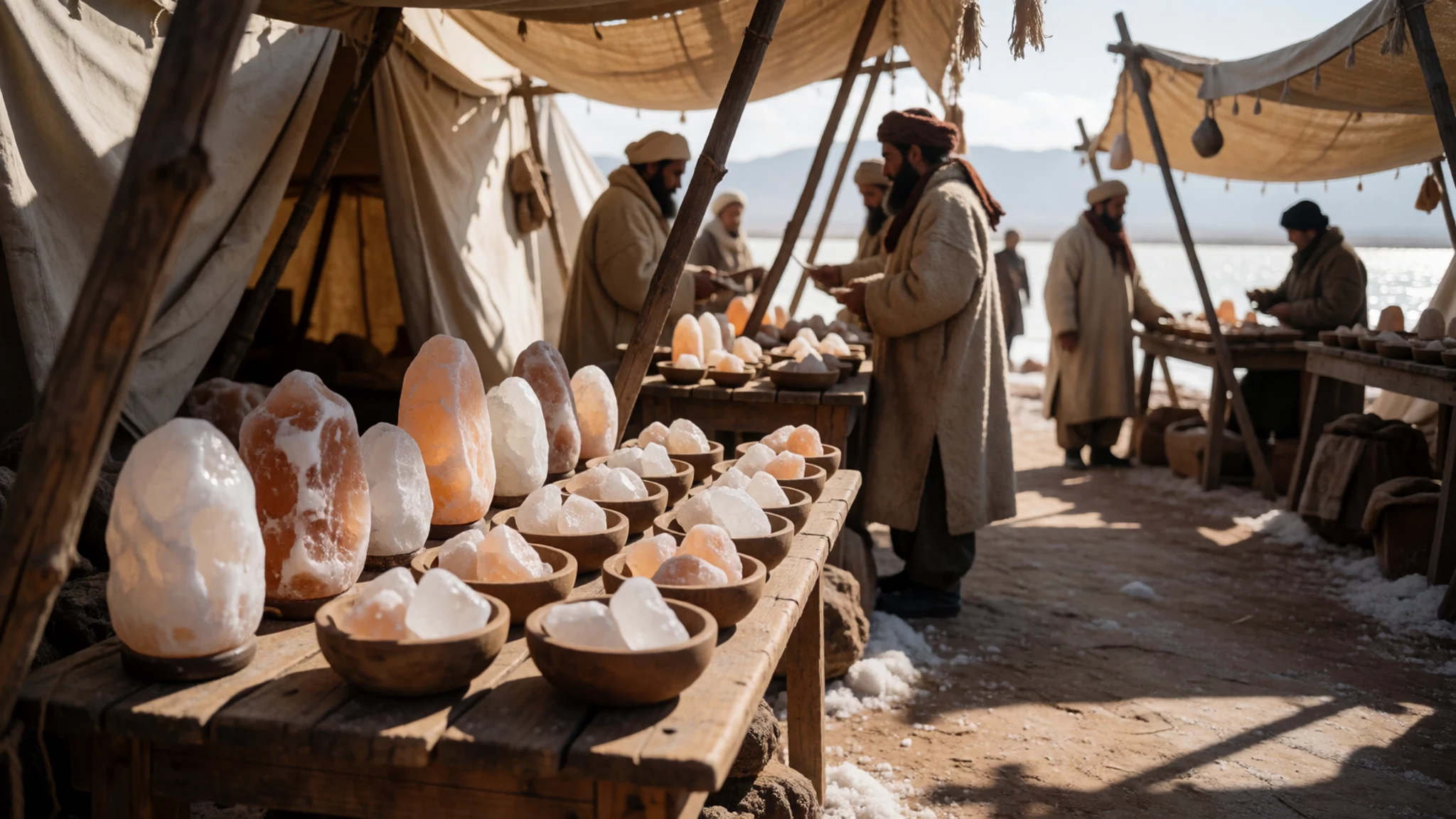
- Ulan, the county town — Ulan county town, Haixi prefecture
Ulan is the practical base for the lake, with simple restaurants, shops and places to sleep. It is a working plateau town rather than a showpiece, but it is where you can buy supplies, eat a hot bowl of noodles and get a feel for daily life in this part of Qinghai.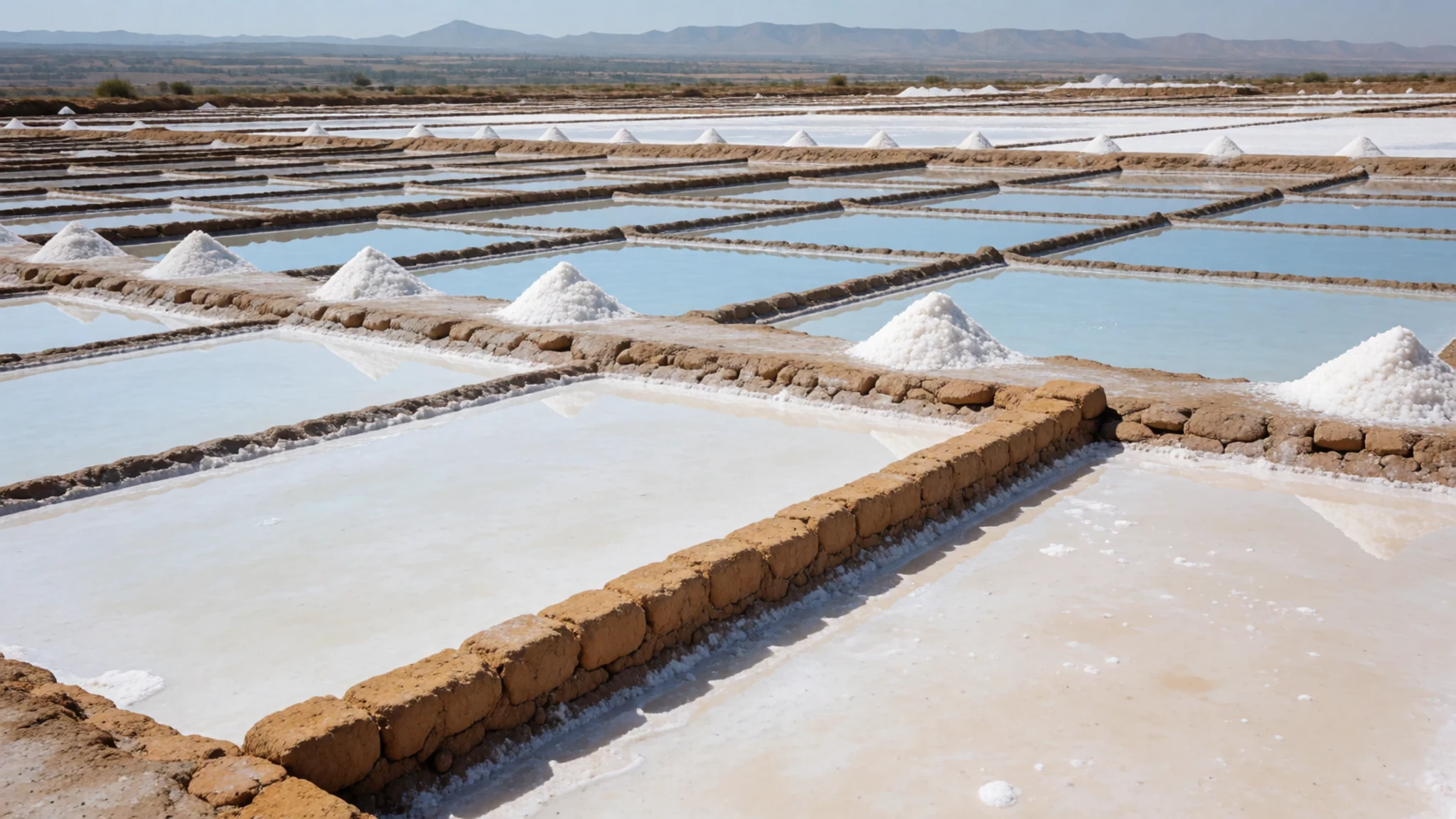
Culture
Chaka Salt Lake lies in an area shared by Tibetan, Mongol, Hui and Han communities, and the culture of the surrounding plateau reflects all of them. Tibetan Buddhism is visible in prayer flags, small cairns and monasteries across Qinghai, while Mongol herding traditions survive in the grasslands, and Hui communities run many of the region's eateries. Salt has its own place in this mix. For herders it was a daily necessity, for animals as well as people, and it was a trade good that linked the plateau to lower country.
The work culture of the lake is just as real. Salt workers and their families have made a life here for generations, and the industry gives the area a practical, unshowy character. Visitors are guests on a working site, and not everything near the water is open to them.
Mountain weather and altitude shape habits too. People move slowly at this height, dress for sudden changes and share hot tea readily. Hospitality towards travellers is common in the region, but it comes without fuss, and a friendly greeting goes a long way.
Where you see roped-off areas or signs near the salt works, stay on the marked paths and do not wander onto industrial ground or into the pans, and ask before photographing workers or herding families.
What to wear
Chaka Salt Lake is surrounded by Tibetan, Mongol and Hui communities, and traditional dress varies with each. Tibetan herders wear the chuba, a long, wrap-over robe made from wool or sheepskin and tied at the waist with a sash, often with a bright trim. Mongol families wear the deel, a similar long coat with a high collar, usually in thick cloth with a colourful belt. Hui men often wear a white brimless cap and Hui women a headscarf. These garments are most visible at festivals, weddings and in rural areas, and they are practical against wind and cold.
Day to day, most people near the lake wear what suits the climate: padded jackets, fleece, jeans, sturdy boots and caps or scarves against sun and dust. Salt workers wear functional overalls, gloves and strong footwear, and some visitors will see headscarves and masks used against glare and grit.
For a visit, dress in layers. Even in summer the plateau is cold in the morning and evening, and the sun at this elevation burns quickly, so bring sunglasses, a hat and sun cream. Waterproof boots or sandals that can get wet are useful for the shallow flats, and a spare pair of socks is wise. If you plan to visit a monastery on the same trip, cover shoulders and knees and take a light scarf.
What to eat
- Hand-grabbed lamb (shouzhua yangrou) — Family restaurants in Ulan and Xining
Boiled mutton or lamb on the bone, eaten with the hands and a small knife, usually with salt and a little dipping sauce. It is a plateau staple and tastes clean and rich. Order it at a Hui or Tibetan eatery.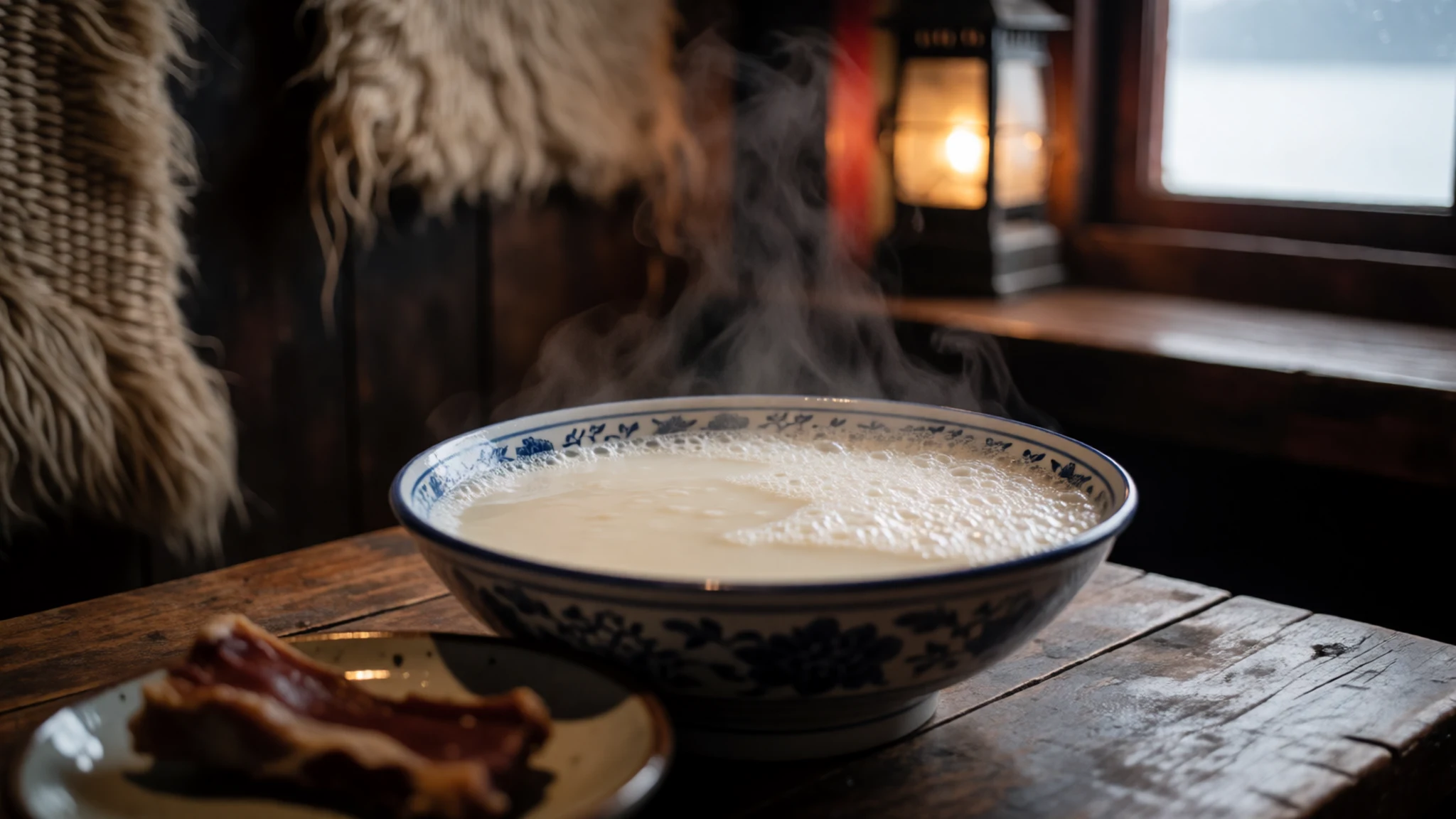
- Qinghai yoghurt (suan nai) — Street stalls and corner shops in Xining and Ulan
Thick, tangy yoghurt, often served in a small bowl or jar and sometimes sweetened. It is a refreshing break after wind and sun, and a sensible way to settle the stomach at altitude.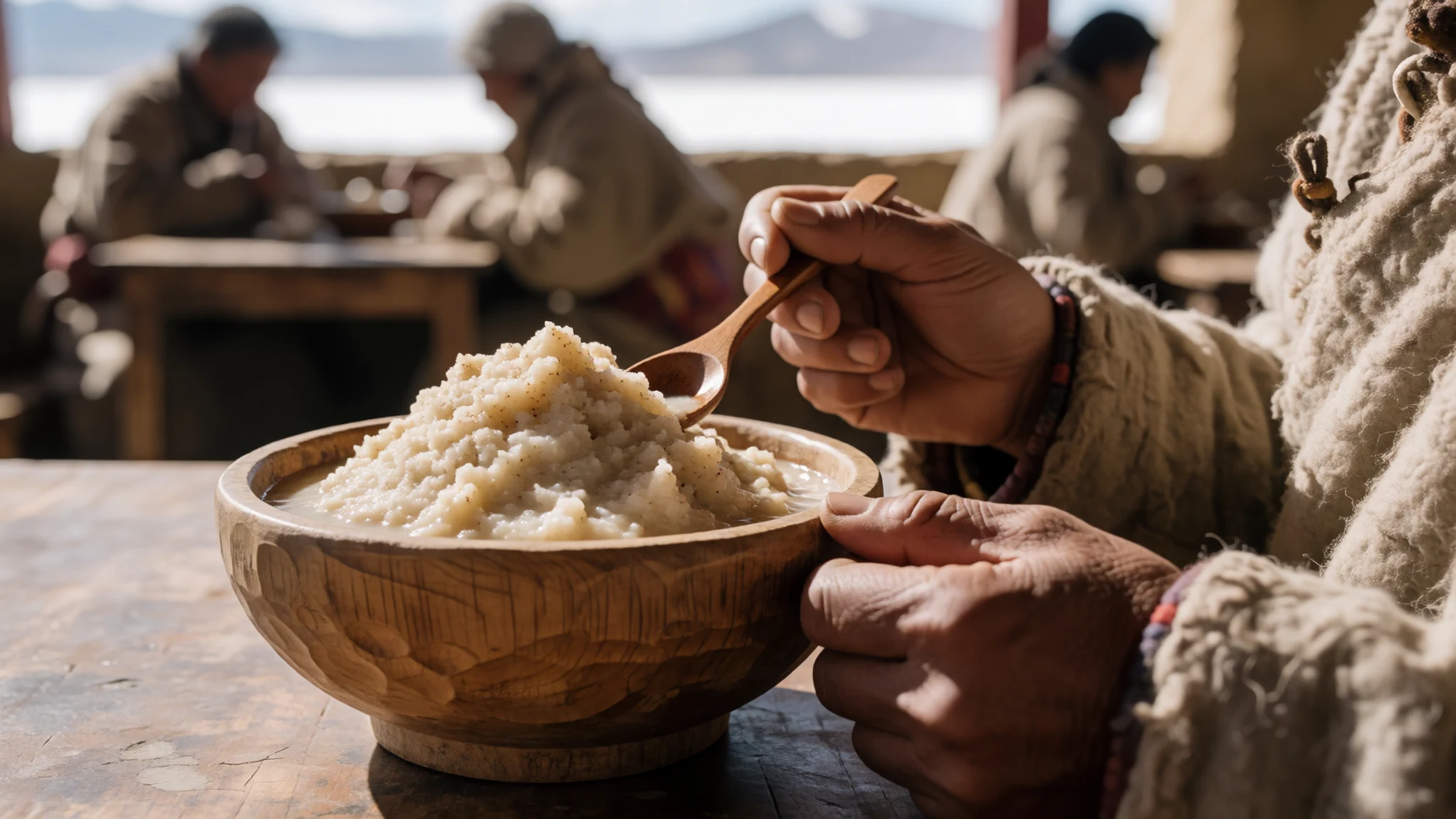
- Beef noodles (lamian) — Hui-run noodle shops in Ulan and Xining
Hand-pulled noodles in a clear, spiced beef broth, usually topped with sliced beef, chilli oil and herbs. Hui-run noodle shops serve them early, which suits a dawn start at the lake. - Tsampa and butter tea — Tibetan tea houses and homes in the prefecture
Roasted barley flour mixed with butter tea into a doughy ball is the traditional Tibetan staple. The tea is salty and rich, and may be an acquired taste, but it is warming and filling in cold weather. - Niangpi — Night markets and snack streets in Xining
Chilled, springy noodles made from wheat or rice starch, tossed with chilli, vinegar and sesame paste. It is a lighter dish, often eaten in the warm months and found widely across Qinghai.
Plan it
Best time. June to September, when the plateau is mildest and skies are most often clear enough for the mirror effect. Mornings and evenings stay cold even in summer, and winter is very cold with few services.
How long. 1
Getting there. Fly to Xining, the provincial capital, then continue by road or rail towards Ulan, the nearest town, and take a taxi or a booked car for the last stretch to the lake. Check current timetables and road conditions before you travel.
Budget. mid
Tips
- Go early in the morning, when winds are lighter, the water is stiller and the crowds are thinner
- Take time to adjust to the altitude: drink water, move slowly and avoid alcohol on the first day
- Carry cash and a phone with offline maps, as signal and card payments can be patchy near the lake
- Wear sun cream and sunglasses, because glare off salt and water is strong
- Check the official site or local operators for opening arrangements, as access can change
Etiquette
- Stay on marked paths and out of areas with salt-works signs
- Ask before photographing workers, herders or their families
- Take your rubbish away, since the lake has no easy way to clear it
Nearby
Sources
- Wikidata Q10504375 (CC0)
- Wikipedia — Chaka Salt Lake (CC BY-SA 4.0)
- Wikivoyage — Qinghai (CC BY-SA 4.0)