Lacluta
Lacluta, Timor-Leste
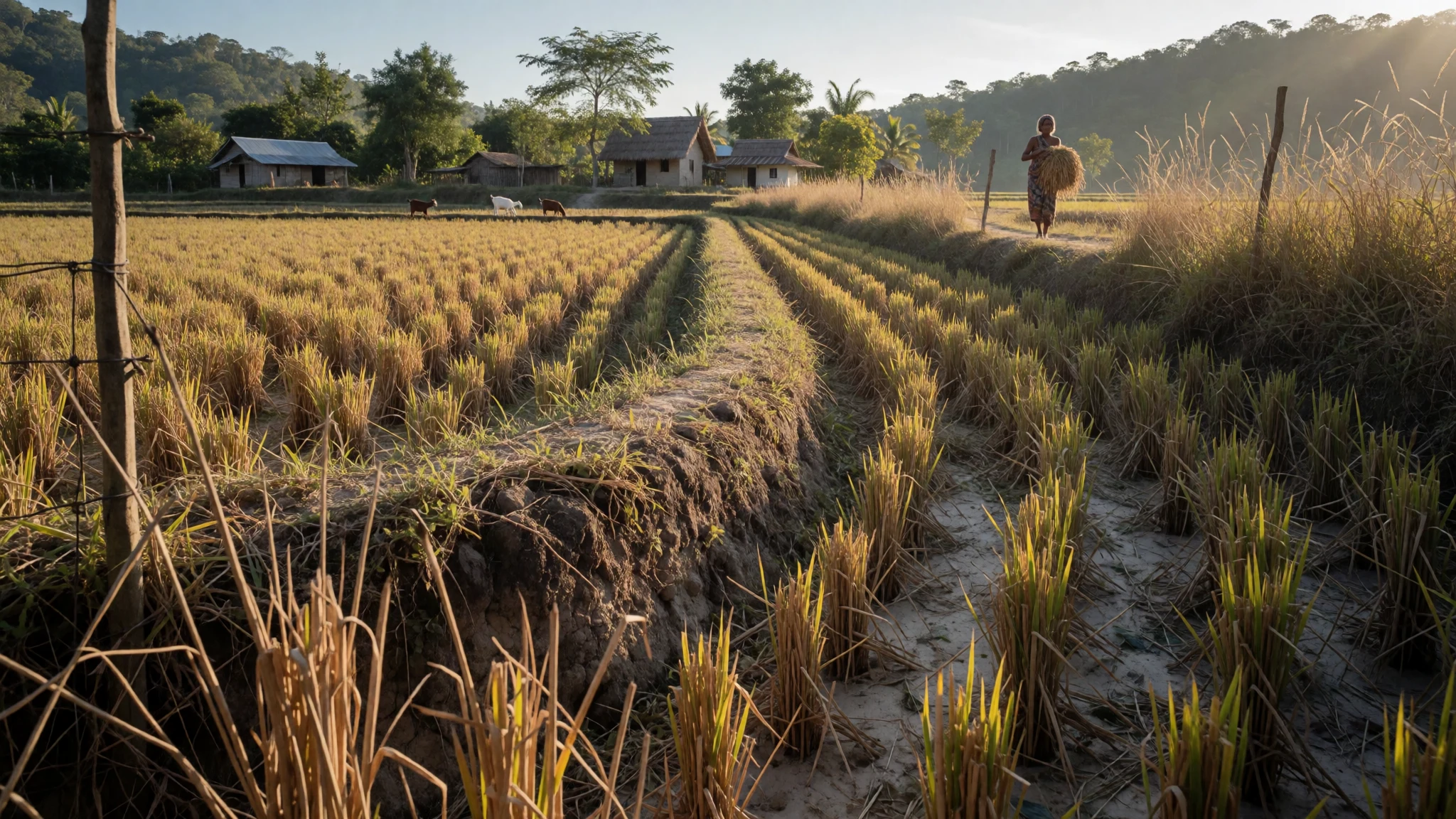
Lacluta is a quiet farming district on Timor's southern side, for travellers who want the real Timor-Leste, not a resort.
The place
Lacluta is a rural administrative post in Viqueque municipality, in the eastern half of the island of Timor. Its administrative centre is Dilor. The Portuguese name is Posto Administrativo de Lacluta and the Tetun form is Postu administrativu Lakluta. It used to be a subdistrict and is now one of the administrative posts that make up the municipality. It is not a resort or a town with a tourist trail, and very little has been written about it for visitors. The coordinates, about 8.8 degrees south and 126.13 degrees east, place it on the southern side of the island, facing the Timor Sea and away from the capital's northern coast. Daily life follows the pattern of rural Timor-Leste. Rice is the staple, with maize, cassava, taro and sweet potatoes beside it. Households keep goats, pigs and poultry, and fish matters wherever the coast allows. Formal jobs are scarce across the country and poverty is widespread, so this is a working farming district, not a managed attraction. Services for travellers are thin. The sensible way to see Lacluta is with a local host or guide, with spare time in the schedule and modest expectations. Dili, the capital, has the guesthouses, restaurants and transport links that the countryside lacks, and most journeys here begin there.
Its story
Lacluta sits inside a country whose modern history is unusually hard, and that history shapes how people there talk about the past. The eastern half of Timor was a Portuguese trading interest, and Portugal formally declared it a colony in 1702. After the Carnation Revolution in Lisbon in 1974, Portugal's overseas empire began to unwind. Portuguese Timor declared independence in November 1975. Indonesian forces invaded within days, and by the following year the territory had been annexed as a province called Timor Timur. The occupation lasted about two decades. Senior posts went mostly to Indonesians, and a campaign of so-called pacification killed a very large number of people. Estimates run as high as one in five of the population. In August 1999 the United Nations supervised a referendum in which voters chose independence. Militias backed by elements of the Indonesian military then terrorised the population, and much of the country's infrastructure was destroyed. An Australian-led United Nations force arrived to restore order and help rebuild. On 20 May 2002 Timor-Leste was recognised internationally as an independent state. Many families in districts such as Lacluta lived through all of this. The brief for this reading names no single local event, so none is described here, and a local guide is the right person to ask.
What to see
- Lacluta and Dilor — Dilor, Lacluta Administrative Post
The post itself is the main sight, in a modest way: the administrative centre of Dilor, the surrounding farmland, and the rhythm of a rural district on Timor's southern side. There is no listed monument here. Go to see fields, markets and daily life, ideally with a guide arranged through a contact in Dili or Viqueque.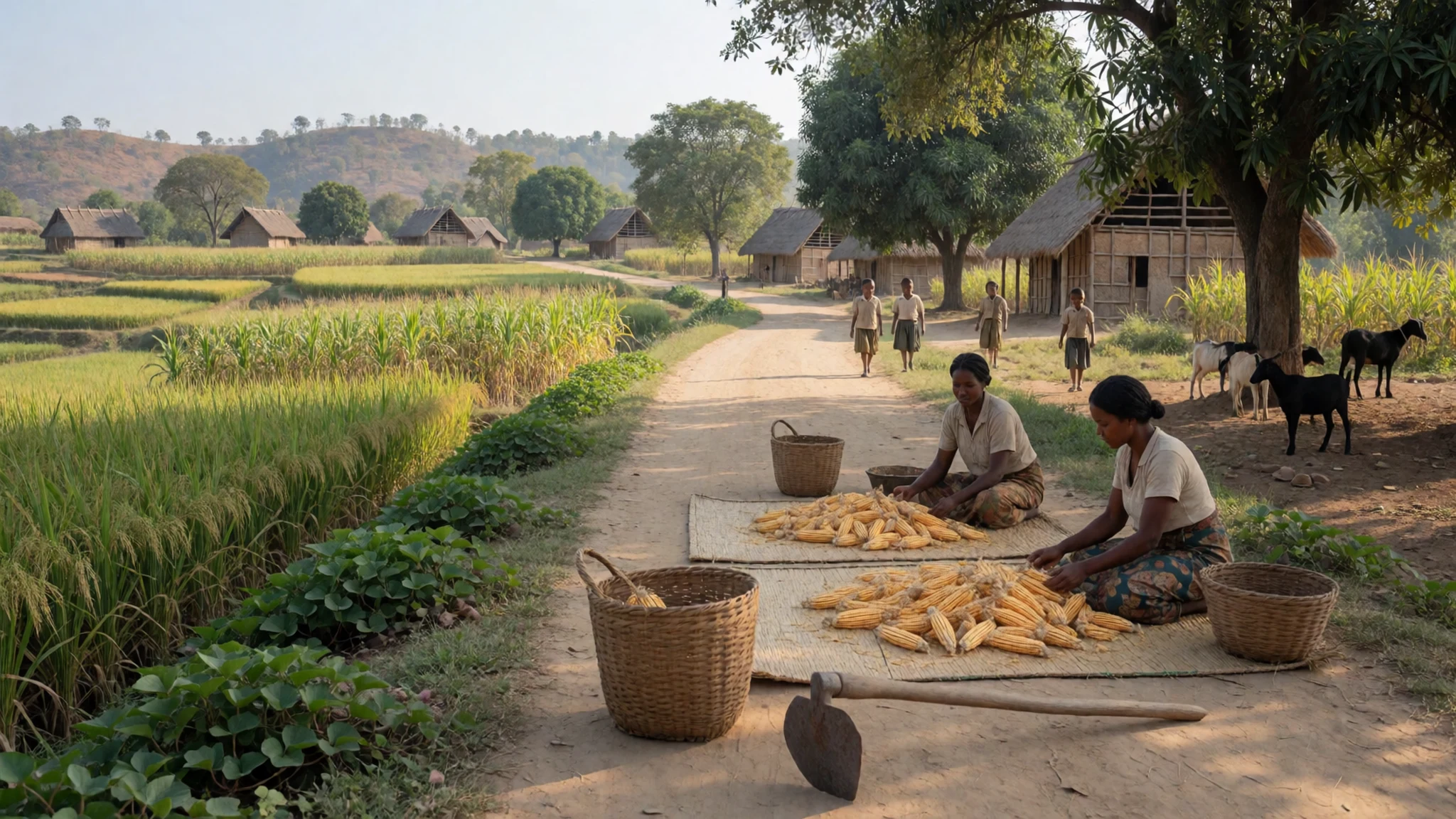
- Nino Konis Santana National Park — Tutuala, eastern Timor-Leste
At the eastern tip of the country, this protected area is described as holding some of the last surviving lowland tropical rainforest in the region, with a coastal environment of reefs and shore. It suits birdwatching, trekking, diving and visits to prehistoric archaeological sites. It is a long journey from Lacluta, so plan it as a separate trip.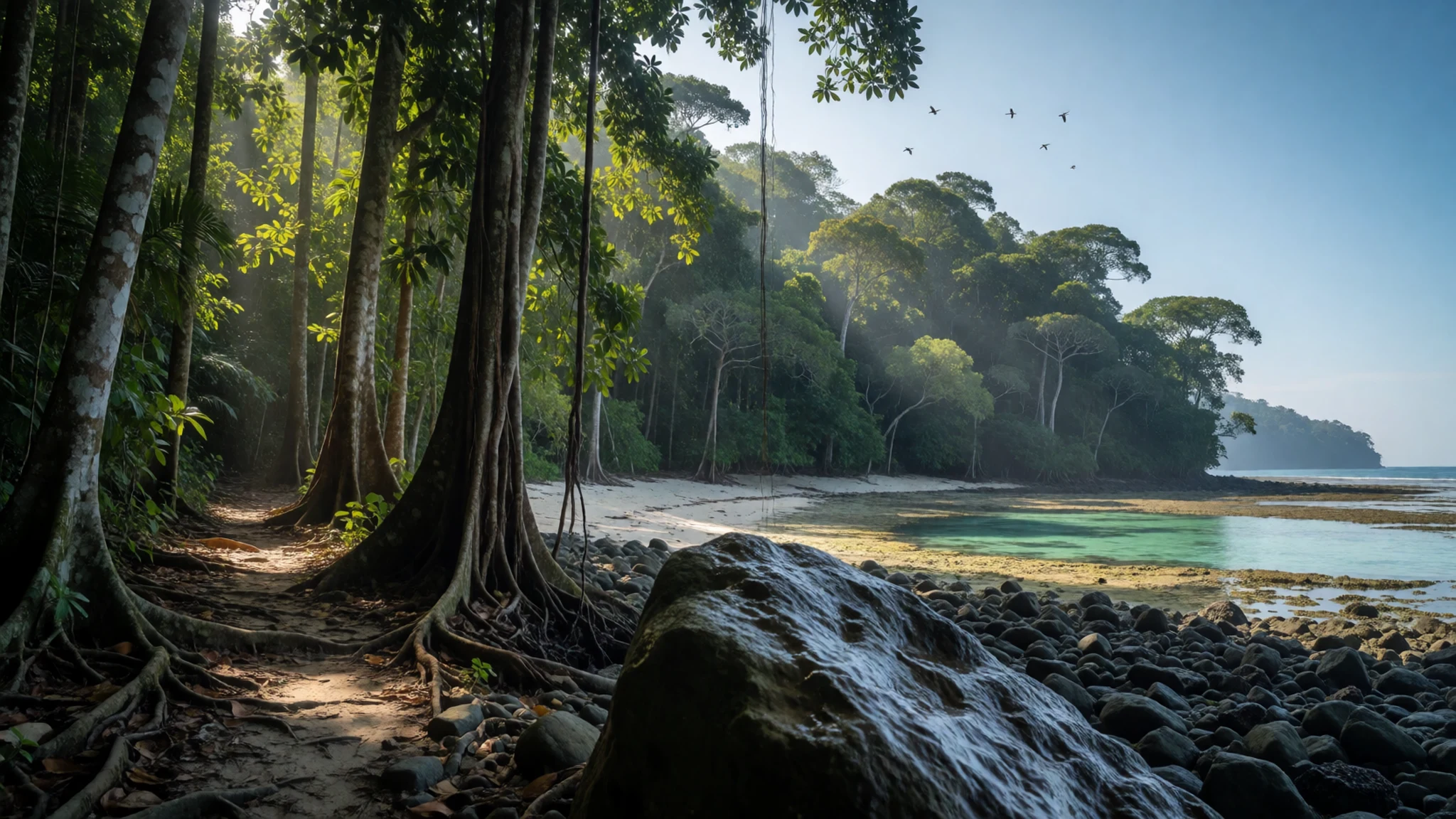
- Atauro Island — Off the coast of Dili
Atauro lies off Dili and draws divers, snorkellers and people interested in low-impact tourism. Eco-lodges operate with support from local organisations. Local fishermen use traditionally made goggles and spear guns, and the island is known for wooden sculptures and handicrafts, which make fair souvenirs to buy directly from the makers.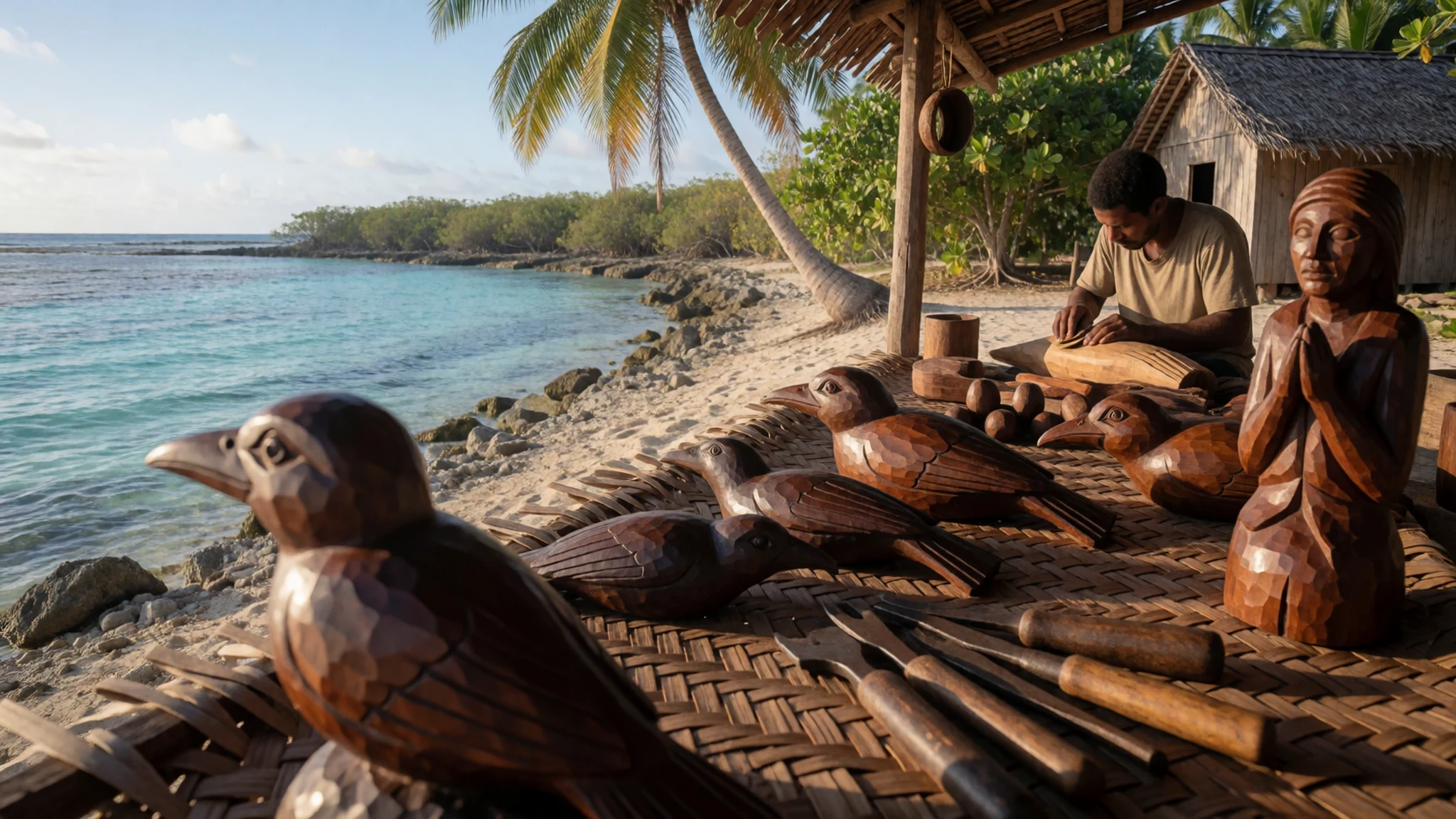
- Dili Rock dive sites — West of central Dili
Close to the capital, Dili Rock is a popular dive site, used for training because it is easy to reach and the conditions are usually kind. The east side is known for scorpionfish, anglerfish and ghost pipefish. Pertamina Pier, a few minutes from the centre, is favoured by divers who like small reef creatures and octopus.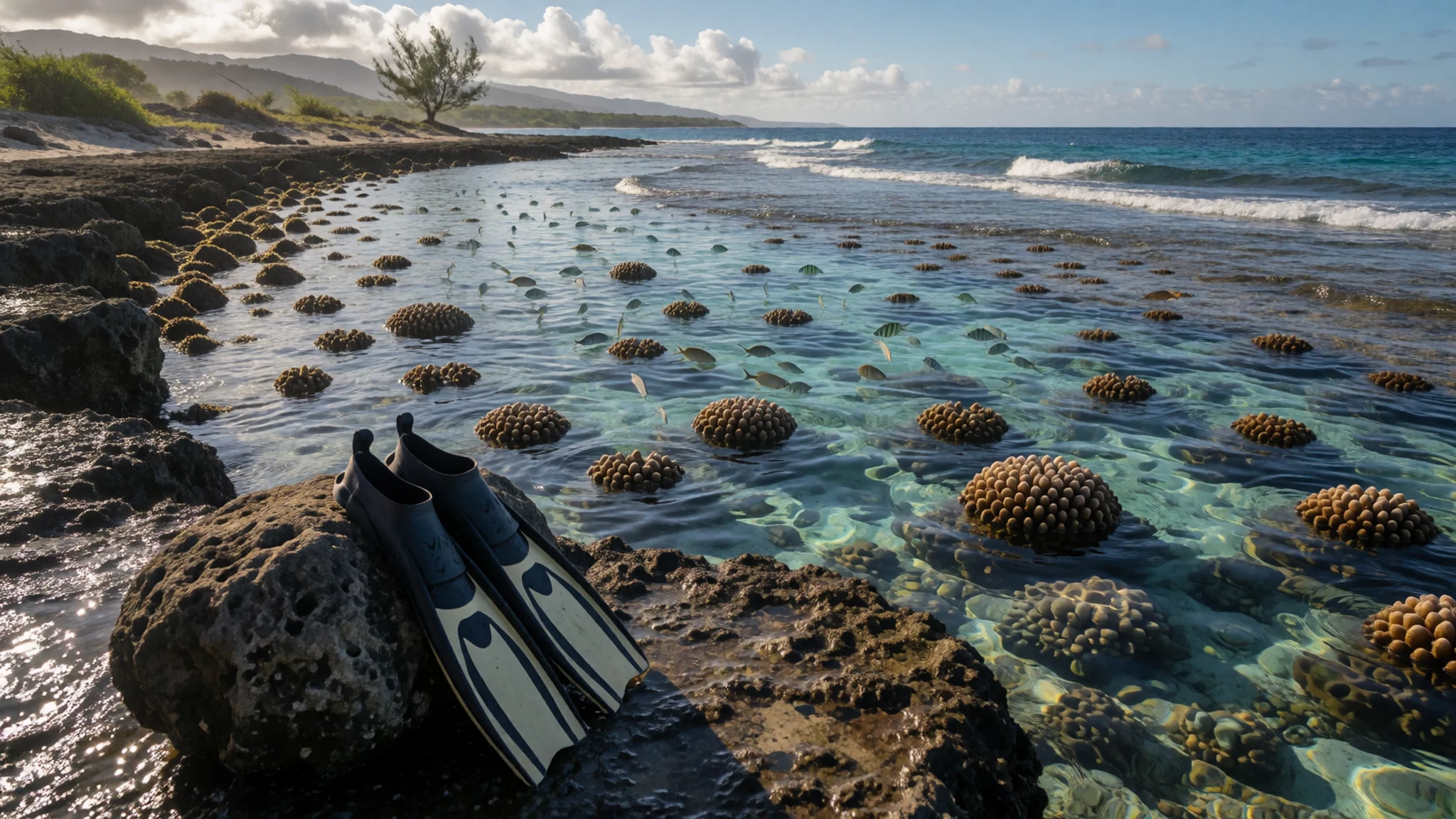
- Santa Cruz cemetery, Dili — Dili
Santa Cruz is one of the places linked with the resistance to the Indonesian occupation, remembered for a massacre in 1991. Visitors who want to understand the independence struggle often start here. Go quietly and respectfully, as many Timorese families have personal ties to what happened.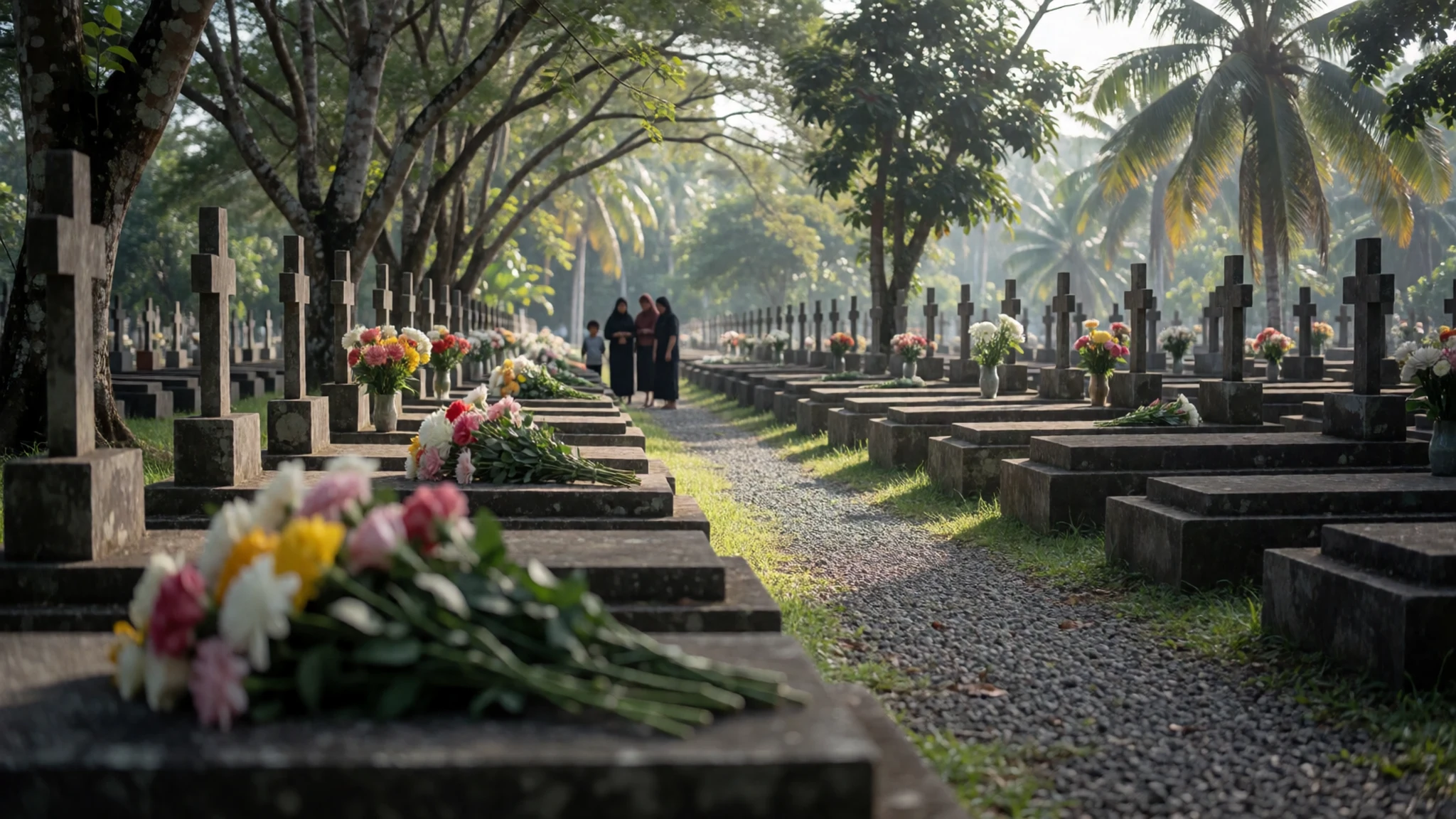
- Baucau and the Japanese caves — Baucau
Baucau, east of Dili, is the base for exploring wartime Japanese caves, one of several resistance and history sites that are scattered around the country. Portuguese-era fortresses and churches also appear across the districts. Ask locally about access and conditions before setting out.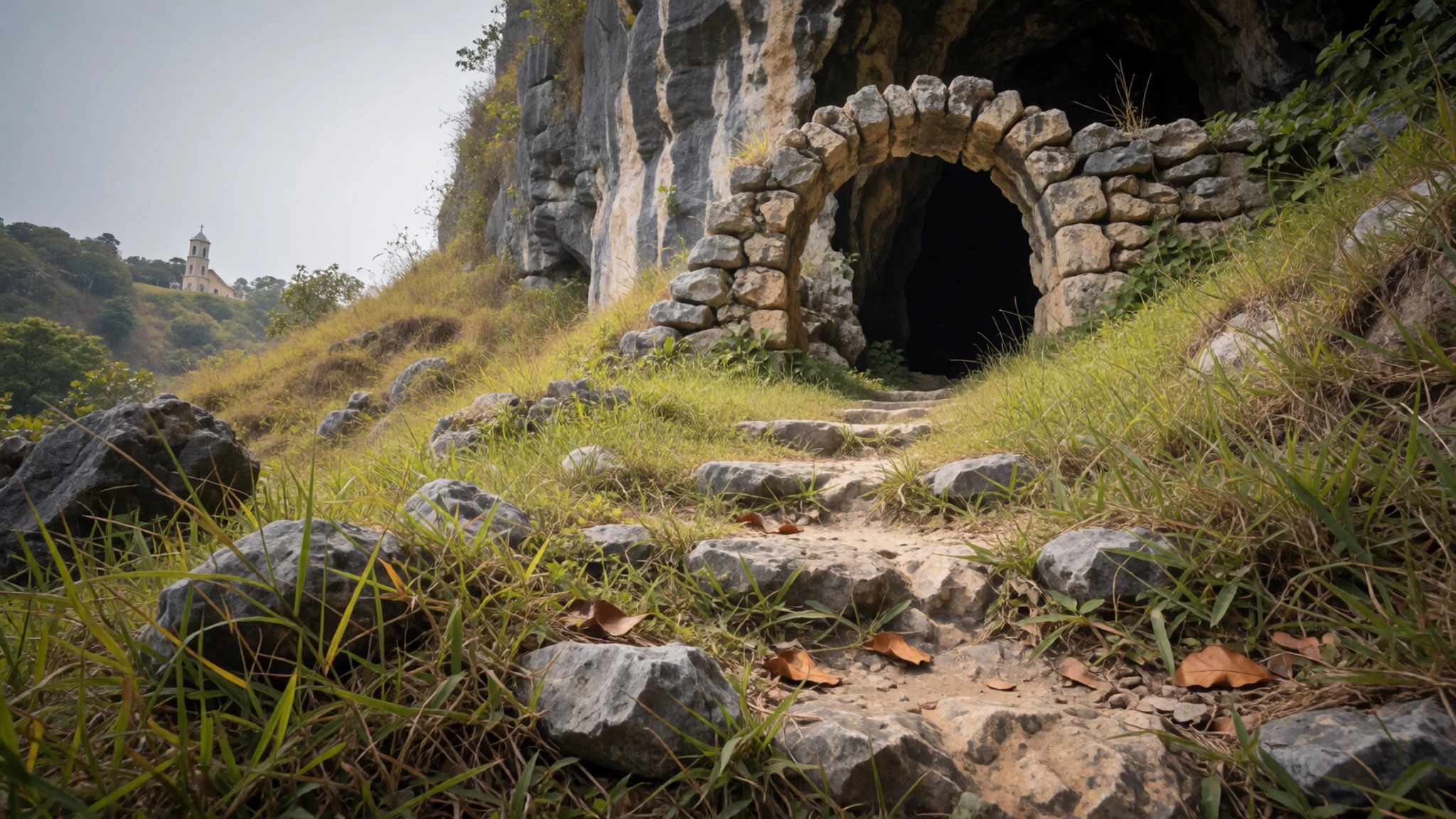
Culture
Lacluta belongs to a country where the past is still close, and conversations about it deserve care. The Indonesian occupation killed a very large share of the population, so praise for that era, or for the idea of Timor-Leste being part of Indonesia, will land badly. Relations between the two countries are positive today, and Indonesia supported Timor-Leste's entry to ASEAN, but that does not make the subject easy for those who lived through it. Many people also speak of the Portuguese period with some warmth, remembering that colonial government left them largely to their own affairs. Portuguese and Tetun are the languages of public life, and a few words of Tetun are appreciated far more than fluent English. Rural communities are close-knit, and it is usual to be introduced through someone known locally. Where there are no formal visitor services, a guest is likely to be treated as a guest of the household, and a small gift of food or coffee beans is a courteous return. Visitors should ask permission before photographing people, homes or ceremonies, and should not raise politics or the occupation unless a local host brings it up first.
What to wear
Lacluta, like the rest of Timor-Leste, is a place where hand-woven cloth called tais carries real meaning. Tais is woven on backstrap or simple looms, usually in cotton, and each region has its own colours and patterns. It is worn wrapped as a sarong or skirt, draped as a scarf, and used as a gift or marker of status at weddings, funerals and ceremonies. Everyday dress in rural districts is practical: shirts or T-shirts, cotton skirts or shorts, and rubber sandals, with women often wearing a wrapped cloth at home or for farm work. Town wear in Dili is more Western, with jeans, collared shirts and school or office uniforms, and tais appears on formal occasions. Visitors should dress for heat and humidity but lean modest. Lightweight long trousers or knee-length skirts and shirts with sleeves work well, and shoulders and knees should be covered for church visits and village gatherings. Bring a hat, sun protection and a light rain layer. Closed, grippy shoes suit rough tracks and mud, and sandals suit the coast. Swimwear belongs on the beach or boat only. A tais scarf bought from a weaver makes a useful and respectful souvenir.
What to eat
- Rice with fish — Coastal eateries and local markets
Rice is the staple, and fish is the usual partner, grilled or fried with a generous hand of spice. Look for it in simple eateries near the coast and at market stalls, where the day's catch decides what is on the plate.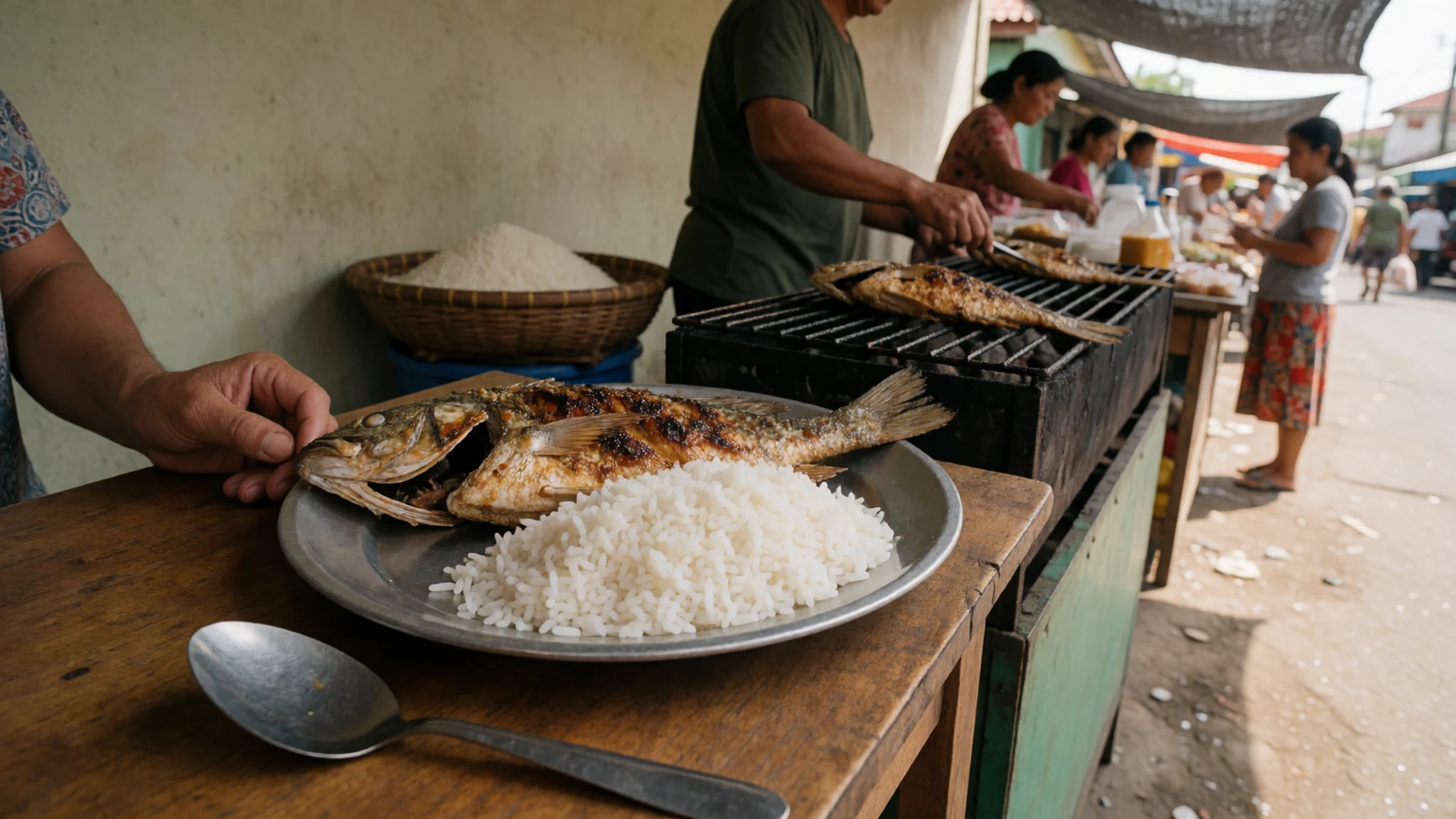
- Chicken curry — Family-run eateries, Dili
A standard dish across the country and a widely loved one, chicken curry arrives with rice and a rich, spiced gravy. It is a safe choice in any family-run eatery and easy to find in Dili.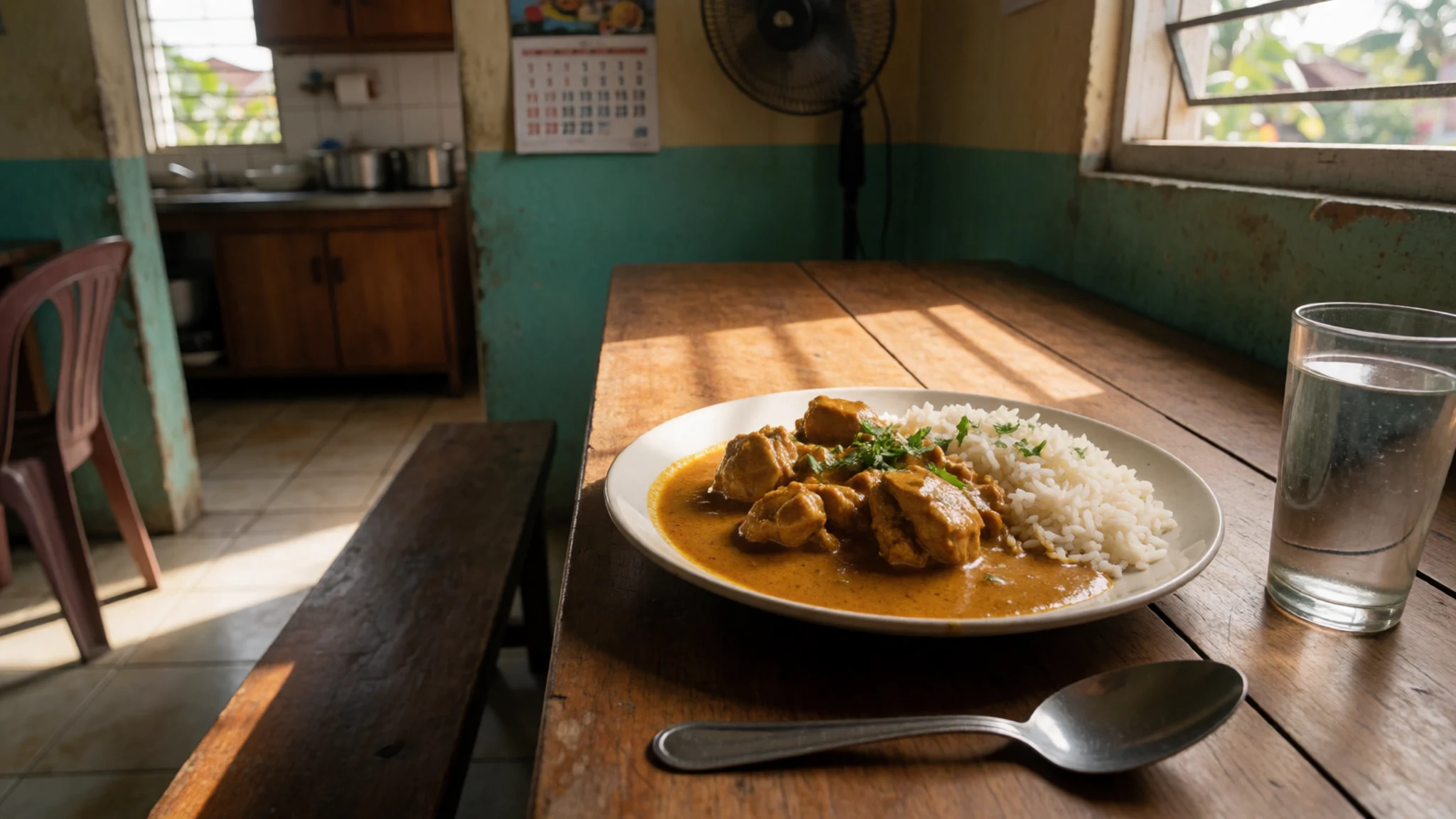
- Fried prawns — Seaside restaurants and fish stalls
Prawns are treated as a delicacy, usually fried and served with rice and chilli. They are best ordered near the coast, where freshness is easier to judge, and eaten with your hands if the cook does so. - Root vegetables — Village meals and weekly markets
Taro, cassava and sweet potatoes appear boiled, roasted or in stews, and in rural districts they often fill the plate when rice runs short. They are filling, mild and good with chilli or fish on the side. - Timorese coffee — Markets, cafés in Dili, farm cooperatives
Coffee is grown organically in the hills and served strong. Buying roasted beans or ground coffee from a cooperative or market stall supports growers directly and travels well in a bag.
Plan it
Best time. The dry season, roughly May to October, is the easier time for rural travel, with firmer tracks and more settled weather; the wet season can make roads slow and muddy. Check current forecasts before booking.
How long. 2–3
Getting there. Fly to Dili Airport, the country's main entry point, then continue overland to Viqueque municipality and Lacluta. Allow a long day on mountain roads and check road conditions and transport locally.
Budget. low
Tips
- Check the latest visa and passport rules with Timor-Leste's immigration authority before travelling, and keep a passport with enough validity and a blank page
- Carry cash, as cards and cash machines are scarce outside Dili
- Arrange a local guide or host in Dili beforehand, because visitor services around Lacluta are limited
- Keep phones and bags secure in busy parts of Dili, where snatching from motorbikes is reported
- Avoid demonstrations and large gatherings, which can escalate quickly
Etiquette
- Ask before photographing people, homes or ceremonies
- Avoid praising the Indonesian occupation or raising politics unless a local host does
- Dress modestly, covering shoulders and knees, in villages and churches
Nearby
Sources
- Wikidata Q19672326 (CC0)
- Wikipedia: Lacluta (rev 1379795942) (CC BY-SA 4.0)
- Wikivoyage: Timor-Leste (rev 5406324) (CC BY-SA 4.0)