La Maddalena
La Maddalena, Italy
La Maddalena offers clear water, pink-tinged granite coves and Garibaldi's island home, all a short ferry hop from northern Sardinia.
The place
La Maddalena is a cluster of islands in the Strait of Bonifacio, the narrow sea that separates Sardinia from Corsica. Administratively the whole group is one Sardinian municipality, home to about 10,449 people, and its only real town shares the name of the biggest island. Seven main islands make up the group, ranked by size: La Maddalena, Caprera, Spargi, Santo Stefano, Santa Maria, Budelli and Razzoli, plus a scatter of smaller rocks. Only three of them have permanent residents: Maddalena, Caprera and Santo Stefano. A bridge links Maddalena to Caprera, and roads exist only on those two, so the rest are reached by boat or not at all.
The landscape is wind-sculpted granite, scrubby maquis and water that runs from pale green to deep blue. It sits next to the Costa Smeralda but feels quieter and more protected, since the islands form a national park, with rules on where boats may anchor and which beaches can be walked on. The highest point in the facts is 212 metres. Sailors have long favoured the area, and in summer the bays fill with yachts and day boats. The town itself is a working port with a grid of small streets, a market and waterfront cafés, and it is the practical base for almost everything here.
Its story
La Maddalena has been lived in since prehistoric times. The Romans called the islands Cunicularia and used the surrounding waters as a busy shipping lane; a Roman cargo wreck found off Spargi is now displayed in the local archaeological museum. Because the islands command the strait, they became a bone of contention between Pisa and Genoa in the 13th century. After that they were largely abandoned, until Corsican shepherds and Sardinian settlers moved in during the 18th century.
Three famous names are tied to the place. Napoleon Bonaparte and Admiral Nelson both passed through its waters in the era of the Napoleonic wars, while Giuseppe Garibaldi chose Caprera as his retreat, building a farmhouse there and living out his last years in the quiet of the island. His tomb is still the archipelago's most visited historical site.
The twentieth century gave the islands a very different identity. From 1973 until 2008 Santo Stefano hosted a NATO naval base that housed American nuclear submarines, which brought money and jobs but also controversy, especially after a submarine ran aground near Bisce island in 2003. With the base gone, the economy has shifted towards sailing, diving and beach tourism, and the park status now shapes how the islands are used.
What to see
- La Maddalena town — La Maddalena island
The island's main town is compact and easy on foot. Start at the waterfront, then wander to the town hall, a neat early nineteenth-century palace beside the covered market. Cafés fill the squares in the evening, and the streets make a pleasant, unhurried contrast to the beaches.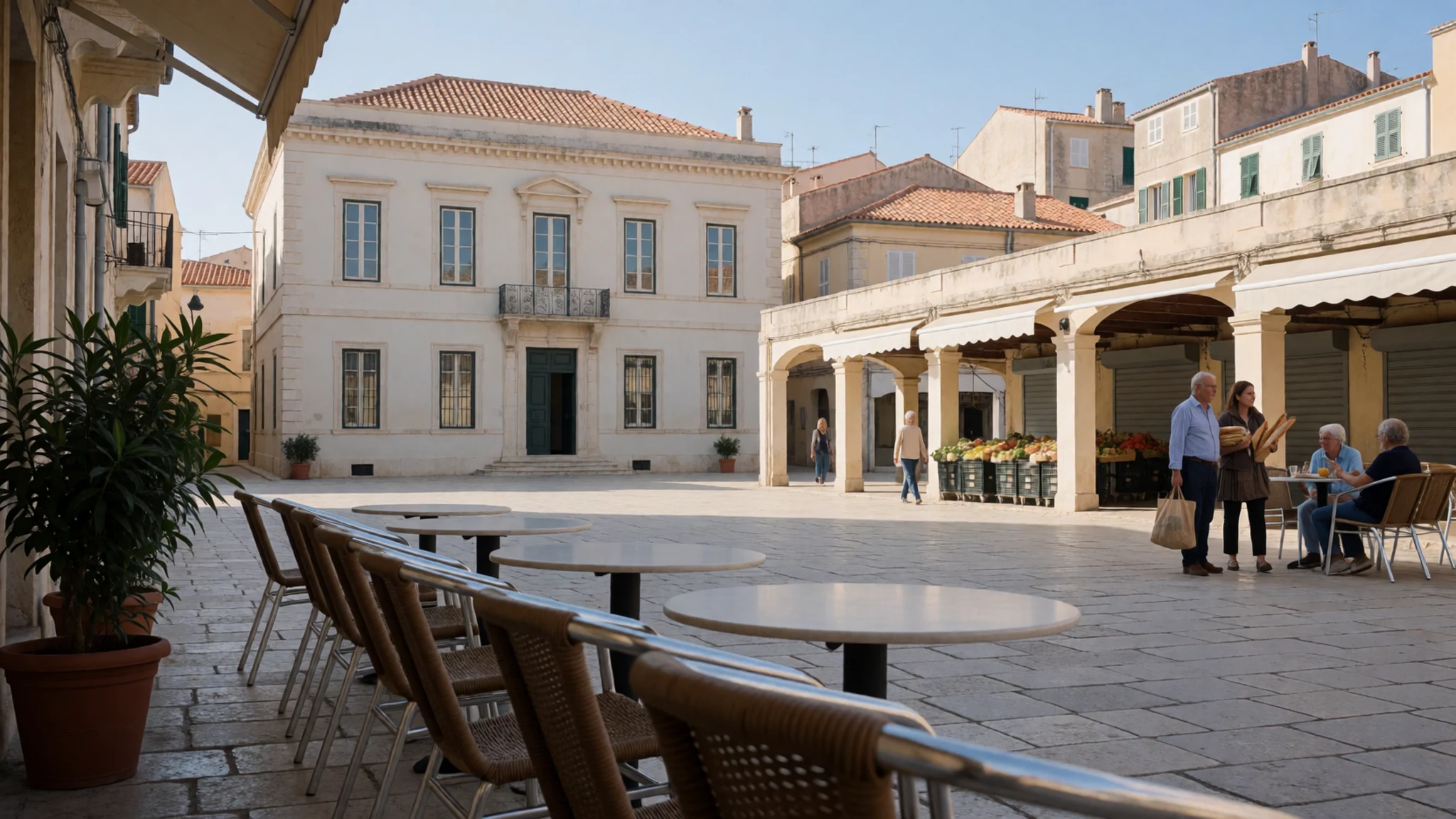
- Chiesa di Santa Maria Maddalena — La Maddalena town
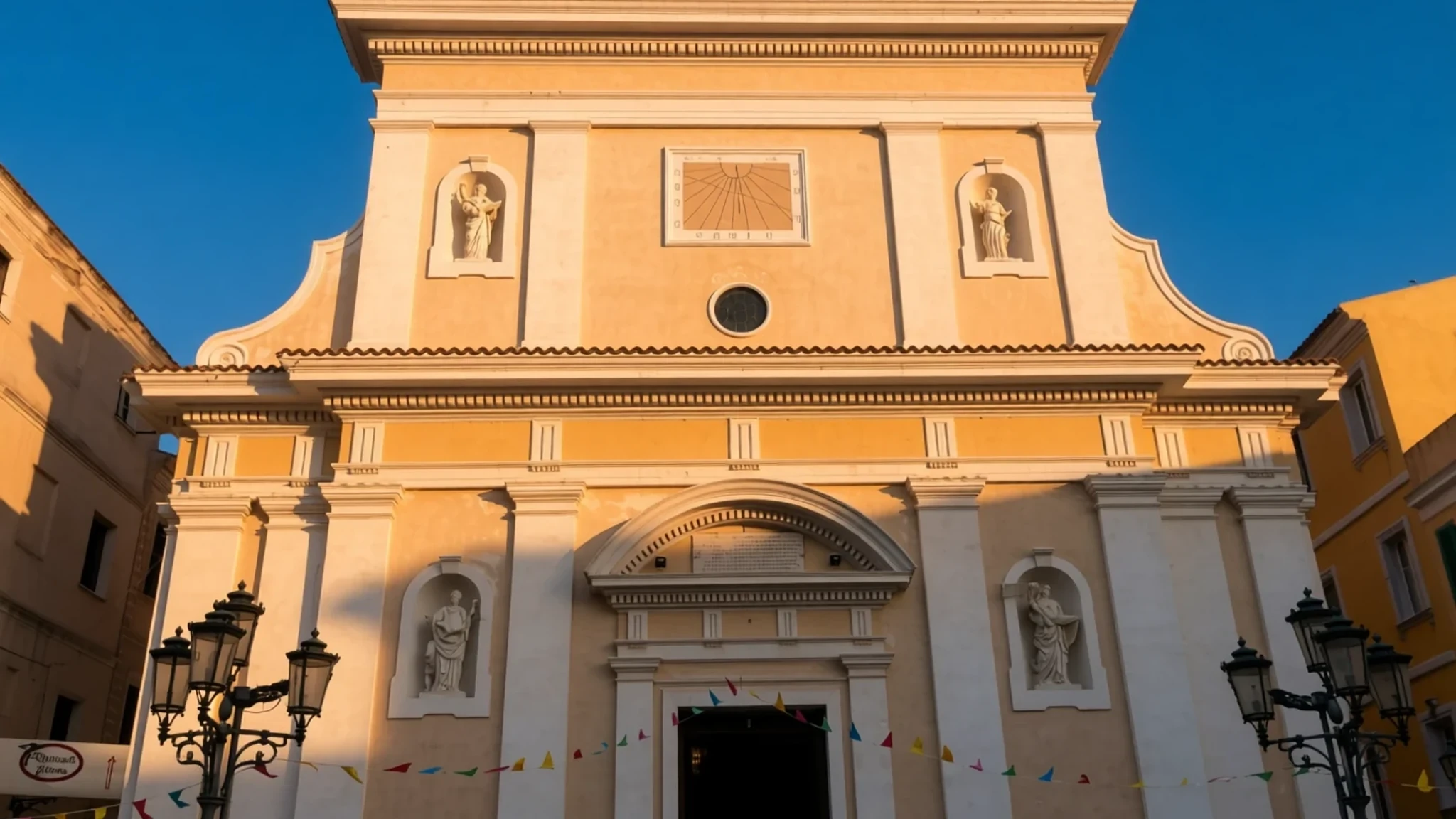
The parish church goes back to the eighteenth century, though its neo-classical front is a later rebuild after earlier alterations. It is a calm, modest interior, worth a short stop on the way between the harbour and the town's main squares.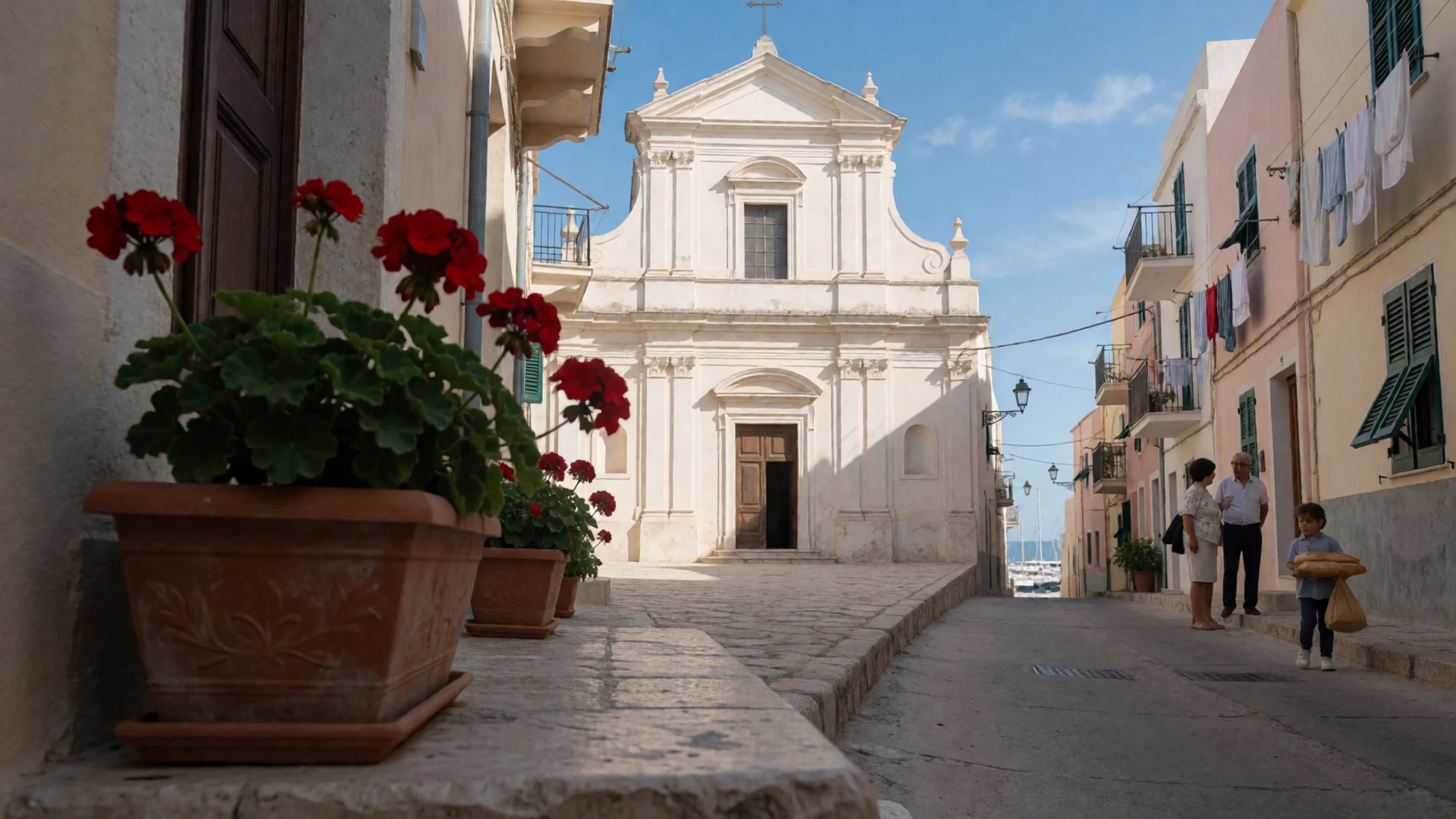
- Compendio Garibaldino, Caprera — Caprera
Garibaldi's farmhouse, the Casa Bianca, and his tomb are kept as a museum complex on Caprera. Rooms are simple and the garden is open to the sky. It is the best way to understand why a famous soldier chose such a windy, rocky island for his last years.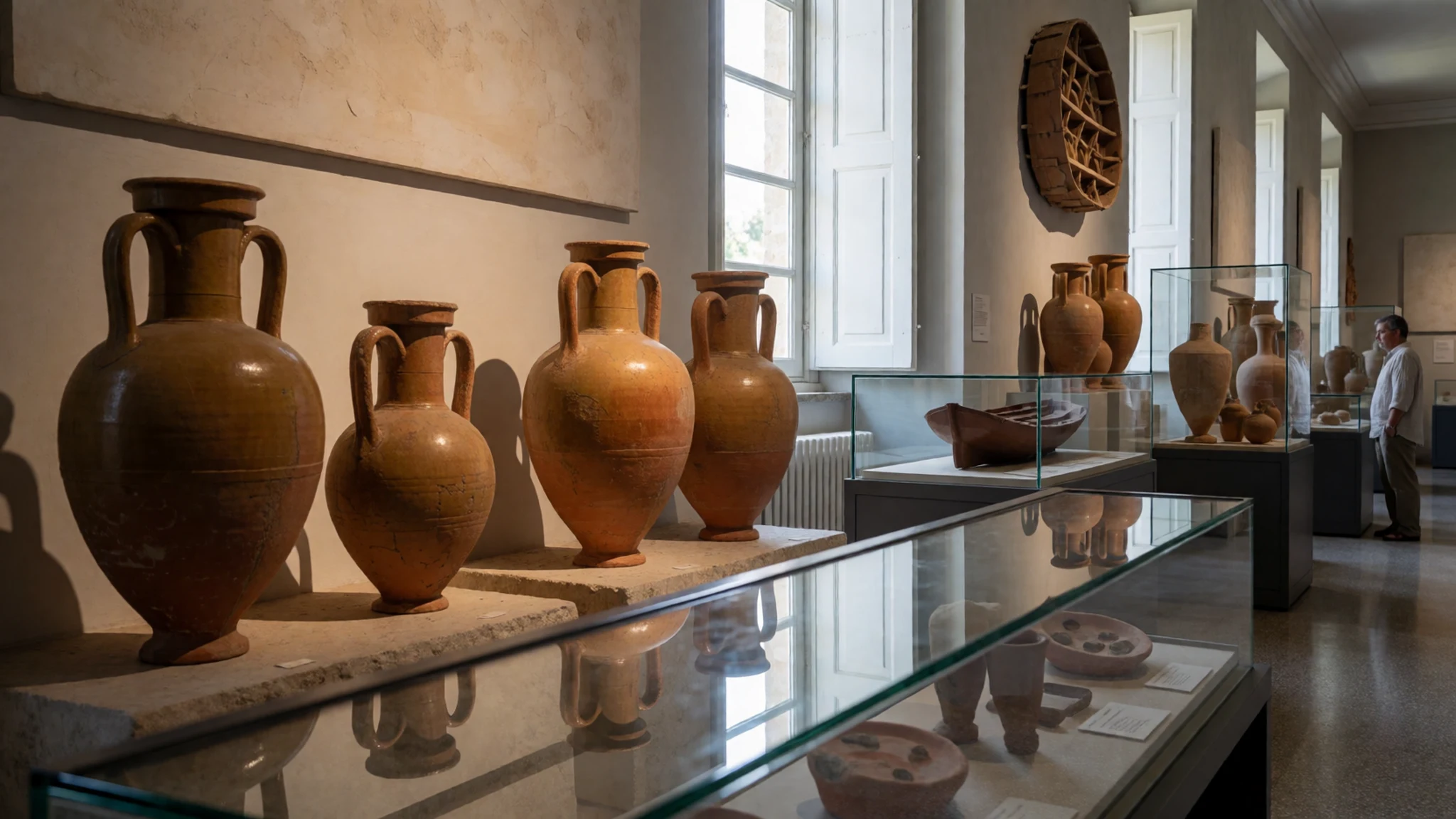
- Museo archeologico navale Nino Lamboglia — Northern La Maddalena island
This small museum holds finds from a Roman cargo ship wrecked near Spargi, giving a tangible link to the ancient trade routes that crossed the strait. It suits a hot midday when the sea is too bright for the beach.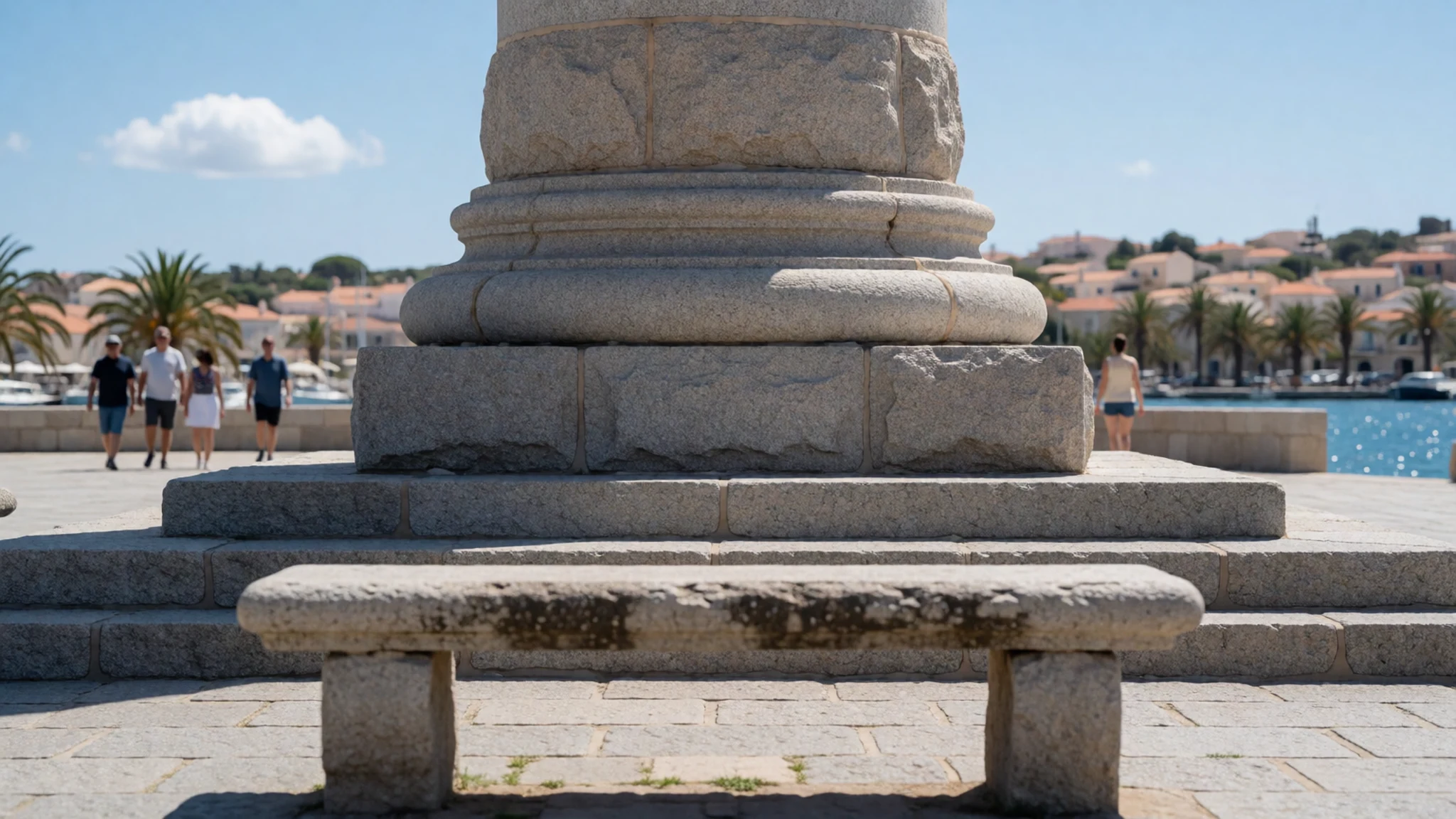
- Spargi and Budelli by boat — Northern archipelago
The protected western islands can only be reached by sea. Budelli is known for its pink-tinged beach, which is now closed to walkers to protect it, so visitors look from the water. Day tours from town are the usual way to see Spargi's coves and snorkel in shallow bays.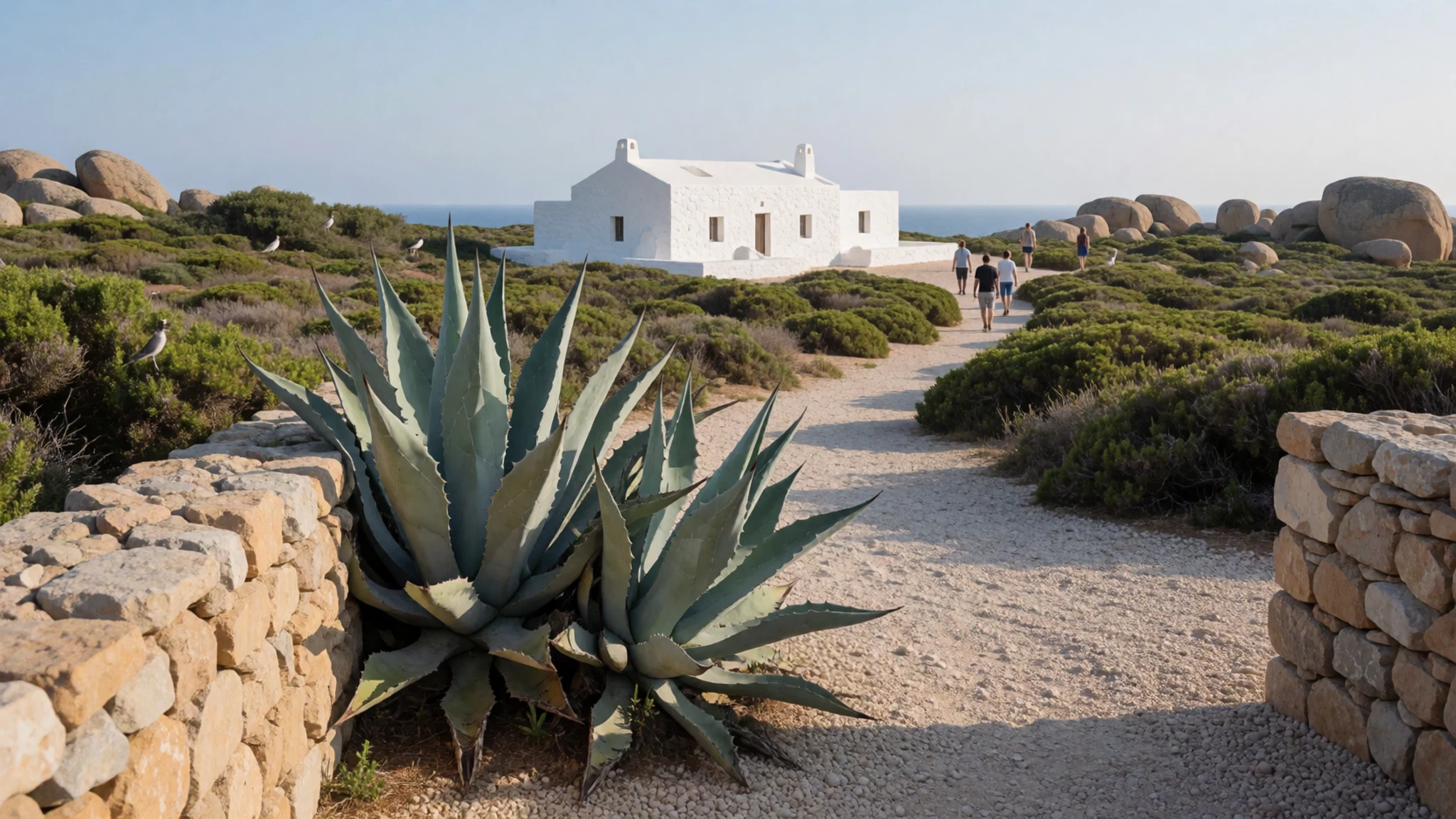
- Santo Stefano's coves — Santo Stefano
Santo Stefano has many quiet beaches, and the best of them are usually reached along unpaved tracks rather than roads. Bring sturdy shoes and water. The former naval base also leaves a memorial to the victims of the battleship Roma, sunk in 1943.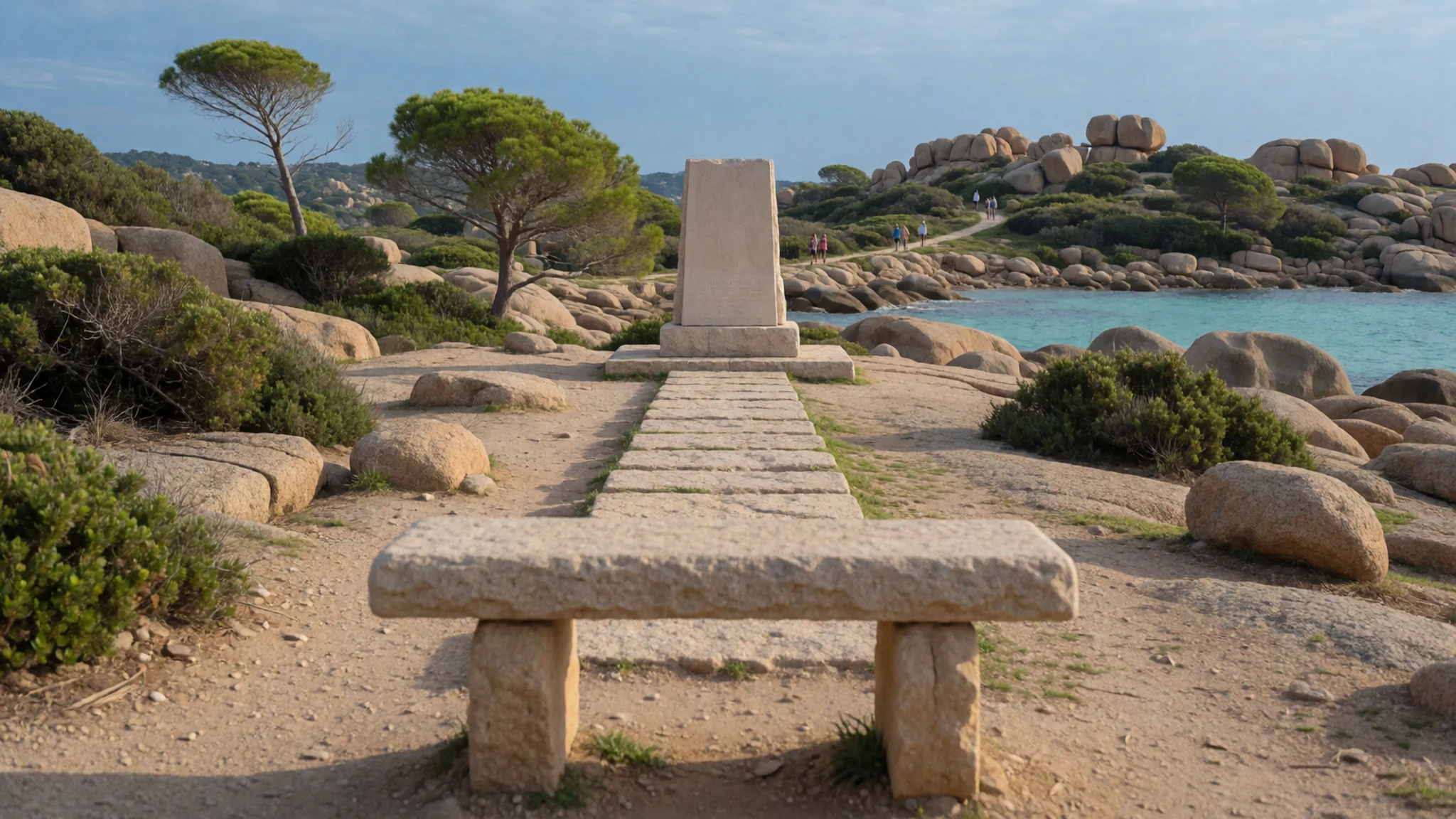
Culture
La Maddalena's culture is that of a small island town shaped by the sea. Many families trace their roots to Corsican shepherds and Sardinian settlers, and the local speech and cooking still carry that mix. For two centuries the navy was the town's largest employer, so naval life, uniforms and ships are part of the memory even since the base closed. Fishing and boat-building continue on a modest scale, and the harbour is where daily life is most visible, with people repairing nets, hosing down decks and chatting over coffee.
Garibaldi is the town's central figure. Streets, squares and a granite column on the main island honour him, and the farmhouse on Caprera draws visitors from across Italy. Respect for him is real rather than ornamental, and local guides tell his story with evident pride.
Summer rhythm governs the year. Between June and September the town is full of sailors and holidaymakers, restaurants stay open late and the ferries run often. Out of season it quietens sharply, many seasonal businesses close and the place feels like an ordinary Sardinian community again. People are friendly and relaxed, and a few words of Italian, such as buongiorno and grazie, are warmly received. Island life is also tied to the park, and locals take its rules seriously. On the beaches and boats, take all your rubbish with you and never remove sand, shells or stones, because rangers do check and fines apply.
What to wear
La Maddalena has no single traditional costume of its own that visitors will see in daily life. Older Sardinian dress, with its wool and linen garments and embroidered bodices, belongs mainly to festivals and folk groups on the mainland, and on the islands it appears only at occasional religious processions. Seafaring has left a stronger mark: sailors' striped shirts, oilskins and woollen jumpers are part of the local look, and the navy's long presence made uniforms familiar.
What people wear now is easygoing Mediterranean summer clothing: linen shirts, shorts, light dresses, canvas shoes and sunglasses. In the evening, residents dress a little smarter for a stroll along the waterfront, but nothing formal is expected. Boat people favour practical sailing gear and deck shoes.
For a visitor, the main concern is sun and wind. Bring a hat, high-factor sunscreen and a light long-sleeved layer, as boat trips can feel cool once the breeze picks up. Water shoes help on rocky coves and pebbly shores, and sturdy trainers suit the unpaved tracks on Santo Stefano and Caprera. Churches expect covered shoulders and knees, so carry a scarf or light shirt for the Santa Maria Maddalena church and the Garibaldi tomb. Swimwear is for the beach and boat only; put a shirt on in town.
What to eat
- U zimminu (zuppa alla maddalenina) — Harbour restaurants in La Maddalena town
A spicy seafood soup, the island's signature dish. It is built on the day's catch and a peppery broth, and it is best eaten with bread in a small harbour-side eatery where the fish has come in that morning.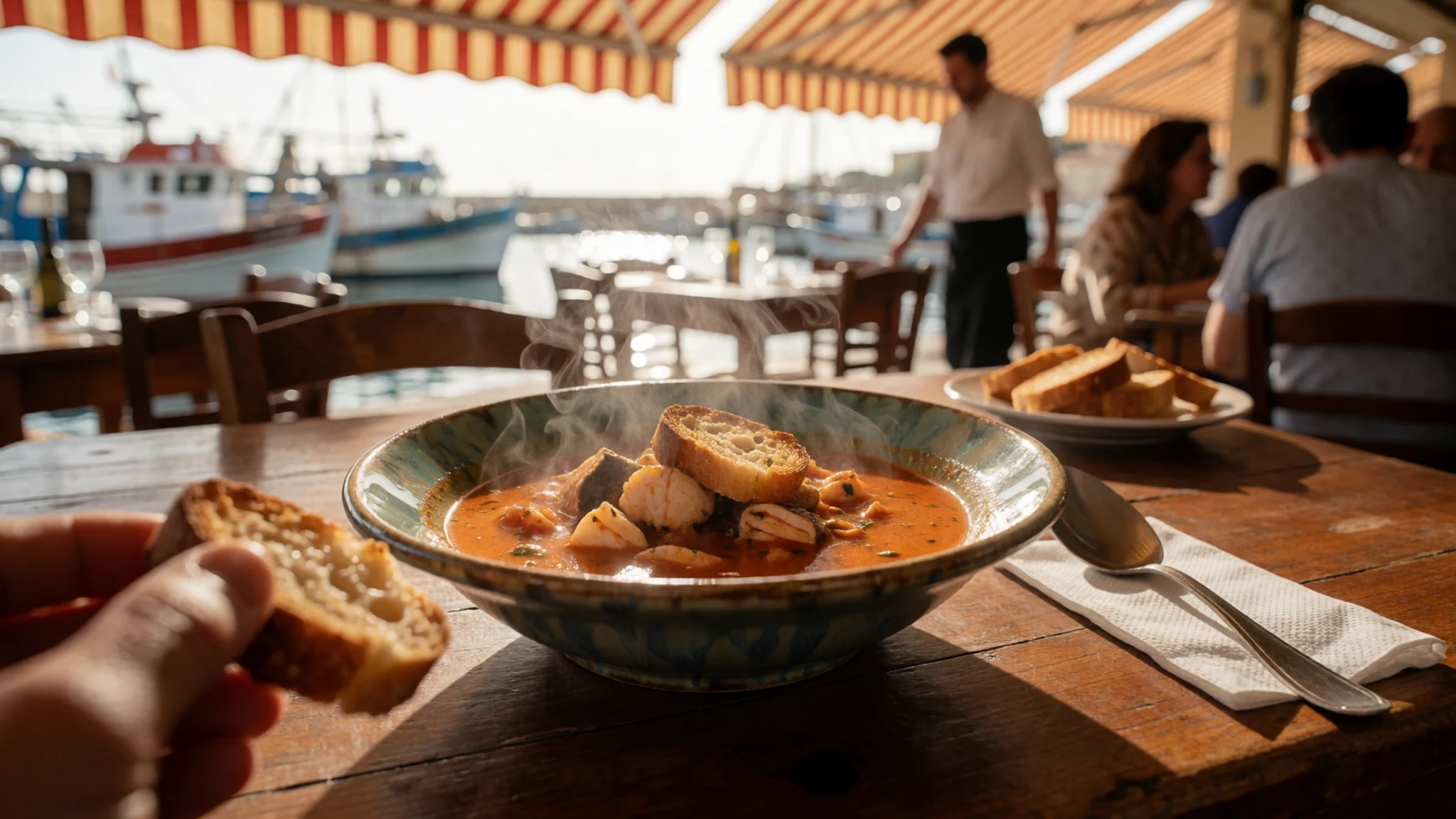
- Fainé — Bakeries and snack counters in town
Thin, golden pancakes made from chickpea flour, baked until crisp at the edges and soft inside. They are a simple snack, often eaten warm and salted, and show the link to the Ligurian cooking brought by sailors and settlers.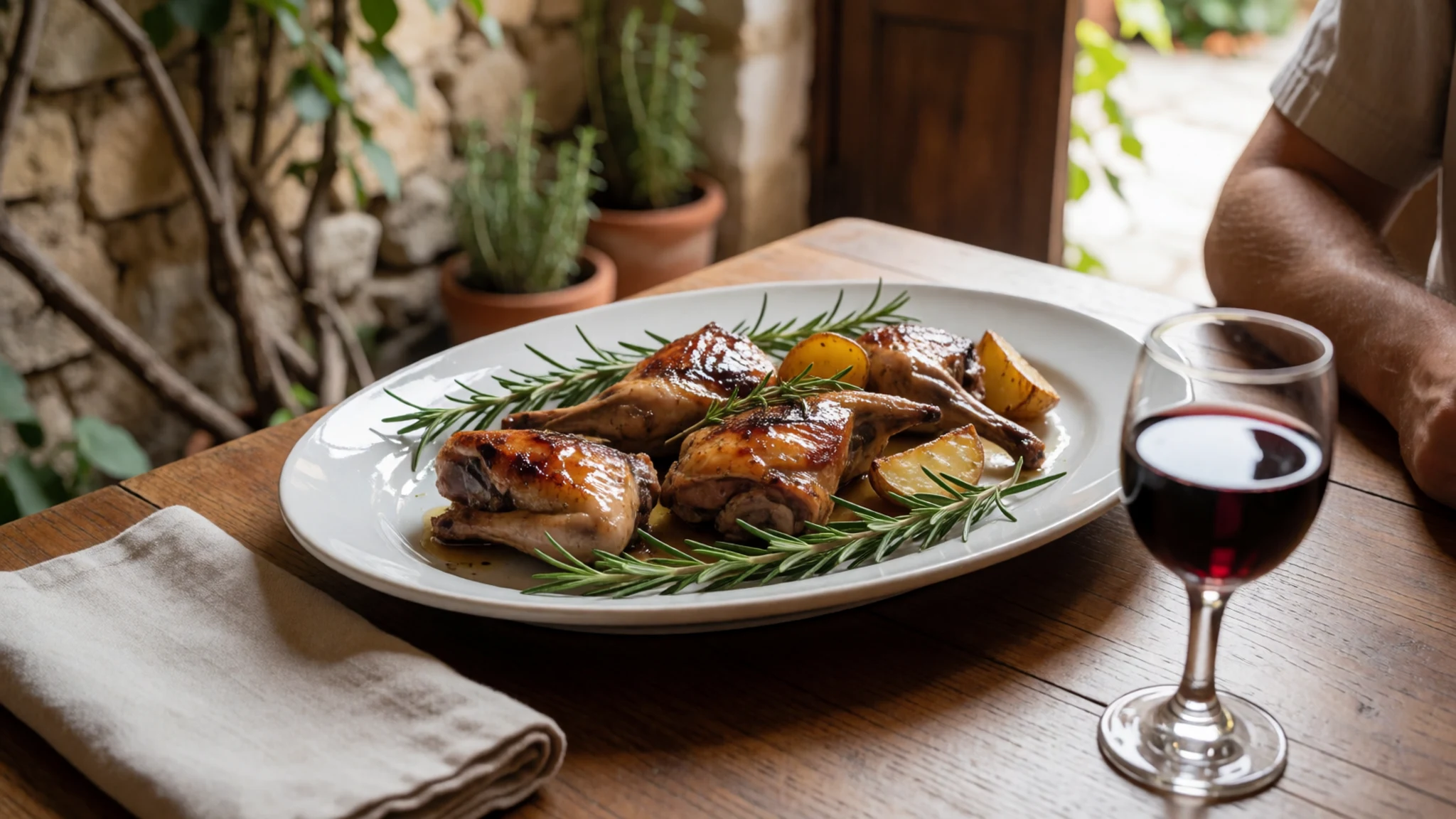
- Roast wild rabbit — Traditional trattorias on the main island
A rustic dish from the herb-scented interior, where rabbit is slow-roasted with local herbs. It reflects the shepherd heritage of the islands more than the seafaring side, and appears on menus that favour traditional Sardinian cooking. - Sebadas — Restaurants and cafés across the islands
A round pastry filled with soft, tangy cheese, fried until crisp and served hot with honey and a little lemon peel. It is the classic Sardinian way to end a meal, and portions are generous, so share one. - Catch of the day — Harbourfront eateries in La Maddalena town
Small restaurants on the harbour often serve a set menu built around whatever the boats brought in. Grilled fish, shellfish and simple pasta dominate. Tables are few, so reserving in the morning is sensible.
Plan it
Best time. May–June and September–October are the sweet spot: warm sea, long days and fewer crowds than peak summer. July and August are hot, busy and costlier, though the water is at its warmest. Winter is quiet, with many seasonal businesses closed.
How long. 2–3
Getting there. Fly to Olbia, the nearest main airport on Sardinia, then take a bus or taxi to Palau on the north coast. From Palau, car ferries run to La Maddalena town; the crossing takes about 15 minutes and is frequent in season.
Budget. mid
Tips
- Book summer accommodation and boat tours well ahead
- Take a day boat to Spargi and Budelli, as they cannot be reached by land
- Carry water, sunscreen and sturdy shoes for unpaved tracks on Santo Stefano
- Cash is useful for small beach kiosks, though town restaurants take cards
- Check the official site for park rules and ferry details: https://www.comunelamaddalena.it/
Etiquette
- Take all rubbish with you and never remove sand or shells from the beaches
- Cover shoulders and knees when entering churches or Garibaldi's tomb
- Respect closed beaches and marked boat zones inside the national park
Nearby
Sources
- Wikidata Q575828 (CC0)
- Wikipedia: Maddalena archipelago (rev 1364769240) (CC BY-SA 4.0)
- Wikivoyage: Maddalena archipelago (rev 5410077) (CC BY-SA 4.0)
- Photo: La Maddalena Archipel Aerial view (CC BY 3.0)
- Photo: Memorial for the victims of the Roma battleship (CC BY 3.0)
- Photo: L'arcipelago della Maddalena nel Nord della Sardegna (CC0 1.0)
- Photo: Acqua stupenda (CC BY-SA 4.0)
- Photo: Arcipelago della Maddalena e Corsica al tramonto (CC BY 3.0)
- Photo: Aspargi (CC BY-SA 4.0)
- Photo: Atlante delle spiagge italiane, Caprera (CC BY-SA 4.0)
- Photo: Spiaggia di baia Trinità (CC BY-SA 4.0)


