La Grande Chaloupe
La Grande Chaloupe, France
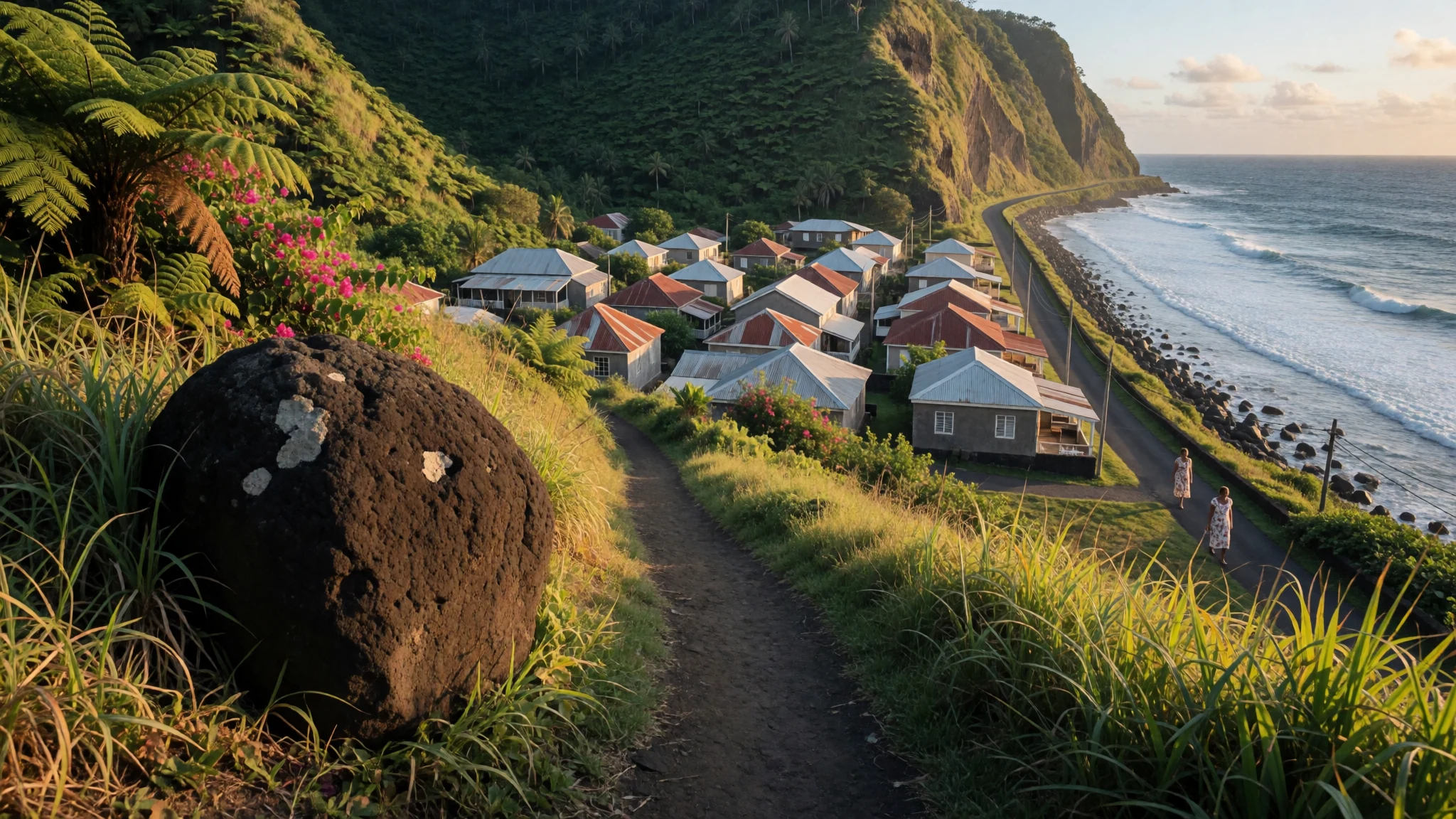
La Grande Chaloupe is a small village on Réunion's north coast, where steep ravines meet the Indian Ocean and old railway relics sit close to Saint-Denis.
The place
La Grande Chaloupe is a small village on the north coast of Réunion, the French island in the Indian Ocean that sits between Mauritius and Madagascar. It lies between Saint-Denis, the island's administrative seat, and La Possession, on a stretch where steep mountain slopes drop close to the sea. The village sits inside the Ravine de la Grande Chaloupe Important Bird Area, which says more about its character than any list of monuments could: this is a place of ravine, cliff and shoreline rather than big attractions. Photographs taken from the old Chemin des Anglais show the settlement on a narrow shelf of land, with the ocean on one side and green slopes rising on the other. Réunion is an overseas region of France, so the language is French, with Réunion Creole heard everywhere, and the currency is the euro. Most visitors treat La Grande Chaloupe as a short stop rather than a base. Saint-Denis, close by, has the restaurants, shops and bus station, and the airport is a short shuttle ride from the city. The coast road, the Route du Littoral, runs beneath the cliffs and is known for rockfalls, which shapes how the area is reached and how long a journey can take on a bad day. Weather matters too: the island has a hot, wetter season and a cooler, drier one, and shade is scarce on exposed paths, so water and a hat are sensible. The village rewards a slow hour or two of looking, ideally paired with the railway relics and the city sights nearby.
Its story
La Grande Chaloupe belongs to a coast shaped by the French East India Company, which used Réunion as a supply stop on the sea route to India. The first outpost was at Saint-Paul, the island's earliest capital. Étienne Régnault, the governor, later gave Saint-Denis its name after a small ship that had lost its fleet near Tenerife and still found the island alone. Its captain, Chanlette, was Régnault's friend, so the bay, the harbour and eventually the city took the ship's name. Mahé de Labourdonnais, a later governor for the Company, judged the harbour at Saint-Denis the better of the two and moved the capital there from Saint-Paul. That decision placed the northern coast, including La Grande Chaloupe, close to the island's centre of government and trade. Transport history followed the same coastline. A steam locomotive built in 1878 and a railbus from 1959 are preserved at La Grande Chaloupe, relics of the rail age on this shore. The Route du Littoral, opened in 1976, now carries traffic beneath the same cliffs. Early photographs of the village show a small cluster of buildings by the water, a reminder of how little flat ground this coast offers. Rockfalls still threaten the road, and the barriers and safety nets along it are part of the story. The village is small, but its past is the island's in miniature: ships, ports, rail and a constant argument with the mountains.
What to see
- Chemin des Anglais viewpoint — Above the village
The old Chemin des Anglais is the path from which many of the best photographs of La Grande Chaloupe were taken. It looks down on the village on its narrow coastal shelf, with the ravine behind and the ocean beyond. Go early, carry water, and wear shoes with grip, as shade is limited.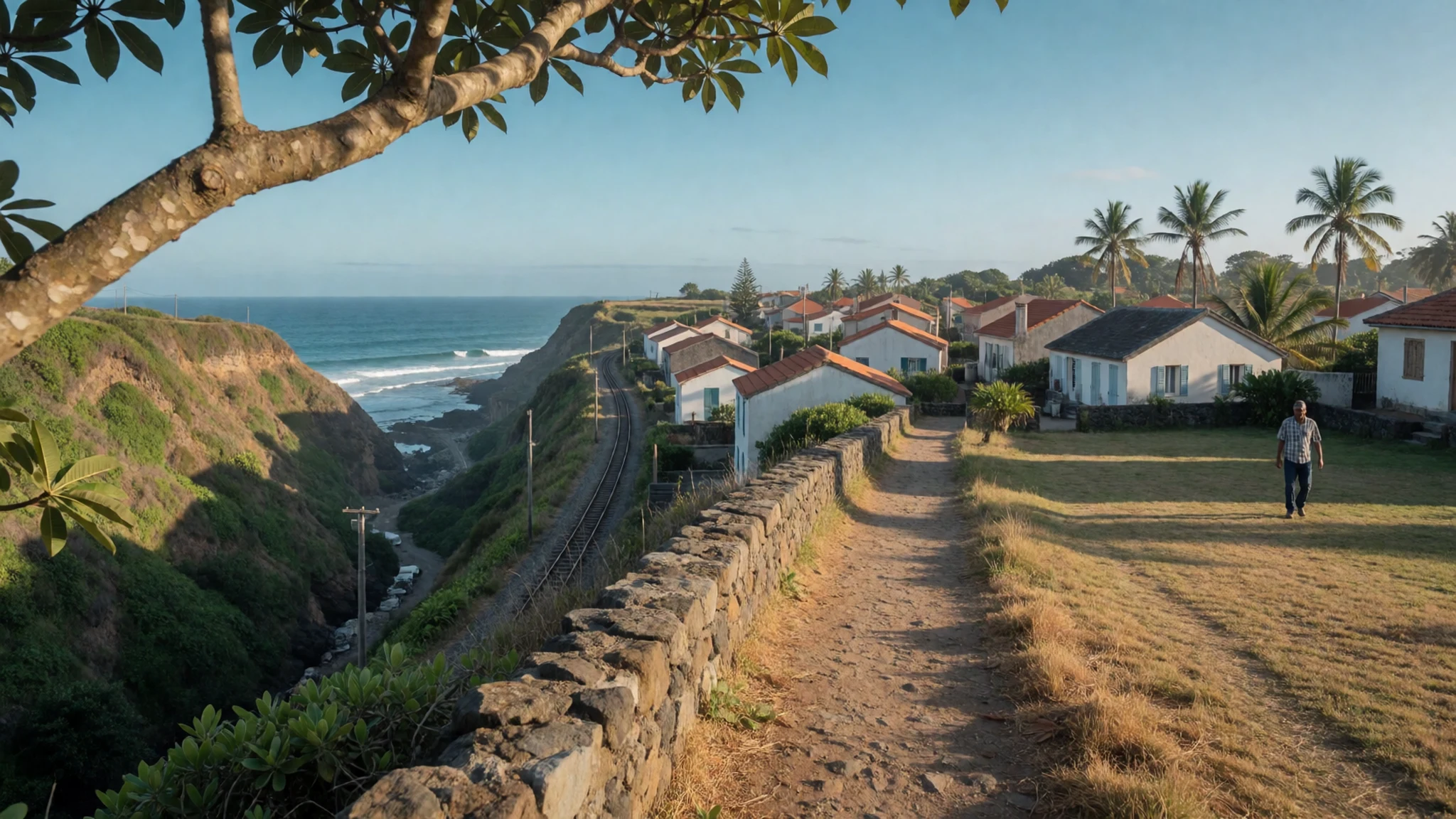
- Heritage steam locomotive — La Grande Chaloupe village
A small steam locomotive of the 030T type, built in 1878, is preserved at La Grande Chaloupe. It is a compact reminder of the railway era on this coast and a good subject for photographs. Check locally whether it can be approached closely, as access can change.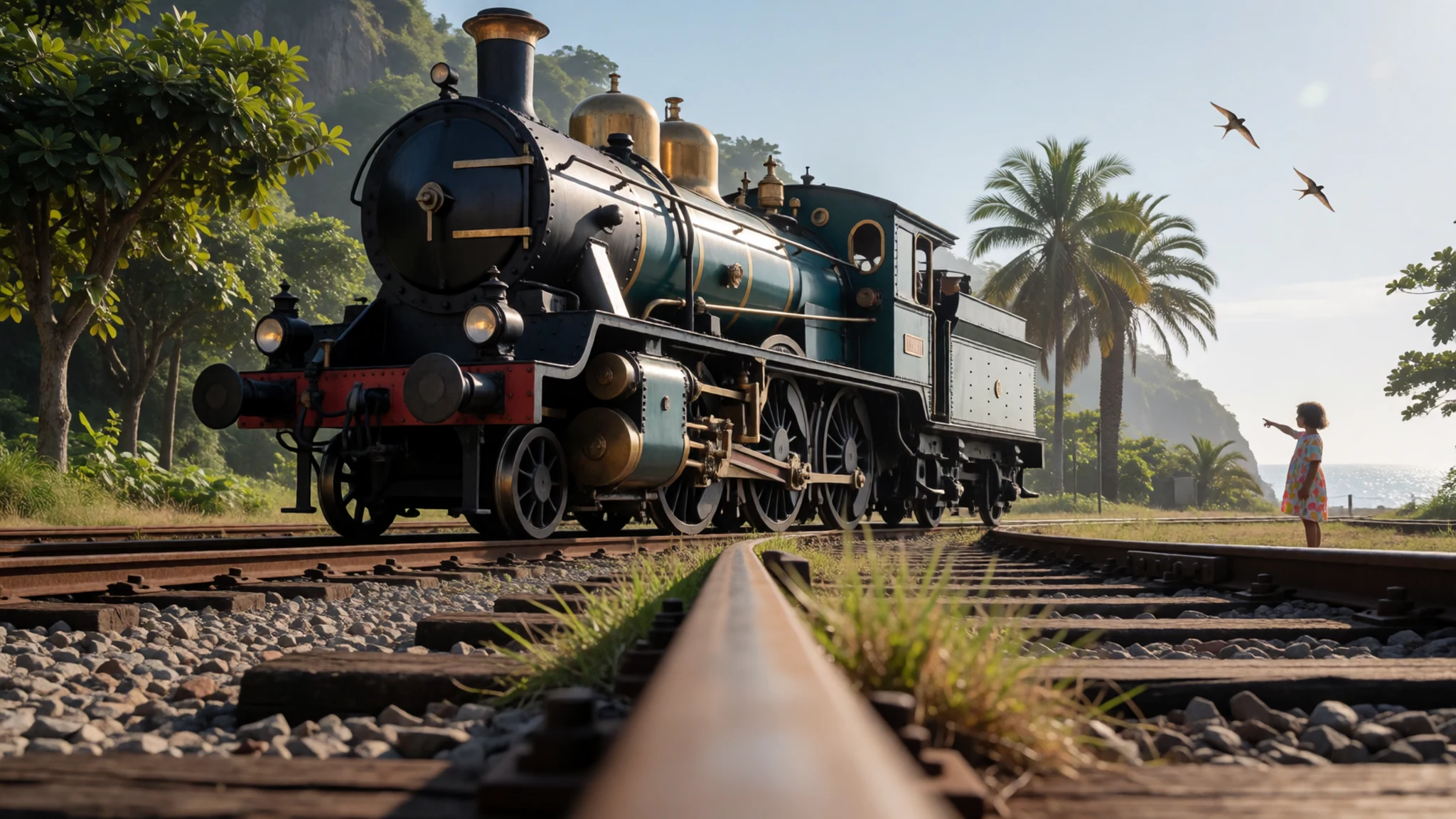
- Vintage railbus — La Grande Chaloupe village
A Billard railbus from 1959 stands at La Grande Chaloupe, another piece of the island's railway heritage. Its rounded body and faded paint look especially good in morning light. It pairs well with the locomotive, and together they take about half an hour to see.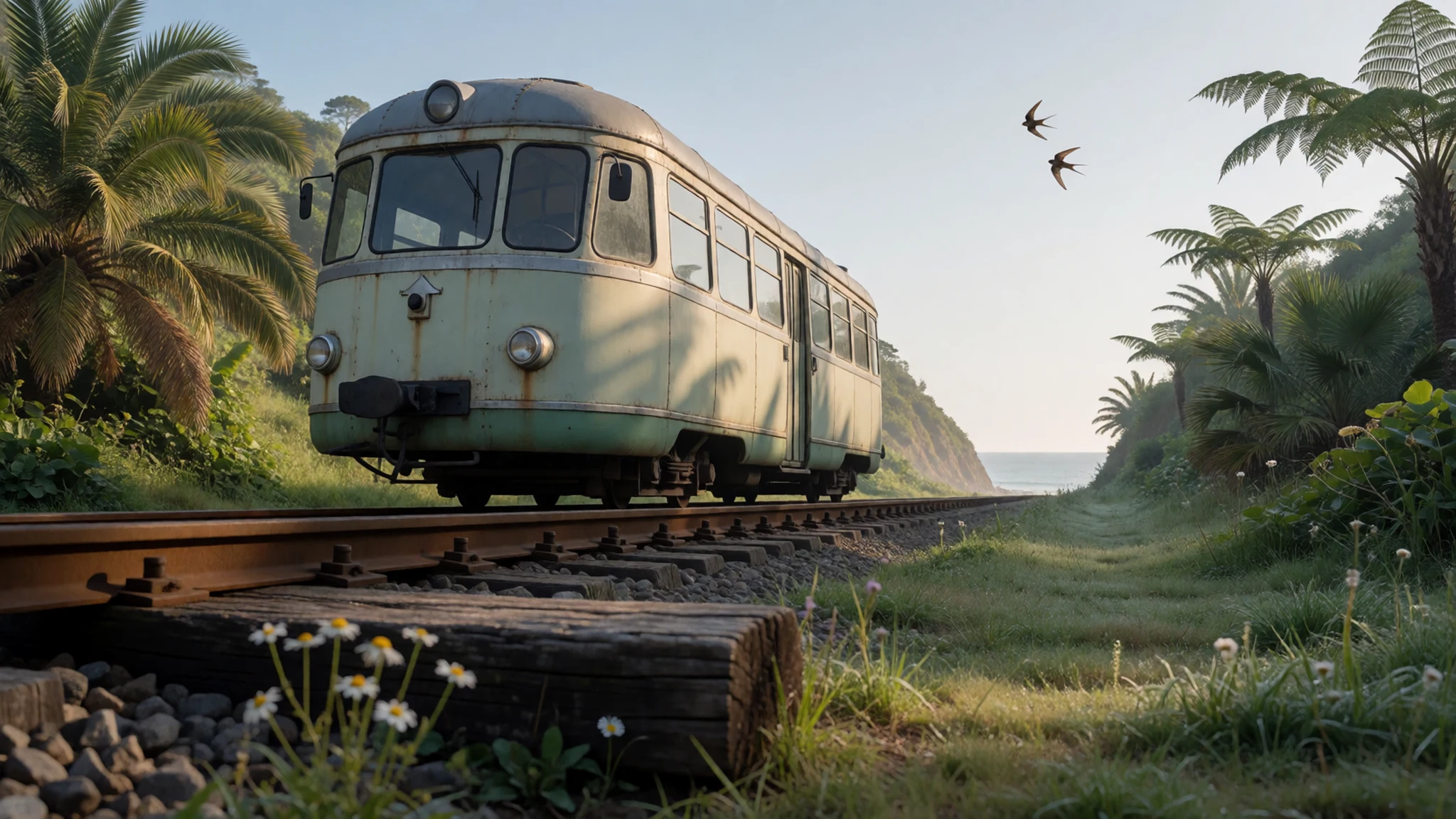
- Notre Dame de la Délivrance — Saint-Denis centre
This neo-Gothic church in Saint-Denis has a yellow-grey façade that can be seen from far down the street, and it appears on postcards of the city. It was built in the late nineteenth century and has been heavily renovated in recent years. Dress modestly if going inside.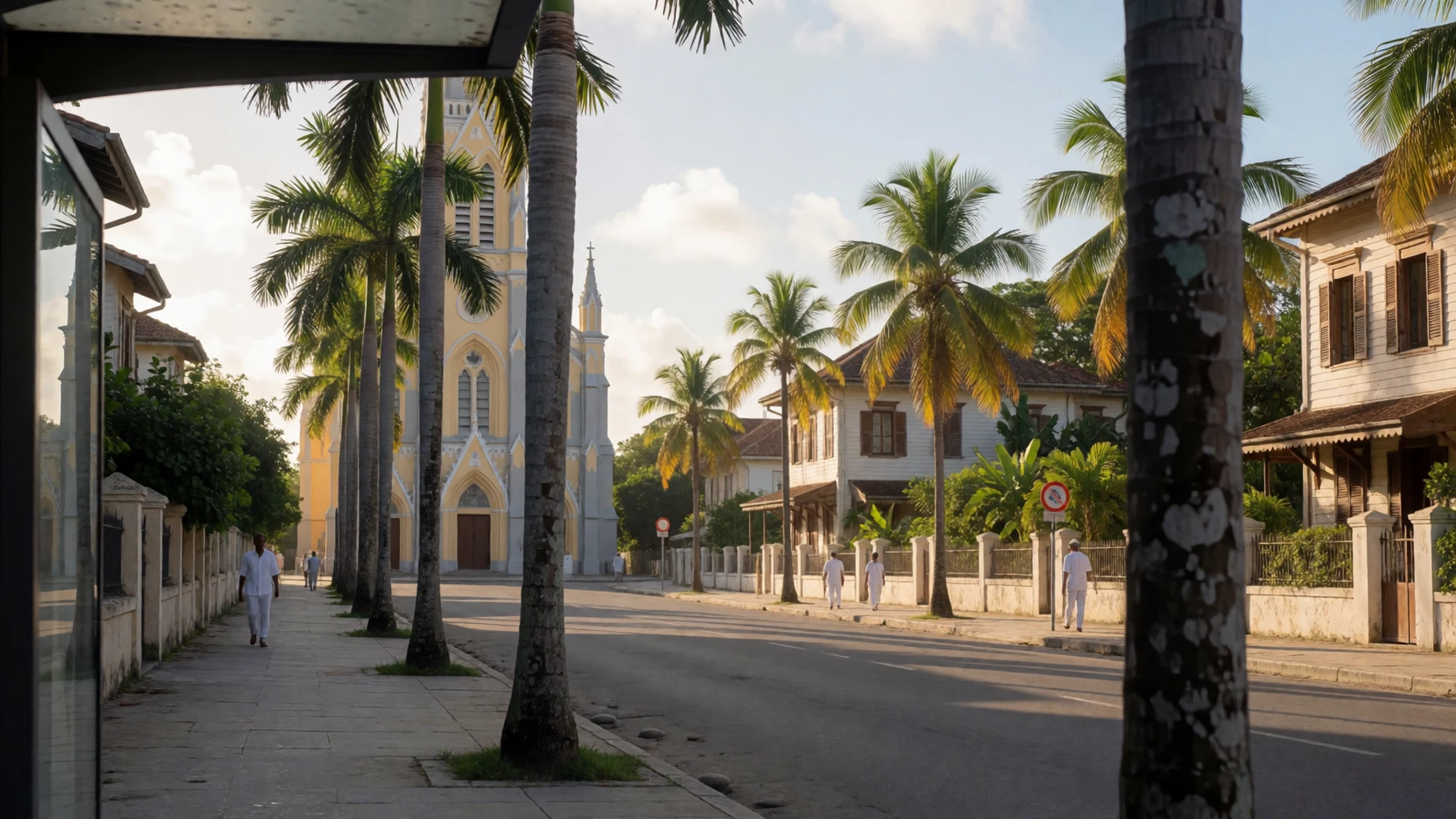
- Noor al Islam mosque — Saint-Denis centre
The Grand Mosque Noor al Islam in Saint-Denis welcomes visitors outside prayer times, men and women alike, but shoes must be left at the door. Check current opening arrangements locally before going. It shows how varied the city's religious life is, in a very short walk.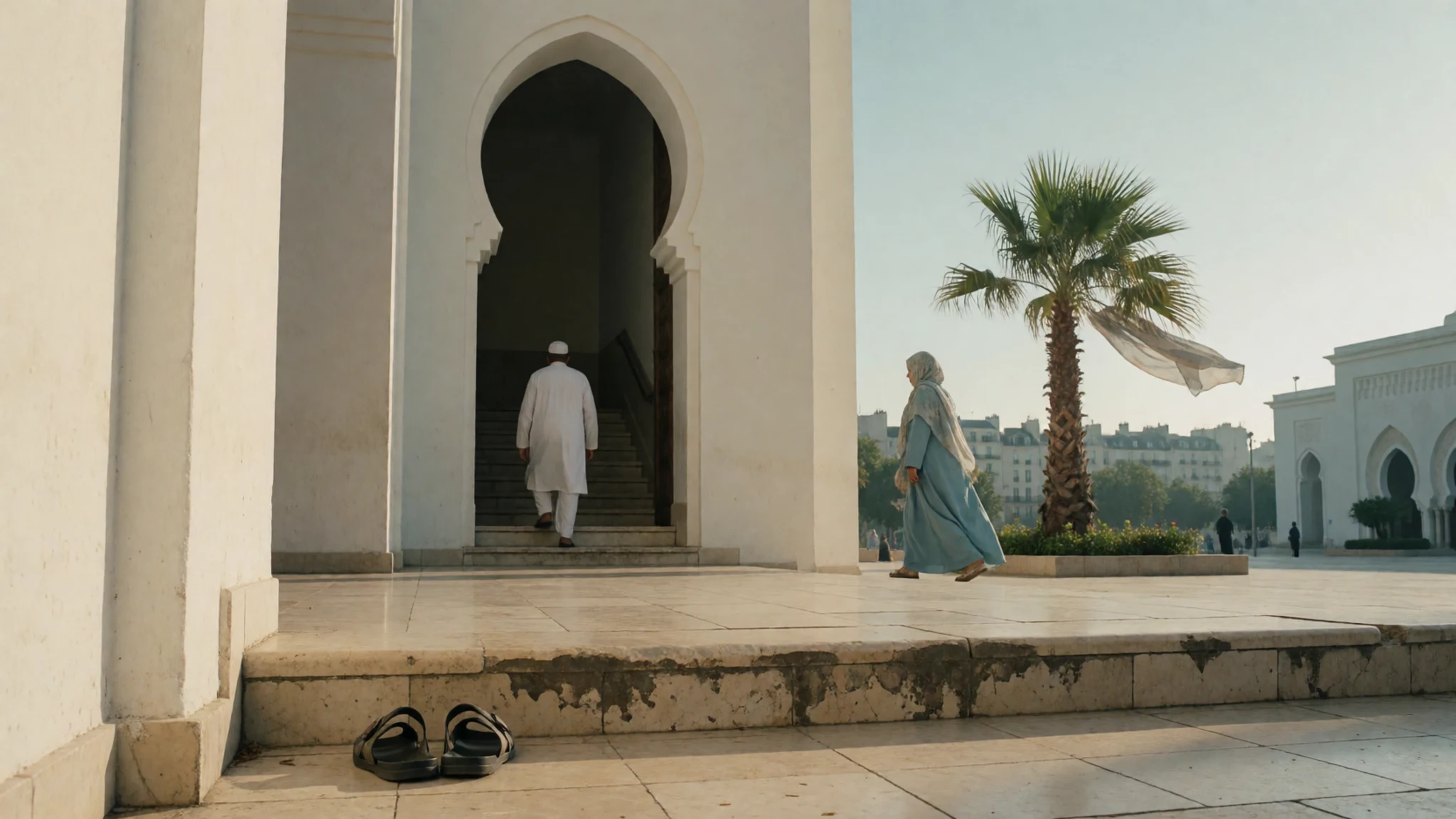
- Chinese pagodas — Saint-Denis centre
The Lisi Tong and Guan Di pagodas stand almost side by side in Saint-Denis, pointing to the island's Chinese community. They are small and quiet, and a short stop on foot is enough. The city's main sights lie along Avenue de La Victoire and Rue de Paris, close enough to walk between.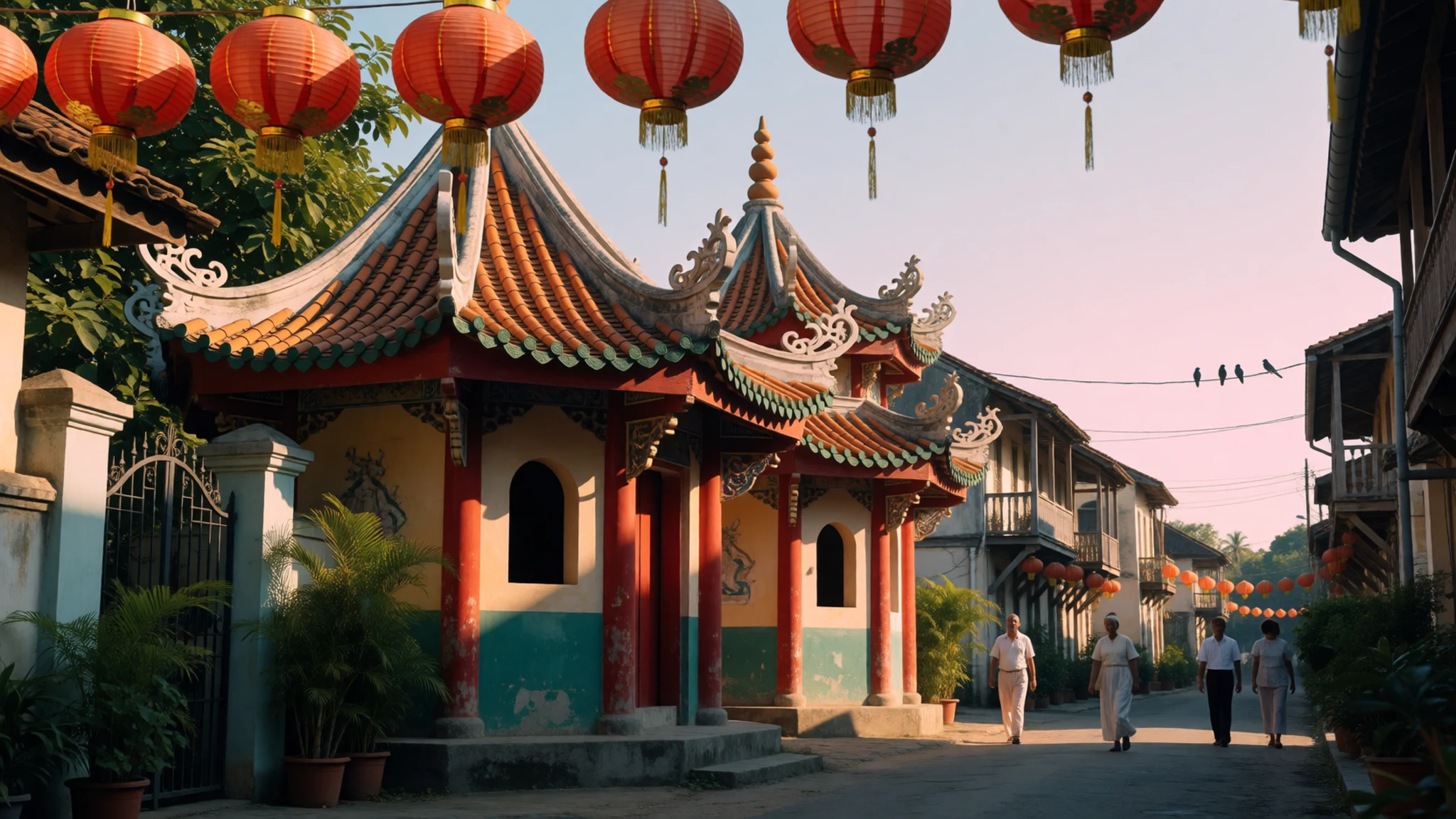
Culture
La Grande Chaloupe is a village on a French island, and its culture is that of Réunion as a whole: a mix of European, African, Malagasy, Indian and Chinese roots that shows in language, religion and food. French is the official language, but Réunion Creole is what many people speak among themselves, and a few words of greeting in French go a long way. In nearby Saint-Denis the mix is visible in one short walk, where a neo-Gothic church, the Noor al Islam mosque and Chinese pagodas stand close together. Catholicism is widespread, and Tamil Hindu, Muslim and Chinese traditions sit alongside it, so festivals through the year can be Catholic, Tamil, Chinese or Muslim in character. Music matters too: maloya, a Creole form with African and Malagasy roots, and séga are the island's own sounds, heard at festivals and family gatherings. Daily life is relaxed but courteous, and greetings come before requests, with a handshake or a light kiss on the cheek between acquaintances. Sundays are quiet in towns, many shops close, and lunch is often a long social meal, so plan errands for other days. Village life at La Grande Chaloupe is small-scale and residential, so visitors are guests in a place where people live and work. Greet people with a polite 'bonjour' before asking anything, and take off your shoes and cover your shoulders and knees before entering a mosque or temple.
What to wear
La Grande Chaloupe has no single local costume, because Réunion's dress traditions come from several communities. Historic Creole clothing for women included full cotton skirts, aprons and headscarves in checked or printed cotton, now mostly seen at folk dance, heritage days and festivals. Tamil women wear silk and cotton saris at temple celebrations, Muslim families wear long tunics and headscarves for prayer and festivals, and Chinese new year brings its own colours. Day to day, people on the north coast dress for heat: light cotton shirts, shorts, sundresses, flip-flops and trainers, with neater casual clothes for work and church in Saint-Denis. Beachwear is for the beach and is not worn in towns. Visitors should pack breathable cotton or linen, a wide-brimmed hat, sunglasses and high-factor sunscreen, since the sun is strong near the coast. Carry a light rain jacket, as showers can arrive quickly in the wetter months. For churches, the mosque and temples, bring a scarf or light shirt to cover shoulders and knees, and wear shoes that are easy to remove. On the Chemin des Anglais and other trails, closed shoes with grip are better than sandals, as the ground is steep and can be loose after rain.
What to eat
- Rougail saucisse — Creole eateries in Saint-Denis
A Creole staple of browned sausage simmered with tomato, onion, ginger, garlic and chilli, served with rice and lentils. It is home cooking that appears on most Creole menus. Look for it at casual Creole eateries in Saint-Denis.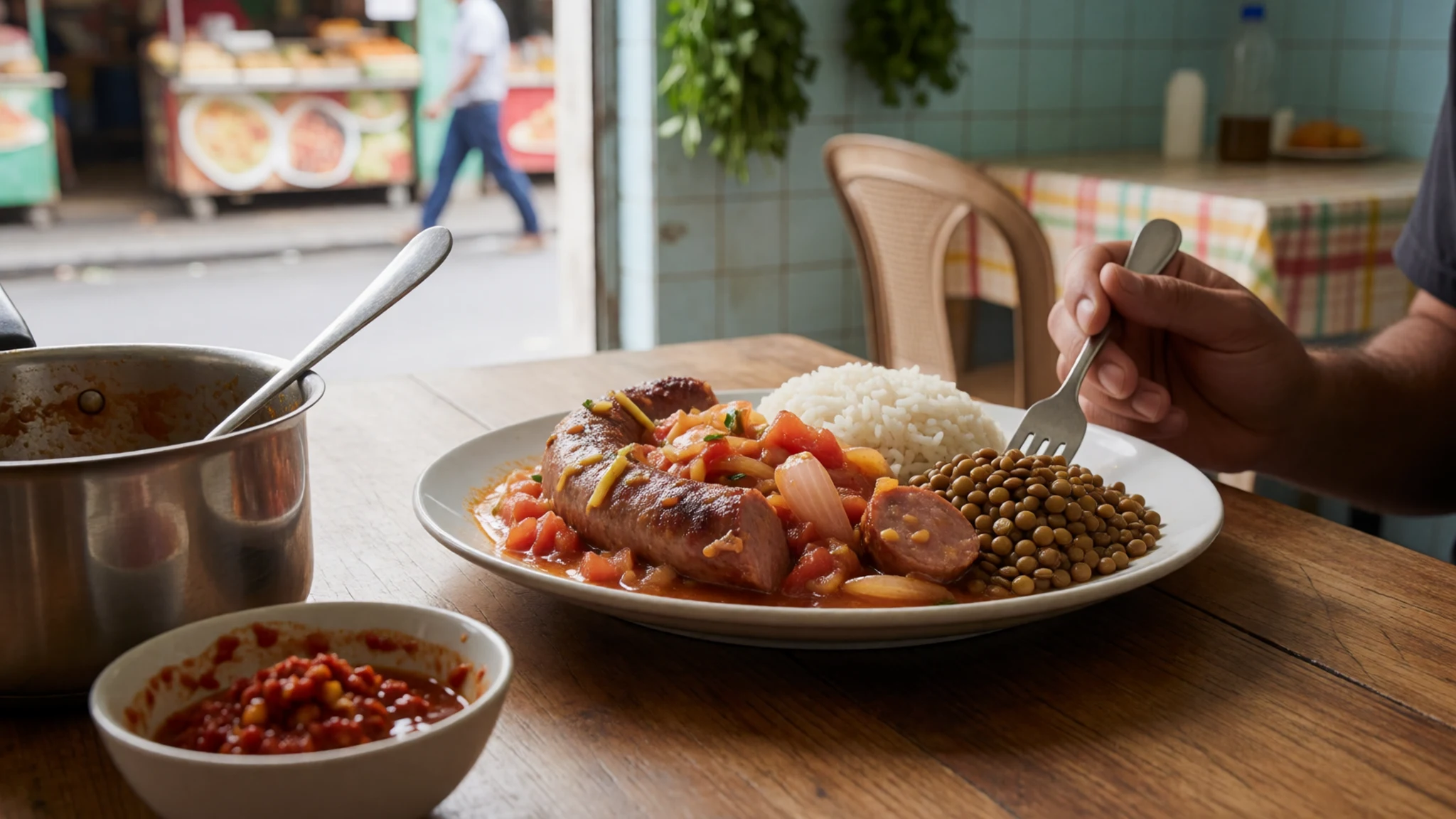
- Cari (Creole curry) — Family-run Creole restaurants and lunch counters in Saint-Denis
Réunion's curries, called cari, are milder and more tomato-based than many Indian ones, usually made with chicken, fish or pork, and served with rice, beans and a side of chilli paste. Ask for the chilli on the side if you prefer less heat.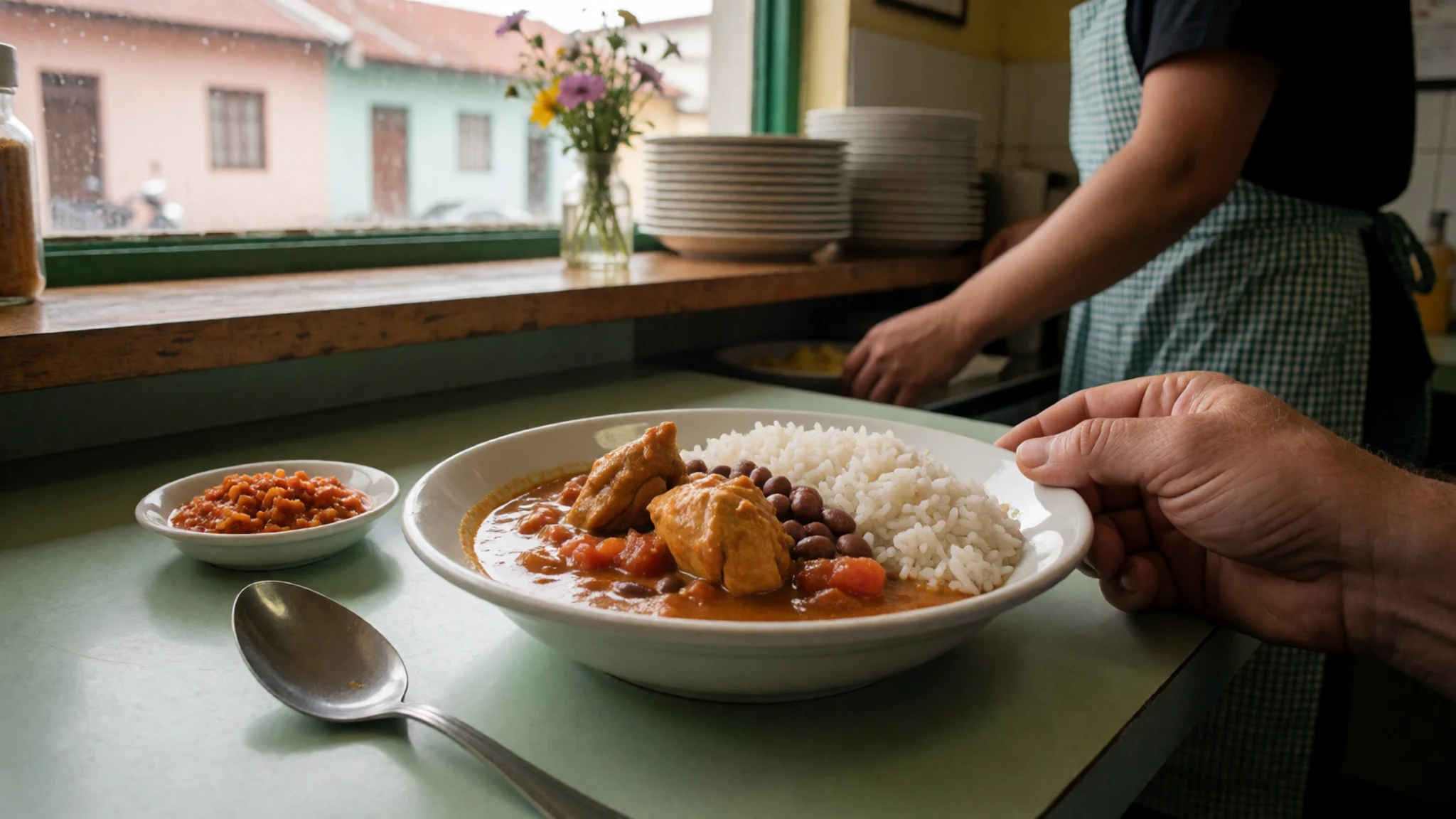
- Samoussas — Snack shacks and bakeries around Saint-Denis
Small fried triangular pastries filled with vegetables, cheese or meat, a local take on the samosa. They are easy to eat while walking, which suits a visit to the coast. Choose a filling you can identify and eat them hot. - Bouchons — Snack shacks at Le Barachois and Chinese-style eateries in the city
Steamed dumplings with pork or other fillings, from the island's Chinese tradition, served with soy sauce and chilli. They make a light lunch or a snack between sights. Order a small portion first to judge the size. - Rhum arrangé — Restaurants and bars in Saint-Denis
Rum infused with fruit, vanilla or spices, drunk in small glasses after a meal. Flavours change with the season and the maker. Take it slowly, as the strength is easy to underestimate, especially in the afternoon heat.
Plan it
Best time. May to October, when the island is cooler and drier; the hot, wetter season brings more rain and cyclone risk, so check the forecast before travelling then.
How long. 1–2
Getting there. Fly to Réunion's main airport near Saint-Denis, then take the airport shuttle bus to the main bus station in the city; check the official timetable for the current service. From Saint-Denis, reach La Grande Chaloupe by hire car, taxi or local bus along the coast road.
Budget. mid
Tips
- Use Saint-Denis as the base, since the restaurants, buses and shops are there
- Start walks early, as shade is scarce and the coast gets hot by midday
- Carry water, sun protection and cash for small snack stalls
- Check traffic and road warnings for the Route du Littoral, as rockfalls can cause delays
- Allow extra time for buses, and check current timetables locally
Etiquette
- Greet people with 'bonjour' before asking questions
- Remove shoes and cover shoulders and knees at mosques and temples
- Ask before photographing local people
Nearby
Sources
- Wikidata Q369230 (CC0)
- Wikipedia: La Grande Chaloupe (CC BY-SA 4.0)
- Wikivoyage: Saint-Denis (Réunion) (CC BY-SA 4.0)
- La Grande Chaloupe depuis le chemin des Anglais — regulator974 (CC BY 3.0)
- Billard A150D8 Railbus, Grande Chaloupe (1) — Tonton Bernardo (CC BY 3.0)
- Billard A150D8 Railbus, Grande Chaloupe (2) — Tonton Bernardo (CC BY 3.0)
- départ du chemin Crémont — franek2 (CC BY 3.0)
- Grande Chaloupe — franek2 (CC BY 3.0)
- La Grande Chaloupe vue depuis le Chemin des Anglais — Chaoborus (CC BY-SA 4.0)
- Grand Chaloupe around 1900 — Tonton Bernardo (CC BY 3.0)
- Locomotive Schneider 030T, La Grande Chaloupe — Clémenceau Lauret (CC BY-SA 4.0)


