La Digue
La Digue, Seychelles
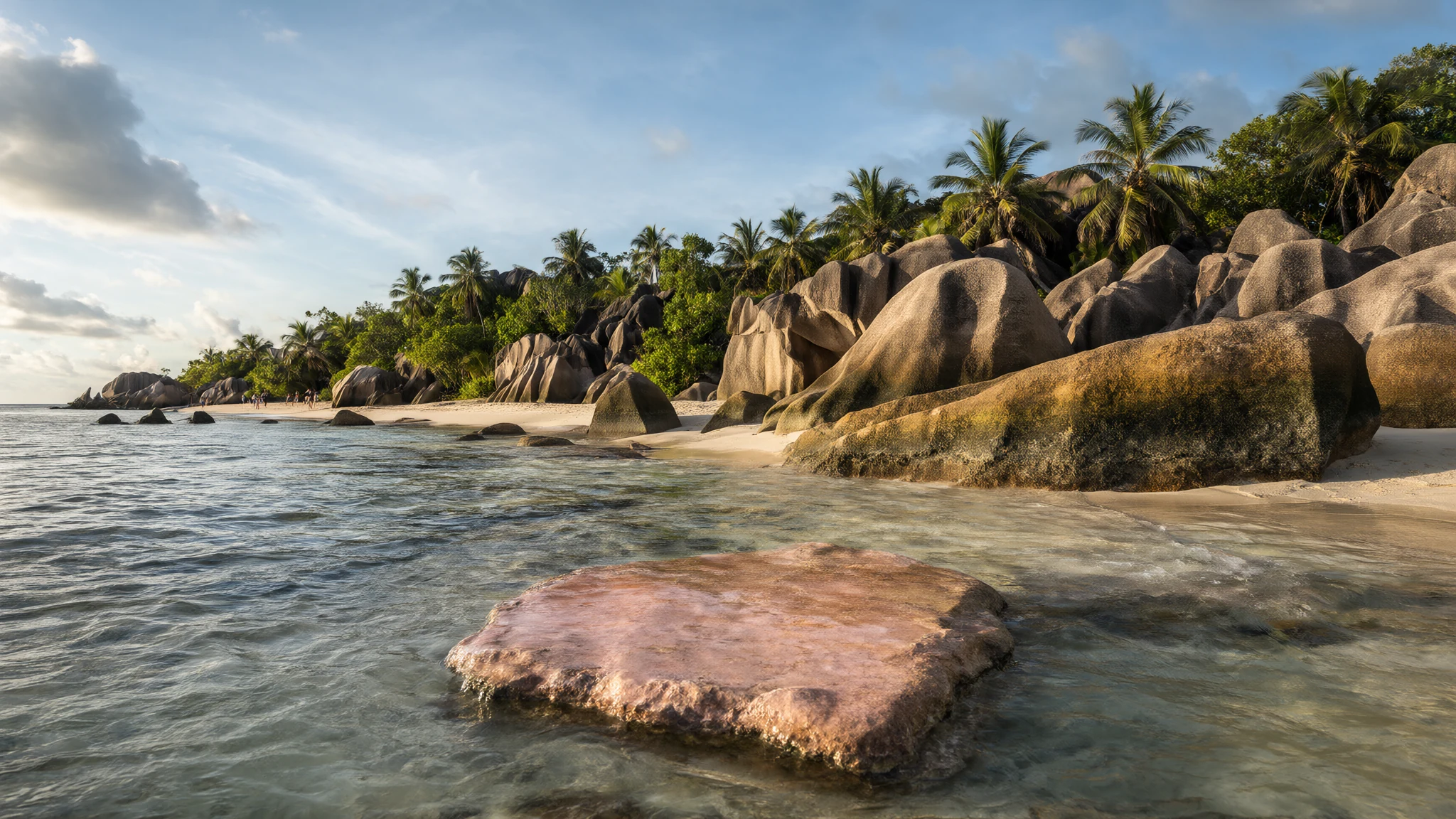
La Digue is a tranquil granitic island where bicycles outnumber cars and giant boulders frame some of the world's most photographed shores.
The place
La Digue sits in the warm waters of the Indian Ocean, forming part of the granitic inner islands of the Seychelles archipelago. Sandwiched between Praslin to the west and Félicité Island to the east, it spans just a few square kilometres, making it wonderfully compact. Most of the island's permanent residents live clustered along the sheltered west coast, particularly in the port settlement of La Passe and the neighbouring village of Anse Réunion. Because there is no commercial airfield on the island, arriving here requires taking a ferry from Mahé or Praslin, crossing the gentle swells of the sea until the island's low green profile and palm-fringed shoreline come into view. The interior rises steadily toward a forested peak, while the coastline alternates between sheltered sandy bays and dramatic granite promontories sculpted by wind and waves over millennia. Life on La Digue moves at a distinctly unhurried rhythm. Motor vehicles are few, replaced almost entirely by bicycles and traditional ox carts that trundle down sandy lanes shaded by takamaka trees. Visitors quickly adopt this gentle pace, pedalling past vanilla vines, coconut groves and quiet wooden houses that recall an earlier era of island life. The atmosphere is warm, humid and intensely tropical, tempered by sea breezes that rustle through the broad fronds of coconut palms along the shore.
Its story
The history of La Digue is written in waves of exploration, colonial agriculture and exile. Modern historians note that French navigator Lazare Picault first sighted the island in the middle of the eighteenth century, though it received its permanent name years later from an explorer who visited the archipelago in a ship called La Digue. Permanent settlement began when French colonists arrived alongside enslaved people from Africa to establish plantations. Over subsequent decades, the social fabric shifted as political deportees from Île Bourbon arrived, followed by liberated individuals and Asian immigrants who integrated into the local community. By the mid-nineteenth century, a Catholic presence was firmly established with the construction of the island's first chapel, reflecting the faith embraced by the majority of the population. Economic life historically revolved around the processing of coconuts into copra, the manufacture of coral lime—which regrettably impacted the local coral ecosystems—and the cultivation of fragrant vanilla vines. These traditional crops and practices left a lasting imprint on the landscape, visible today in old estate buildings and lingering agricultural plots. The descendants of these early settlers preserved their distinct Creole heritage, language and traditions, turning La Digue into a living repository of island history where past and present gently overlap.
What to see
- Anse Source d'Argent — Southwest coast, via L'Union Estate
Perhaps the island's most celebrated stretch of sand, framed by pale pink granite boulders smoothed by the sea. Accessed through L'Union Estate, it offers shallow, crystal-clear water protected by an offshore reef, making it ideal for wading and photography in the soft afternoon light.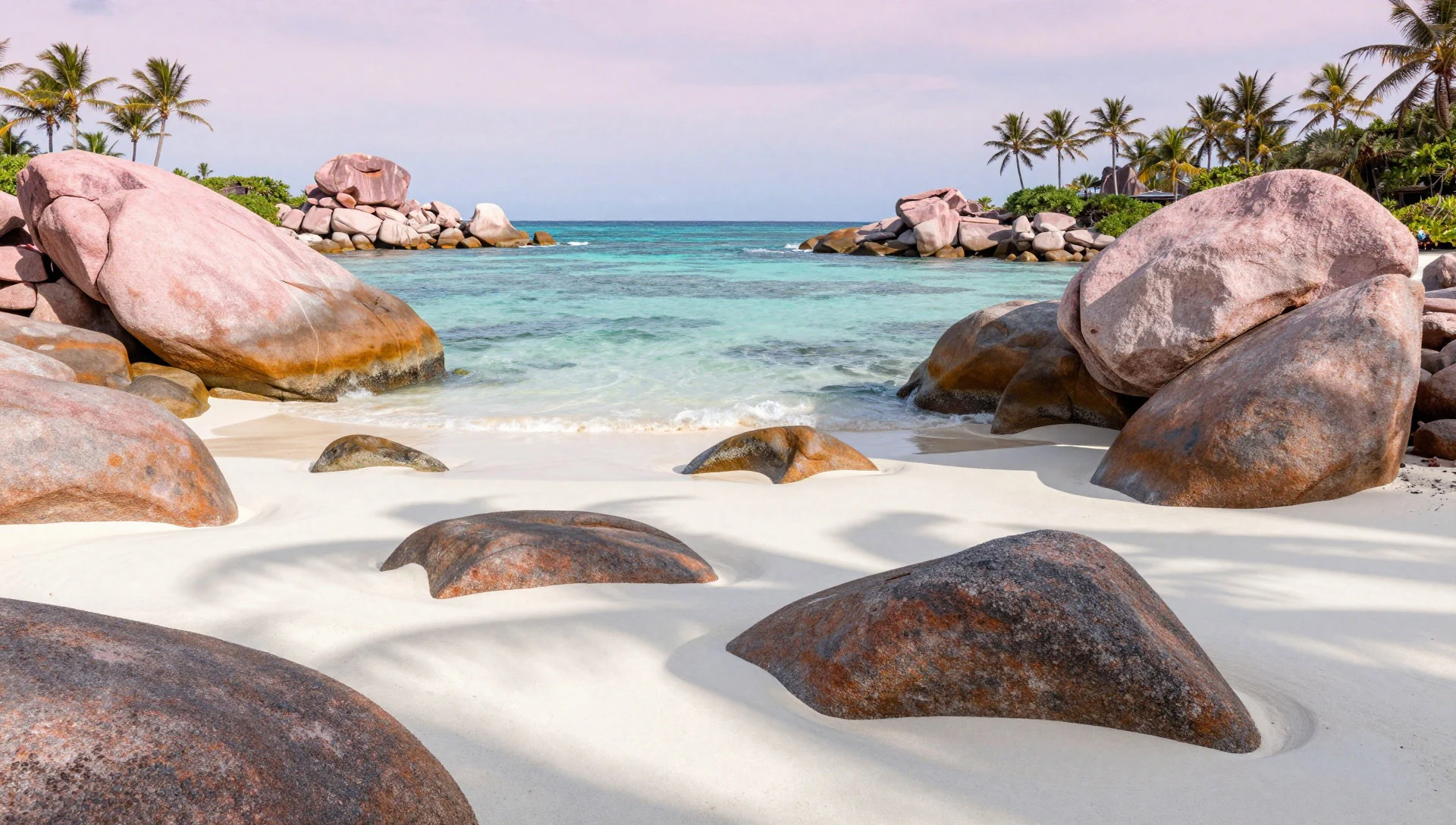
- L'Union Estate — Southwest La Digue
A historic plantation property that offers a tangible glimpse into the colonial past of the island. Visitors can wander through old coconut groves, observe a traditional copra mill in action, and see pens housing land tortoises before continuing onward to the famous coastal paths.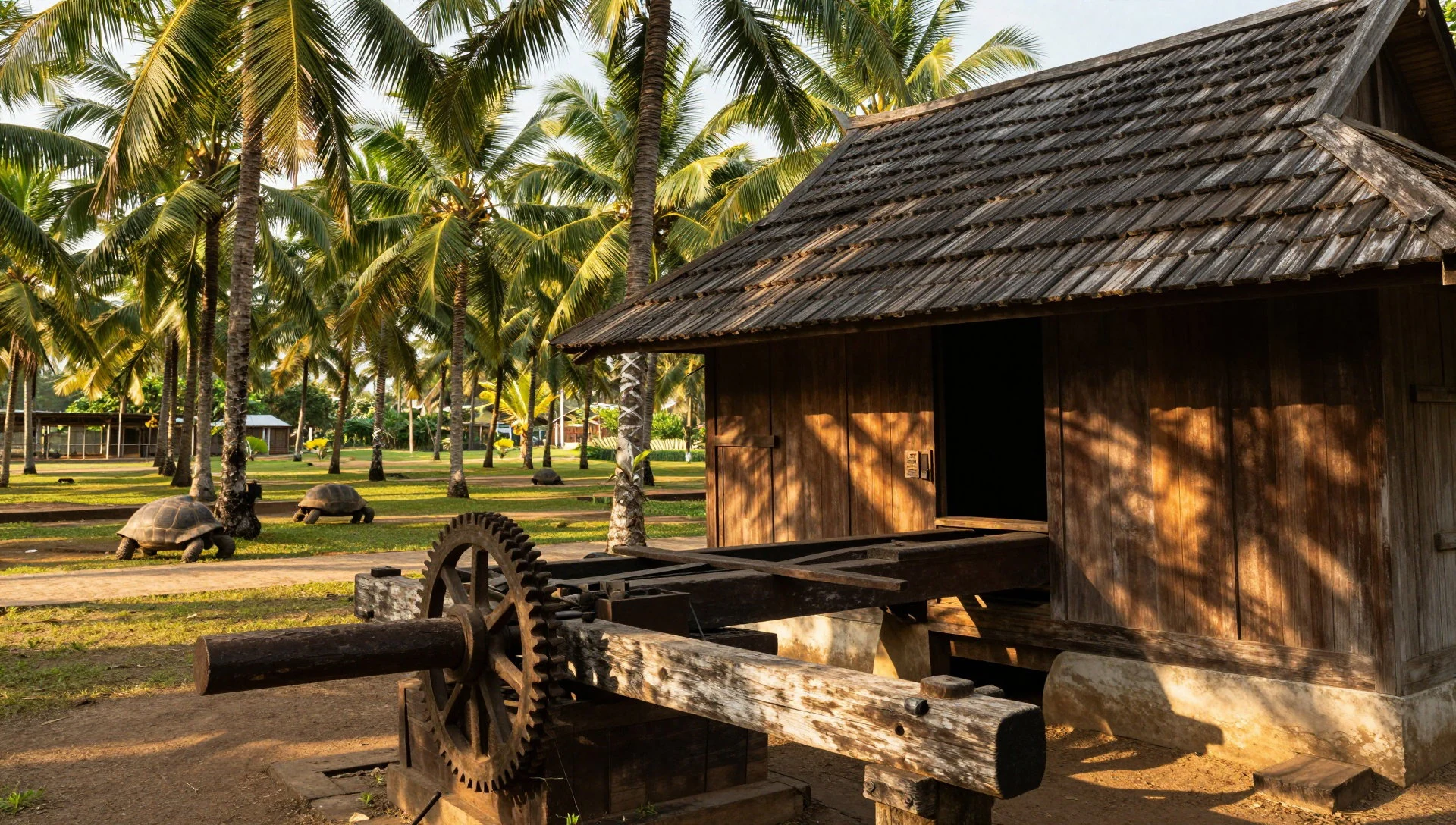
- Veuve Natural Reserve — Island interior
A compact protected woodland situated near the middle of the island, established to safeguard the rare Black Paradise Flycatcher. Shaded walking trails wind through the dense foliage where patient observers may spot the distinctive dark plumage and elongated tail feathers of the local birds.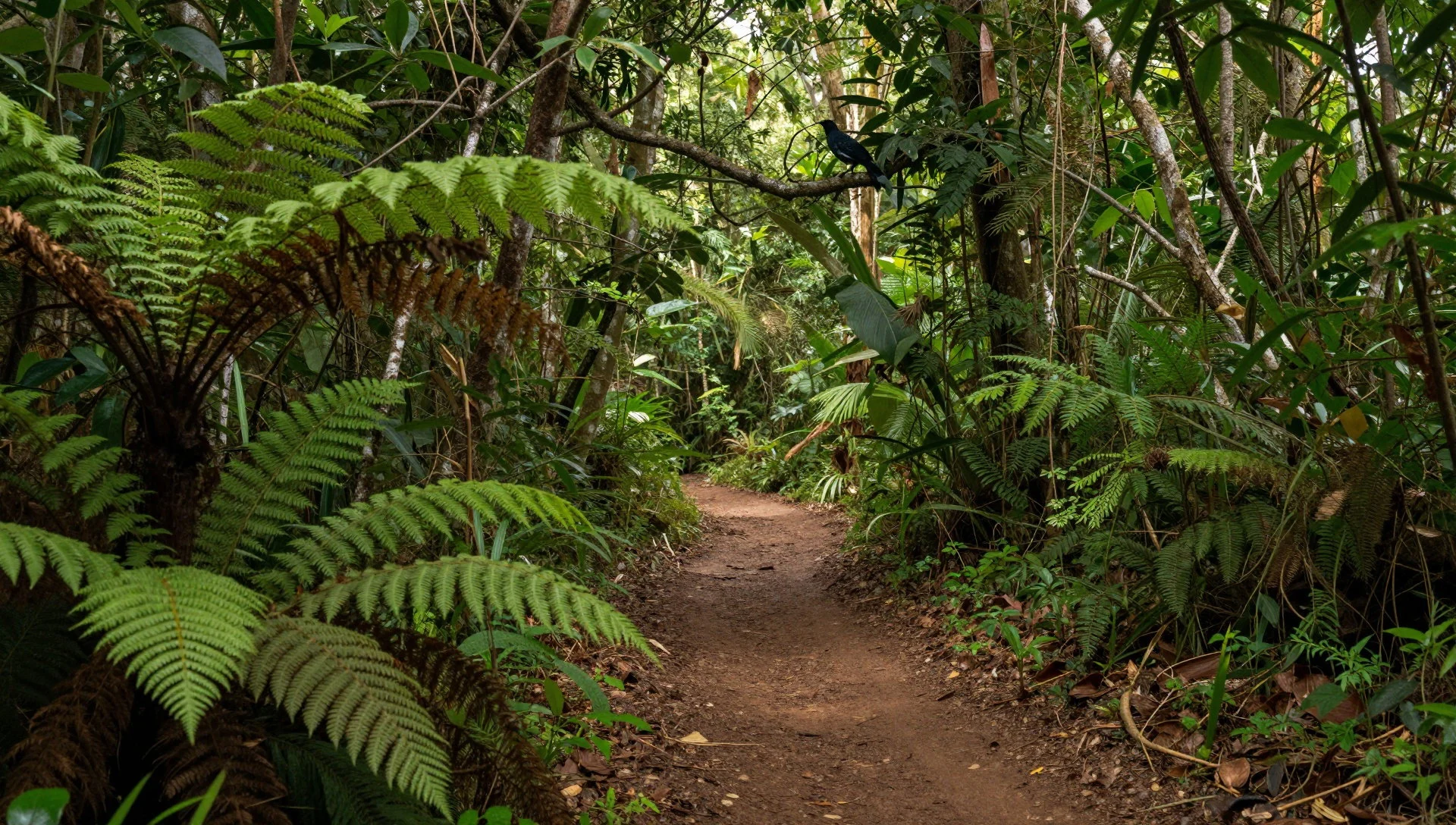
- Grand Anse — Southeast coast
A wide, dramatic bay on the windward side featuring powdery white sand and heavy surrounding vegetation. Unlike the sheltered western lagoons, this open ocean beach lacks a protective coral reef, bringing in powerful waves and strong seasonal currents that require caution.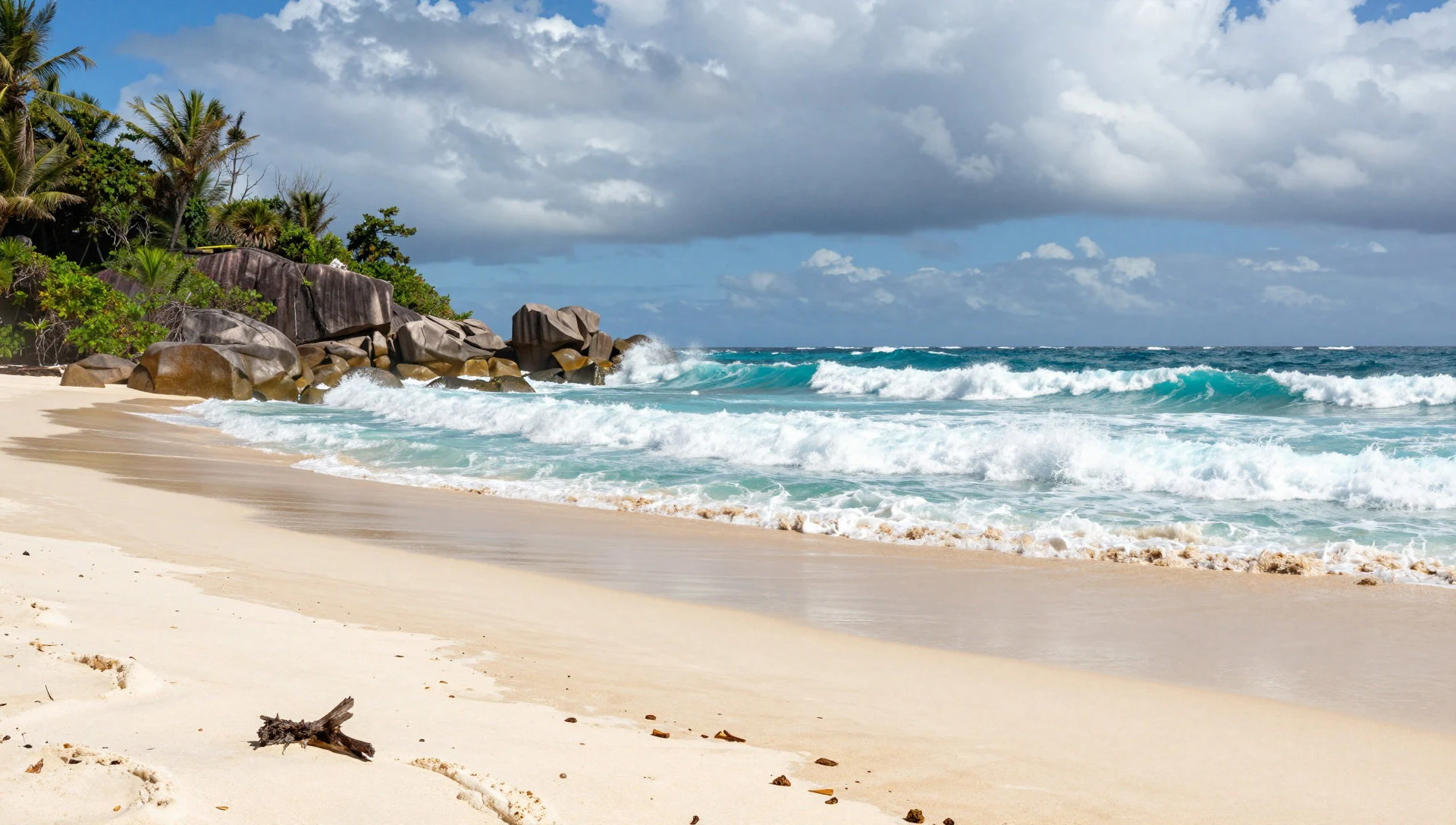
- Nid d'Aigle — Central highlands
The highest elevation point on the island, climbing to the summit where panoramic views unfold across the forested slopes toward neighbouring islands. The uphill walking trail demands steady effort in the tropical heat, but rewards those who reach the top with expansive marine vistas.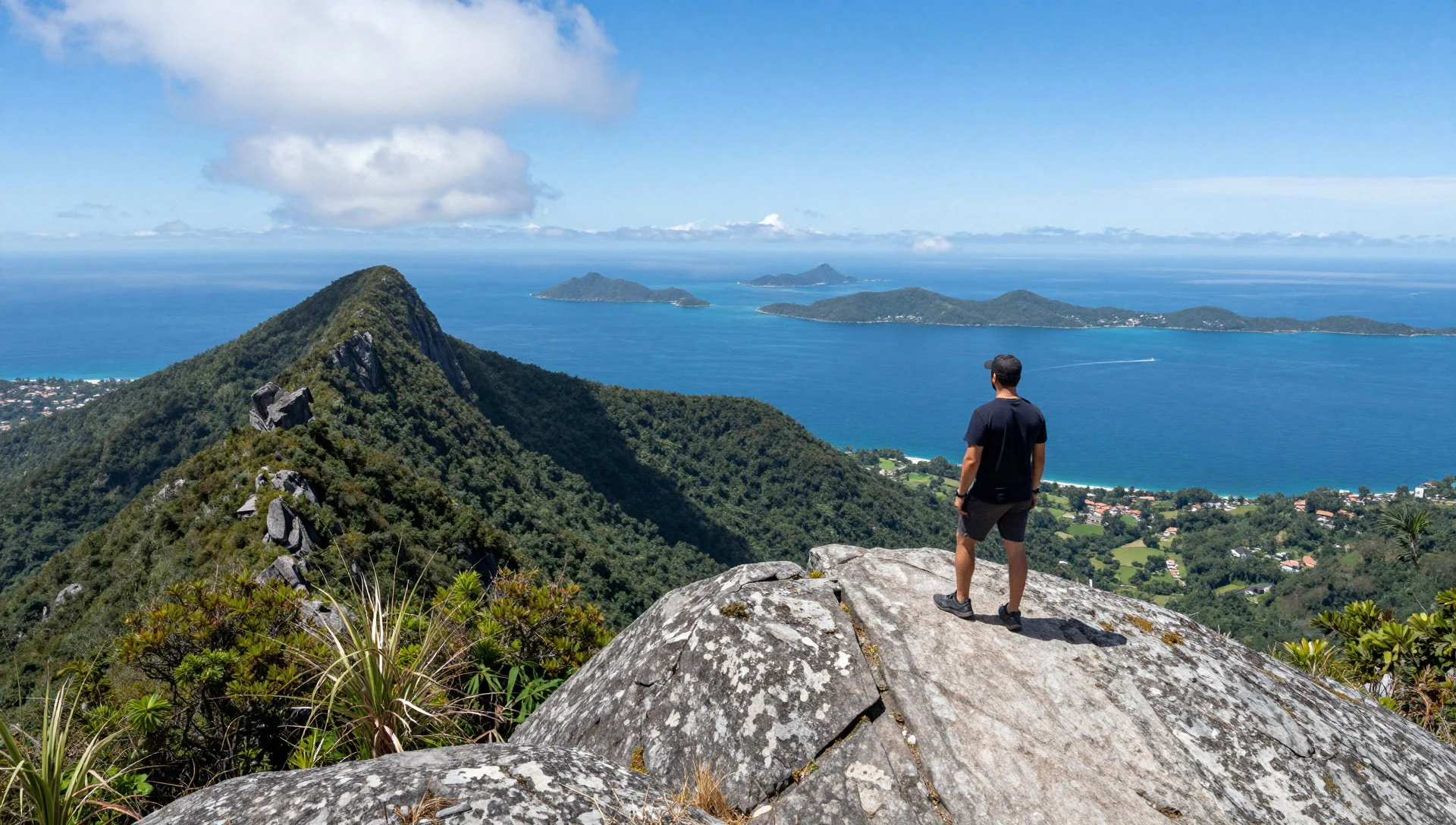
Culture
The people of La Digue, known as Diguois, trace their lineage to a diverse mix of European settlers, African arrivals, Asian immigrants and political exiles. Creole culture forms the beating heart of daily life, expressed through lively patois, acoustic music, storytelling and communal gatherings. Roman Catholicism plays a central role in community identity, with the island's main religious feast day in August drawing large gatherings, processions and festive celebrations that unite families across generations. Visitors will find the local populace warm, polite and welcoming, though deeply protective of their quiet way of life. Traditional customs emphasize respect for elders, neighbourly cooperation and a measured pace that resists rushing. When entering churches or local village homes, dress modestly and ensure your shoulders and knees are covered as a sign of respect.
What to wear
Traditional attire on La Digue historically reflected practical needs in a hot, humid maritime climate, favouring lightweight cottons and loose cuts suitable for agricultural work on plantations and boat handling along the shore. Today, everyday wear for residents is casual and unpretentious, consisting of breathable shirts, shorts, light dresses and sandals or bare feet for many daily errands. For visitors, the golden rule is comfort and breathability. Pack lightweight, loose-fitting clothing made from natural fibres like cotton and linen to cope with the tropical warmth. Sturdy sandals or slip-on shoes are ideal for cycling and sandy paths, while a light rain jacket or umbrella is essential during wetter months. When away from the beach, particularly in village shops or near places of worship, maintain modesty by wearing a sarong or cover-up over swimwear.
What to eat
- Creole Fish Curry — Local takeaway spots and casual eateries around La Passe
Fresh catch of the day simmered in a fragrant coconut milk sauce spiced with turmeric, ginger, garlic, and local chillies, served alongside steaming white rice.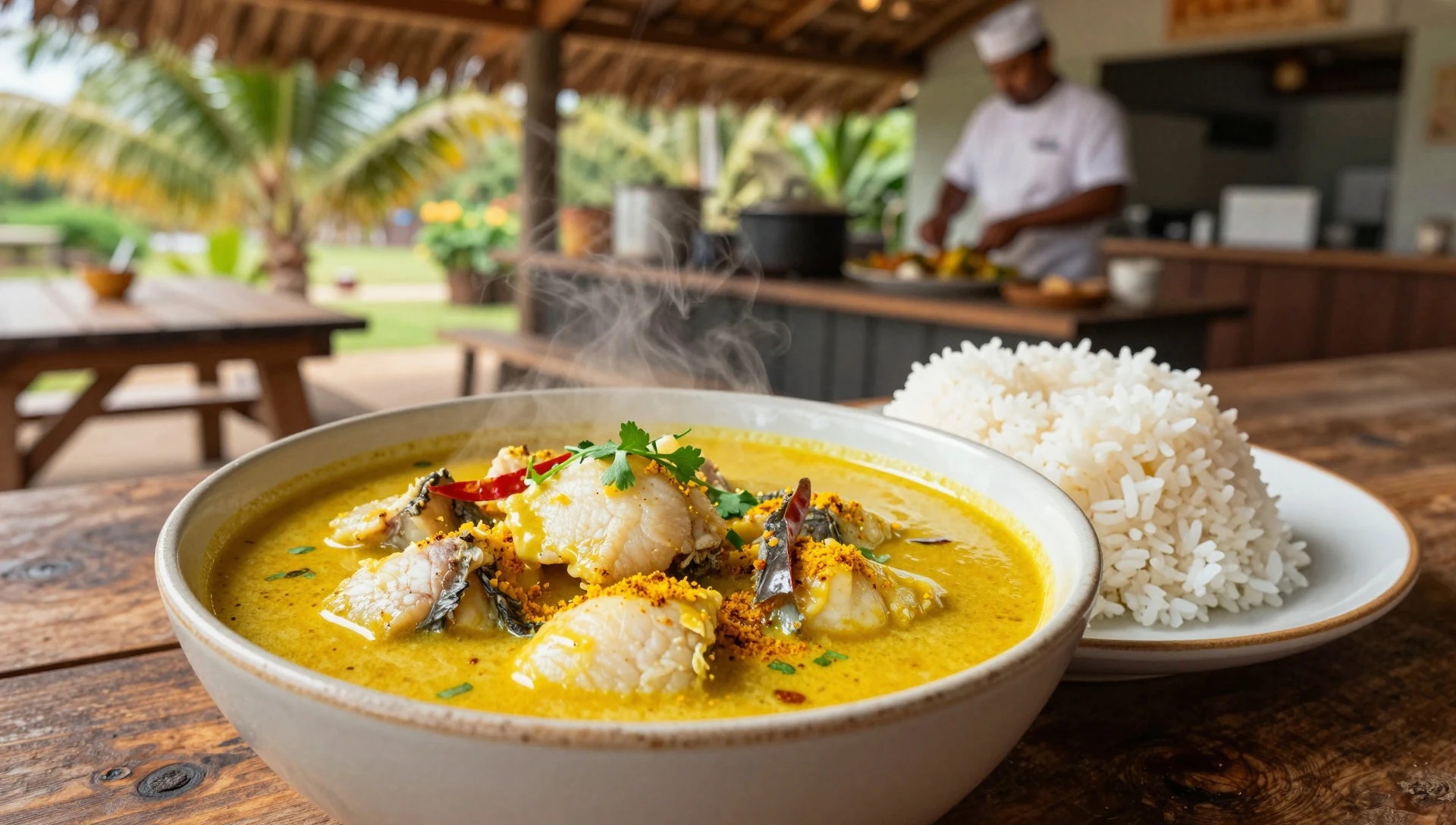
- Grilled Octopus — Waterfront restaurants and evening barbecue grills
Tender local octopus seasoned with garlic, herbs and citrus, often charred over an open flame and served with a zesty tomato salsa.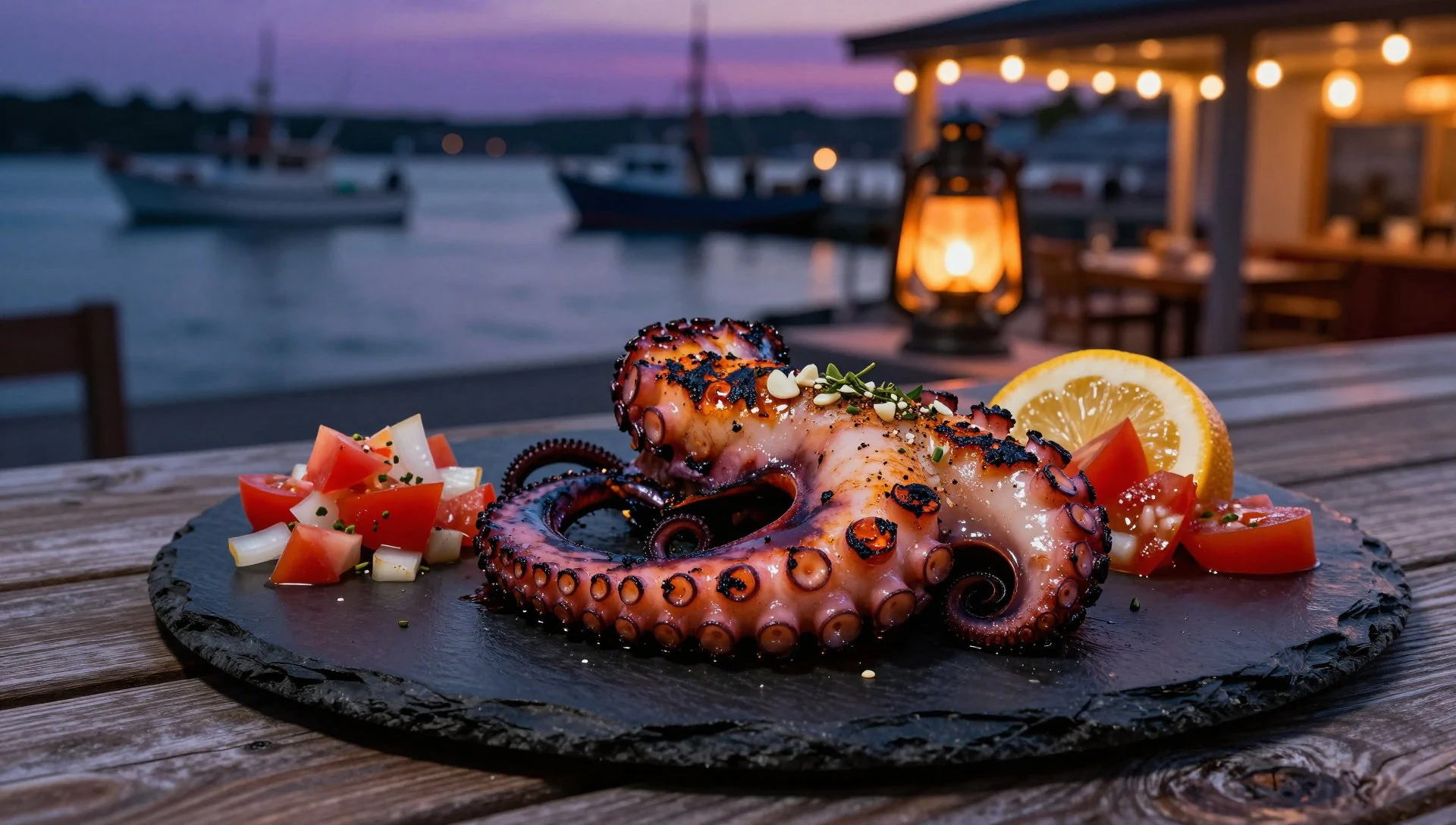
- Island Fruit Platters — Roadside fruit stalls and grocery shops across the island
Ripe tropical fruits including papaya, mango, banana and passionfruit, sliced fresh daily and enjoyed as a refreshing snack in the shade. - Local Takamaka Rum — Jelly and beach bars near the jetty in La Passe
Distilled sugarcane spirit infused with local spices or fruit flavours, served neat, over ice, or mixed into refreshing long drinks at open-air bars.
Plan it
Best time. June to August offers the driest and coolest weather, with steady cooling southeast trade winds, while the transition months of April and November bring calmer seas ideal for swimming and snorkelling.
How long. 3–4
Getting there. Fly into Mahé International Airport, take a taxi or bus to Victoria jetty, and board the high-speed ferry across to La Passe on La Digue, usually via Praslin.
Budget. mid
Tips
- Rent a bicycle immediately upon arrival as it is the primary and most enjoyable way to navigate the flat island paths.
- Carry cash in local currency for small shops, bicycle rentals, and takeaway counters where card machines may not be available.
- Start your visits to popular spots like Anse Source d'Argent early in the morning to enjoy the calmest atmosphere before day-trippers arrive.
- Drink plenty of bottled water throughout the day to stay hydrated in the strong tropical heat and humidity.
Etiquette
- Always greet shopkeepers and passers-by with a polite 'bonjou' before making inquiries.
- Ask permission before photographing local residents or private property.
Nearby
Sources
- Wikidata Q581154 (CC0)
- Wikipedia (rev 1364043192) (CC BY-SA 4.0)
- Wikivoyage (rev 5407880) (CC BY-SA 4.0)